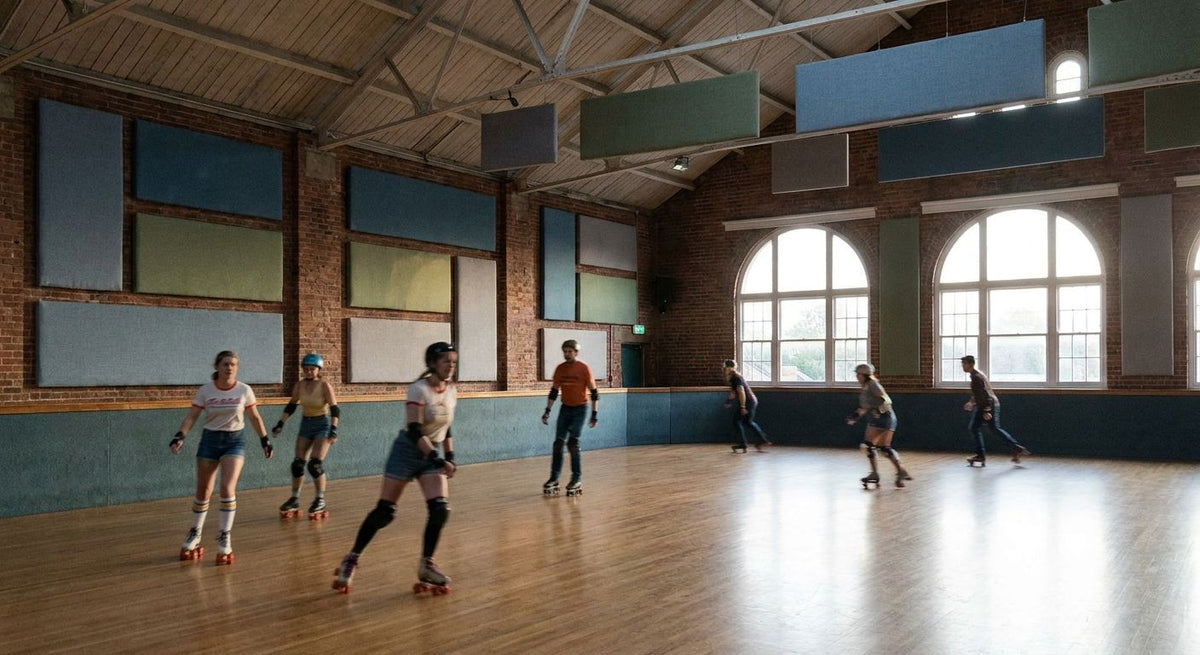
Roller skating rink acoustic panels are wood-veneer or felt-backed wall treatments installed around the rink perimeter to absorb skate-wheel noise, PA feedback, and music reverberation, with the goal of keeping announcements intelligible and the space comfortable to stand in for more than ten minutes. A rink's acoustic problem is not the same as a living room or office job: the floor absorbs nothing, the ceiling often sits 20 feet or higher, and a hundred-plus skaters and spectators generate constant noise at once. Panel coverage in a rink has to fight three noise sources simultaneously instead of one.
- Acoustic panels for roller skating rinks belong on perimeter walls, not the ceiling — floors and skaters absorb nothing.
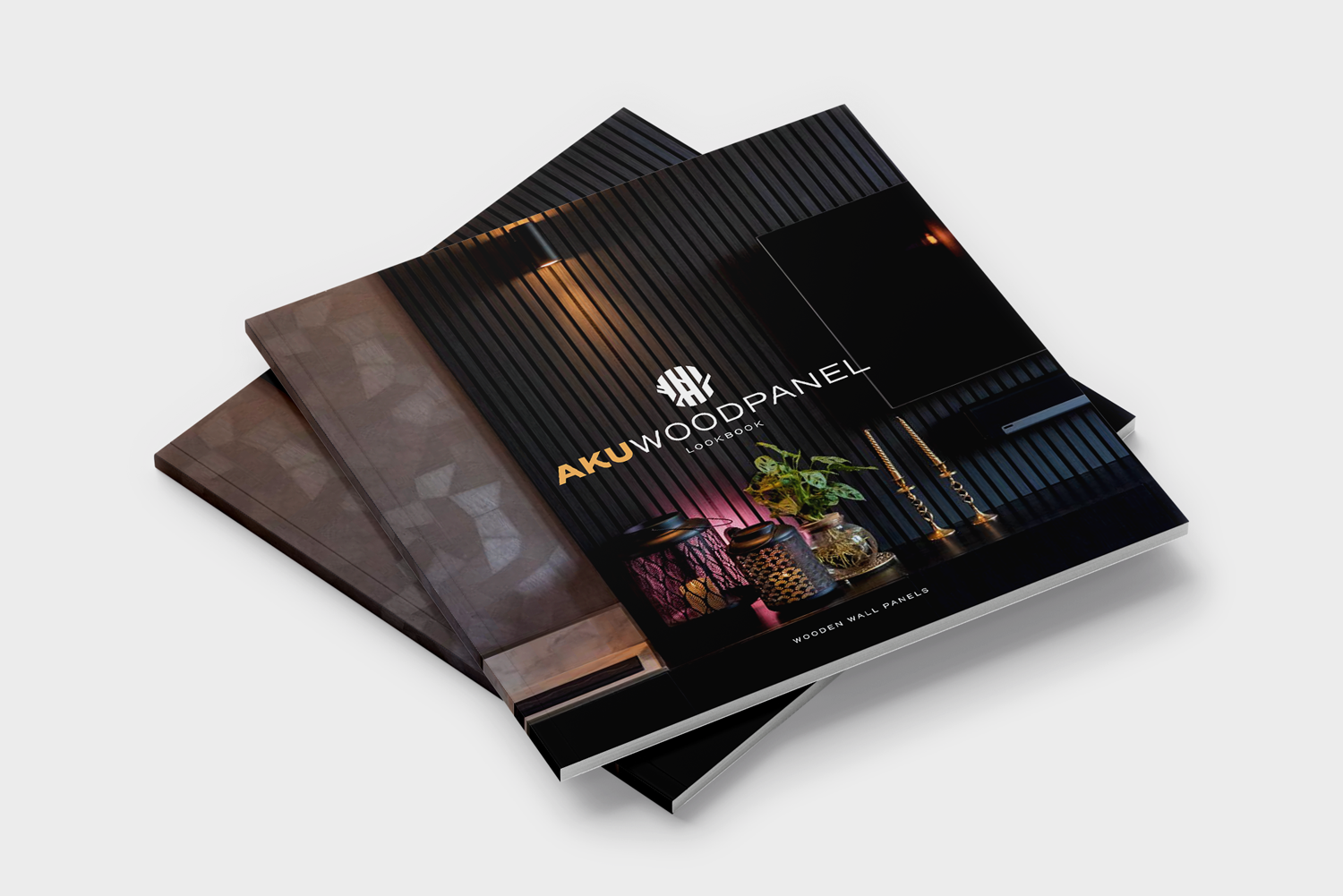
- Akuwood Panel's hexagon acoustic panels carry a 0.75 NRC rating, built for wide-open rinks with high ceilings.
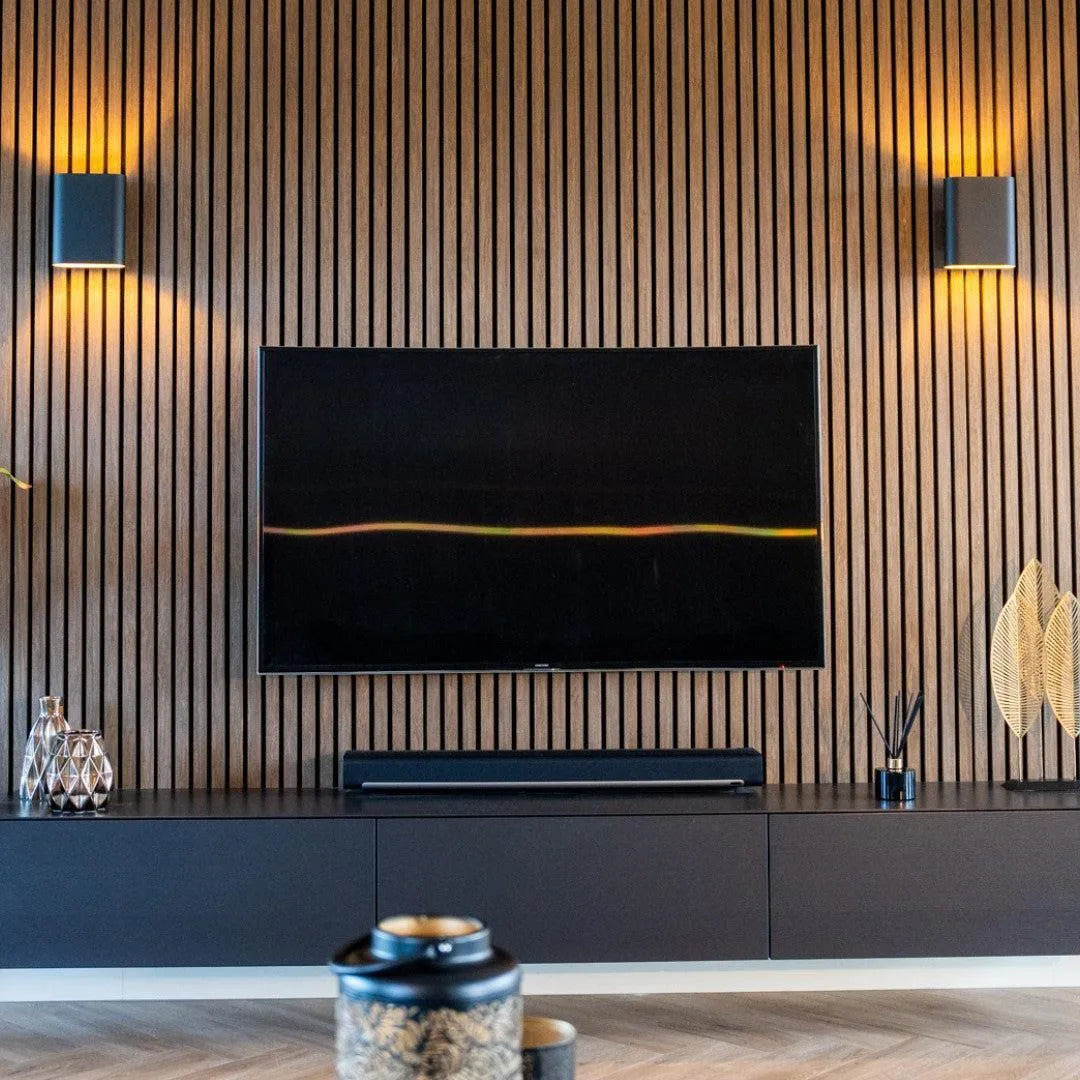
- Slat wall panels in black oak or walnut resist skate-rail scuffing better than fabric-wrapped foam boards.
- Phase wall coverage: speaker and entry walls first in 2026 budgets, corner echo zones second.
Why this matters
A roller rink is one of the harder rooms in commercial construction to treat for sound. The floor is hard maple or synthetic and reflects everything that hits it. Skate wheels generate a constant rolling hum that bounces off drywall and cinderblock walls before it ever reaches an ear. Add a DJ booth, a PA system announcing skate sessions, and a crowd talking over the noise, and most rinks built before 2020 end up with an announcer nobody can understand past the halfway line.
The fix isn't ceiling tile — ceilings in a 20-foot-high rink are too far from the sound sources to do the job efficiently. Wall-level treatment, especially on flat parallel surfaces, is where the return on acoustic panels for roller skating rinks actually shows up. Rinks share this profile with other large hard-floor volumes; the same logic that drives acoustic slat panels for noise reduction in sports halls applies almost directly to a skate floor.
How to plan acoustic panels for a roller skating rink
Measure where the echo actually happens
Before buying anything, walk the rink during an active session and find the specific dead zones.
- Do a clap test at each corner during a quiet moment and listen for flutter echo
- Stand at the far end of the rink during an announcement and note if it's clear
- Check flat parallel walls first — they're the worst offenders for standing waves
- Log which walls face the DJ booth and PA speaker stacks
- Note any hallway or corridor connecting the rink to the lobby, since sound travels there too
Prioritize walls with hard, flat, parallel surfaces
Not every wall needs treatment. Rank them by how much untreated flat area they expose to the rink floor.
- Walls directly opposite the entrance doors
- The wall behind or beside the PA speaker stack
- Any uninterrupted wall run over 20 feet
- Mechanical room or storage walls that reflect straight back onto the skate floor
- Corridors between the rink and lobby where sound funnels
Pick an NRC rating suited to ceiling height
NRC (noise reduction coefficient) tells you how much sound a panel absorbs versus reflects. Rinks with higher ceilings need panels rated higher on this scale to compensate for the extra reflective volume. Working through how to calculate acoustic panel NRC rating for a room before ordering avoids buying panels that look right but underperform once installed.
- Ceilings under 12 feet can run a slightly lower NRC and still work
- Rinks with 15 to 25-foot ceilings should target panels rated 0.70 or higher
- Skip anything under 0.5 NRC for main hall walls — it won't move the needle
- Acoustic treatment guides commonly recommend covering roughly 15 to 25 percent of total wall area as a starting ratio
- Add extra coverage specifically near speaker stacks, since that's the first reflection point skaters hear
Choose a panel finish that survives skate traffic
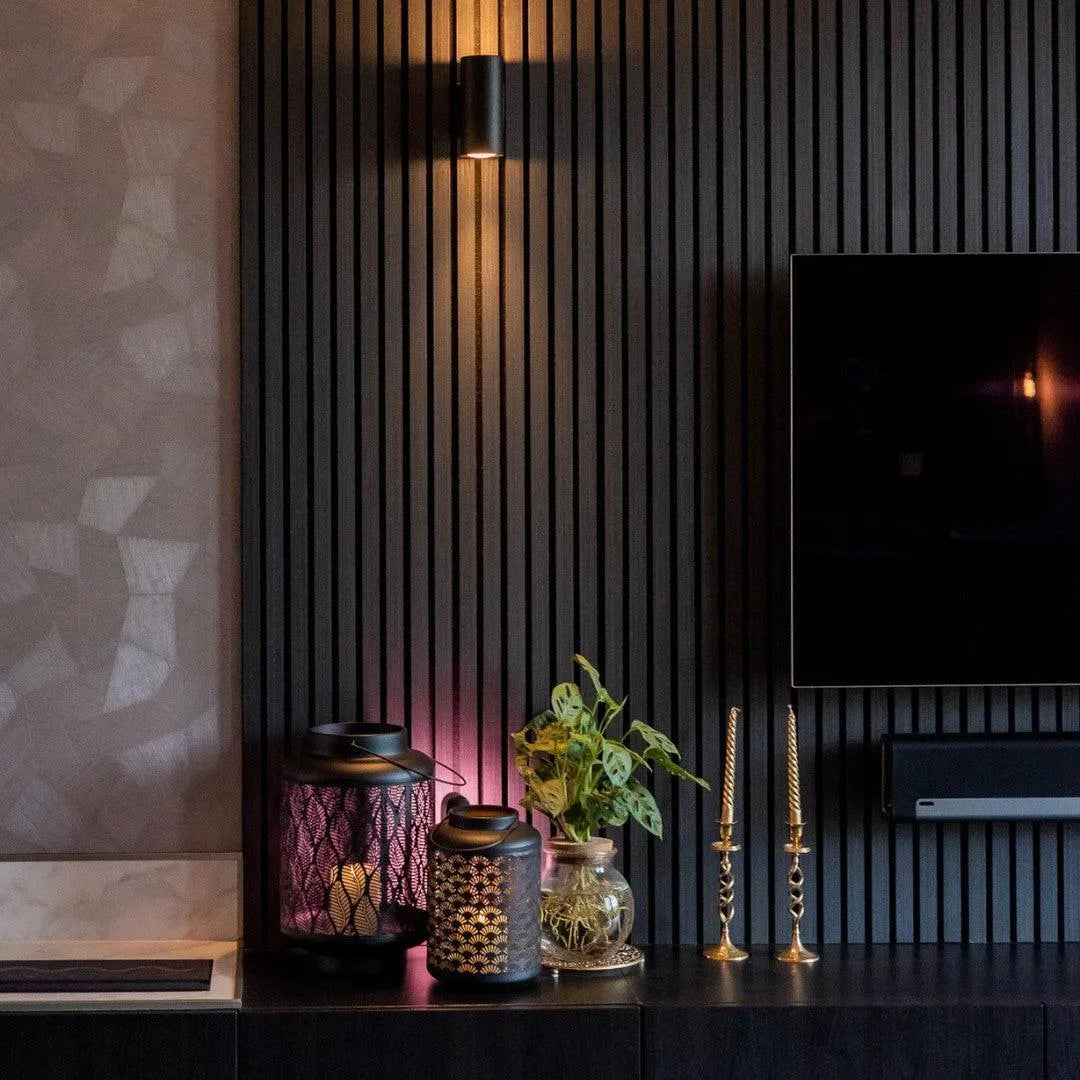
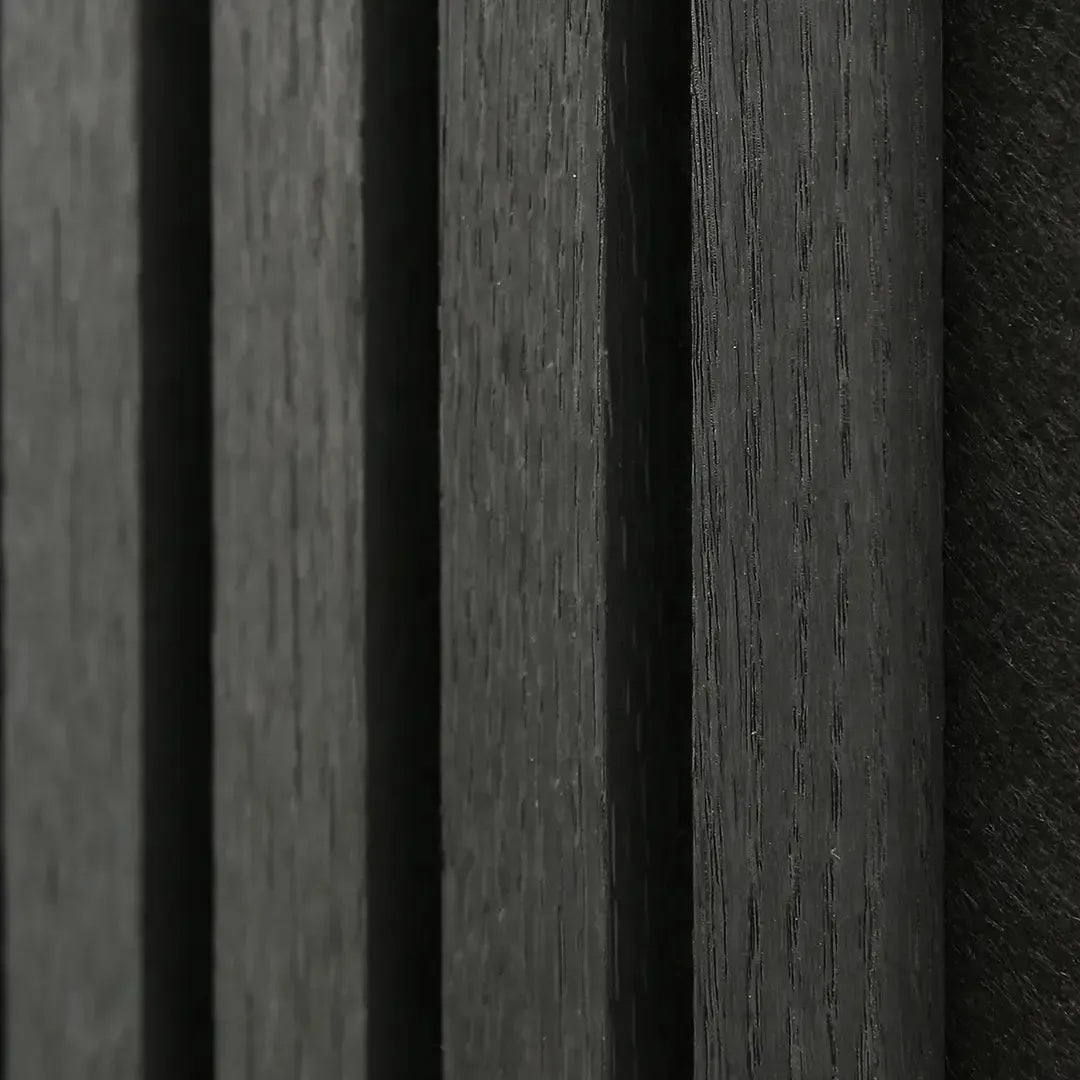
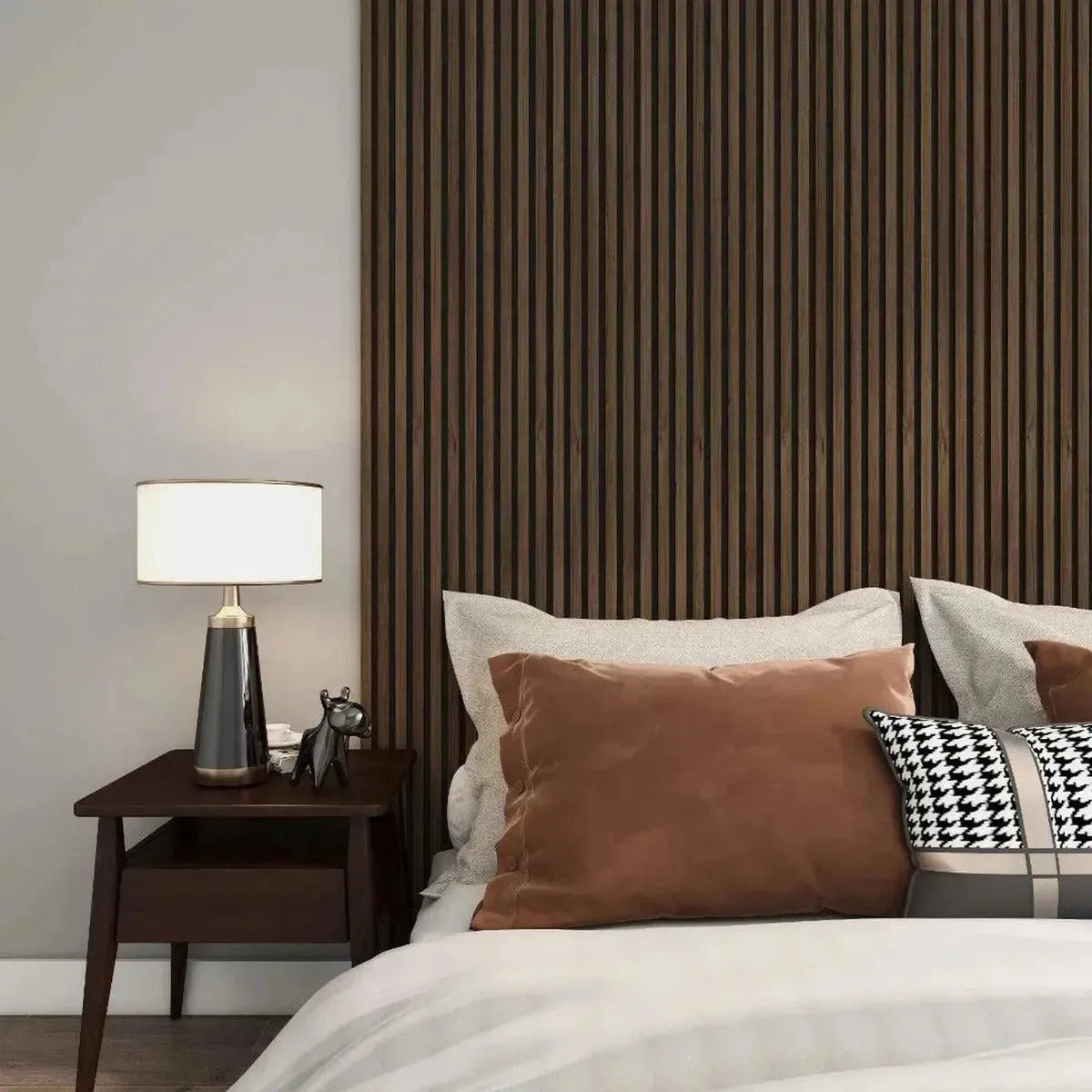
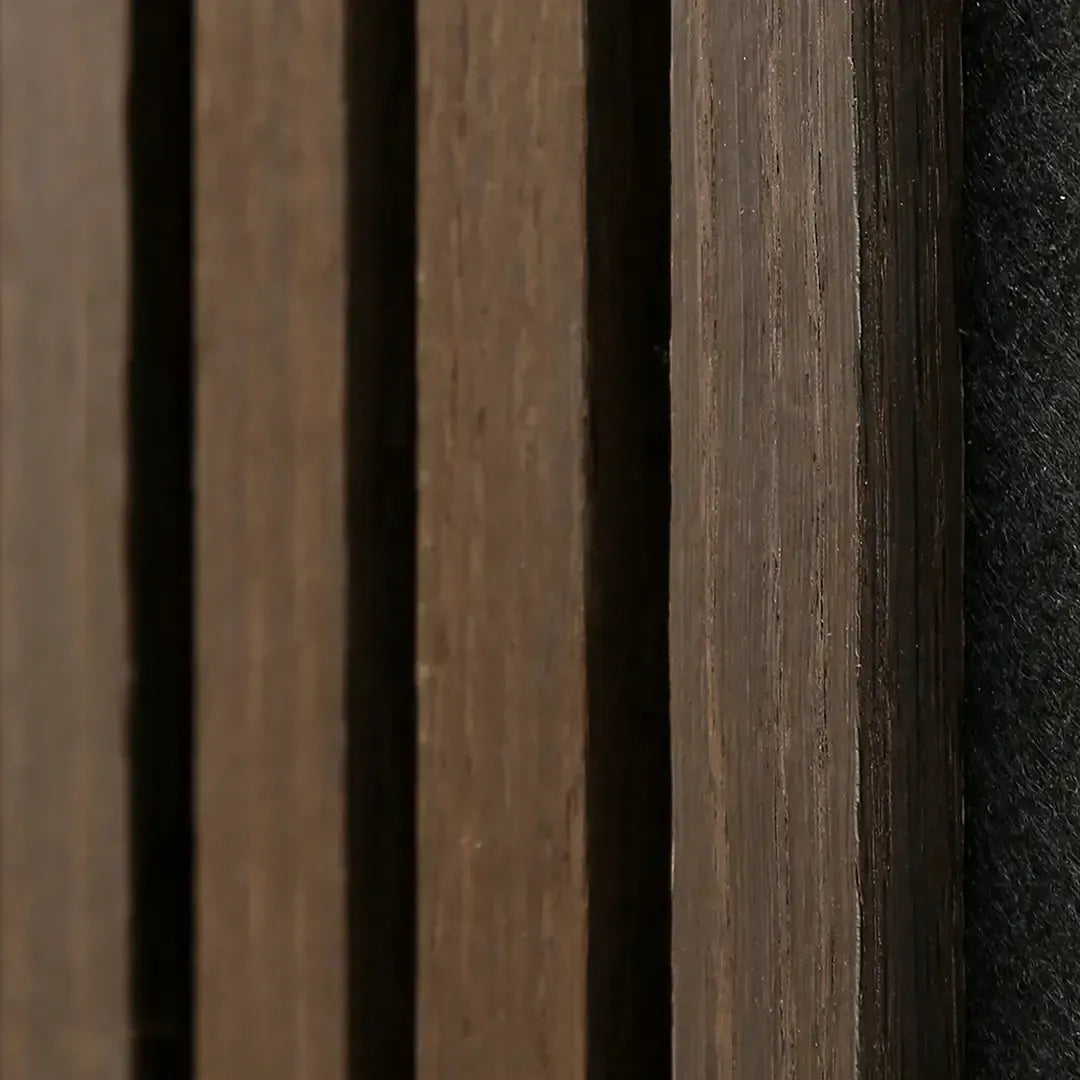
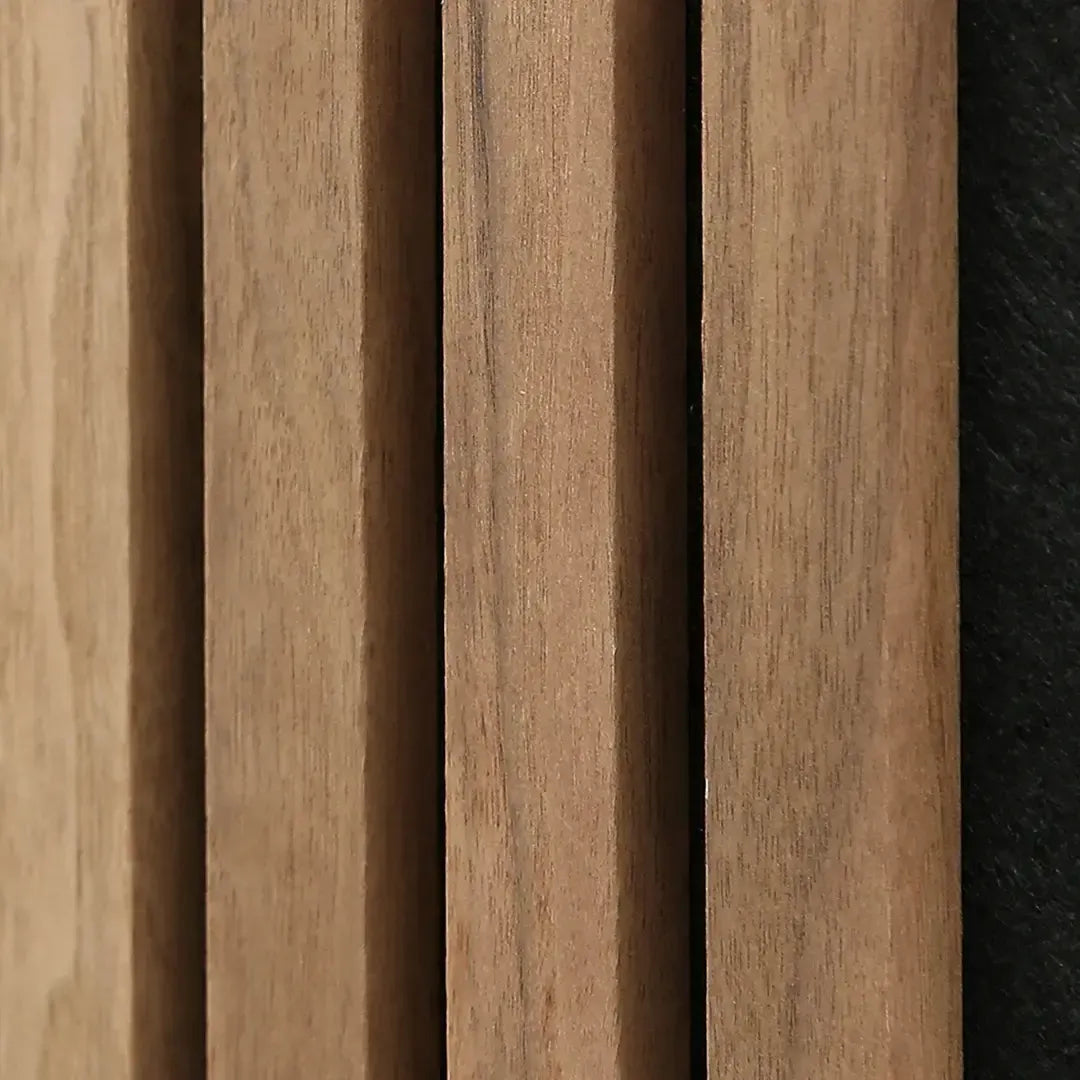
This is where the manual planning turns into a buying decision, and it's the point where the material matters as much as the math. Akuwood Panel's acoustic slat wall panels in black oak or walnut use a 3-sided real wood veneer that holds up better under scuffing than vinyl-wrapped foam, which tends to crack and peel in high-traffic commercial rooms.
- Choose real wood veneer over vinyl wrap at rail height, where contact is constant
- Use felt-backed slat or hexagon panels for mid-wall zones away from direct impact
- Avoid raw acoustic foam below 4 feet — skaters and falls will destroy it within a season
- Darker finishes like black oak hide scuff marks better than pale natural finishes under rink lighting
- Keep panels off walls directly adjacent to concession or spray zones
Install lower-traffic zones first, then scale
Most rinks don't have the budget to treat every wall in one pass, and they don't need to.
- Start with the wall behind the PA and DJ booth — the loudest first-reflection point
- Add the wall facing the entrance next, since that's where new skaters form their first impression
- Phase side walls in as budget allows across a season or two
- Leave direct skate-rail contact zones for the last install run once the layout is proven
- Recheck the clap test and announcer clarity after each phase before committing to the next
Mix hexagon and slat panels for coverage without losing wall interest
Rinks are also public-facing rooms — the walls are part of the customer experience, not just an acoustic fix.
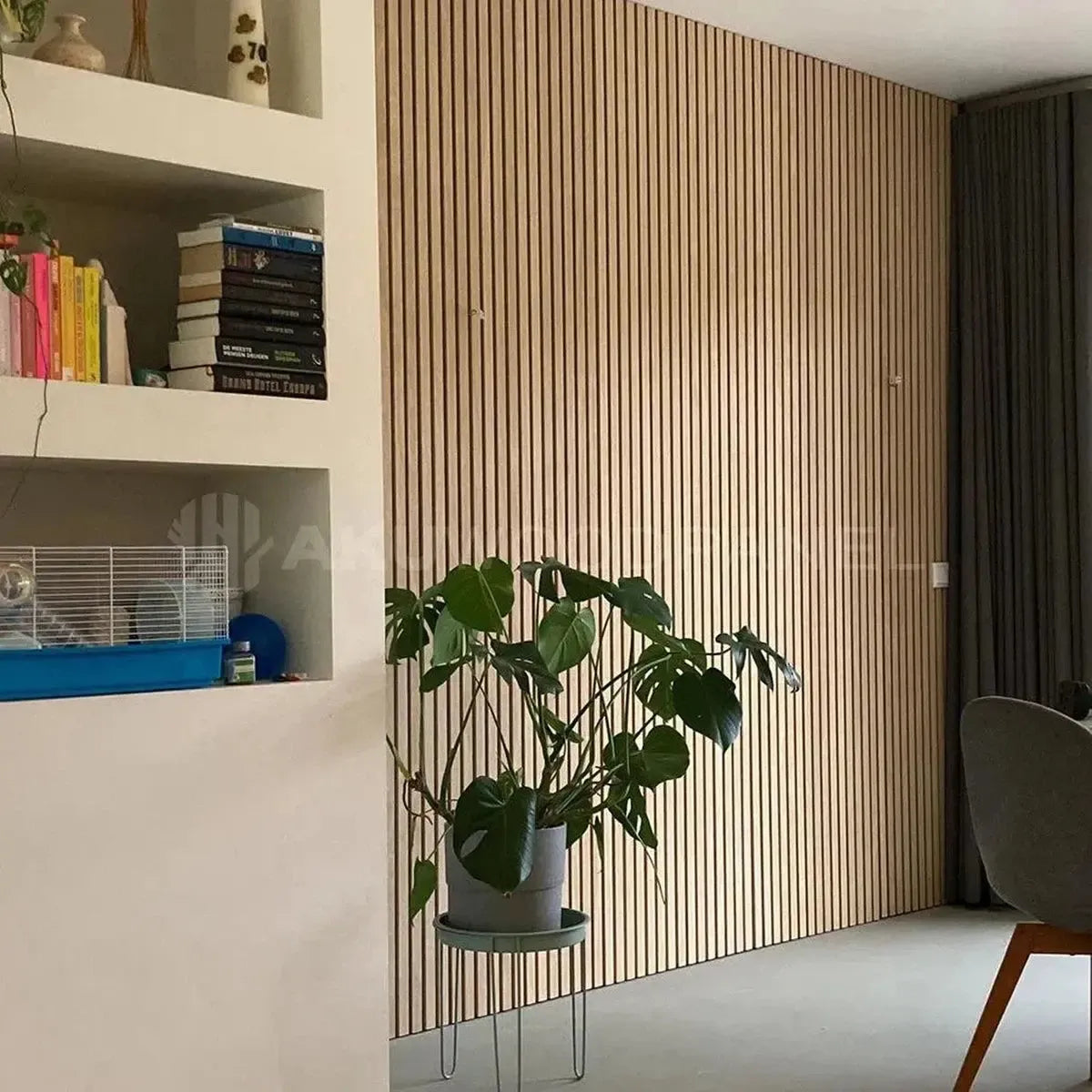
- Run slat panels along long straight perimeter walls for continuous, efficient coverage
- Drop hexagon clusters near the entrance and lobby transition as a visual break
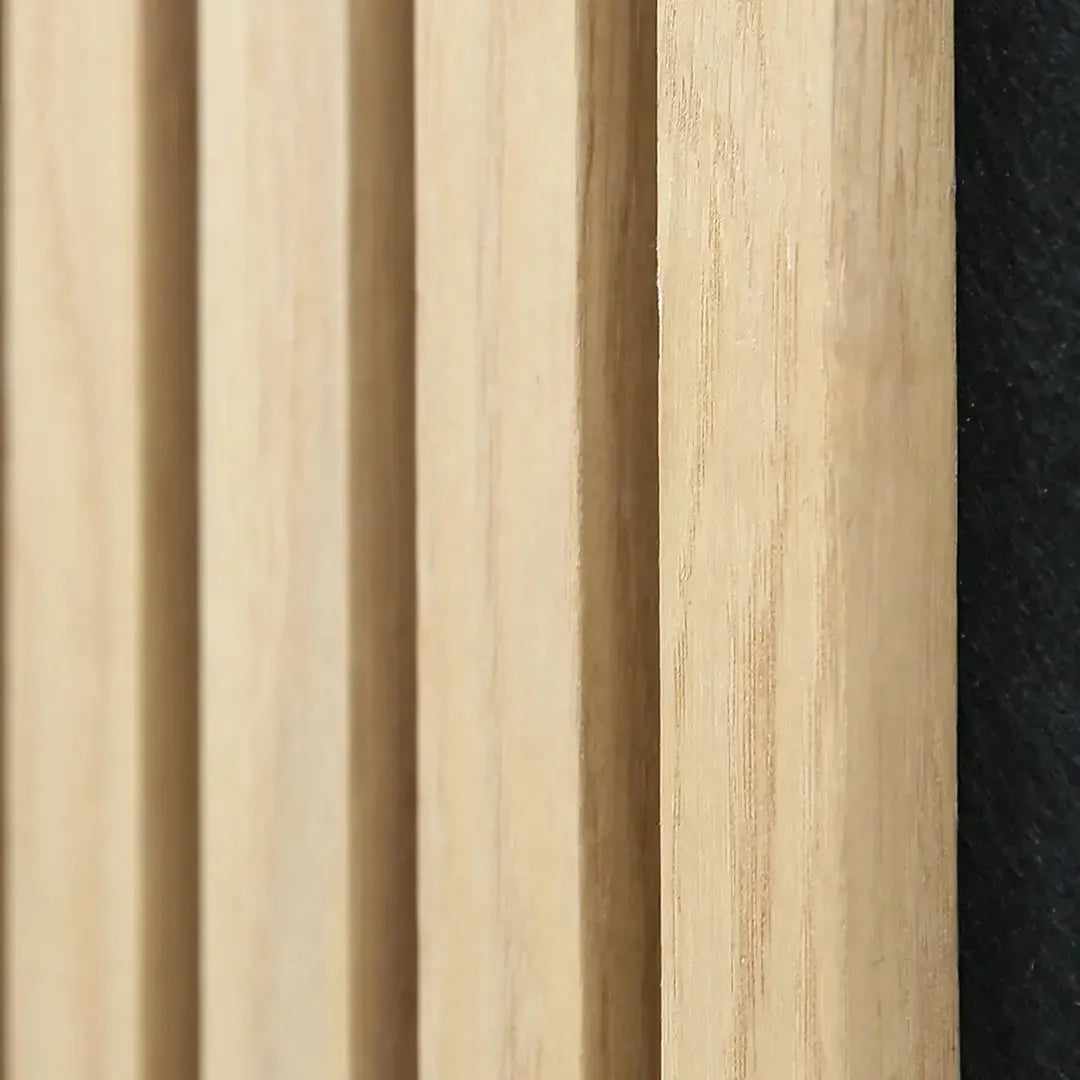
- Alternate finishes, like natural oak against black oak, to mark different zones of the rink
- Keep hexagon panel runs off direct-impact areas near the rail
- Use end pieces to close out exposed panel edges cleanly instead of leaving raw cuts


Options compared
| Option | Best for | Key limitation |
|---|---|---|
| Acoustic slat wall panels (Akuwood Panel) | Long, flat perimeter walls behind PA and DJ booths | Needs a flat substrate; not built for curved surfaces |
| Hexagon acoustic panels (Akuwood Panel) | Entry zones and lobby transitions needing a visual break | Smaller per-unit coverage, more units needed for large walls |
| Standard fabric-wrapped foam boards | Low-budget jobs with light foot traffic | Foam denting and fabric fraying under skate-rail contact |
| Suspended baffles or ceiling clouds | Ceiling-only treatment in double-height rinks | Doesn't touch wall-level reflections where skaters actually stand |
Verdict: for a 2026 rink build or renovation, Akuwood Panel's slat wall panels win on long perimeter walls, and hexagon panels win on entry and lobby zones — foam and baffles are the weaker fallback, not the first choice.
“If an announcement is still hard to understand from the far corner of the rink, the walls are the problem, not the speakers.”
Common mistakes roller rink owners make with acoustic panels
- Treating only the ceiling and skipping the walls. The floor and skaters absorb nothing, so wall bounce dominates the noise in a rink, not overhead reflection.
- Covering under 15% of wall area and expecting a noticeable change. Sparse panel placement rarely moves the needle on a room this size.
- Installing raw foam or vinyl-wrap panels in reach zones. Skate rails and falls tear through both within a single season of use.
- Ignoring the sports-hall parallel. Rinks share the same hard-floor, high-ceiling problem covered in acoustic slat panels for noise reduction in sports halls, and skipping that research means repeating avoidable mistakes.
- Treating the far wall and skipping the speaker wall. The wall closest to the PA stack is the loudest first-reflection point in the room — leaving it bare wastes most of the acoustic budget.
FAQ
What's the best acoustic panel for a roller skating rink?
Slat wall panels work best on long, flat perimeter walls, and hexagon panels work best in entry and lobby zones. Akuwood Panel's hexagon panels carry a 0.75 NRC rating, suited to the high ceilings typical of rinks in 2026 builds.
Do acoustic panels actually reduce echo in a rink?
Yes, when they cover enough wall area, because rink floors and skaters absorb almost no sound on their own. Wall-level panels are the main lever available in a room built around a hard skate floor.
How much wall coverage does a rink need for noticeable noise reduction?
A common starting ratio is 15 to 25 percent of total wall area, weighted toward walls facing the PA speakers and entrance. Larger, higher-ceilinged rinks need coverage at the upper end of that range.
Are wood acoustic panels durable enough for a roller rink?
Real wood veneer panels like Akuwood Panel's slat wall panels hold up to scuffing better than vinyl-wrapped foam. Raw foam panels placed below rail height, however, tend to fail within a season.
Is hexagon or slat wall panel better for a skating rink?
Slat panels cover long straight walls more efficiently; hexagon panels work better as a decorative break near entries and lobbies. Most rinks in 2026 renovations use both, split by zone.
Can acoustic panels go on a rink ceiling instead of the walls?
They can, but walls deliver more noise reduction per dollar in a rink because the ceiling sits too far from the floor-level noise sources. Wall treatment should come first, ceiling treatment second if budget allows.
How do I calculate how many panels I need for a rink wall?
Measure the flat wall area you're targeting, apply the 15 to 25 percent coverage ratio, then divide by the panel's per-box coverage. Hexagon panels ship 4 per box at 32 inches per unit, which sets the math.
What NRC rating should rink acoustic panels have?
Aim for 0.70 or higher on rinks with ceilings above 15 feet. Akuwood Panel's hexagon acoustic panel line is rated at 0.75 NRC, which fits that range.
One last thing
The wall most rinks forget to treat is the one directly behind the PA speaker stack, not the far wall opposite the entrance. That speaker wall is the first reflection point sound hits before it ever reaches a skater's ear, so treating it delivers a bigger drop in perceived echo than doubling coverage on the opposite side of the room. Start there in 2026 before spreading panel budget across the rest of the rink.

 Better performance and aesthetic appeal
 In Stock