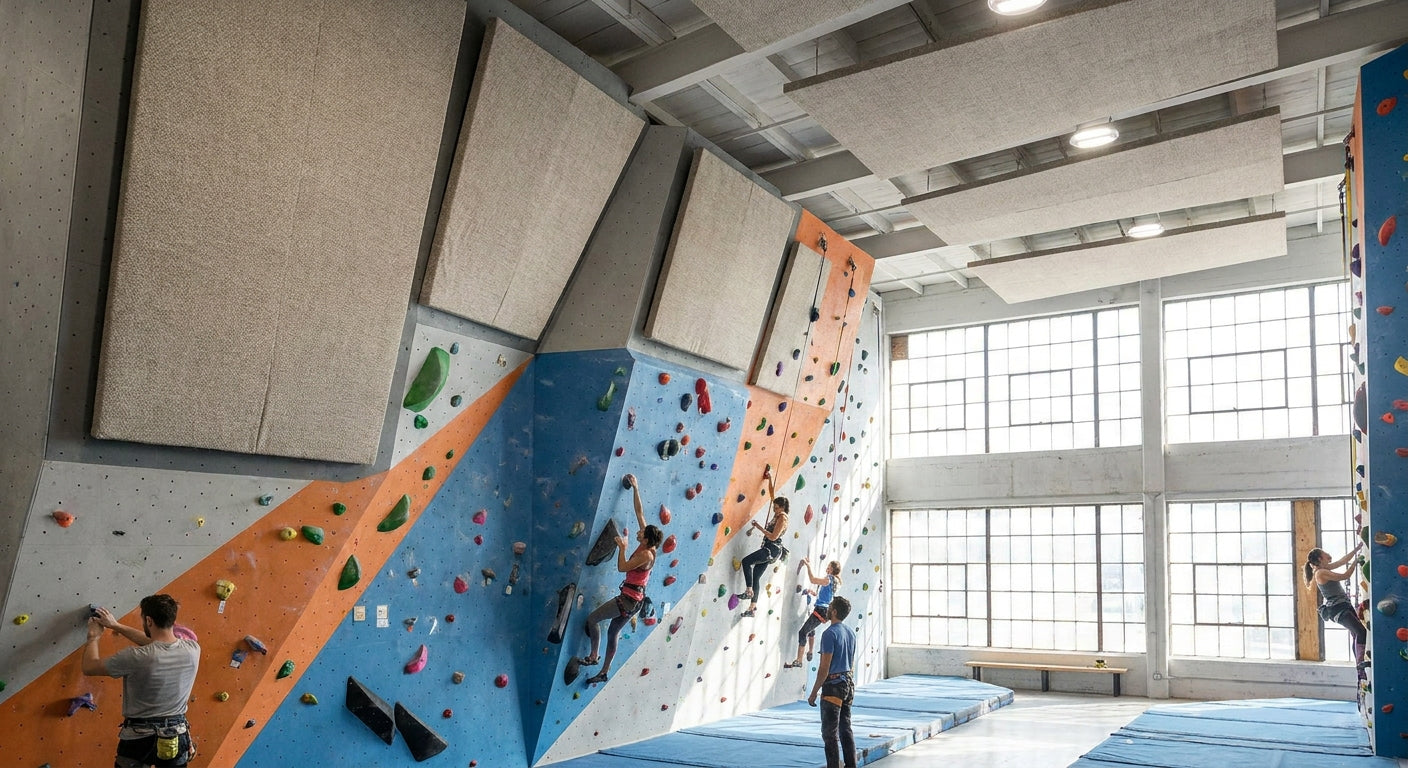
Climbing gym walls turn every fall, chalk bag drop, and shouted beta call into a booming echo, and most gym owners don't fix it until members start complaining about the noise. This guide breaks down what actually works for indoor climbing gym walls in 2026, not generic office acoustic advice repackaged with a gym stock photo.
- Acoustic panels for climbing gym walls need NRC 0.70+ and impact-tolerant mounting, not thin foam tiles.
- Hexagon Acoustic Panel Natural Oak with Gray Felt rates NRC 0.75 and suits belay and lounge zones — Buy.
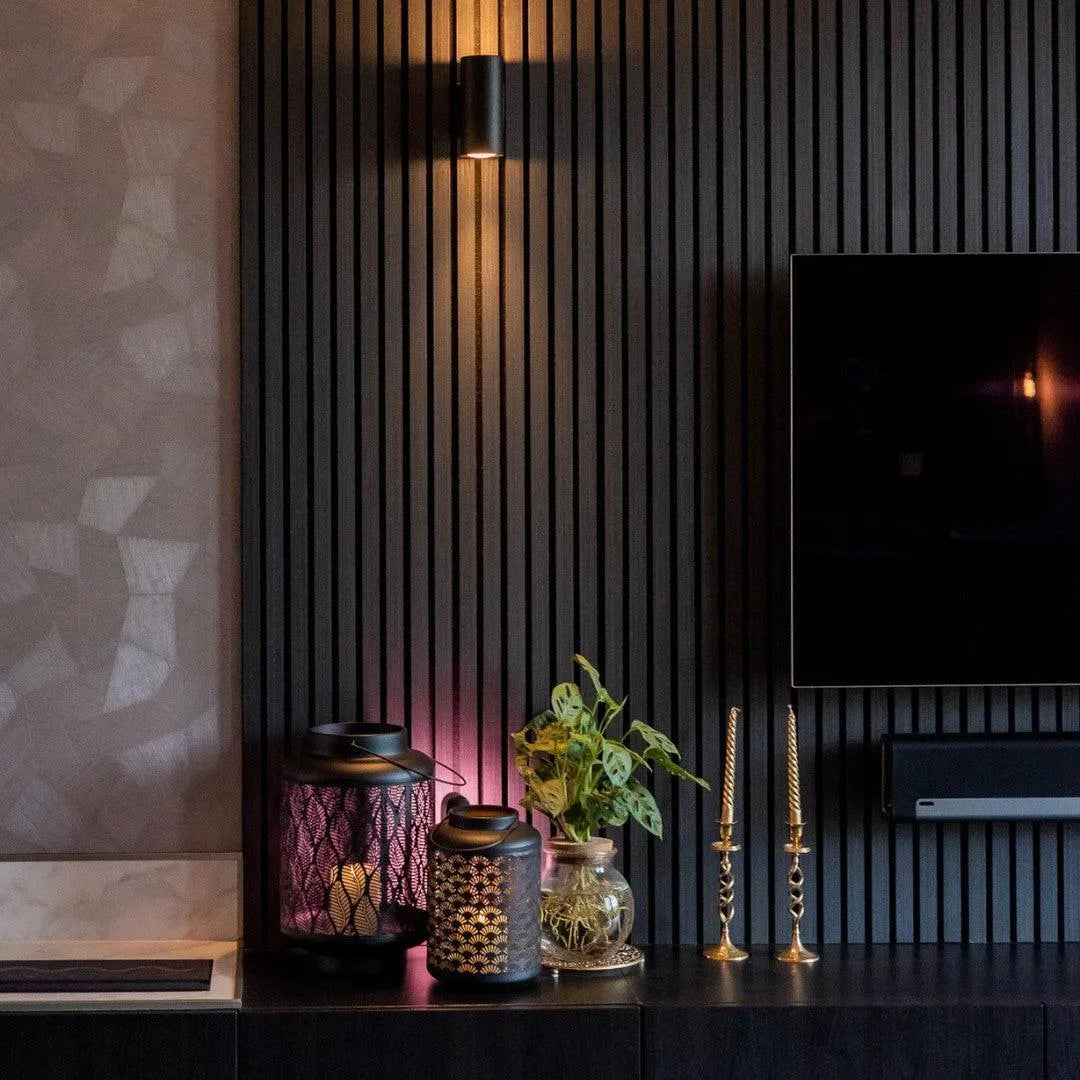
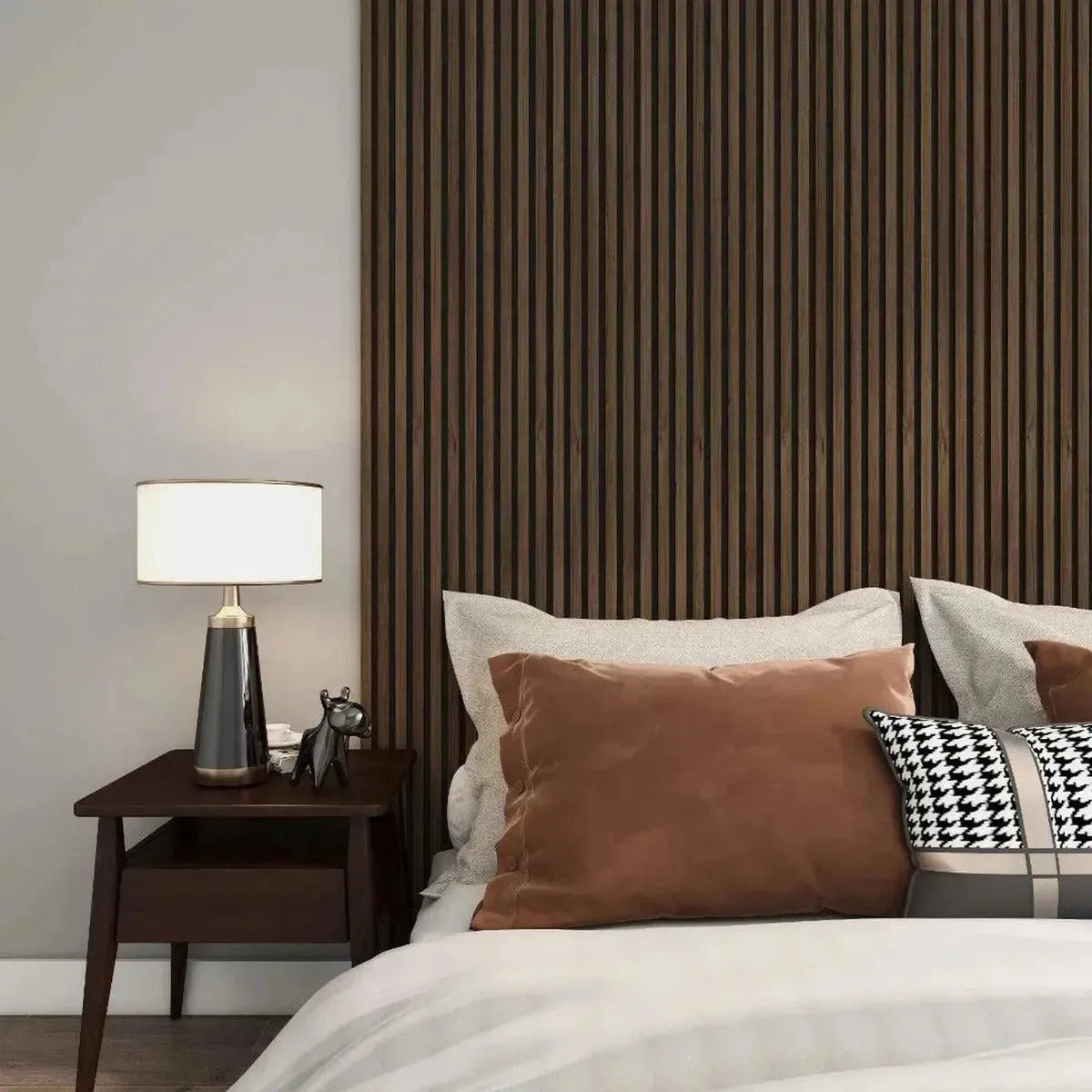
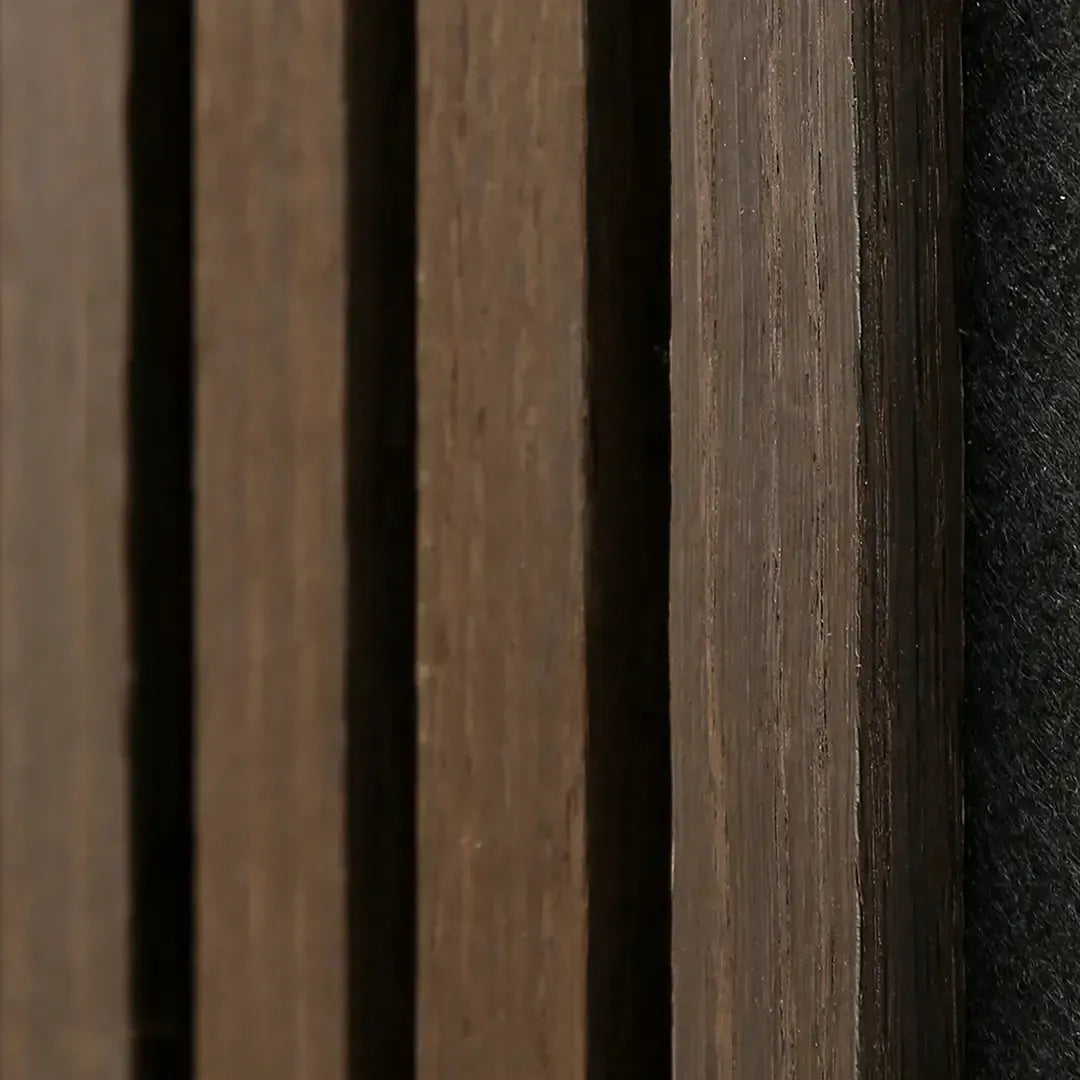
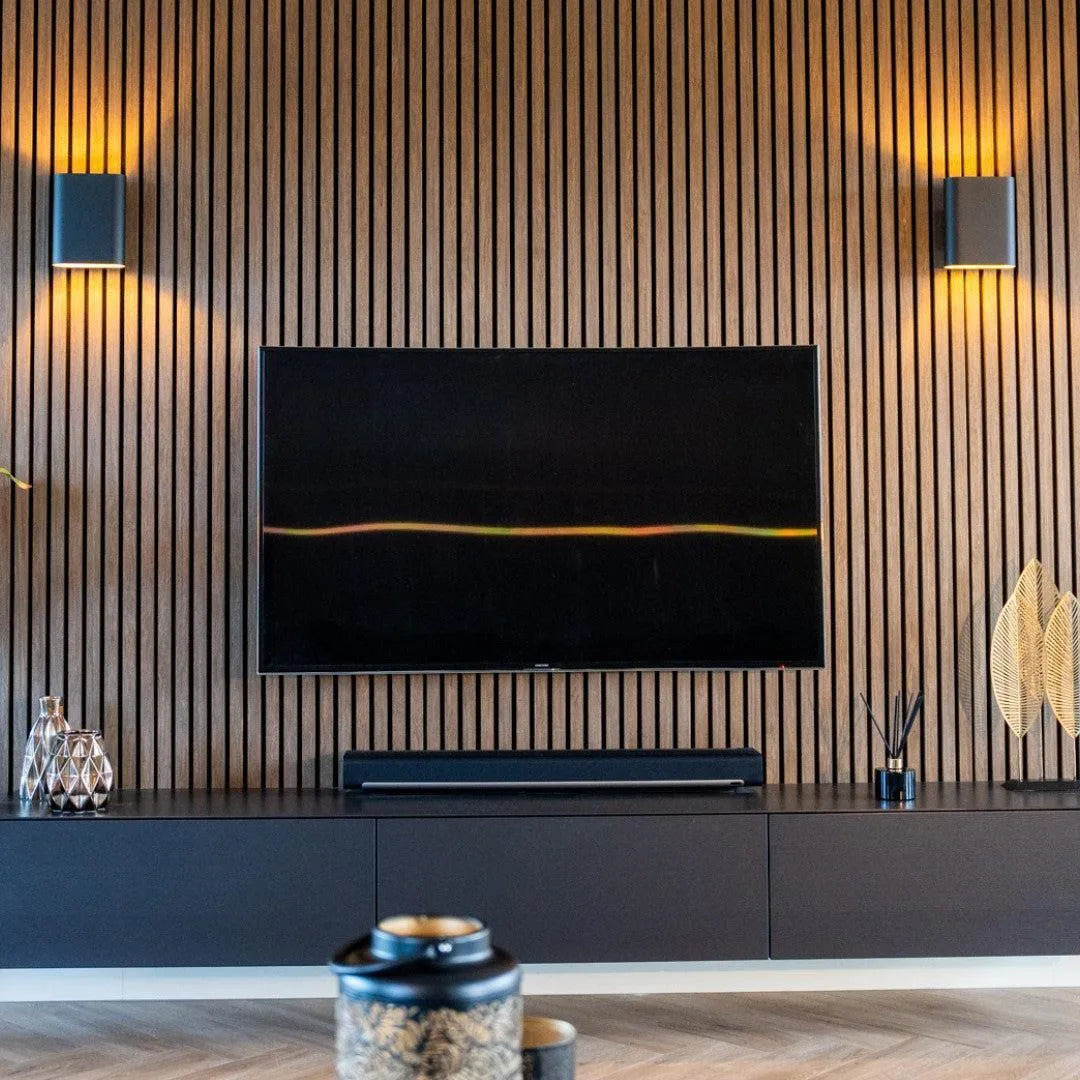
- Acoustic Slat Wall Panel Black Oak works on drywall runs behind reception and route-setting areas — Buy.
- Skip open-slat panels with no felt backing directly behind bouldering pads — chalk dust clogs the gaps fast.
- Budget roughly by square footage first; climbing gyms often have 2,000+ sq ft of exposed wall driving cost.
Why this matters
A climbing gym is a concrete box with 20 to 40-foot ceilings, hard flooring, and dozens of people yelling over each other on a busy Tuesday night. That combination produces reverberation times most retail or office spaces never see. Acoustic wood panels cut noticeably into commercial gym noise when placed on the right walls — usually the reception area, route-setting zones, and any drywall or CMU surface not covered by climbing holds.
Getting this wrong wastes money twice: once on panels that don't survive gym traffic, and again when you have to replace them within a year.
Who this is for
This guide is for gym owners, facility managers, and contractors specifying finishes for a new or renovated indoor climbing gym — bouldering-only, roped, or hybrid. If you're dealing with member complaints about noise carrying into the belay area, or you're building out a lobby and want it to feel less like a warehouse, the criteria below apply directly to your walls.
What to look for in acoustic panels for a climbing gym
NRC rating that actually moves the needle
Noise Reduction Coefficient (NRC) tells you how much sound a panel absorbs versus reflects. A panel rated NRC 0.75 absorbs 75% of incident sound energy at mid frequencies — that's the range human voices and falling crash pads sit in. Anything under 0.50 barely dents a room this loud.
Impact and abrasion resistance
Climbers brush shoulders past walls, gear bags get dragged across surfaces, and crash pads get thrown around near bouldering sections. A panel needs a solid veneer face, not a laminate print that scuffs through in a season.
Substrate compatibility
Most gyms are built on drywall over metal stud, or bare CMU block. Panels that mount directly to either without custom furring strips save a full trade's labor cost on a large buildout.
Fire code compliance for assembly occupancy
A climbing gym is a public assembly space under most local codes, which means wall finishes get scrutinized during permitting. Confirm fire rating documentation before you order panels for anything beyond a small accent wall.
Cleanability under chalk dust
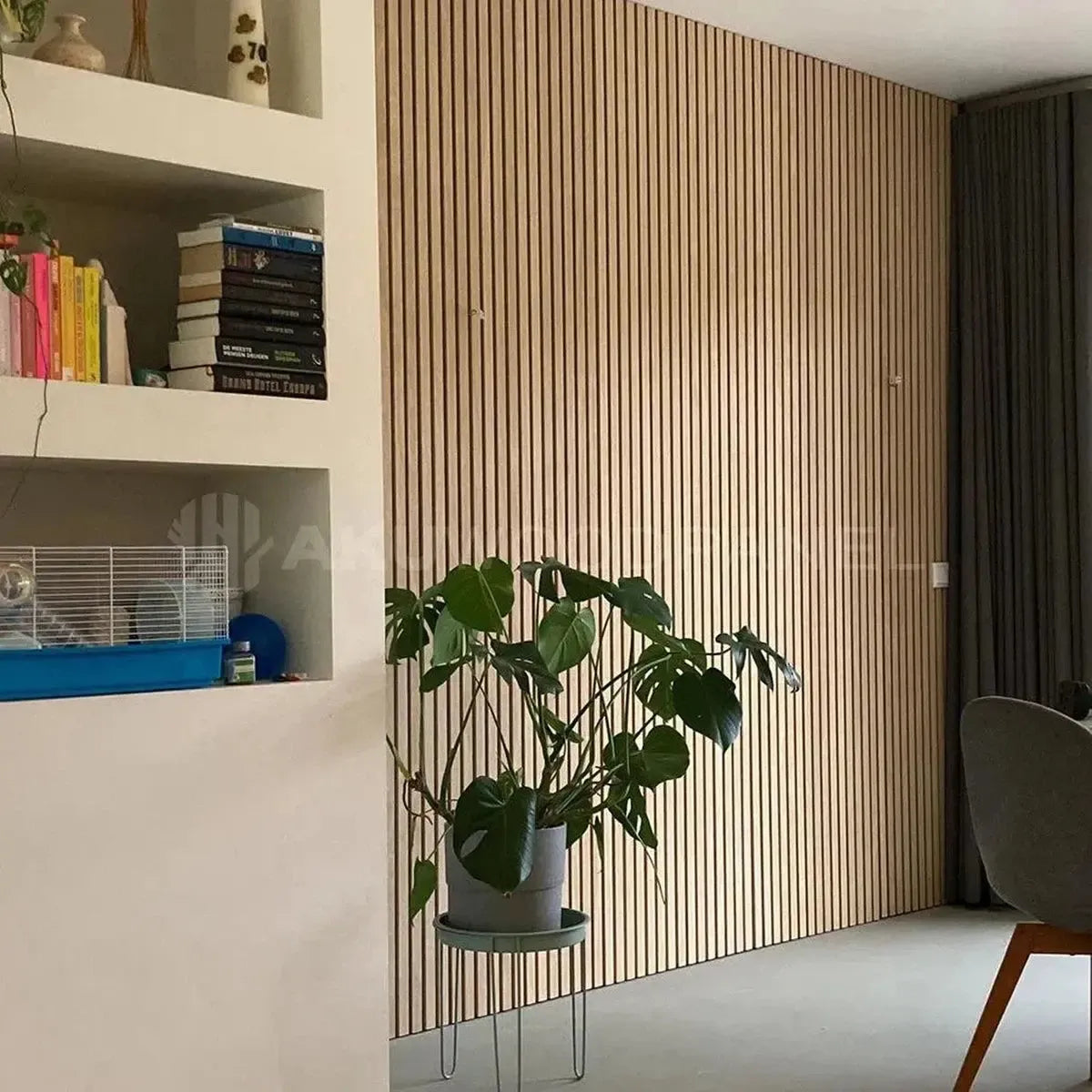
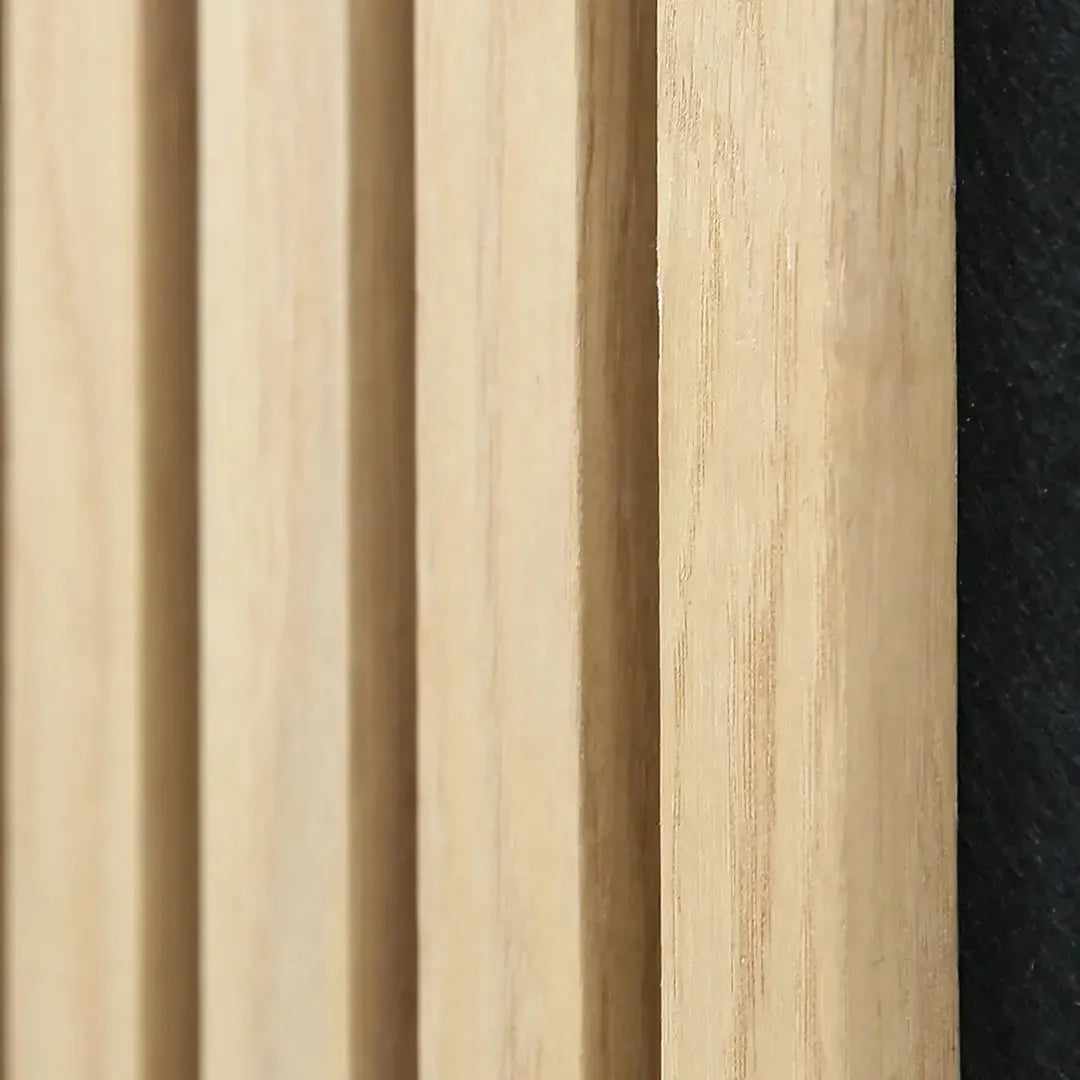
Chalk dust settles into every horizontal groove and gap. Felt-backed slat panels trap less visible dust than fully open designs, and a wipeable veneer surface holds up better than raw wood over years of gym use.
Cost per square foot at scale
A typical bouldering gym runs 2,000 to 6,000 sq ft of usable wall outside the climbing surface itself. At panel prices in the $150 to $185 range per box, coverage math matters more than any single spec sheet number.
Top picks for climbing gym walls
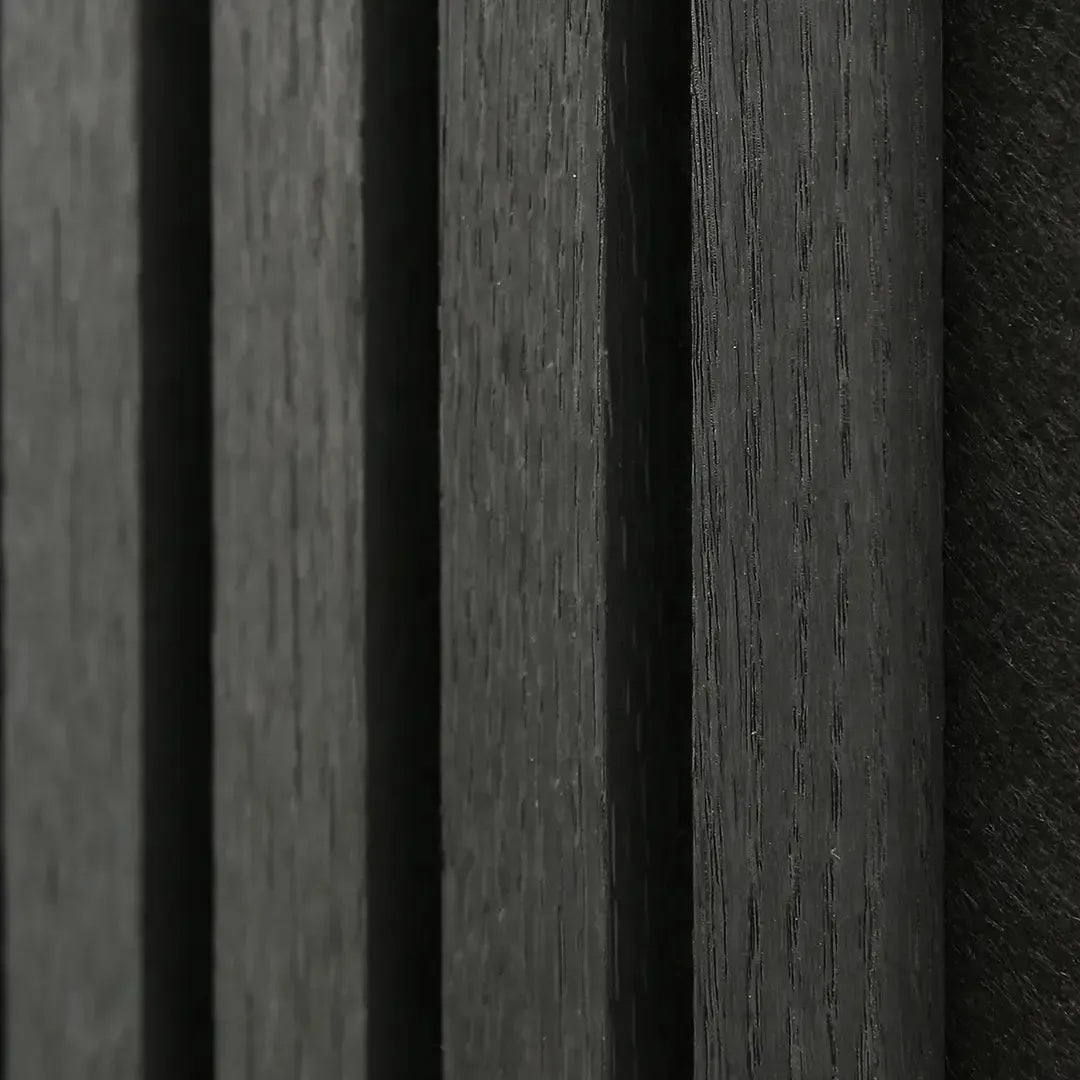
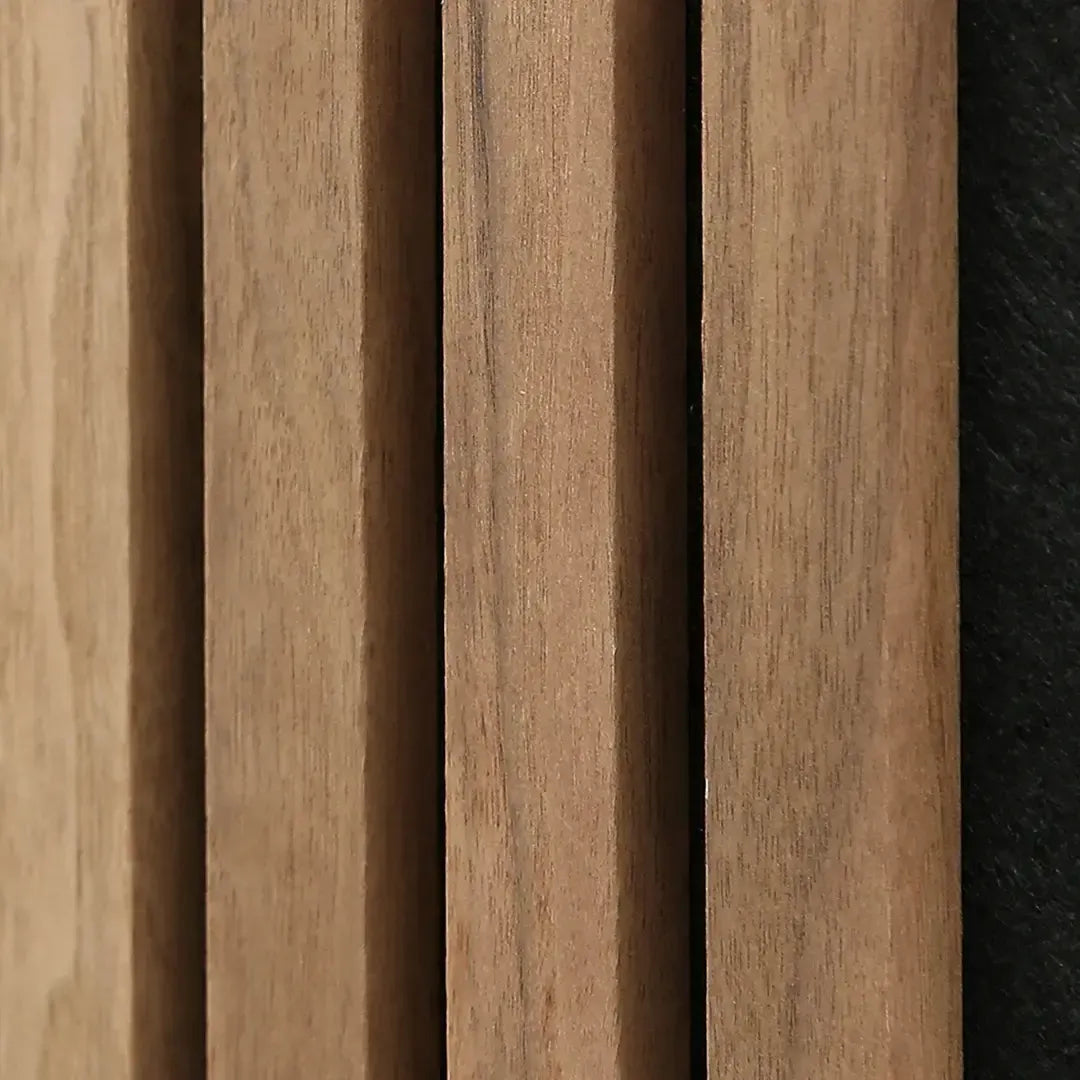
The safe pick: Acoustic Slat Wall Panel Black Oak — $177.95. Premium 3-sided wood veneer construction holds up to daily contact in high-traffic corridors and reception desks. It mounts cleanly on drywall, which covers most new-build gym layouts. Buy for reception and lobby walls.
The wildcard: Hexagon Acoustic Panel Natural Oak with Gray Felt — $165.95, NRC 0.75. The geometric layout reads as intentional design rather than a bolted-on acoustic fix, and the felt backing is the actual noise absorber behind the veneer face. Buy for lounge seating and belay-adjacent walls where NRC matters most.
The budget-conscious pick: Acoustic Slat Wall Panel Smoked Oak with Gray Felt — $169.95. Darker finish hides scuffs and chalk smudges better than lighter woods over a full season of use. Consider for route-setting rooms and back-of-house corridors.
The one to skip for chalk-heavy zones: Fluted Wall Panel Natural Oak. The rounded groove profile looks sharp on a feature wall but the deeper channels collect chalk dust faster than flat slat or hexagon designs. Skip it for anywhere within ten feet of a bouldering wall; reserve it for the lobby instead.


What to avoid
- Thin foam acoustic tiles marketed for home studios. They absorb high frequencies well but do nothing for the low-mid rumble of falling crash pads and won't survive contact traffic.
- Open-slat panels with no felt backing near bouldering zones. The gaps become chalk dust collectors within weeks and are a pain to vacuum out.
- Panels without documented fire ratings for large-format installs. A small accent wall might slide by inspection; a full gym buildout usually won't.
Verdict comparison
| Panel | NRC / acoustic backing | Best zone | Price | Verdict |
|---|---|---|---|---|
| Hexagon Acoustic Panel Natural Oak with Gray Felt | 0.75 | Lounge, belay area | $165.95 | Buy |
| Acoustic Slat Wall Panel Black Oak | Wood veneer, no dust traps | Reception, lobby | $177.95 | Buy |
| Acoustic Slat Wall Panel Smoked Oak with Gray Felt | Felt-backed | Route-setting, back of house | $169.95 | Consider |
| Fluted Wall Panel Natural Oak | Open groove profile | Lobby feature wall only | Varies | Skip near chalk zones |
FAQ
What's the best acoustic panel for a climbing gym wall?
For 2026 installs, a felt-backed panel with an NRC around 0.75, like Hexagon Acoustic Panel Natural Oak with Gray Felt, gives the best balance of sound absorption and durability for gym traffic. Slat panels work better on straight drywall runs in reception or corridors.
How much does it cost to acoustically treat a climbing gym?
Cost scales with wall square footage, and most gyms have 2,000 to 6,000 sq ft of non-climbing wall to cover. At $150 to $185 per box of panels, budgeting starts with a coverage measurement, not a per-panel price.
Do acoustic wood panels work on concrete block walls?
Yes, but confirm the mounting method before ordering — CMU block often needs furring strips or construction adhesive rated for masonry, unlike drywall installs.
Is NRC 0.75 good enough for a loud bouldering gym?
NRC 0.75 is strong for a single panel type but won't fix a whole gym alone; pair treated walls with soft flooring and crash pad placement for full reverberation control.
Are wood acoustic panels fire rated for public assembly spaces?
Fire rating varies by product and finish, so request documentation before a full gym buildout since climbing gyms fall under assembly occupancy codes in most jurisdictions.
What's better for chalk dust: slat panels or hexagon panels?
Felt-backed hexagon or slat panels both resist chalk buildup better than open-groove fluted designs, since the deeper channels on fluted panels trap dust that's harder to wipe clean.
Can acoustic panels be installed over existing drywall in a gym?
Most slat and hexagon wood panels mount directly to drywall with standard hardware, which is faster and cheaper than furring out a wall first.
How long do wood acoustic panels last in a high-traffic gym?
A premium 3-sided wood veneer panel holds up to daily contact traffic for years when it's not placed directly against abrasive climbing surfaces or crash pad zones.
One last thing
Most gyms treat the wrong wall first — they panel the lobby because it's visible, when the loudest reverb usually comes off the bare wall behind the route-setting area or the ceiling over the belay zone. Measure where sound actually bounces before you order panels, not where it looks best on a walkthrough.


 Better performance and aesthetic appeal
 In Stock