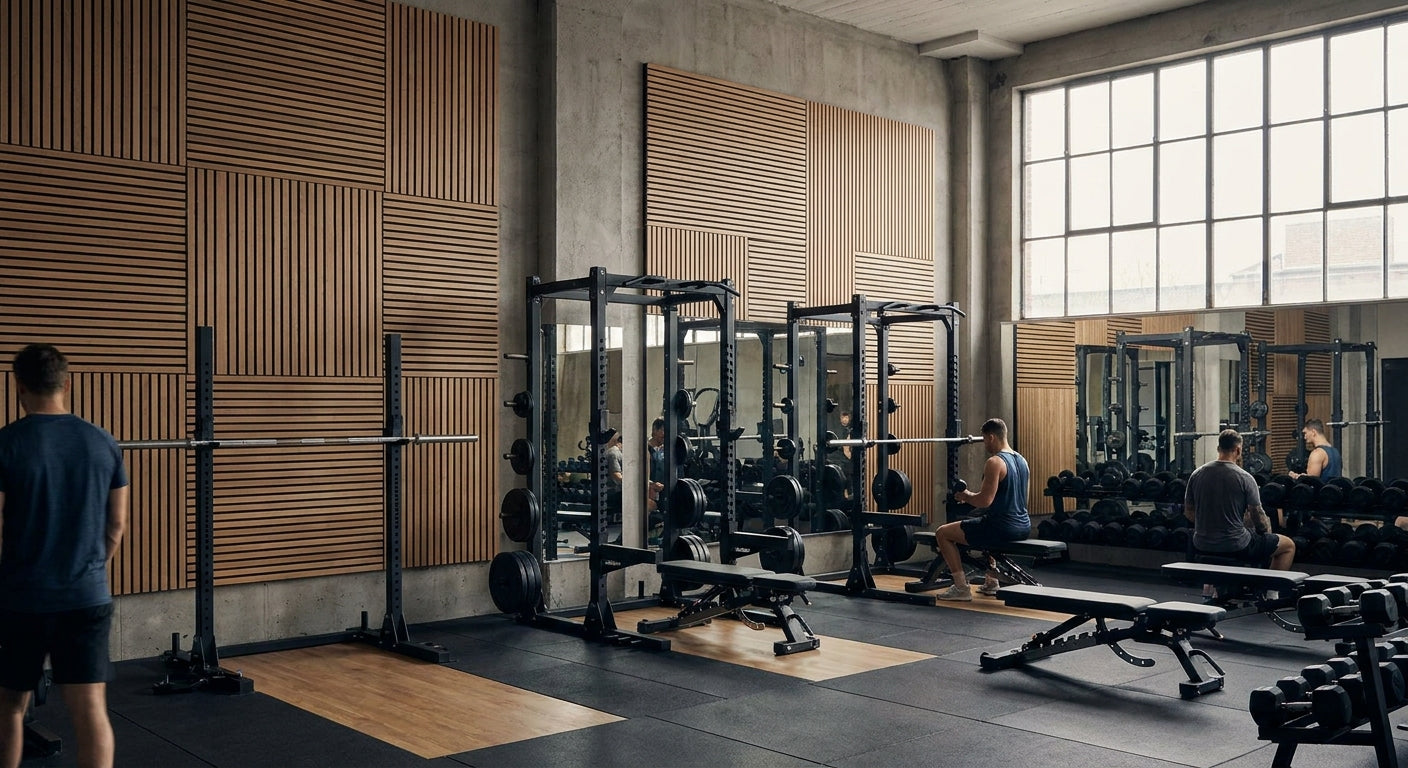
Weight rooms bleed noise into every corner of a facility, and most gym owners only notice the problem after a member complains about the pounding bass from group class carrying into the free-weight floor. Acoustic panels for commercial gym spaces solve that specific bleed-and-echo problem when you pick the right build for a high-traffic, high-impact room.
TL;DR
For commercial gym noise control in 2026, the Acoustic Slat Wall Panel in Black Oak is the safe buy for group class and lobby zones, the Hexagon Acoustic Panel in Black is the wildcard for free-weight walls that take repeated impact, and the Acoustic Slat Wall Panel in Smoked Oak with Gray Felt wins for cardio decks where sound absorption matters more than showroom looks. Skip thin composite foam-core panels sold as "acoustic" online — they don't hold up to gym humidity or dropped plates. Akuwood Panel's real wood veneer slat and hexagon lines cover all three use cases without a full renovation budget.
Why this matters
OSHA flags continuous exposure above 85 decibels as a hearing risk, and a busy group class room with music, coaching mics, and plate noise regularly pushes past that line. Free-weight zones spike even higher — dropped plates and rack noise routinely clear 100 decibels in an open floor plan with concrete and drywall doing nothing to absorb it. That's not just a comfort issue in 2026; it's a retention issue, because members who can't hear a trainer or hold a conversation at the front desk don't renew.
Hard surfaces — glass, mirrors, rubber flooring, drywall — reflect sound instead of absorbing it, which is why gyms echo even when they're not loud. Adding acoustic wood panels for commercial gym walls gives the room something to absorb that energy instead of bouncing it back.
Who this is for
This guide is for gym owners, boutique studio operators, and facility managers renovating a commercial fitness space in 2026 who need noise control that survives dropped weights, sweat, and daily foot traffic — not a residential-grade panel that looks good in a living room but delaminates in six months under gym conditions.
What to look for in acoustic panels for a commercial gym
Noise Reduction Coefficient (NRC)
NRC measures how much sound a panel absorbs versus reflects, scored from 0 to 1. For a commercial gym, look for an NRC of 0.70 or higher on the spec sheet — anything lower is decorative, not functional, and won't touch the echo problem in a room full of hard surfaces.
Impact resistance
Free-weight zones take direct hits from dropped plates and kettlebells. A panel rated for residential accent walls will crack, chip, or delaminate under that kind of abuse within a year, which means real wood veneer over a rigid substrate matters more here than in a bedroom install.
Fire rating for commercial code
Commercial occupancy in the US typically requires a fire-rated wall finish, and this is where a lot of budget "acoustic wood" panels get disqualified before a permit is even pulled. Confirm the fire classification before you order pallets of panels for a gym floor.
Moisture and sweat tolerance
Gyms run humid, and cardio decks specifically see condensation from body heat and open windows or fans. A panel core that swells or warps under repeated humidity cycles is a callback waiting to happen — check the finish and substrate, not just the surface veneer.
Installation without shutting down the floor
Most gyms can't close for two weeks to renovate. Panels that mount directly over drywall or block without custom framing let a facilities crew work section by section during off-peak hours instead of forcing a full closure.
Brand image on the wall
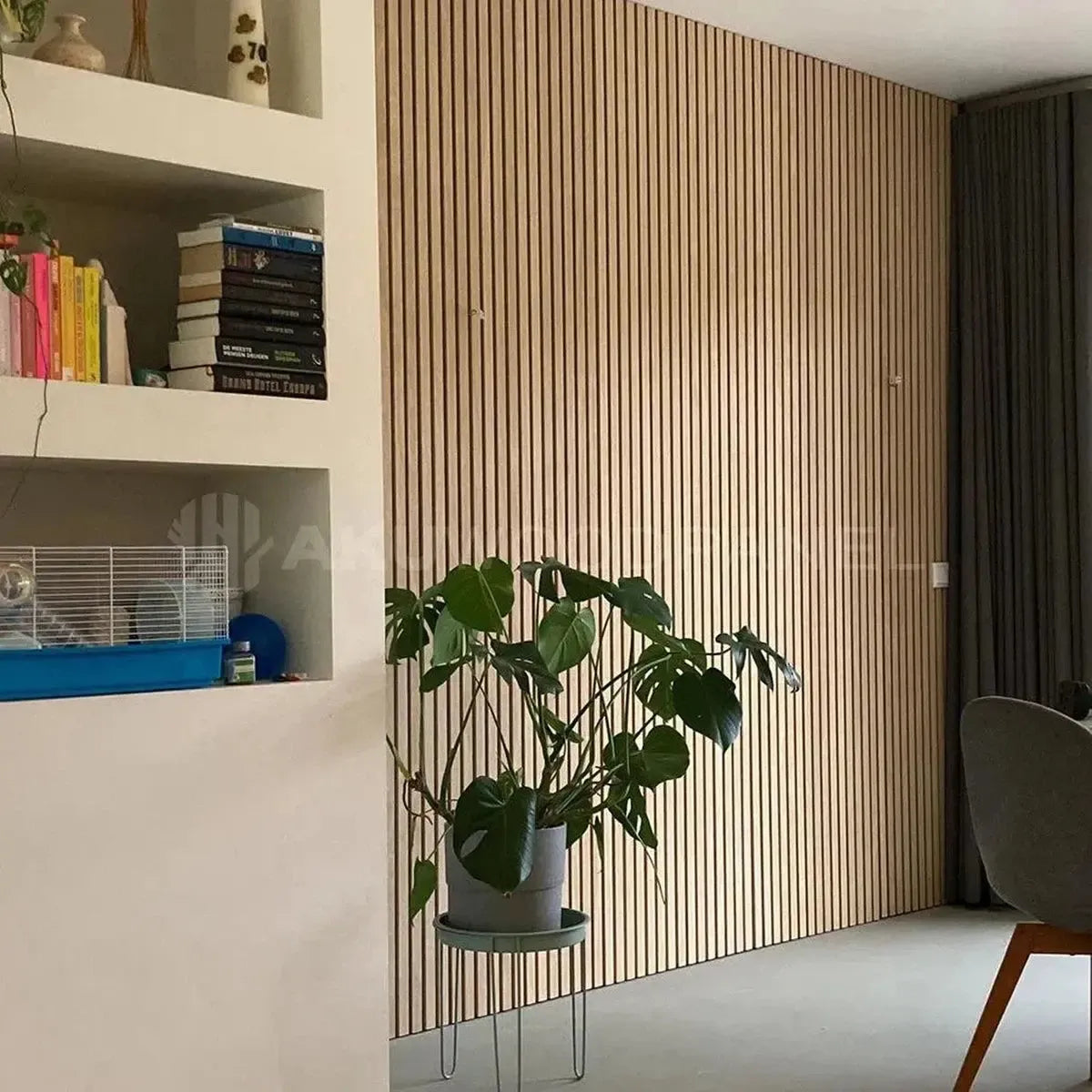
A gym wall is also a marketing asset — the backdrop for every Instagram story a member posts from class. Real wood veneer photographs and reads as premium in a way that acoustic foam never will, which matters for boutique studios competing on aesthetics as much as programming.
Top picks for commercial gym noise control
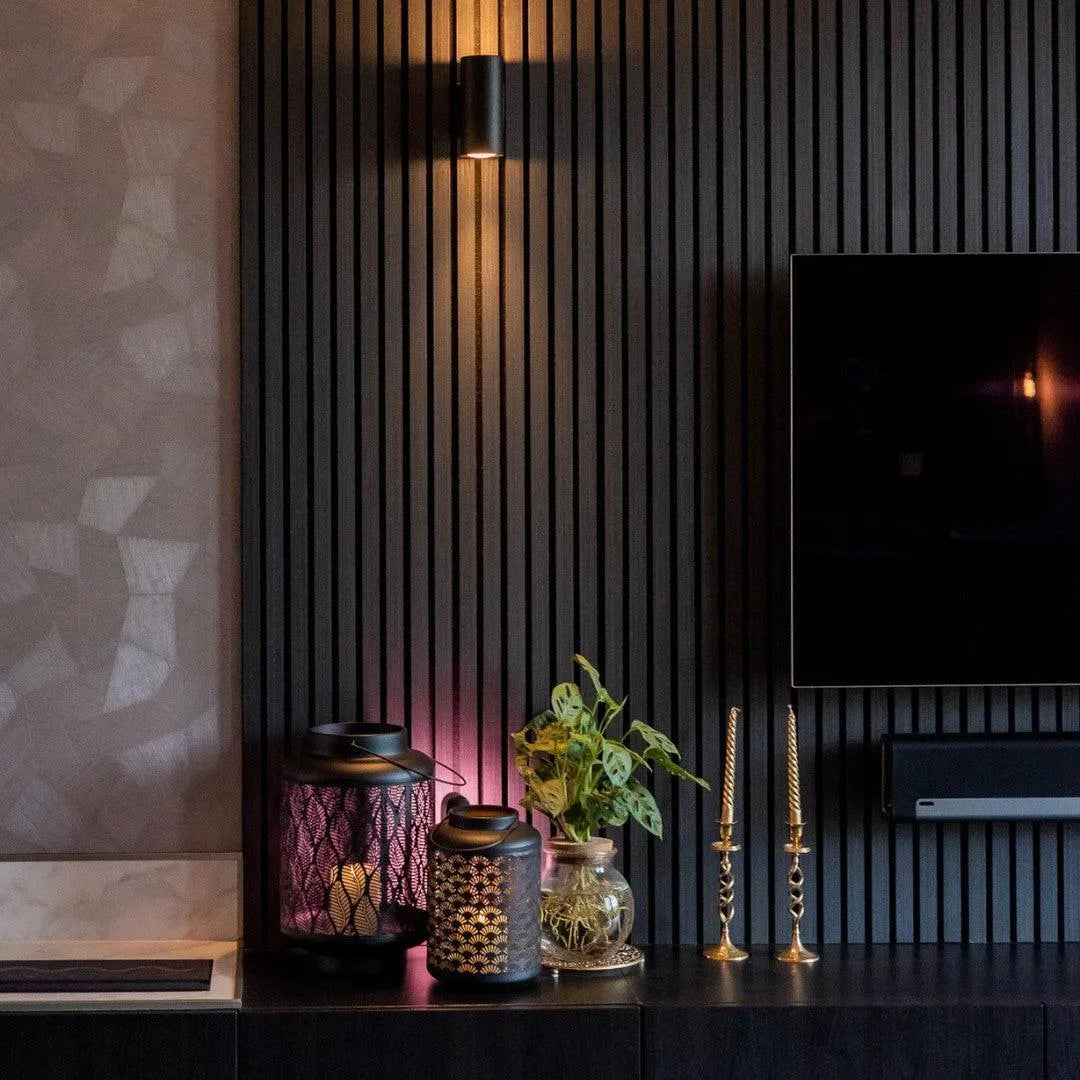
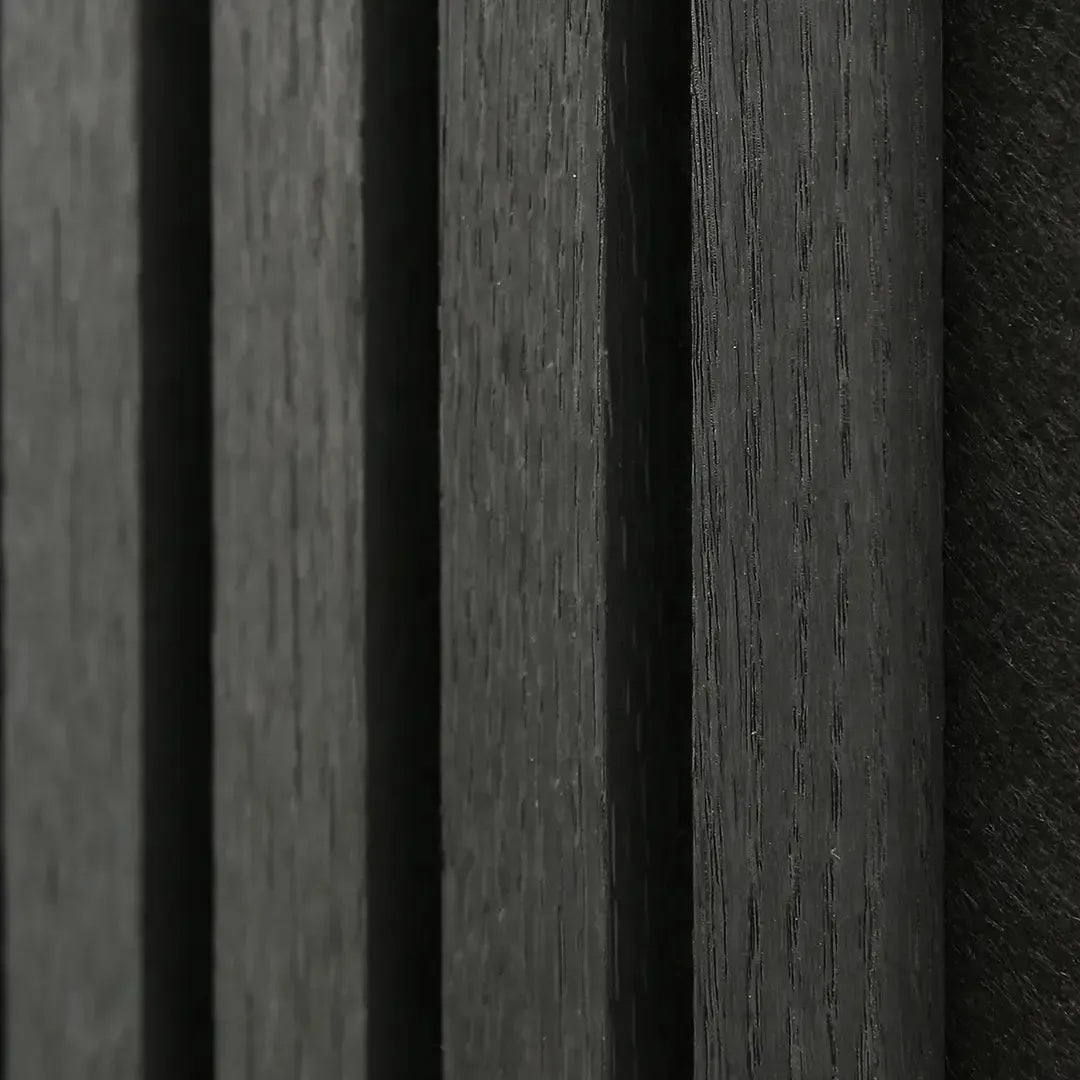
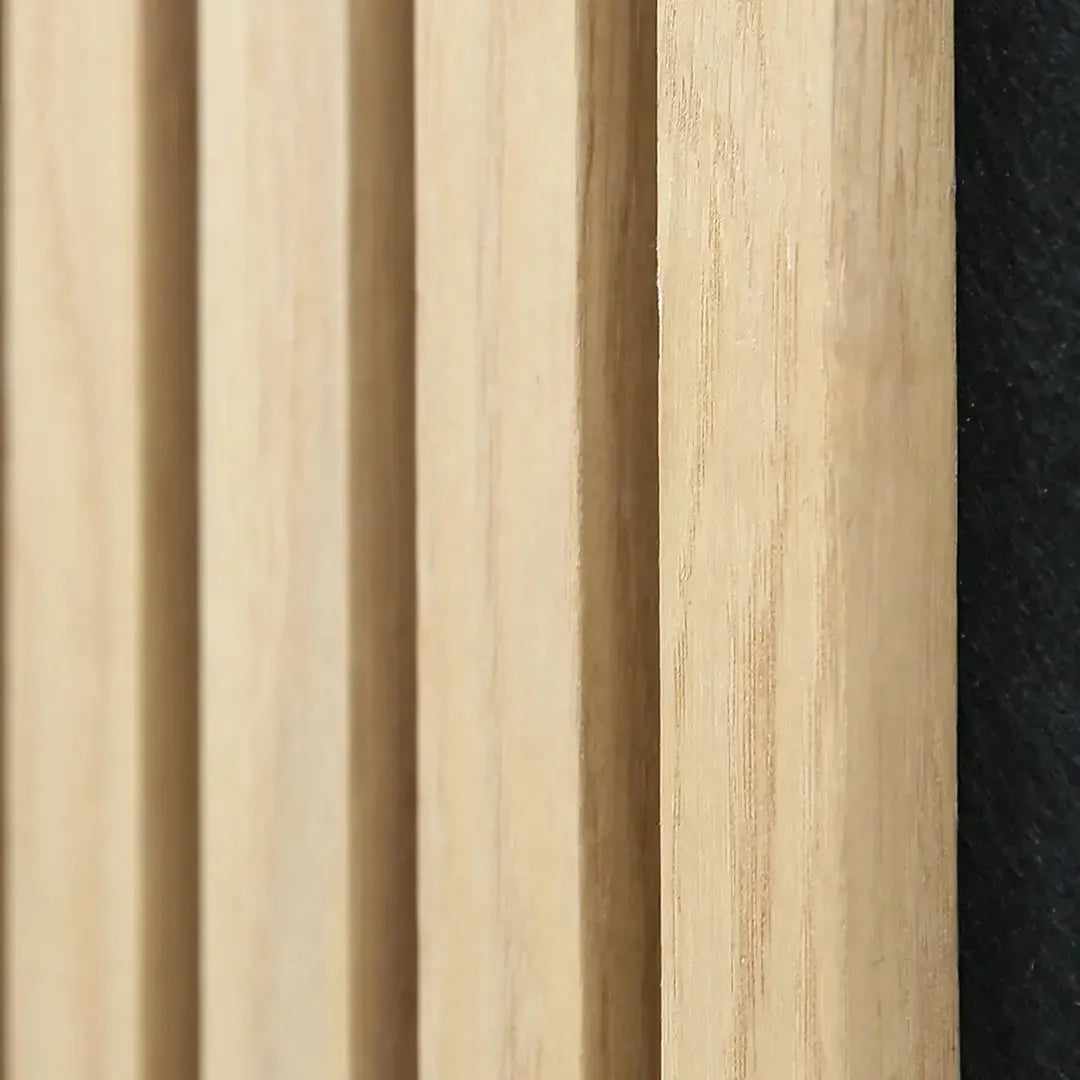
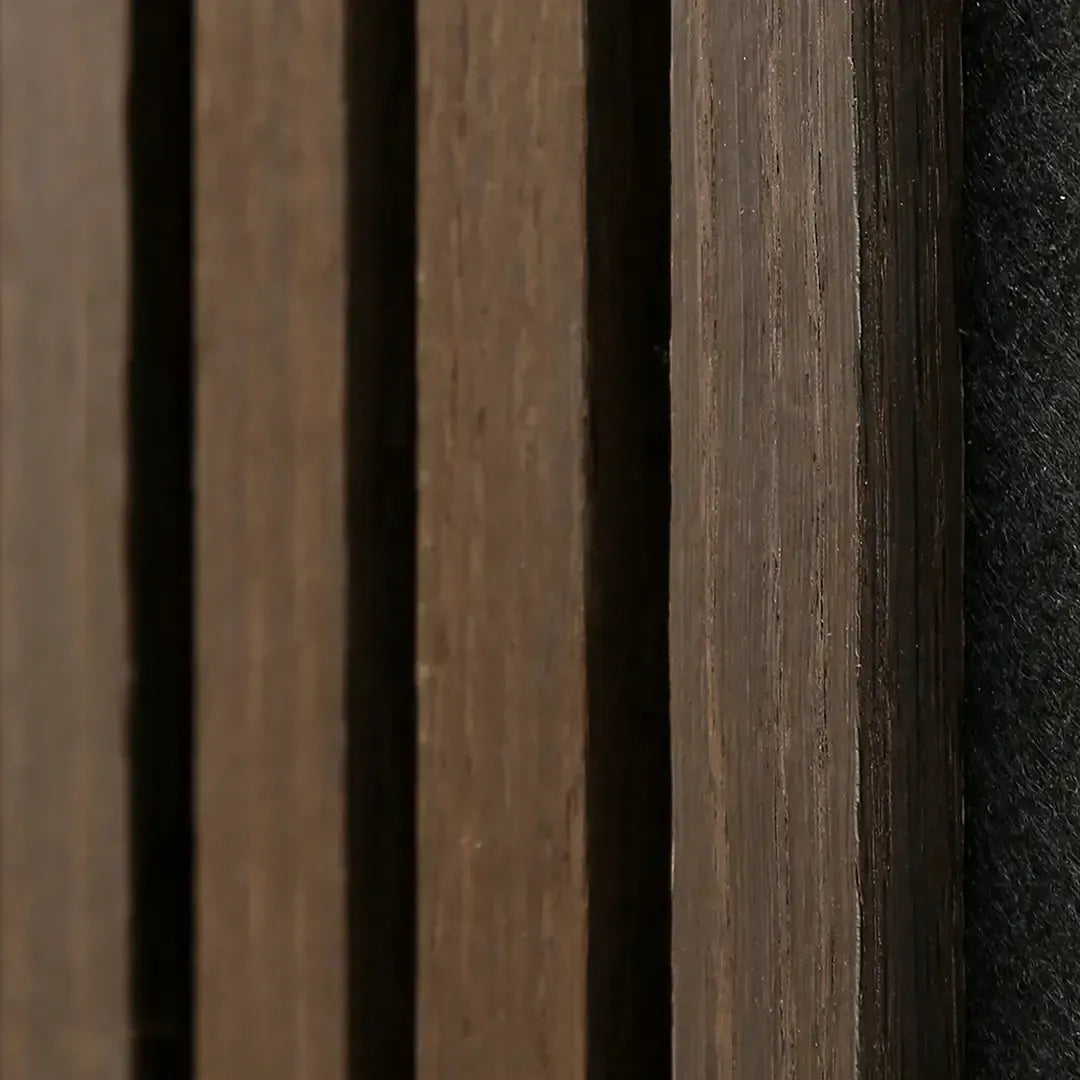
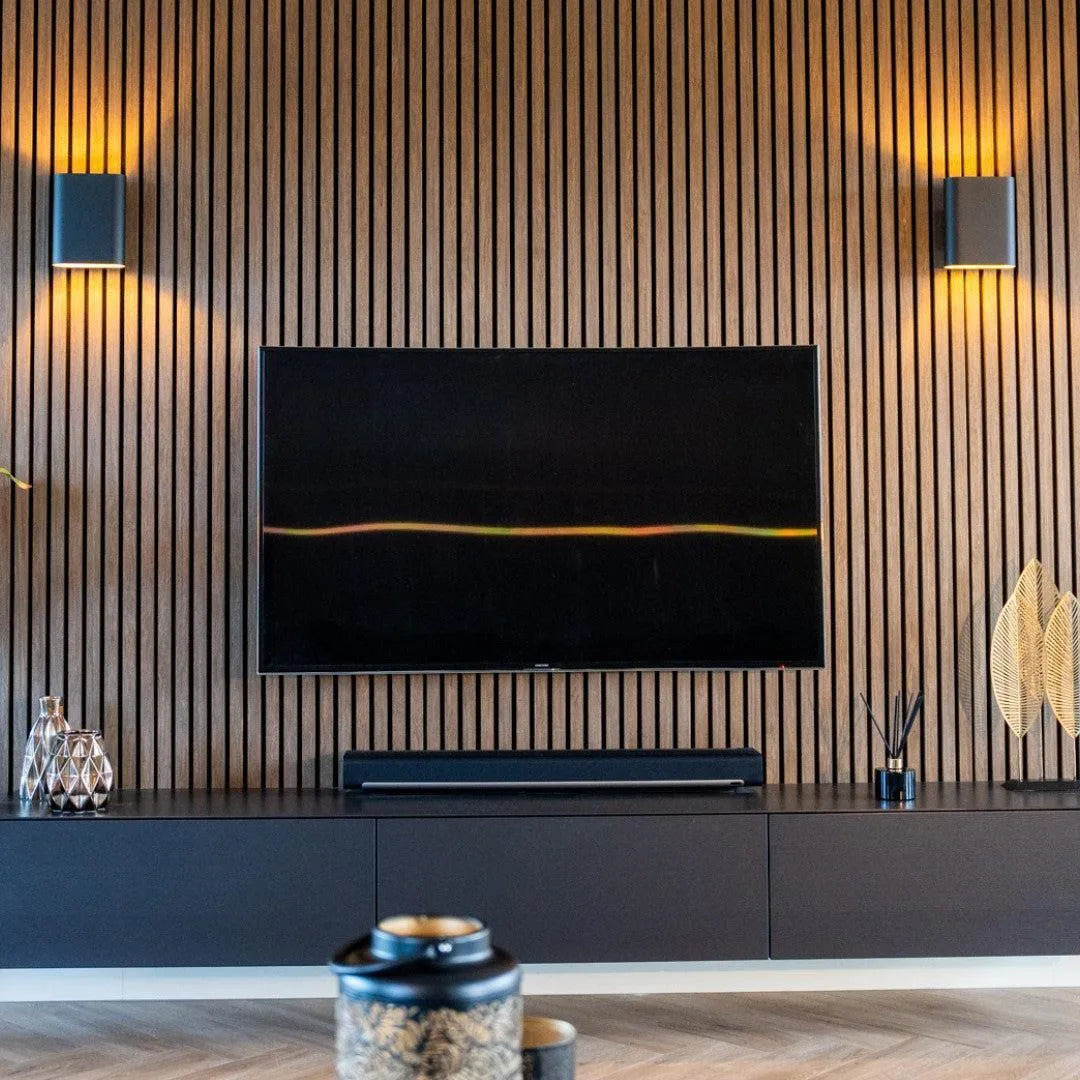
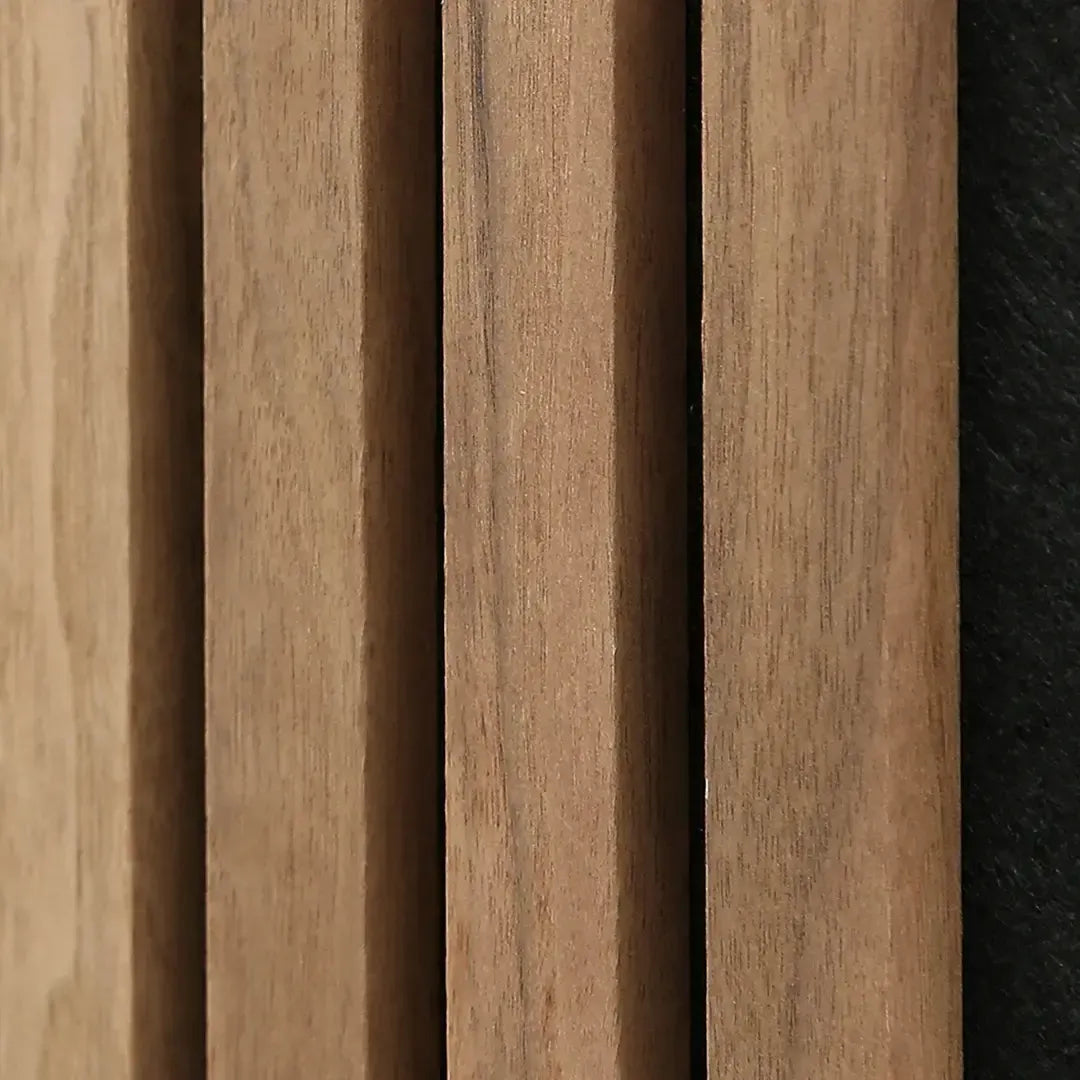
The safe pick: Acoustic Slat Wall Panel — Black Oak This is the panel to default to for group class rooms, studio entries, and front-of-house walls where you want absorption plus a finished look members notice. The felt backing behind the slats is doing the acoustic work while the black oak veneer keeps the wall looking intentional, not industrial-leftover. Verdict: Buy — it's the lowest-risk choice for any gym wall that isn't taking direct impact. Acoustic Slat Wall Panel — Black Oak
The wildcard: Hexagon Acoustic Panel — Black Hexagon geometry breaks up sound reflection differently than straight slats, which makes it a strong option for irregular free-weight walls with racks, mirrors, and equipment interrupting the surface. It reads more industrial than the slat lines, which fits gyms leaning into a raw, gritty brand look rather than a boutique-studio finish. Verdict: Consider if your aesthetic is warehouse gym rather than wellness studio — skip it if you want a softer, more residential feel up front. Hexagon Acoustic Panel — Black
The quiet performer: Acoustic Slat Wall Panel — Smoked Oak with Gray Felt The gray felt against smoked oak gives this panel a darker, more muted finish than the standard oak lines, which suits cardio decks and stretch zones where the goal is calm rather than energy. It's the pick when the wall needs to disappear into the background instead of becoming a focal point. Verdict: Buy for any zone where you want absorption without drawing the eye. Acoustic Slat Wall Panel — Smoked Oak with Gray Felt
What to avoid
- Foam-core "acoustic" panels marketed for gyms. They look similar in a product photo but lack the impact resistance and fire rating most commercial permits require — fine for a home office, wrong for a weight room.
- Adhesive-only mounting in high-vibration zones. A panel that's only glued to the wall near a free-weight floor will loosen over months of dropped-plate vibration. Confirm a mounting method built for the wall type before ordering.
- Matching every zone to one finish. A single panel style across cardio, free weights, and the lobby ignores that each zone has a different noise profile and a different visual job to do.
Verdict comparison
| Panel | Best zone | Finish | Verdict |
|---|---|---|---|
| Acoustic Slat Wall Panel — Black Oak | Group class, lobby | Warm wood, felt-backed | Buy |
| Hexagon Acoustic Panel — Black | Free weights, industrial gyms | Dark, geometric | Consider |
| Acoustic Slat Wall Panel — Smoked Oak with Gray Felt | Cardio, stretch zones | Muted, dark oak | Buy |
FAQ
What's the best acoustic panel for a commercial gym in 2026? For most commercial gyms, a felt-backed slat wall panel like Akuwood Panel's Acoustic Slat Wall Panel in Black Oak covers the widest range of zones — it absorbs sound, handles daily traffic, and reads as a finished wall rather than a retrofit.
Is wood or foam better for gym acoustic treatment? Real wood veneer over a felt or acoustic core outperforms standalone foam in commercial gyms because it survives impact and humidity that foam panels degrade under within months.
How much noise can acoustic wood panels actually reduce? Reduction depends on room size, panel coverage, and existing hard surfaces, but panels with an NRC of 0.70 or higher meaningfully cut echo and reverberation compared to bare drywall or block.
Do gym acoustic panels need a fire rating? Most commercial occupancy codes in the US require a fire-rated wall finish, so confirm the classification before ordering panels for a permitted commercial gym space.
Can acoustic panels handle a free-weight zone? Only panels built with a rigid substrate and real wood veneer hold up to dropped plates and rack contact — decorative or foam-core panels are not built for that impact load.
Should cardio and free-weight zones use the same panel? No — cardio zones benefit from muted, absorptive finishes like smoked oak with felt, while free-weight zones need impact-resistant panels like hexagon or slat styles rated for higher-traffic contact.
How do I know how many panels I need for a gym wall? Measure total wall square footage per zone and account for windows, mirrors, and equipment mounts that won't take panel coverage, then order accordingly.
Is it worth paneling the whole gym or just problem zones? Most gyms see the biggest improvement targeting the loudest zones first — group class and free weights — before expanding to lobby or cardio areas.
One last thing
The zone owners skip most often is the front desk and lobby — and it's usually the loudest complaint generator, because it's where members are trying to hold a conversation with staff over class music and floor noise. A felt-backed slat panel behind the desk does more for perceived service quality in 2026 than another wall in the group class room ever will.


 Better performance and aesthetic appeal
 In Stock