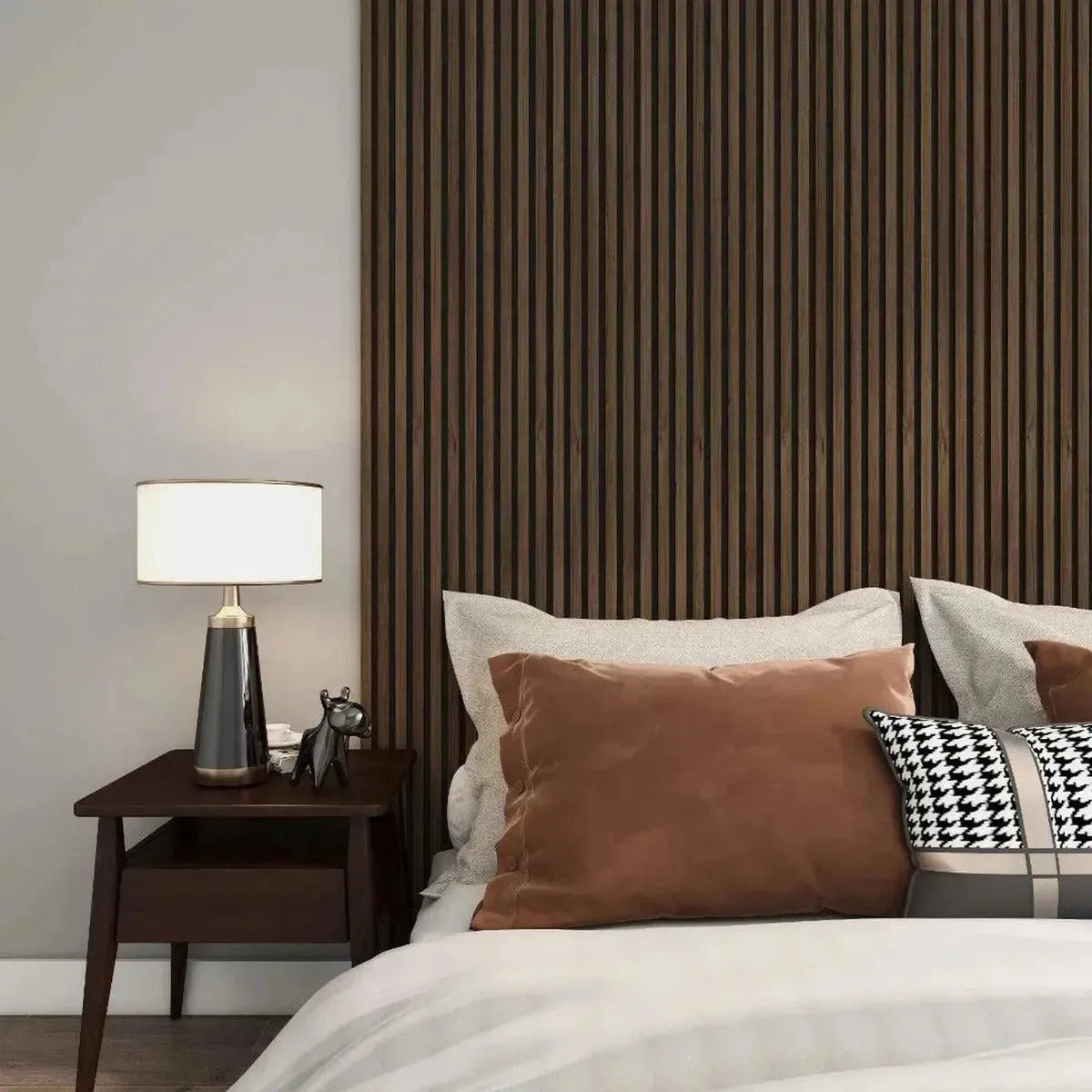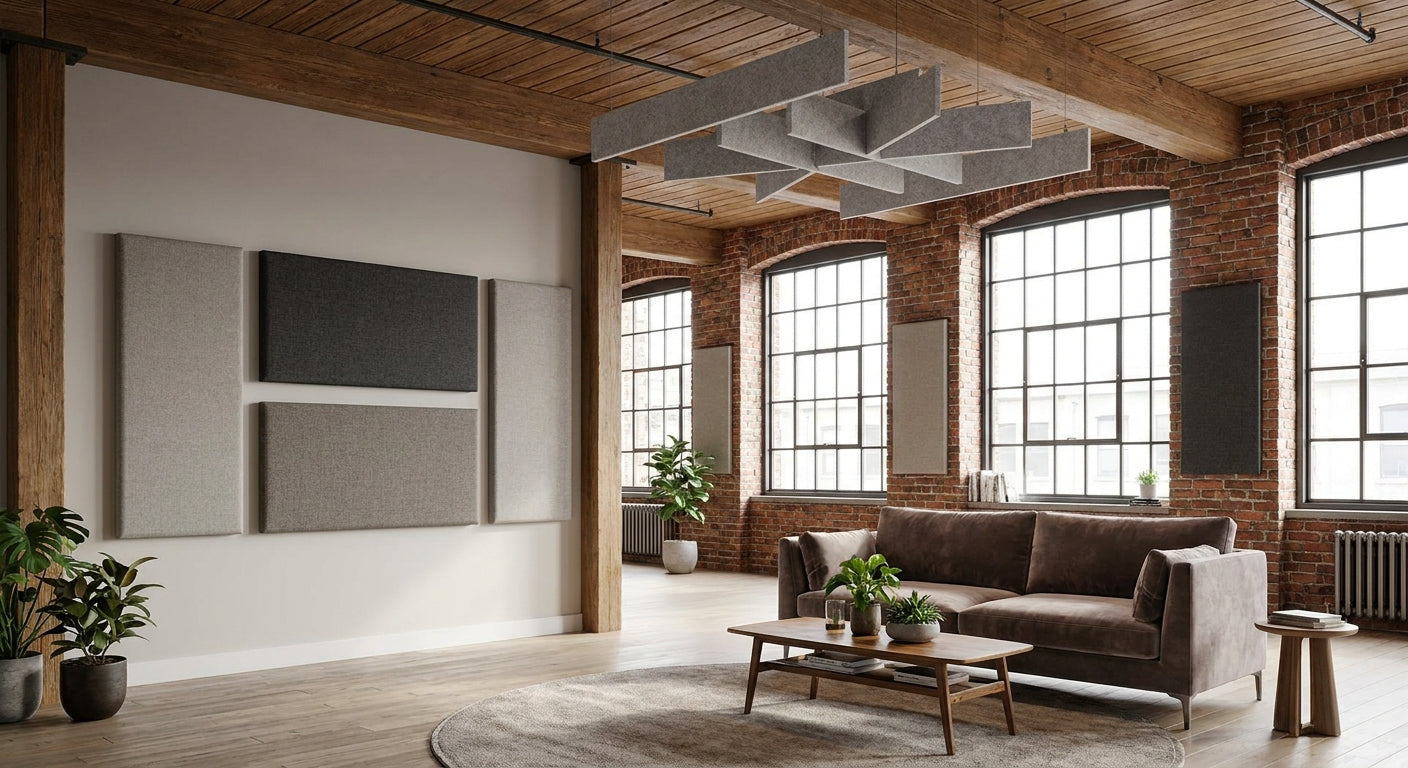
Loft apartments look incredible and sound terrible. Exposed brick, polished concrete, steel beams, and 12-foot ceilings bounce every conversation, footstep, and TV episode back at you, and the fix isn't more throw pillows — it's acoustic wall panels built for hard-surface rooms.
TL;DR
The best acoustic panels for loft apartments in 2026 combine real wood veneer with a felt or PET backing that actually absorbs sound instead of just decorating the wall. Akuwood Panel's Acoustic Slat Wall Panel in Natural Oak with Gray Felt is the top overall pick for open-plan lofts because it pairs visible slat depth with a dense acoustic backing. The Black Oak version wins for industrial-style units with black steel fixtures, and the Walnut Hexagon Acoustic Panel is the move if you want a feature wall, not just a sound fix. Foam wedge panels are a Skip for lofts — they kill the aesthetic these units are built around.
Why this matters
Concrete, brick, and glass reflect sound instead of absorbing it, which is exactly why loft apartments built in 2026 still feel louder than a carpeted two-bedroom half their size. A room with a reverberation time above roughly 0.6 seconds starts to feel like a small echo chamber — that's the point where you notice yourself repeating things on phone calls or turning captions on during movies.
The fix isn't blackout curtains or a single rug. It's adding soft, porous surface area on the walls where sound actually hits first — and in a loft, that means treating exposed brick or drywall with panels that have real acoustic backing, not decorative slats glued to plywood. Akuwood Panel builds its slat and hexagon panels with felt or acoustic-grade backing specifically for this problem, which is why they show up repeatedly in this list instead of standard trim-shop wood slats.
How this list was ranked
Each pick below is evaluated on three things that matter specifically for loft apartments: whether the panel has genuine acoustic backing (not just visual slats), whether the finish reads right against exposed brick and steel, and how practical the install is for a rented or owner-occupied unit with limited wall access. Panels that are purely decorative — no felt, no PET, no acoustic core — get ranked lower or flagged as a Skip, because a loft apartment needs actual sound absorption, not just texture. Pricing and shipping details reflect what's listed on manufacturer sites as of 2026; always confirm current specs before ordering.
The ranked list
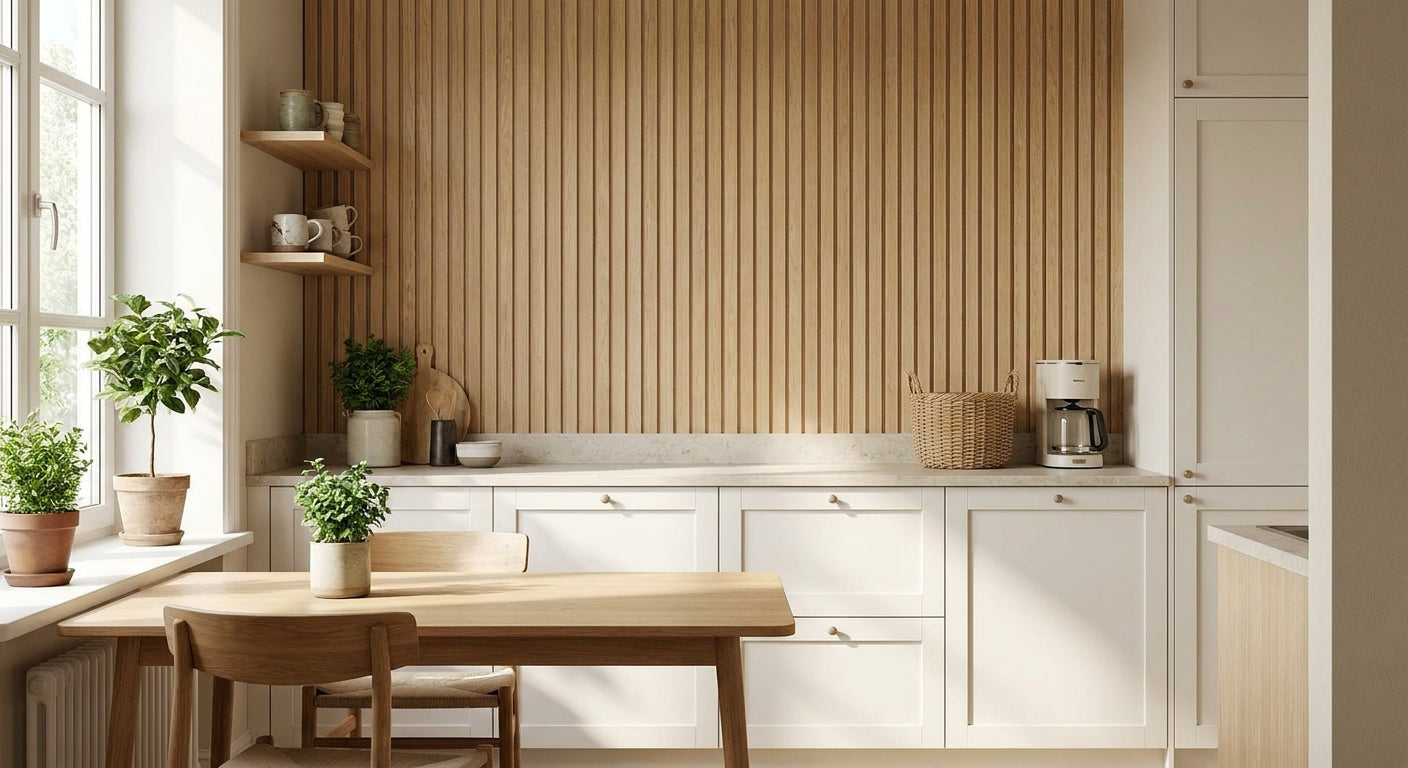
1. Acoustic Slat Wall Panel, Natural Oak with Gray Felt — the all-arounder
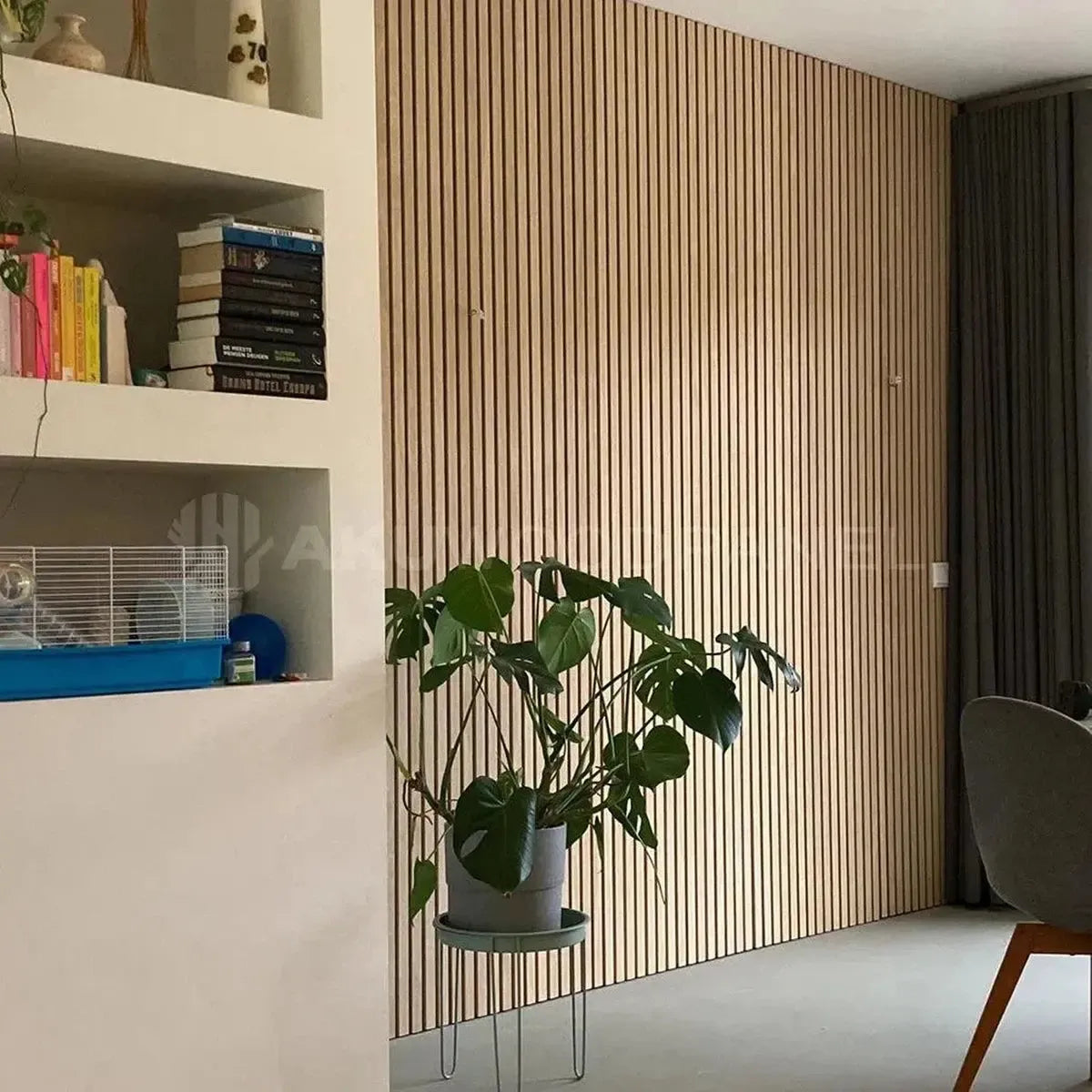
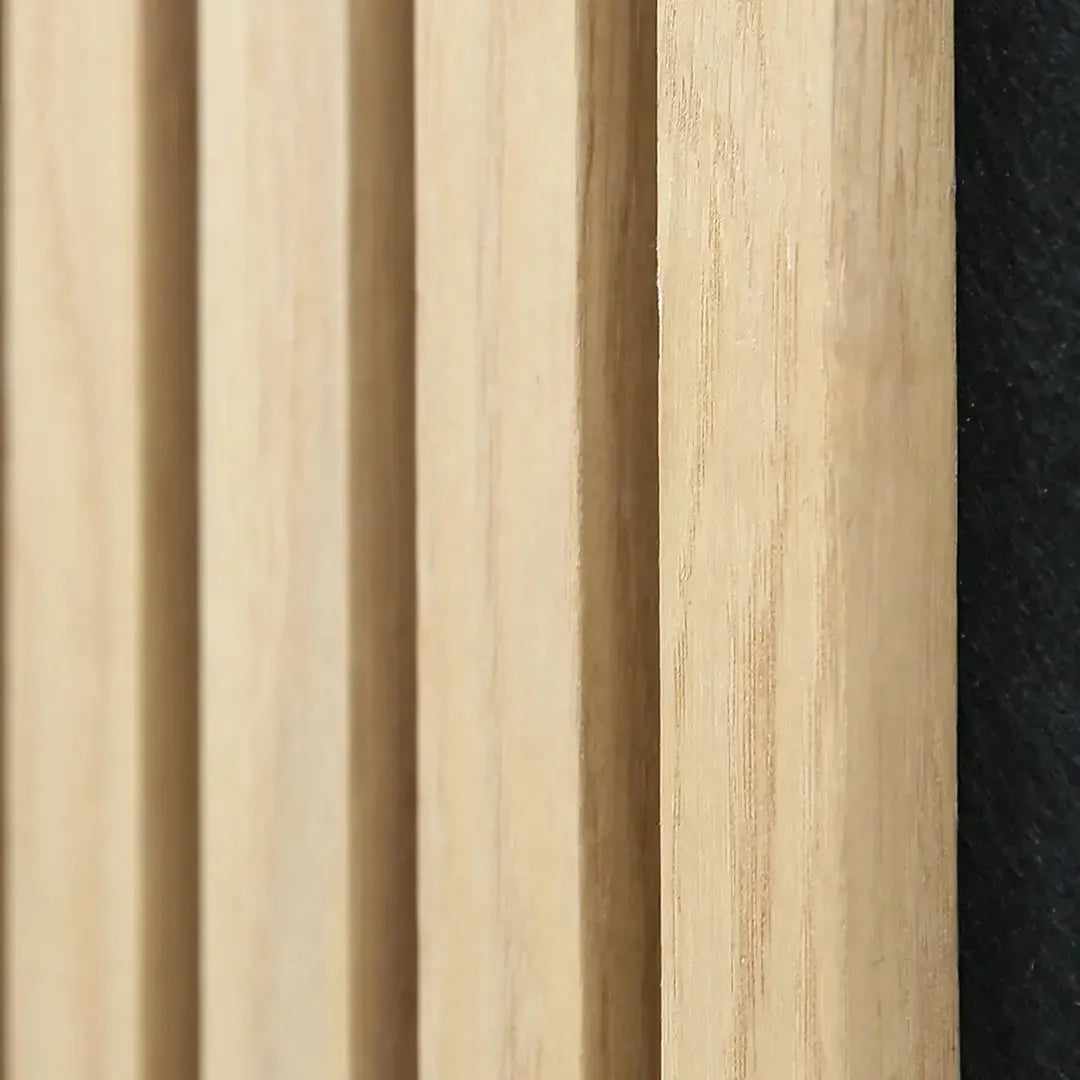
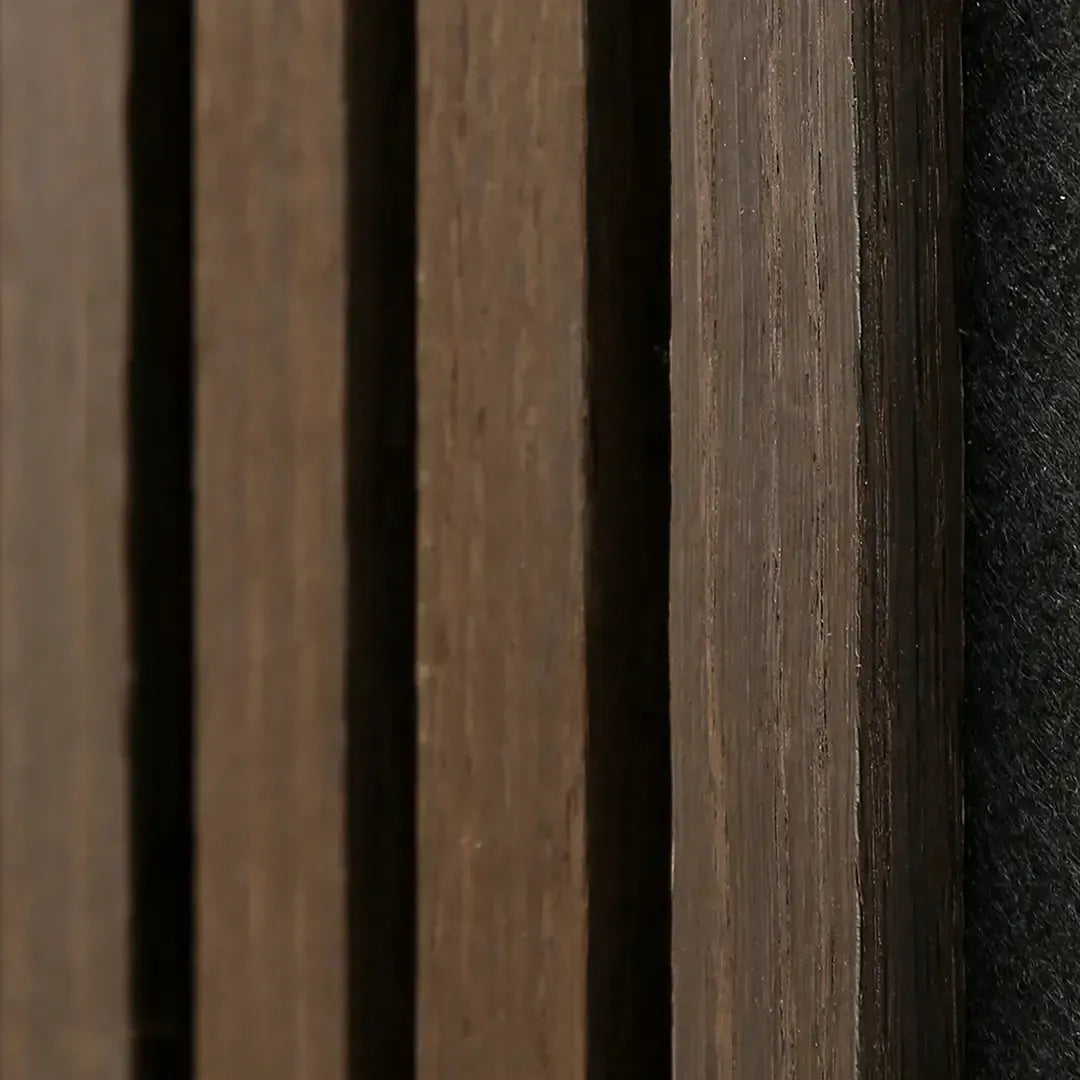
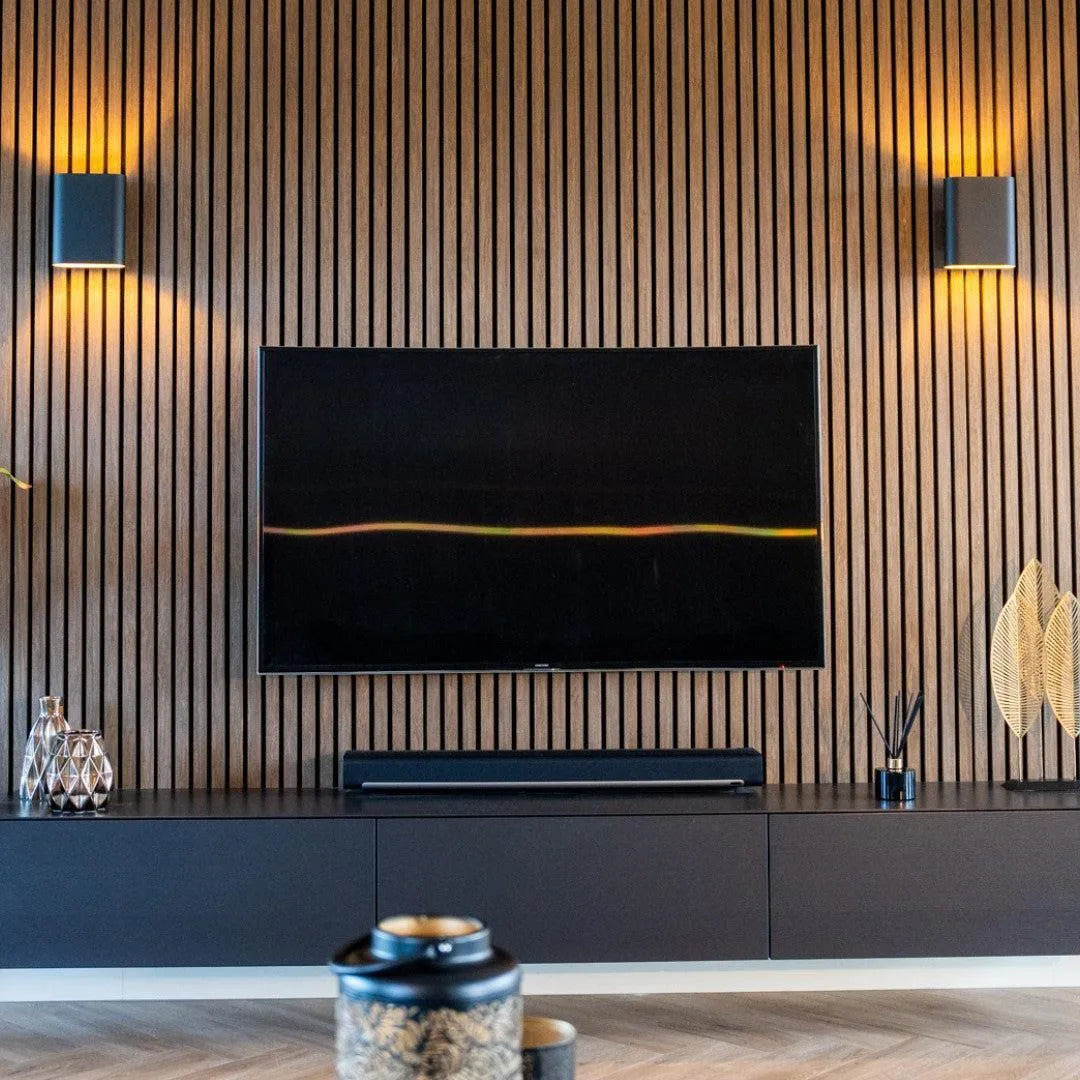
This is the panel that works in the widest range of loft layouts, from renovated warehouse conversions to newer builds with concrete ceilings. The natural oak slat panel with gray felt backing uses a felt layer behind the oak veneer slats, which is the part doing the actual sound absorption — the wood is what you see, the felt is what quiets the room. Natural oak also reads warm against cold concrete or brick, which is the visual contrast most loft owners are chasing in 2026.
Verdict: Buy. It's the safest first-panel choice if you're only treating one or two walls.
2. Acoustic Slat Wall Panel, Black Oak — the industrial-style pick
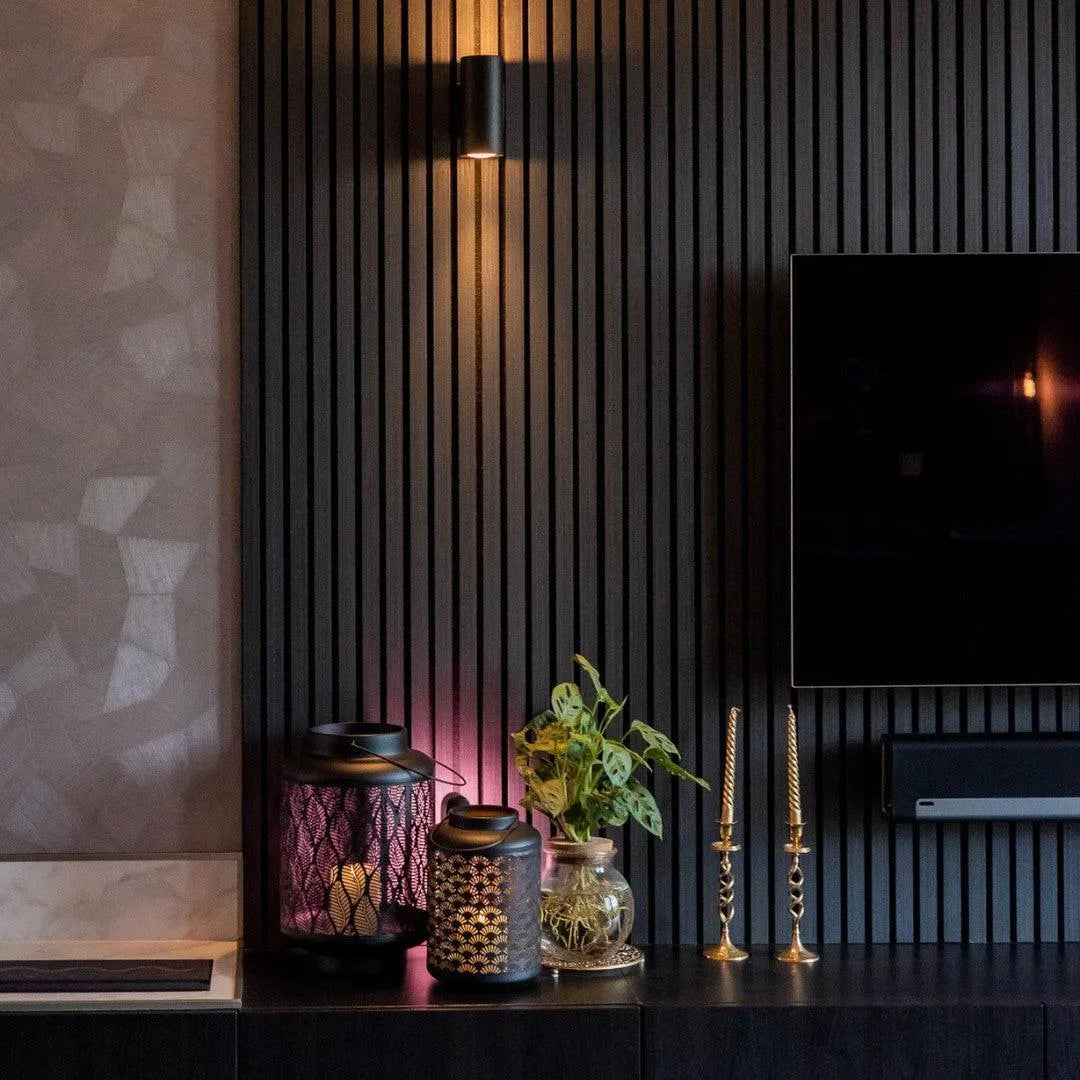
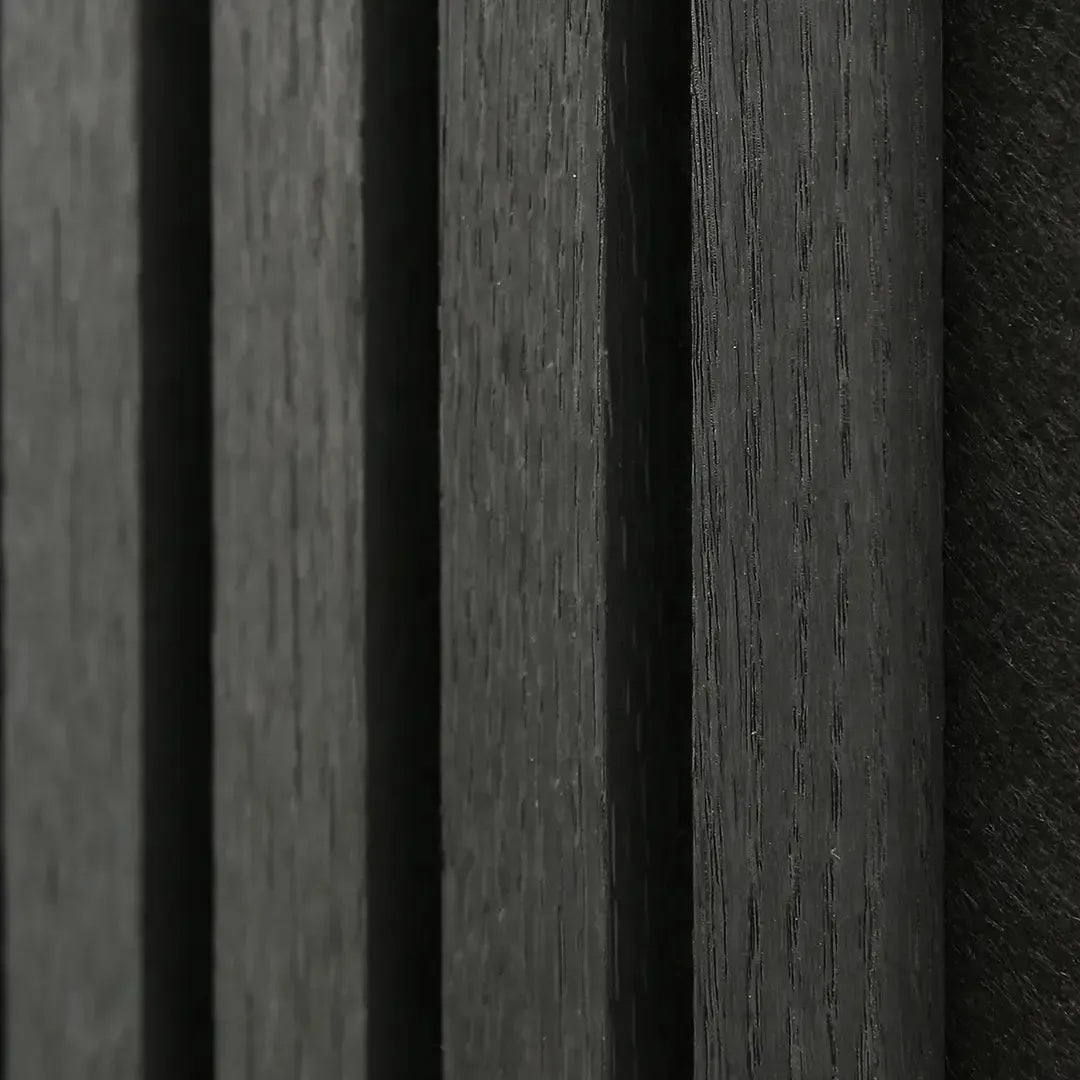
Black Oak leans into the steel-beam, matte-black-hardware look that a lot of converted lofts already have. The Black Oak acoustic slat wall panel keeps the same felt-backed construction as the natural oak version but flips the finish dark, so it disappears into black window frames and steel staircases instead of fighting them. If your loft already has black fixtures, this reads more intentional than a lighter wood tone would.
Verdict: Buy for dark, industrial-leaning units; Consider if your loft has warmer finishes elsewhere, since it can look disconnected from oak floors or tan brick.
3. Hexagon Acoustic Panel, Walnut — the statement wall
Slats are the default, but a hexagon panel gives you a geometric feature wall that still absorbs sound, which matters if the loft's main echo source is one specific wall — often the one behind the sofa or bed. The walnut hexagon acoustic panel works especially well as a single accent wall rather than wall-to-wall coverage, since the hexagon shape reads as intentional design at a smaller footprint than slats need to look finished.
Verdict: Buy for one accent wall; Consider if you're trying to treat an entire open-plan space, since slat coverage is usually more cost-efficient at scale.
4. Acoustic Slat Wall Panel, Smoked Oak — the middle-ground tone
Smoked Oak sits between the warmth of natural oak and the drama of black oak, which makes it a reasonable pick if your loft has mixed metal tones (brass and black, for example) and neither of the other two finishes feels right. Construction and felt backing match the rest of the acoustic slat line.
Verdict: Consider. Good middle option, but not the first panel most loft owners should reach for unless the other two finishes clash with existing fixtures.
5. Acoustic Slat Wall Panel, Walnut — the warm-toned alternative
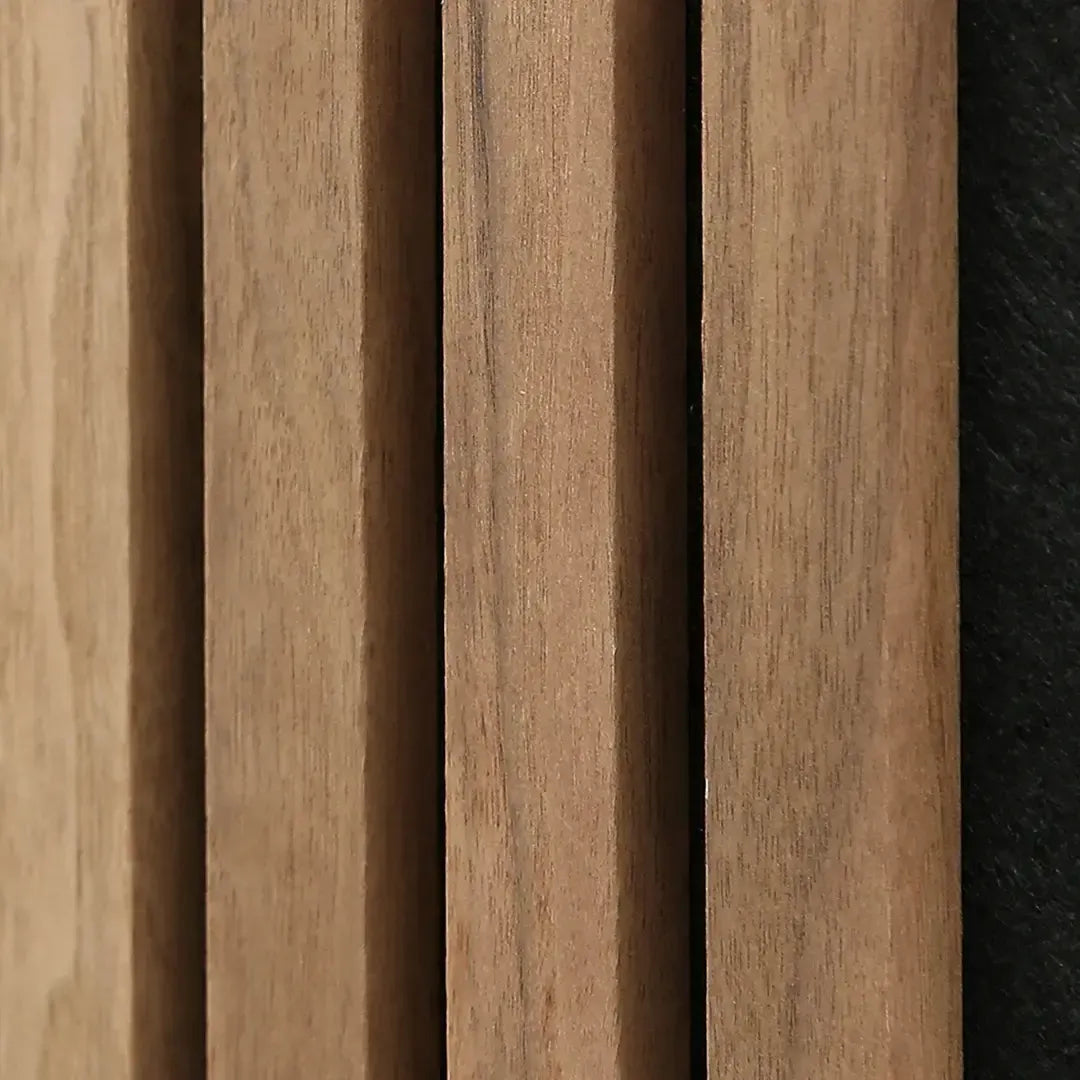
Walnut brings a deeper, redder wood tone than oak, which pairs well with lofts that already have walnut or dark-stained flooring. Same felt-backed slat construction as the rest of the line, so acoustic performance is consistent with the Natural Oak and Black Oak picks.
Verdict: Buy if your existing floors or furniture are already walnut-toned; otherwise it's a Consider.
6. Standard foam wedge acoustic tiles — the studio look that doesn't belong
Foam wedge tiles absorb sound well in a recording booth, but they read as a home studio, not a living space, and they clash hard with the exposed-brick, high-ceiling aesthetic most loft owners are protecting. There's no wood veneer, no design integration, and landlords in converted buildings often flag them during move-out inspections because the adhesive can damage brick or drywall.
Verdict: Skip for any loft apartment where the room still needs to look like a living space in 2026.
Comparison table
| Panel | Finish tone | Best wall type | Verdict |
|---|---|---|---|
| Acoustic Slat, Natural Oak w/ Gray Felt | Warm, light | Brick, concrete, drywall | Buy |
| Acoustic Slat, Black Oak | Dark, industrial | Steel-accented walls | Buy / Consider |
| Hexagon Acoustic Panel, Walnut | Deep, warm | Single feature wall | Buy |
| Acoustic Slat, Smoked Oak | Mid-tone | Mixed-metal interiors | Consider |
| Acoustic Slat, Walnut | Deep red-brown | Walnut-toned floors | Consider |
| Foam wedge tiles | N/A | Recording booths only | Skip |
Where to buy
- Order a sample first. Wood veneer color shifts under different lighting, and a loft's north-facing concrete wall reads finishes differently than a south-facing brick one — don't commit to a full order off a screenshot.
- Measure before you buy, then add 10% overage. Slat and hexagon panels both have visible seams, and running short mid-install on a 2026 order means waiting on a reorder with a mismatched dye lot.
- Buy from the manufacturer for felt-backed versions specifically. Plenty of third-party retailers sell wood slat panels with no acoustic backing at all — if the listing doesn't mention felt or an acoustic core, it's decorative only.
FAQ
What's the best acoustic panel for reducing echo in a loft apartment? Akuwood Panel's Acoustic Slat Wall Panel in Natural Oak with Gray Felt is the strongest general pick for 2026 because it combines felt-backed sound absorption with a finish that works against both brick and concrete.
Do wood slat panels actually reduce echo, or are they just decorative? It depends entirely on the backing — slat panels with felt or an acoustic-grade core absorb sound, while plain veneer-on-plywood slats are purely visual and won't touch your reverberation time.
How many panels do I need to cover an open-plan loft? Measure the wall square footage you're treating, then add roughly 10% for cuts and waste; most lofts see a noticeable difference treating just the two largest hard-surface walls rather than the entire room.
Are hexagon acoustic panels as effective as slat panels? Both use similar felt or acoustic-core backing, so effectiveness per square foot is comparable — the difference is coverage efficiency, where slat panels typically treat larger areas more economically.
Can acoustic panels go over exposed brick or concrete? Yes, with the right mounting hardware or furring strips, both surfaces are common substrates for acoustic slat and hexagon panels in converted loft buildings.
Is black oak or natural oak better for a loft aesthetic? Black Oak suits units with existing black steel or matte-black fixtures, while Natural Oak works across a wider range of brick and concrete tones — pick based on what's already in the room, not personal preference alone.
How much does it cost to treat echo in a 500 sq ft loft? Costs scale directly with wall square footage treated; check current per-panel pricing on the product pages, since treating two accent walls costs meaningfully less than full room coverage.
Do I need felt backing for real acoustic performance? Yes — felt, PET felt, or another acoustic-grade core is what actually absorbs sound; wood veneer alone reflects almost as much sound as bare drywall.
One last thing
Most loft owners treat the wrong wall first. The biggest echo reduction usually comes from covering the wall directly opposite your largest window or glass partition, not the wall behind the couch — sound bounces hardest off the surface facing the most reflective glass in the room, and that's often the last wall people think to panel.


 Better performance and aesthetic appeal
 In Stock