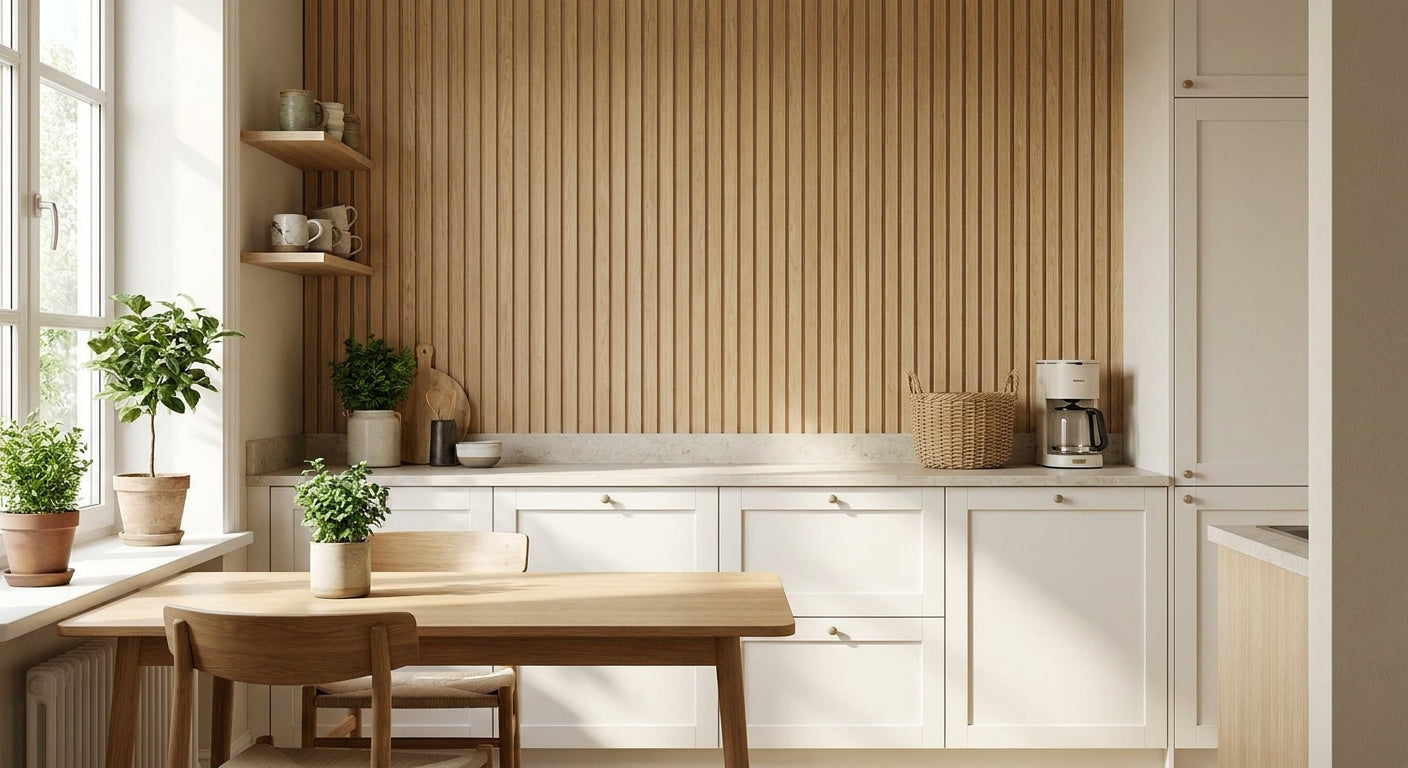
Scandinavian kitchens run on light wood, clean lines, and almost no clutter, and natural oak paneling is the single fastest way to bring that warmth to a wall without touching your cabinetry budget. This guide ranks the natural oak panel options worth considering for a Scandi kitchen in 2026, based on grain consistency, moisture tolerance, and how each format actually reads against white or pale-gray cabinets.
TL;DR
For a natural oak panels scandinavian kitchen build in 2026, the Acoustic Slat Wall Panel in Natural Oak from Akuwood Panel is the strongest all-around pick — real oak veneer, visible grain, and enough acoustic backing to soften the clatter of an open-plan kitchen-diner. The Tile Acoustic Slat Wall Panel in Natural Oak wins for anyone paneling a backsplash zone near water or heat. Skip full plywood veneer sheets if your kitchen sees steam daily — they lack the felt backing that helps slat panels shed condensation faster. Order a sample before committing; oak tone shifts noticeably under warm LED versus daylight bulbs.
Why this matters
A Scandinavian kitchen depends on material honesty — real wood grain, not a printed laminate that photographs fine but reads flat in person. Natural oak specifically carries the light, slightly yellow undertone that Scandi design has built its identity around since the mid-century movement, and it's still the top-requested finish across natural oak wall panel inquiries for kitchen and dining spaces in 2026.
The catch: kitchens are hostile environments for wood. Steam, grease, and temperature swings near the stove wear down finishes that would last decades in a living room. Picking the wrong oak product for a kitchen wall is an expensive mistake to walk back once it's installed.
How we ranked
Each panel type below is scored against three kitchen-specific factors: grain visibility under mixed lighting, moisture behavior near cooking zones, and ease of spot-cleaning grease splatter. Pricing and lead times reflect standard 2026 retail listings. Acoustic performance is factored in for open-plan kitchen-diners where hard surfaces — tile, stone counters, glass — bounce sound and slat paneling is doing real acoustic work, not just decoration.
The ranked list
1. Acoustic Slat Wall Panel, Natural Oak — the safe pick
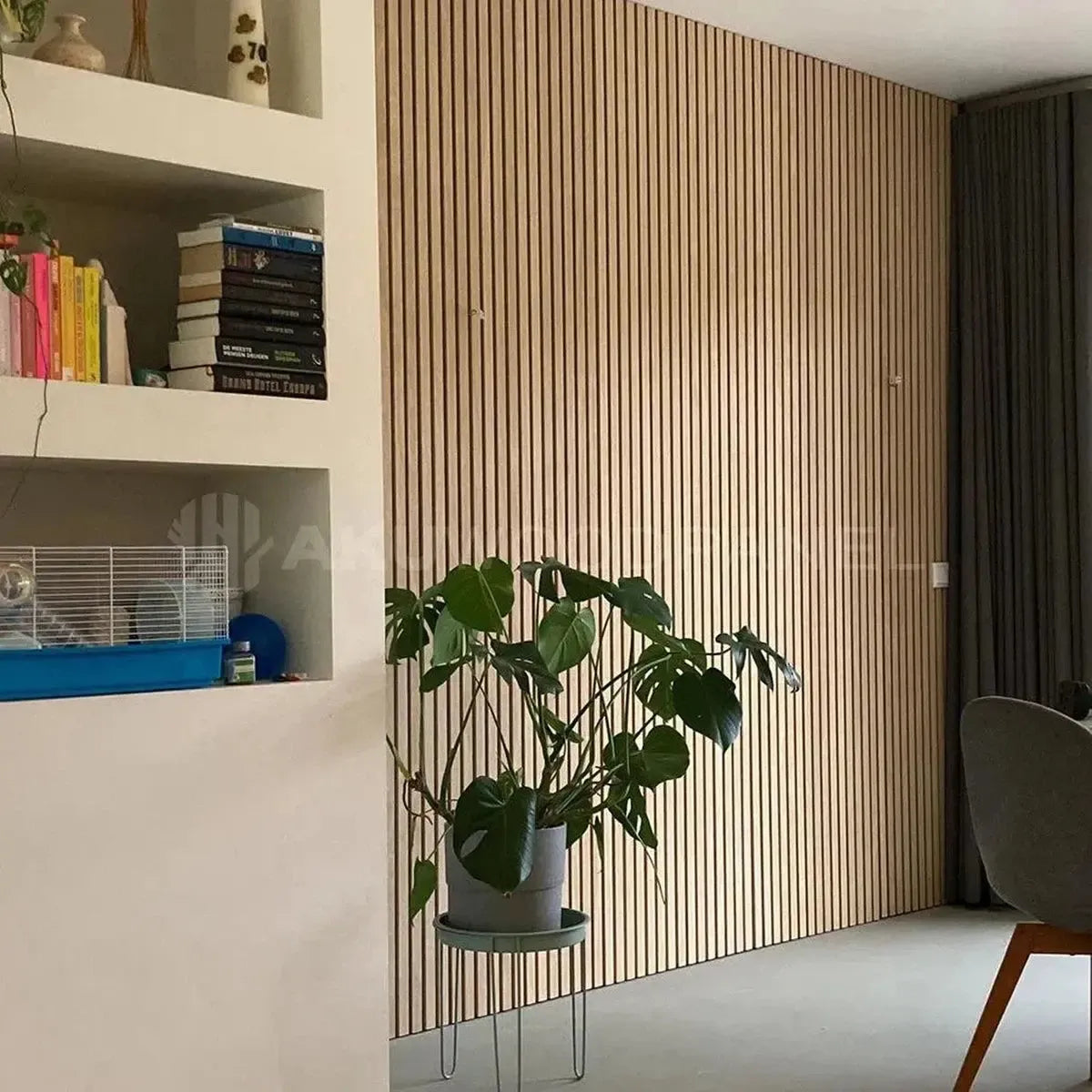
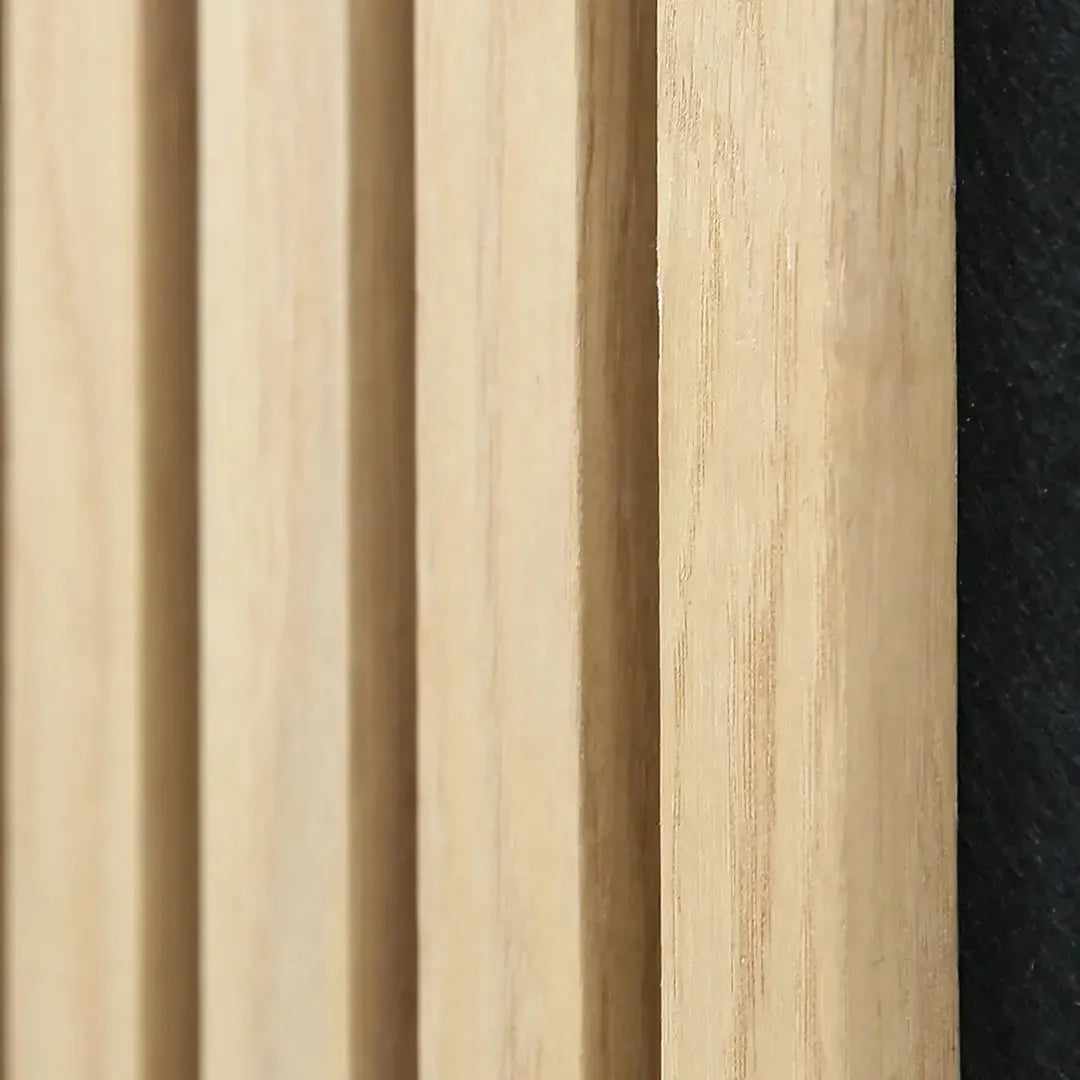
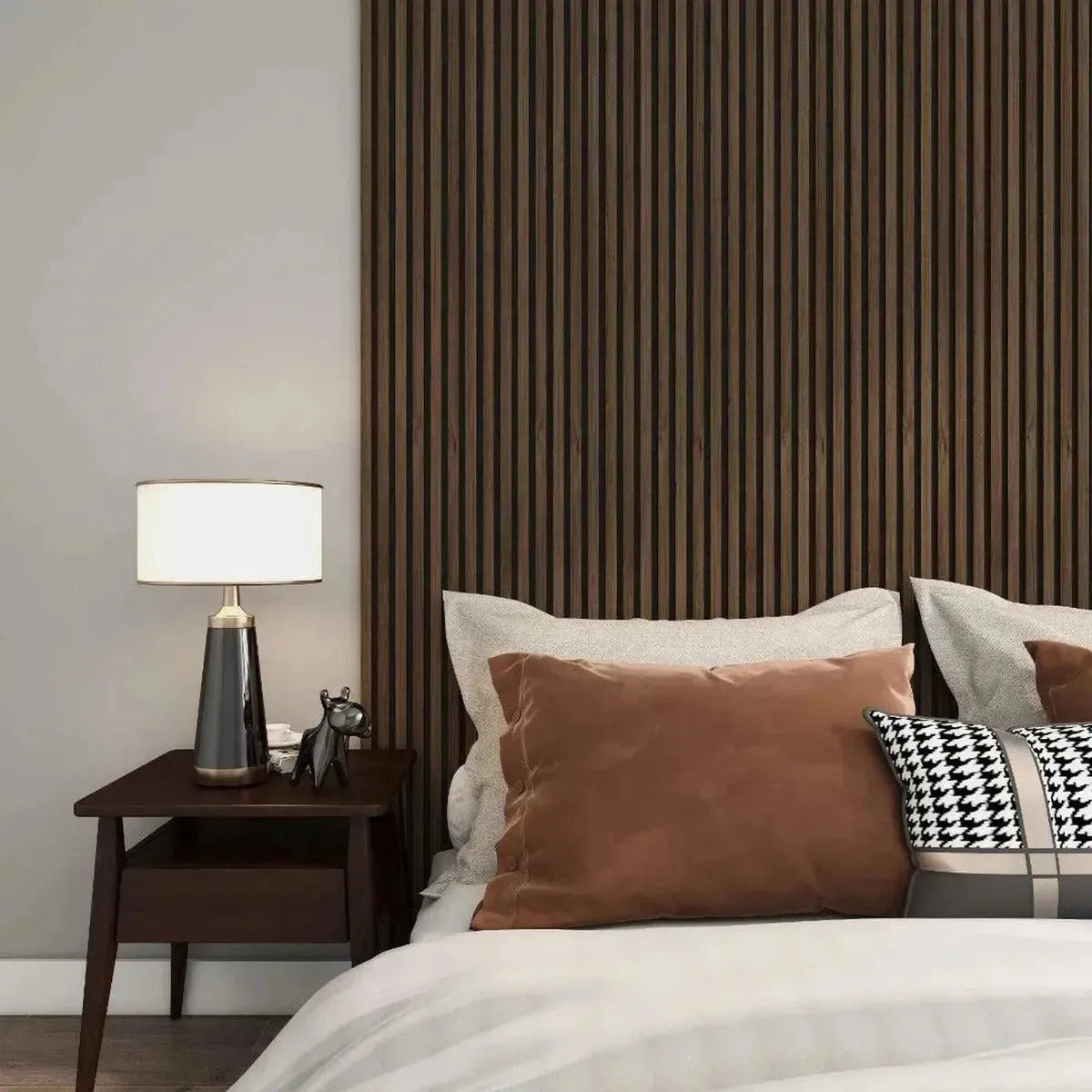
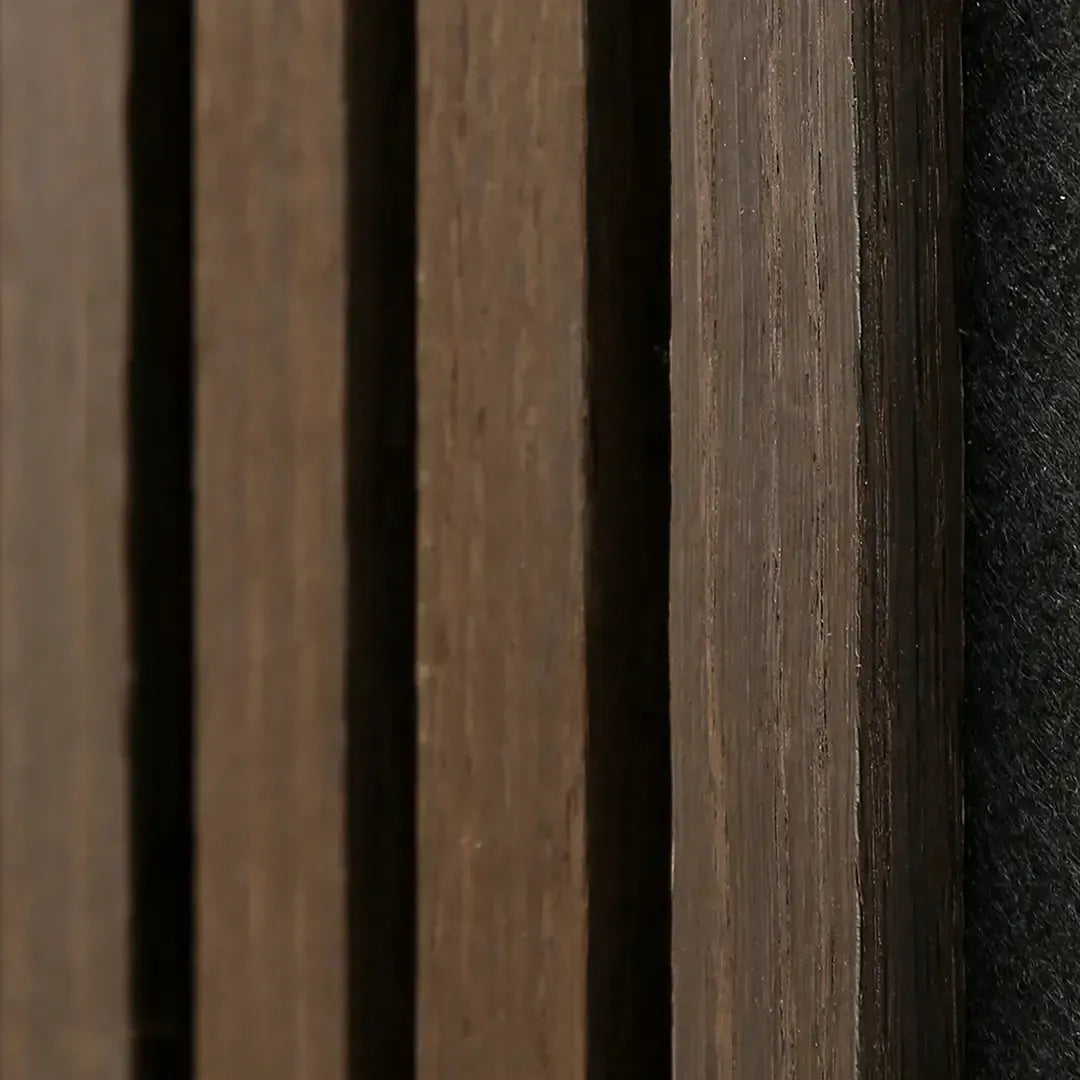
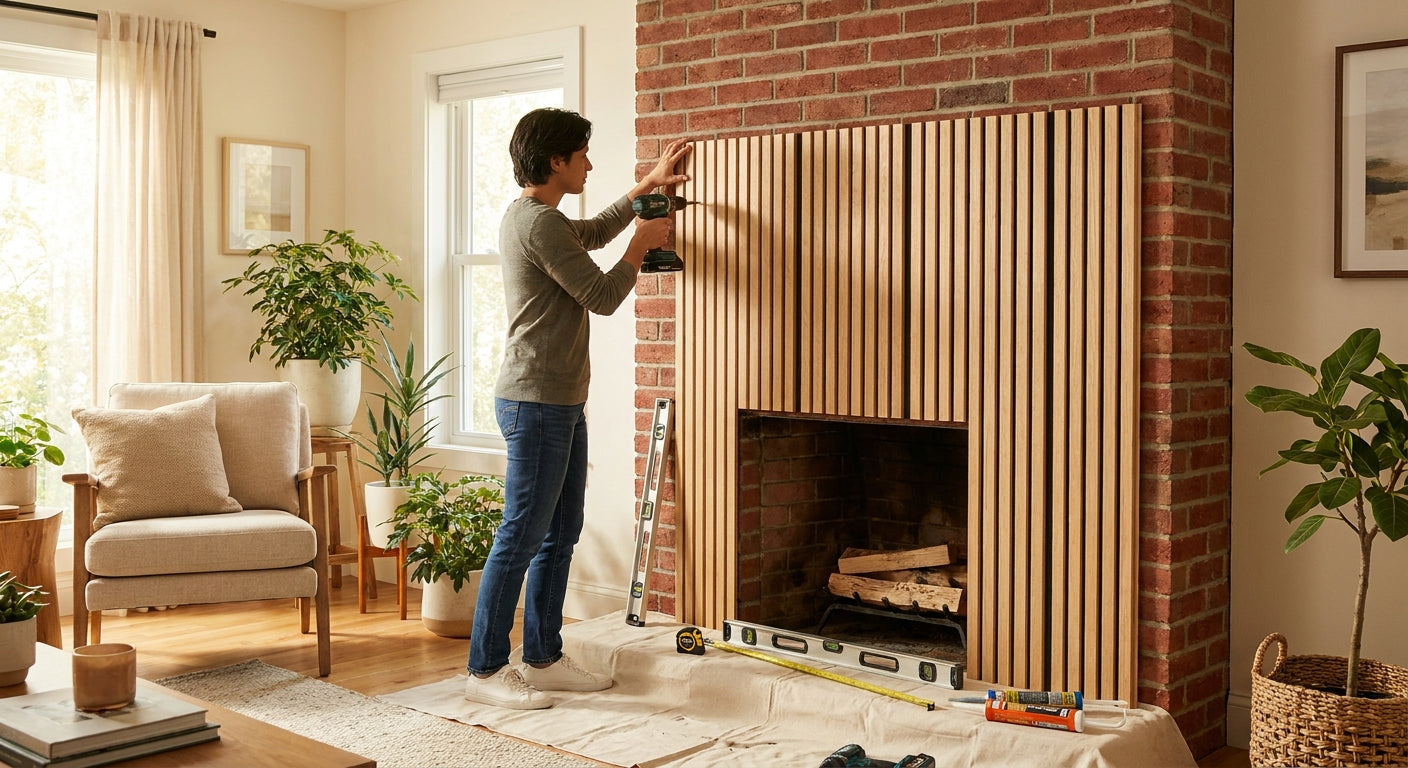
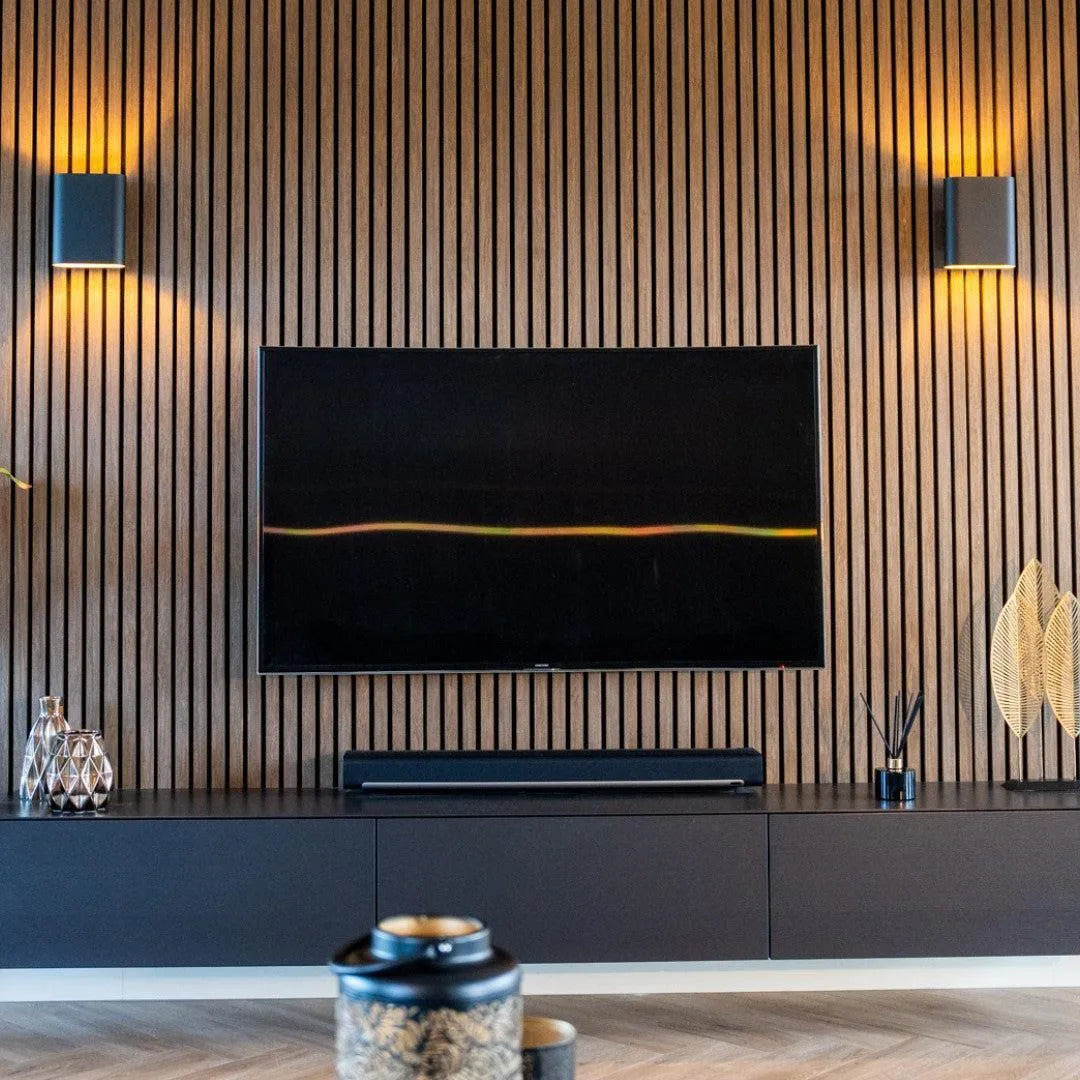
This is the panel most Scandinavian kitchen renovations land on. Real oak veneer over an MDF slat profile, felt-backed for sound absorption, installed as a feature wall behind an island or dining nook rather than directly at the cooktop.
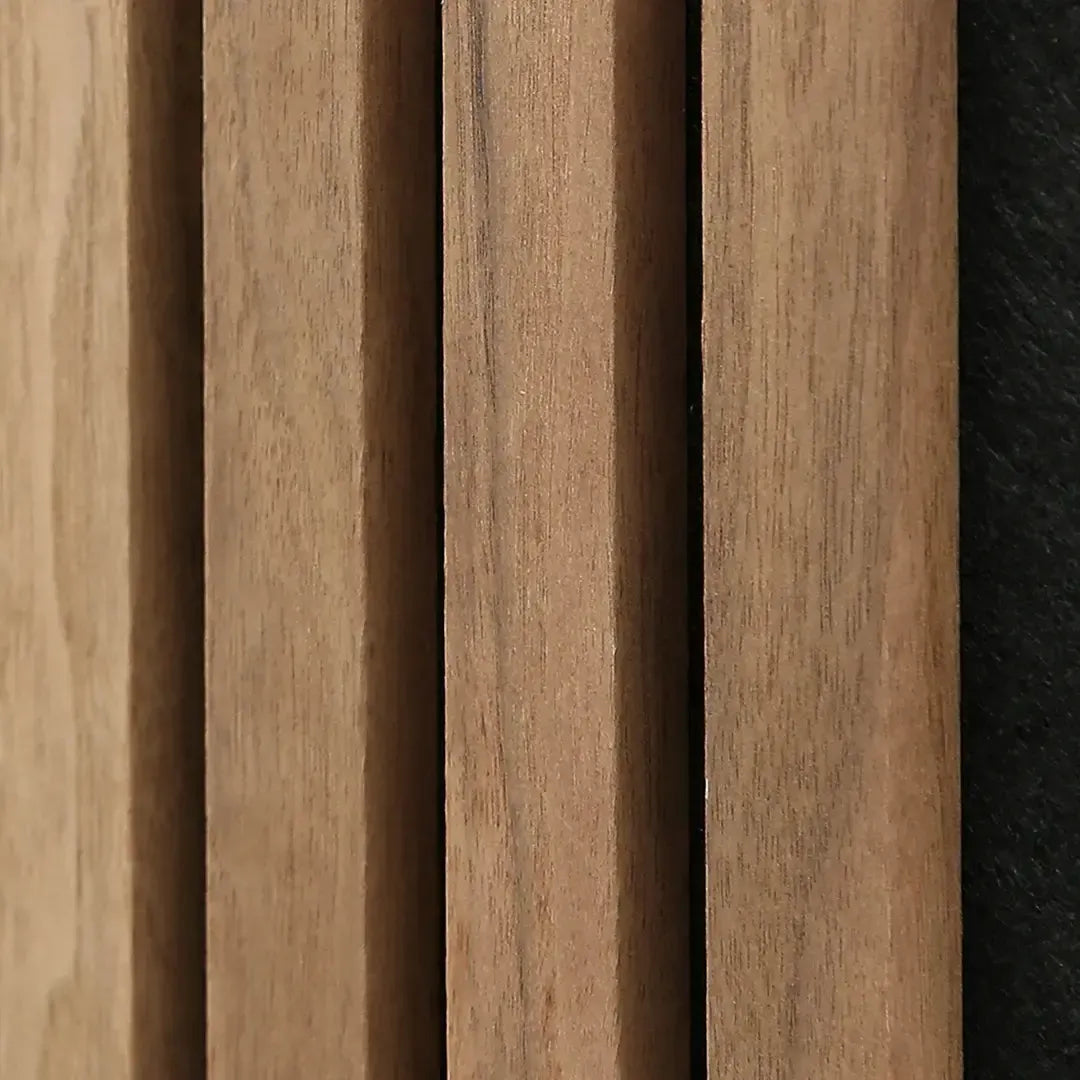
The felt backing absorbs mid-range frequencies, which matters in open-plan kitchens where hard flooring and stone counters create echo. Grain reads consistently under both warm and cool lighting, which is the main reason it beats painted or laminate alternatives for this look.
Verdict: Buy. It's the default choice for a reason — the natural oak acoustic slat panel covers the widest range of Scandi kitchen layouts without compromise.
2. Tile Acoustic Slat Wall Panel, Natural Oak — the backsplash specialist
Built in smaller tile-format modules rather than full-length slats, this version is meant for tighter zones — behind open shelving, above a counter run, or as a partial backsplash where full panels would look bulky.
Smaller format means less waste when working around outlets, windows, or a range hood. The tile shape also lets you mix orientation, something full slat panels don't allow.
Verdict: Buy for kitchens under 120 square feet where a full slat wall would overwhelm the space. The oak tile panel format is the better fit for smaller footprints.
3. Fluted Wall Panel, Natural Oak — the wildcard
Vertical fluted grooves instead of flat slats give a more sculptural, almost cabinetry-like look. It reads less "acoustic panel" and more "furniture detail," which works well as a kitchen island surround or a vent hood frame.
The trade-off is acoustic performance — fluted panels don't carry the felt backing that slat versions do, so they're decorative first, sound-dampening second.
Verdict: Consider if the goal is visual texture rather than noise control. Fluted natural oak paneling is a strong island-surround choice but not a substitute for slat panels in a noisy open kitchen.
4. Acoustic Slat Wall Panel, Natural Oak with Gray Felt — the contrast pick
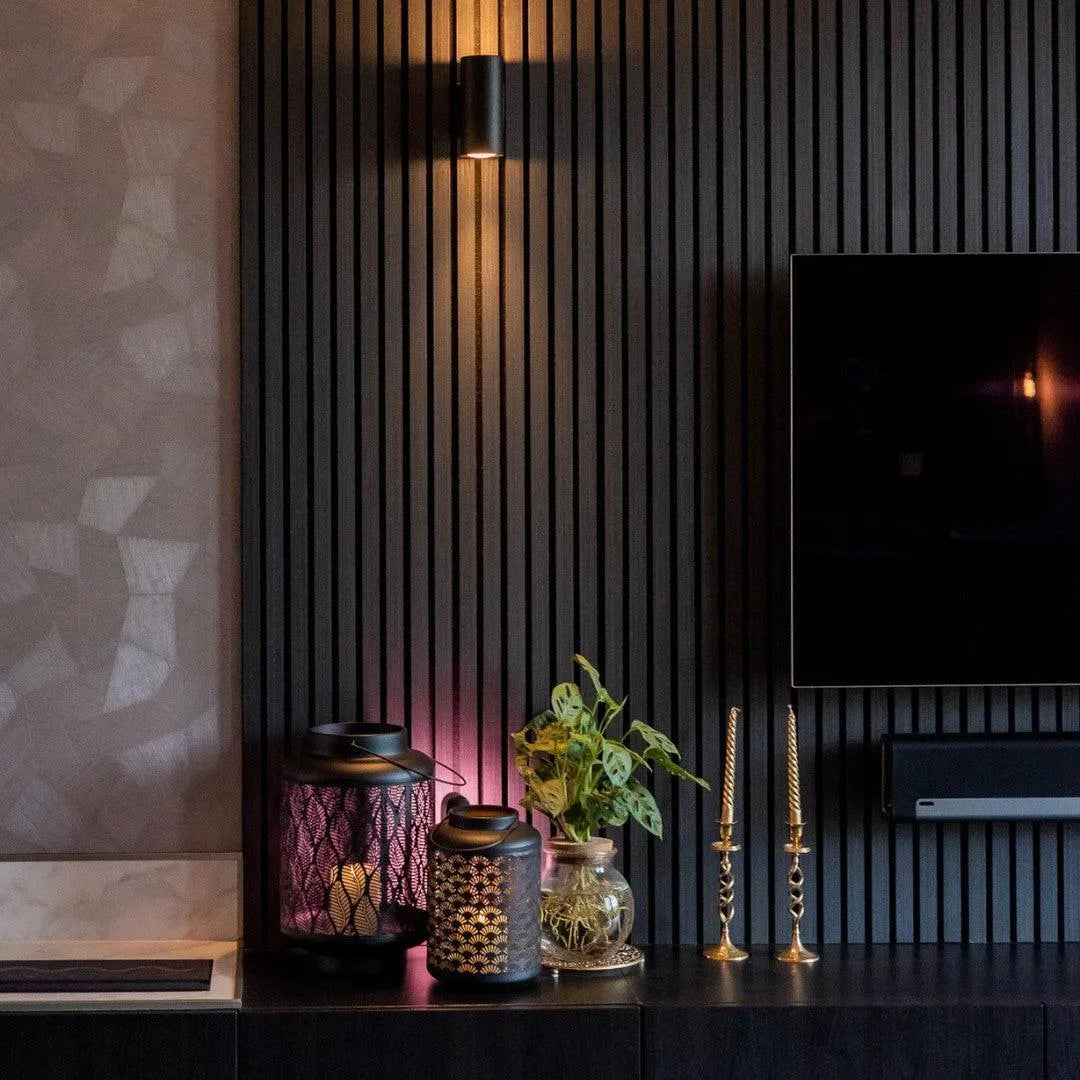
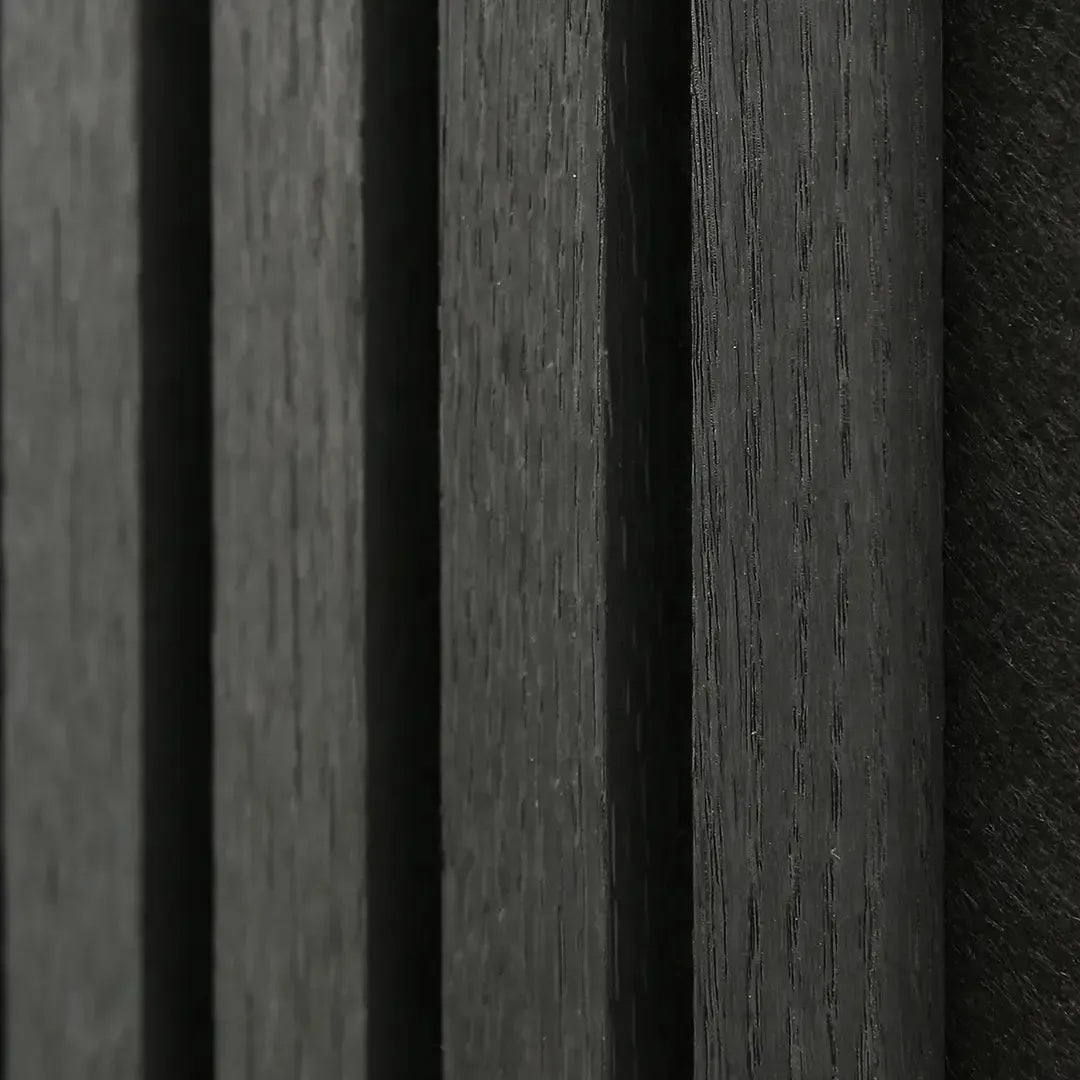
Same oak slat construction, but the felt backing shows through in gray rather than matching the wood tone. In a Scandi kitchen built around white oak cabinetry and gray stone counters, that felt reveal ties the wall into the counter material instead of just the cabinets.
Verdict: Consider for kitchens already anchored around gray stone or concrete-look counters — the felt tone becomes a design link rather than an accent.
5. End Piece Slat Wall Panel, Natural Oak — the finishing detail
Not a standalone wall solution — this is the trim piece that closes off a slat installation at a corner or exposed edge, which matters more in kitchens than any other room because a kitchen wall almost always runs into a window, a cabinet run, or an appliance gap.
Verdict: Buy as a companion product any time slat panels terminate somewhere other than a clean 90-degree wall corner. Skipping this piece is the most common installation mistake in kitchen paneling jobs.
6. Standard Plywood-Veneer Oak Sheet (generic, non-slat) — the one to skip
Full veneer sheets without felt backing or slat relief look flat under kitchen lighting and show water spotting faster near a sink or stove. They're common in budget renovation packages but don't hold up to the moisture cycling a kitchen wall sees over a year.
Verdict: Skip for kitchen applications specifically — better suited to a dry living room or bedroom wall.
Comparison table
| Panel type | Grain visibility | Kitchen moisture tolerance | Best zone | Verdict |
|---|---|---|---|---|
| Acoustic Slat, Natural Oak | High | Good (felt-backed) | Island / dining wall | Buy |
| Tile Slat, Natural Oak | High | Good (felt-backed) | Backsplash / shelving | Buy |
| Fluted, Natural Oak | High, sculptural | Moderate | Island surround / hood frame | Consider |
| Slat, Oak w/ Gray Felt | High | Good | Stone-counter kitchens | Consider |
| End Piece, Natural Oak | N/A (trim) | N/A | Any panel corner | Buy (companion) |
| Plain veneer sheet | Low under mixed light | Poor near steam/water | Dry rooms only | Skip |
Where to buy
- Order a sample before the full panel. Oak tone shifts between warm 2700K and cool 4000K bulbs, and a natural oak sample panel settles the question in your own kitchen lighting instead of a showroom.
- Buy from a supplier that lists veneer type explicitly. "Oak-look" laminate and real oak veneer are priced and marketed differently in 2026 — confirm which one you're getting before checkout.
- Match end pieces and trim to the same batch. Veneer grain and tone vary slightly by production run, so ordering trim separately later risks a visible mismatch.
FAQ
What's the best natural oak panel for a Scandinavian kitchen? The Acoustic Slat Wall Panel in Natural Oak is the strongest all-around choice for 2026 kitchen installs — it balances grain visibility, acoustic performance, and moisture tolerance better than fluted or plain veneer alternatives.
Is natural oak better than smoked oak for a Scandi kitchen? Natural oak reads lighter and more true to classic Scandinavian design; smoked oak leans darker and more Japandi. For a bright, minimalist Scandi kitchen, natural oak is the closer match.
Can oak slat panels go near a stove or sink? Direct splash zones are risky for any wood veneer product; keep panels a reasonable distance from the cooktop and sink and focus them on island, dining, or open-shelving walls instead.
How much does oak wall paneling cost for an average kitchen wall? Pricing depends on square footage and finish, and it changes through 2026 with material costs — check current listings for an exact quote rather than relying on an old estimate.
Do oak slat panels need sealing in a kitchen? Most pre-finished veneer panels arrive sealed, but kitchens benefit from extra care around steam-heavy zones; avoid installing unsealed veneer near a stove.
What's the difference between slat and fluted oak panels? Slat panels are flat with felt-backed gaps and carry real acoustic value; fluted panels have rounded vertical grooves and lean more decorative than sound-dampening.
Will natural oak panels clash with white Scandi cabinetry? No — natural oak's light, warm tone is one of the most common pairings with white cabinetry in Scandinavian kitchen design, giving contrast without competing for attention.
Is a sample panel worth ordering before buying full sheets? Yes — grain and tone shift under different lighting, and a sample settles that question cheaply before a full-wall order.
One last thing
The detail most people miss: felt-backed slat panels don't just look better in a kitchen, they measurably cut echo in open-plan layouts where hard counters, tile floors, and glass splashbacks bounce sound around. A plain veneer sheet gives you the oak look with none of that acoustic benefit — which is exactly why it ranks last here for kitchen use, even though it's often the cheaper option on paper.

 Better performance and aesthetic appeal
 In Stock