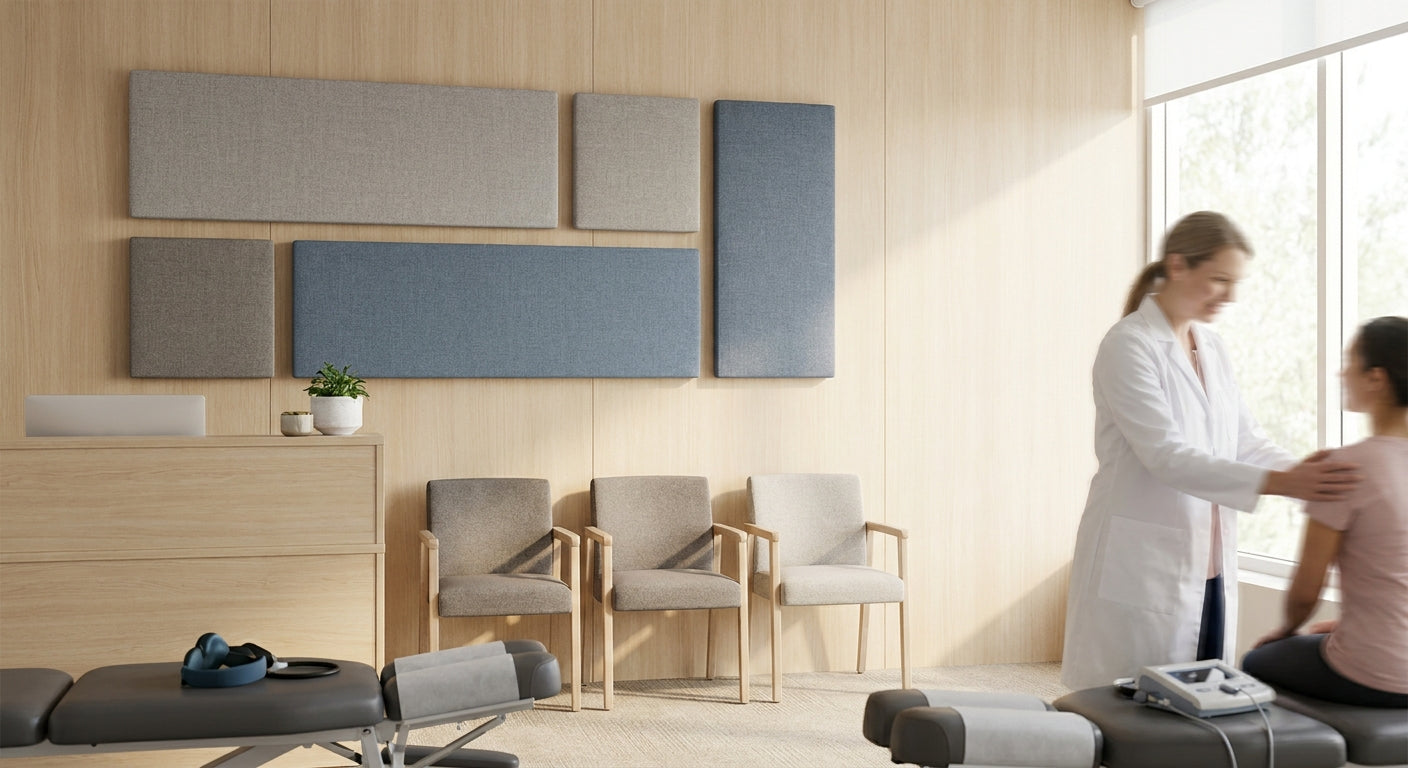
Chiropractic and physical therapy clinics pack loud equipment and confidential conversations into the same square footage, and hard drywall turns every adjustment table creak, traction pop, and hushed patient question into a waiting-room broadcast.
- Hexagon Acoustic Panel Natural Oak with Gray Felt hits NRC 0.75 — the buy pick for acoustic panels for chiropractic clinic treatment rooms in 2026.
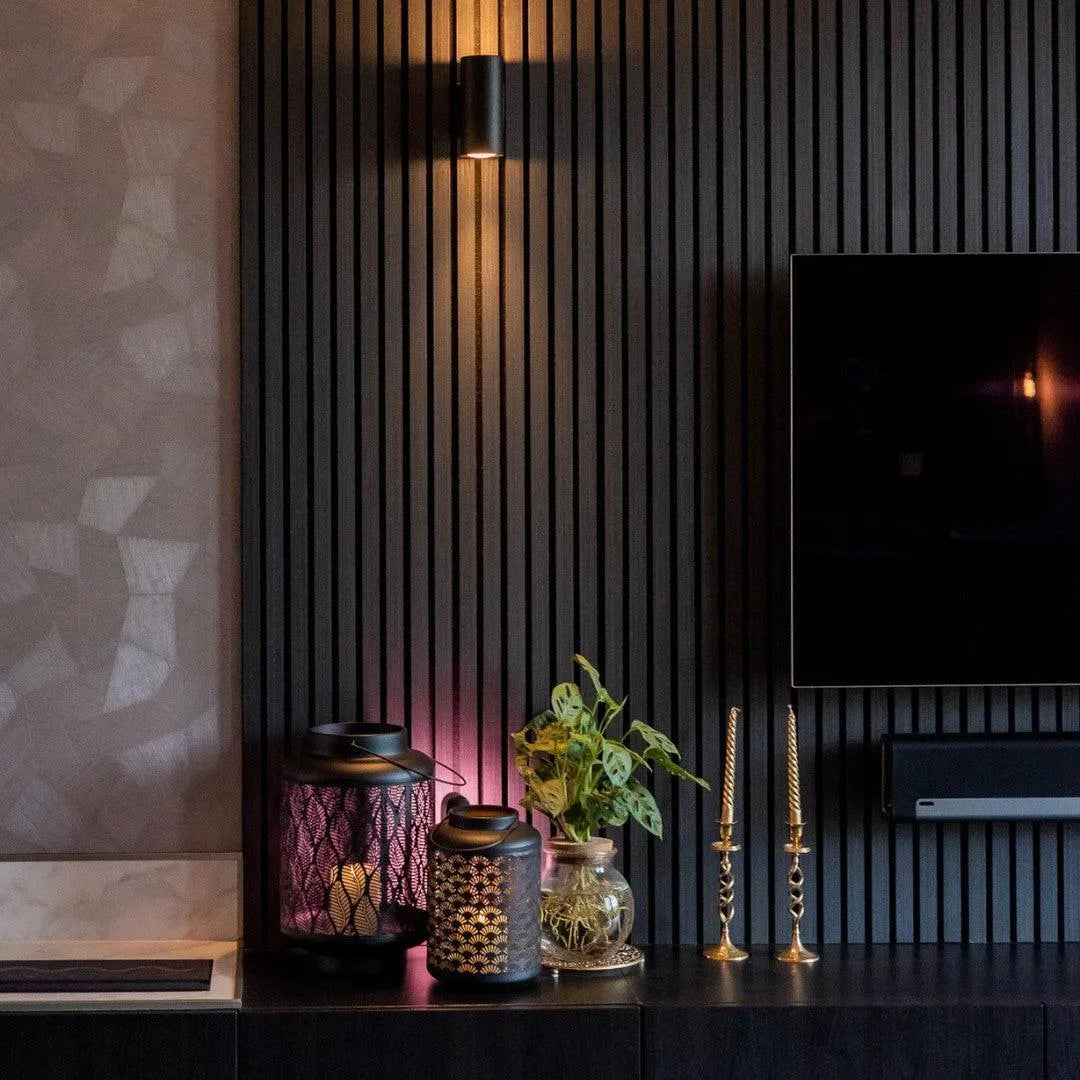
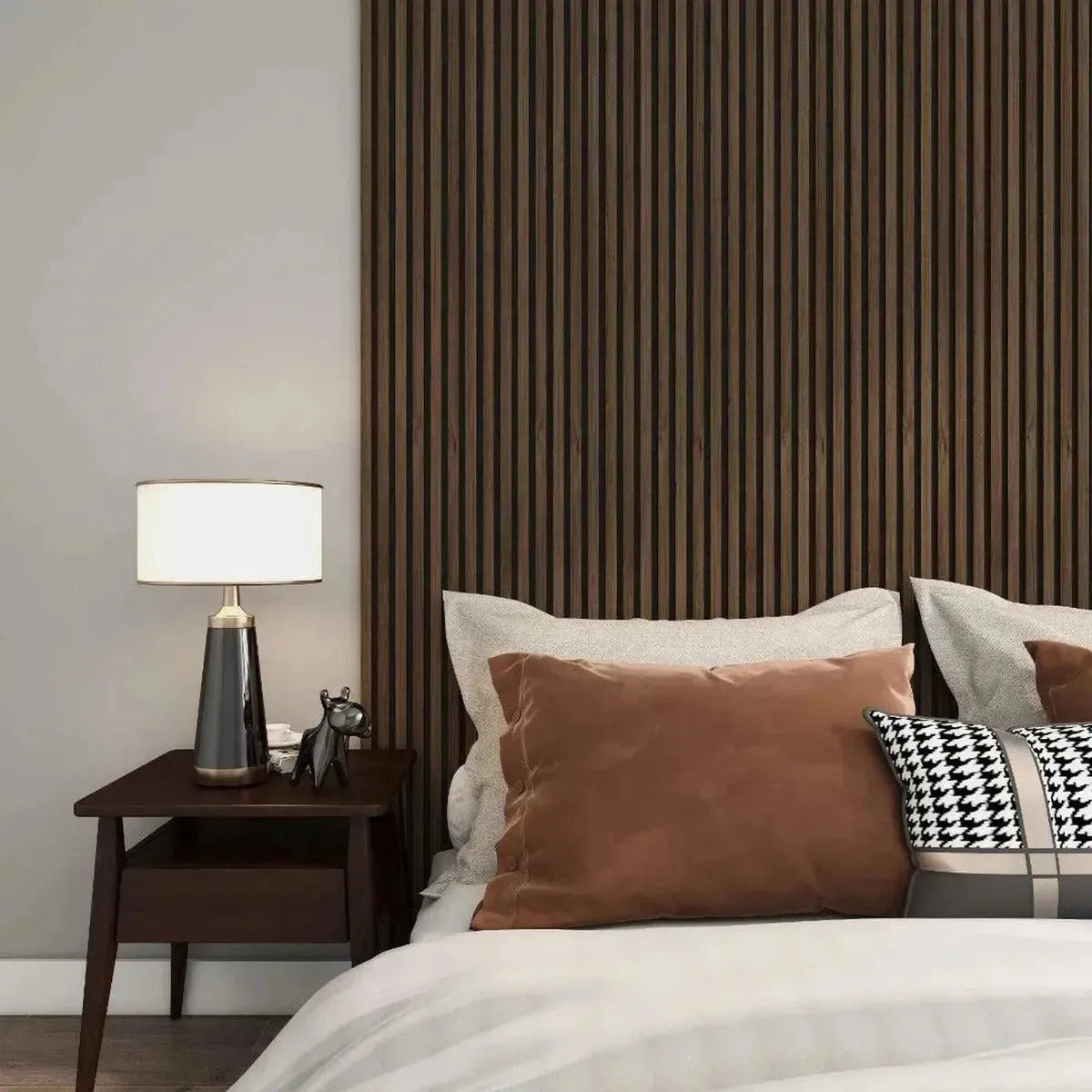
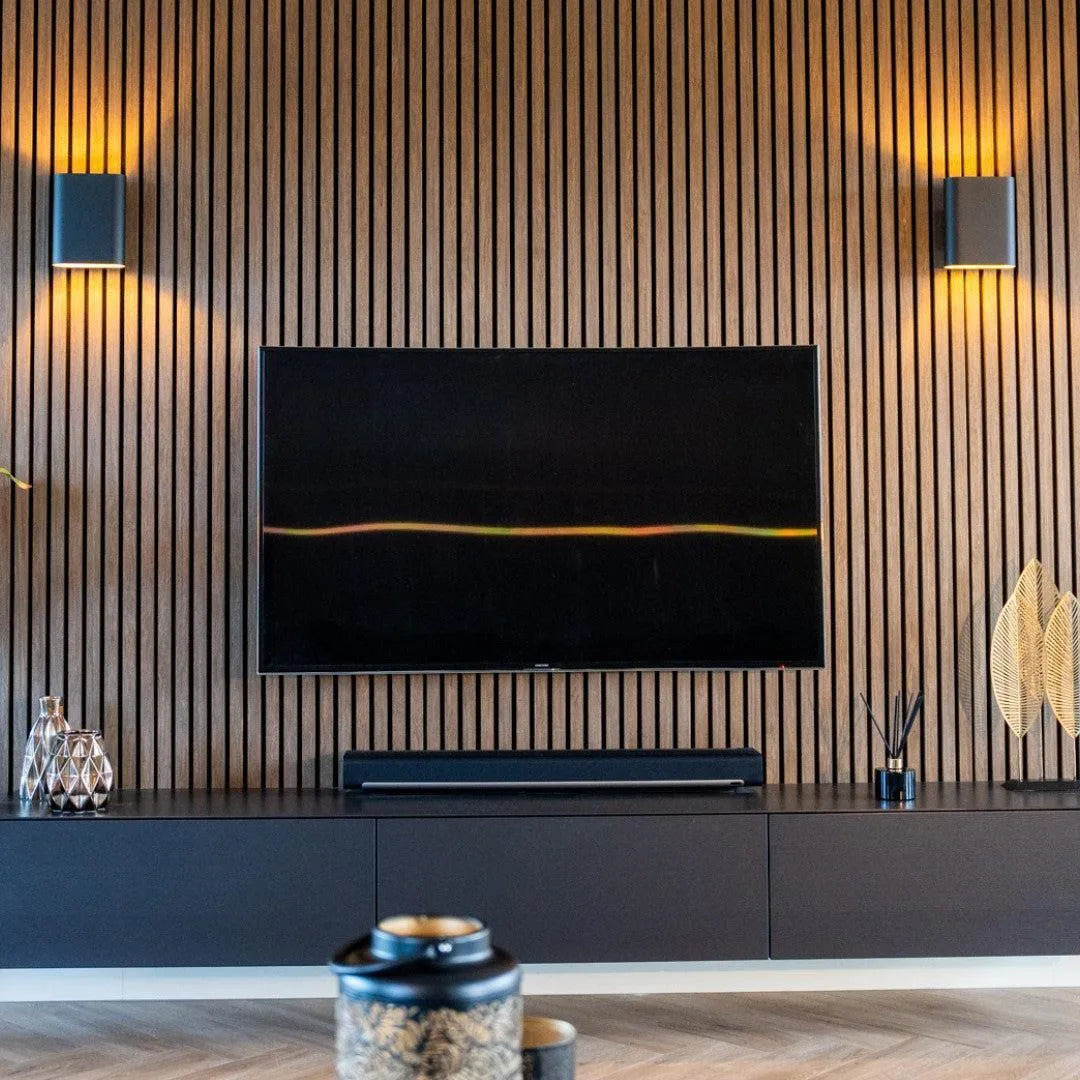
- Acoustic Slat Wall Panel Smoked Oak with Gray Felt suits waiting rooms that need a calmer, scuff-hiding finish — Buy.
- Fluted Wall Panel Natural Oak looks soft but skips felt backing — Consider it for hallways only, not treatment bays.
- Skip flat, felt-free MDF wood-look panels: they add almost no NRC value to a physical therapy clinic gym floor.
Why this matters
A chiropractic waiting room next to an open adjustment bay is a privacy problem, not just a noise problem. Patients hear pops, groans, and diagnostic conversations through a shared wall, and that's a retention issue as much as a comfort issue in 2026. Physical therapy clinics have the opposite challenge: treadmills, resistance machines, and group rehab sessions generate steady background noise that bounces off hard surfaces and makes one-on-one coaching harder to hear.
Acoustic wood panels solve both problems without turning a clinic into a recording studio. A felt-backed panel absorbs mid-to-high frequency sound — speech range — while keeping a finished, clinical-but-warm look that reads as a wellness brand rather than a hospital corridor. Akuwood Panel stocks several felt-backed and solid veneer options that clinics use for exactly this kind of retrofit.
Who this is for
This guide is for chiropractic clinic owners and physical therapy practice managers retrofitting existing treatment rooms, adjustment bays, or open gym floors, where the priority is cutting sound bleed between patient areas without a construction-level renovation. If you're specifying finishes for a new-build medical suite rather than retrofitting an operating clinic, the same criteria apply, but you'll have more flexibility on panel size and layout.
What to look for in acoustic panels for a chiropractic clinic
NRC rating, not just "acoustic" on the label
Noise Reduction Coefficient (NRC) tells you how much sound a panel actually absorbs, on a scale from 0 to 1. A panel rated 0.75 absorbs 75% of incident sound energy in the tested range — that's the number that matters for a shared wall between a waiting room and an adjustment bay, not marketing copy that just says "acoustic."
Felt backing versus solid veneer
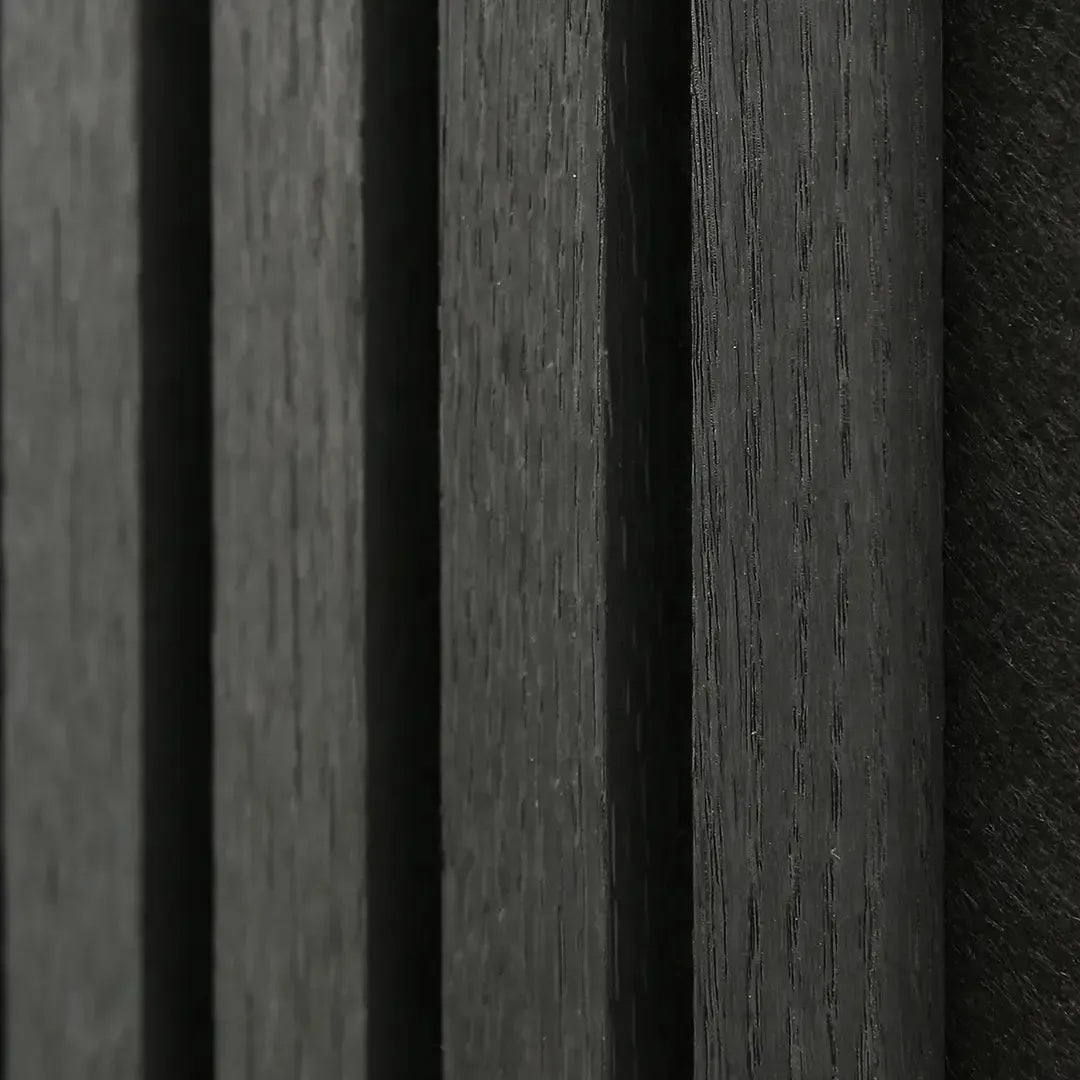
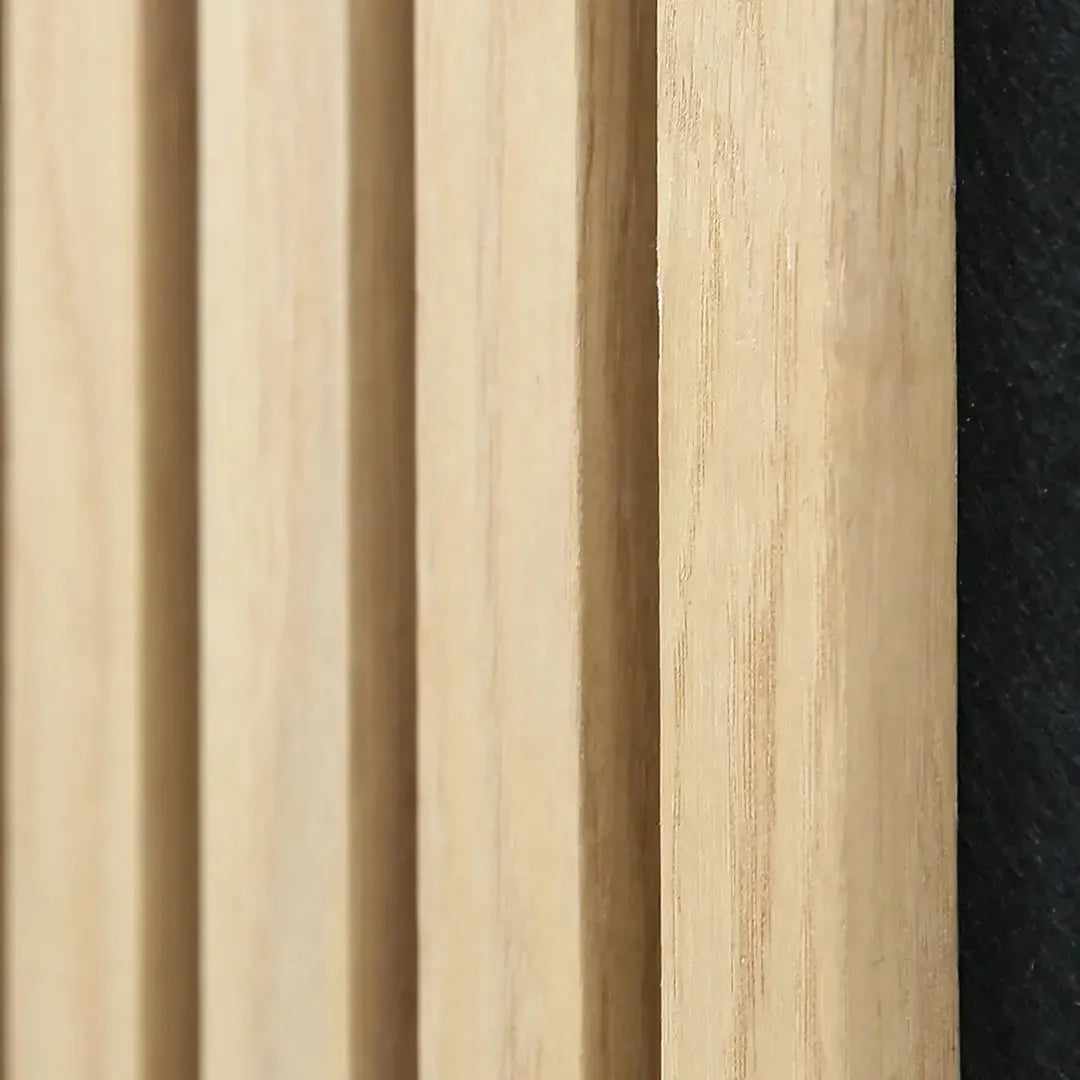
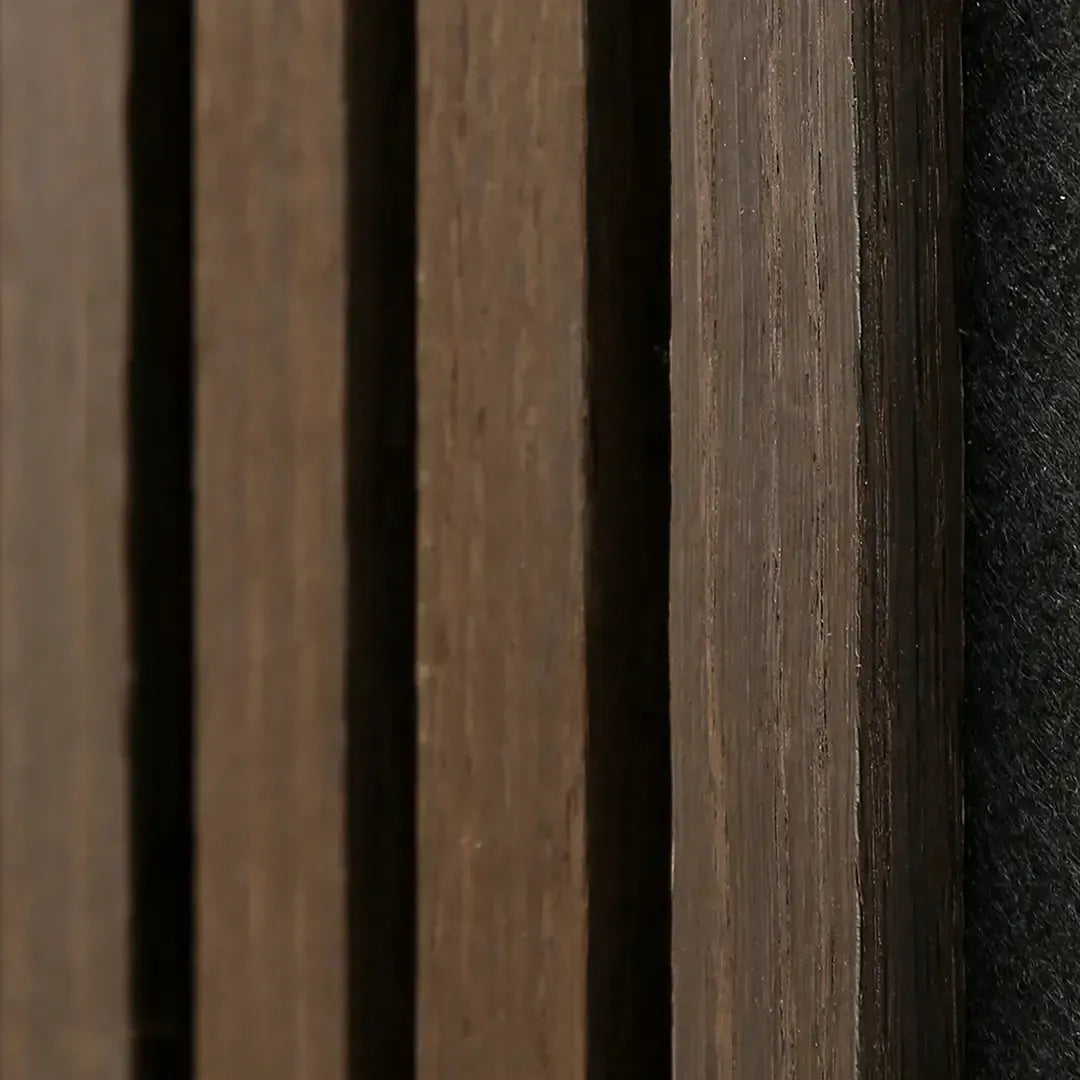
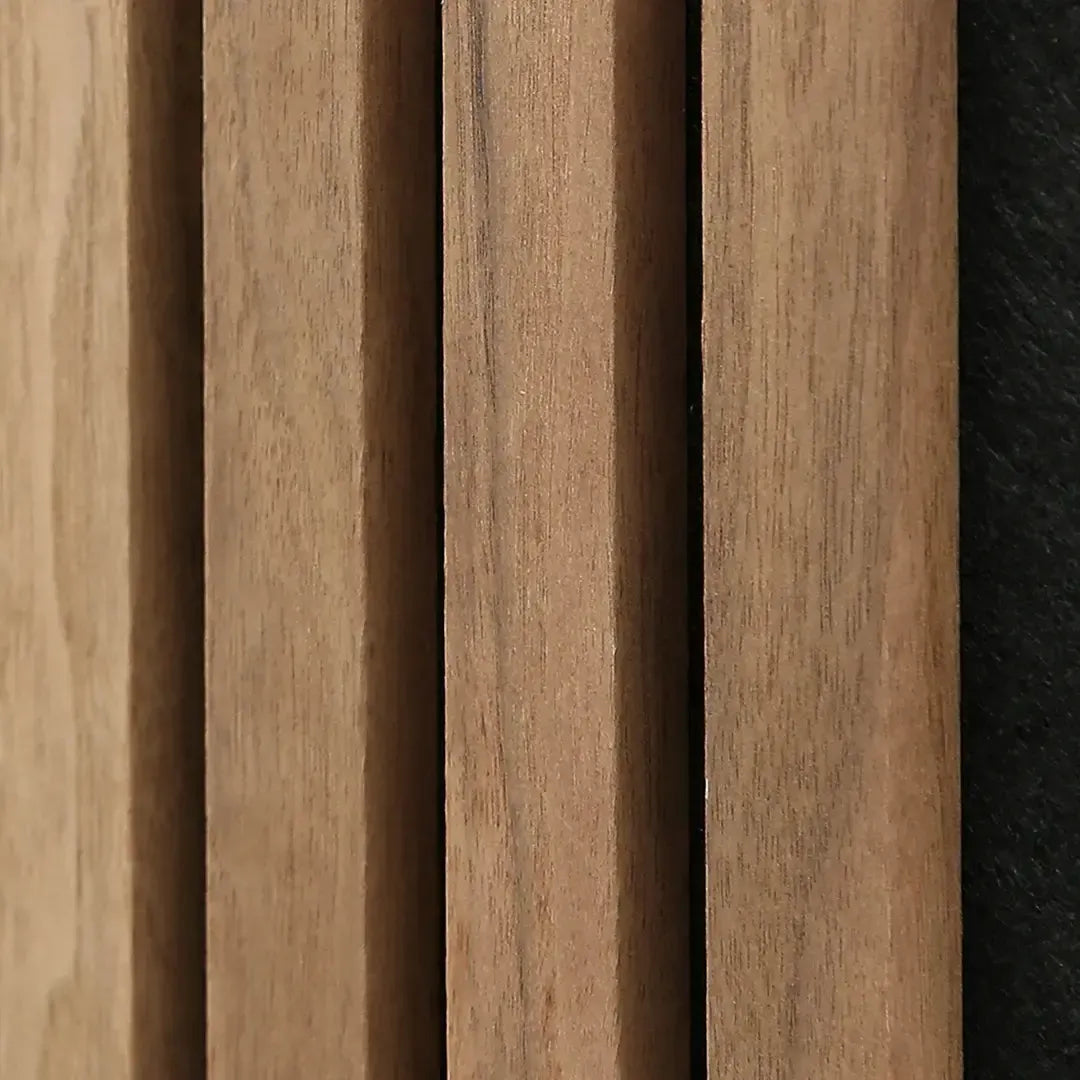
A gray felt backing behind the wood slats or hexagon tiles does the absorption work; the veneer on the surface is mostly aesthetic. Solid 3-sided veneer panels without felt still break up flat reflective surfaces and reduce flutter echo, but they won't cut speech bleed the way a felt-backed panel does in a small treatment room.
Panel geometry for the room you're treating
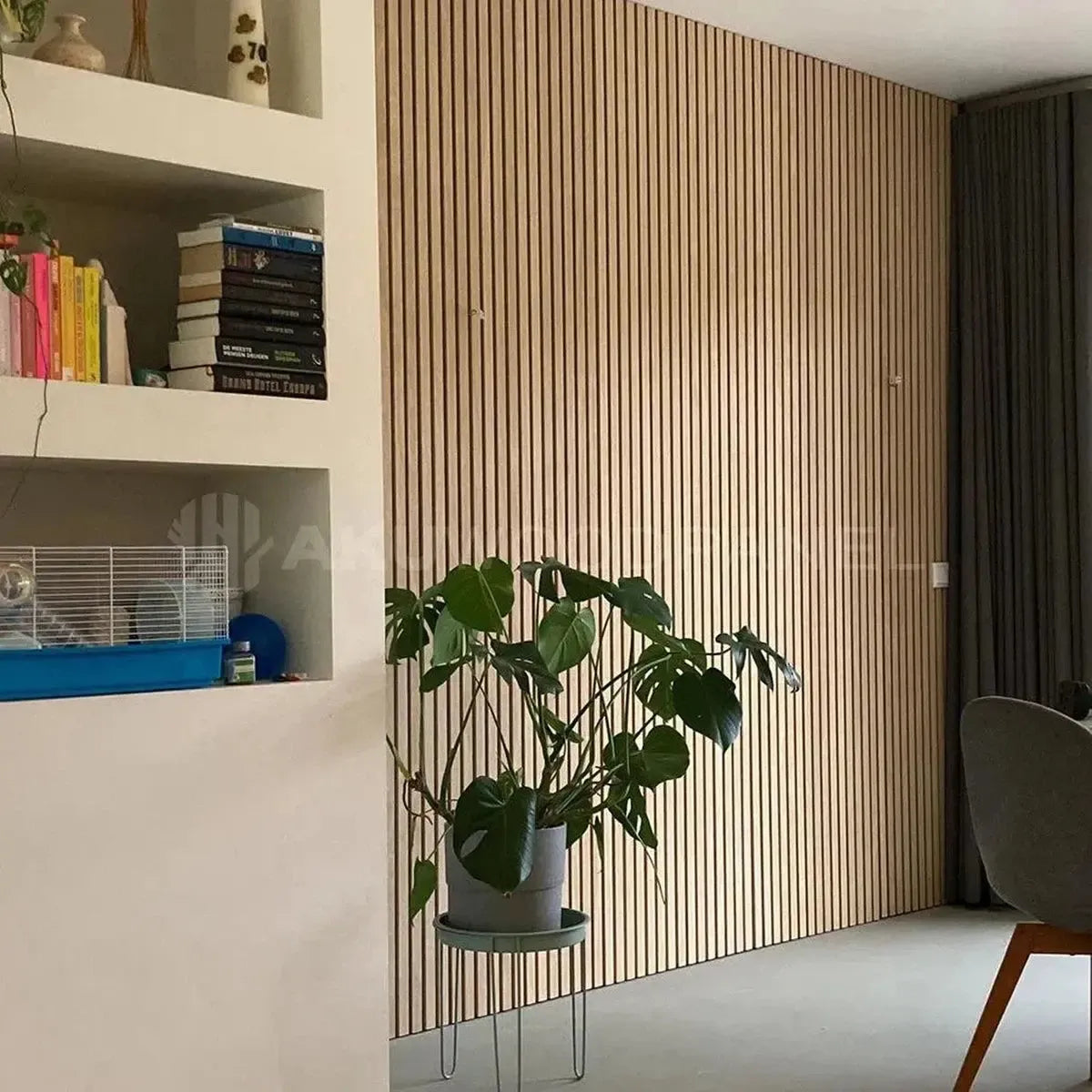
Hexagon panels concentrate coverage where you mount them, which works well on a single accent wall behind an adjustment table. Slat panels cover more linear wall run efficiently, which suits a long waiting-room wall or a hallway between treatment bays.
Cleanability for a high-traffic clinic
Clinics see gurneys, wheelchairs, and foot traffic that residential walls never do. Darker finishes like smoked oak hide scuffs and fingerprints better than pale natural oak on a corridor wall that gets bumped daily.
Coverage cost across multiple rooms
Most chiropractic clinics need to treat 3-6 rooms, not one accent wall, so per-box pricing compounds fast. Compare price per panel against square footage covered before committing to a finish across every treatment bay.
Fire and commercial suitability
Multi-room medical office buildouts typically fall under commercial code, so confirm any panel you're specifying is rated for the occupancy type your building inspector requires before ordering enough boxes for a full suite.
Top picks for 2026
The treatment-room quiet-maker: Hexagon Acoustic Panel Natural Oak with Gray Felt NRC 0.75, sold four panels to a 32-inch box, gray felt backing behind a real wood veneer face. This is the panel to put behind an adjustment table or on the wall shared with a waiting room, because the felt layer is doing the actual absorption work, not just the wood grain. Verdict: Buy for any room where patient conversation privacy is the priority in 2026.
The waiting-room mood-setter: Acoustic Slat Wall Panel Smoked Oak with Gray Felt Smoked oak runs darker than natural oak, which hides scuffs from gurneys and rolling equipment better across a busy waiting-room wall. It carries the same gray felt backing as the hexagon line, so absorption performance doesn't drop just because the finish is darker. Verdict: Buy for waiting rooms and hallways that see the most daily traffic.
The budget corridor fix: Fluted Wall Panel Natural Oak The fluted profile breaks up flat wall reflection with a softer, ribbed look, but it ships without the felt backing that drives NRC performance in the felt lines. It's a reasonable finish for a low-noise administrative hallway. Verdict: Consider for corridors only — skip it for a shared treatment-room wall where speech privacy matters.
The low-risk starter: Full Sample Box — Slat Wall Panel Four panels across natural, smoked oak, and walnut finishes for under the cost of a single full box, which lets a clinic manager test how a finish reads under exam-room lighting before committing to six rooms of the same panel. Verdict: Buy as a planning step before any multi-room order in 2026.


What to avoid
- Flat, felt-free wood-look MDF panels. They look similar in a product photo but carry no measurable NRC value — fine for decoration, useless for privacy between a waiting room and a treatment bay.
- Glossy polyurethane-finish panels. A high-gloss surface reflects sound and light in a way that reads clinical and cold, working against the calm, wellness-brand feel most chiropractic and PT practices are going for.
- XL slat panels sized for open-plan lofts. These are proportioned for large residential or retail walls; dropped into a small 10x12 treatment room, the slat scale overwhelms the space instead of quieting it.
Verdict comparison
| Pick | NRC / Absorption | Best For | Verdict |
|---|---|---|---|
| Hexagon Acoustic Panel Natural Oak with Gray Felt | 0.75 | Adjustment bay, shared walls | Buy |
| Acoustic Slat Wall Panel Smoked Oak with Gray Felt | Felt-backed | High-traffic waiting rooms | Buy |
| Fluted Wall Panel Natural Oak | No felt backing | Low-noise corridors only | Consider |
| Full Sample Box — Slat Wall Panel | N/A (test unit) | Pre-order finish testing | Buy (planning step) |
| Flat felt-free MDF wood-look panel | Negligible | Decoration only | Skip |
FAQ
What's the best acoustic panel for a chiropractic clinic in 2026?
A felt-backed hexagon or slat panel with an NRC rating around 0.75, like Akuwood Panel's Hexagon Acoustic Panel Natural Oak with Gray Felt, gives the best sound absorption for shared walls between adjustment bays and waiting rooms in 2026.
Do physical therapy clinics need soundproofing or just noise absorption?
Most PT clinics need absorption, not full soundproofing. Absorption panels reduce echo and speech bleed within a room, while soundproofing blocks sound from passing between rooms entirely and requires structural wall work, not surface panels.
How much do acoustic wood panels cost for a clinic retrofit?
Felt-backed slat and hexagon panels from Akuwood Panel run roughly $150 to $185 per box of four panels as of 2026, and most single treatment rooms need two to four boxes depending on wall length.
Is a felt-backed panel better than solid wood veneer for medical office privacy?
Yes, for speech privacy specifically. The felt layer behind the veneer is what absorbs sound; a solid veneer panel without felt backing reduces flutter echo but does much less to stop conversation from carrying through a shared wall.
Can acoustic panels be installed over existing drywall in an operating clinic?
Yes, slat and hexagon acoustic panels mount directly over drywall with standard clips or adhesive, which makes them practical for a clinic retrofit without shutting down a treatment room for structural work.
How many panels does a typical treatment room need?
A single accent wall behind an adjustment table or treatment bench typically needs one to two boxes of four panels, depending on wall width; a full waiting-room wall usually needs three to five boxes.
Do acoustic panels replace confidentiality protocols in a medical office?
No. Acoustic panels reduce how far conversation carries through a wall, but they are a physical noise-control product, not a substitute for a clinic's confidentiality procedures or building-code compliance.
What NRC rating should a chiropractic waiting room target?
Aim for panels rated 0.70 or higher on the wall shared with treatment areas. A rating in that range, like the 0.75 NRC on Akuwood Panel's felt-backed hexagon line, meaningfully cuts speech bleed compared to unrated wood-look panels.
One last thing
The gray felt backing on Akuwood Panel's hexagon and slat lines isn't just an acoustic layer — it doubles as a scuff-hider on the smoked oak and black oak finishes, which matters more in a clinic hallway than in a living room. Clinics that skip the felt-backed option to save $10-15 a box usually end up re-ordering within a year once they notice the sound bleed didn't actually go away.


 Better performance and aesthetic appeal
 In Stock