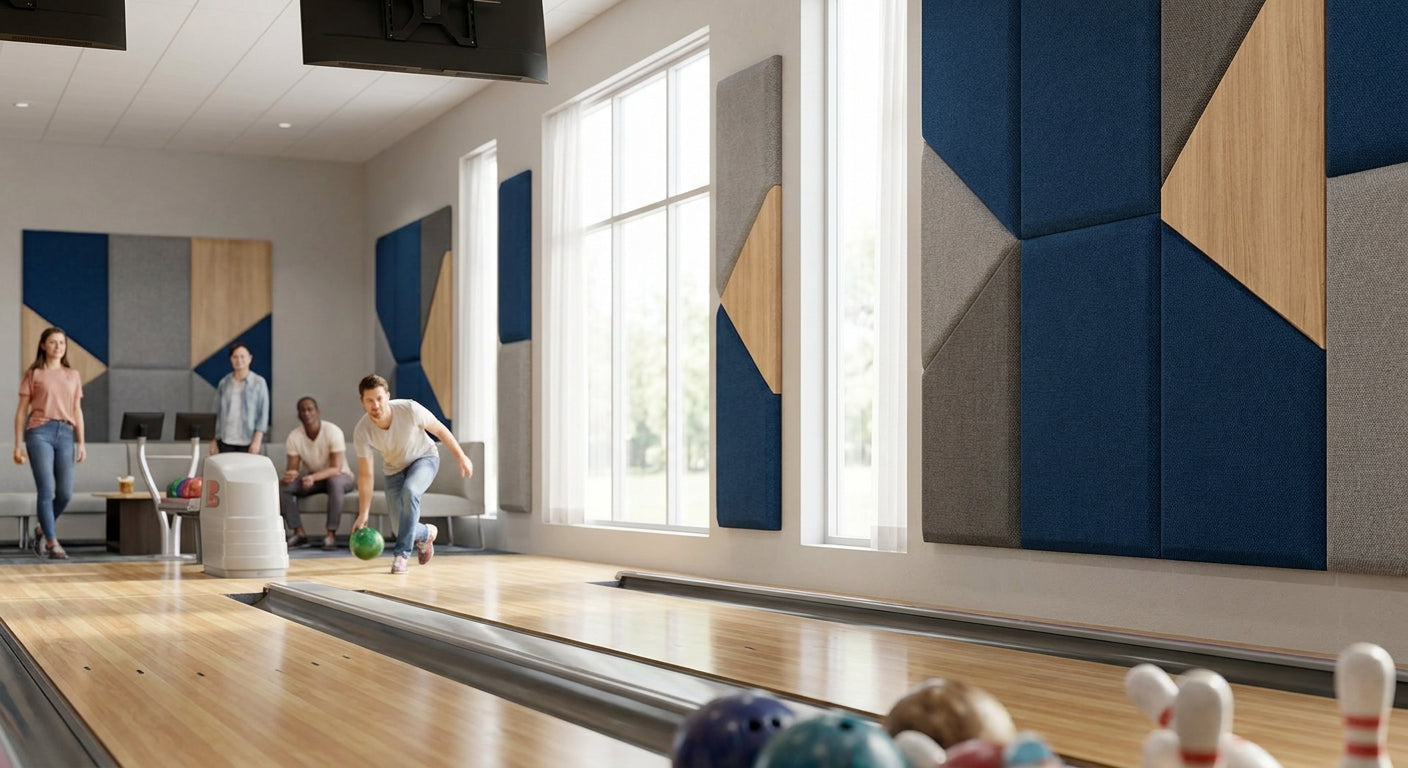
Bowling alleys are concrete boxes with hardwood lanes, ball returns, and a bar area running at full volume — which means echo is a design problem, not an accident. The right acoustic panels for bowling alley interiors cut reverberation in the concourse and lounge without turning the room into a padded cell.
- Hexagon Acoustic Panel Natural Oak carries an NRC of 0.75 and is the strongest sound-absorption pick for bar and lounge zones — Buy.
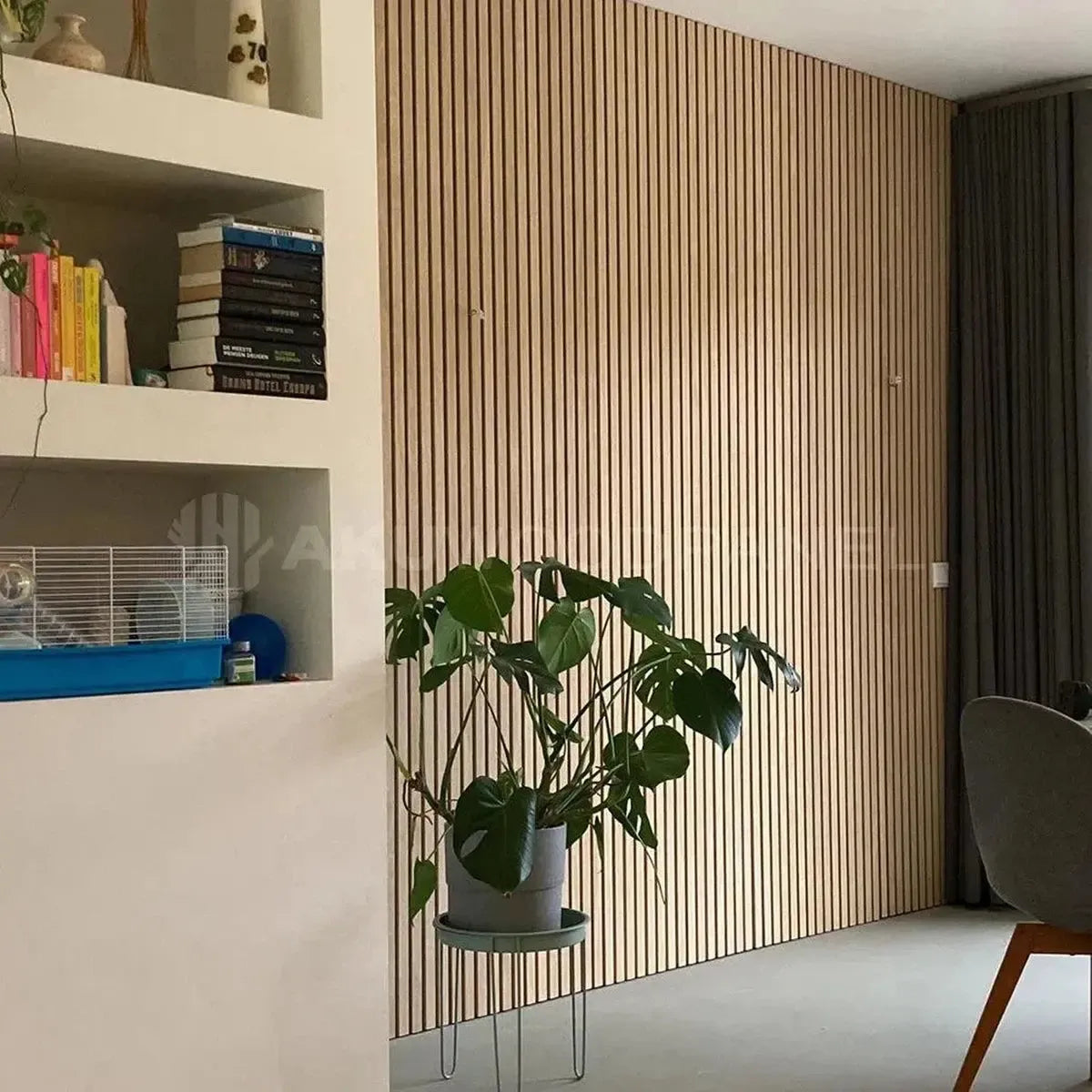
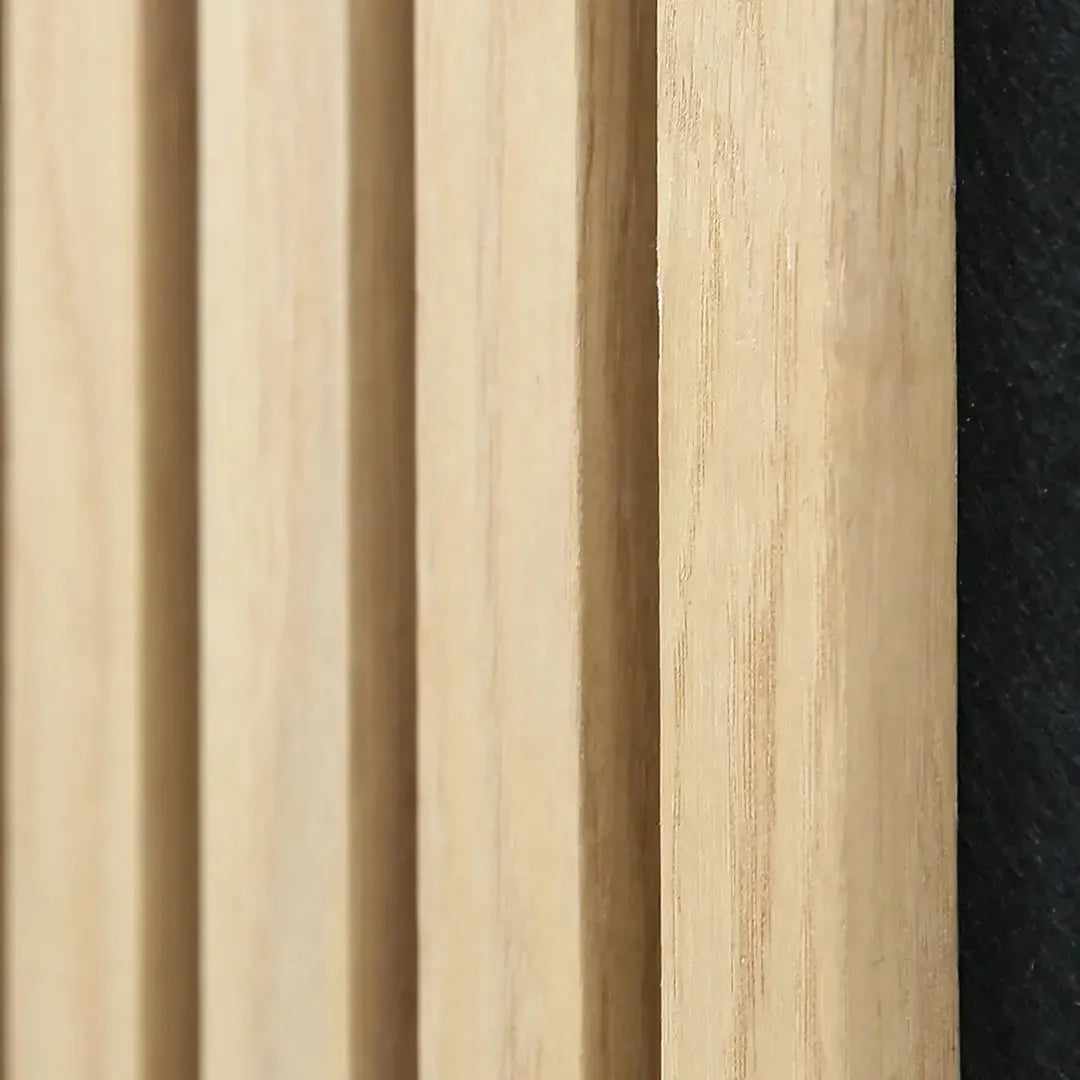
- Acoustic Slat Wall Panel Natural Oak at $169.95 is the safest concourse and entryway choice for acoustic panels for bowling alley walls in 2026 — Buy.
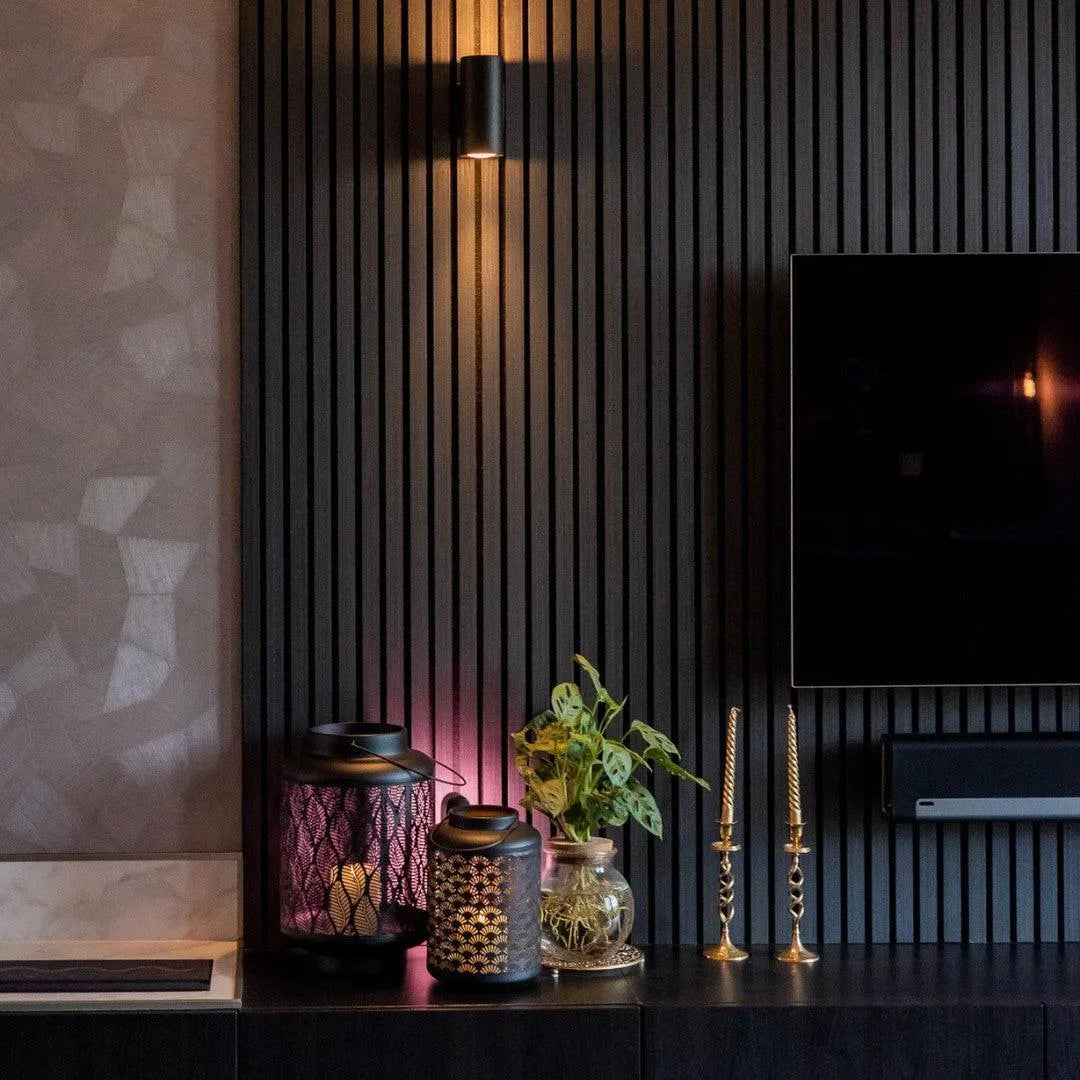
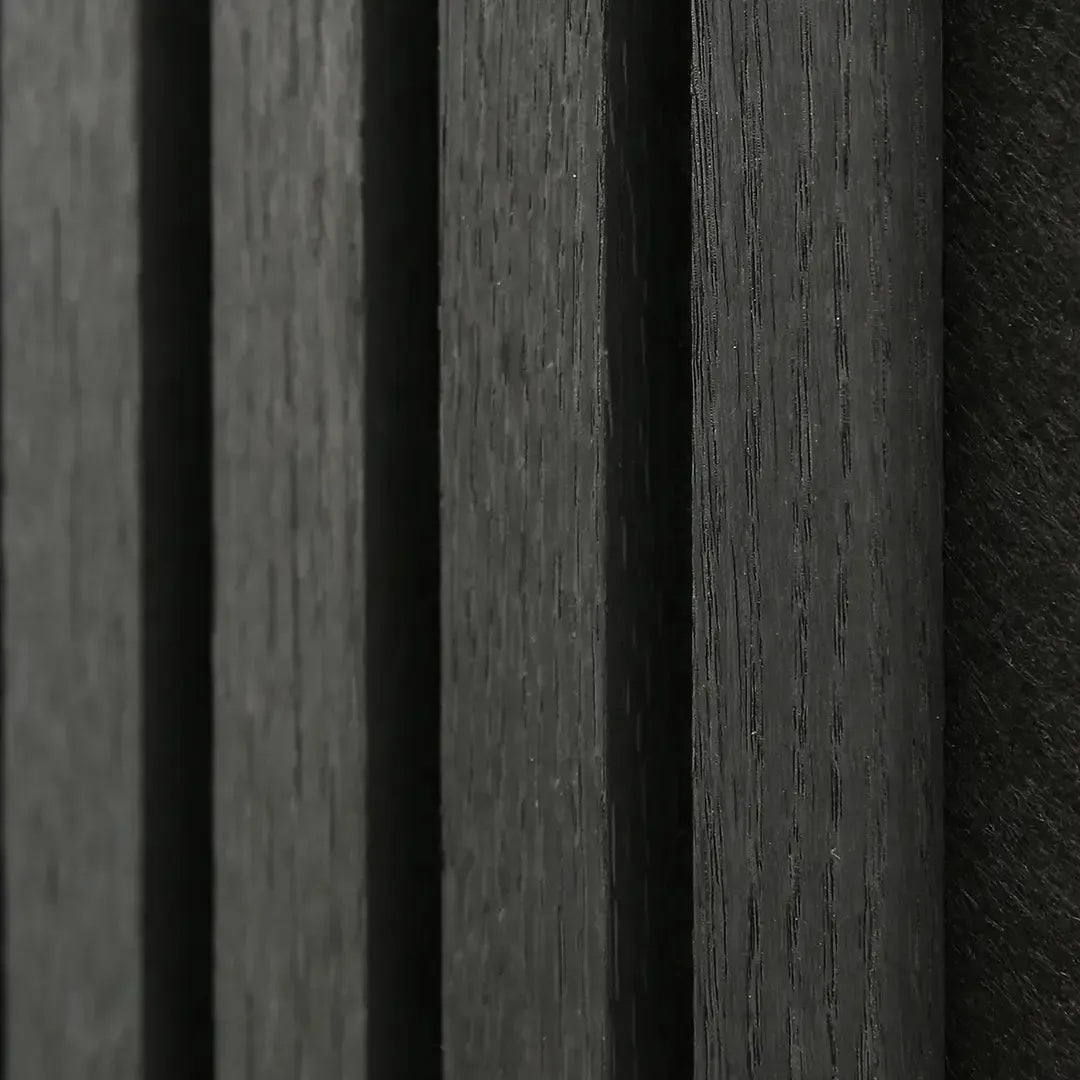
- Smoked Oak with Gray Felt suits moody lounge seating near the bar but costs the same as the standard slat line — Consider.
- Order the $10 Full Sample Box before committing to pallets; color and grain read differently under arcade and lane lighting.
Why This Matters
A bowling center in 2026 is louder than almost any other retail-adjacent space: pinsetters, ball returns, PA music, and 40 lanes of crosstalk bounce off cinderblock and drop ceilings with nowhere to go. Facility managers usually notice the problem in the bar or lounge first, where guests can't hold a conversation over the rumble from the lanes.
Slapping foam behind the pin decks won't fix that — foam handles high-frequency hiss, not the low-frequency thump of a strike. Wood veneer acoustic panels with a rated NRC and a felt or mineral wool backing address the mid-range rumble that makes bowling centers feel chaotic. That's the gap Akuwood Panel's acoustic slat and hexagon lines are built to close, and it's why this guide treats the concourse, bar, and party rooms as separate acoustic zones rather than one flat spec.
Who This Is For
This guide is for bowling center owners, facility managers, and contractors renovating lanes, concourses, bars, or private party rooms in 2026 — anyone weighing wood-veneer acoustic panels against foam, fabric wrap, or bare cinderblock for a space that has to look upscale and still cut noise on a real budget.
What to Look For in Acoustic Panels for Bowling Alley Interiors
Sound Absorption Rating (NRC) for Impact Noise
An NRC number tells you what fraction of sound energy a panel absorbs versus reflects — a rating near 0.75, like Akuwood Panel's hexagon acoustic line, matters more in a bowling alley than in a quiet office because impact noise from strikes and returns is constant, not occasional. Panels sold without a published NRC are decorative first, acoustic second — fine for a hallway, wrong for a wall next to the lanes.
Fire Rating for Commercial Assembly Occupancy
Bowling centers are assembly occupancies under most commercial building codes, which means wall finishes near exits and gathering areas typically need a fire rating on file. Ask for documentation before you order pallets, not after the inspector shows up mid-install.
Panel Thickness and Backing for High-Traffic Walls
Concourse walls near lane 1 and the shoe counter take bag scrapes, ball racks, and foot traffic all day. A felt-backed or mineral-wool-backed panel holds up to that abuse better than a thin decorative laminate that dents on first contact.
Moisture and Cleaning Tolerance Near Bars and Snack Counters
Spilled beer, nacho grease, and constant wipe-downs near the bar rule out anything that isn't sealed wood veneer. A panel that looks identical to the acoustic line online but skips the sealed veneer step will swell or discolor within a season.
Installation Fit Around Lane Returns, Columns, and Curved Walls
Bowling centers are full of structural columns, ball-return housings, and curved bar fronts. Flexible fluted or slat panels that cut cleanly around obstacles save far more labor than rigid acoustic slabs that need custom framing at every corner.


Top Picks for Bowling Alley Interiors
The Concourse Workhorse — Buy
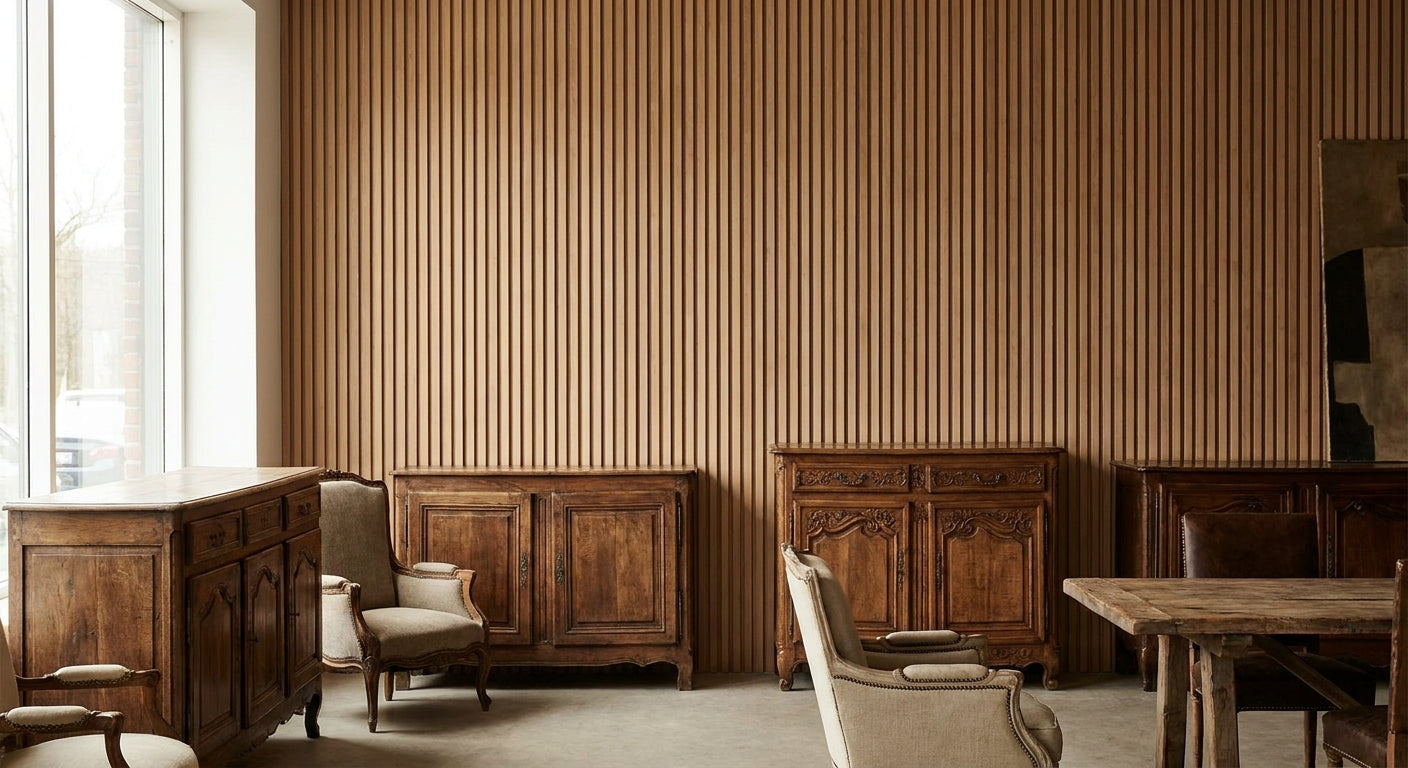
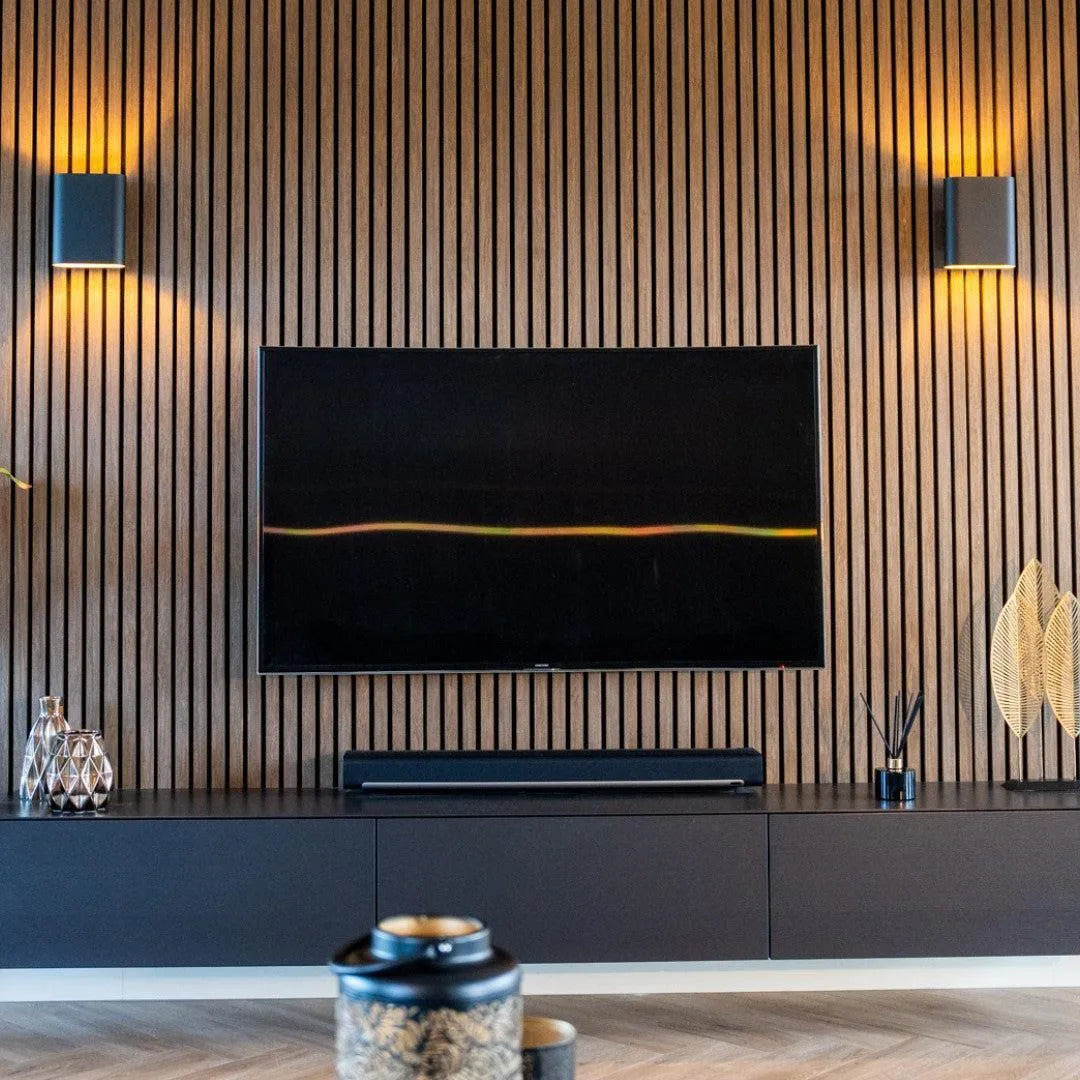
Similar acoustic logic shows up in acoustic panels for noise reduction in sports halls: large, hard-surfaced rooms need a slat panel that reads warm without going precious. The Acoustic Slat Wall Panel in Natural Oak runs $169.95 and uses a 3-sided wood veneer that holds its grain under concourse traffic. It's the default pick for lane-adjacent walls and shoe rental counters where guests are walking past constantly. Verdict: Buy.
The Acoustic Performer — Buy
Hexagon Acoustic Panel Natural Oak is the one pick in this guide with a published NRC of 0.75, sold in 32-inch panels at $165.95 for a 4-panel box. That absorption number is real work against a bar or lounge wall that's fighting music, TVs, and forty lanes of ambient noise at once. Verdict: Buy.
The Lounge and Bar Pick — Consider
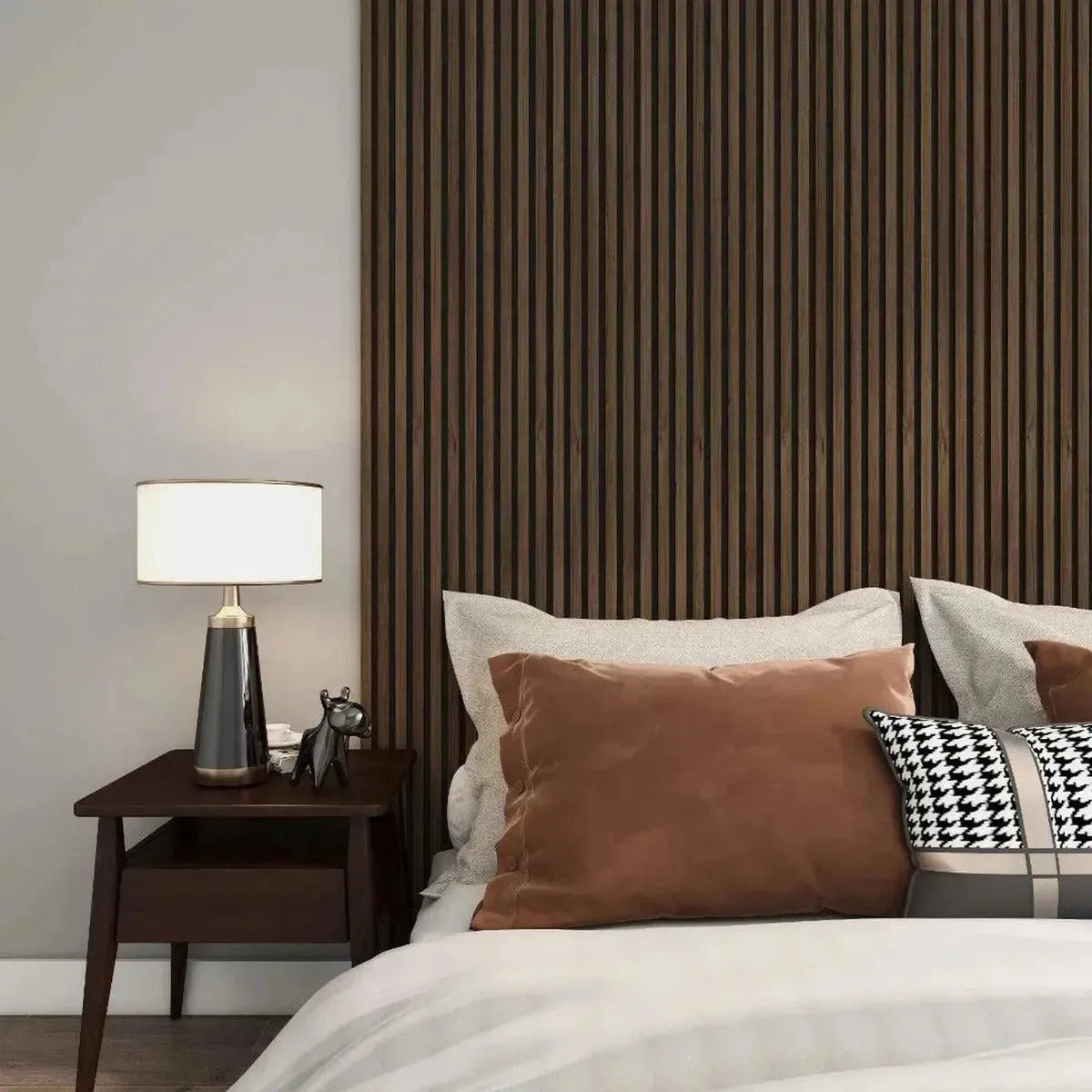
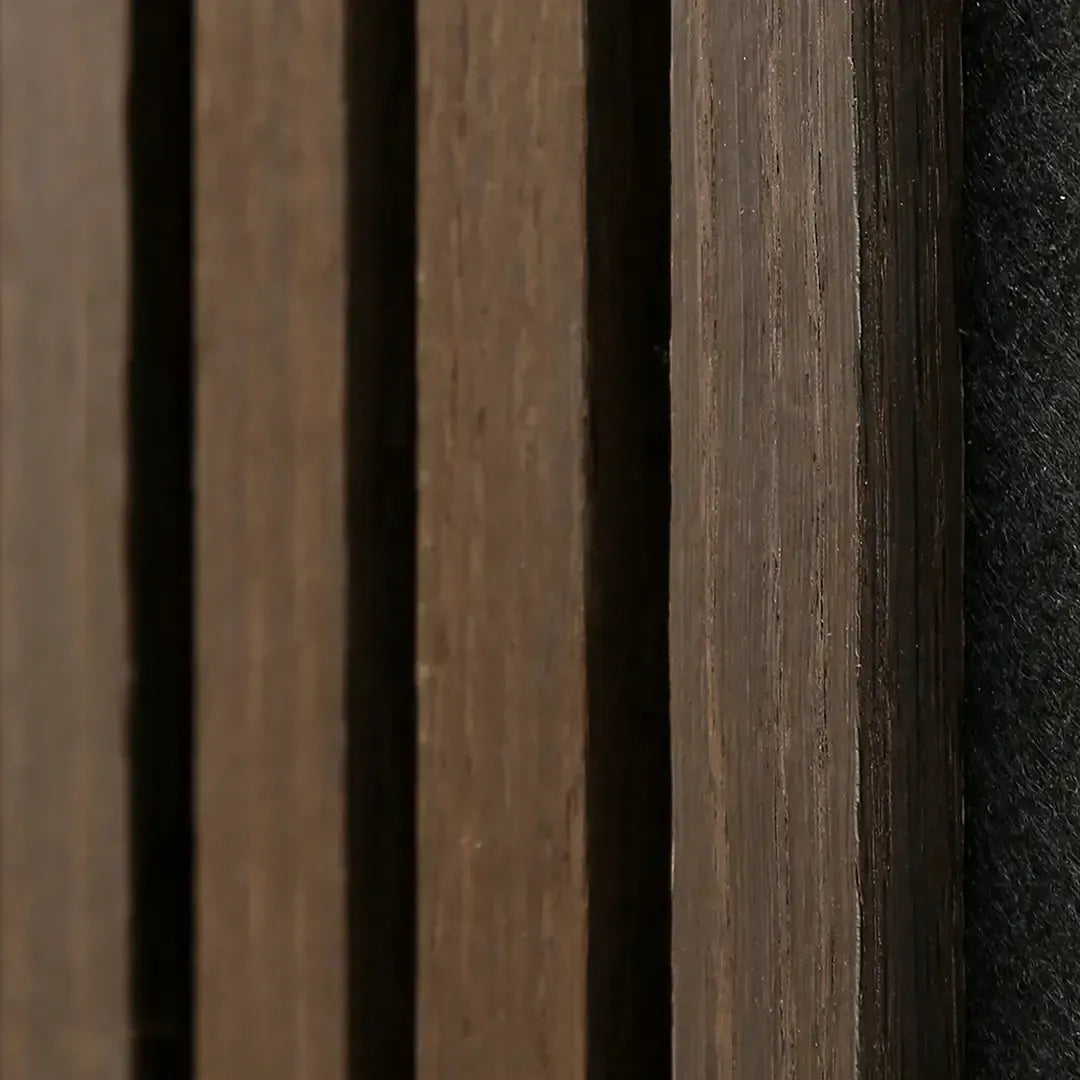
Smoked Oak with Gray Felt costs the same $169.95 as the standard slat line but leans darker and moodier, which fits private party rooms and bar backs better than bright concourse walls. The felt backing adds a cushioning layer that helps in a room that's already carpeted and curtained. Verdict: Consider for bar and party-room zones specifically, not the whole building.
The Risk Killer — Buy
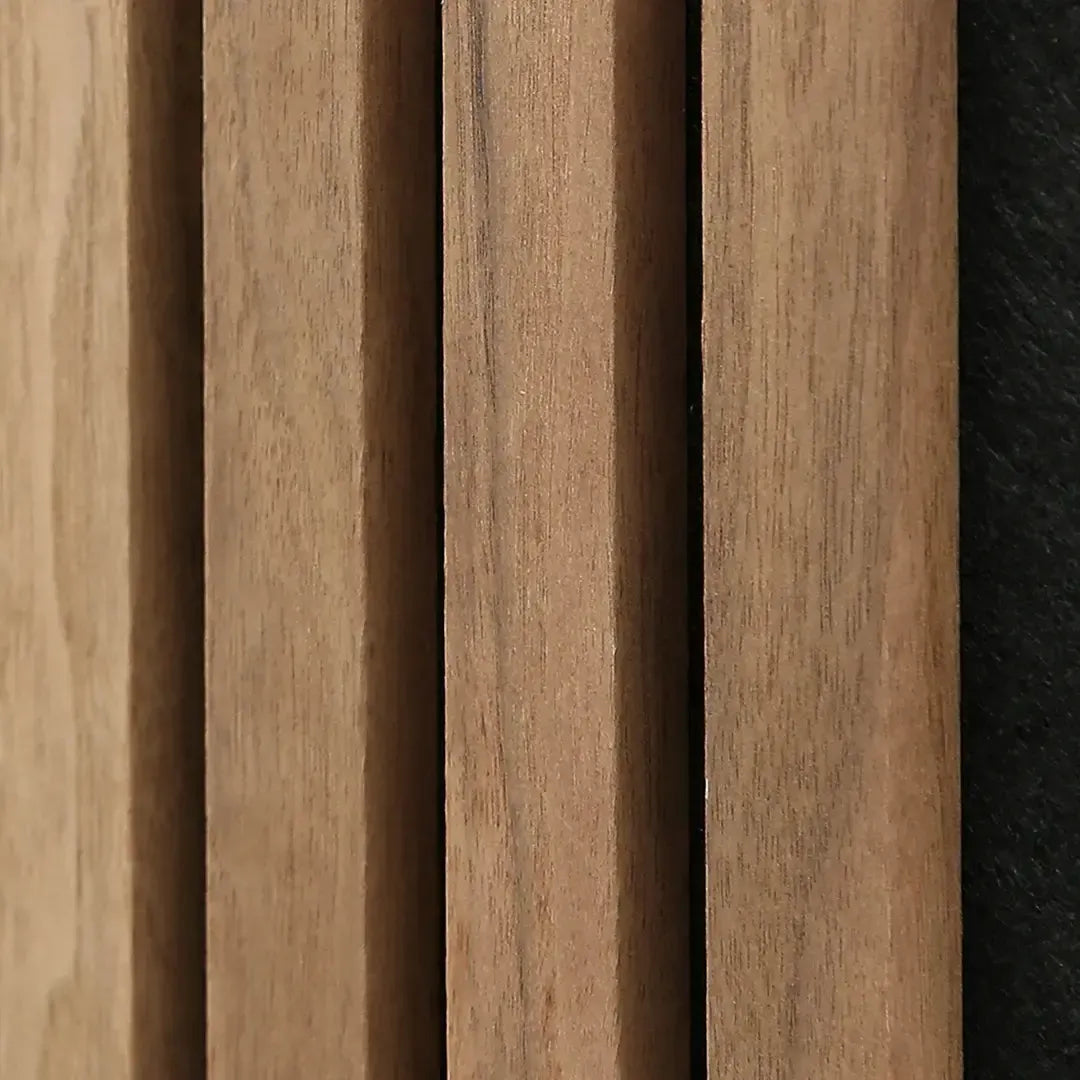
A Full Sample Box runs $10 for four panels across Natural, Smoked Oak, and Walnut — cheap insurance before a bowling center orders enough panels to cover a 40-foot concourse wall. Arcade lighting and bar backlighting shift how wood grain reads, and $10 beats reordering a pallet. Verdict: Buy before any bulk order.
What to Avoid
- Thin decorative laminate panels that look identical online. Without a sealed 3-sided veneer, they swell near the bar and delaminate under HVAC humidity swings within a season.
- Panels with no published NRC sold as "acoustic." If the listing doesn't state a number, you're guessing at performance in a room where guessing costs you a noise complaint.
- Rigid acoustic slabs near columns and curved bar fronts. They need custom framing at every obstacle, which turns a two-day install into a two-week one.
Quick Comparison
| Pick | Sound Data | Price | Best Zone | Verdict |
|---|---|---|---|---|
| Slat Wall Panel, Natural Oak | 3-sided veneer, no published NRC | $169.95 | Concourse, entry, shoe counter | Buy |
| Hexagon Acoustic Panel, Natural Oak | NRC 0.75 | $165.95 (4-panel box) | Bar, lounge, party rooms | Buy |
| Slat Wall Panel, Smoked Oak w/ Gray Felt | Felt-backed, no published NRC | $169.95 | Bar back, private rooms | Consider |
| Full Sample Box | N/A (sampling only) | $10 | Pre-order testing | Buy |
FAQ
What's the best acoustic panel material for a bowling alley?
Sealed 3-sided wood veneer panels with a felt or NRC-rated core, like the hexagon acoustic line at NRC 0.75, outperform foam or laminate in bowling centers because they handle both impact noise and bar-area moisture in 2026-grade commercial spaces.
Do bowling alleys need fire-rated wall panels?
Most bowling centers are classified as assembly occupancy, which typically requires fire-rated finishes on interior walls. Confirm the rating documentation with your supplier before ordering, since not every decorative panel line carries one.
Is acoustic panel installation different in a bowling alley than a home?
Yes — bowling centers have structural columns, ball-return housings, and curved bar fronts that home walls don't, so flexible slat or fluted panels that cut cleanly around obstacles save significant labor over rigid acoustic slabs.
How much do acoustic panels for a bowling alley cost per box?
Wood veneer acoustic slat panels run roughly $165 to $183 per box in 2026, with hexagon acoustic panels at $148.95 to $165.95 depending on finish. A full concourse wall typically needs several boxes, so ordering a $10 sample box first is worth the delay.
Can you mix panel styles in one bowling center?
Yes, and most successful builds do — slat panels on high-traffic concourse walls, hexagon acoustic panels where NRC matters most near the bar, and a darker felt-backed finish in party rooms. Matching wood tone across styles keeps the mix from looking accidental.
Do acoustic wood panels actually reduce echo, or just look better?
A panel with a published NRC, like the 0.75 rating on the hexagon acoustic line, is doing measurable absorption work, not just decoration. Panels without a published NRC number are primarily decorative and shouldn't be relied on for noise control near the lanes.
What's the difference between slat and hexagon acoustic panels for commercial use?
Slat panels give long, linear coverage suited to concourse walls and entries, while hexagon panels break up large flat walls with a geometric pattern and, in Akuwood Panel's line, carry a stated NRC of 0.75 for stronger absorption.
Should a small bowling center use the same panels as a large one?
The zone matters more than the square footage — a six-lane center's bar area needs the same NRC-rated panel as a forty-lane center's bar area. Scale changes quantity ordered, not which pick is right for the wall.
One Last Thing
Most bowling centers over-treat the lanes and under-treat the bar. The lanes are absorbing plenty of their own noise through the pinsetter housings and hardwood; the bar and lounge, sitting on hard flooring under a low ceiling, is usually the loudest room in the building by guest perception. Put the NRC-rated hexagon panels there first, save the standard slat line for the concourse, and reassess after one Saturday night rather than guessing at coverage from a floor plan.
Akuwood Panel ships both lines from US inventory in 2026, and the $10 sample box remains the cheapest way to confirm grain and tone before a bowling center commits to a full acoustic panel order.
 Better performance and aesthetic appeal
 In Stock