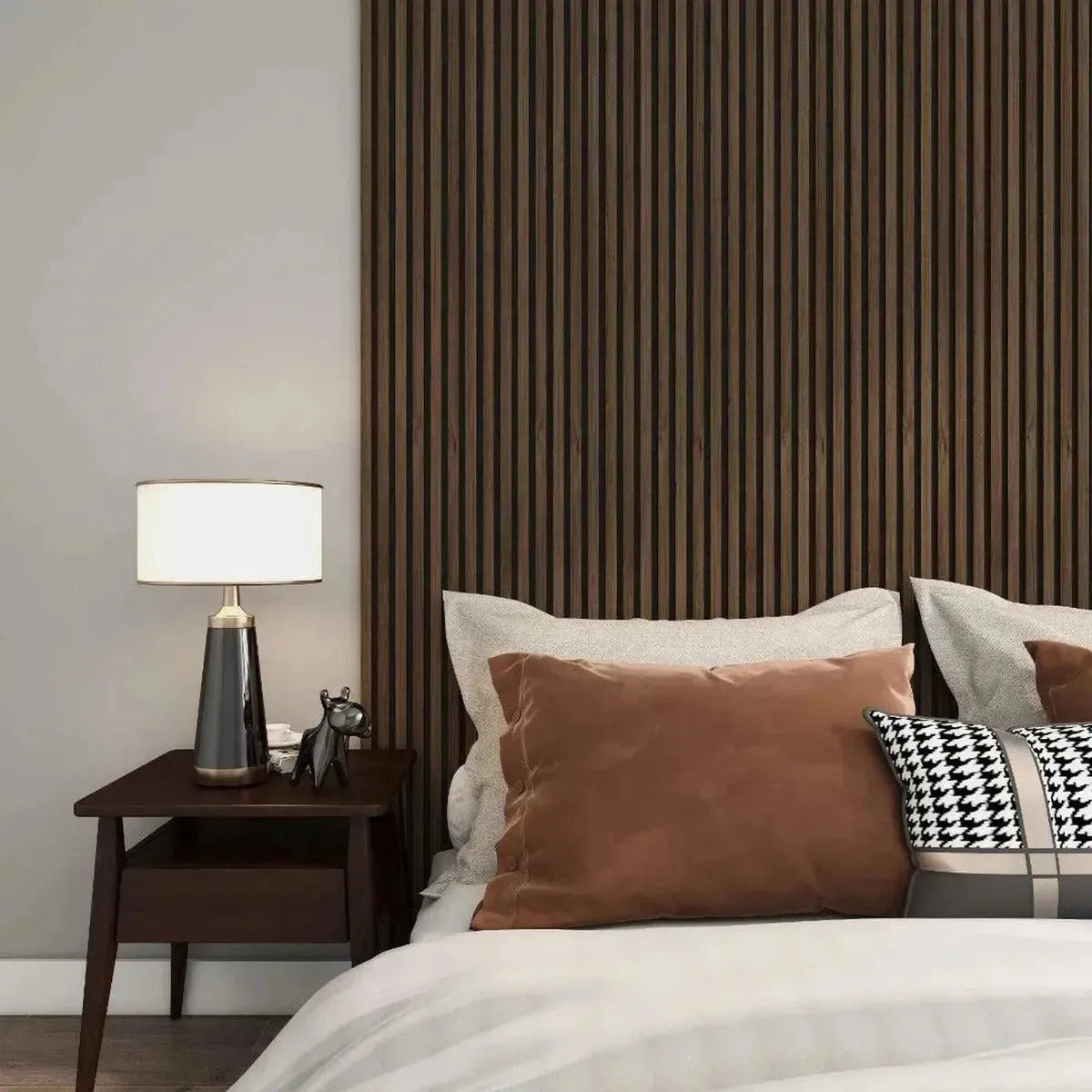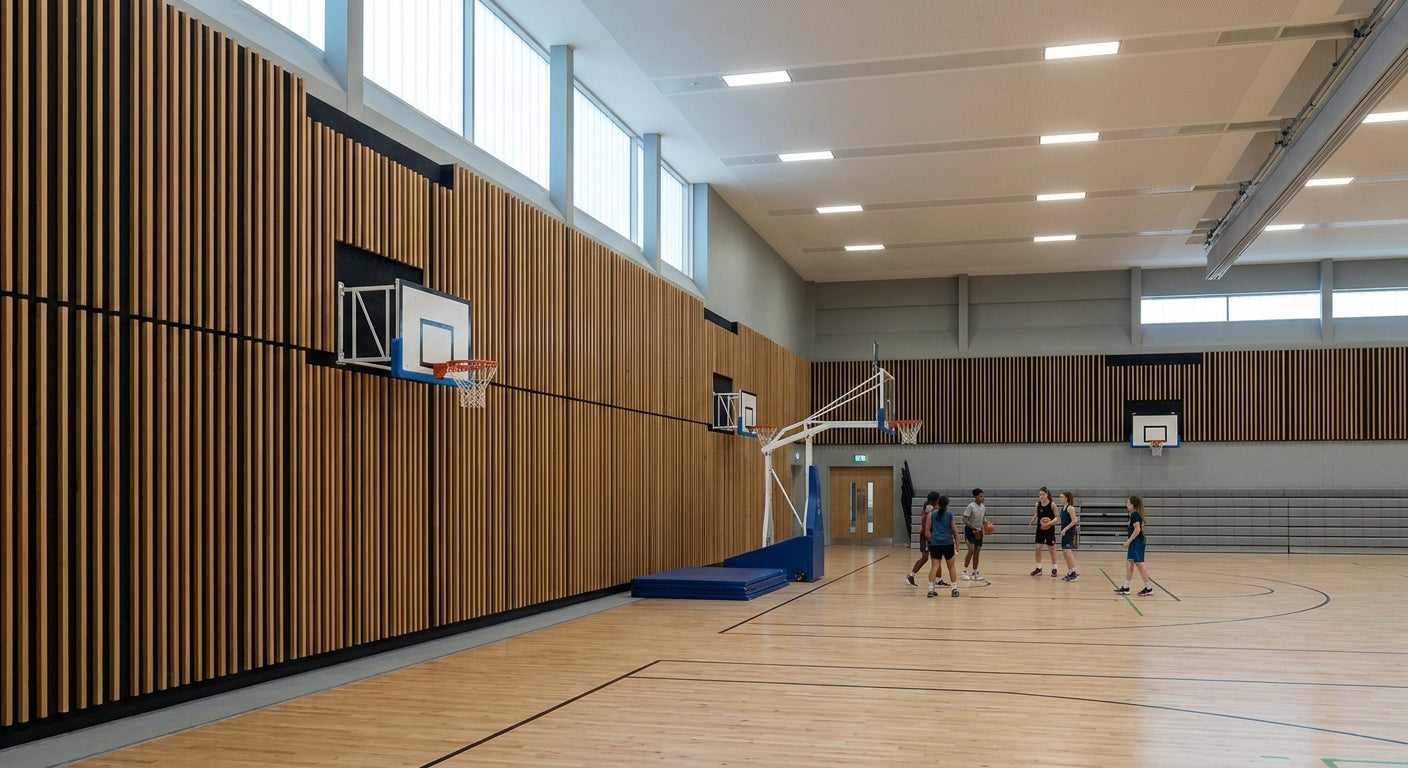
Sports halls turn every whistle, bounce, and shout into reverb because concrete block walls and open steel-truss ceilings reflect sound instead of absorbing it. Acoustic slat and hexagon wood panels cut that noise at the wall without touching the hardwood floor or blocking sightlines to the scoreboard.
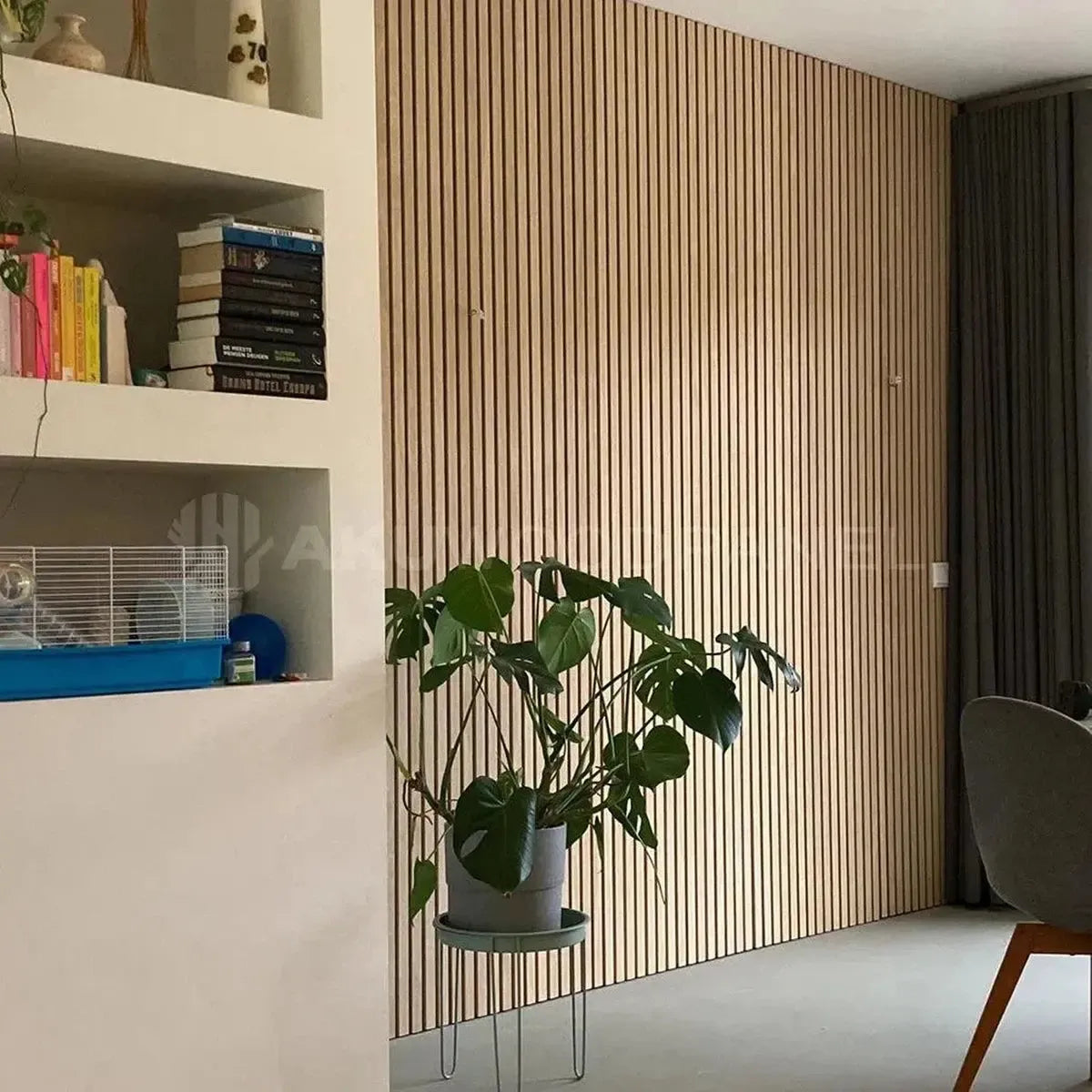
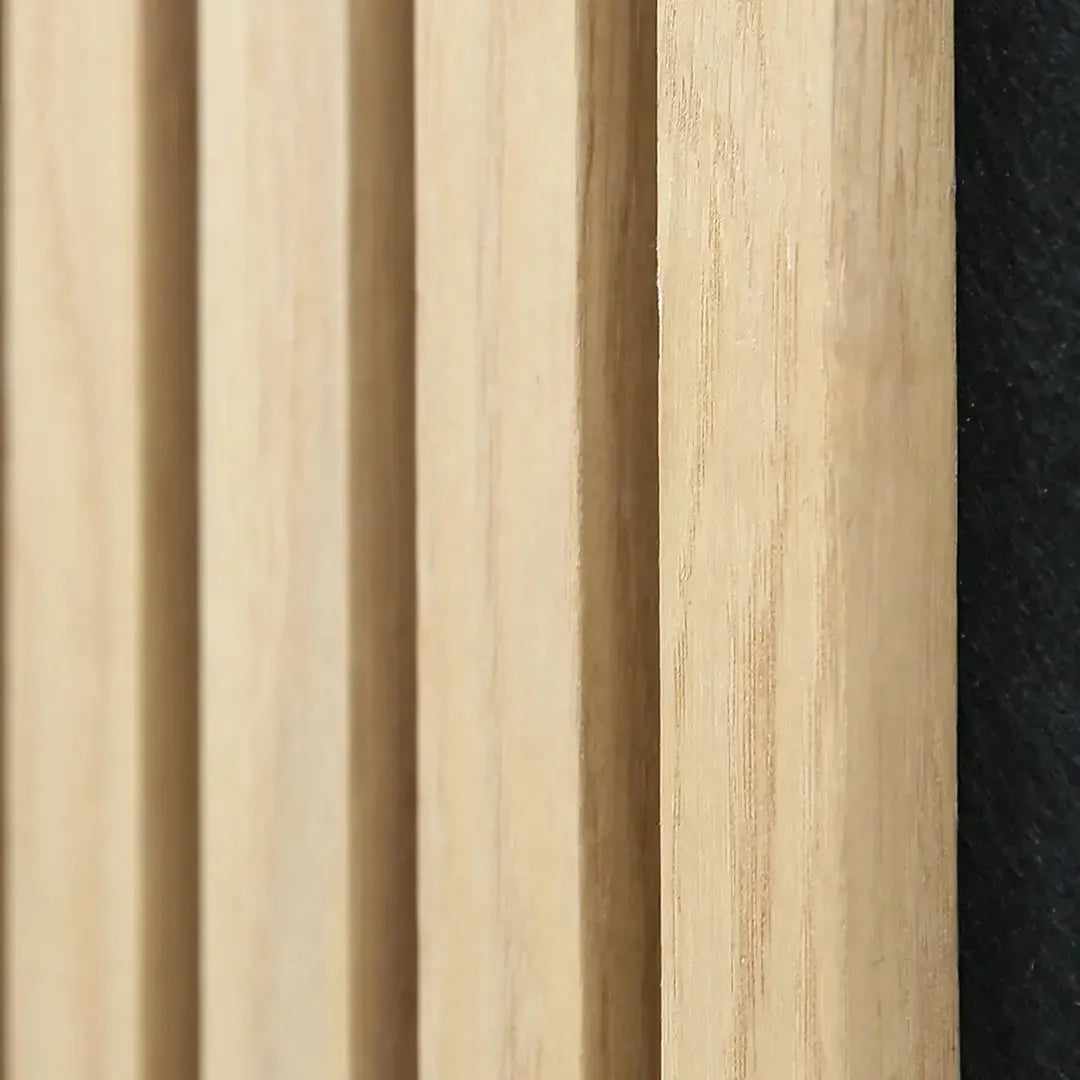
- Acoustic panels sports hall noise control works by treating wall reflections, not floor impact - Natural Oak with Gray Felt slat panels: Buy.
- Hexagon Acoustic Panel Walnut with Gray Felt carries a 0.75 NRC rating, the single number that matters most in a gym.
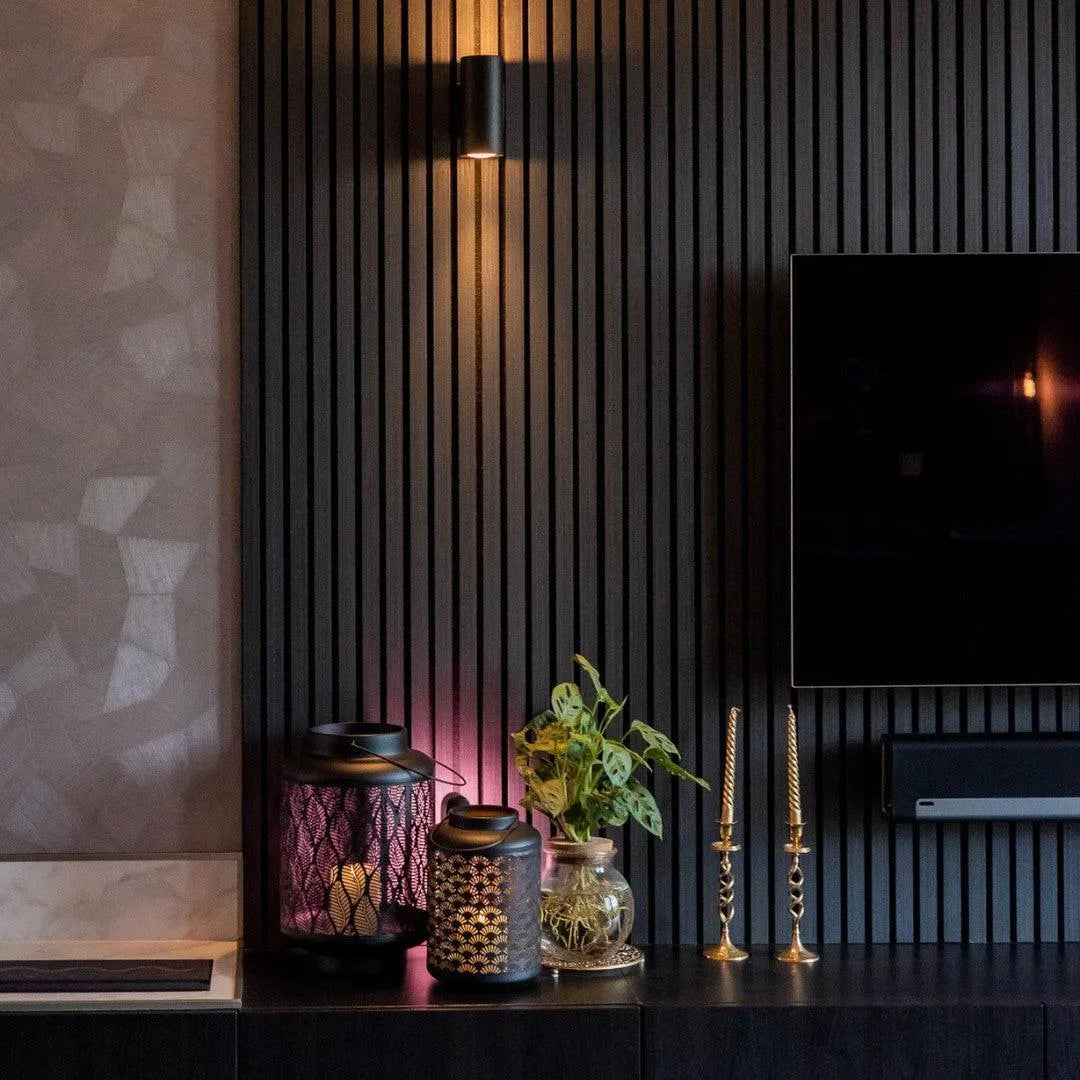
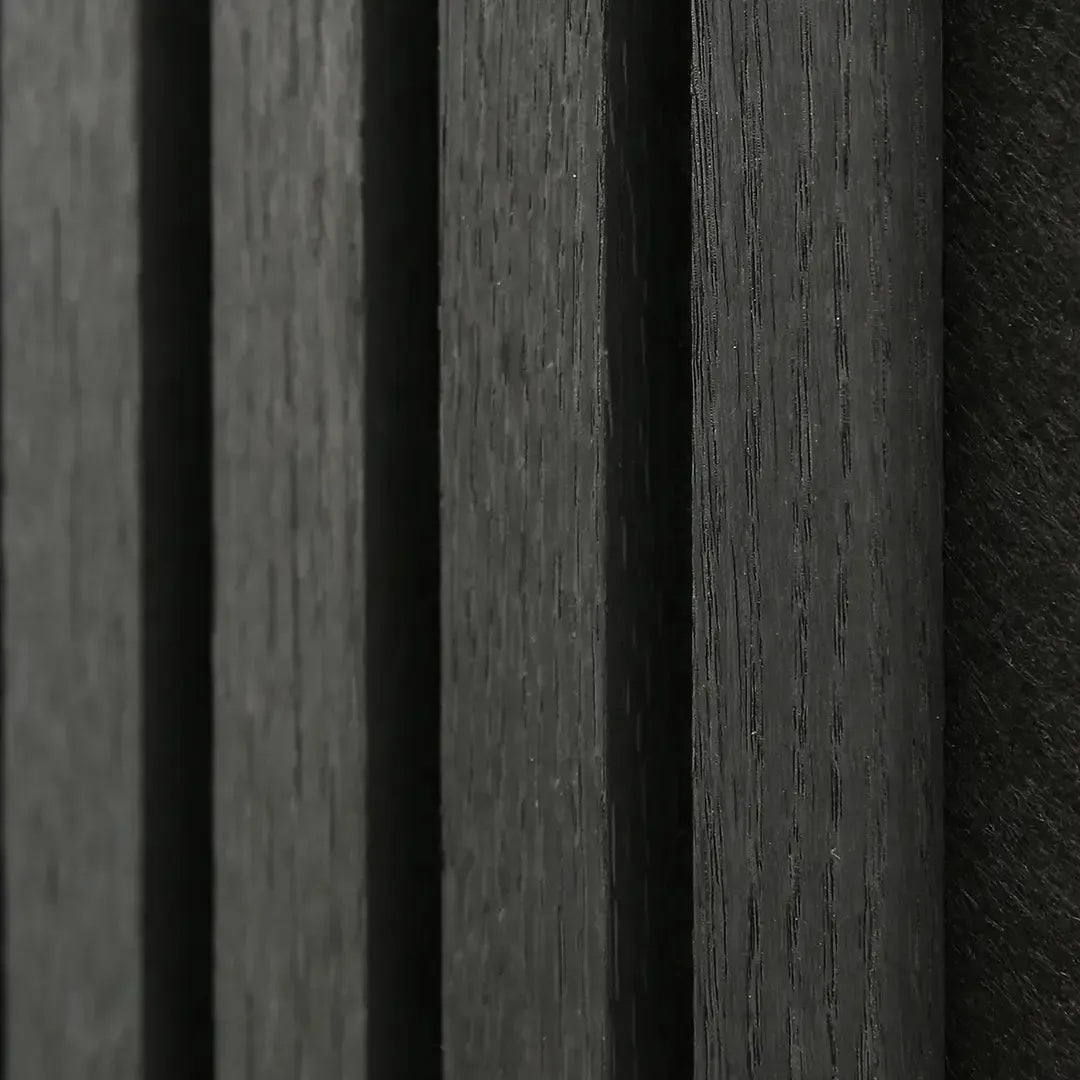
- Black Oak slat panels look sharp on high-traffic walls but skip the felt backing - Consider, not a first pick.
- Order the $10 sample box before committing to a full sports hall run in 2026.
Why this matters
A hardwood or vinyl sports floor already reflects close to 100% of the sound energy that hits it. Add cinder block walls and a 25 to 35-foot ceiling, and reverberation time in an untreated sports hall commonly runs past 3 seconds - long enough that a coach's whistle and the following instruction overlap into noise. Commercial gyms face the same physics on a smaller scale, and the fixes that work in a commercial gym noise setup scale up directly to a sports hall: treat wall surface area, not the floor.
The difference in a sports hall is volume. A gym might need 400 square feet of wall coverage; a school or club sports hall often needs 1,500 to 3,000 square feet across two or four long walls. That changes which acoustic panels sports hall noise treatment actually makes financial sense, because coverage cost multiplies fast.
Who this is for
This guide is built for facility managers, PE department heads, sports club operators, and architects specifying acoustic treatment for a multi-use gymnasium or sports hall in 2026 - anyone dealing with echo complaints from staff, players, or spectators who can't hear announcements over the reverb.
What to look for in acoustic panels for sports hall noise control
NRC rating, not just "acoustic" on the label
Noise Reduction Coefficient (NRC) is the one spec that tells you how much sound energy a panel actually absorbs versus reflects. A felt-backed hexagon panel rated at 0.75 NRC absorbs roughly three-quarters of incoming sound energy at mid frequencies - a plain veneer slat panel without felt backing performs noticeably lower. In a sports hall, where you're fighting a long reverberation tail, this number decides whether the install actually quiets the room or just looks good.
Impact resistance for ball strikes and equipment
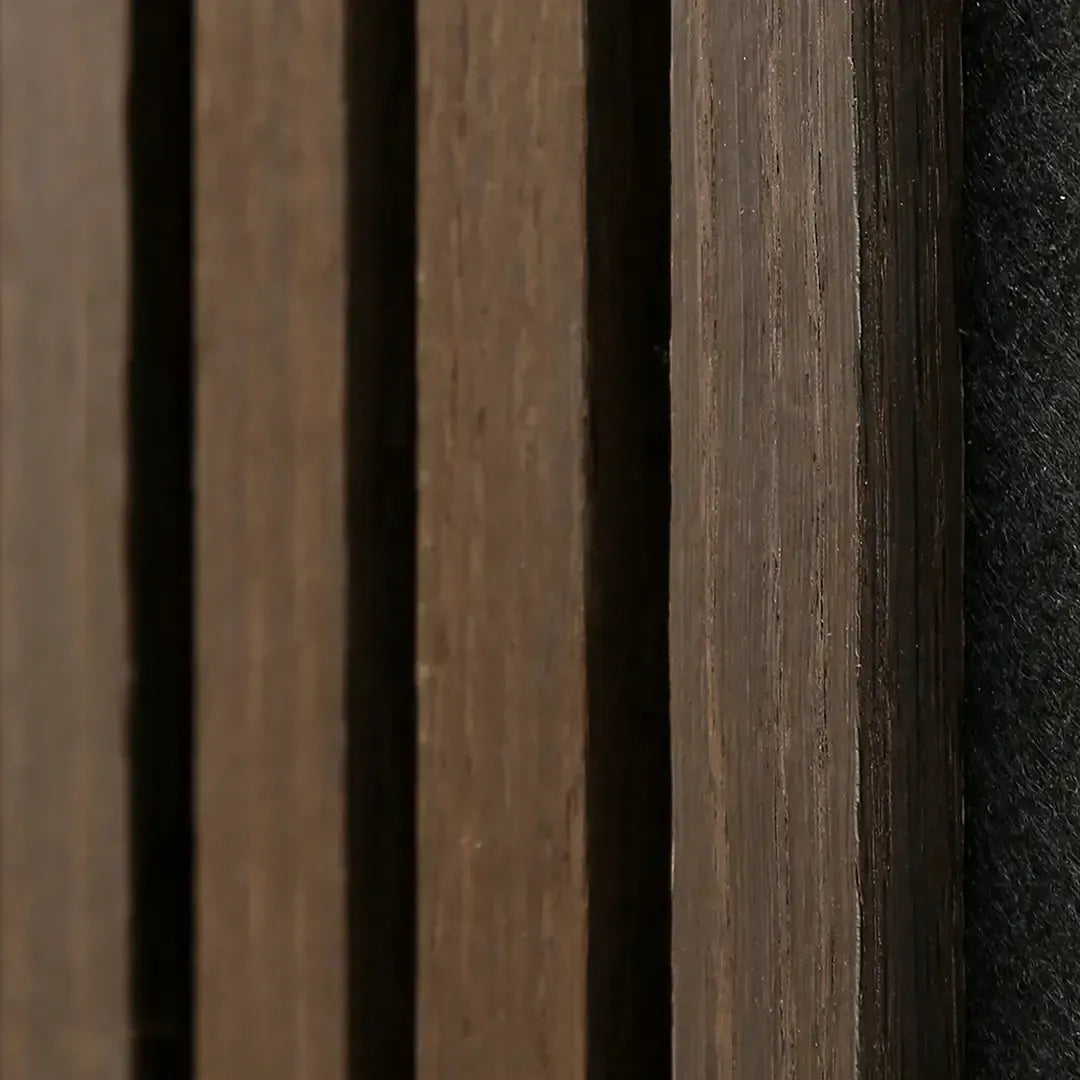
Basketballs, volleyballs, and dodgeballs hit walls constantly during play. Panels mounted below 8 feet need a wood veneer finish that resists dents and scuffing, not a soft acoustic foam surface that tears on first contact. This is why solid 3-sided wood veneer slat panels outperform fabric-wrapped acoustic tiles in active-play zones.
Coverage speed for large wall runs
A 2,000-square-foot sports hall wall install stalls fast if every panel needs individual cutting and fitting. Slat panels that install in continuous horizontal or vertical runs, plus end pieces that finish edges cleanly, cut labor time significantly compared to custom acoustic tile layouts.
Cleaning and moisture tolerance
Sports halls run humid from body heat and mopped floors. A veneer finish that wipes down without swelling or delaminating matters more here than in a quiet office lobby - check the maintenance guidance before ordering at scale.
Fire rating for public assembly spaces
Most school and municipal sports halls fall under public assembly building codes that require fire-rated wall finishes. Confirm fire compliance documentation before specifying any panel for a public facility install in 2026.
Cost per square foot at scale
A sports hall wall run adds up fast at $165 to $183 per box. Run the math on total square footage before falling for a single hero panel - the right pick balances NRC performance against total project cost.
Top picks for sports hall acoustic treatment
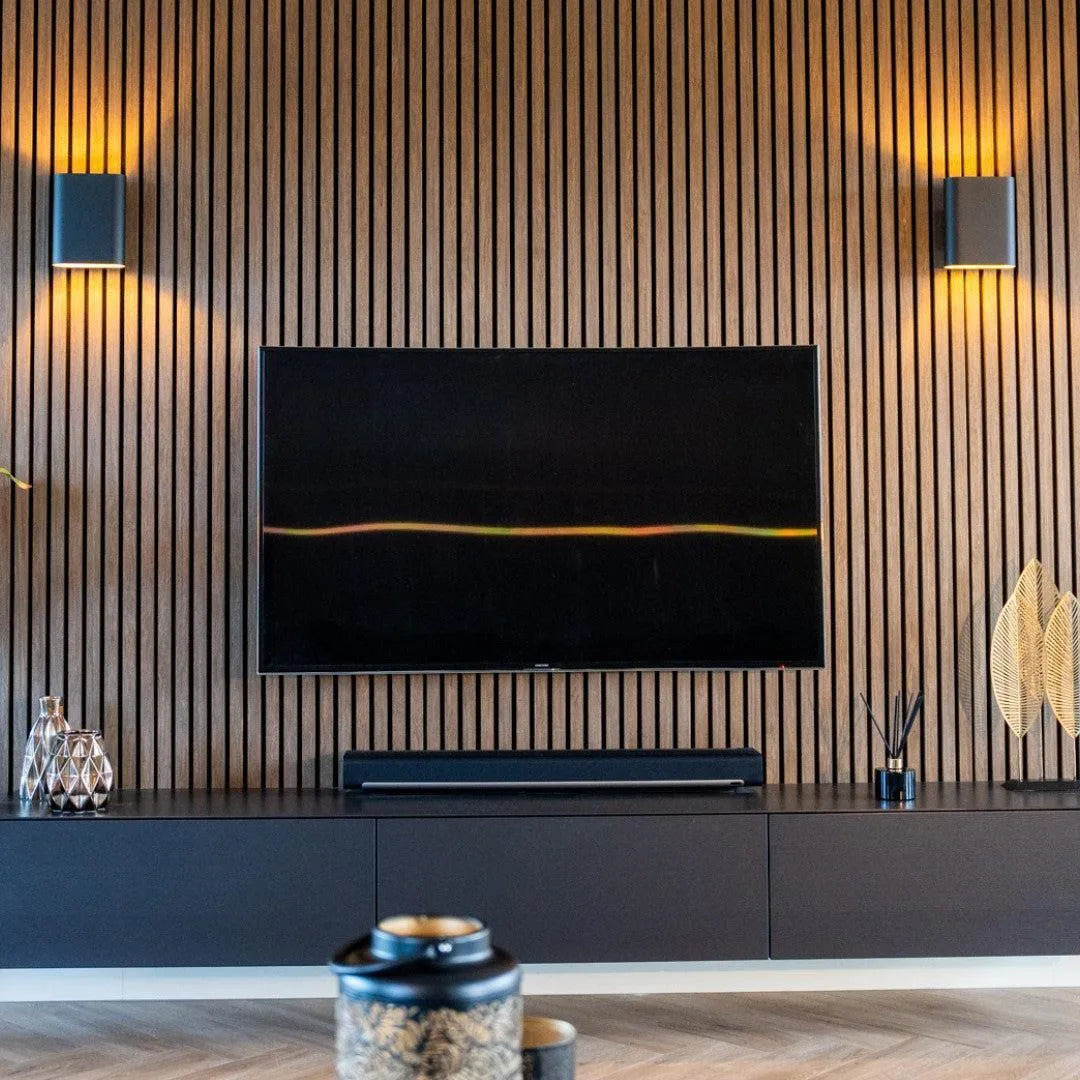
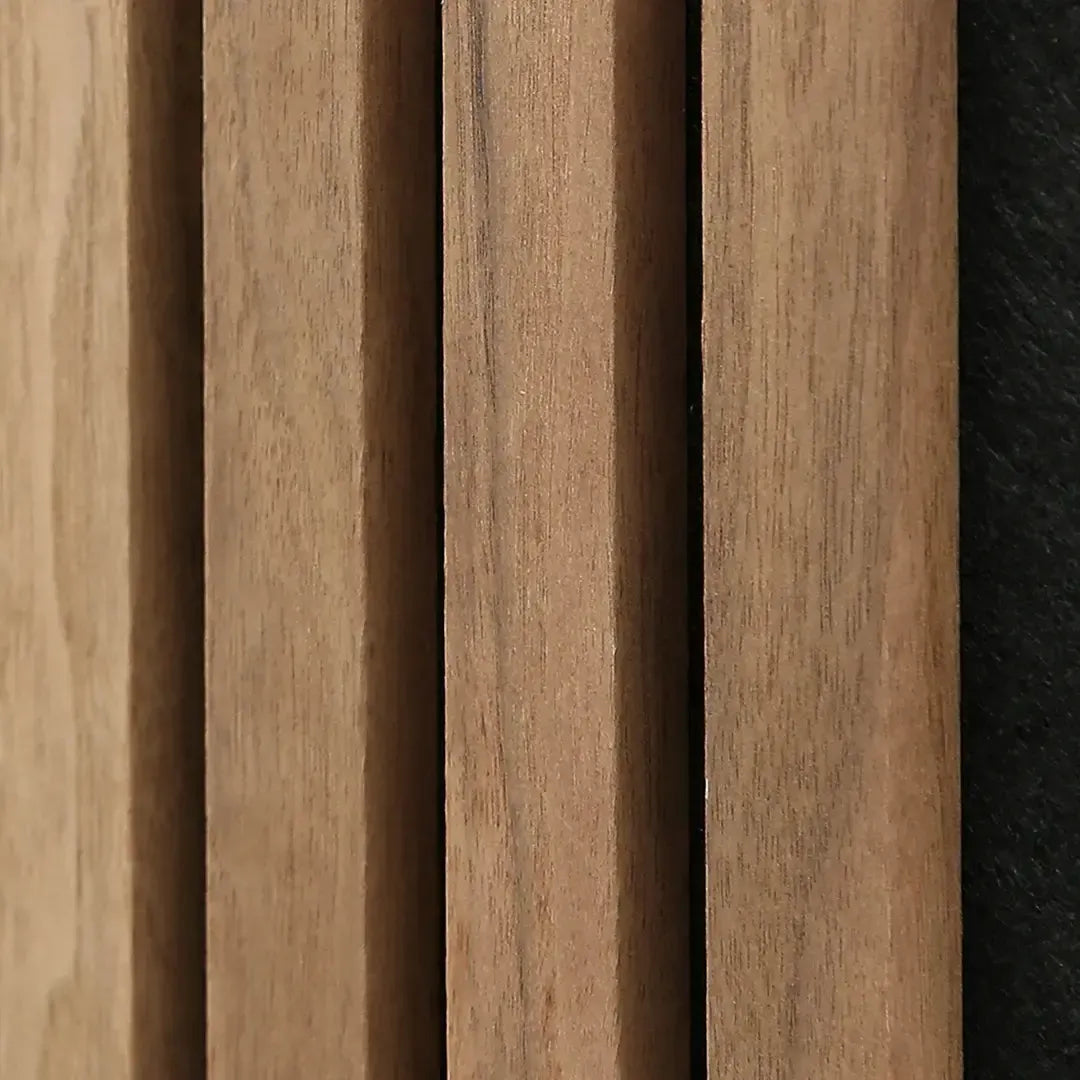
Acoustic Slat Wall Panel Natural Oak with Gray Felt - the safe pick. Felt backing behind the 3-sided wood veneer boosts absorption over plain veneer, priced at $169.95 per box in 2026. This is the panel to spec first for a school sports hall wall run where budget and performance both matter. Buy. See the Natural Oak with Gray Felt slat panel.
Hexagon Acoustic Panel Walnut with Gray Felt - the NRC standout. Rated at 0.75 NRC, this is the highest-absorption option in the catalog, sold in boxes of 4 panels at 32 inches each for $165.95. The hexagon shape also breaks up the visual monotony of a long block wall, which matters in halls used for events beyond sport. Buy. Check the Walnut with Gray Felt hexagon panel.
Acoustic Slat Wall Panel Black Oak - the durability pick for dark, high-traffic wall zones near entrances and bleachers, at $177.95 per box. It skips felt backing, so absorption trails the felt-backed options above. Consider it for accent zones, not as your primary acoustic treatment.
Full Sample Box (4 panels) - the low-risk test at $10, covering Natural, Smoked Oak, and Walnut finishes. Order this before committing to a multi-thousand-dollar sports hall wall run so the facility committee can see veneer color under the hall's actual lighting. Buy before any bulk order.


What to avoid
- Foam acoustic tiles rated for home studios. They tear and dent on first ball impact and rarely hold up to a sports hall's daily wear in 2026.
- Panels with no published NRC value. If a listing skips the NRC number, assume it performs like decorative veneer, not acoustic treatment.
- Full-height installs with no floor-level impact protection. Panels mounted low without a durable veneer face crack under repeated ball strikes within a season.
Verdict comparison
| Panel | NRC performance | Price (2026) | Best wall zone | Verdict |
|---|---|---|---|---|
| Natural Oak with Gray Felt | High (felt-backed) | $169.95 | Main sightline walls | Buy |
| Hexagon Walnut with Gray Felt | 0.75 NRC | $165.95 | Feature/event walls | Buy |
| Black Oak (no felt) | Moderate | $177.95 | Entrance/bleacher accents | Consider |
| Full Sample Box | N/A (test only) | $10 | Pre-purchase decision | Buy first |
FAQ
What's the best acoustic panel for sports hall noise?
Felt-backed slat wall panels and hexagon acoustic panels with a 0.75 NRC rating perform best in sports halls because they target wall reflections directly. Plain wood veneer panels without felt backing absorb less sound energy.
How much does it cost to acoustically treat a sports hall wall in 2026?
Acoustic slat and hexagon panels run $165 to $183 per box, and a sports hall wall run of 1,500 to 3,000 square feet multiplies that quickly. Get a sample box first to confirm finish and coverage math before ordering at scale.
Is a hexagon acoustic panel better than a slat panel for noise control?
The hexagon acoustic panel with gray felt backing carries a documented 0.75 NRC rating, matching or exceeding felt-backed slat panels. Choose hexagon for feature walls, slat for long straight runs where installation speed matters more.
Do acoustic wood panels work in high-ceiling gymnasiums?
Yes, wood acoustic panels treat wall-surface reflections, which matter as much as ceiling height in a reverberant sports hall. Ceiling treatment helps too, but wall coverage is usually the higher-impact, lower-cost fix.
Can acoustic panels handle ball impacts in a sports hall?
Solid 3-sided wood veneer slat and hexagon panels resist dents and scuffing far better than fabric-wrapped acoustic tiles. Mount panels above frequent ball-strike zones or choose a durable veneer finish for lower walls.
How many acoustic panels does a sports hall need?
Coverage depends on hall size, but most school and club sports halls need 1,500 to 3,000 square feet of treated wall surface. Order a sample box first, then calculate exact box counts against your measured wall area.
Are wood acoustic panels fire-rated for public buildings?
Fire compliance varies by product and jurisdiction, so confirm current fire-rating documentation before specifying any panel for a public assembly sports hall. This is a mandatory check for school and municipal facility projects in 2026.
What's the cheapest way to test acoustic panels before a bulk order?
A $10 full sample box covering Natural, Smoked, and Walnut finishes lets a facility committee compare color and texture under the hall's actual lighting. This avoids an expensive mismatch on a multi-thousand-dollar wall order.
One last thing
Most sports hall echo complaints trace back to two bare end walls, not the whole room - treating just those two walls with felt-backed slat or hexagon panels often cuts perceived reverb more than a thin, wall-to-wall foam layer ever will.


 Better performance and aesthetic appeal
 In Stock