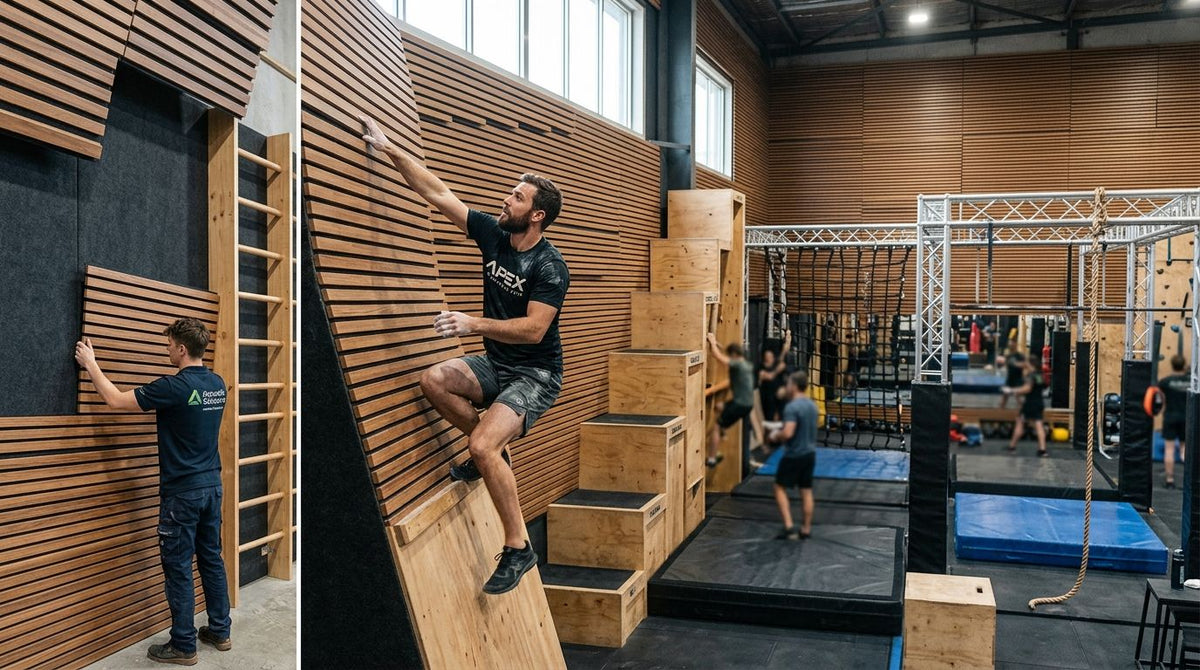
Ninja warrior and obstacle course gyms need acoustic panels for one blunt reason: bare block walls, metal rig frames, and warehouse ceilings turn every fall, shout, and buzzer into a wall of echo. This guide covers where to install acoustic wood panels first, which finish survives rig contact and mat slams, and how to plan coverage without guessing.
- Acoustic panels for obstacle course gyms cut echo fastest when installed behind landing mats and rig walls first, not the lobby.
- Hexagon acoustic panels from Akuwood Panel carry a 0.75 NRC rating, built for rooms with constant impact noise.
- Slat wall panels handle vertical run walls; hexagon panels fit angled bays behind warped walls and salmon ladders.
- Order a sample panel before finishing an entire facility in one wood tone under gym LED lighting.
- Raw open-cell foam absorbs sound cheaper upfront but tears under direct rig contact within a season — skip it near rigs.
Why acoustic panels matter for ninja warrior and obstacle course gyms
A typical obstacle course facility is a converted warehouse: exposed block or metal siding, ceilings well above 14 feet, and a floor plan built around rigs, warped walls, and cargo nets instead of soft-surface equipment. None of that construction absorbs sound. Every landing on a mat, every clang of a rig frame, and every coach shouting over a class bounces straight back off hard walls, and members end up straining to hear cues during runs. Acoustic wood panels for commercial gyms exist to interrupt that bounce before it stacks into a wall of noise that makes coaching harder and new members uncomfortable on their first visit.
The acoustic problem in this segment isn't the same as a yoga studio or a CrossFit box. Obstacle gyms combine tall ceilings, hard landing zones, and metal structural elements in one room, so panels need to do two jobs at once: absorb voice-frequency echo and survive incidental contact from falls, bags, and rig hardware. A soft fabric panel that works in an office breakroom won't hold up here.
Step 1: Audit your gym's worst echo zones
Walk the floor during a class you know runs loud — obstacle course sessions with a full rig rotation are usually the worst test. Note where a coach has to repeat instructions and where the sound decay after a shout feels longest.
- Clap test each wall run — bare block and metal siding reflect sound harder than drywall
- Mark the walls directly behind warped walls, salmon ladders, and cargo net landing zones
- Check ceiling height on every bay — anything above 14-16 feet needs upper-wall treatment, not just waist-height panels
- Log where HVAC and rig-frame vibration add a separate low-frequency rumble on top of voice echo
- Note which walls face the front desk, since first impressions get judged on entry noise
Step 2: Prioritize impact zones before hearing zones
Treat the loudest third of the room before spreading panels thin across the whole facility. A partial wall run done right beats full coverage done cheap.
- Cover walls directly behind mats and landing pads first — that's where slam noise originates
- Move to walls facing the lobby and check-in desk second
- Leave storage rooms, offices, and back hallways for a later phase
- Skip full-room coverage on day one; partial treatment on the loudest wall run already cuts noticeable echo
- Re-test with the clap method after each phase before ordering the next batch
Step 3: Choose a panel built for gym contact, not living rooms
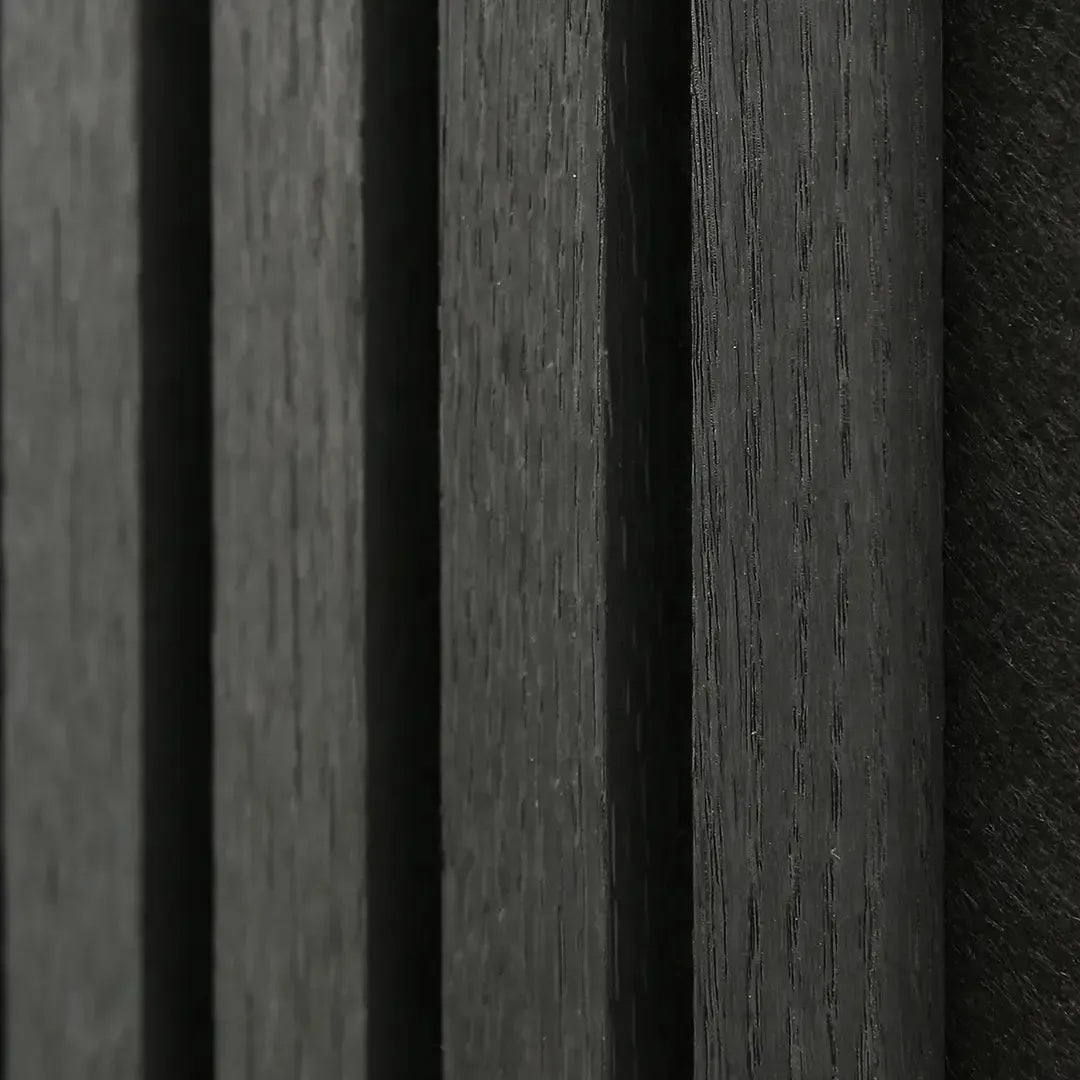
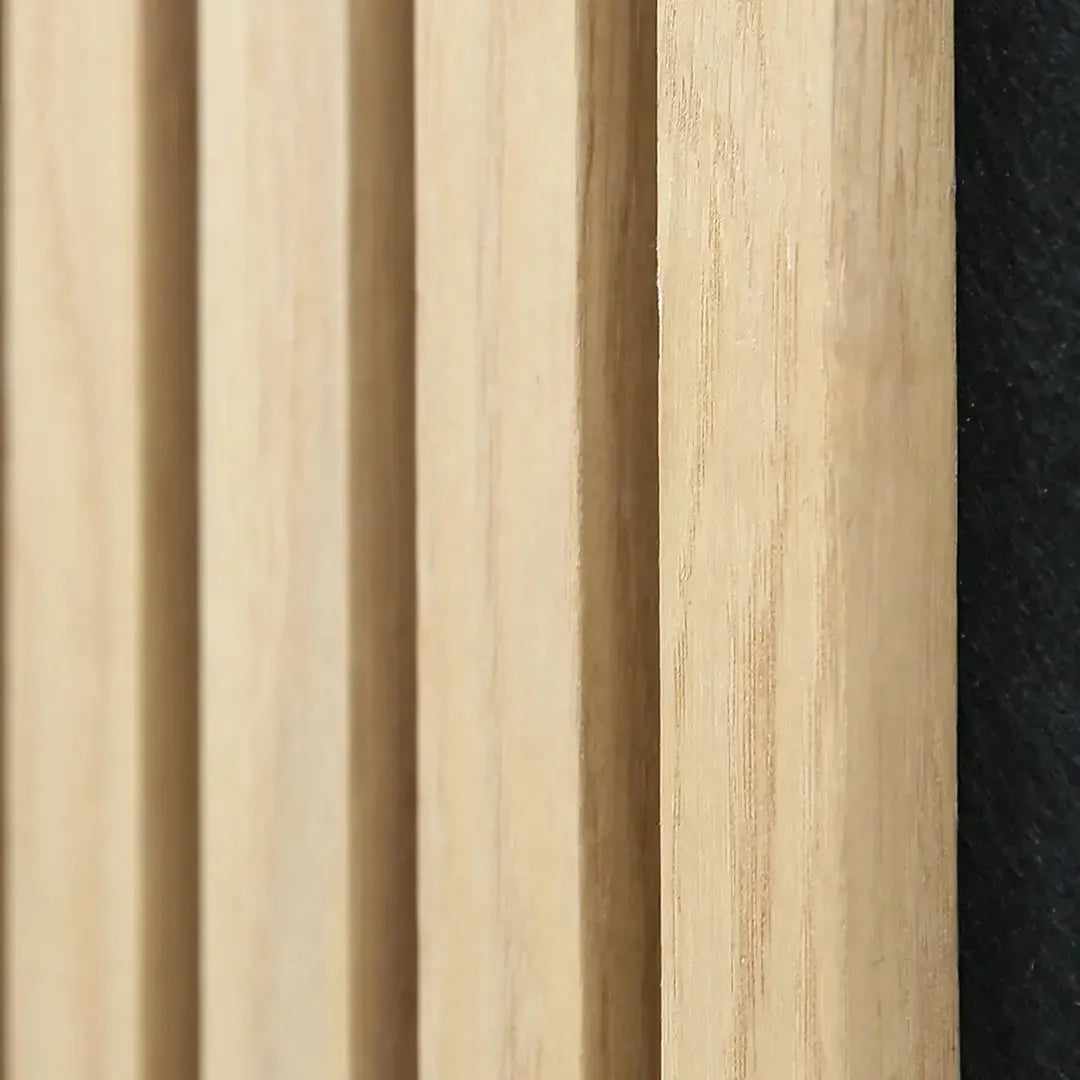
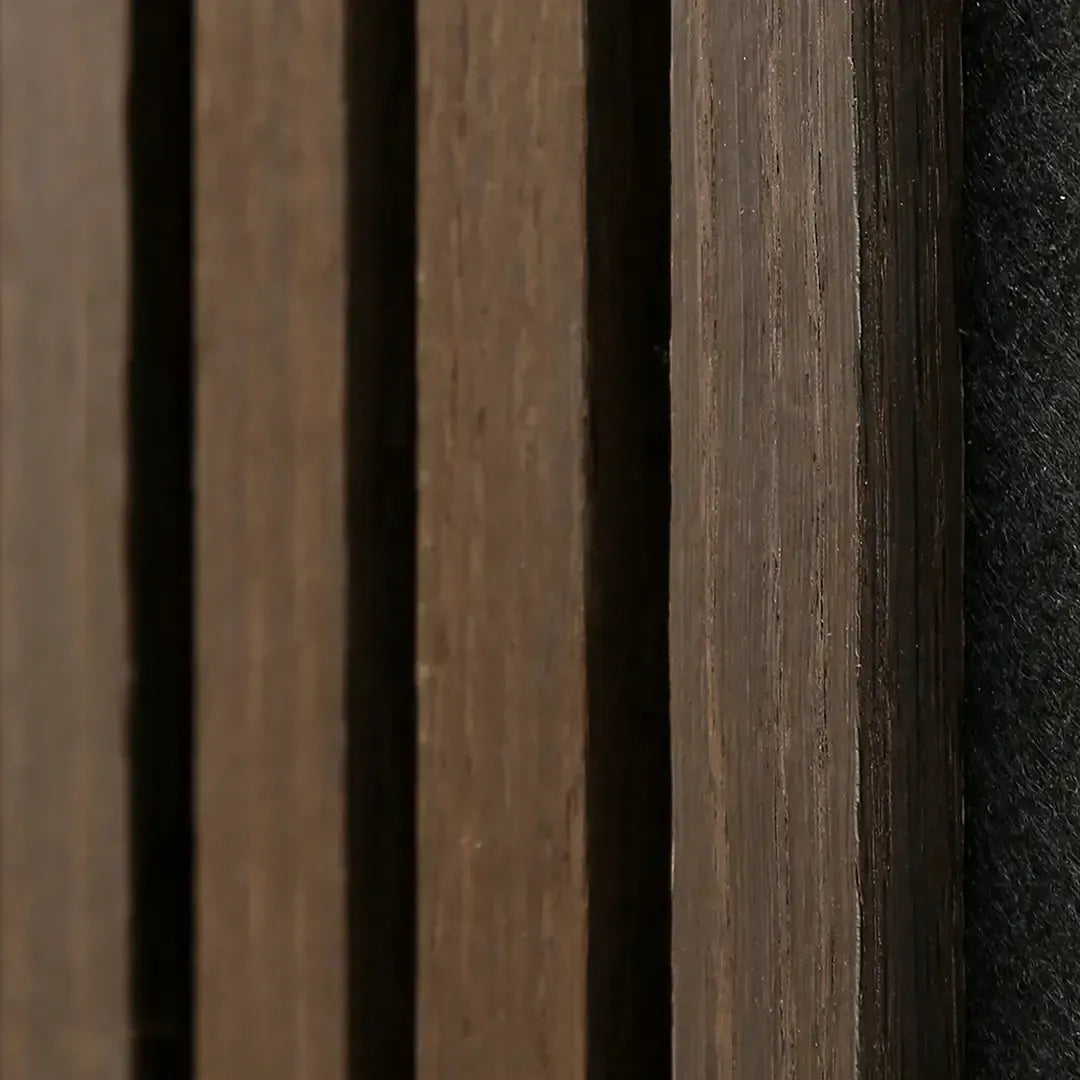
Most residential acoustic panels are rated for quiet rooms, not chalk dust and mat contact. Look for a real wood veneer face bonded over an acoustic core, not a laminate wrap that peels near high-traffic zones.
- Confirm the NRC rating before buying — hexagon acoustic panels from Akuwood Panel carry a 0.75 rating
- Pick a felt-backed slat option for wall runs that take indirect ball, bag, or rig contact
- Avoid raw open-cell foam anywhere within arm's reach of a rig — it tears on first impact
- Order a sample panel first to check how the finish reads under gym LED lighting, which reads cooler than daylight
- Match panel depth to how close members get to the wall — deeper slats absorb more but protrude further into narrow bays
Step 4: Cover upper walls and ceilings in double-height bays
Most obstacle gyms convert a warehouse with 16-20 foot clearance for warped walls and rope climbs. Waist-height panels alone leave the upper third of the room fully reflective.
- Extend panel runs to at least 8 feet up on any wall behind a rig taller than 10 feet
- Treat ceiling bays over landing mats separately from wall runs — sound bounces down as much as sideways
- Use lighter panel finishes on ceilings to avoid a cave-like feel in an already dim warehouse space
- Budget for scaffolding or lift access before ordering — install cost changes with ceiling height
- Confirm mounting hardware rating for overhead installs; wall-rated clips aren't always ceiling-rated
Step 5: Mix panel shapes to match your structural bays
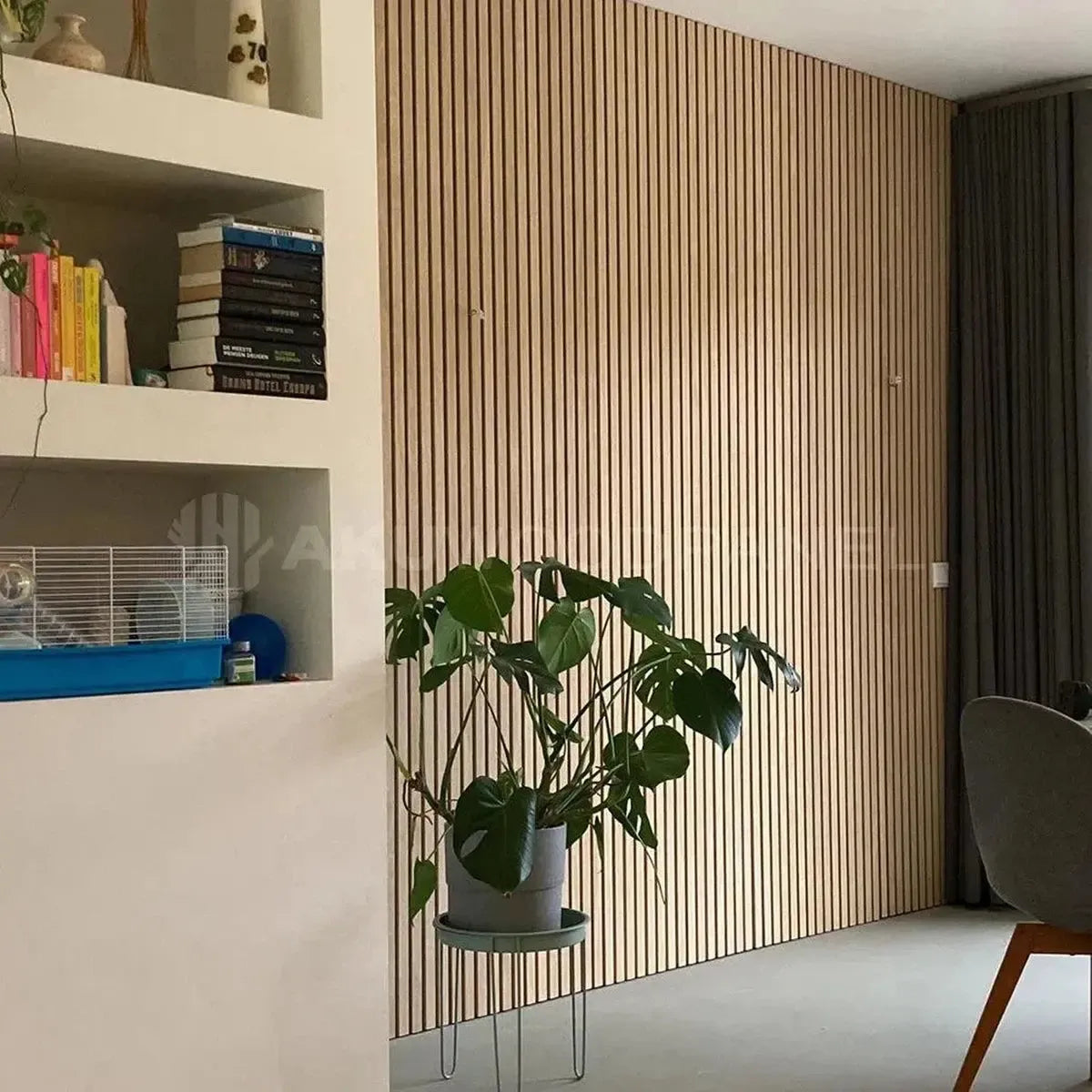
Flat slat panels handle long, straight wall runs. Hexagon panels fit angled corners and feature walls behind rig zones where a flat run would need constant cutting.
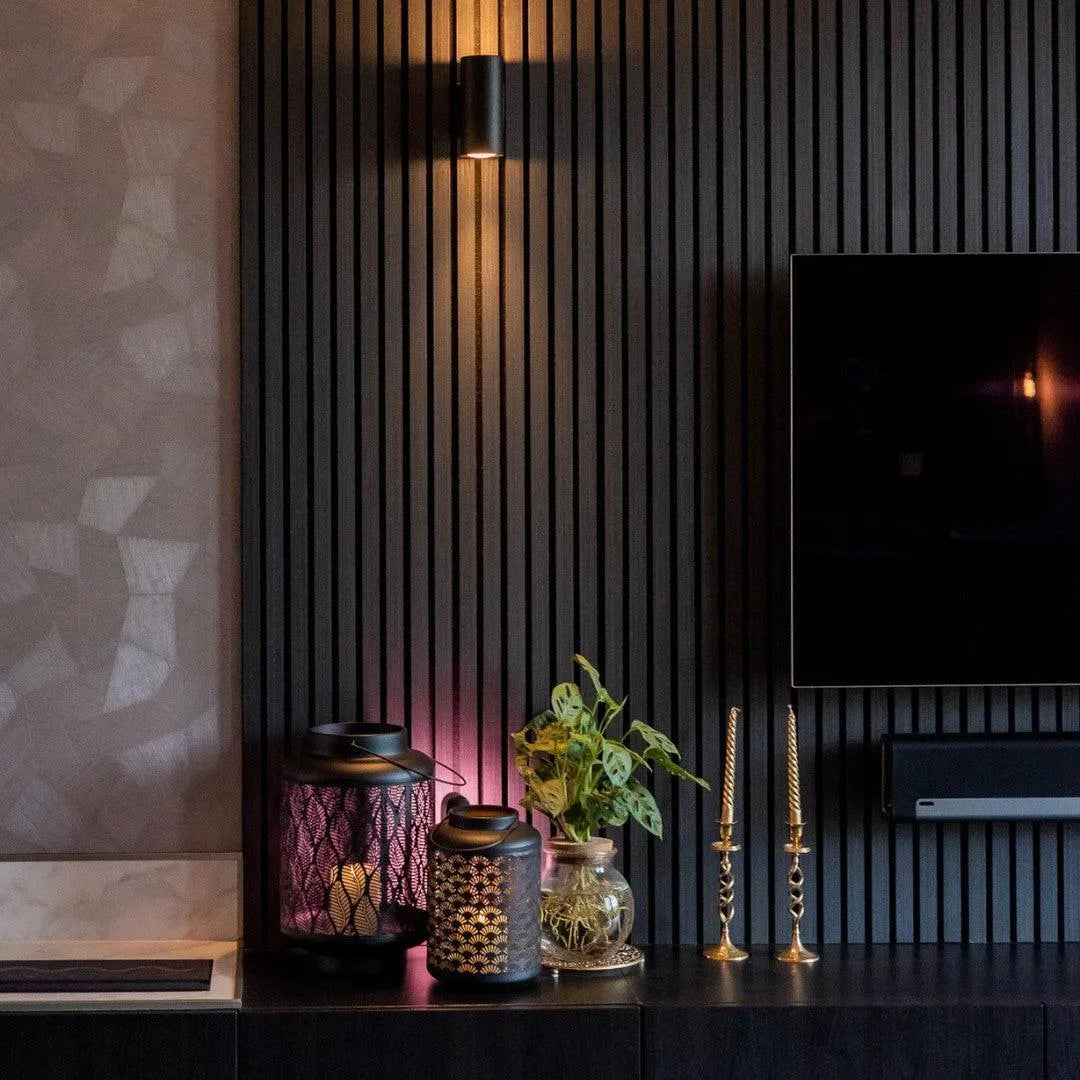
- Use black oak slat panels on long vertical runs facing the lobby or check-in area
- Reserve hexagon panels for angled bays, columns, and feature walls behind climbing structures
- Keep grain direction consistent across adjoining wall sections to avoid a patchwork look
- Combine a darker tone near equipment zones with a lighter tone near the entrance to signal a calmer front-of-house
- Order both shapes in the same finish family so future expansions match without a re-order headache
Step 6: Install with an air gap, not flush to block
Panels mounted flush against concrete or block lose much of their low-frequency absorption. A small air gap behind the panel does more for bass-heavy rig-clang noise than switching finishes.
- Mount on furring strips to create a gap between the panel and the wall, not direct adhesive to block
- Confirm the mounting method matches your wall type — block, metal stud, and drywall each need different anchors
- Leave expansion gaps between panel runs in unheated warehouse spaces where temperature swings are larger
- Sequence installation around class schedules to avoid dust and downtime during peak hours
- Walk the finished wall run with the clap test again before moving to the next phase
Comparison: acoustic treatment options for obstacle course gyms
| Option | Best for | Key limitation |
|---|---|---|
| Wood slat acoustic panels | Long, flat vertical wall runs and lobby areas | Needs cutting to fit angled rig bays |
| Hexagon acoustic panels | Angled bays and feature walls behind rigs | Higher material use per wall than flat slat panels |
| Open-cell foam wedges | Low-budget ceiling treatment in back rooms | Tears and compresses under direct contact within a season |
| Fabric-wrapped fiberglass panels | Large flat walls needing maximum absorption | Fabric face stains and rips near chalk and mat contact |
| Spray-applied acoustic finish | Ceilings and irregular surfaces | Can't be removed or repositioned once cured |
Verdict: wood slat and hexagon acoustic panels from Akuwood Panel are the only options on this list built to take rig contact and still look intentional five years in — best for any wall a member can touch.


Common mistakes obstacle course gyms make with acoustic panels
- Treating the lobby first. The actual slam noise originates behind rigs and landing mats, not at check-in — start there.
- Choosing raw foam for cost. It absorbs on day one and tears apart under rig contact within a season, forcing a full re-buy.
- Skipping a sample order. A finish that looks warm in a photo can read too dark under gym LED lighting across a whole wall.
- Ignoring ceiling height. Waist-height panels in a 16-20 foot warehouse bay leave the loudest part of the room fully reflective.
- Mounting flush to block. Skipping the furring-strip air gap kills much of a panel's low-frequency absorption against rig-clang noise.
FAQ
What's the best acoustic panel for an obstacle course gym?
A 3-sided wood veneer slat or hexagon panel with a felt or acoustic core backing is the best acoustic panel for an obstacle course gym in 2026. Foam wedges cost less upfront but tear under rig contact, while wood veneer panels hold up to years of daily class traffic.
How many acoustic panels does a ninja warrior gym need?
Coverage depends on wall square footage, but treating the loudest third of the room first — walls behind mats, rigs, and warped walls — usually cuts noticeable echo before a full-room order. Measure each wall run and calculate coverage before ordering rather than guessing a total.
Do acoustic panels stop noise between gym rooms?
Acoustic wood panels reduce reverberation and echo inside a room; they don't block sound transmission through walls to adjoining rooms the way mass-loaded barriers do. For obstacle gyms, the priority is usually in-room echo control, not soundproofing between rooms.
Is wood better than foam for gym acoustic treatment?
Wood veneer slat and hexagon panels outlast foam in any zone a member or rig can touch, since foam compresses and tears under repeated contact. Foam still works in low-traffic back rooms where budget matters more than durability.
How much wall coverage cuts echo in a warehouse gym?
Full coverage isn't required to notice a difference — treating the loudest wall run behind rigs and landing zones first produces an audible change before moving to the rest of the room. Re-test with a simple clap test after each phase to confirm.
Can acoustic panels handle chalk dust and mat contact?
A 3-sided wood veneer panel with a sealed finish holds up to chalk dust and incidental mat contact better than a fabric-wrapped panel, which stains and tears in the same conditions. Wipe-down maintenance is simpler on a wood face than on fabric.
Does acoustic panel installation cost more with high ceilings?
Yes — ceiling bays above 14-16 feet typically need lift or scaffold access, which adds labor time beyond a standard waist-height wall install. Factor access equipment into any install timeline for a converted warehouse space.
One last thing
The finish you pick matters less than the air gap behind it. A slat or hexagon panel mounted flush against block loses a meaningful share of its low-frequency absorption, which is exactly the range rig-frame clang and mat slams sit in — furring strips before finish choice, every time.



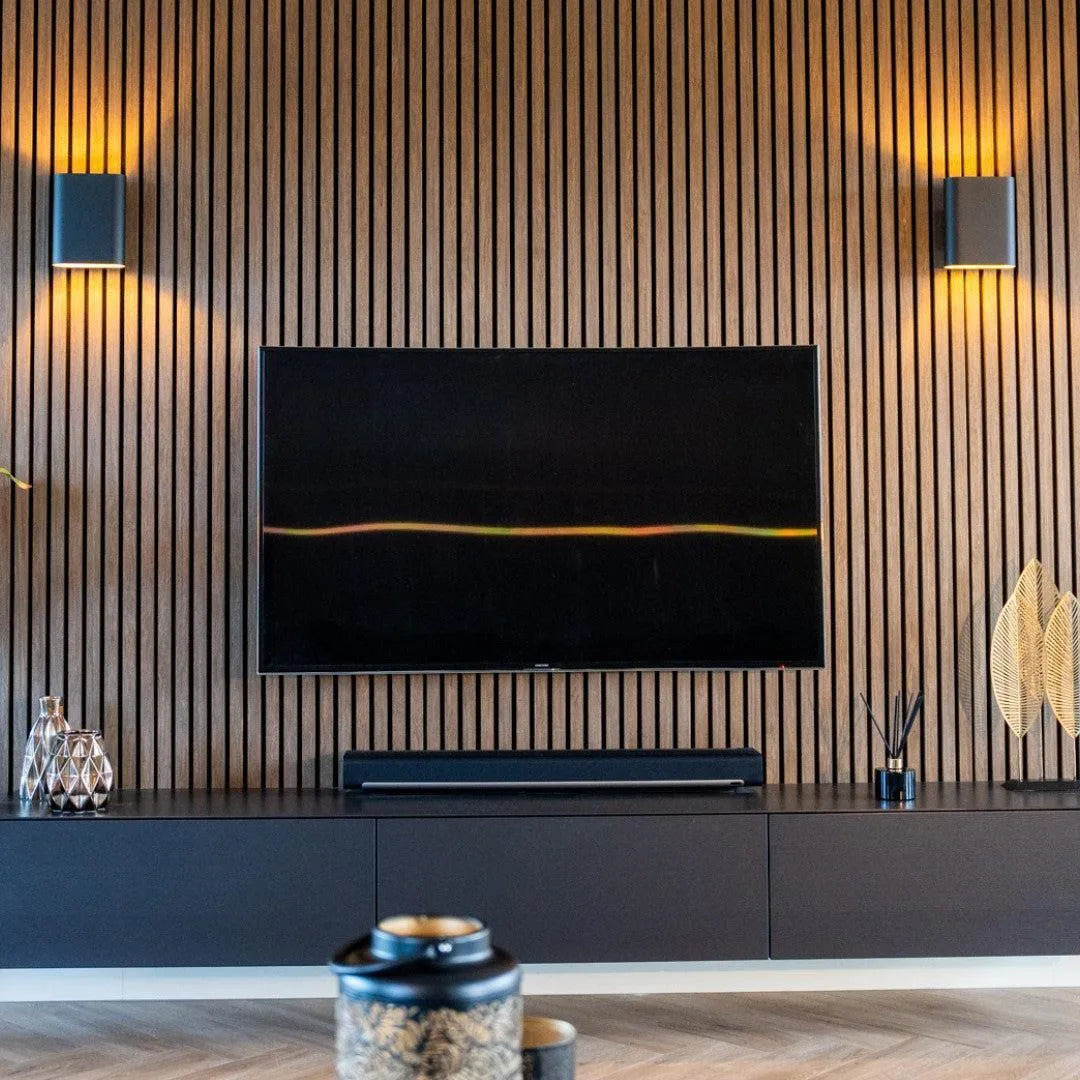

 Better performance and aesthetic appeal
 In Stock