Audiology clinic testing rooms need acoustic wood panels that stop flutter echo between parallel walls without pretending to replace a sealed audiometric booth — get that distinction wrong and you'll spend a renovation budget on a room that still fails a hearing test. This guide breaks down what acoustic panels actually fix in a testing room, what they don't, and which panel specs matter when you're outfitting one or twenty locations in 2026.
- Acoustic panels for audiology clinic testing rooms cut reverberation and flutter echo, not ambient background noise.
- Hexagon Acoustic Panel Natural Oak with Gray Felt carries an NRC of 0.75, among the highest-absorption options in the catalog.
- ANSI S3.1 governs permissible ambient noise in audiometric test rooms — panels solve comfort and echo, sealed construction solves isolation.
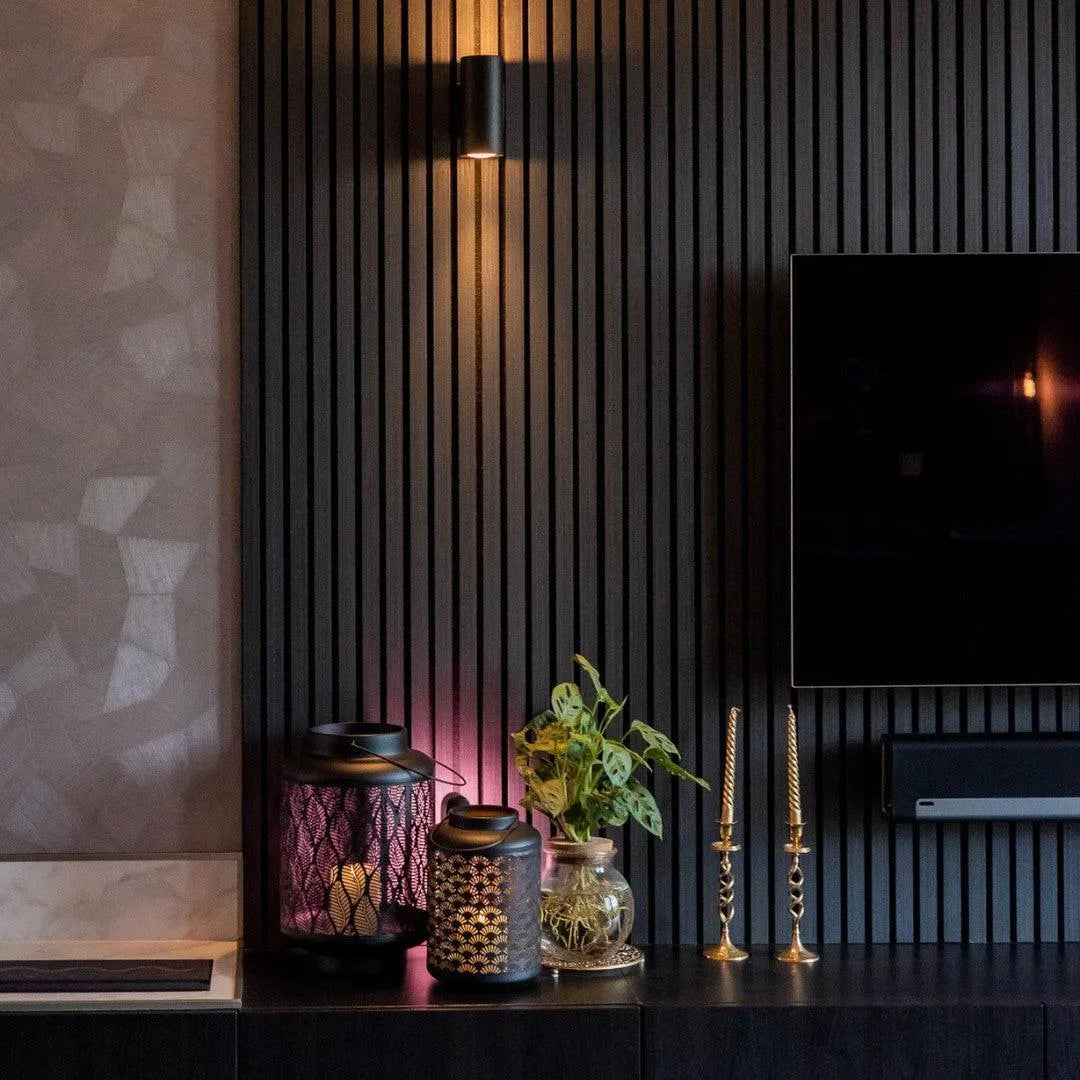
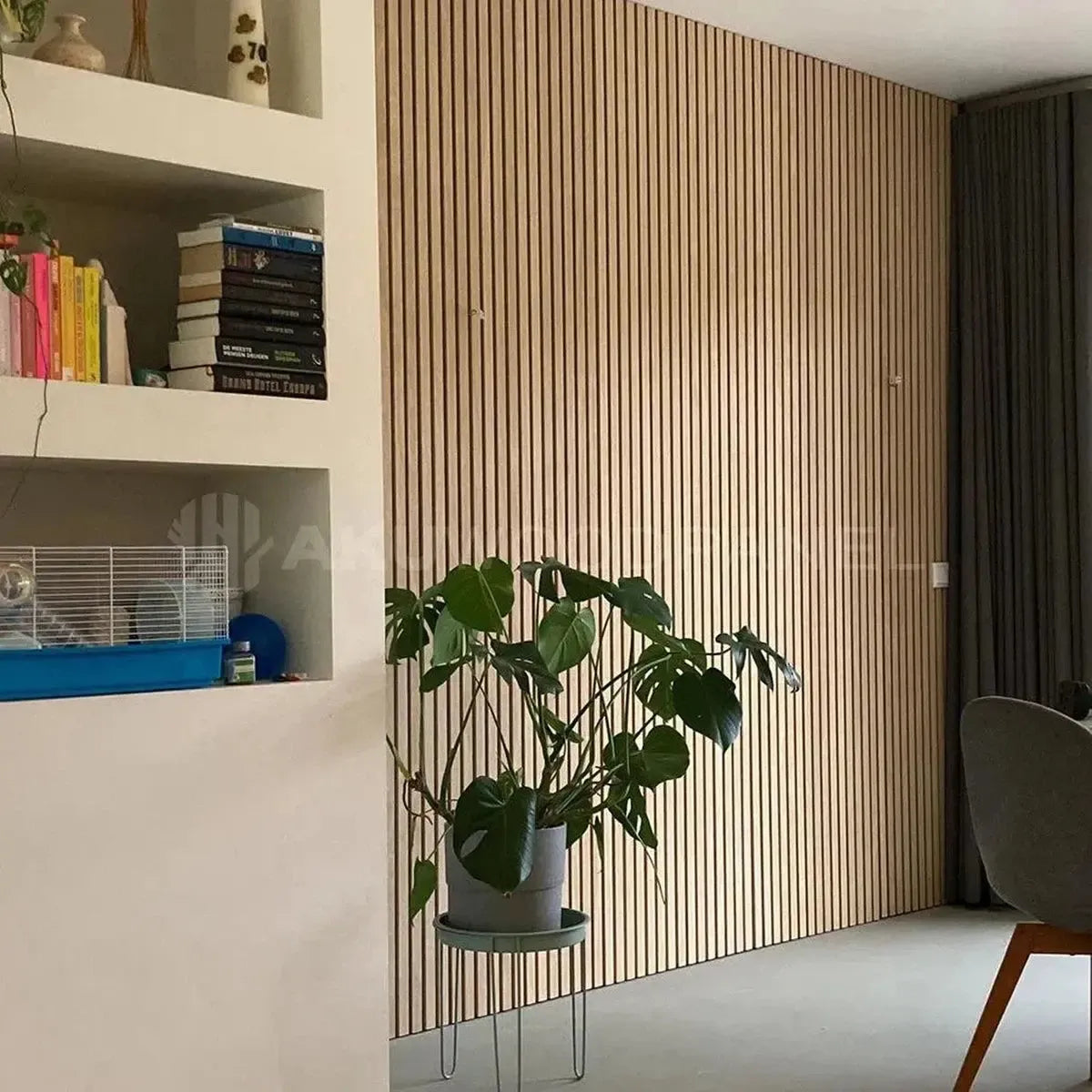
- Akuwood Panel's felt-backed slat panels mount directly over standard drywall, which fits most clinic build-outs without structural work.
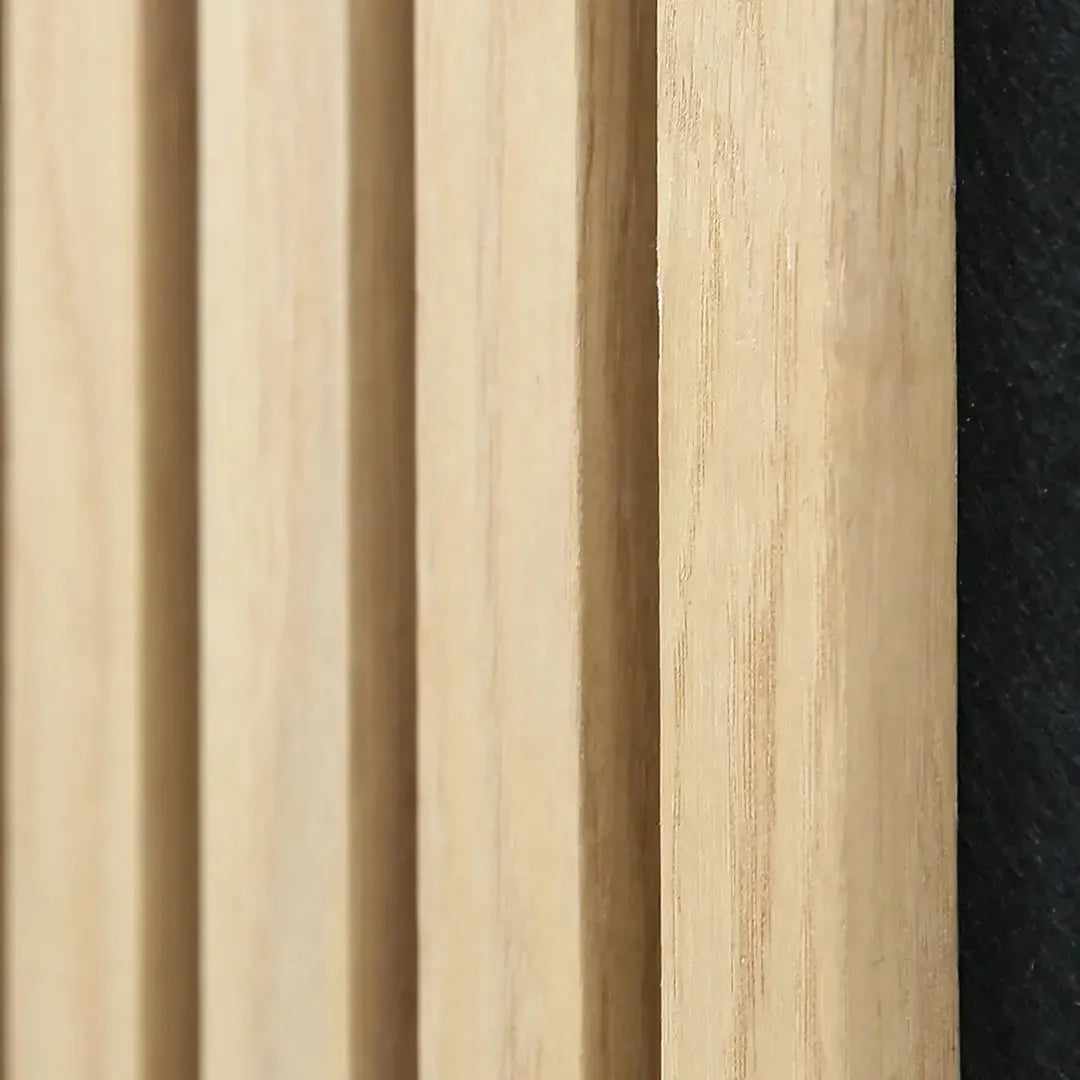
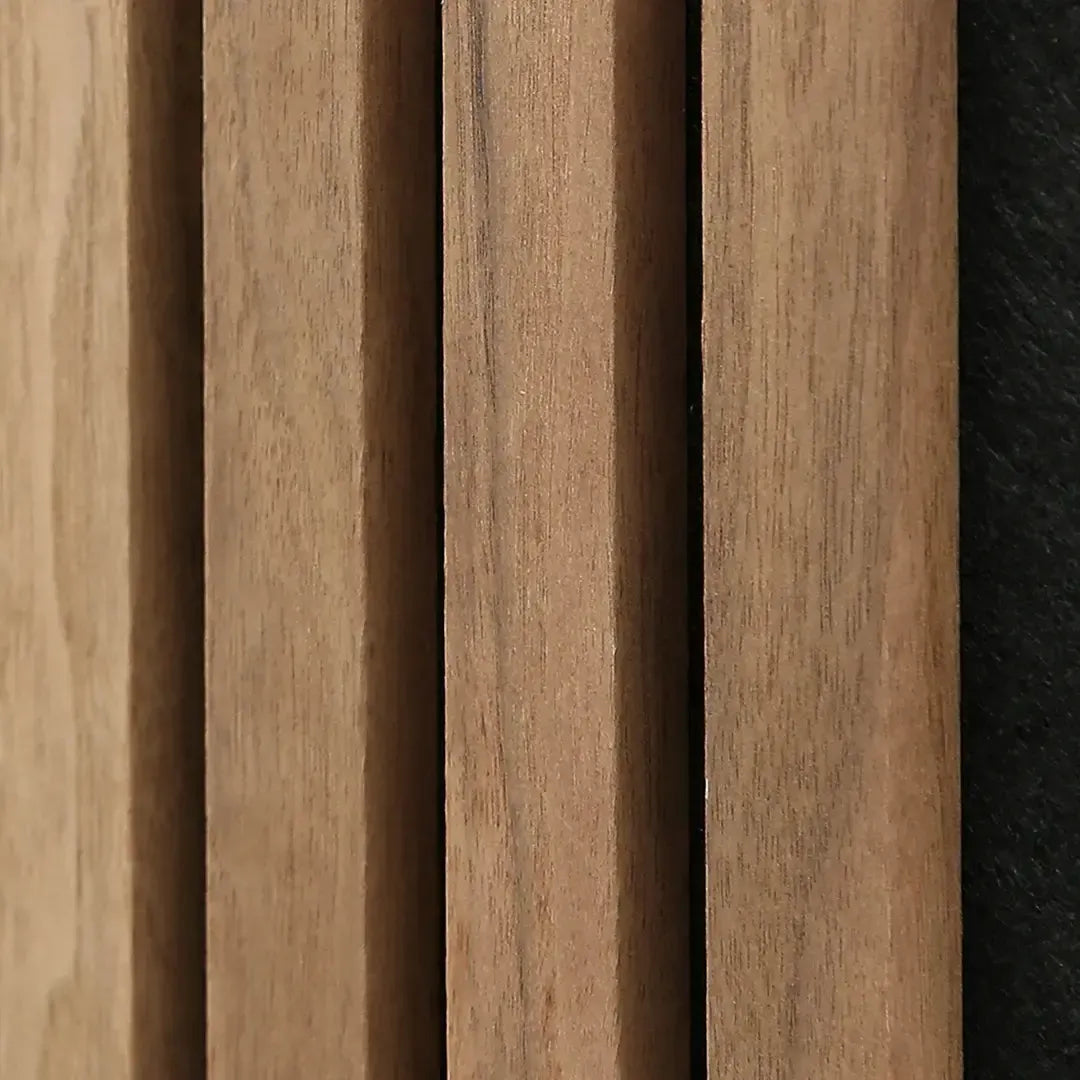
- Order a sample box before specifying a full testing room retrofit so staff can check veneer color against clinic branding.
Why acoustic panels matter for audiology clinic testing rooms
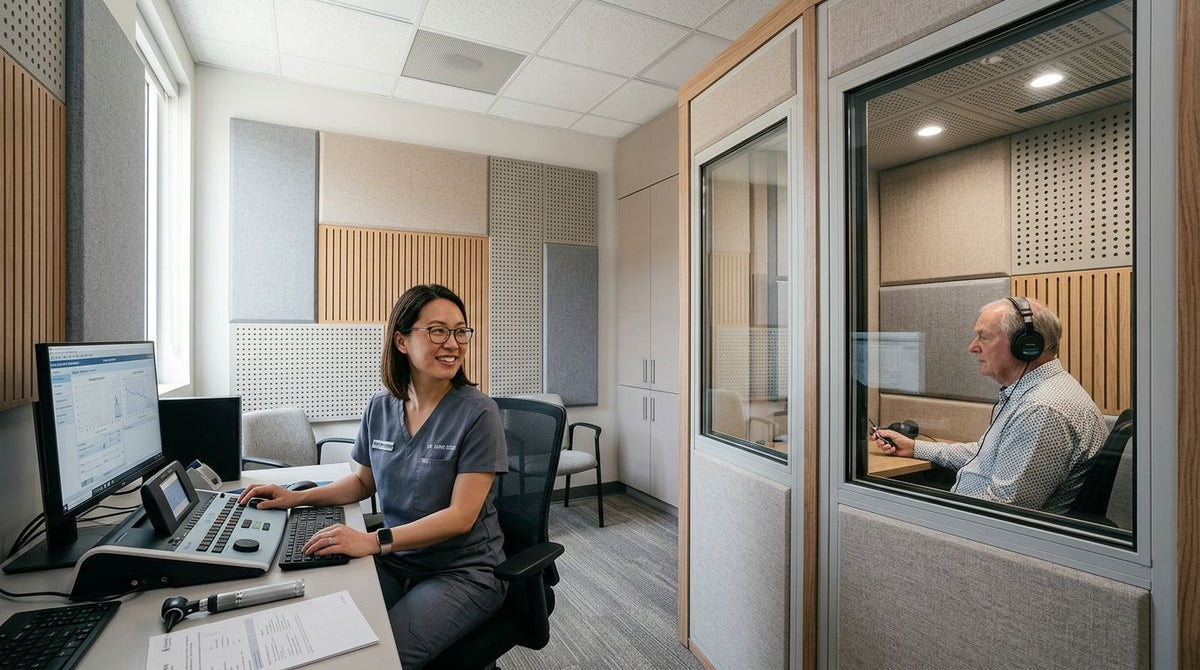
A testing room with bare drywall, a glass viewing window, and a tile or vinyl floor is close to a worst-case acoustic environment. Sound bounces between the two parallel hard walls, creates flutter echo, and makes it harder for both patient and clinician to judge test responses cleanly — especially during speech audiometry where subtle articulation cues matter.
Audiology testing rooms get measured against ANSI S3.1, the published standard for permissible ambient noise levels in audiometric test rooms. That standard is about the noise floor of the room — HVAC hum, hallway bleed, equipment fans — and it's a construction and isolation problem, not a panel problem. Acoustic wood panels from Akuwood Panel address the reverberation half of the equation: they absorb reflected sound inside the room so speech and tones don't bounce and smear.
That's a meaningful upgrade even in rooms that already meet ANSI S3.1 on paper, because a room can be quiet and still sound bad. Clinics converting a standard exam room into a testing space run into this constantly — the room passes a noise floor check but patients still report a hollow, boxy feel during testing.
Measure the room's current reverberation
Start here before buying anything. A room that already sounds reasonably dead needs less treatment than one with hard parallel surfaces on every wall.
- Do a clap test near the center of the room and listen for a ringing tail after the sound stops
- Run a free RT60 measurement app on a phone to get a rough reverberation time reading
- Check for flutter echo specifically between the two longest parallel walls
- Note every hard surface: glass viewing window, tile flooring, drywall ceiling, cabinetry
- Flag rooms with vaulted or sloped ceilings — they scatter sound less predictably than flat ceilings
Identify which walls need absorption first
Not every wall in the testing room deserves equal treatment. Prioritize by where sound actually reflects back toward the patient and the test equipment.
- The wall directly behind the patient's chair, which reflects sound back toward the audiometer microphone
- The wall opposite the viewing window, since glass reflects almost all incident sound
- Any wall facing a hard cabinet run or equipment rack
- Ceiling panels if the room has more than 9 feet of clearance and a hard ceiling finish
- Corners, where low-frequency buildup is worst even in small rooms
Choose an acoustic panel with a documented NRC rating
Once you know which walls need coverage, pick a panel by its Noise Reduction Coefficient rather than by look alone. The Hexagon Acoustic Panel Natural Oak with Gray Felt carries an NRC of 0.75, which puts it among the stronger absorbers in the wood-veneer panel category — most decorative wood slat panels without a felt backing sit well below that.
- Confirm the panel lists an actual NRC number, not just "sound absorbing" marketing language
- Match panel coverage to the priority walls identified in the previous step, not the whole room
- Check the veneer finish against existing clinic millwork or signage for consistency across locations
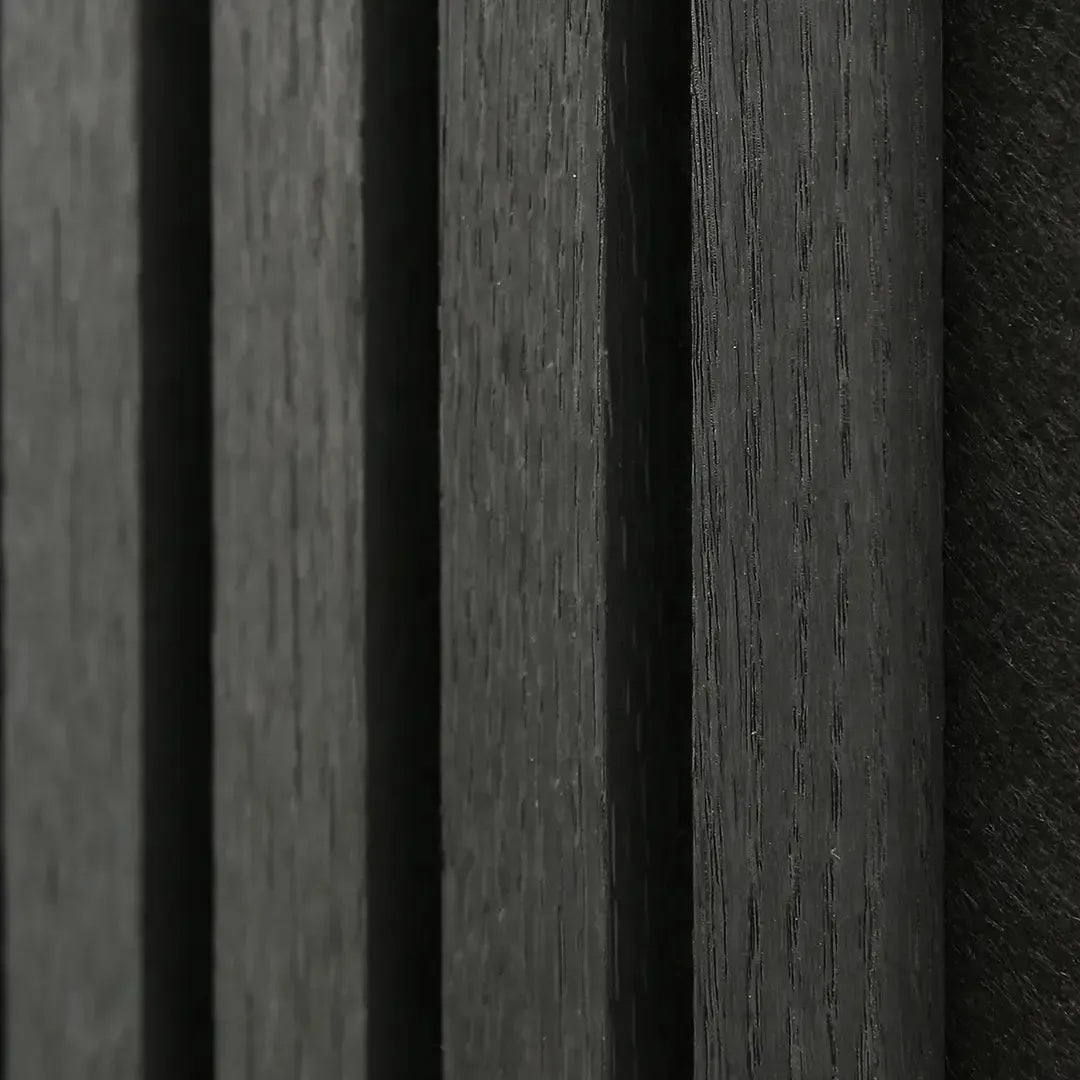
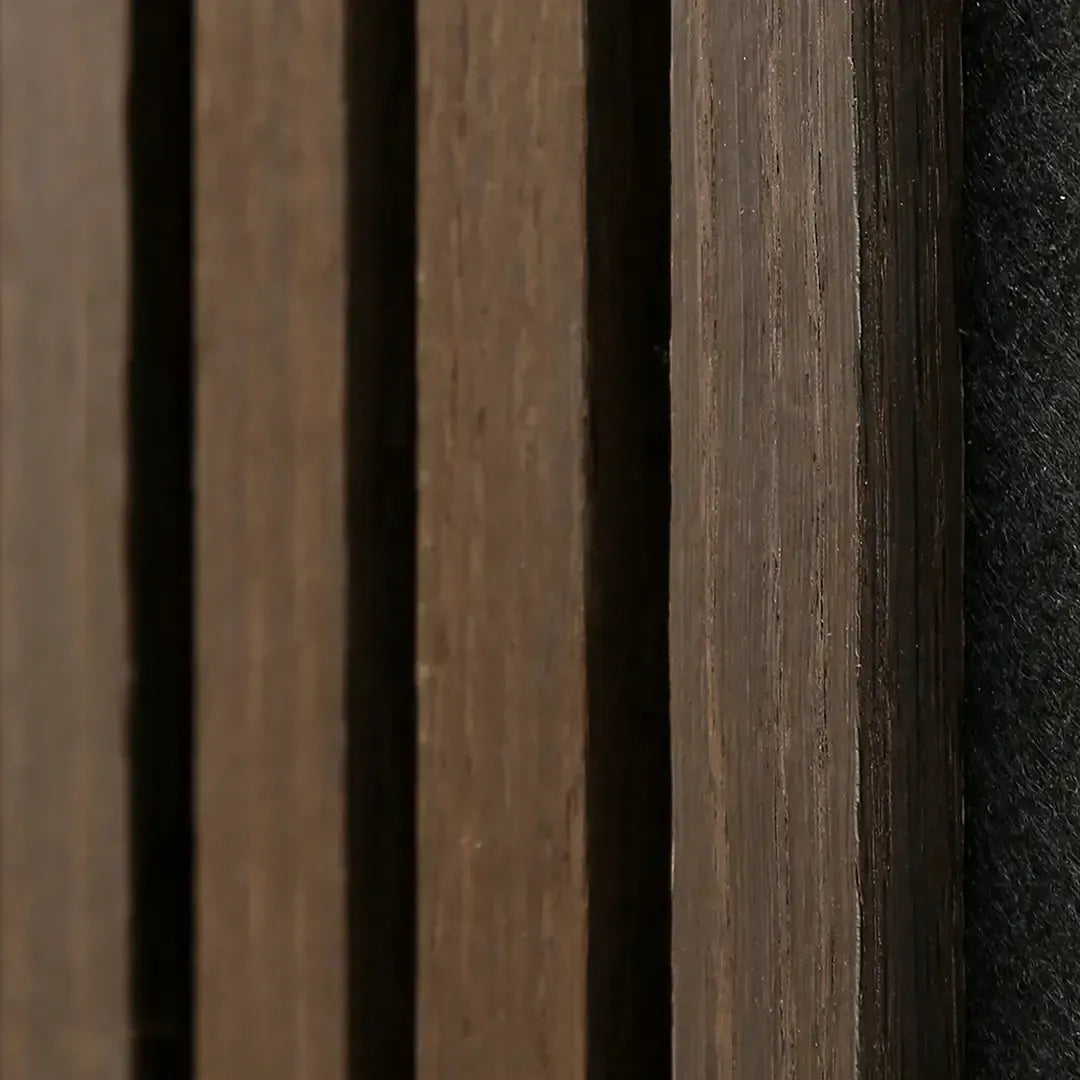
- Ask whether the panel ships with felt backing built in, since that's what drives the NRC number up


Mount panels without breaking the room's sealed envelope
Install matters as much as the panel spec. A testing room that meets ANSI S3.1 relies on sealed penetrations — outlets, conduit, HVAC ducts — and a sloppy panel install can undo that work.
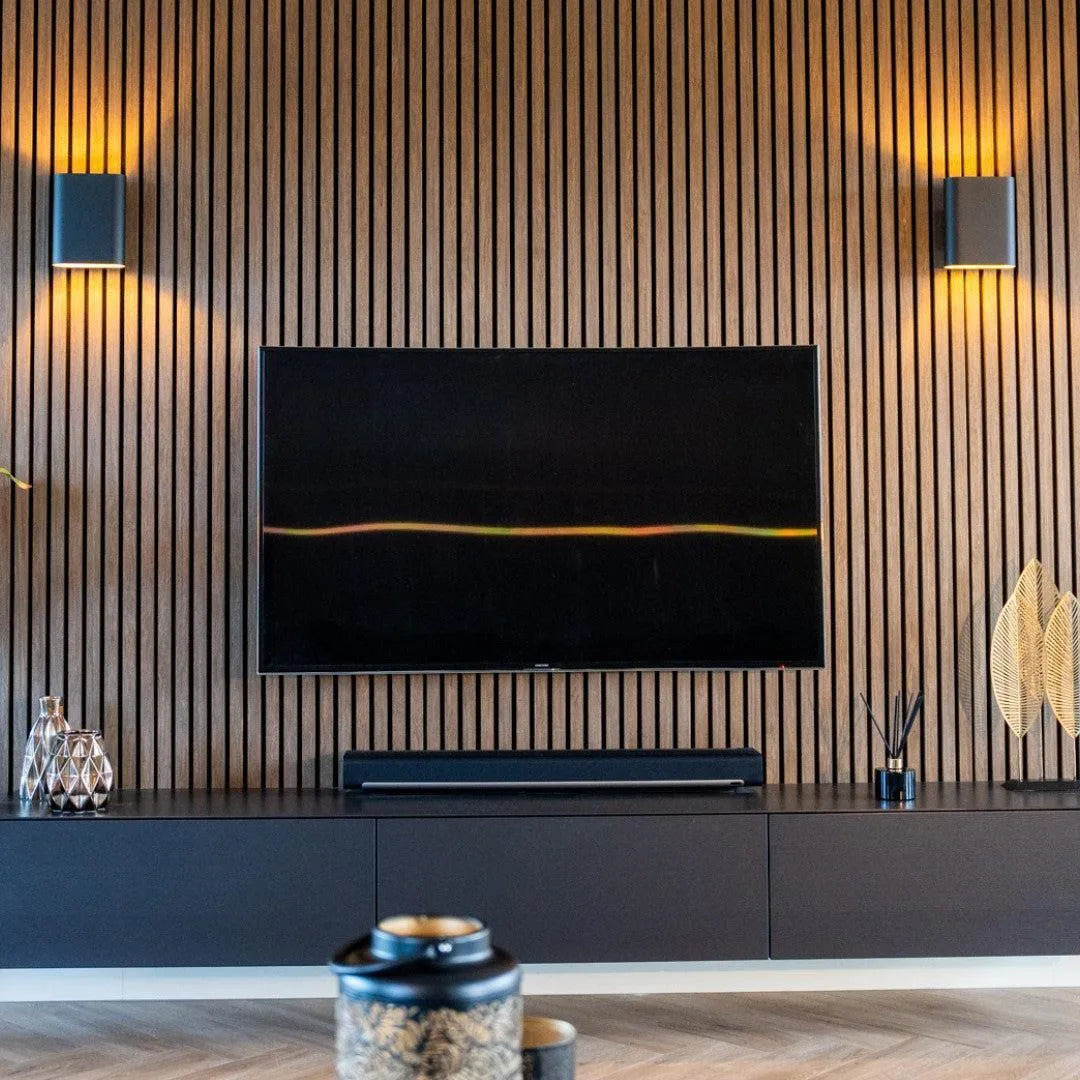
- Use the Acoustic Slat Wall Panel Natural Oak with Gray Felt directly over drywall in most standard clinic build-outs
- Avoid drilling near existing sealed conduit runs or HVAC boots
- Leave a small gap at floor and ceiling trim rather than butting panels tight, which simplifies future removal
- Confirm mounting hardware doesn't puncture through to an adjoining room that shares a party wall
Separate acoustics from soundproofing in your planning
This is the single most common gap clinics hit. NRC measures absorption inside the room; Sound Transmission Class (STC) measures how much sound passes through a wall assembly to the next room. Wood acoustic panels affect the first number, not the second.
- Use door sweeps and gasketed door frames if hallway noise bleeds into the testing room
- Seal HVAC duct penetrations with acoustic caulk, not just standard sealant
- Add mass — a second layer of drywall — if the adjoining wall is shared with a waiting room or reception desk
- Treat panels as the finishing layer after the isolation work, not a substitute for it
Test the room again after installation
Don't assume the panels worked — verify it the same cheap way you measured the baseline.
- Repeat the clap test and compare the ringing tail to your pre-install recording
- Re-run the RT60 app measurement in the same spot as the first test
- Have staff run a live speech test and flag any remaining hollow or boxy sound
- Bring in an acoustic consultant or audiologist for a formal ANSI S3.1 compliance check if the clinic needs it on record
Document panel specs for compliance records
Multi-location clinics and any practice under accreditation review benefit from keeping this on file, not scrambling for it later.
- Save NRC ratings and veneer spec sheets for each panel used
- Photograph wall coverage before and after for renovation records
- Note panel supplier and product name for repeat orders across additional locations
- Keep install dates in case a future renovation needs to match existing panels
Comparison: acoustic treatment options for audiology testing rooms
| Option | Best for | Key limitation |
|---|---|---|
| Hexagon Acoustic Panel (Natural Oak with Gray Felt) | Rooms needing the highest absorption per panel, NRC 0.75 | Higher per-panel coverage cost than flat slat panels |
| Acoustic Slat Wall Panel (felt-backed) | Standard rectangular testing rooms with drywall mounting | Coverage math needs planning around outlets and switches |
| Foam acoustic tiles (generic) | Budget test installs or temporary rooms | Wears and compresses faster than wood veneer, no real finish appeal |
| Full audiometric isolation booth | Clinics that need documented ANSI S3.1 compliance in writing | Separate purchase from wall panels, not a wall-finish solution |
Verdict: Akuwood Panel's felt-backed acoustic panels are the right pick for the echo-control layer of an audiology testing room in 2026 — they are not a substitute for a sealed isolation booth when a clinic needs documented ANSI S3.1 compliance.
Common mistakes audiology clinics make with acoustic panels
- Treating every wall equally. Coverage on the wall behind the patient chair matters more than coverage on a wall with a closed cabinet run.
- Buying by look instead of NRC. A wood-grain panel with no stated NRC number may absorb almost nothing.
- Skipping the ANSI S3.1 distinction. Panels fix reverberation; they do not fix a leaky door seal or an unsealed HVAC duct.
- Installing before measuring. Clinics that skip the clap-test baseline can't prove the install actually changed anything.
- Ignoring the viewing window. A large sheet of glass reflects almost as much sound as bare drywall and gets left untreated.
FAQ
What's the best acoustic panel for an audiology clinic testing room?
A felt-backed wood veneer panel with a documented NRC rating, such as the Hexagon Acoustic Panel Natural Oak with Gray Felt at NRC 0.75, gives the strongest absorption for the wall area it covers. Match panel placement to the walls closest to the patient chair and audiometer for the biggest effect.
Do acoustic wood panels meet ANSI S3.1 requirements for audiometric test rooms?
No, acoustic wood panels address reverberation inside the room, while ANSI S3.1 governs ambient noise levels that pass through walls, doors, and ducts. A room needs sealed construction and isolation measures to meet ANSI S3.1, with panels added afterward for comfort and echo control.
Is a felt-backed panel better than a plain wood slat panel for sound absorption?
Yes, felt backing raises the NRC rating significantly compared to a plain wood veneer slat panel with no absorptive layer behind it. Check the product's listed NRC number rather than assuming any wood panel absorbs sound equally.
How much wall coverage does a testing room need for acoustic panels?
Coverage should prioritize the wall behind the patient chair, the wall opposite any glass viewing window, and hard cabinet runs before spreading treatment evenly across the whole room. A room with a clap-test ring lasting more than a second or two after the sound stops usually needs coverage on at least two adjacent walls.
Can acoustic panels replace a soundproof audiometric booth?
No, acoustic panels reduce reflected sound and echo inside a room but do not stop sound transmission from adjoining spaces the way a sealed isolation booth does. Clinics that need documented sound isolation for compliance still need a dedicated booth or sealed construction in addition to panels.
What's the difference between NRC and STC ratings for clinic wall treatments?
NRC measures how much sound a surface absorbs inside the room it's mounted in, while STC measures how much sound a wall assembly blocks from passing through to another room. Acoustic wood panels are rated by NRC; wall assembly and door specs are rated by STC.
How do I mount acoustic panels in a testing room without damaging sealed walls?
Mount panels directly over existing drywall using standard hardware, avoiding any drilling near sealed conduit, outlets, or HVAC penetrations. Leave a small gap at floor and ceiling trim rather than sealing panels tight to make future removal or maintenance easier.
Should I order samples before specifying panels for a multi-location clinic rollout?
Yes, ordering a sample box lets clinic staff check veneer color and felt tone against existing branding and lighting before committing to a full order across several locations. This matters more for chains than single-location clinics, since a color mismatch is harder to fix once installed across multiple rooms.
One last thing
The detail most clinics miss: an NRC of 0.75 on a felt-backed hexagon panel is a strong number for a decorative wood-finish product, but it still only tells you what happens to sound already inside the room. If the testing room shares a wall with a busy reception area, no panel — wood, foam, or otherwise — fixes that until the wall assembly itself gets addressed. Order the sealed construction work first, then finish the room with panels.


 Better performance and aesthetic appeal
 In Stock