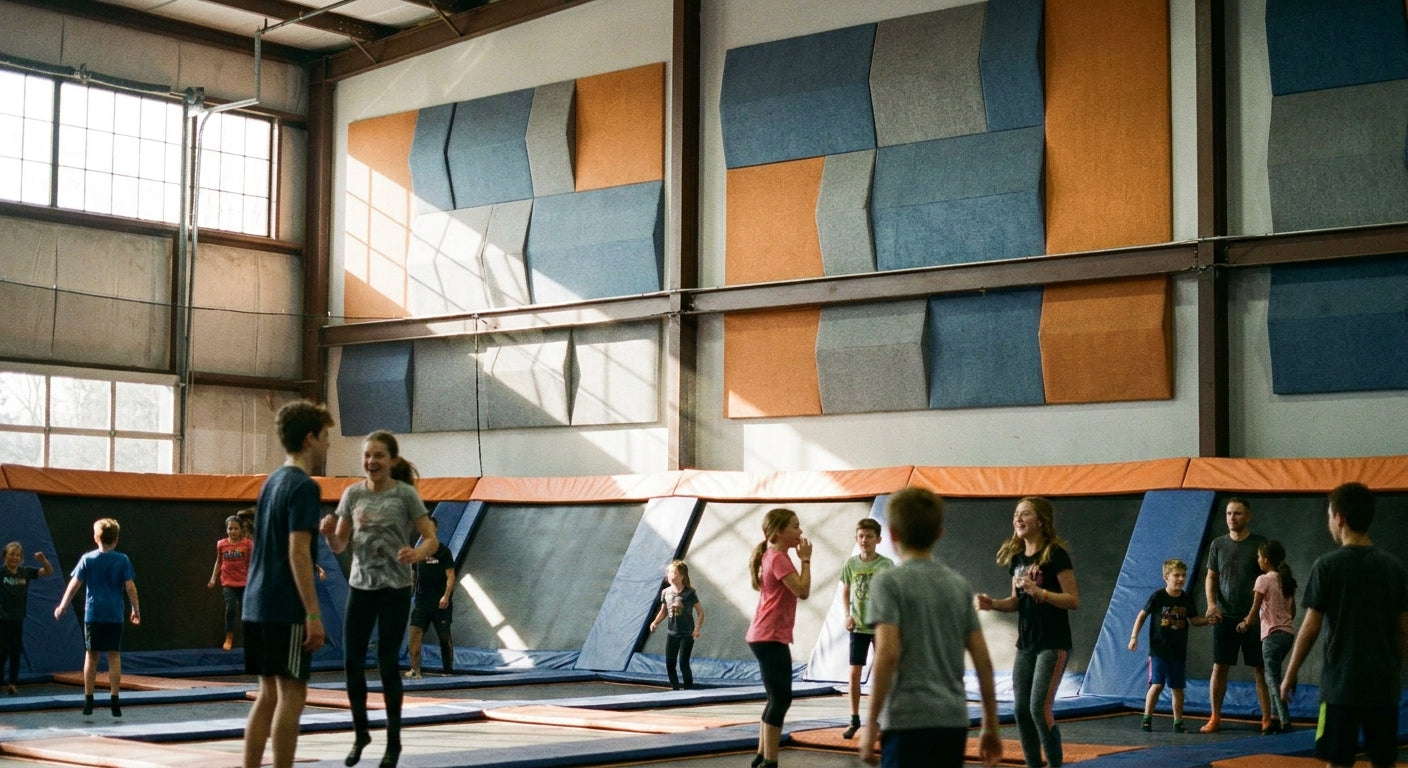
Indoor trampoline parks run some of the loudest commercial floors in the country — bounce impact, arena speakers, and 200+ kids bouncing at once turn a bare drywall box into an echo chamber that drives away repeat customers and burns out staff by 3pm.
- Acoustic panels for trampoline park walls need NRC 0.70+ and impact-resistant veneer, not decorative-grade slat panels.
- Hexagon Acoustic Panel Smoked Oak (NRC 0.75, $165.95 per 4-panel box) is the Buy pick for perimeter walls above dodgeball and foam pits.
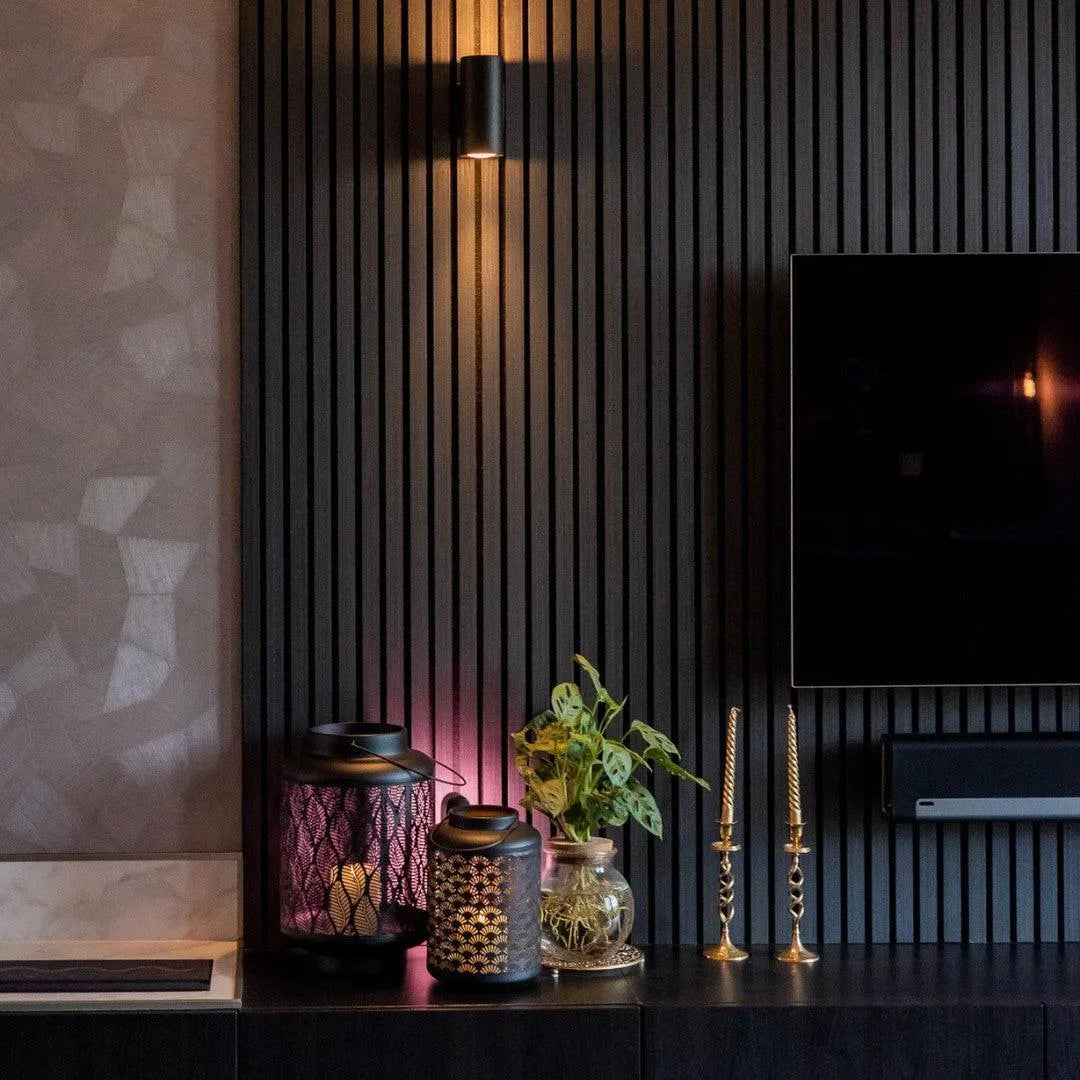
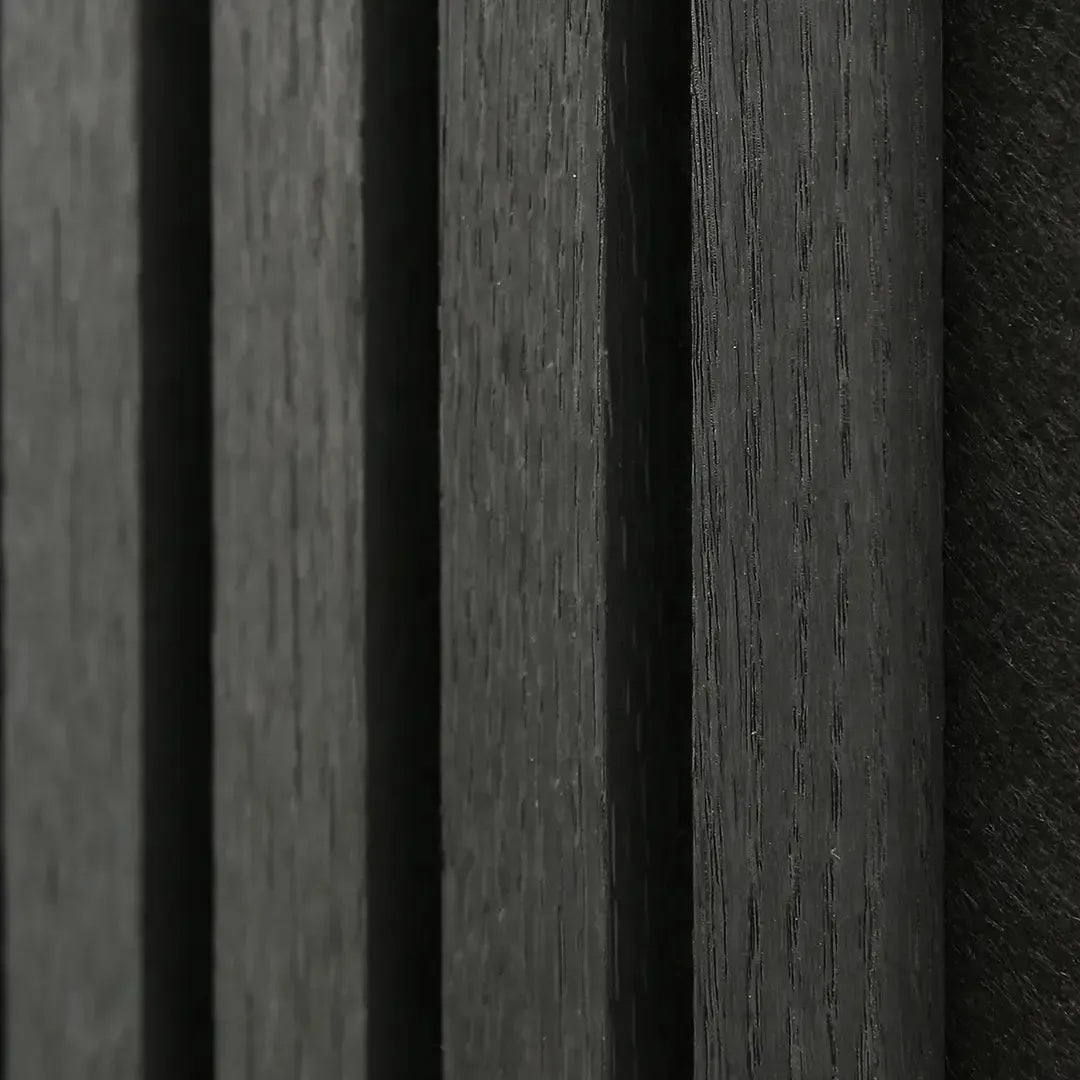
- Acoustic Slat Wall Panel Black Oak ($177.95) hides scuff marks best on impact zones near trampoline beds — Buy.
- Skip thin decorative-only panels with no felt backing — they look right but do nothing for reverberation in a 20-foot ceiling arena.
- Fire-rated backing matters more here than in a living room install — check code before you order at scale.
Why this matters
A trampoline park's main arena typically runs 18,000 to 40,000 square feet of hard surfaces: concrete floor, steel trusses, glass entry walls. Sound bounces instead of absorbing, and reverberation times in uncontrolled commercial spaces this size regularly exceed 2 seconds — double what's comfortable for staff giving safety instructions over a PA system.
Acoustic wood panels solve this differently than foam or fabric panels. Real wood veneer over a felt or acoustic-fiber core absorbs mid-to-high frequency noise (the screeching, thudding range trampoline parks generate) while surviving impact, moisture from sweat, and daily wipe-downs that foam can't take. Check the fire-retardant slat wall panel guide for commercial projects before you spec anything for a space with an occupancy permit — fire code is the first thing an inspector checks in 2026, not the last.
Who this is for
This guide is for trampoline park owners, facility managers, and commercial contractors specifying interior wall finishes for arenas, foam pit surrounds, dodgeball courts, and party rooms. If you're comparing acoustic panels for trampoline park walls against foam baffles or fabric-wrapped fiberglass, the criteria below apply whether you're finishing one 2,000 sq ft party room or a full 30,000 sq ft park build-out.
What to look for in acoustic panels for trampoline park walls
Impact and scuff resistance
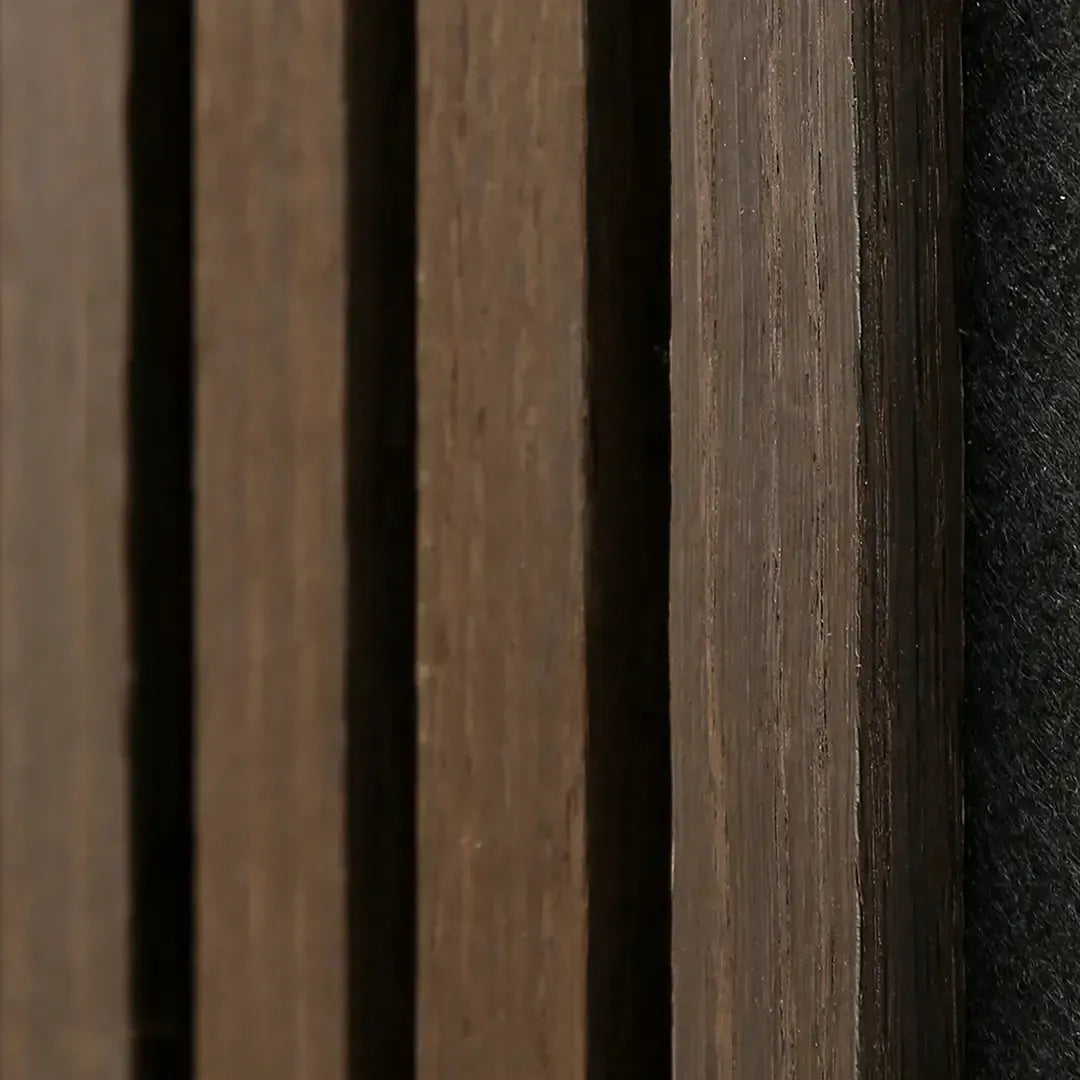
Trampoline parks see contact with panels daily — kids leaning, bouncing off perimeter padding, staff mopping walls down. A veneer that scratches or delaminates within a year isn't commercial-grade, regardless of what the spec sheet claims. Darker finishes like black oak and smoked oak hide scuffs better than pale natural oak in high-traffic zones.
Acoustic performance (NRC rating)
NRC — Noise Reduction Coefficient — tells you how much sound a panel absorbs versus reflects. A panel rated NRC 0.75 absorbs 75% of incident sound energy; anything under 0.50 barely moves the needle in a 20-foot-ceiling arena. Felt-backed hexagon and slat panels in the 0.70-0.75 range are the minimum for main arena walls, not an upgrade option.
Fire rating and commercial code compliance
Trampoline parks are assembly occupancies under most local fire codes, which means wall finishes get scrutinized harder than a residential remodel. Confirm fire-retardant backing before ordering panels at scale — retrofitting after a failed inspection costs far more than specifying correctly the first time in 2026.
Cleaning and maintenance under heavy foot traffic
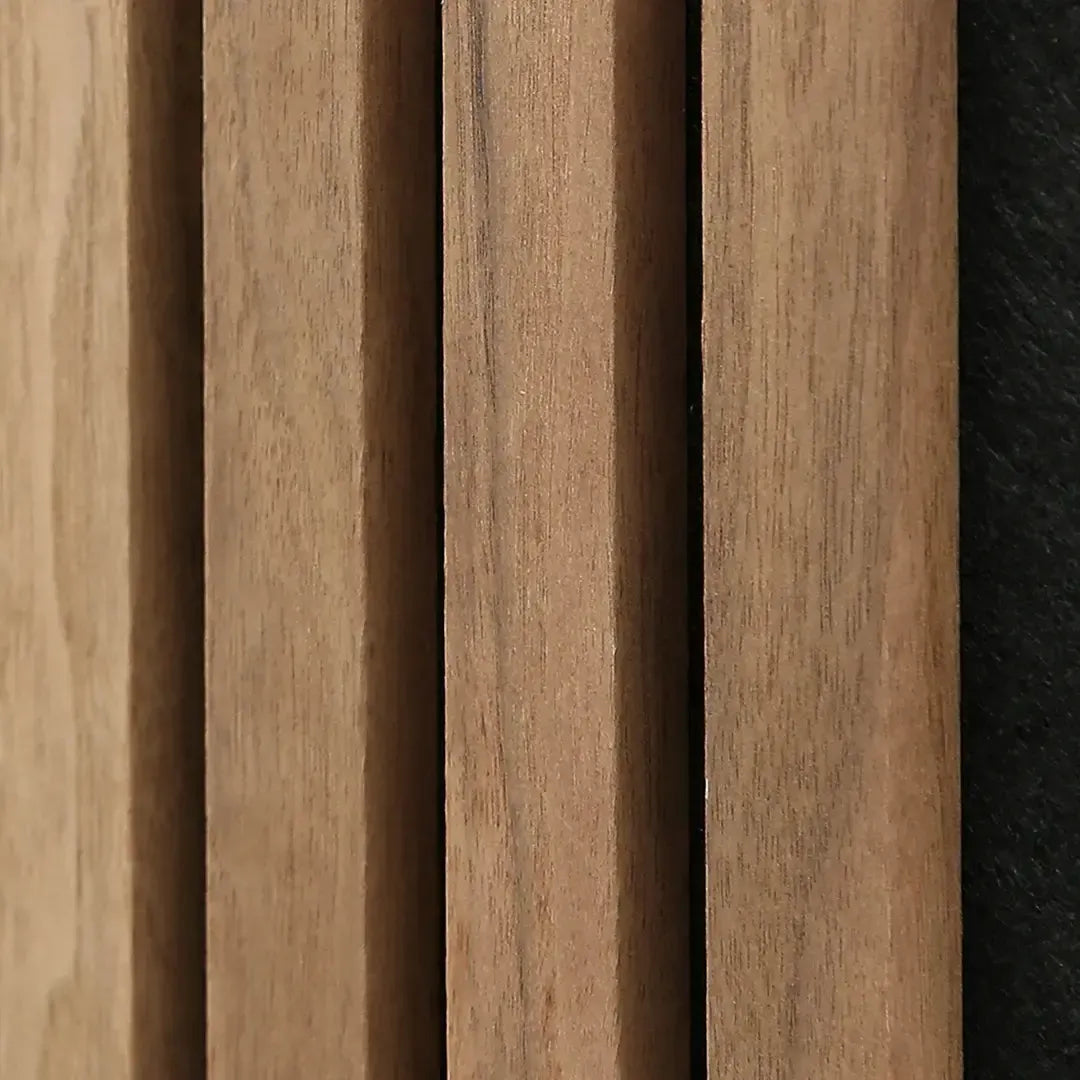
Parks generate sweat, dust, and food residue in party rooms, plus daily commercial cleaning schedules. Panels need a surface that tolerates a damp wipe-down without swelling or staining — laminated 3-sided veneer handles this better than raw wood facing.
Installation speed against downtime
Every day a wall section is under construction is a day of lost admission revenue. Panels that click or clip into place without adhesive cure time let a contractor finish a 500 sq ft section in a single shift instead of stretching install across a week.
Cost at commercial scale
A single 4-panel hexagon box covers roughly 32 inches of wall per panel at $148.95 to $165.95 depending on finish — budgeting for 2,000+ sq ft of arena wall changes the math fast. Compare price per square foot across finishes before locking in a full order, not just per-box sticker price.
Top picks for trampoline park walls
The safe pick — Hexagon Acoustic Panel Smoked Oak. NRC 0.75, $165.95 per 4-panel box (32-inch panels), dark tone that resists visible scuffing on impact walls. This is the panel to spec for main arena perimeter walls where kids make contact daily. Buy.
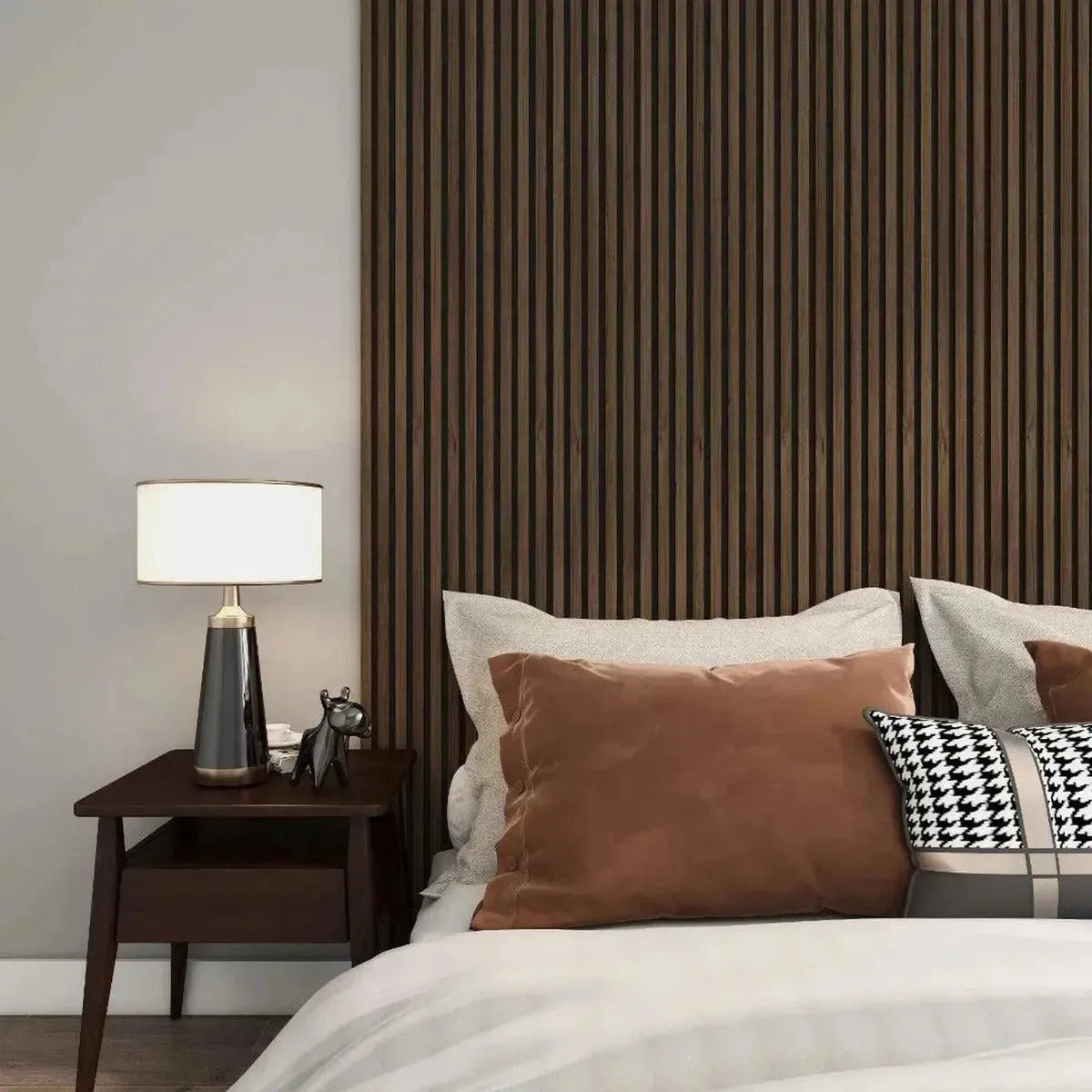
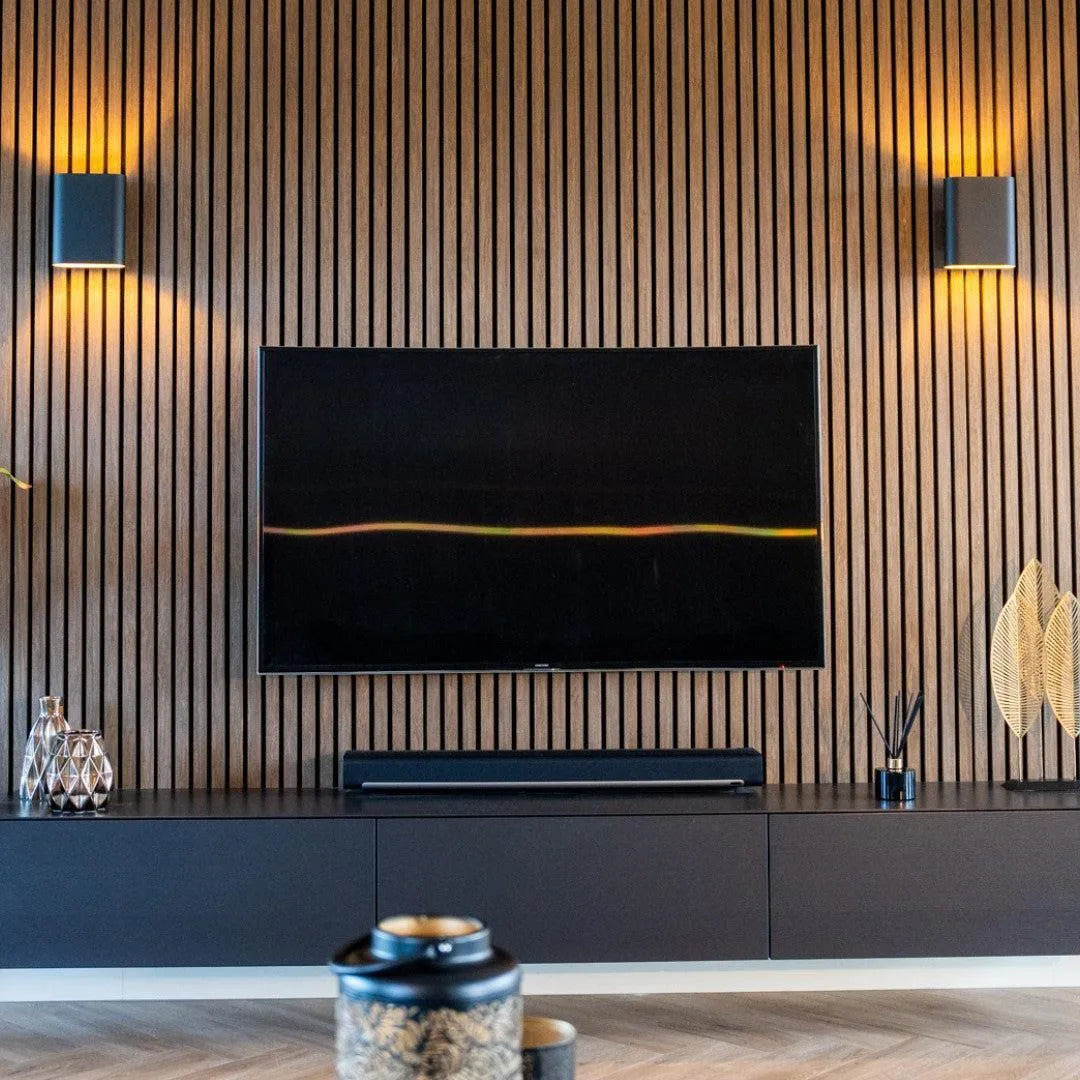
The durability pick — Acoustic Slat Wall Panel Black Oak. At $177.95, the black-oak veneer over a 3-sided wood veneer core hides marks better than any lighter finish in the lineup, and slat geometry channels sound into the felt backing rather than bouncing it back into the arena. Party rooms and dodgeball courts with constant hand contact are the right application. Buy.
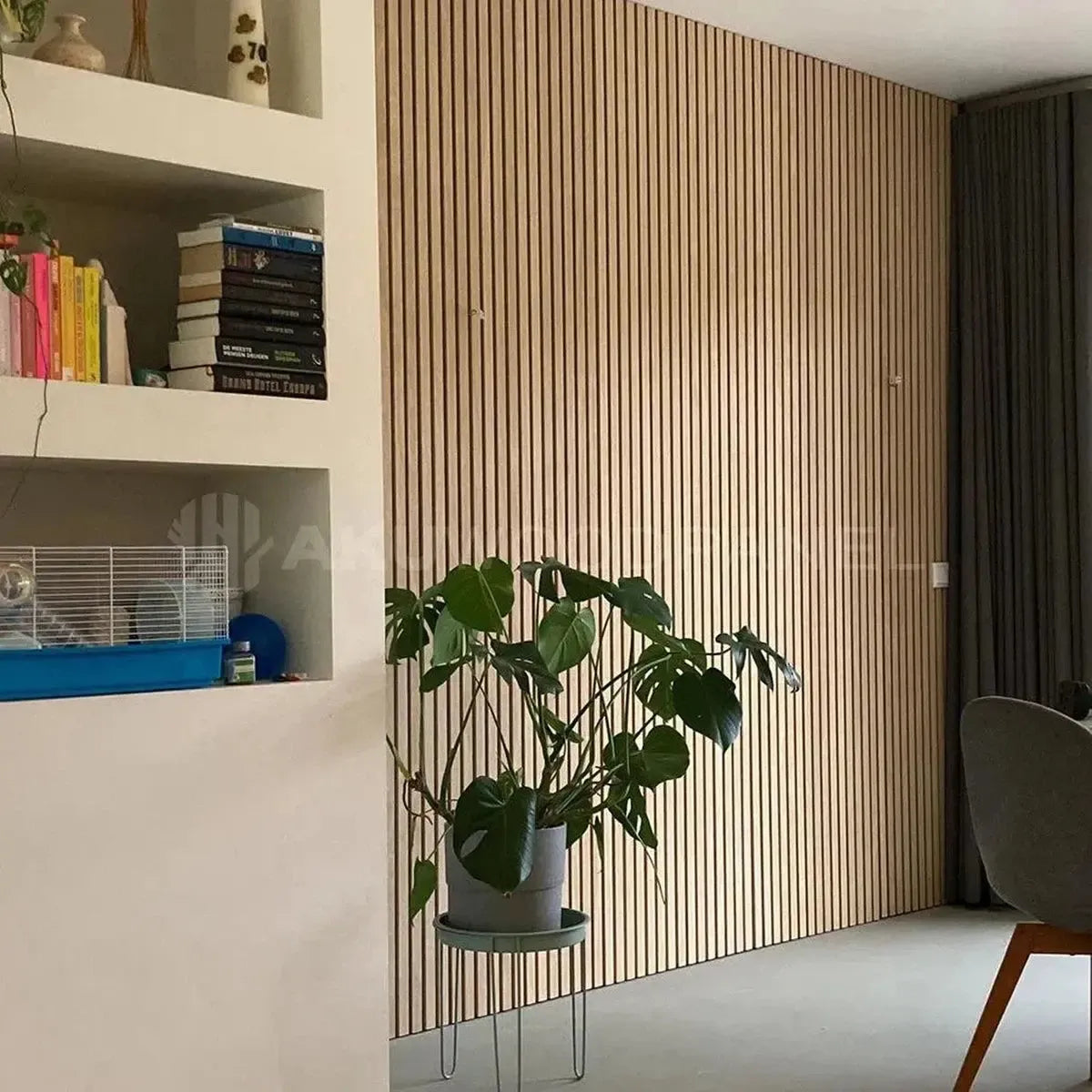
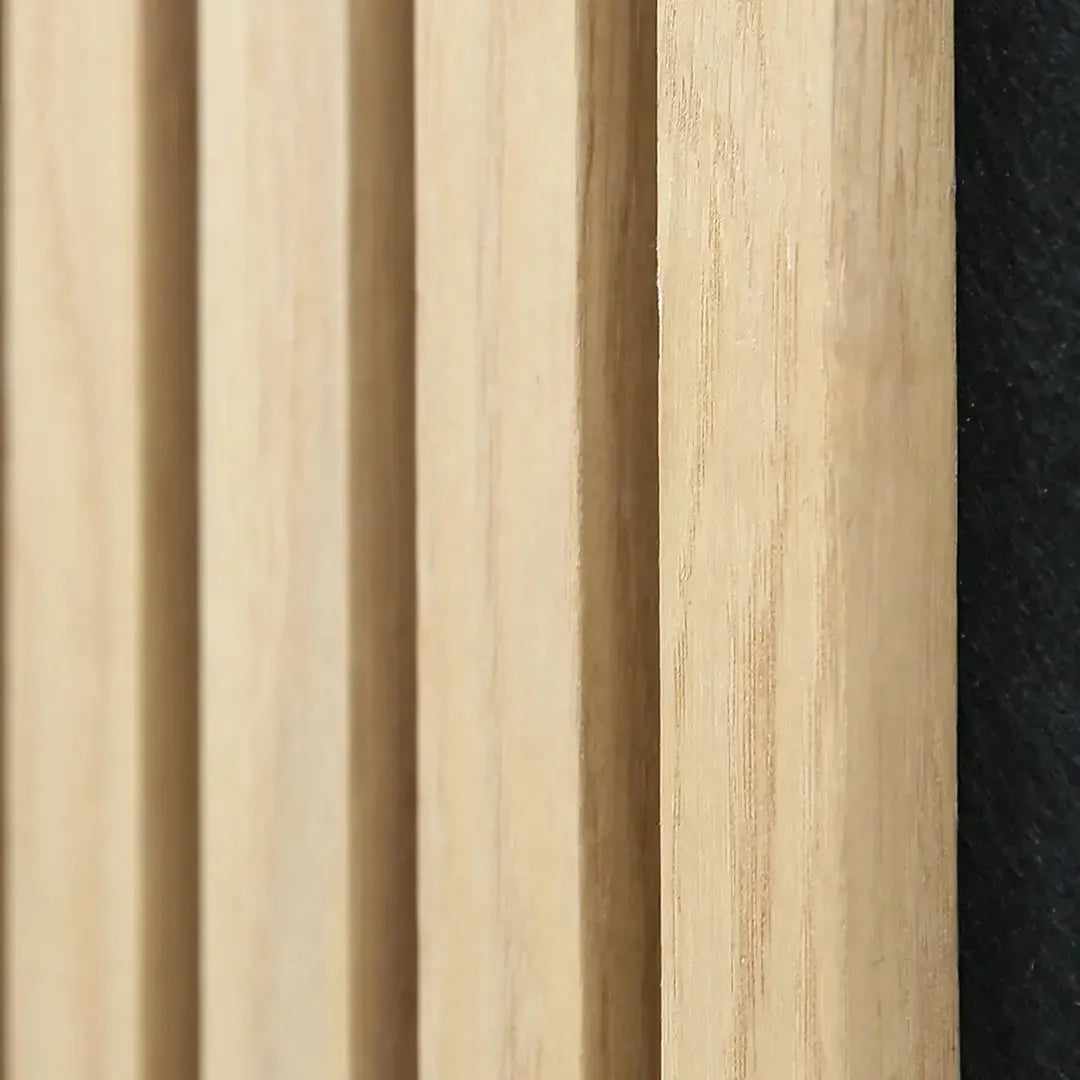
The budget entry — Acoustic Slat Wall Panel Natural Oak. Priced at $169.95, this is the standard commercial-grade option for lower-traffic zones like check-in lobbies and hallways where impact resistance matters less than acoustic coverage. Consider for secondary spaces, not primary bounce walls.
The wildcard — Hexagon Acoustic Panel Gray Walnut with Gray Felt. At $165.95, the geometric hexagon layout reads more "modern arena" than a straight slat run, and the gray felt pairs well with rubber flooring commonly used in trampoline parks. Consider for feature walls near entrances or photo zones, not full-arena coverage.
Skip for arena walls — thin decorative-only panels without felt backing. They photograph well but carry no meaningful NRC rating, meaning you'll spend the budget and still hear the same 2-second reverberation on opening day. Skip.
For a broader look at how commercial gyms solve the same reverberation problem, the acoustic wood panels for commercial gym noise control breakdown covers the crossover use cases — trampoline arenas and gym floors share the same hard-surface acoustic problem.


What to avoid
- Foam panels with fabric wrap in kid-facing zones. They tear, stain, and look worn within months under trampoline park traffic — wood veneer over felt holds up far longer under the same conditions.
- Panels with no published NRC rating. If a supplier can't give you a number, assume it's under 0.40 and won't move the needle in a 20,000+ sq ft arena.
- Adhesive-only installation systems for high-traffic walls. Constant vibration from bounce impact can loosen adhesive-mounted panels faster than clip or track systems designed for commercial use.
Verdict comparison
| Panel | NRC Rating | Price (per box) | Best zone | Verdict |
|---|---|---|---|---|
| Hexagon Acoustic Panel Smoked Oak | 0.75 | $165.95 | Main arena perimeter | Buy |
| Acoustic Slat Wall Panel Black Oak | Felt-backed slat | $177.95 | Party rooms, dodgeball courts | Buy |
| Hexagon Acoustic Panel Gray Walnut w/ Gray Felt | 0.75 | $165.95 | Entrance, feature walls | Consider |
| Acoustic Slat Wall Panel Natural Oak | Felt-backed slat | $169.95 | Lobbies, hallways | Consider |
| Thin decorative panel, no felt | Unrated | Varies | None for arenas | Skip |
FAQ
What NRC rating do acoustic panels for a trampoline park need?
Aim for NRC 0.70 or higher on main arena walls in 2026. Panels below 0.50 provide minimal absorption in a high-ceiling commercial space and won't meaningfully cut reverberation.
Are wood veneer acoustic panels durable enough for trampoline park impact zones?
Yes, when the panel uses a 3-sided wood veneer over a felt or fiber core rather than a decorative-only laminate. Black oak and smoked oak finishes hide scuffs better than pale finishes under daily contact.
How much do acoustic panels for trampoline park walls cost?
Hexagon and slat panel boxes run $148.95 to $182.95 depending on finish and felt backing as of 2026. Budget per square foot rather than per box when pricing a full arena.
Do trampoline park walls need fire-rated acoustic panels?
Most trampoline parks fall under assembly occupancy codes, which means fire-retardant backing should be confirmed before ordering at scale. Check local code requirements before finalizing a commercial order.
Is hexagon or slat panel design better for arena walls?
Both hit NRC 0.75 in the felt-backed versions, so the choice comes down to look and impact zone. Slat panels channel sound cleanly on straight runs; hexagon panels work well on feature walls and entrances.
Can foam acoustic panels work instead of wood panels in a trampoline park?
Foam absorbs sound but tears and stains under heavy foot and hand contact within months. Wood veneer over felt lasts significantly longer under the same commercial traffic conditions.
How many panels does a trampoline park arena need?
Coverage depends on wall height, ceiling height, and how much perimeter is treated versus left bare. Calculate square footage per wall section before ordering to avoid under-buying for a 2026 build-out.
One last thing
The felt-backed hexagon panels and the felt-backed slat panels both land at NRC 0.75 — the real decision isn't acoustic performance, it's which finish survives daily contact best in your specific bounce zones. Order the full sample box before committing to a multi-thousand-square-foot order; a $10 test run beats re-ordering after a scuffed wall shows up six weeks into 2026 operations.
 Better performance and aesthetic appeal
 In Stock