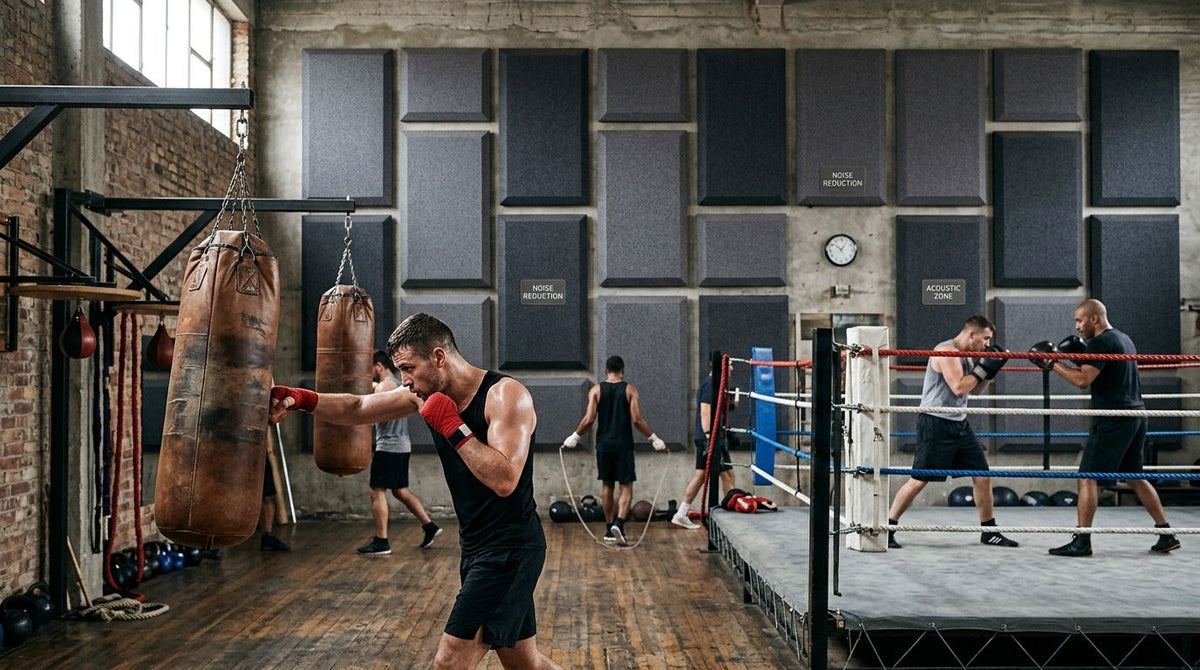
Boxing gym acoustic panels are wood-veneer or foam wall treatments installed around the ring, bag rows, and reception to absorb the slap of gloves, the bell, and sound bouncing off concrete floors and mirrored walls, with the goal of protecting hearing and keeping coaching instructions audible over the noise. A boxing gym's acoustic problem is different from a general fitness studio's: rhythmic, percussive impact noise from bags and pads competes with music and coaching calls, inside a room built with hard floors, glass, and often a metal ring frame that reflects sound instead of absorbing it.
- Acoustic panels for boxing gym walls work best when they cover the ring and bag area first, not the whole room.
- Akuwood Panel's Hexagon Acoustic Panel carries an NRC rating of 0.75, built to absorb gym-level echo. Best for ring-side walls.
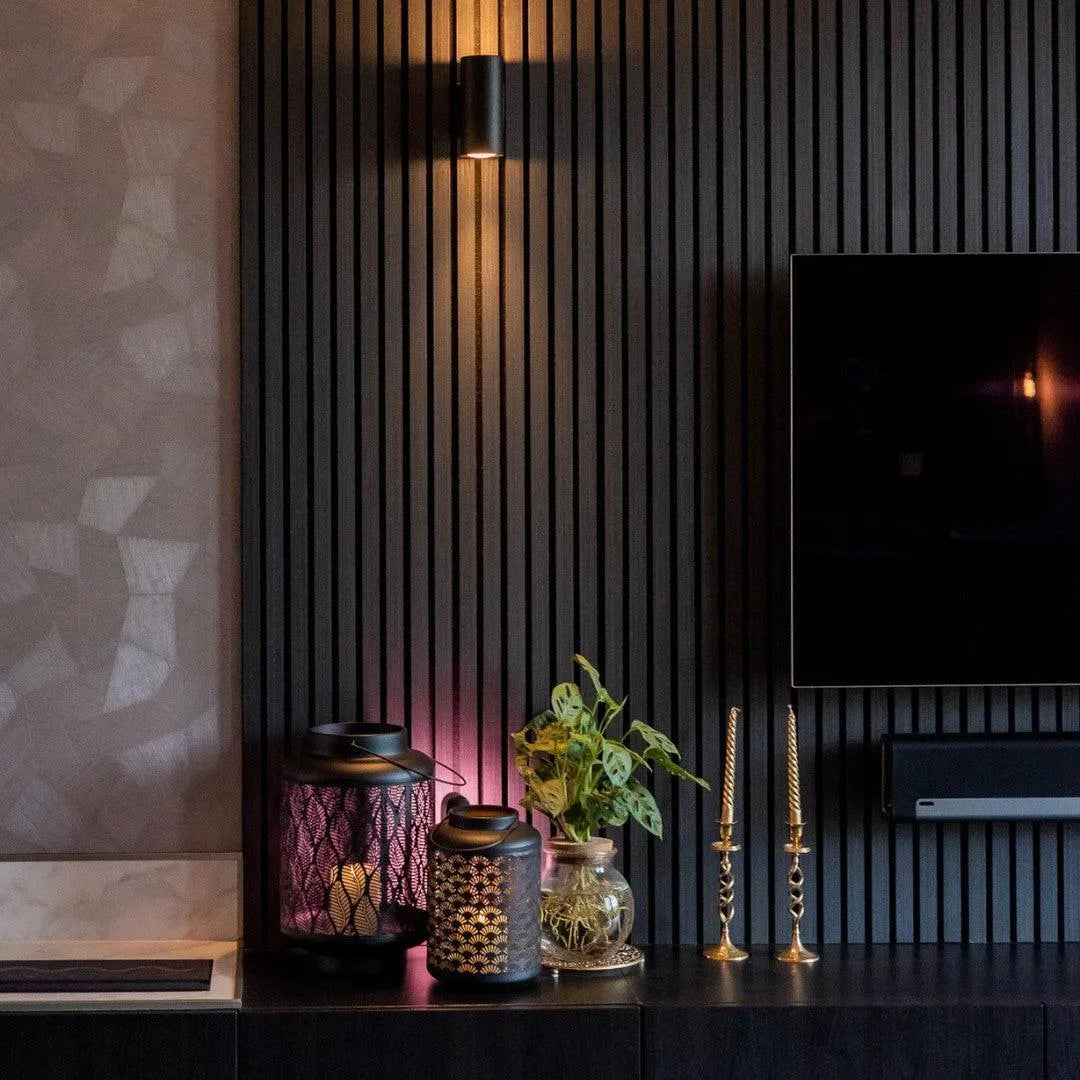
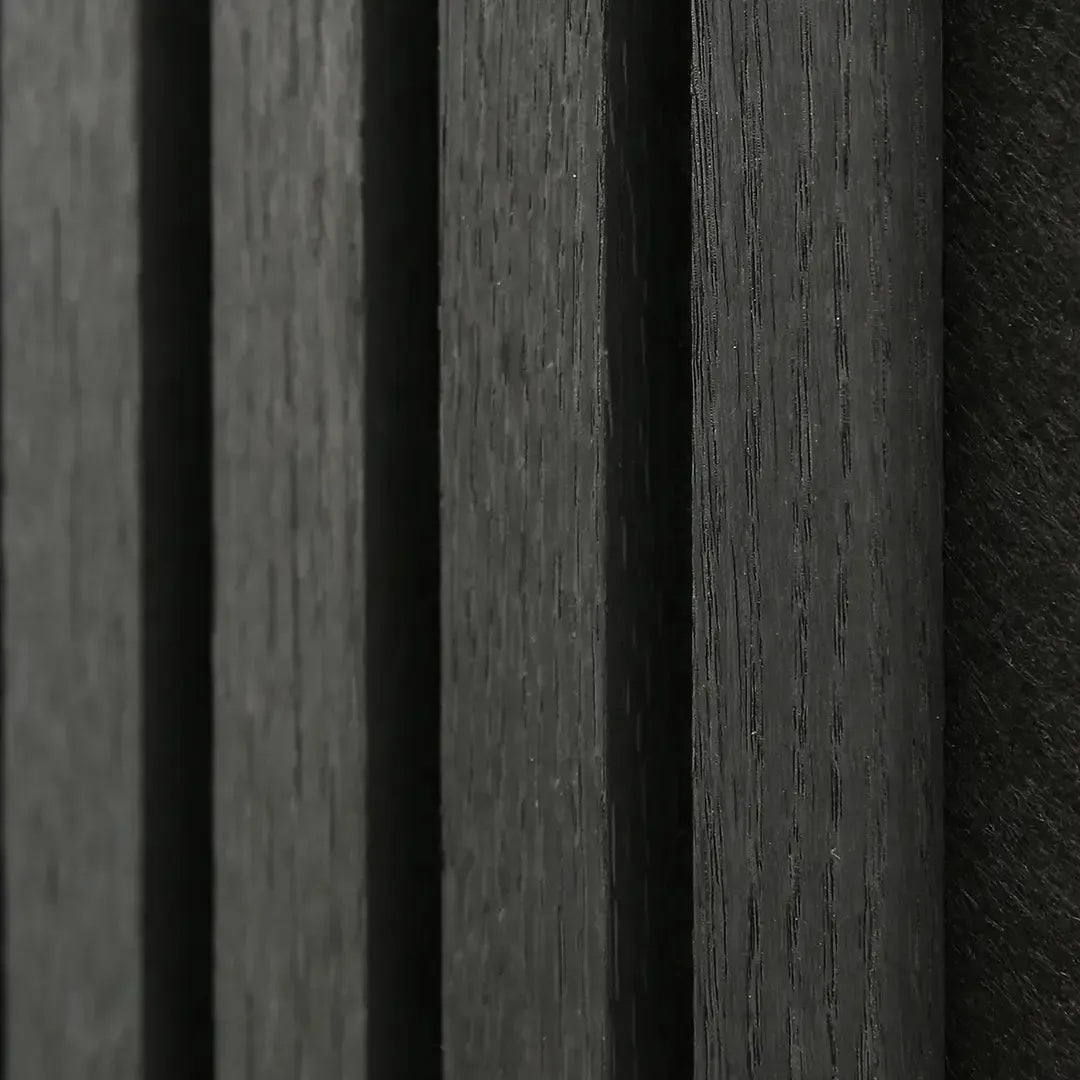
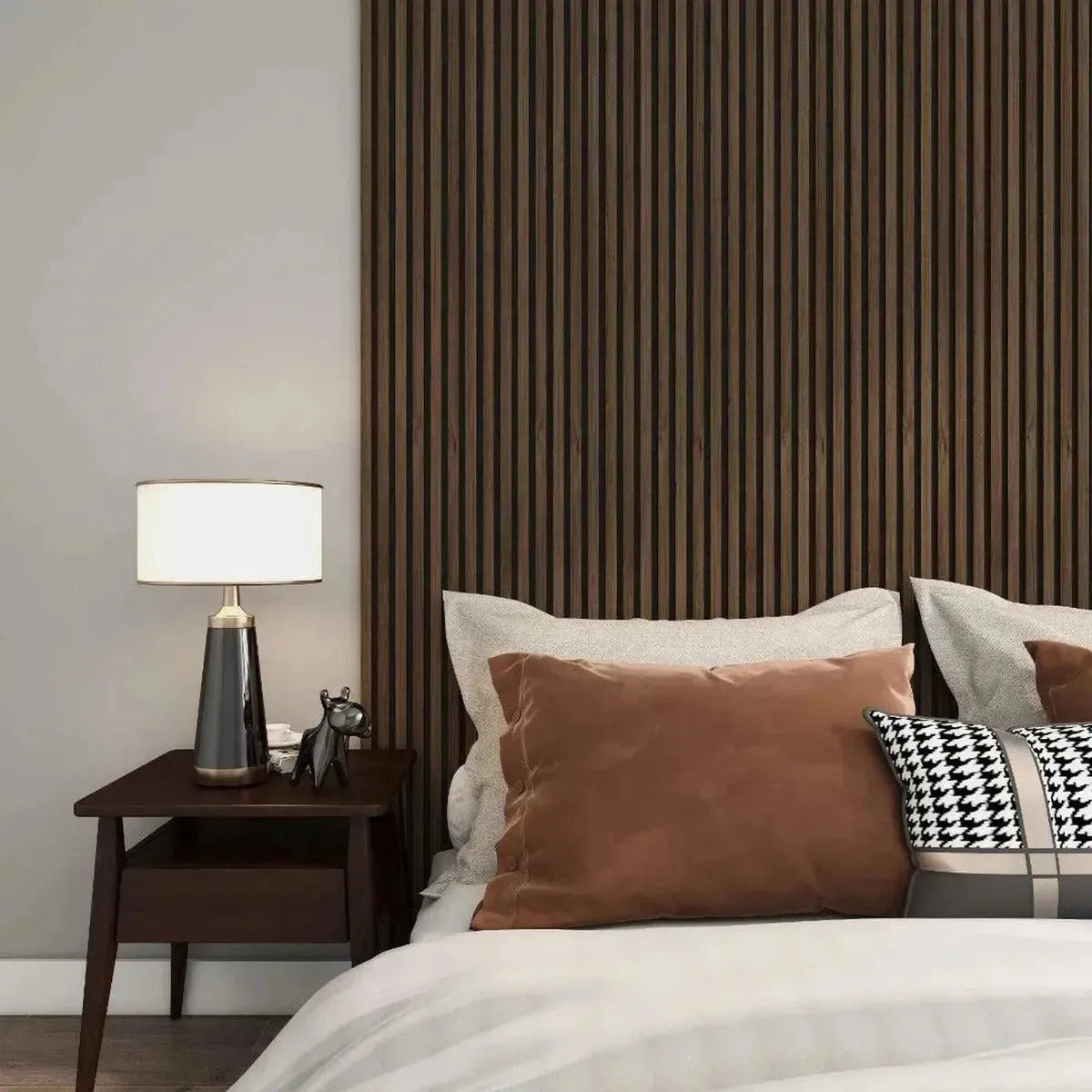
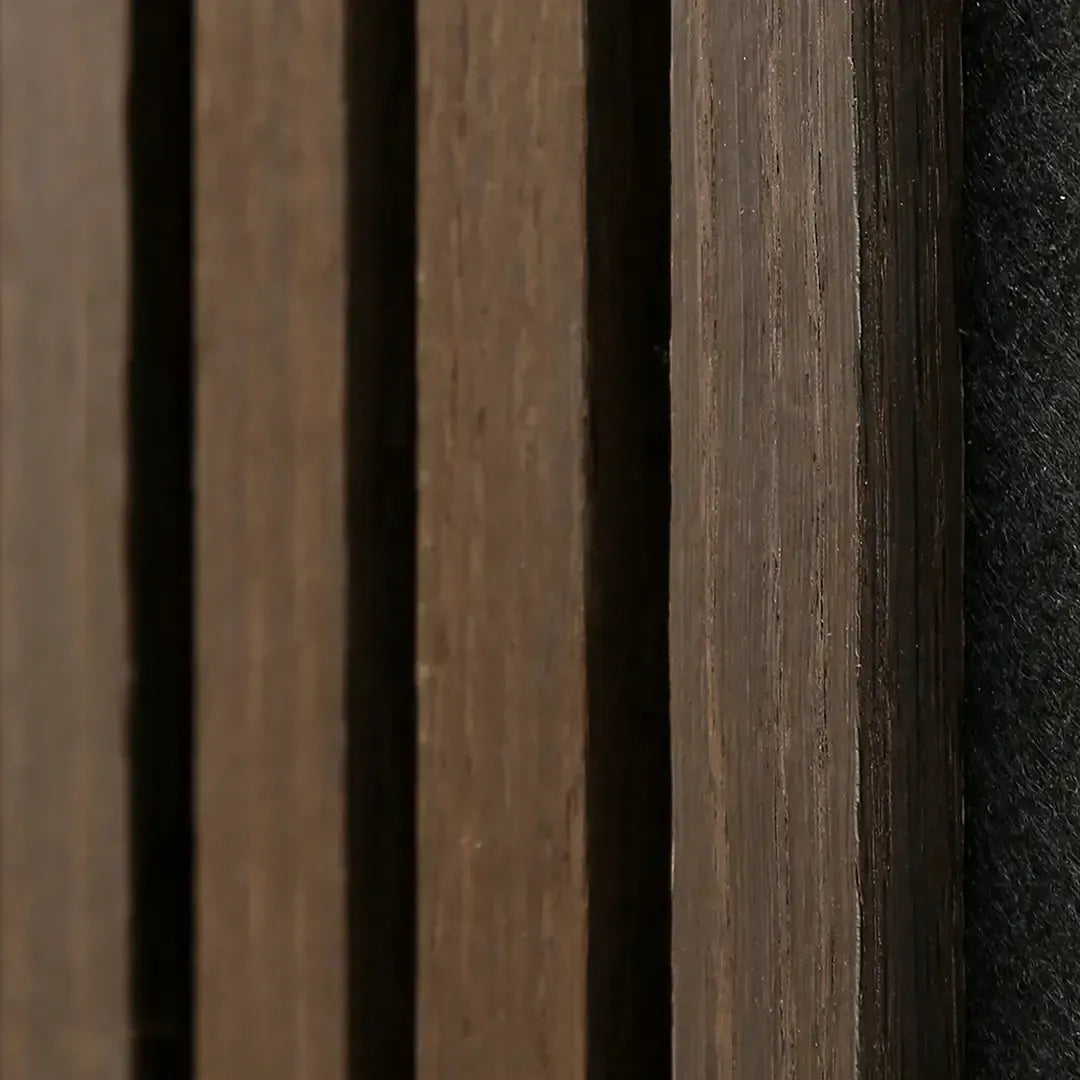
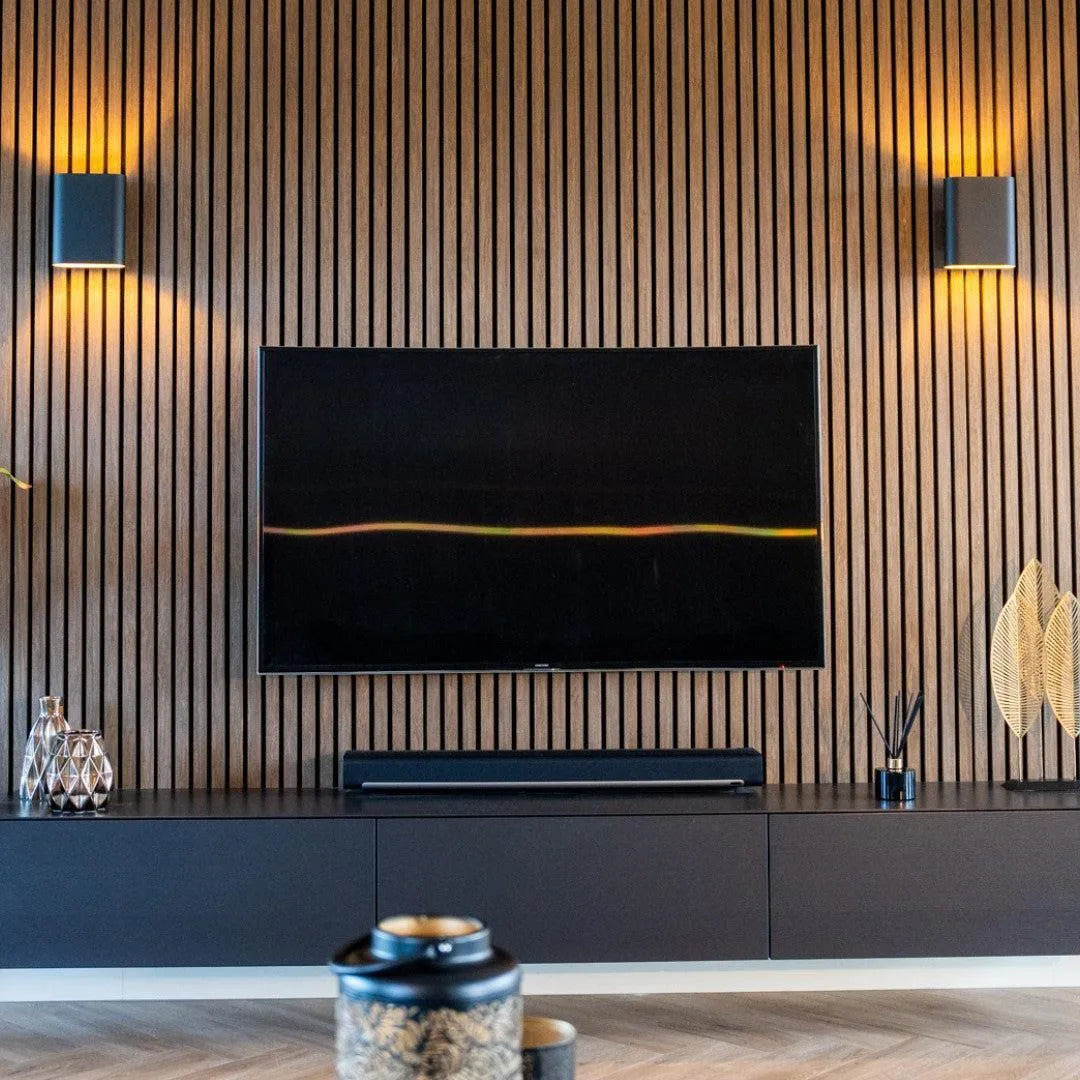
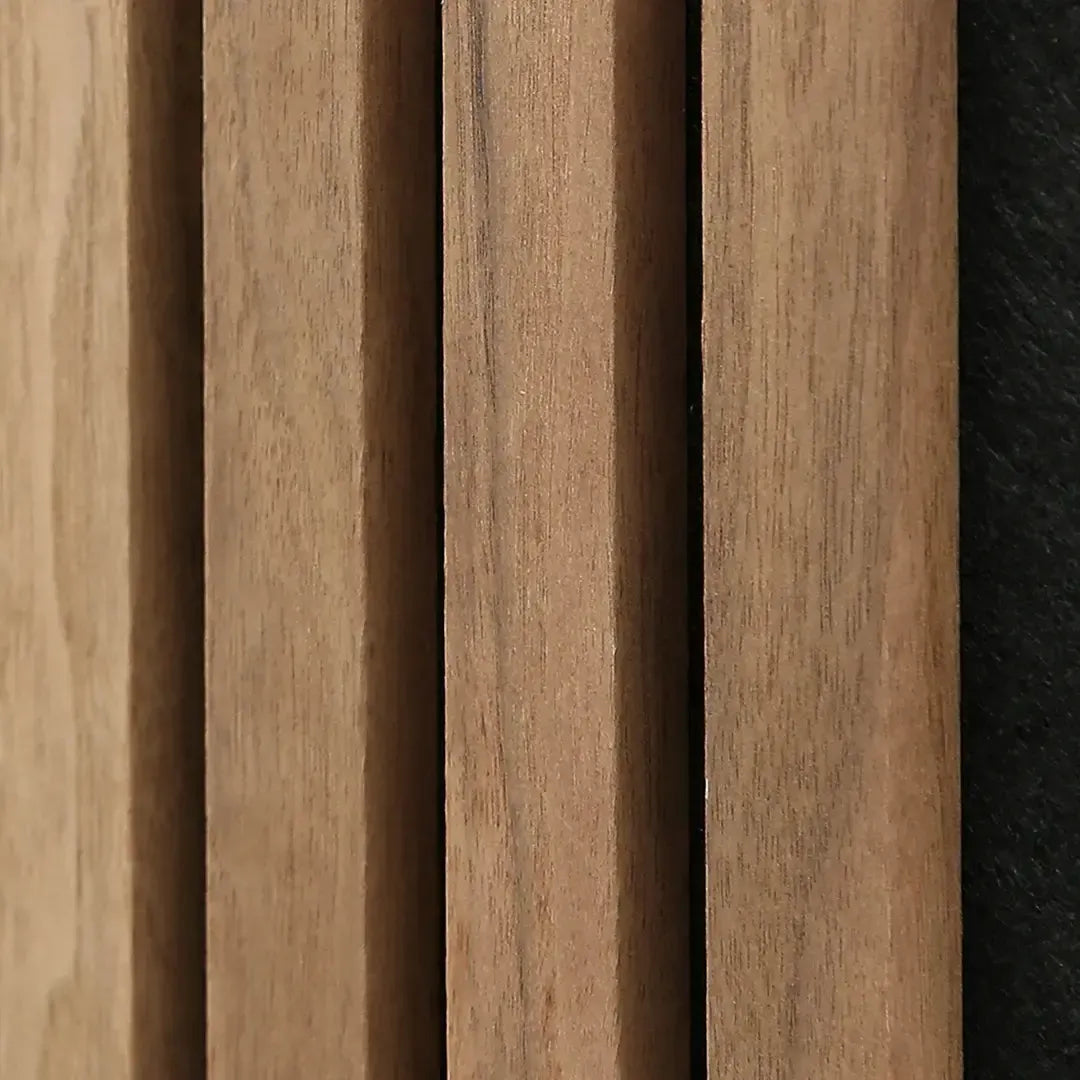
- The Acoustic Slat Wall Panel Black Oak suits gyms wanting a darker, low-glare wall behind mirrors and equipment.
- Foam pads cost less upfront but wear out faster under punching-bag vibration and gym humidity than wood veneer panels.
Why acoustic panels matter for boxing gym noise control
A boxing gym's biggest noise source isn't music, it's impact. Every bag strike, pad hit, and bell ring reflects off concrete, glass, and steel instead of getting absorbed, which is why boxing gyms report echo complaints that a yoga studio or CrossFit box rarely deals with in the same way. Untreated rooms make coaching instructions hard to hear across the floor and turn a 60-minute class into a wall of noise by the third round.
For a full breakdown of how commercial gyms treat this problem across cardio floors and free-weight areas, see acoustic wood panels for gym noise control. Boxing gyms need a tighter version of that same fix: panels concentrated where impact noise actually originates, not spread evenly across every wall.
How to fix boxing gym echo, step by step
Measure how bad the echo actually is
Before buying anything, figure out where sound is bouncing hardest. A clap test at the center of the ring or bag row tells you more than a spec sheet.
- Clap once near the ring and count how long the echo tail lasts; anything over 1-2 seconds signals a hard-surface problem
- Walk the floor during a class and note where coaches raise their voice most
- Check which walls face the ring versus the bag rows — these usually need treatment first
- Note ceiling height; gyms with ceilings over 14 ft reflect sound differently than standard 8-9 ft rooms
Target the ring and bag area first
The ring backdrop and the wall behind heavy bags take the most direct hits from sound, so they should be the first surfaces treated in 2026 retrofits, not an afterthought once budget allows.
- Cover the wall directly behind the ring apron before touching side walls
- Treat the wall section behind each row of heavy bags, since repeated strikes create the loudest reflected noise
- Leave a small gap (1-2 inches) behind panels when mounting on concrete for better absorption
- Skip glass and mirror walls at this stage — handle those separately in the next step
Add wall panels behind mirrors and glass
Mirrored walls reflect sound the same way they reflect light, which makes them one of the worst offenders in a boxing gym layout. This is where a manufactured panel system starts to outperform DIY foam tiles, because it needs to look finished in a space members actually watch themselves in.
- Frame out sections around mirrors instead of covering them, keeping sightlines for shadowboxing
- Use a wood-veneer acoustic panel like the Acoustic Slat Wall Panel Black Oak on adjacent wall sections for a finished look that doesn't clash with mirrors
- Avoid foam tiles near reception glass — they discolor faster under sunlight than veneer panels
- Mount panels flush with furring strips so mirrors and panels sit on the same plane
Treat the ceiling if it's exposed
Gyms with open ceilings over 12-14 ft lose a lot of the bell, whistle, and shouted-count sound upward before it comes back down as echo.
- Add ceiling baffles or hanging panels over the ring and bag rows specifically, not the whole ceiling
- Prioritize this step in gyms with metal roof decking, which reflects sound harder than drywall
- Combine ceiling treatment with wall panels for the fastest drop in reverberation time
- Skip ceiling work first if budget is tight — wall coverage behind the ring delivers more noticeable results per dollar
Separate the loud floor from the quiet zones
Reception desks, stretching corners, and recovery areas need a different acoustic approach than the ring and bag rows.
- Use lighter absorption near reception so conversations aren't swallowed entirely
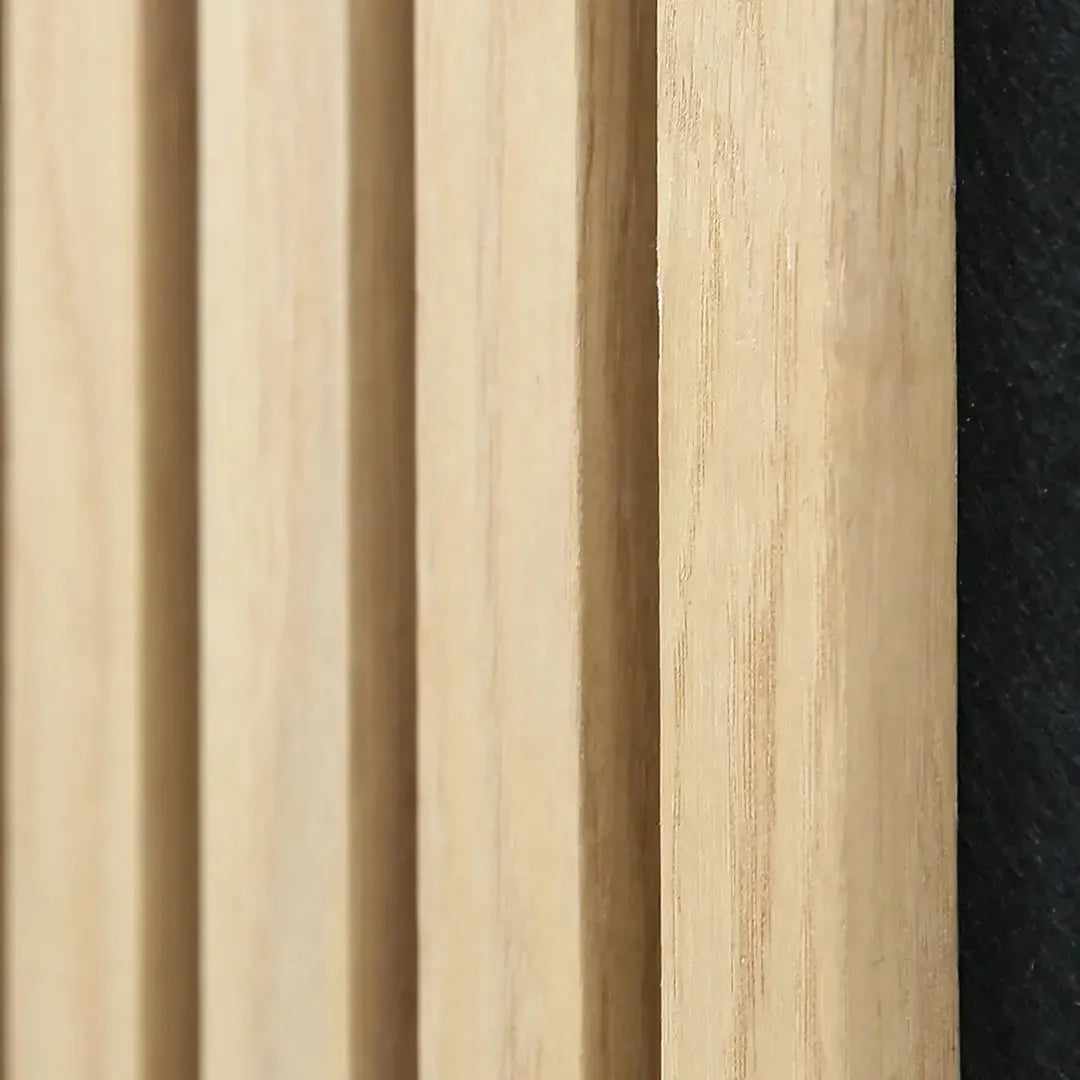
- Add a felt-backed panel option in quiet zones for a softer finish than the gym floor's harder wood veneer
- Keep a visual break (color or material change) between the loud training floor and the quiet zones so members register the shift
- Avoid identical panel coverage everywhere — over-treating a reception desk wastes budget that's better spent ring-side
Pick panel material for gym-level wear
Gym humidity, sweat, and constant impact rule out some materials that work fine in offices or living rooms.
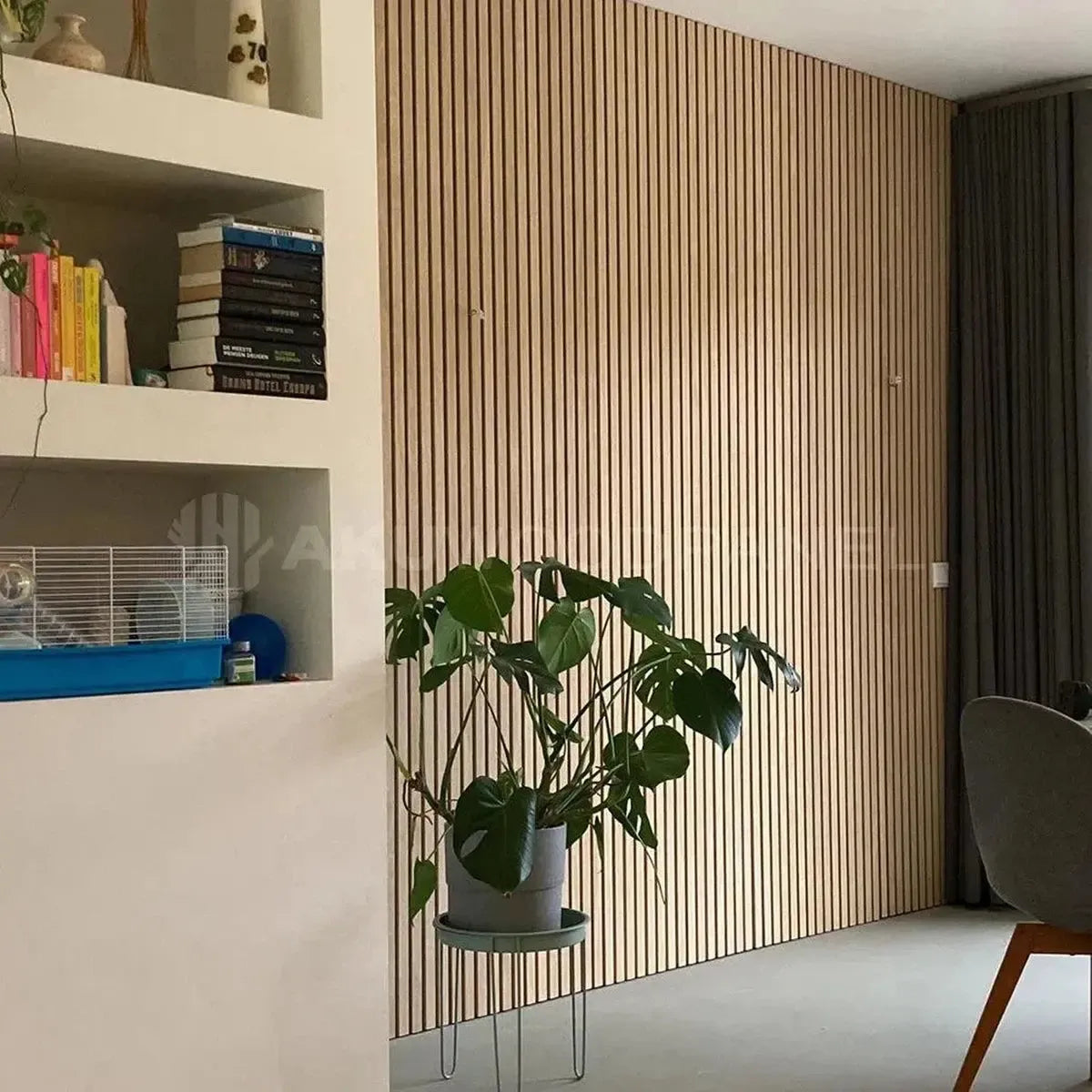
- Choose a solid wood-veneer slat panel over painted MDF for rooms with high humidity swings
- Confirm the panel's felt or acoustic backing is rated for sound absorption, not just decorative slats
- Ask about maintenance before installing near heavy-traffic zones — some finishes need more upkeep against sweat exposure than others
- Rule out raw foam tiles for any wall within striking distance of a heavy bag; they compress and tear faster than veneer panels


Plan for coverage percentage, not just spot treatment
A few panels scattered on one wall rarely fix echo in a 2,000+ sq ft training floor.
- Aim for coverage across the highest-reflection surfaces first: ring backdrop, bag wall, and any facing mirrors
- Expand coverage in phases if budget is limited — ring-side first, reception and quiet zones later
- Reassess with a second clap test after the first phase before ordering more panels
- Don't assume ceiling treatment replaces wall coverage — they solve different reflection paths
Maintain panels against sweat and impact
Once panels are up, gym conditions keep working against them.
- Wipe down panels near bag rows regularly to prevent sweat buildup on the veneer finish
- Check felt-backed sections for wear near high-contact zones every few months
- Keep panels away from direct HVAC vents that cycle humidity fast, which stresses wood veneer over time
- Replace or rotate any section showing early separation from moisture before it spreads
“If you can still hear the echo of your own bell three seconds after it rings, the gym needs more than a rug on the wall.”
Comparing panel options for boxing gym noise control
| Option | Best for | Key limitation |
|---|---|---|
| Open-cell foam panels | Small gyms on tight budgets | Breaks down fast under humidity and bag-strike vibration |
| Fabric-wrapped fiberglass panels | Quiet zones like stretching or recovery corners | Fabric traps sweat odor and stains near heavy-use walls |
| Acoustic Slat Wall Panel Black Oak (Akuwood Panel) | Ring-side walls and reception needing a low-glare finish | Needs furring strips or battens for a flush mount |
| Hexagon Acoustic Panel (Akuwood Panel) | Bag rows and mirrored walls needing higher absorption | Individual hexagon units take longer to install than full slat boards |
| Mineral wool baffles | Ceiling treatment in gyms with high, open ceilings | Visible hardware doesn't suit reception or member-facing areas |
Verdict: for boxing gyms retrofitting in 2026, wood-veneer slat and hexagon panels from Akuwood Panel outperform foam on durability near bag rows, while mineral wool stays the better ceiling-only option in gyms over 14 ft.
Common mistakes boxing gyms make with acoustic treatment
- Treating only the front wall and ignoring the ring backdrop, which reflects sound directly at coaches mid-round
- Skipping ceiling treatment in gyms with concrete or metal roof decks over 14 ft, where sound bounces down unchecked
- Choosing foam because it's cheaper, then replacing it within 18-24 months once bag vibration and sweat break it down
- Mounting panels near mirrors and reception glass without checking for moisture exposure from steam or condensation
- Under-covering wall area — stopping at a token section when the ring wall and bag row both need coverage to actually cut the echo
FAQ
What's the best acoustic panel for a boxing gym?
A wood-veneer acoustic slat or hexagon panel is the best acoustic panel for a boxing gym because it holds up better than foam under sweat and bag-strike impact. Akuwood Panel's Hexagon Acoustic Panel carries an NRC rating of 0.75, which makes it a solid pick for bag rows and ring-side walls.
How many acoustic panels does a boxing gym need?
Coverage should focus on the ring backdrop and the wall behind heavy bag rows first, since those surfaces reflect the most sound. Most 2,000+ sq ft gyms see the biggest drop in echo once those two zones are covered, before expanding to reception or quiet areas.
Do acoustic panels stop the sound of heavy bags?
Acoustic panels absorb the reflected echo from bag strikes, not the strike sound itself. They reduce reverberation time in the room, so coaching calls and counts stay audible over the impact noise.
Is wood or foam better for gym acoustic panels?
Wood-veneer panels hold up longer than foam in gym conditions because foam compresses and tears faster under sweat and constant impact. Foam costs less upfront but usually needs replacing well before a wood-veneer panel does.
Where should acoustic panels go in a boxing gym?
Start with the wall behind the ring and the wall behind heavy bag rows, since these reflect the most direct impact noise. Reception areas and stretching corners come next, usually with lighter coverage than the training floor.
How much wall coverage do you need to fix gym echo?
There's no fixed percentage that works for every room, but covering the highest-reflection surfaces first — ring backdrop, bag wall, facing mirrors — produces the most noticeable drop before expanding further. A second clap test after the first phase shows whether more coverage is needed.
Can acoustic panels handle gym humidity and sweat?
Wood-veneer panels with a sealed finish handle gym humidity better than raw foam tiles, which absorb moisture and degrade faster. Panels placed near HVAC vents or direct sweat exposure still need regular wipe-downs regardless of material.
Do acoustic wood panels work in gyms with high ceilings?
Wall panels alone won't fully solve echo in gyms with ceilings over 14 ft; ceiling baffles or hanging panels over the ring and bag rows are needed too. Combining both treatments cuts reverberation time faster than wall coverage alone.
One last thing
Most boxing gyms treating echo in 2026 start with the wrong wall. The ring backdrop, not the front entrance or the mirrored wall, is the single loudest reflection point in the room — cover that first and reassess before spending more on side walls. Akuwood Panel's Hexagon Acoustic Panel carries a published NRC of 0.75, one of the few concrete absorption figures available for a decorative wood panel, which makes it a reasonable ring-side pick when the spec sheet actually matters.
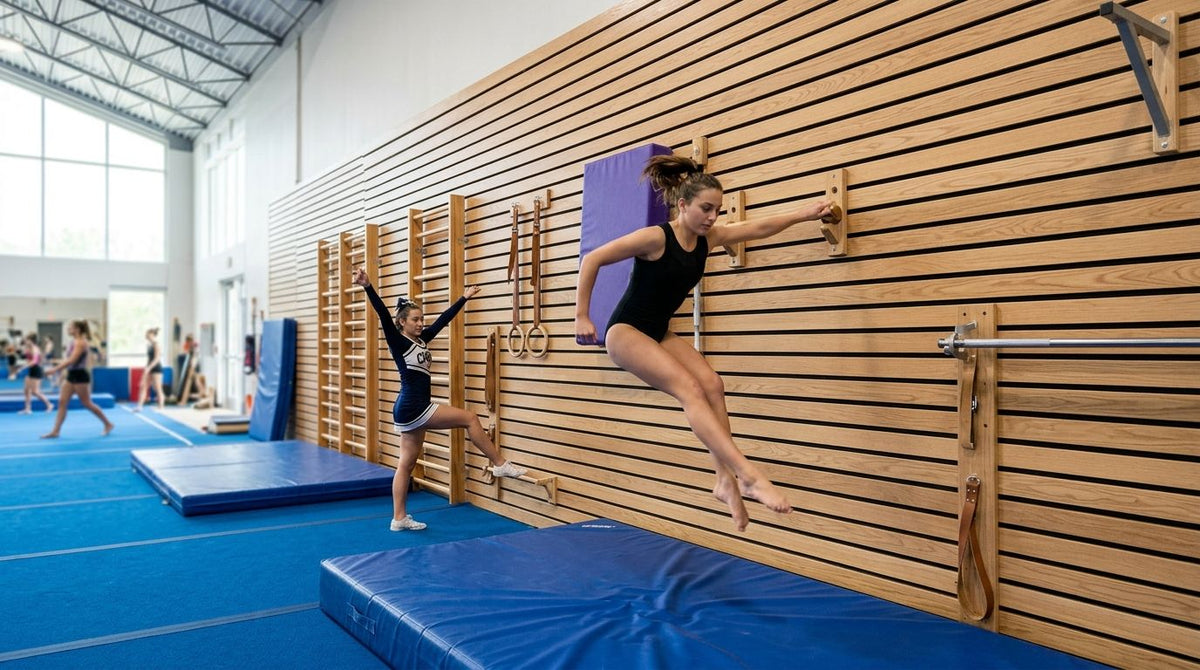


 Better performance and aesthetic appeal
 In Stock