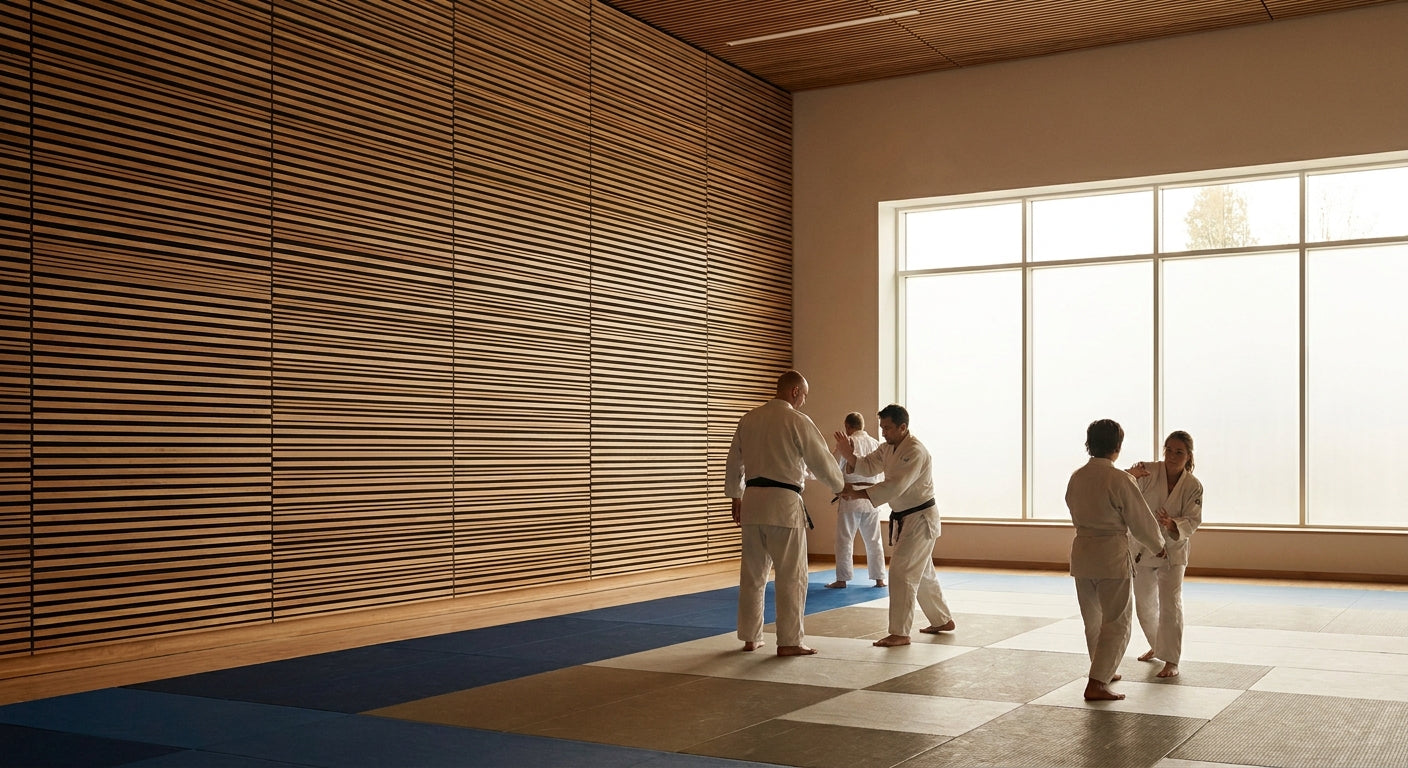
Dojo walls take a beating that living-room walls never see: bare feet slapping mats, sparring partners bouncing off walls, instructors shouting corrections over the echo of a concrete or drywall box. Acoustic panels for martial arts dojo interiors solve two problems at once — they cut the reverb that makes a training hall sound like a gymnasium, and they give the space a finish that looks intentional instead of institutional.
- Acoustic panels for martial arts dojo walls: the Acoustic Slat Wall Panel in Black Oak is the 2026 pick for hiding scuffs on high-contact training walls. Buy.
- Felt-backed slat and hexagon panels hit an NRC of 0.75, the number that actually kills mat-slap echo in an open dojo.
- Order the $10 Full Sample Box before covering a full wall — sweat and repeated contact show up differently than in photos.
- Skip foam acoustic tiles and stick-on felt squares; they compress and tear within one training season of sparring contact.
Why This Matters
A dojo isn't a home theater and it isn't a gym floor — it's somewhere between the two, and most acoustic advice online is written for one or the other. Foam tiles marketed for home studios don't survive kicks and grappling contact. Commercial gym padding solves impact but does nothing for the echo bouncing off a 20-foot ceiling.
Wood slat panels split the difference: a hard veneer face that shrugs off contact, backed by acoustic felt that actually absorbs sound instead of just looking like it does. That's the combination this guide is built around.
Who This Guide Is For
This is written for dojo owners, martial arts studio operators, and the contractors building out training spaces in 2026 — anyone dealing with a rented commercial unit, a converted warehouse bay, or a garage-to-studio conversion where the acoustics were never designed for shouting and mat contact. If you're outfitting a single home dojo or a 3,000-square-foot commercial floor, the criteria below apply the same way; only the coverage math changes.
Start with Akuwood Panel's full slat panel collection to see finish options side by side before narrowing down.
What to Look for in Acoustic Panels for a Dojo
Sound Absorption Rating (NRC)
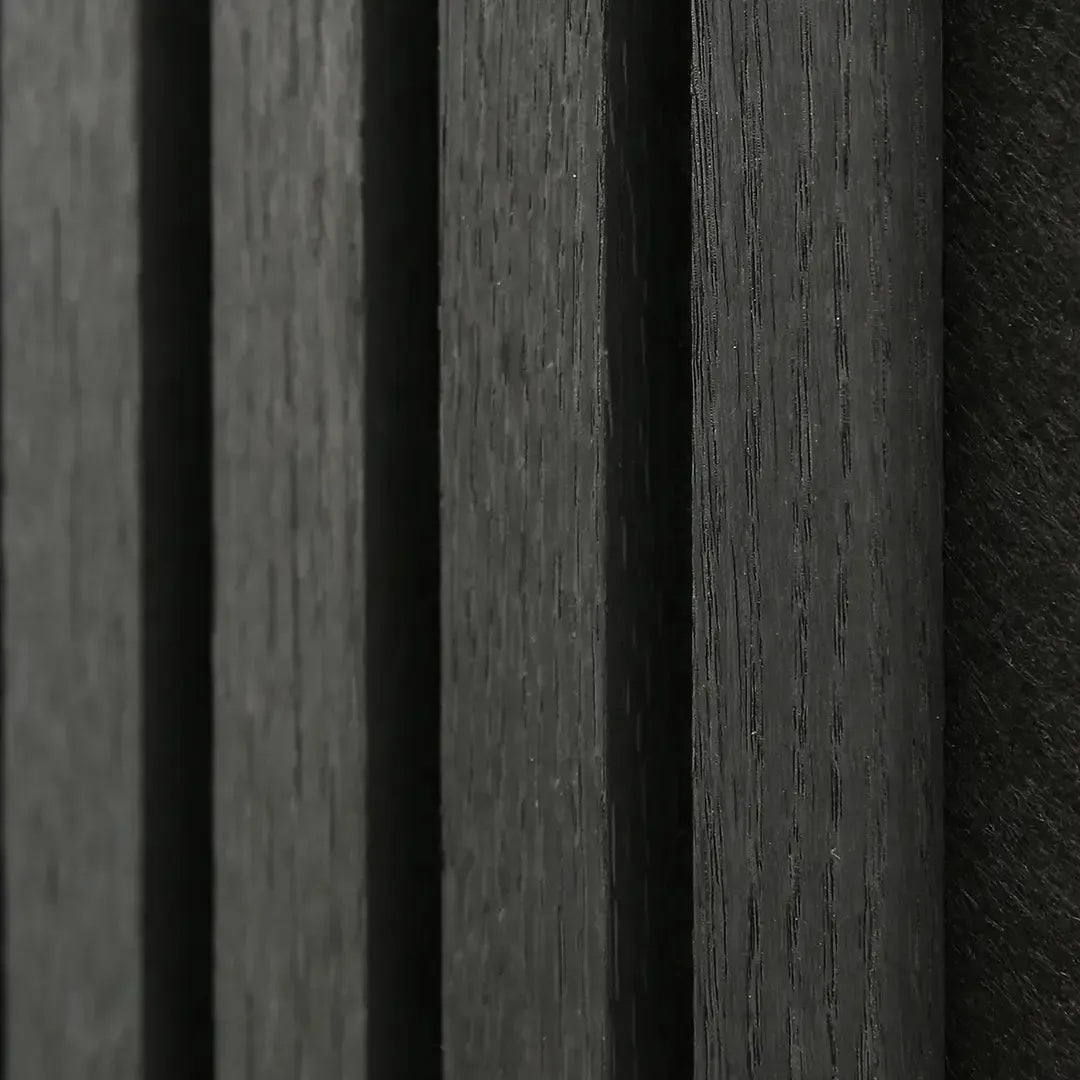
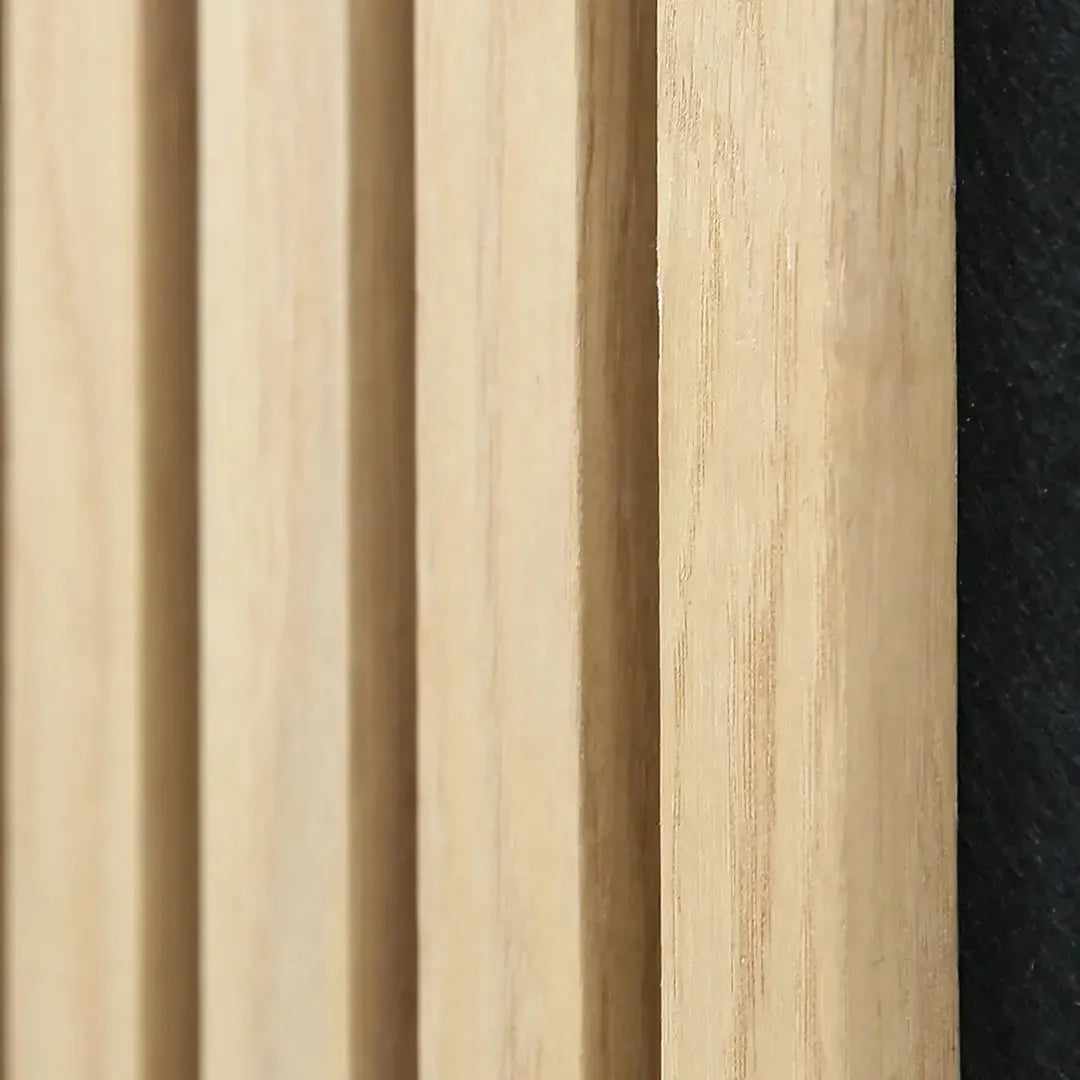
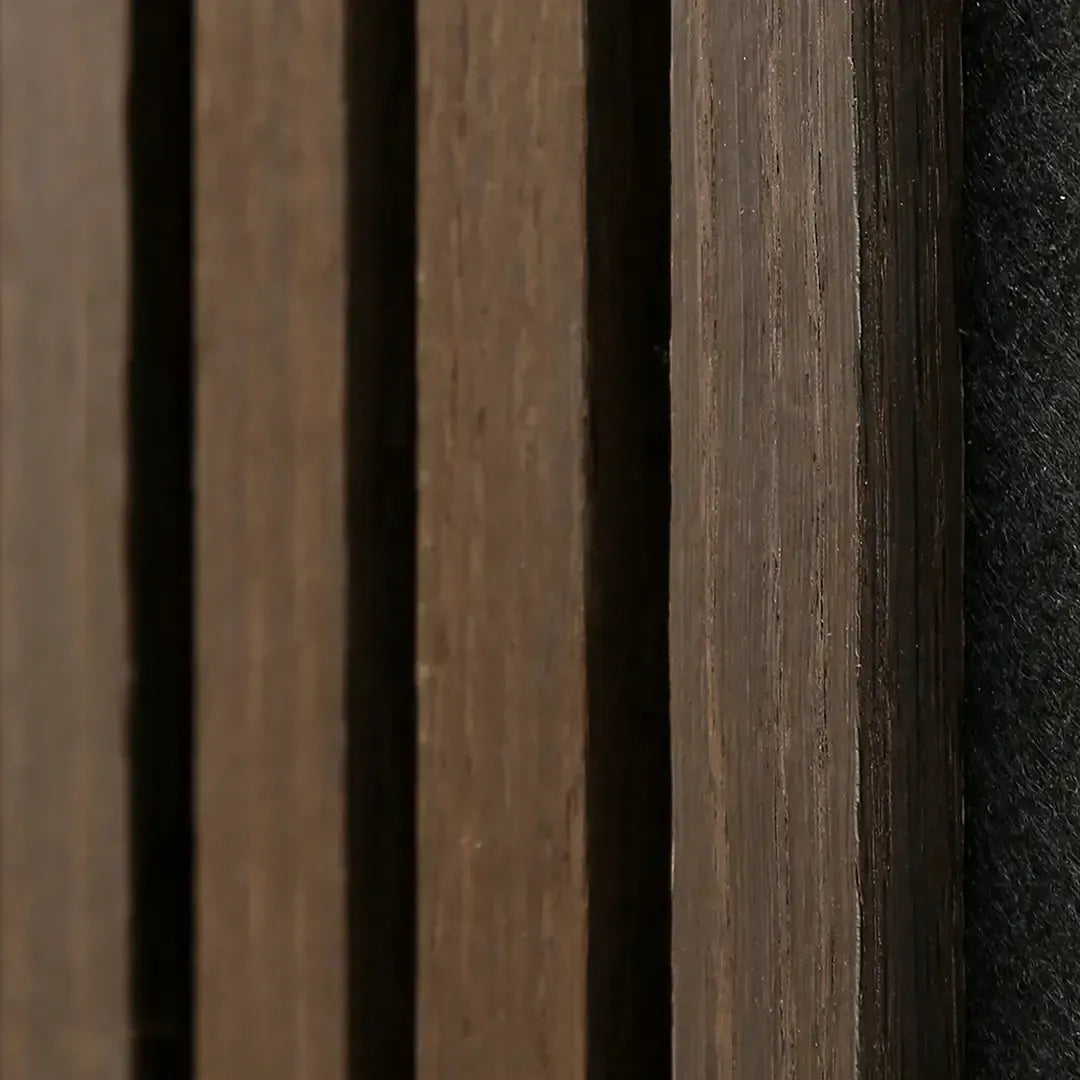
NRC (Noise Reduction Coefficient) tells you how much sound a panel actually absorbs versus reflects. Felt-backed slat and hexagon panels in this lineup carry an NRC of 0.75, which is the range that noticeably tames the echo of shouted commands and mat impact in an open training space. A panel without felt backing is mostly decorative — it looks like an acoustic product but performs closer to plain wood veneer.
Impact and Moisture Resistance
Dojo walls take contact that living rooms never see: bodies checked into walls, weapons practice, sweat in humid rooms without great ventilation. A veneer face needs to survive repeated impact without denting or delaminating, and the panel needs to tolerate humidity swings without the wood grain lifting. This is where cheap MDF-core panels fail first — moisture gets into the edges and the panel swells within a season.
Finish Tone and Dojo Aesthetic
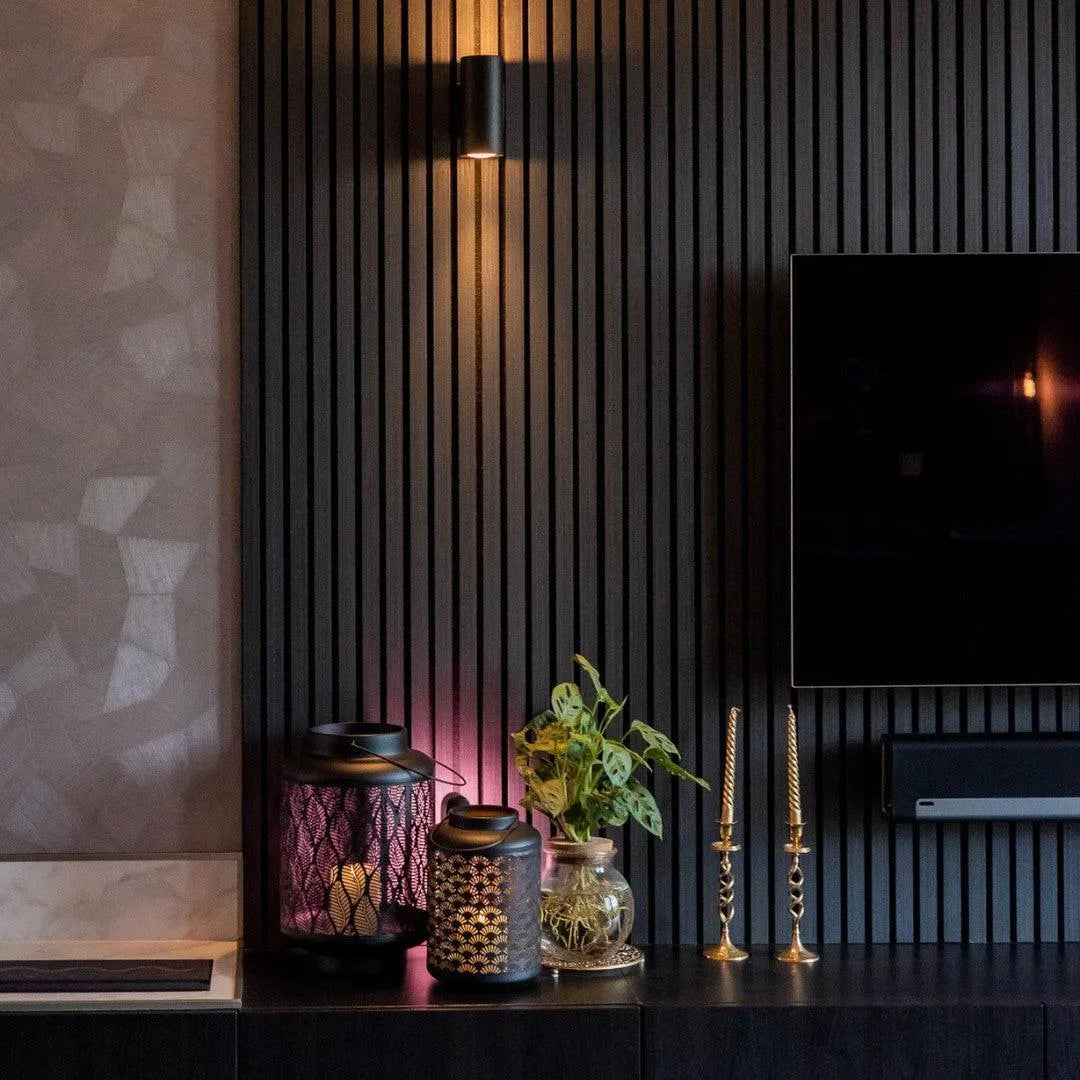
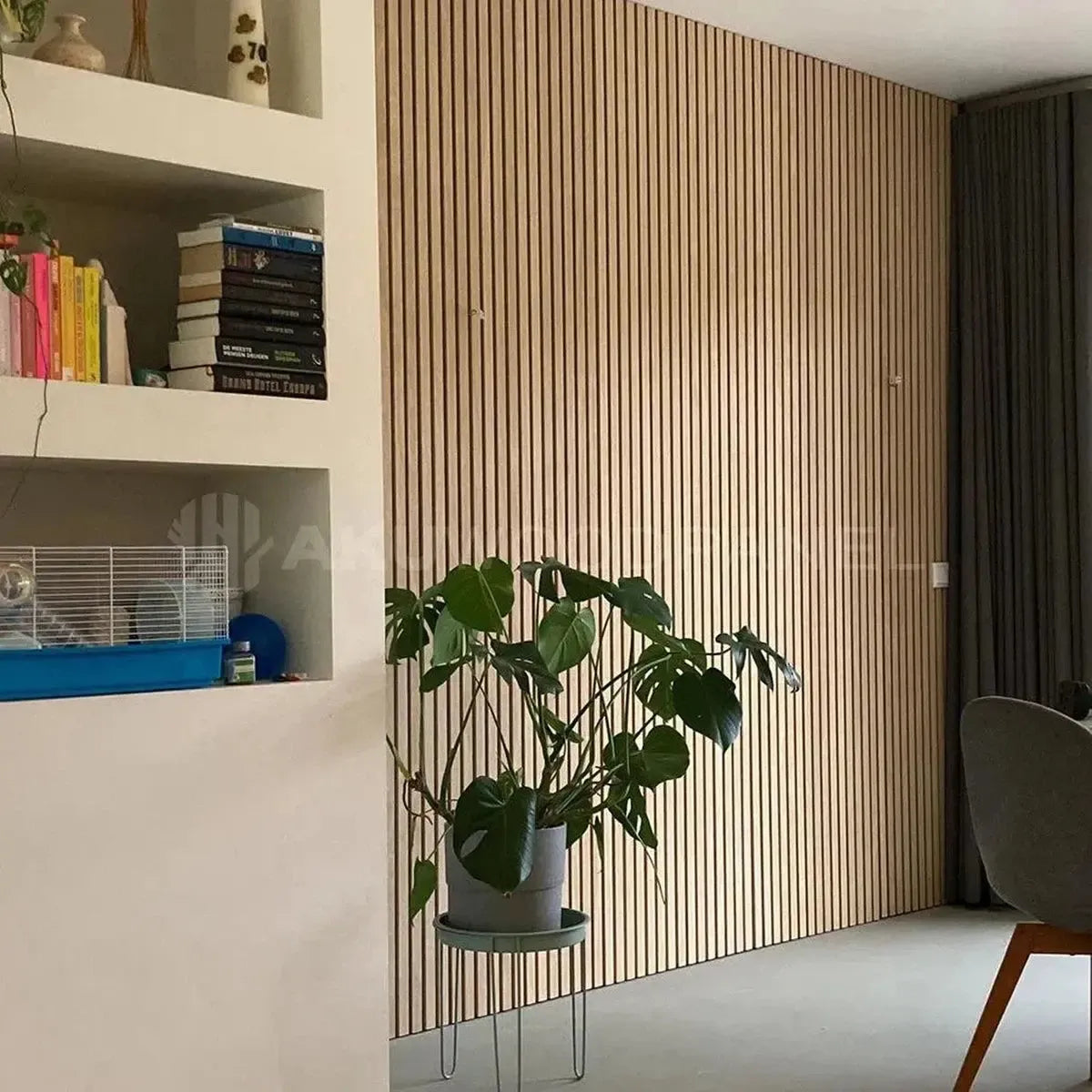
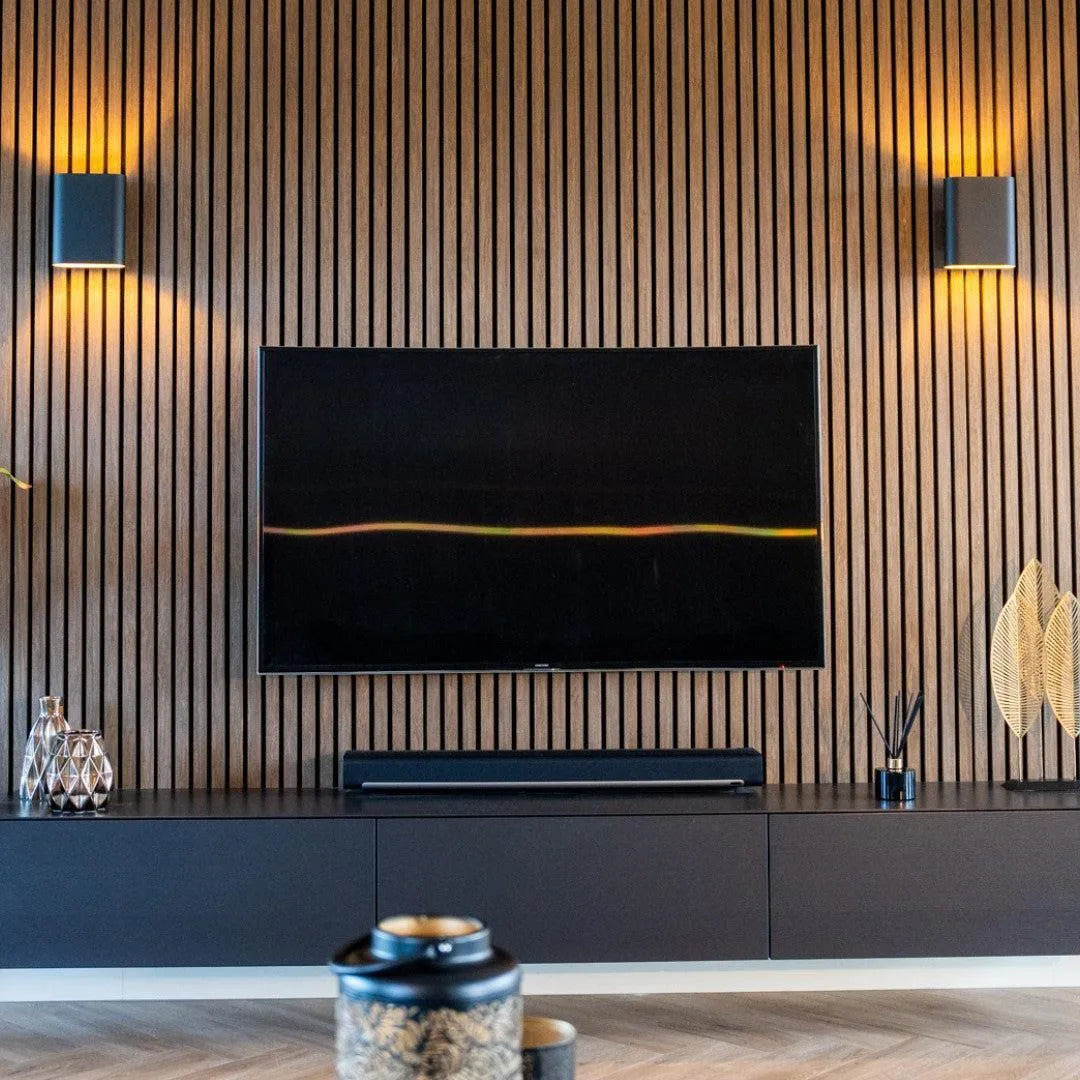
Traditional dojos lean toward natural oak and warm tones that read as calm and disciplined. Modern MMA and grappling studios increasingly go dark — black oak, smoked oak — because it hides scuffs and reads as serious rather than soft. Neither is wrong; the finish should match the discipline being taught and the students you're recruiting.
Cost Per Square Foot for Full Wall Coverage
A single training wall in a commercial space can run 20 to 40 linear feet, and panel boxes are priced per box, not per square foot, so coverage math matters before you order. Comparing box price against actual coverage area is the single biggest budgeting mistake first-time buyers make on this project.
Mounting and Installation Time
Dojo build-outs usually happen on a deadline before opening day. Panels that click together or use simple track mounting save days of labor compared to panels requiring full adhesive cure time before the next coat can go on. If your contractor has one weekend to finish a wall, mounting speed is a real budget line, not a nice-to-have.


Top Picks for Dojo Walls
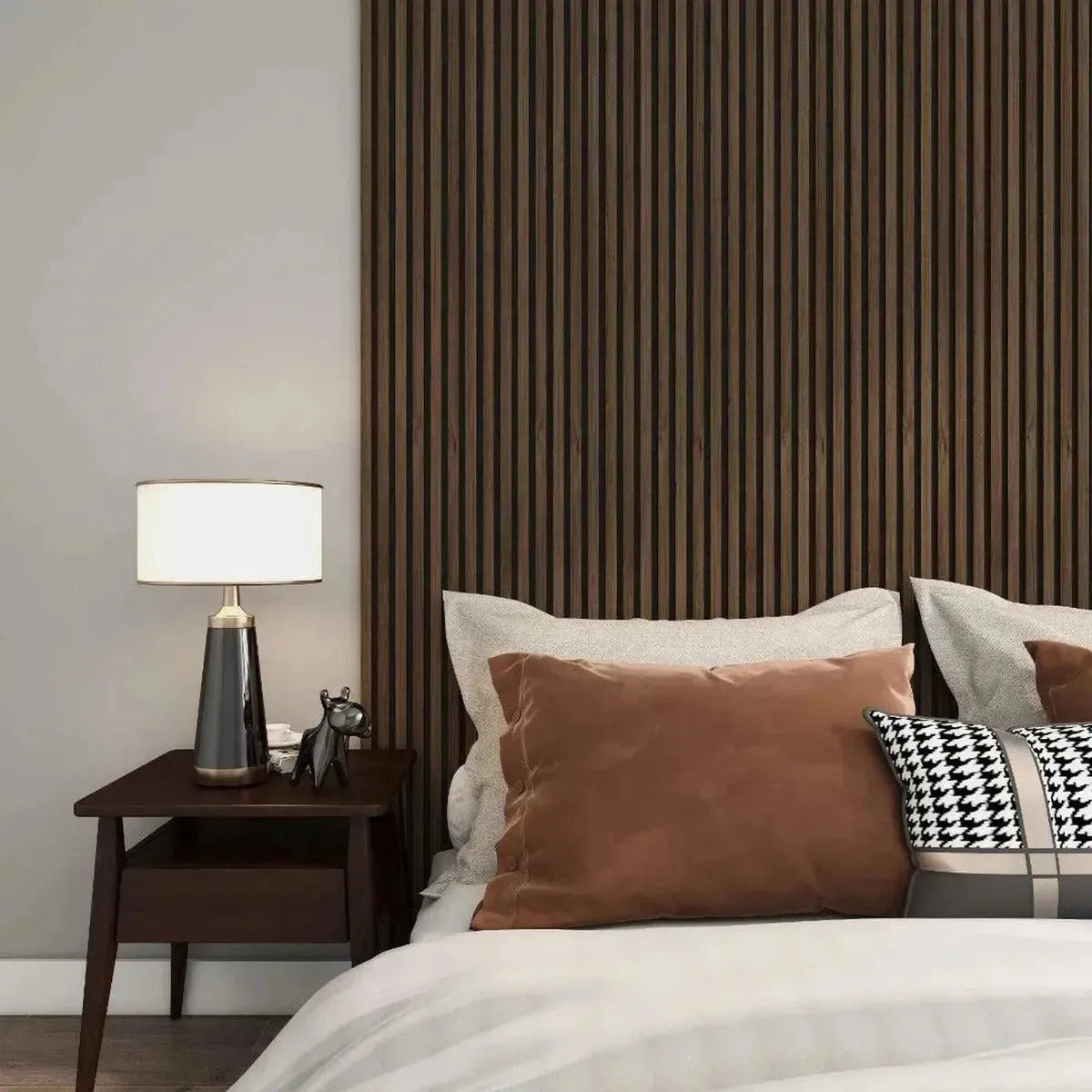
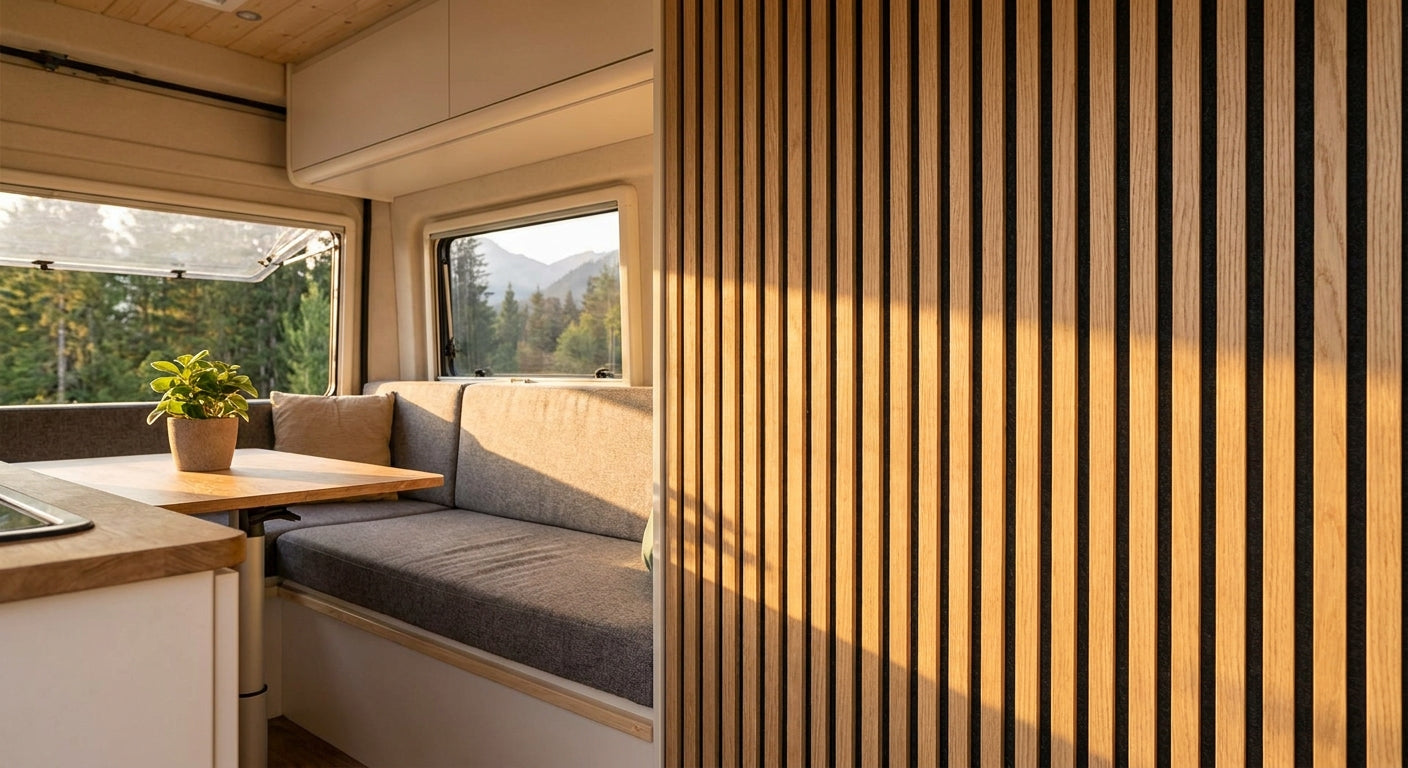
The disciplined pick — Acoustic Slat Wall Panel in Black Oak. This is the acoustic slat wall panel in black oak built for walls that take contact daily. The dark finish hides scuff marks and grip-tape residue that would show instantly on a lighter panel, and the 3-sided wood veneer construction holds up under repeated bumping better than laminate alternatives. At $177.95 per box it's mid-pack on price for what you get in durability. Verdict: Buy for any wall directly behind sparring or striking pads.
The acoustic workhorse — Acoustic Slat Wall Panel, Natural Oak with Gray Felt. The felt backing on this natural oak panel with gray felt backing is what actually earns the 0.75 NRC rating other panels only imply. It's the right call for the wall opposite the instructor's platform, where echo return is worst and every shouted count bounces straight back. At $169.95 it's priced below the walnut and black oak options while doing more of the acoustic work. Verdict: Buy for the primary sound-absorbing wall.
The reception wildcard — Hexagon Acoustic Panel, Smoked Oak with Gray Felt. Same 0.75 NRC felt backing as the slat line, but the hexagon shape reads as a design statement rather than a functional fix — a good call for a lobby or waiting area where parents sit during class, not the training floor itself. It carries the same acoustic performance at $165.95 per box. Verdict: Consider for front-of-house spaces, Skip for the main mat floor where a flat slat surface takes contact better.
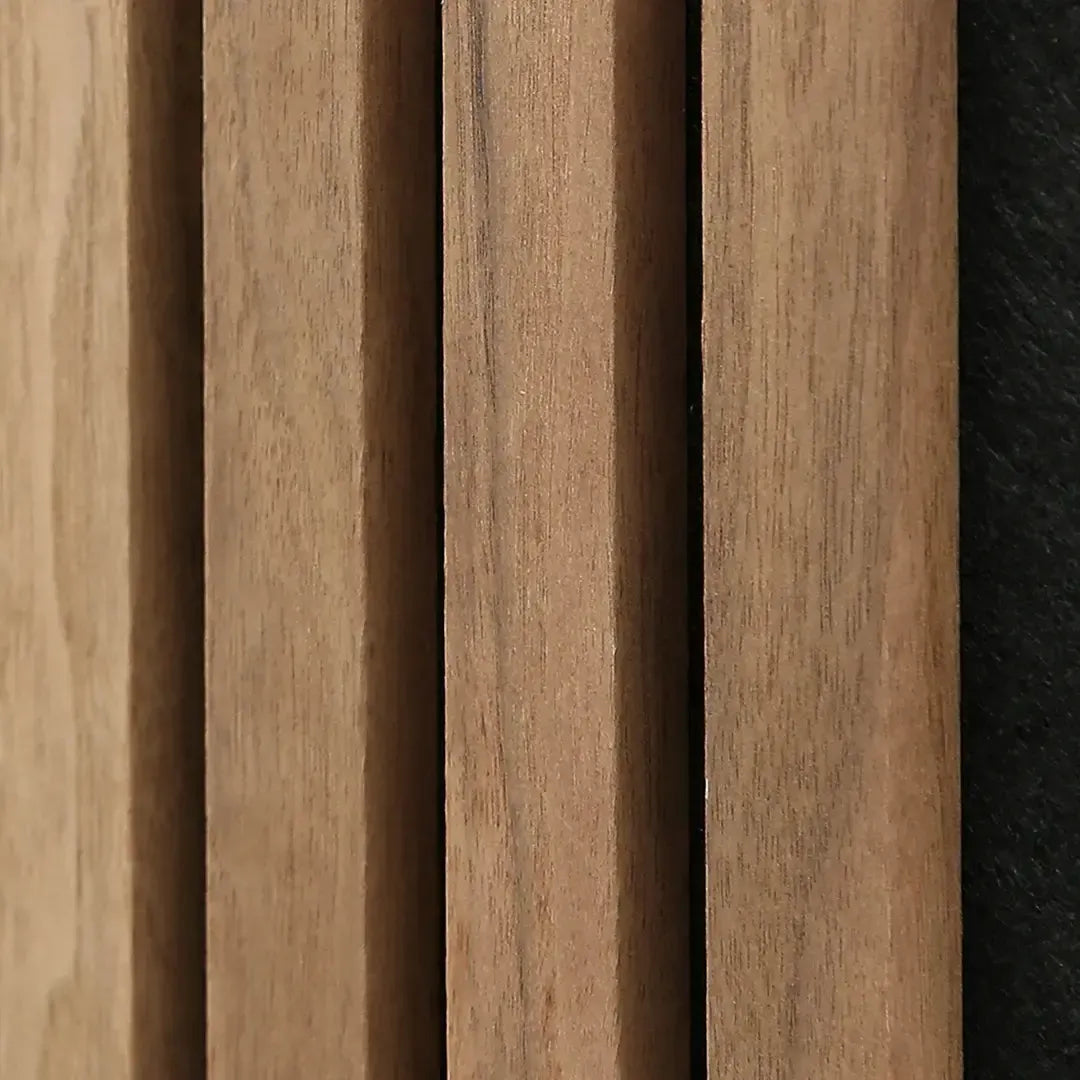
The low-risk test — Full Sample Box. At $10 for four panels across natural, smoked oak, and walnut finishes, this is how you avoid guessing on a full commercial order. Sweat sheen and gym lighting change how a finish reads compared to a product photo, and a $10 box beats a $1,000 mistake. Verdict: Buy before ordering any full wall in 2026.
What to Avoid
- Foam acoustic tiles marketed for home studios. They absorb sound reasonably well but compress and tear under repeated kicks or grappling contact within one training season.
- Non-felt-backed decorative slat panels. They look identical to acoustic versions in photos but do almost nothing for echo — check for the felt backing spec before ordering, not after installation.
- Adhesive-only mounting on humid or unventilated rooms. Panels that rely purely on glue can loosen if the room runs damp from sweat and poor airflow; track or click mounting holds up better long-term.
Verdict Comparison
| Pick | NRC (Felt-Backed) | Price per Box | Best Wall | Verdict |
|---|---|---|---|---|
| Acoustic Slat Wall Panel, Black Oak | Standard veneer | $177.95 | High-contact sparring wall | Buy |
| Acoustic Slat Wall Panel, Natural Oak with Gray Felt | 0.75 | $169.95 | Primary echo wall | Buy |
| Hexagon Acoustic Panel, Smoked Oak with Gray Felt | 0.75 | $165.95 | Lobby / reception | Consider |
| Full Sample Box | N/A | $10 | Pre-order test | Buy |
FAQ
What's the best acoustic panel for a martial arts dojo?
A felt-backed slat wall panel with an NRC of 0.75, like the Natural Oak with Gray Felt option, is the best acoustic panel for a martial arts dojo because it absorbs mat-slap echo instead of just reflecting it. Darker finishes like black oak add scuff resistance on high-contact walls.
Do wood slat panels actually reduce echo, or just look acoustic?
Only felt-backed slat and hexagon panels genuinely reduce echo — the felt layer is what drives the 0.75 NRC rating. A plain veneer slat panel without felt backing is mostly decorative and won't noticeably change room acoustics.
How much does it cost to panel a dojo wall in 2026?
Panel boxes run from roughly $10 for a sample box up to $182.95 for premium finishes like walnut, so a full wall's cost depends entirely on square footage and finish choice. Measuring coverage per box before ordering avoids overbuying.
Can slat panels survive contact from sparring or grappling?
Yes, 3-sided wood veneer slat panels with a hard face hold up to repeated bumping better than foam tiles or laminate alternatives, especially dark finishes like black oak that also hide scuff marks. They aren't designed to absorb direct strikes the way crash pads are, so keep panels off walls used for striking pads.
Should dojo walls use natural oak or black oak panels?
Natural oak suits traditional dojos aiming for a calm, disciplined feel, while black oak suits modern MMA or grappling studios that want a wall that hides scuffs and reads as serious. Both carry the same acoustic performance when felt-backed, so the choice comes down to studio aesthetic.
What's the difference between slat panels and hexagon panels for acoustics?
Both carry the same 0.75 NRC rating when felt-backed, but slat panels present a flatter surface that handles direct contact better, while hexagon panels read as a design feature suited to lobbies and waiting areas rather than the training floor itself.
Do I need to test a sample before ordering a full dojo wall?
Yes — gym lighting and sweat sheen change how a finish looks compared to a product photo, and a $10 sample box across three finishes is far cheaper than reordering a full commercial wall in 2026.
How many acoustic panels does a typical dojo wall need?
Coverage depends on wall length and panel box dimensions, so measuring the exact wall footage against a single box's coverage area before ordering is the step most first-time buyers skip and later regret.
One Last Thing
The felt backing is the entire acoustic story here — a black oak or natural oak panel without it is just wood veneer that happens to look like an acoustic product. Check the spec sheet for the felt layer before you order anything for the wall opposite your instructor's platform in 2026, because that's the wall doing the real work against echo.

 Better performance and aesthetic appeal
 In Stock