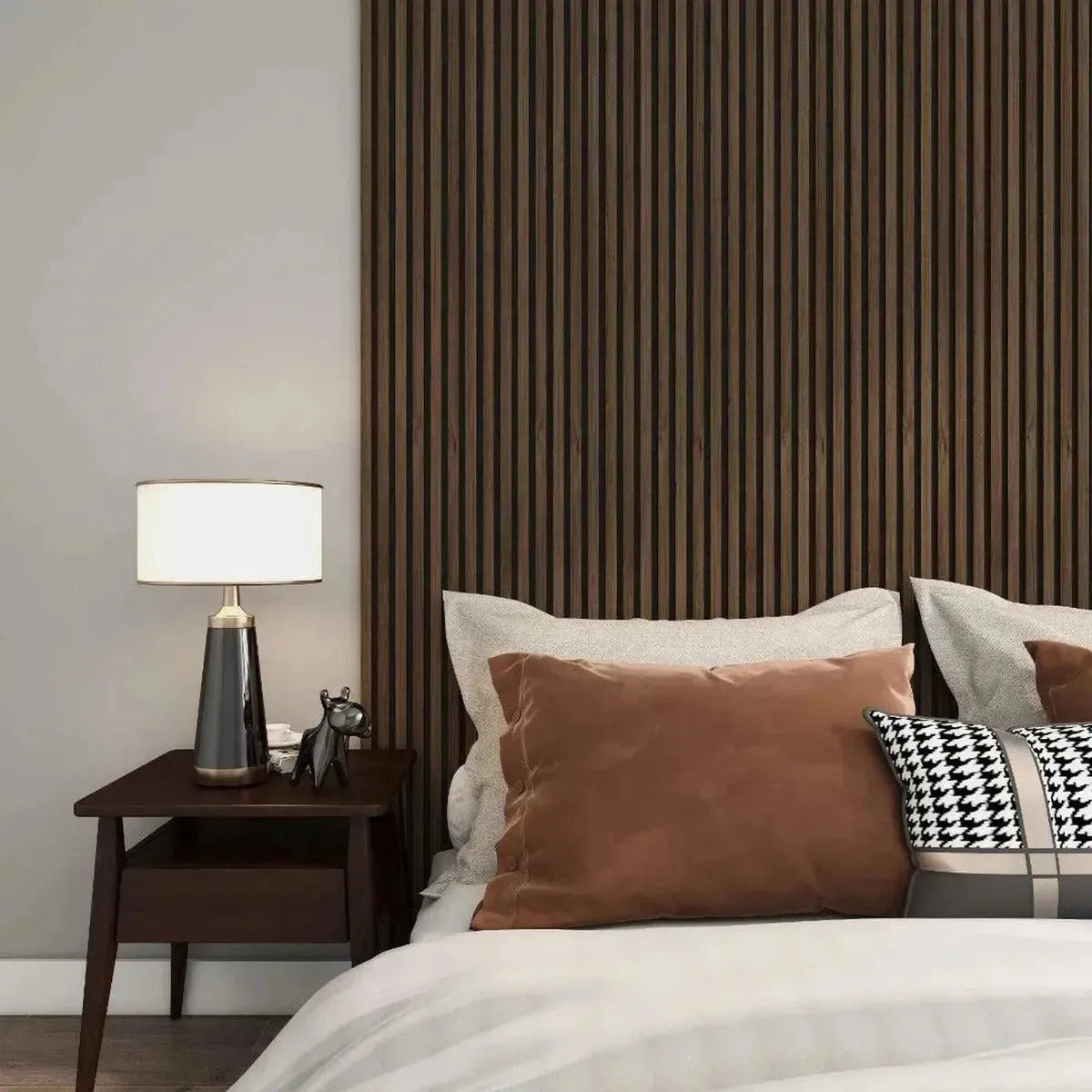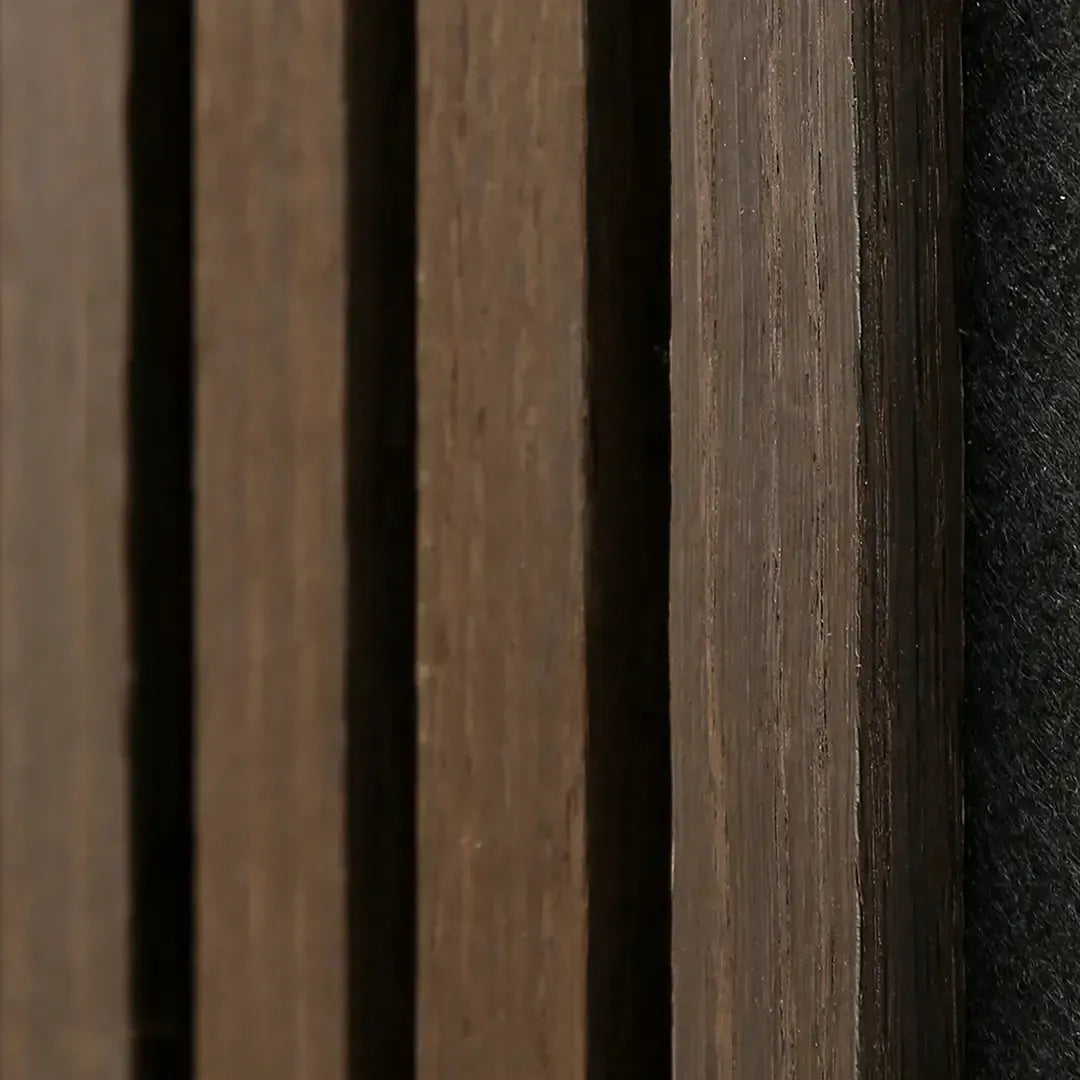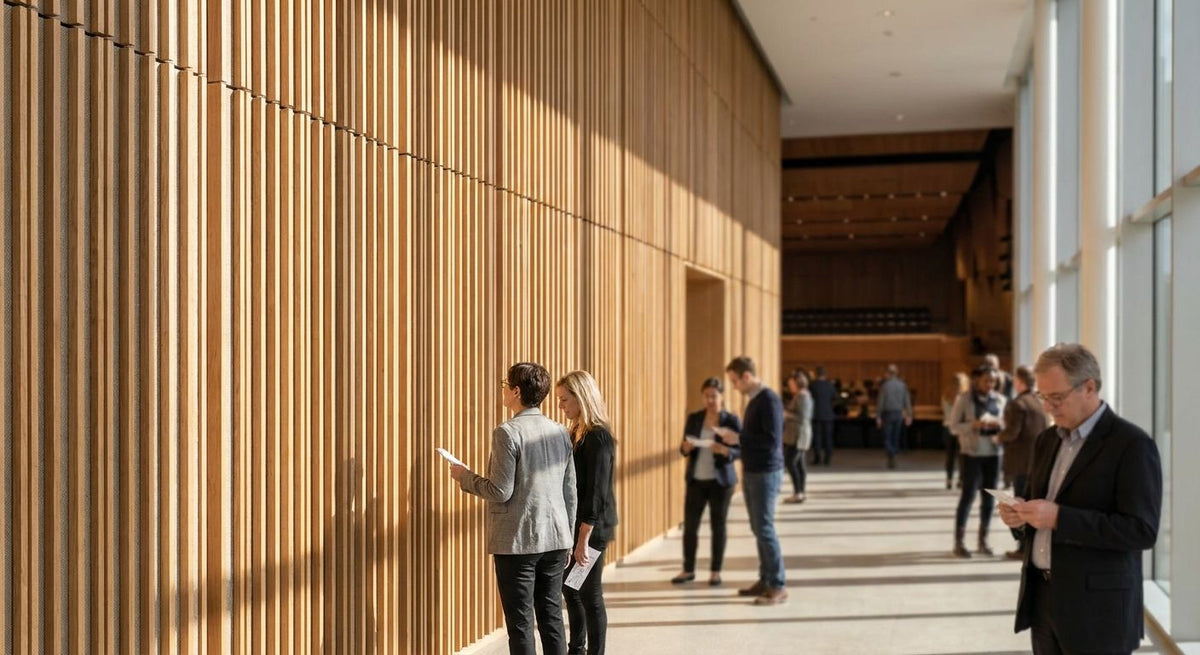
Wood slat panels for concert hall foyer walls are acoustic wall panels that pair real wood veneer with a felt or foam backing, installed to cut reverberation in lobby and intermission spaces without turning the room into a padded box. Concert hall foyers aren't auditoriums: they're high-ceiling, hard-floor, glass-heavy rooms where a crowd of a few hundred talking during a 20-minute intermission turns marble and glass into a noise amplifier, and the fix has to look presentable to patrons in evening dress, not blend into a recording booth.
- AKU Woodpanel's felt-backed hexagon acoustic panel carries an NRC of 0.75 — buy for foyers with marble, glass, or concrete surfaces.
- Wood slat panels for concert hall foyers work best paired with felt or foam backing, not veneer alone.
- A hexagon panel box ships 4 panels at $165.95 in 2026 — budget coverage in boxes, not raw square footage.
- Skip unbacked 3D decorative wood tiles for reverb control in a foyer; they add texture, not absorption.
Why acoustic wood panels matter for concert hall foyers
A typical concert hall foyer combines terrazzo or marble flooring, glass curtain walls, and a plaster or coffered ceiling — three surfaces that reflect sound instead of absorbing it. During intermission, that combination stacks conversation on top of conversation until patrons start raising their voices just to be heard across a small group, which is the complaint most venue managers actually get.
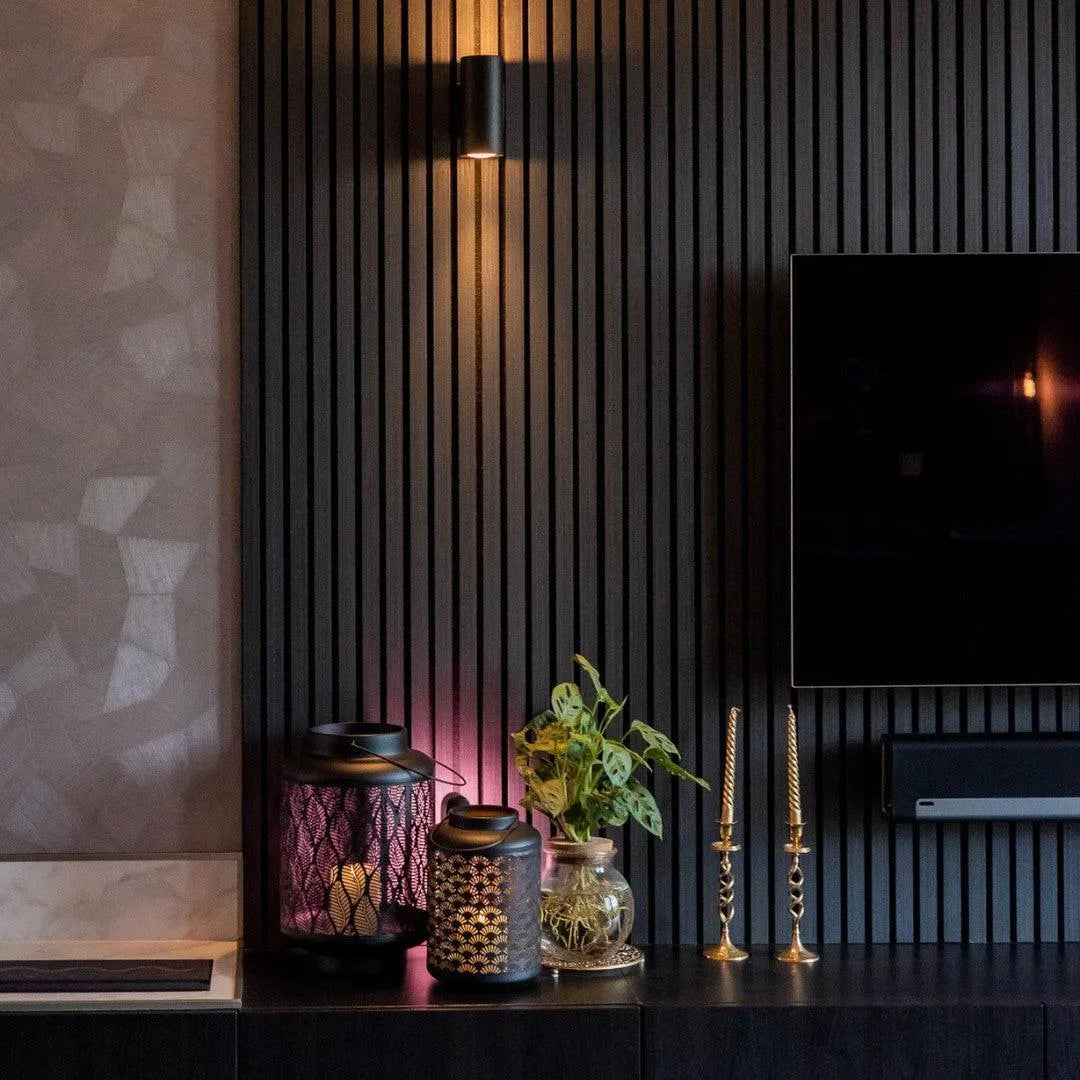
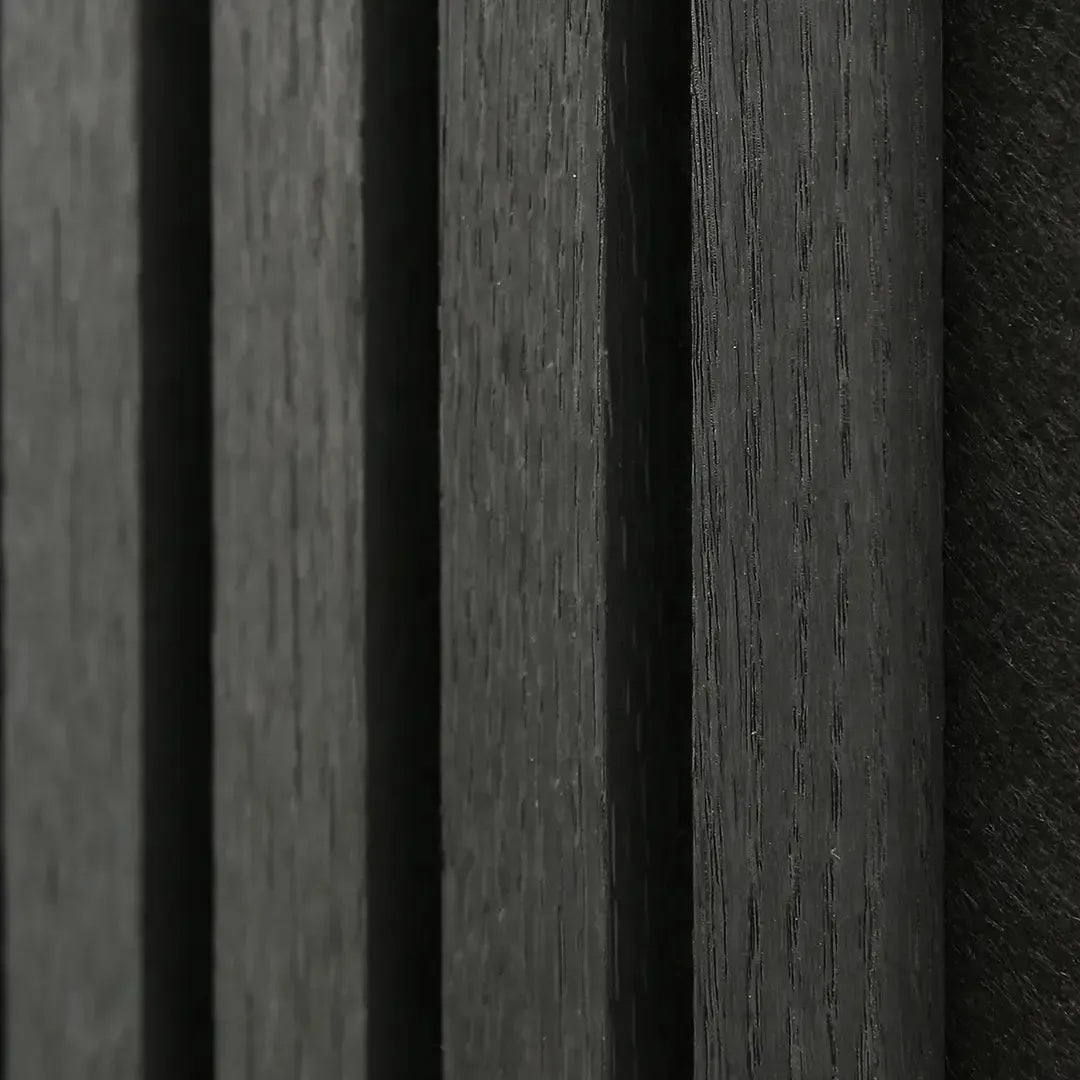
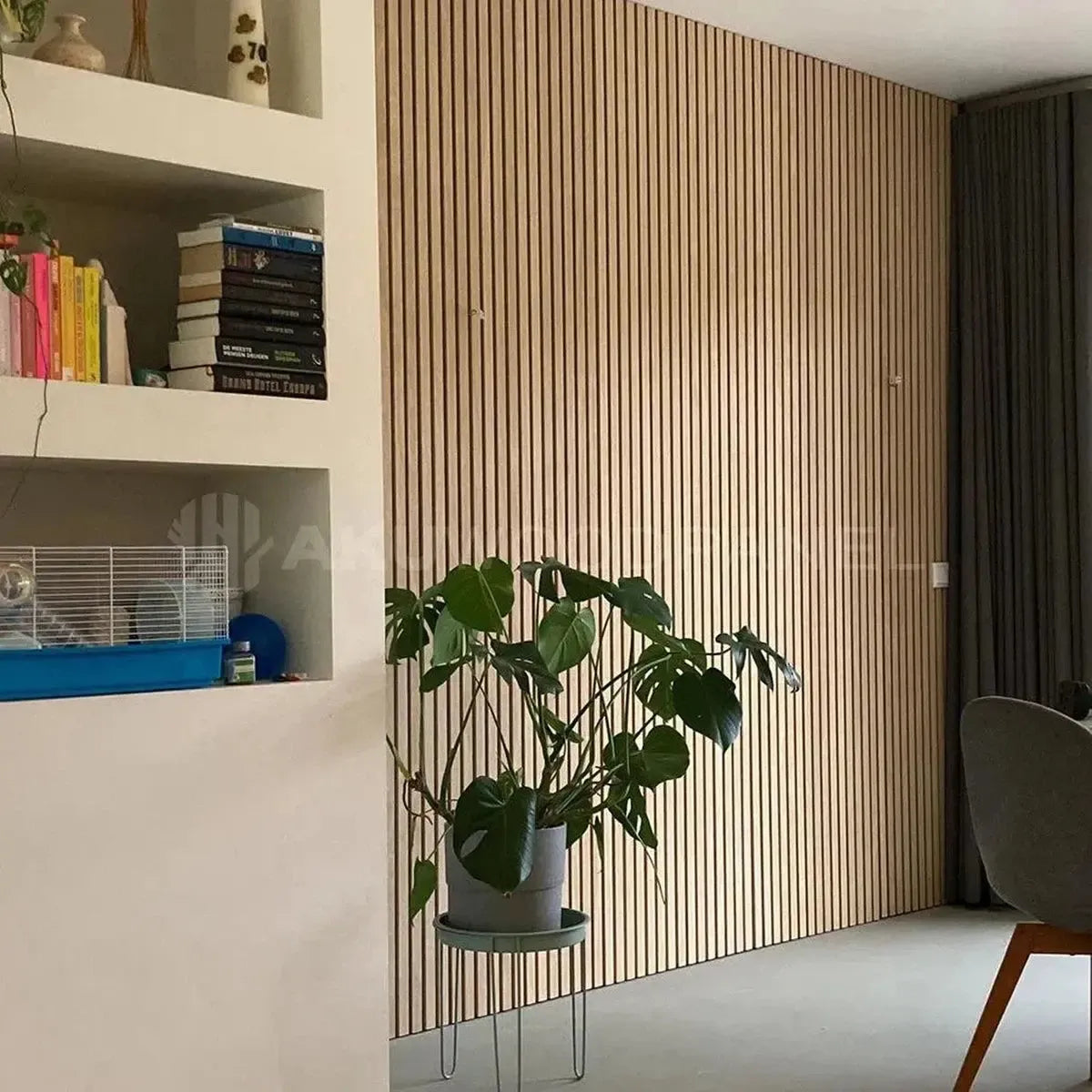
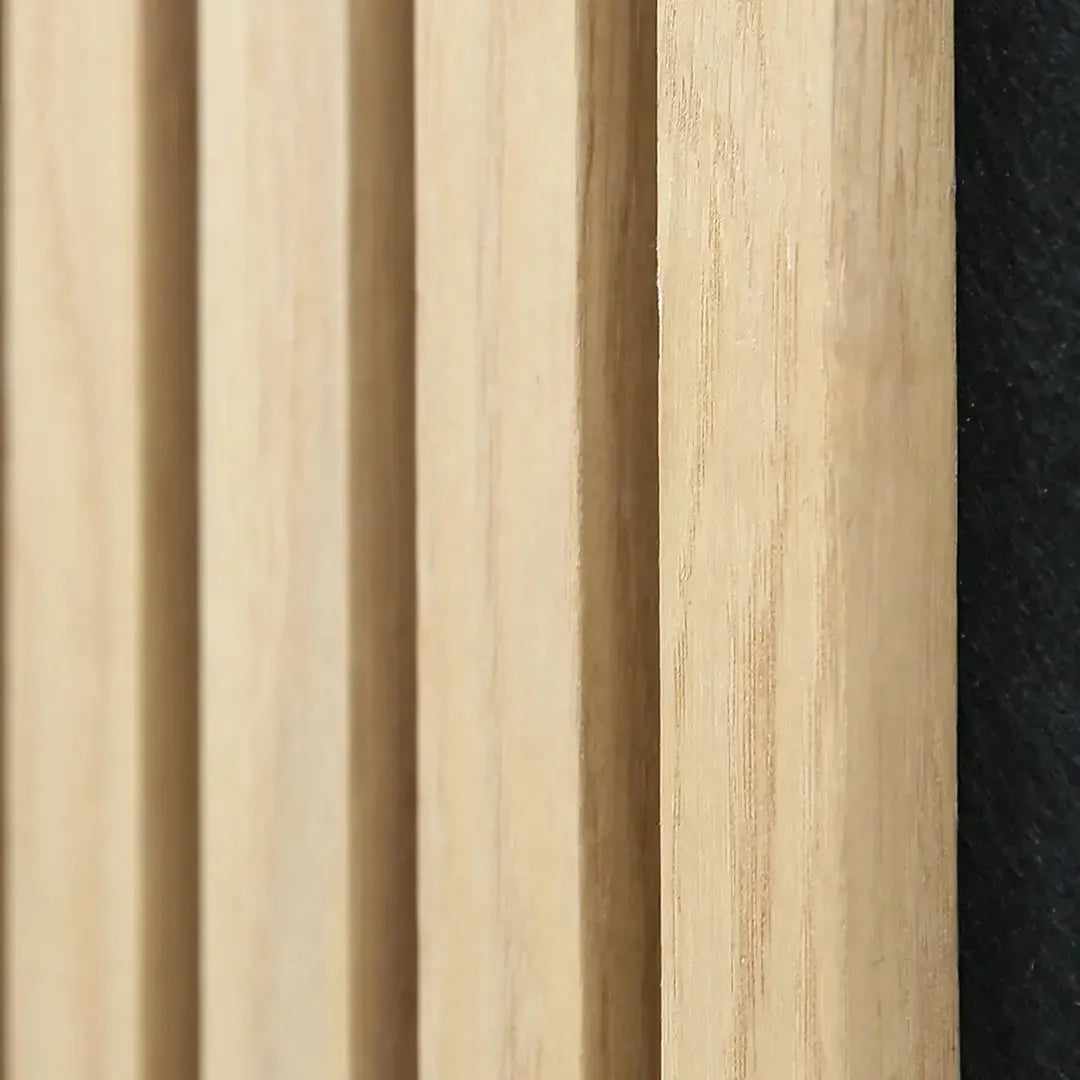
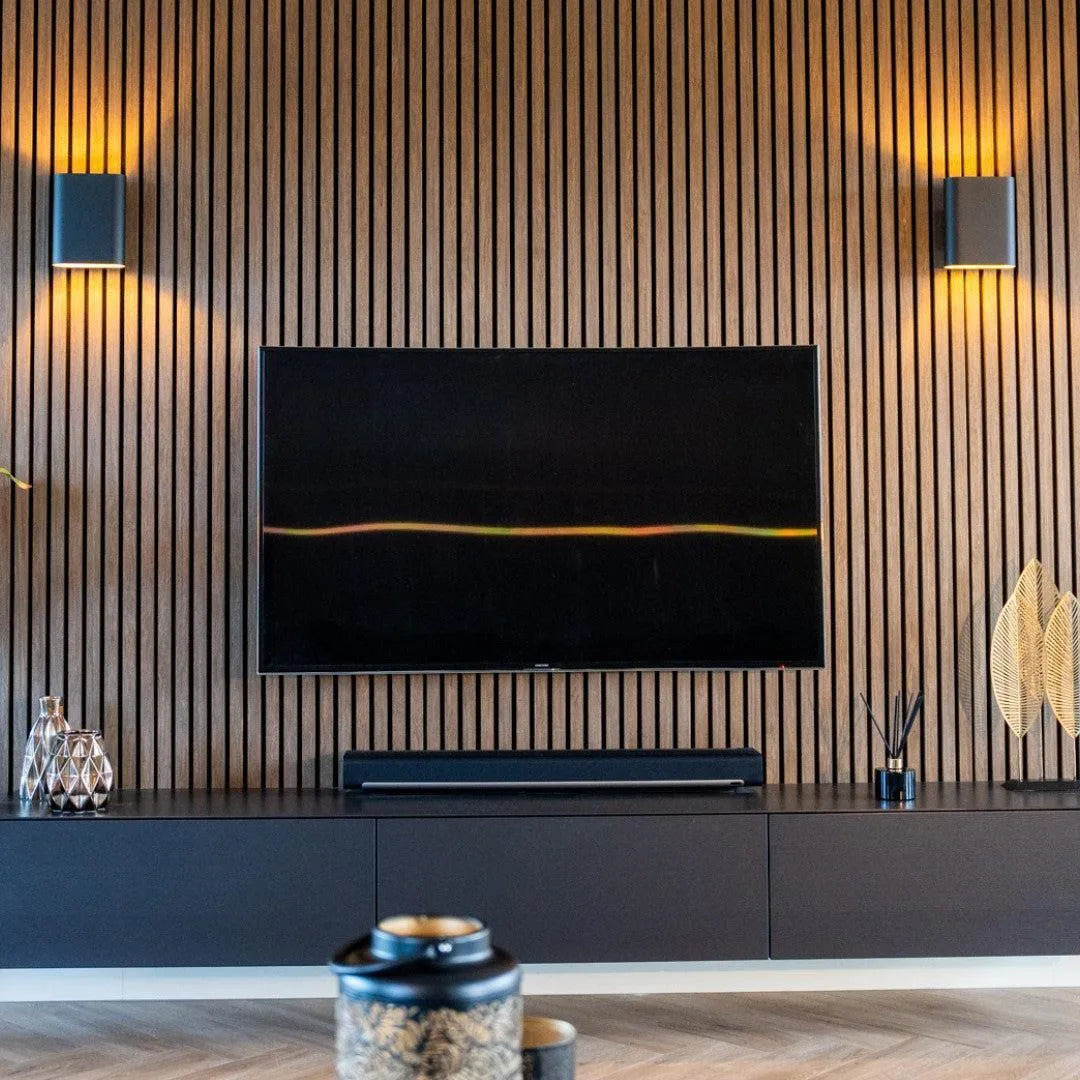
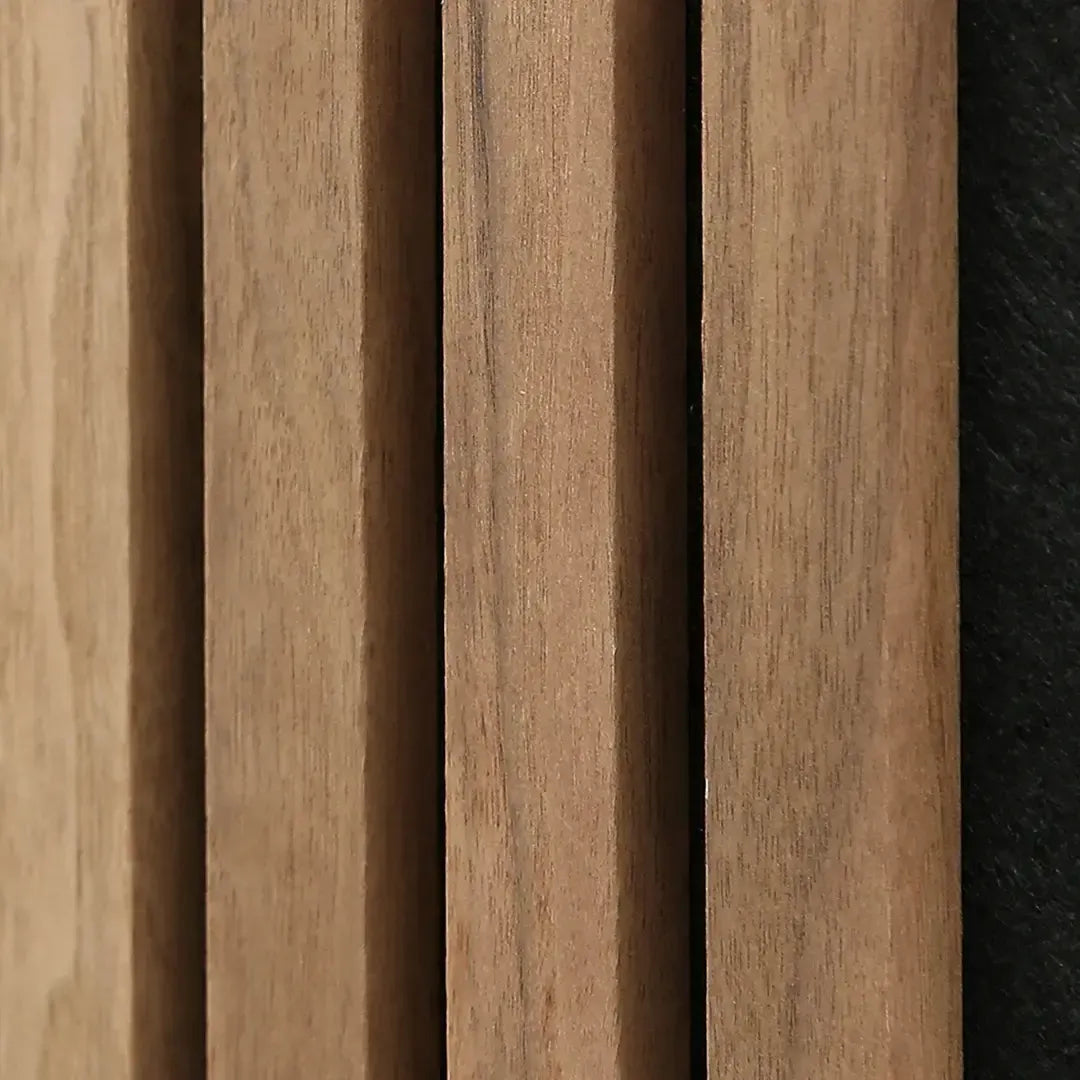
Wood solves this differently than foam or fabric because it has to do double duty: cut reverberation and still read as part of a formal, ticketed space. Natural oak panels with gray felt work well here because the felt backing does the absorption work while the veneer keeps the wall looking like architecture, not treatment.
Measure the reverberation problem before you spec panels
Don't spec acoustic treatment off an empty-room walkthrough — reverberation in a foyer only shows up under load.
- Walk the space during a full-capacity intermission, not when the building is empty; echo compounds with crowd density.
- Note every hard surface: marble or terrazzo floors, glass curtain walls, plaster or coffered ceilings — each one reflects instead of absorbing.
- If an acoustician is on the project, request a reverberation time (RT60) reading before you commit to a panel count.
- Photograph ceiling height and any double-height or coved sections separately — these zones pool sound and need targeted treatment, not blanket coverage.
- Flag glass-heavy walls specifically; glass is one of the worst offenders in a foyer and is easy to miss when you're only counting solid wall area.
Decide where wood slat panels for concert hall foyers actually help
Veneer alone does very little for sound absorption — the backing material is what does the work.
- Wood slat panels absorb mid and high frequencies best when paired with a felt or foam backing; unbacked veneer is decorative, not acoustic.
- Target the worst-reflecting zones first: ceiling planes above dense seating or gathering clusters, and any wall directly opposite a glass facade.
- Don't cover 100% of the wall area — over-absorption kills the ambient "buzz" patrons expect between acts, and a foyer that's too dead feels sterile.
- AKU Woodpanel's acoustic slat wall panels and hexagon panels both use a felt backing rated at NRC 0.75, enough to offset hard floors and glass without deadening the room entirely.
Match veneer and finish to the venue's architecture
Concert halls skew toward warm, formal finishes, and the wrong tone reads as an afterthought next to existing millwork.
- Walnut and smoked oak read more formal under warm, dimmable foyer lighting than natural oak does.
- Pull a finish that echoes existing wood elements — handrails, box office millwork, stage surrounds — rather than introducing a new, unrelated tone.
- Order sample panels before specifying at scale; foyer lighting shifts how a veneer photographs versus how it reads in person.
- Keep grain direction consistent across adjoining wall sections so the finish reads as one architectural gesture, not a patchwork of panel runs.
Specify acoustic backing and NRC rating for real absorption
An "acoustic" label on a product page means nothing without a number behind it.
- Ask for an NRC value, not just the word "acoustic" in the listing — 0.75 is the figure to compare against for foyer-level treatment.
- The felt or foam layer behind the slats does the absorption; the wood is the finish layer on top of it.
- Use a resource like calculate acoustic panel NRC rating before finalizing a spec so the number in your documentation matches what an acoustician expects to see.
- In foyers with double-height ceilings, treat above 8 feet where sound pools, not just the eye-level wall a patron can touch.
Plan coverage and panel count before ordering
Undercounting panels is the single most common budget miss on foyer projects.
- Measure square footage per wall or ceiling section, then convert to panel or box count — hexagon panels ship 4 per box at 32 inches per panel.
- Add roughly 10% overage for cuts around glass mullions, columns, and door openings, all common in foyer architecture.
- Order sample panels before committing full budget; a sample under the venue's actual lighting catches finish mismatches renderings miss.
- Confirm end pieces or trim are budgeted to finish exposed panel edges near entrances — a detail unbacked feature-wall installs often skip.
Reference proven venue-style installs before finalizing your spec
A foyer isn't the only high-crowd-noise space that's solved this problem — pull from what already works.
- Review how live music venue wall treatment handles crowd noise and panel placement before locking your own layout.
- Check mounting method against your wall substrate — drywall, concrete, and metal stud each need a different fastening approach.
- Confirm fire rating documentation is available for the finish you're specifying; public assembly occupancy almost always requires it.
- Ask about maintenance expectations under repeat crowd contact near entrances and coat-check areas, where panels take the most physical wear.
Plan installation around foyer traffic, code, and building requirements
A foyer sees concentrated crowd load in short bursts, which changes what "durable" needs to mean.
- Impact resistance near entrances and coat-check zones matters more than in a quiet lobby with steady, light traffic.
- Confirm local fire code sign-off for surface-mounted wood veneer at scale before ordering full runs — many public assembly spaces require flame-spread documentation.
- Schedule installation during dark weeks or overnight, not around a live performance calendar.
- Coordinate with electrical and lighting trades early if LED accents are planned behind the panel run, a common addition on foyer feature walls in 2026.


Comparing panel options for a concert hall foyer
| Option | Best for | Starting price | Key limitation |
|---|---|---|---|
| Hexagon acoustic panel (felt-backed) | Foyers with hard floors and glass needing real absorption | $165.95 per box (4 panels) | Angular hex shape takes planning around curved walls |
| Acoustic slat wall panel | Long, straight foyer runs with a formal finish | check current listing | Straight slats read more corporate than hex shapes on curved sections |
| 3D wood wall panel (decorative, unbacked) | Texture accents near seating, not full acoustic control | $28.95 (White Oak 12x12) | No felt backing — decorative only, doesn't reduce reverb |
| Standard fabric-wrapped fiberglass panel | Budget acoustic coverage in back-of-house zones | not stated | Doesn't carry the wood veneer look expected in a formal foyer |
Verdict: the felt-backed hexagon acoustic panel is the better buy for a concert hall foyer with marble floors and glass walls in 2026 — it's the only option in this table with a stated NRC value and a wood finish appropriate for a formal room.
Common mistakes venues make specifying foyer panels
- Treating only the walls and ignoring the ceiling plane, where sound pools in double-height foyers.
- Specifying full-coverage acoustic treatment and killing the room's ambient buzz — an over-absorbed foyer feels flat during intermission instead of alive.
- Skipping fire-rating documentation for public assembly occupancy until final inspection instead of the spec phase.
- Matching veneer color to a rendering instead of ordering samples under the foyer's actual warm, dimmable lighting.
- Measuring wall area only and under-ordering panels, missing what glass mullions and column wraps eat out of usable panel runs.
FAQ
What are the best wood slat panels for a concert hall foyer?
Felt-backed hexagon or slat wall panels with an NRC of 0.75 work best in concert hall foyers because they combine real absorption with a wood finish suited to a formal space. Unbacked decorative wood tiles look similar but don't reduce reverberation.
Is wood better than fabric acoustic panels for a foyer?
Wood slat panels look more appropriate in a formal concert hall foyer than fabric-wrapped fiberglass, but the fabric option can absorb sound at a lower cost. The choice comes down to whether the finish needs to match architecture patrons will see.
How much do acoustic wood panels cost for a foyer project in 2026?
A felt-backed hexagon acoustic panel box costs $165.95 for 4 panels at 32 inches each in 2026. Total project cost depends on square footage, since foyers require coverage calculated in boxes, not flat square-foot pricing.
Do wood slat panels actually reduce echo in a foyer?
Wood slat panels reduce echo only when backed with felt or foam — veneer alone is a decorative layer, not an absorptive one. Look for a stated NRC value like 0.75 before assuming a panel does acoustic work.
Should you cover the entire foyer wall in acoustic panels?
No — full coverage over-absorbs a foyer and kills the ambient buzz patrons expect between acts. Targeting the ceiling plane and the wall opposite the largest glass expanse usually solves most of the noise complaint.
What finish works best for a formal concert hall foyer?
Walnut and smoked oak read more formal under warm, dimmable foyer lighting than natural oak does. Match the finish to existing millwork like handrails or box office surrounds rather than picking a new tone.
Do concert hall foyers need fire-rated wood panels?
Public assembly spaces almost always require flame-spread documentation for surface-mounted wood veneer at scale. Confirm this with your local code office during the spec phase, not after installation.
One last thing
Most concert hall foyers don't need every wall covered to fix the intermission noise complaint — treating the ceiling plane above the busiest gathering zone and the single wall facing the largest glass expanse usually solves the audible echo on its own, and it's the cheaper spec to defend to a building committee than a full-room treatment plan.
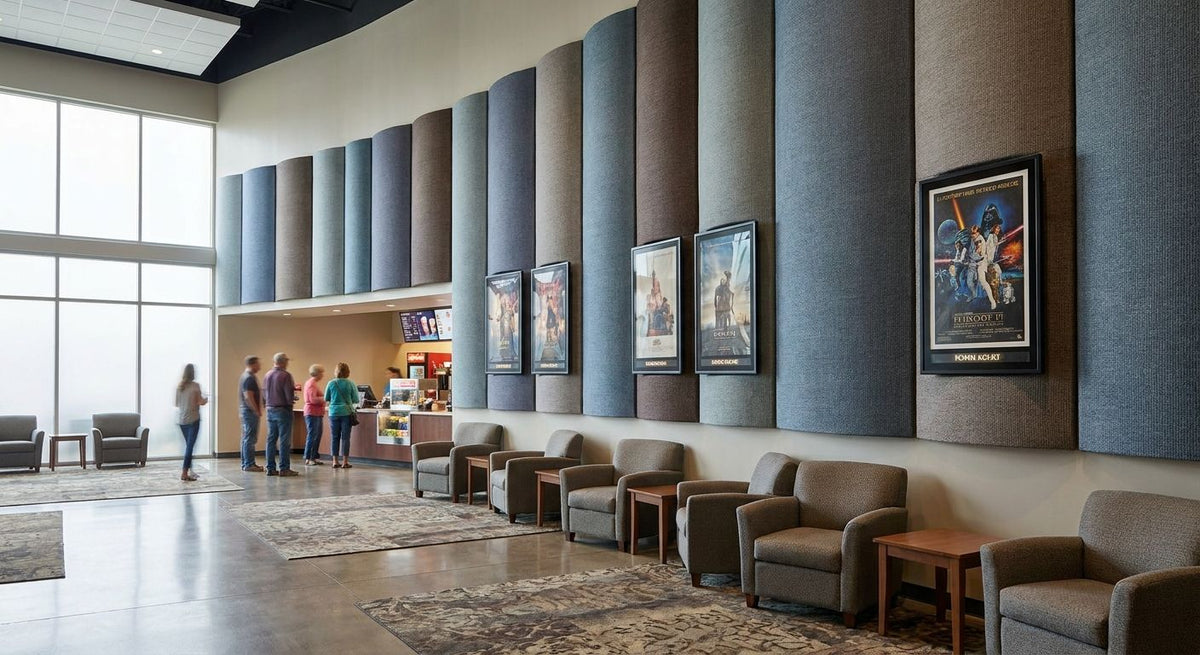

 Better performance and aesthetic appeal
 In Stock