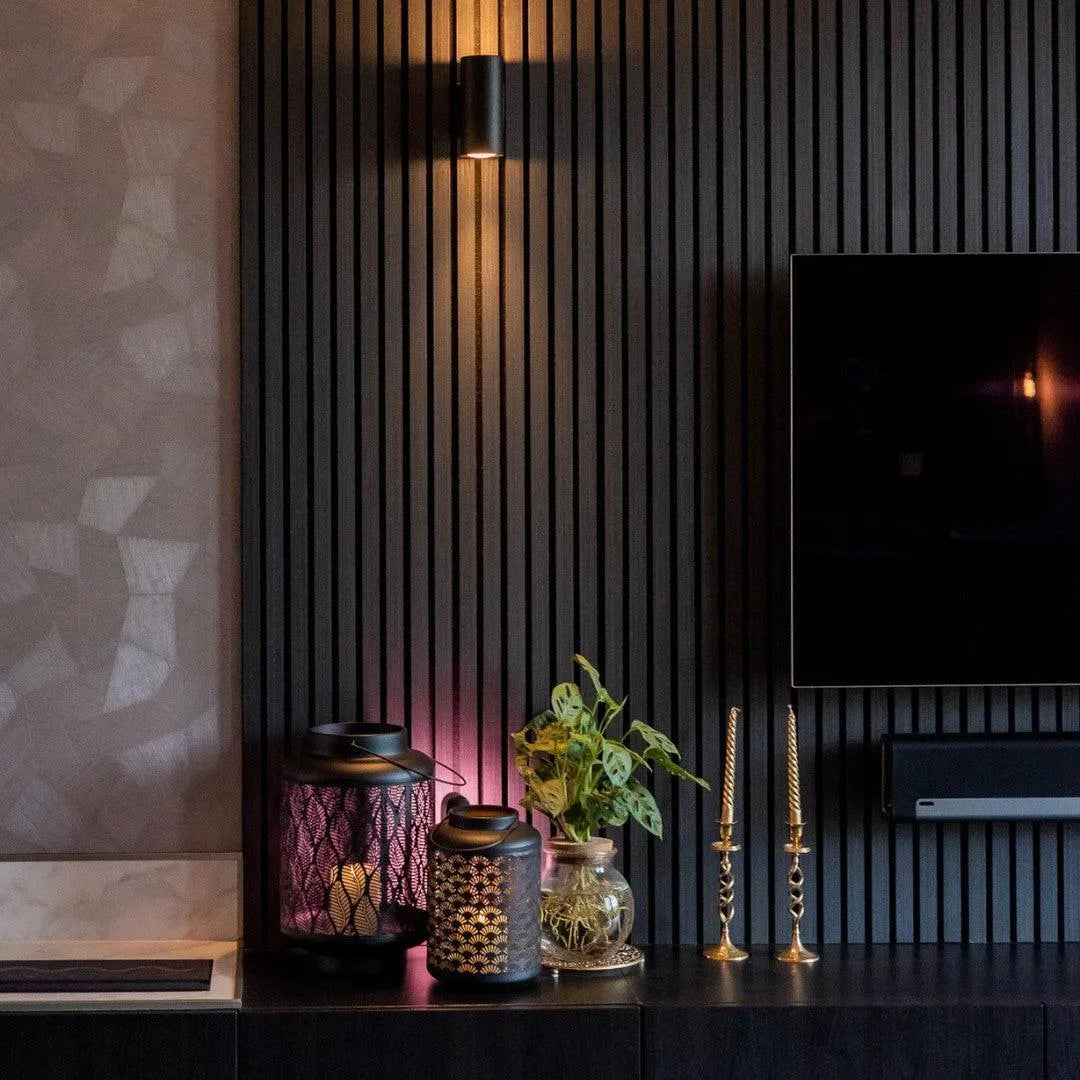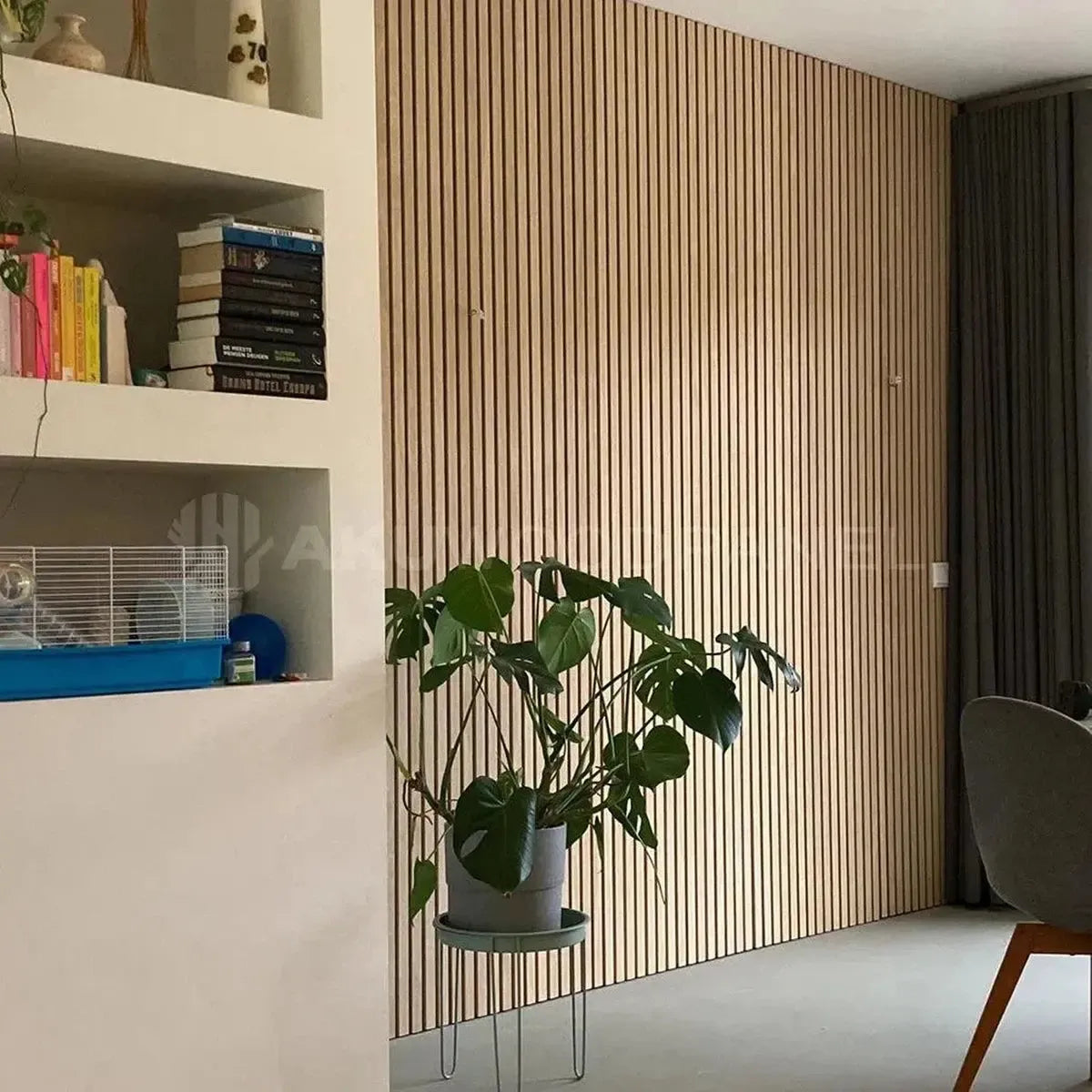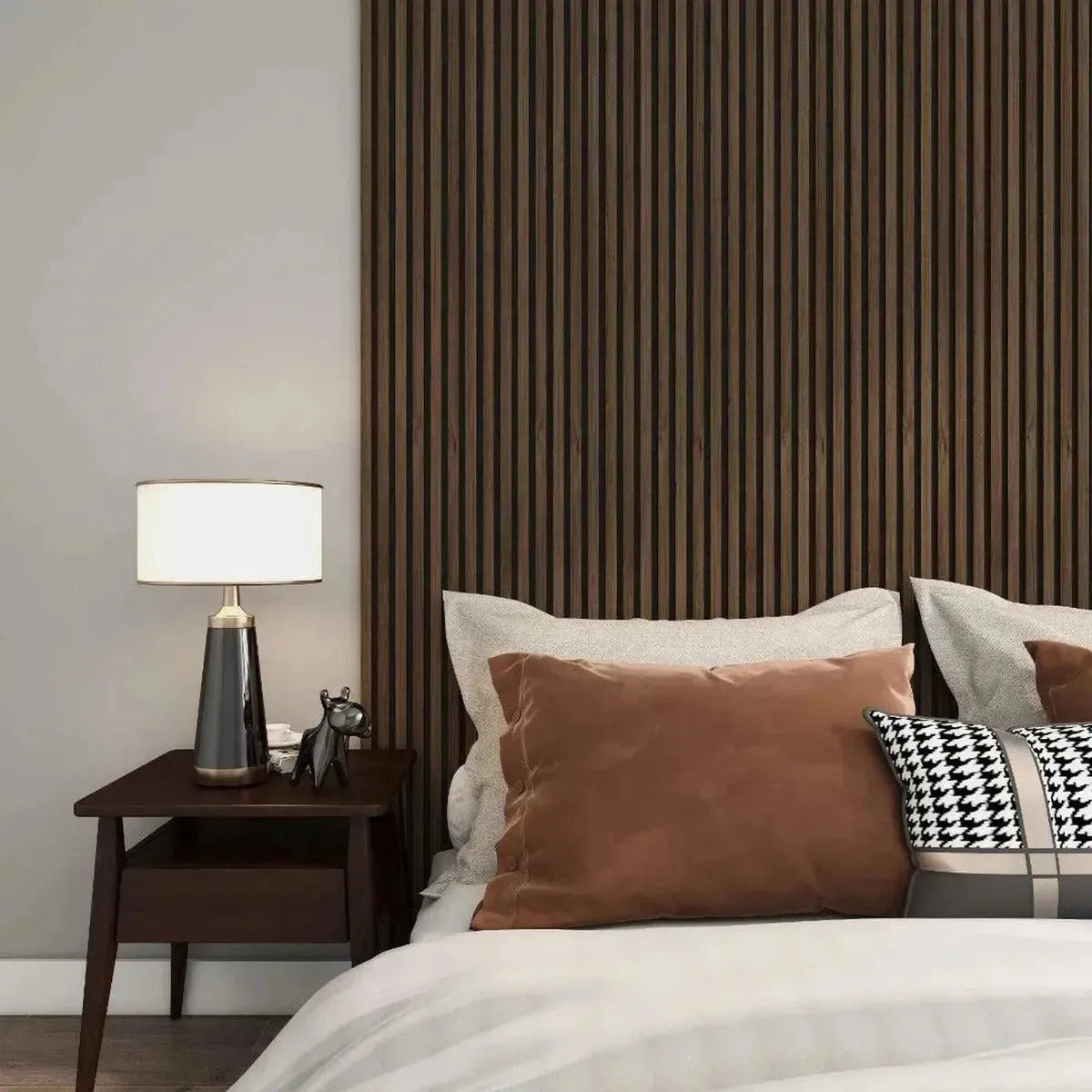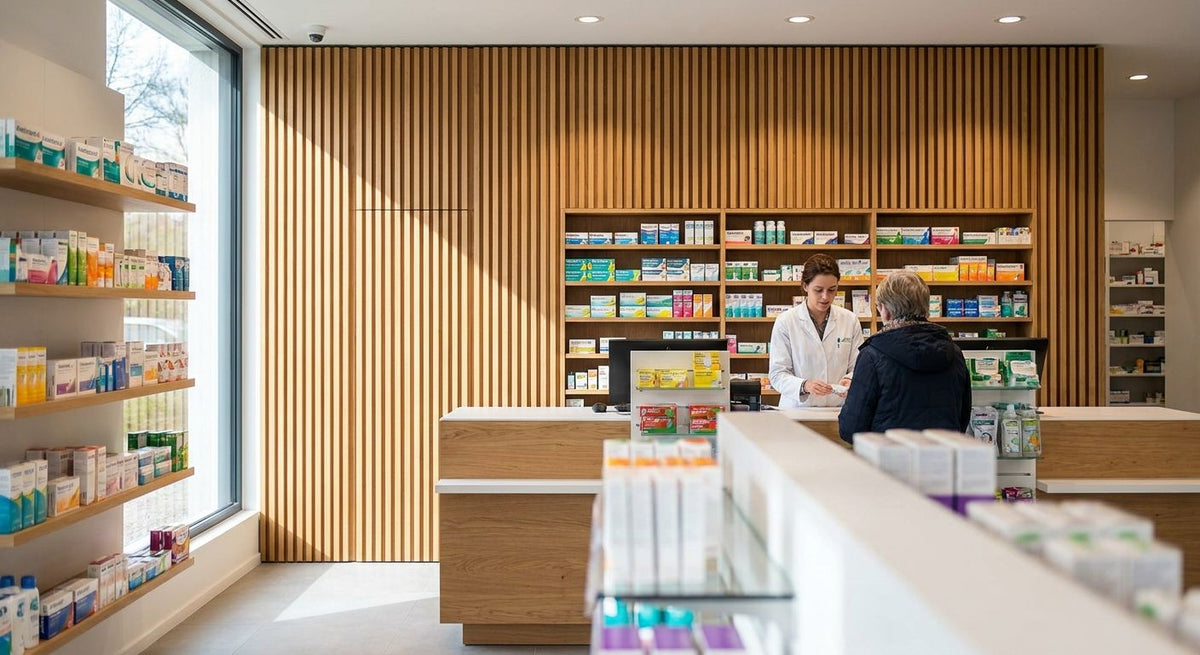
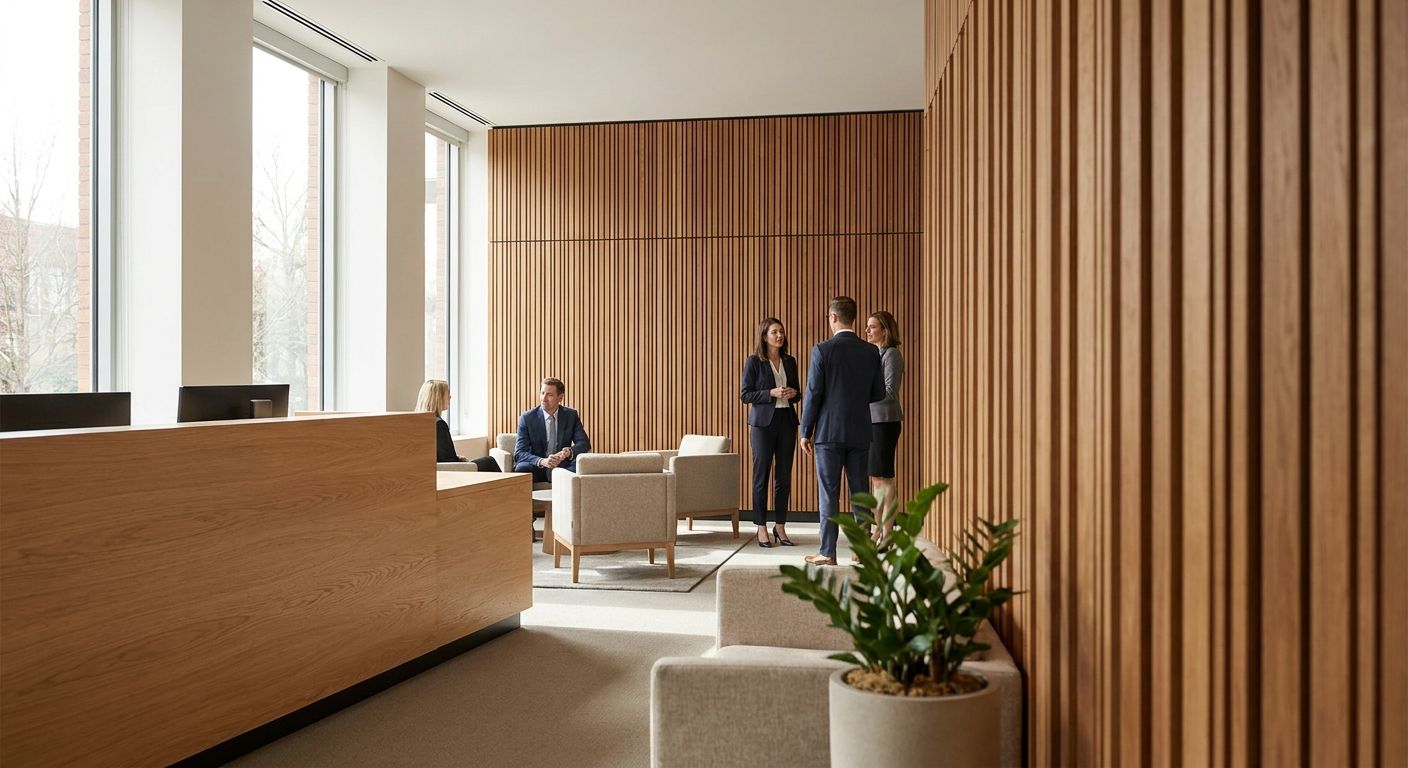
Pharmacy retail wood slat panels install behind counseling counters, waiting areas, and dispensing windows to cut echo and soften the clinical feel of a health retail space in 2026. The right panel choice depends on foot traffic, fire code, and how much of the sales floor actually needs sound absorption versus pure decoration.
- Felt-backed acoustic slat panels with an NRC of 0.75 cut echo in pharmacy consultation zones better than plain veneer slats.
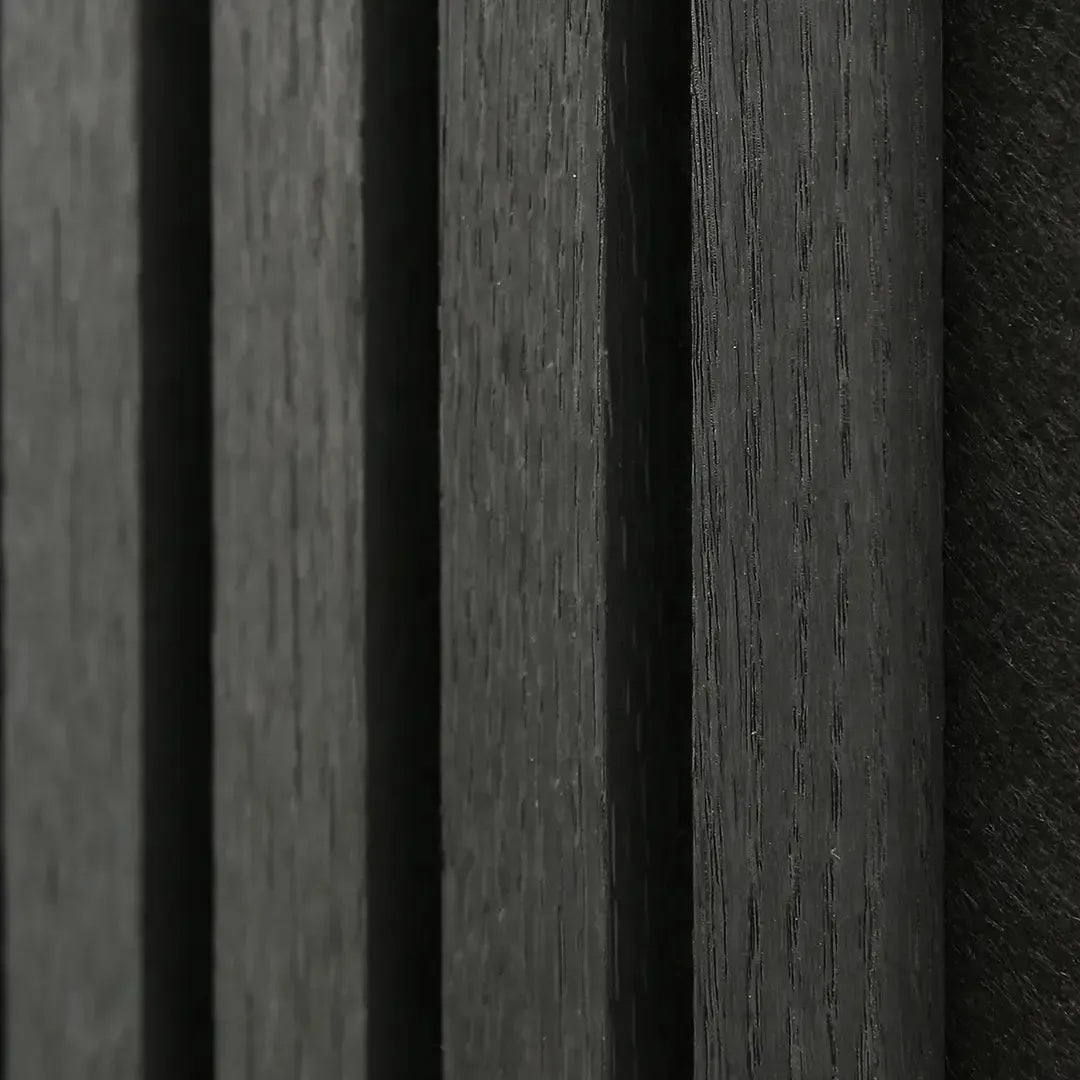
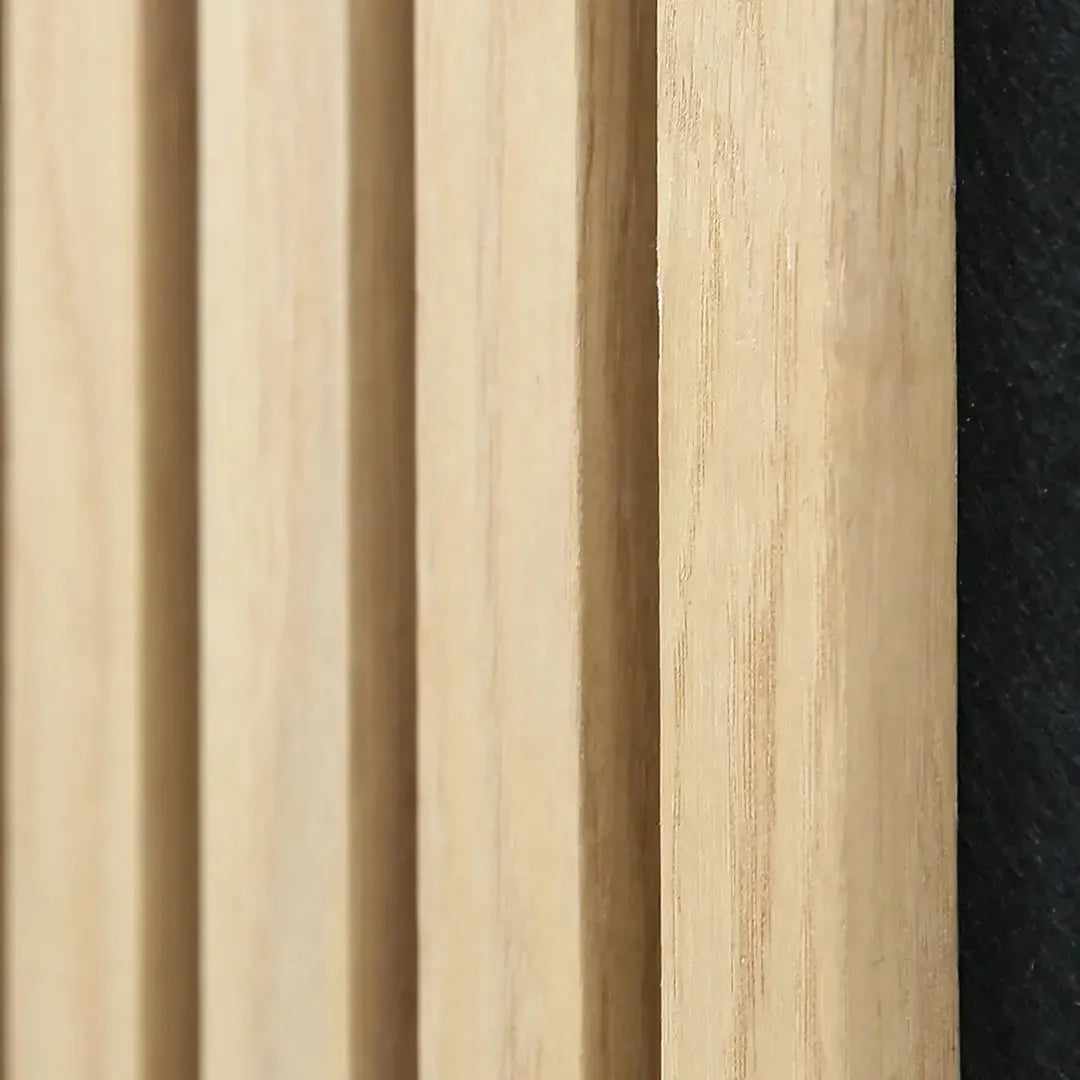
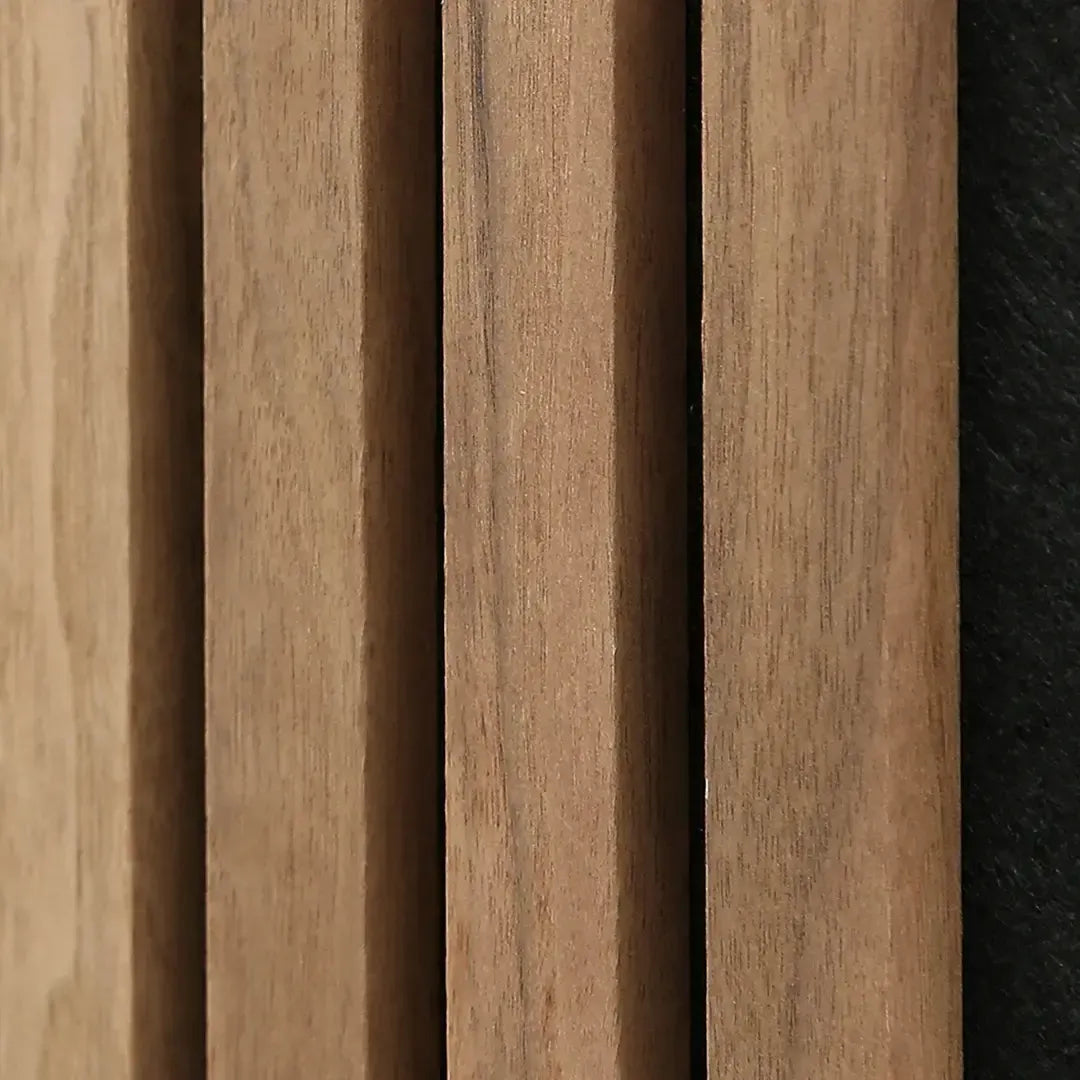
- Natural Oak and Smoked Oak finishes read clean and clinical; Black Oak and Walnut read premium and independent.
- Hexagon acoustic panels run $148.95 to $165.95 per box in 2026 and work well as a feature wall behind the pharmacist counter.
- Order a sample box before specifying wood slat panels for pharmacy retail across more than one location.
Why wood slat panels matter for pharmacy retail
Pharmacy counters sit inside some of the hardest-surfaced rooms in retail: tile or vinyl flooring, drop ceilings, glass dispensing windows, and laminate shelving that all reflect sound instead of absorbing it. A patient trying to hear counseling instructions at the counter competes with every register beep and cart wheel in the store.
Felt-backed acoustic panels solve a specific version of this problem: they carry a documented NRC (noise reduction coefficient) of 0.75, meaning roughly three-quarters of the sound hitting the panel gets absorbed instead of bounced back into the room. That number matters more in a pharmacy than in a typical retail aisle, because prescription counseling depends on the customer hearing dosage instructions correctly the first time.
Installing natural oak acoustic slat panels behind the consultation window is the fastest way to cut that reverb in 2026 without a full remodel.
Audit the echo points in your pharmacy layout
Before ordering a single panel, walk the floor and mark every hard, parallel surface that bounces sound back and forth.
- Tile or vinyl flooring under the pharmacy counter and waiting chairs
- Drop ceiling tiles with no acoustic rating
- Glass dispensing windows and sneeze guards
- Laminate or metal shelving runs along OTC aisles
- Open floor plans with no sound break between the waiting area and the sales floor
Decide where sound absorption matters most
Not every wall needs treatment, and pharmacy renovation budgets rarely stretch that far. Rank zones by how much sound clarity affects the transaction happening there.
- Consultation window or private counseling room, first priority
- The wall directly behind the pharmacist counter
- The waiting area seating wall facing the counter
- OTC aisle end caps near the register queue
Choose a felt-backed slat or hexagon panel for the counseling zone
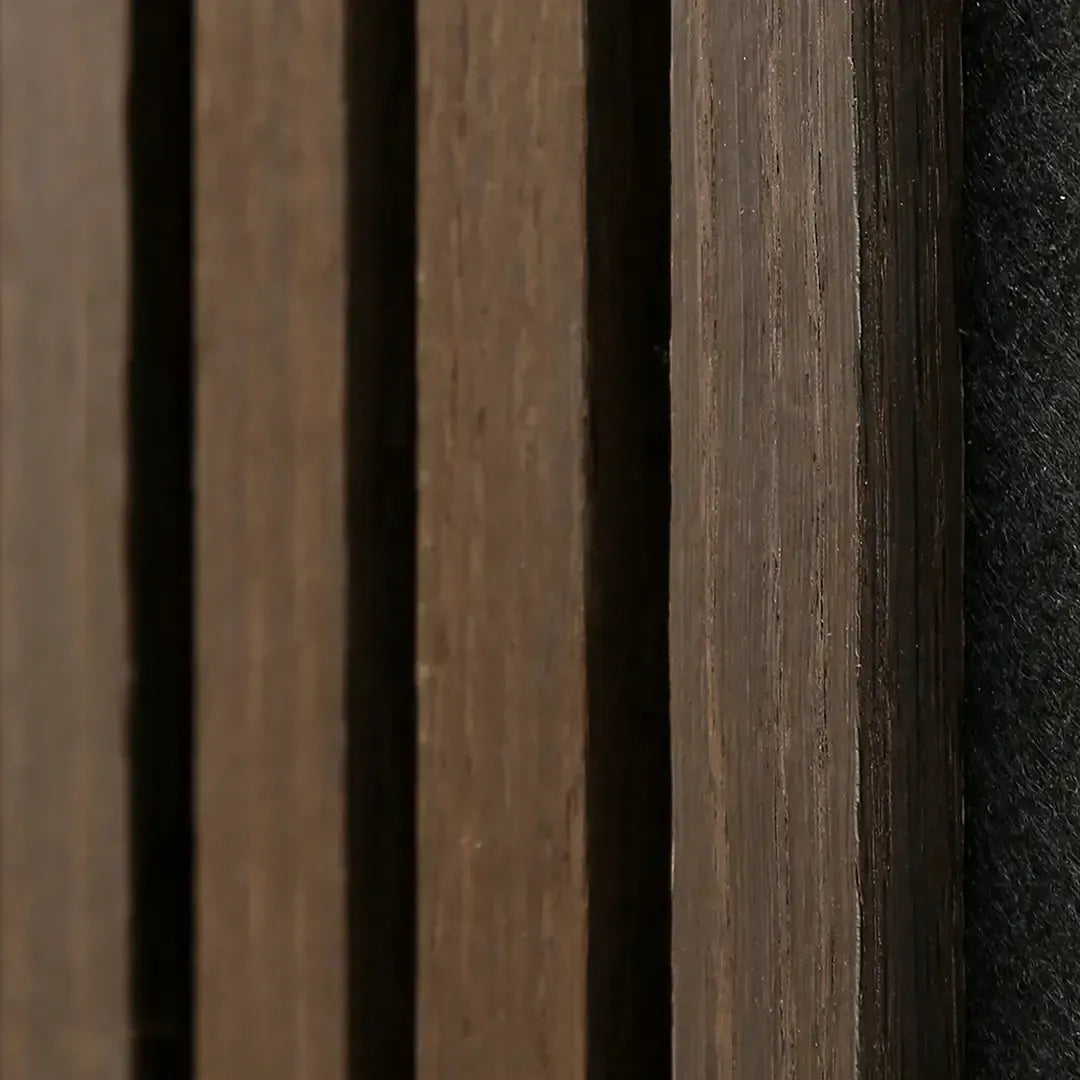
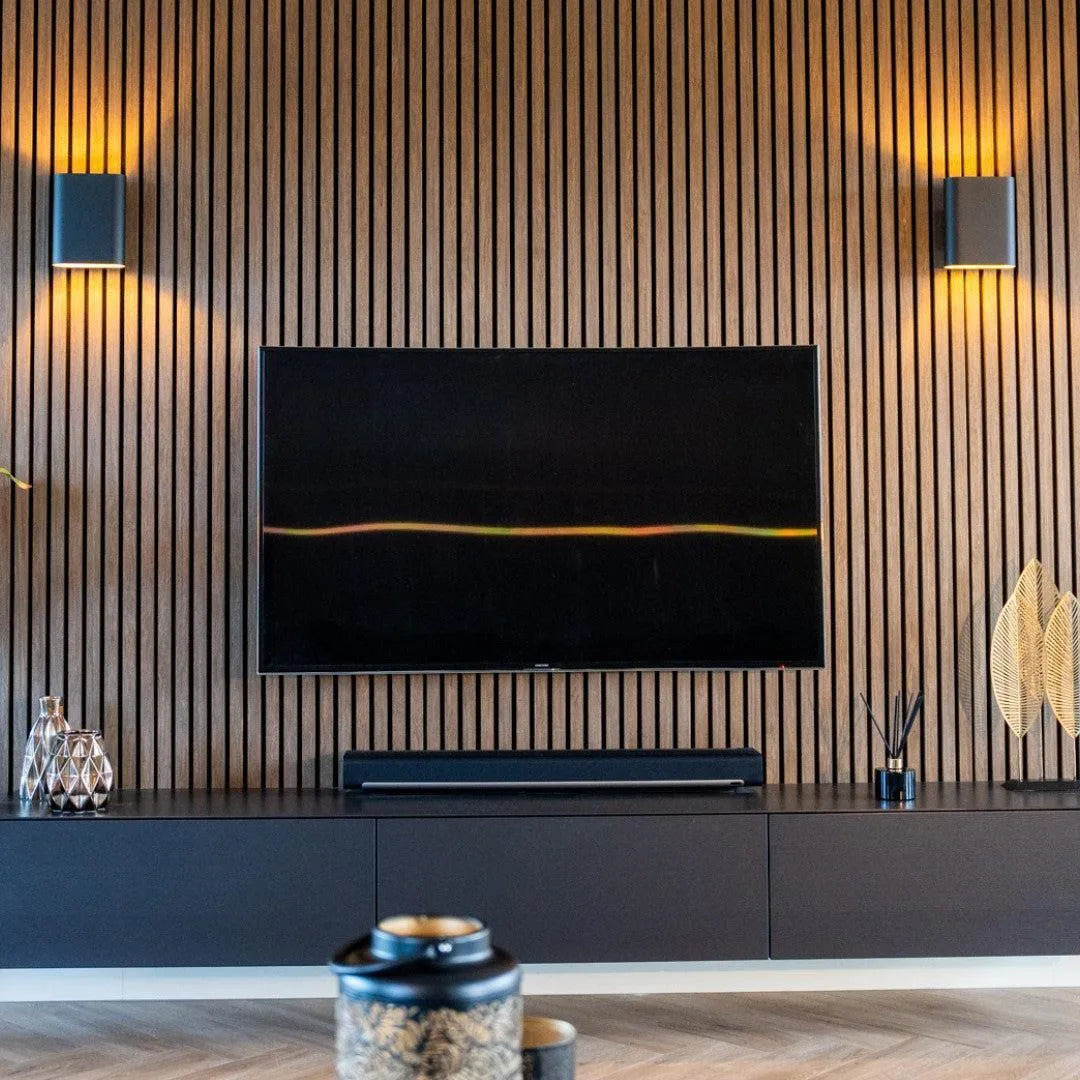
Felt-backed panels pair real wood veneer over an acoustic core, so you get the visual warmth of wood with actual sound absorption instead of a decorative slat wall that looks the part but does nothing for reverb.
- Straight slat panels for narrow counseling nooks and consultation corridors
- Hexagon acoustic panels for a feature wall behind the pharmacist counter
- Gray felt backing when panels sit behind dark cabinetry or shelving
- Standard panel widths that align with existing millwork without heavy cutting
Match finish to your brand and existing fixtures
Pharmacy retail finishes split roughly into two camps in 2026: bright and clinical, or warm and independent.
- Natural Oak for chains that want a bright, clean read
- Smoked Oak or Black Oak for independent pharmacies going for a premium feel
- Walnut for a warmer neutral that pairs with wood shelving
- Gray felt-backed finishes to blend into darker fixture walls
Specify fire rating and low-VOC certification before ordering
Pharmacy retail spaces sit under the same commercial building code as any other health-adjacent retail unit, and inspectors ask for documentation, not assurances.
- Request the fire-rating certificate from the panel supplier in writing
- Confirm low-VOC adhesive backing, especially in rooms with limited ventilation
- Check local commercial code requirements for wall coverings in dispensing areas
- Keep a low-VOC wood wall panel spec sheet on file for landlord or health department review
Order samples before a multi-location rollout
A single pharmacy can eyeball a finish in the showroom. A five-location rollout can't afford a color mismatch discovered after installation.
- Test one sample box against your actual store lighting, not showroom lighting
- Hold the sample next to existing signage and shelving colors
- Confirm veneer consistency across two separate sample orders
- Request end-piece and trim samples, not just the flat panel
Budget for labor, trim, and end pieces separately from panel cost
Panel unit price is never the full number on the invoice. Trim, corner pieces, and cut labor around outlets and columns add to it in every 2026 quote.
- End-piece trim to finish raw edges at doorways and counter returns
- Corner trim for any column or bump-out the panel wraps around
- Installation labor for cuts around outlets, thermostats, and security cameras
- A 10% material overage for waste on cuts near the counter
Comparing panel options for pharmacy retail
| Option | Best for | Starting price (2026) | Key limitation |
|---|---|---|---|
| Acoustic slat wall panels (felt-backed) | Consultation windows and counseling nooks | Check current pricing on the product page | Straight slats show scuff marks fast near high-traffic counters |
| Hexagon acoustic panels | Feature wall behind the pharmacist counter | $148.95 to $165.95 per box | Geometric layout takes longer to install than straight slats |
| Fluted wall panels | Curved consultation pods or column wraps | Check current pricing on the product page | Lower sound absorption than felt-backed slat or hexagon panels |
| Peel-and-stick backsplash tiles | Small accent zones near the register | Check current pricing on the product page | Not built for high-abrasion, floor-adjacent walls |
Felt-backed acoustic slat panels win for any wall where a customer needs to hear the pharmacist clearly — that's the one sentence worth repeating to whoever signs off on the reno budget.
Panels worth shortlisting
Three hexagon acoustic panel finishes cover most pharmacy retail palettes without a custom order.


Common mistakes pharmacy retailers make
- Paneling the pharmacist counter face itself. Full slat coverage there blocks sightlines and can interfere with required camera coverage of the dispensing area.
- Skipping the fire-rating certificate. Landlords and health inspectors ask for documentation, and a stalled inspection costs more than the panels.
- Installing plain wood slats instead of felt-backed panels in the waiting room. Plain slats look identical but do almost nothing for reverb — the felt backing is what absorbs sound.
- Under-ordering end pieces. Raw MDF edges at the counter return are the first thing a customer notices in a customer-facing revenue zone.
- Locking in a finish before checking store lighting. Fluorescent pharmacy lighting reads warmer or cooler than showroom LEDs, and a color mismatch only shows up after install.
“If a customer can't repeat the dosage back to you, the room has an acoustics problem, not a training problem.”
FAQ
What's the best wood slat panel for pharmacy retail interiors?
Felt-backed acoustic slat panels in Natural Oak or Smoked Oak work best for pharmacy retail in 2026, since they combine an NRC of 0.75 sound absorption with a finish that reads clean rather than clinical. Straight slats fit consultation nooks; hexagon panels work better as a feature wall behind the counter.
Are acoustic wood panels fire-rated for pharmacy use?
Fire ratings vary by product and supplier, so request the fire-rating certificate in writing before specifying panels for a pharmacy. Health-adjacent retail spaces fall under commercial building code, and inspectors expect documentation on file.
How much do hexagon acoustic panels cost in 2026?
Hexagon acoustic panels run $148.95 to $165.95 per box of four 32-inch panels in 2026, depending on finish. Gray Walnut is the lower-priced option; Natural Oak and Smoked Oak sit at the higher end.
Do wood slat panels actually reduce noise in a pharmacy waiting room?
Only felt-backed slat or hexagon panels reduce noise meaningfully, carrying a documented NRC of 0.75. Plain wood veneer slat panels with no acoustic backing look similar but absorb very little sound.
Is felt-backed slat panel better than plain wood veneer for pharmacies?
Yes, for any wall where a customer needs to hear counseling clearly. Felt-backed panels absorb sound at an NRC of 0.75; plain veneer slats are decorative only.
Can wood slat panels go behind a pharmacist counter?
Yes, but avoid full coverage on the counter face itself since it can block sightlines and camera coverage. Treat the wall behind or beside the counter instead.
How do I order samples before a multi-location pharmacy rollout?
Order a full sample box and test it against your actual store lighting and existing signage colors before locking in a finish across multiple locations. Confirm veneer consistency across two separate sample orders, since wood veneer batches vary.
What finish works best for an independent pharmacy brand?
Smoked Oak or Black Oak reads premium and independent, while Natural Oak reads bright and clinical for chain locations. Walnut works as a warm neutral middle ground.
One last thing
Most pharmacy renovations spread the acoustic budget evenly across the whole sales floor. Treat the consultation window and the wall behind the pharmacist counter first — that's the one zone where poor acoustics turns into a customer-safety problem, not just an annoyance, since a patient who mishears a dosage instruction is a different kind of failure than a patient who mishears a sale price. Expand to the waiting area only after that wall is done.
 Better performance and aesthetic appeal
 In Stock