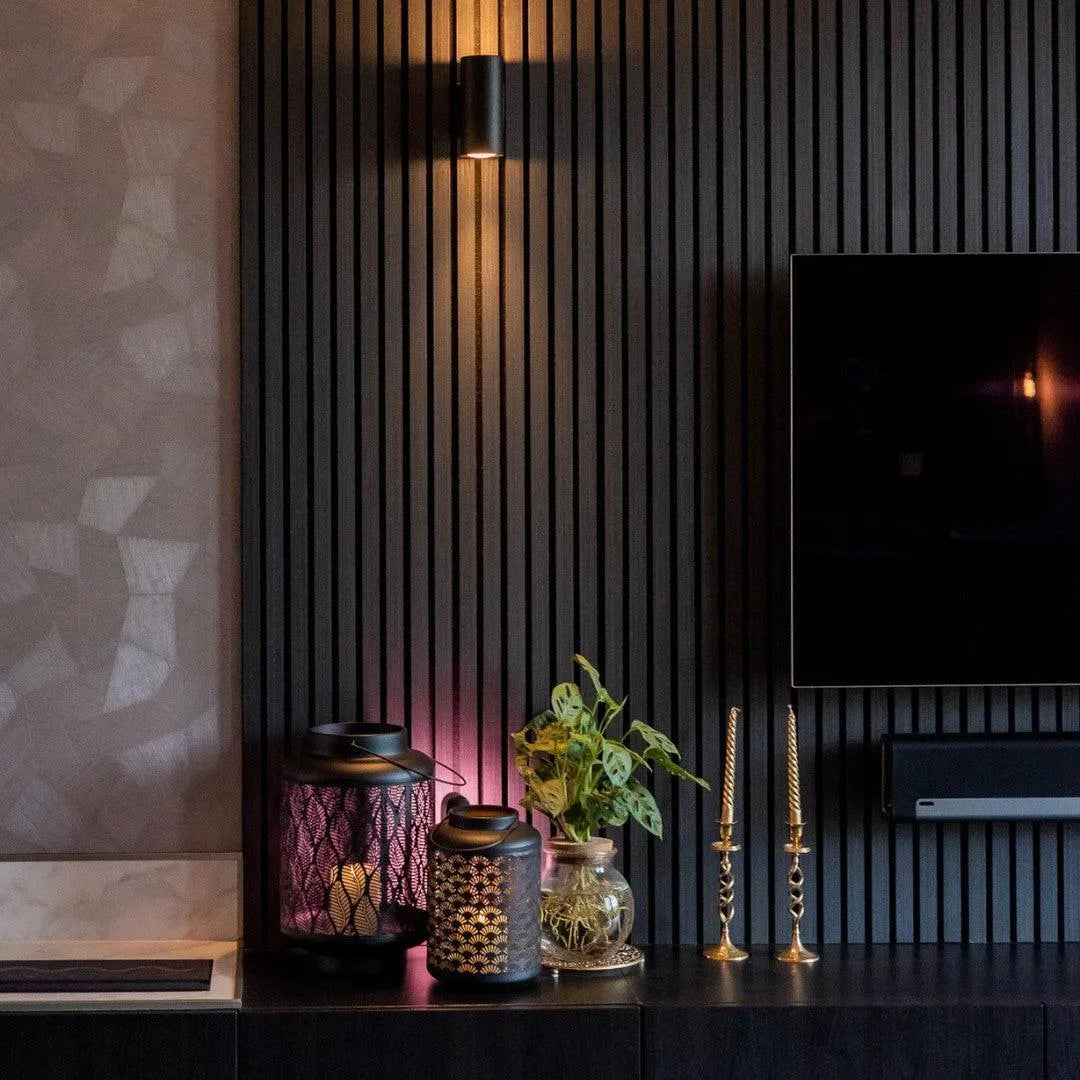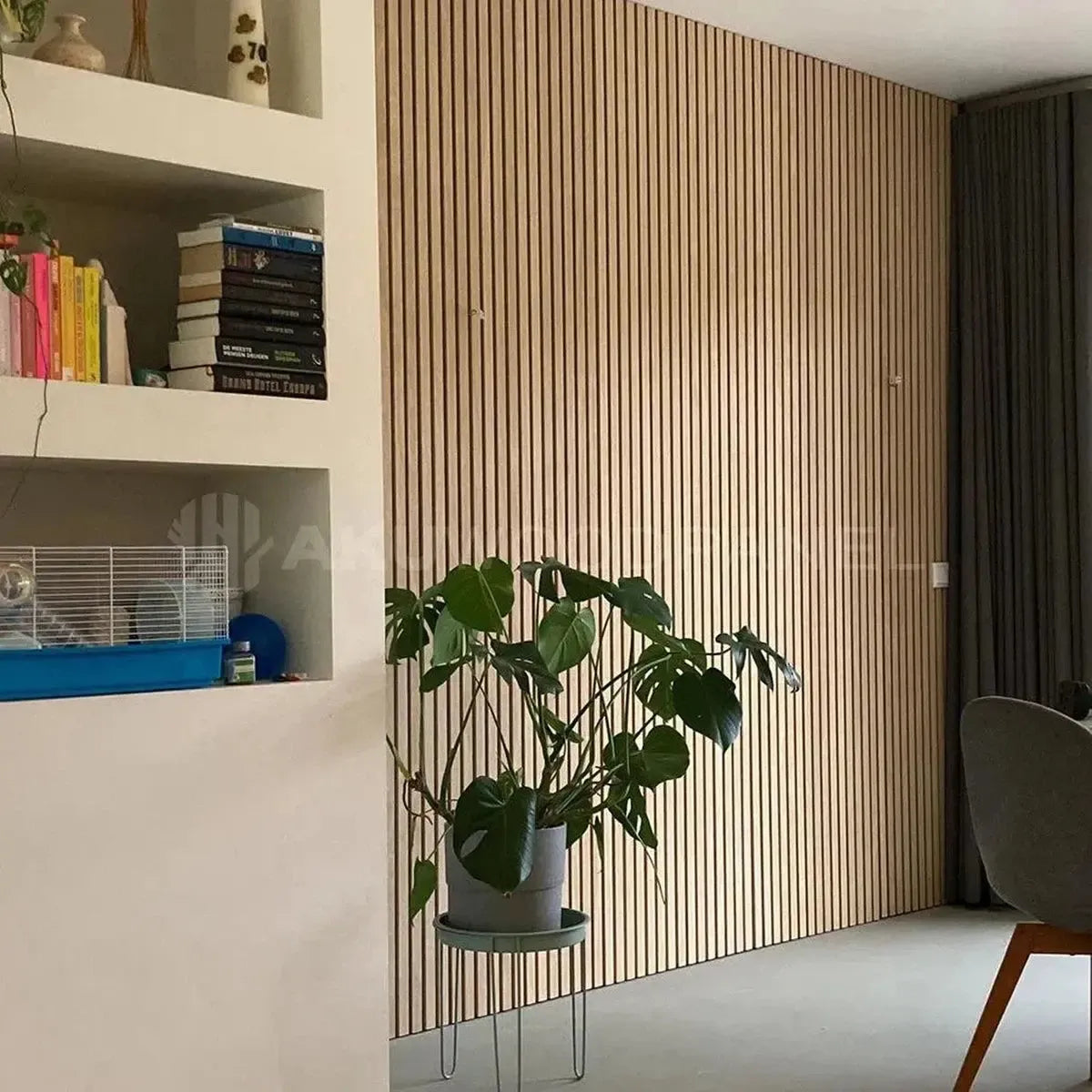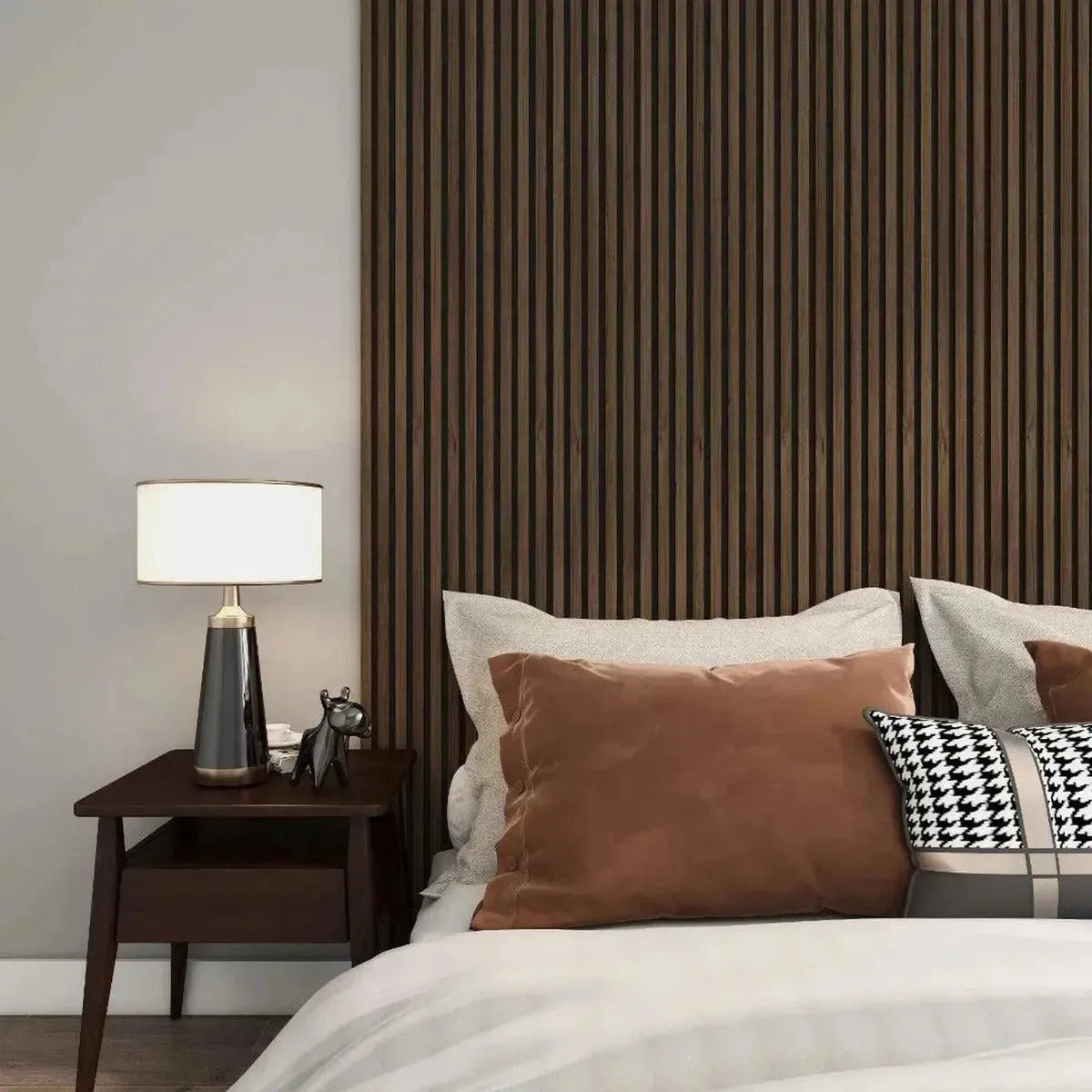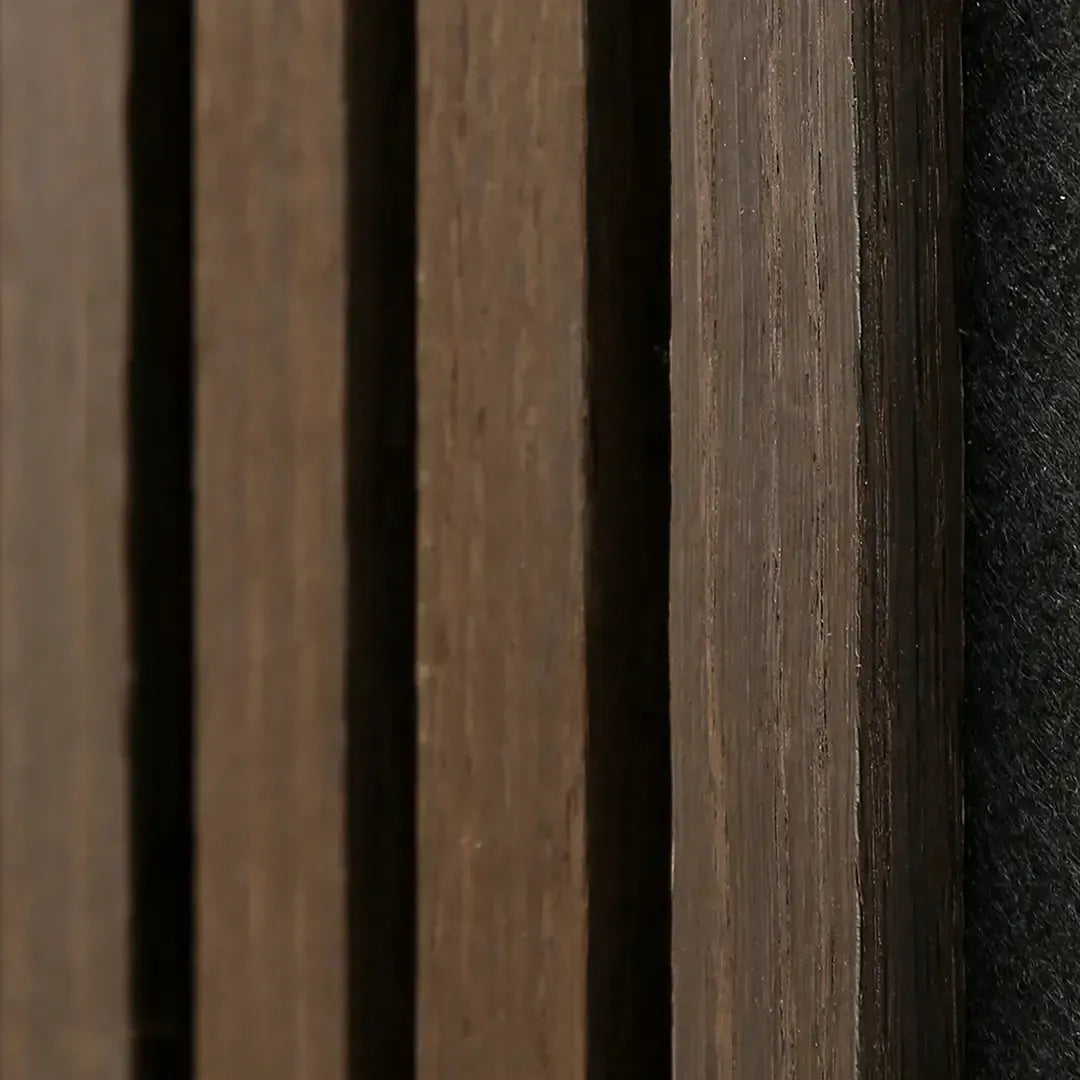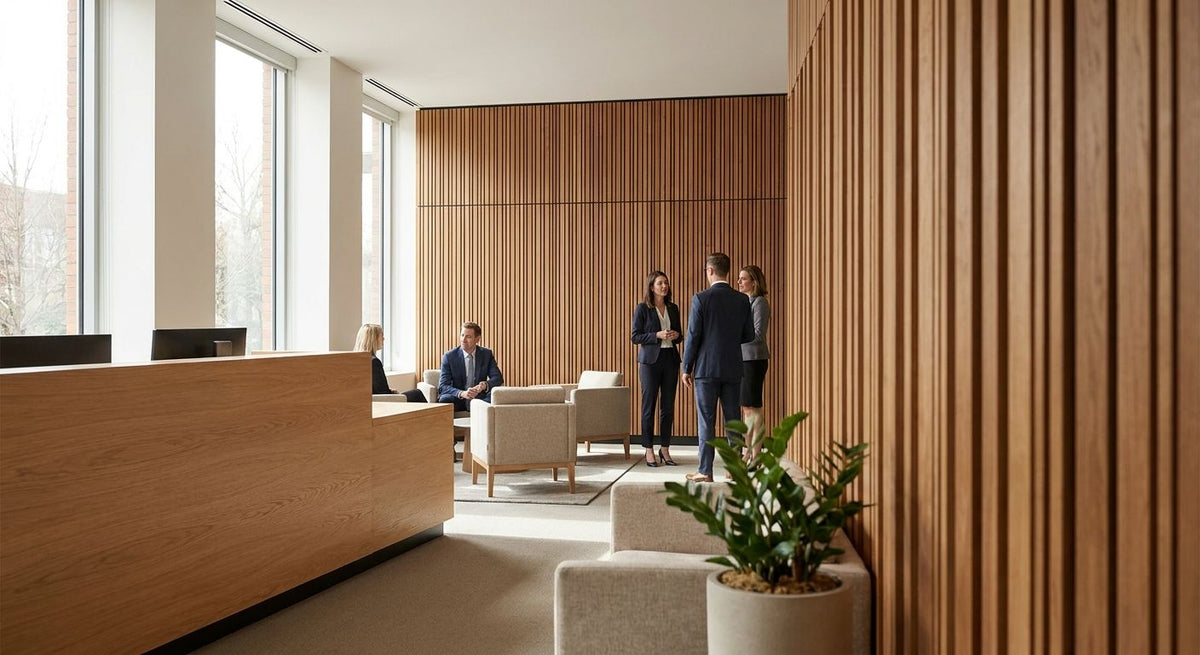
Insurance agency office wood panels are acoustic wall treatments installed in reception areas, agent bays, and claims rooms with the aim of cutting phone-call echo while keeping the space looking client-ready. Insurance offices run on phone conversations and video underwriting calls, so the noise problem is different from a typical retail buildout: hard surfaces bounce voices between glass partitions and drop ceilings, and every echo makes an agent sound less credible to a client signing a policy. A panel choice here has to solve for sound and for trust at the same time.
- Natural oak and walnut acoustic slat panels are the top picks for wood panels for insurance office reception and agent-bay walls in 2026.
- Treat open-plan claims and call areas before the reception wall — that's where echo actually kills productivity.
- Acoustic slat wall panels run $165.95 to $182.95 per panel depending on finish, based on current AKU Woodpanel pricing.
- Skip loose foam tiles in client-facing rooms — they cut sound but look unprofessional next to a signed policy.
Why wood panels for insurance office spaces matter
An insurance office isn't a warehouse or a boutique — it's a room where trust gets built over a phone line or a desk. Hard drywall, glass agent-bay partitions, and drop ceilings common in strip-mall and office-park insurance branches reflect sound instead of absorbing it, which means every ringing phone, hold-music leak, and raised voice travels across the whole floor.
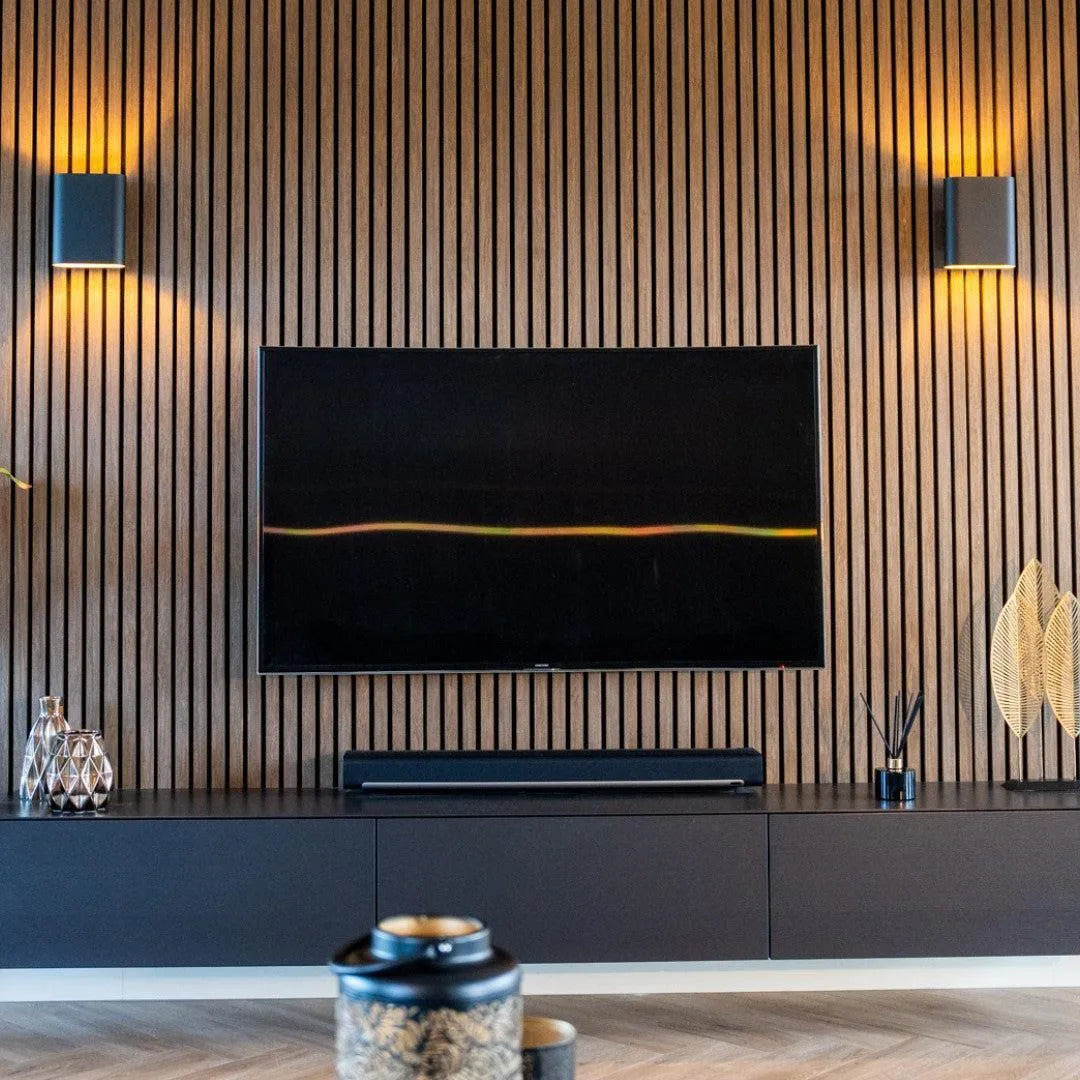
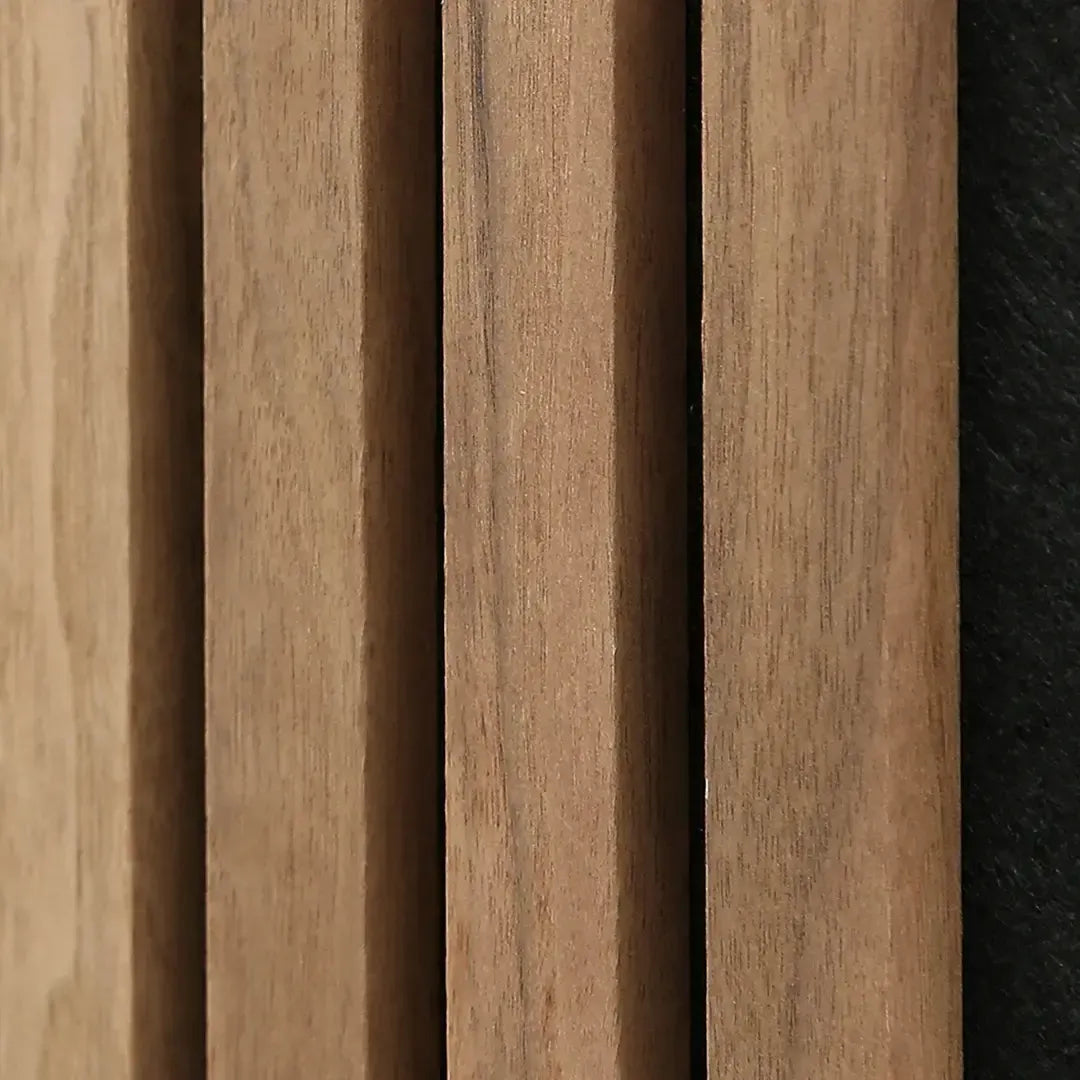
Agents doing remote underwriting or claims calls in 2026 need rooms quiet enough for video, and clients sitting in a waiting area shouldn't hear another customer's policy details through a thin wall. Acoustic wood panels solve both problems at once: real wood veneer absorbs and diffuses sound the way foam can't match visually, while still reading as a finished commercial interior instead of a recording booth.
That's the core tension in this segment — you need acoustic performance, but you can't sacrifice the polished look a client expects when they're about to hand over a check or sign a claim. Natural oak acoustic panels split that difference: warm enough to feel welcoming, structured enough to look intentional.
Assess your agency's noise and echo points
Before ordering panels, walk the office and flag where sound actually bounces. Insurance branches usually have two or three problem zones, not a uniform echo across the whole floor.
- Open-plan agent bays with glass or half-height partitions
- The reception and waiting area, especially with hard flooring
- Claims processing rooms with rows of desks and no soft surfaces
- Video consultation or underwriting call rooms
- Hallways between private offices that funnel sound
- Break rooms adjacent to client-facing space
Choose panel finish that matches your brand and trust factor
Color and grain send a signal before an agent says a word. A darker finish reads as established and formal; a lighter oak reads as approachable and modern.
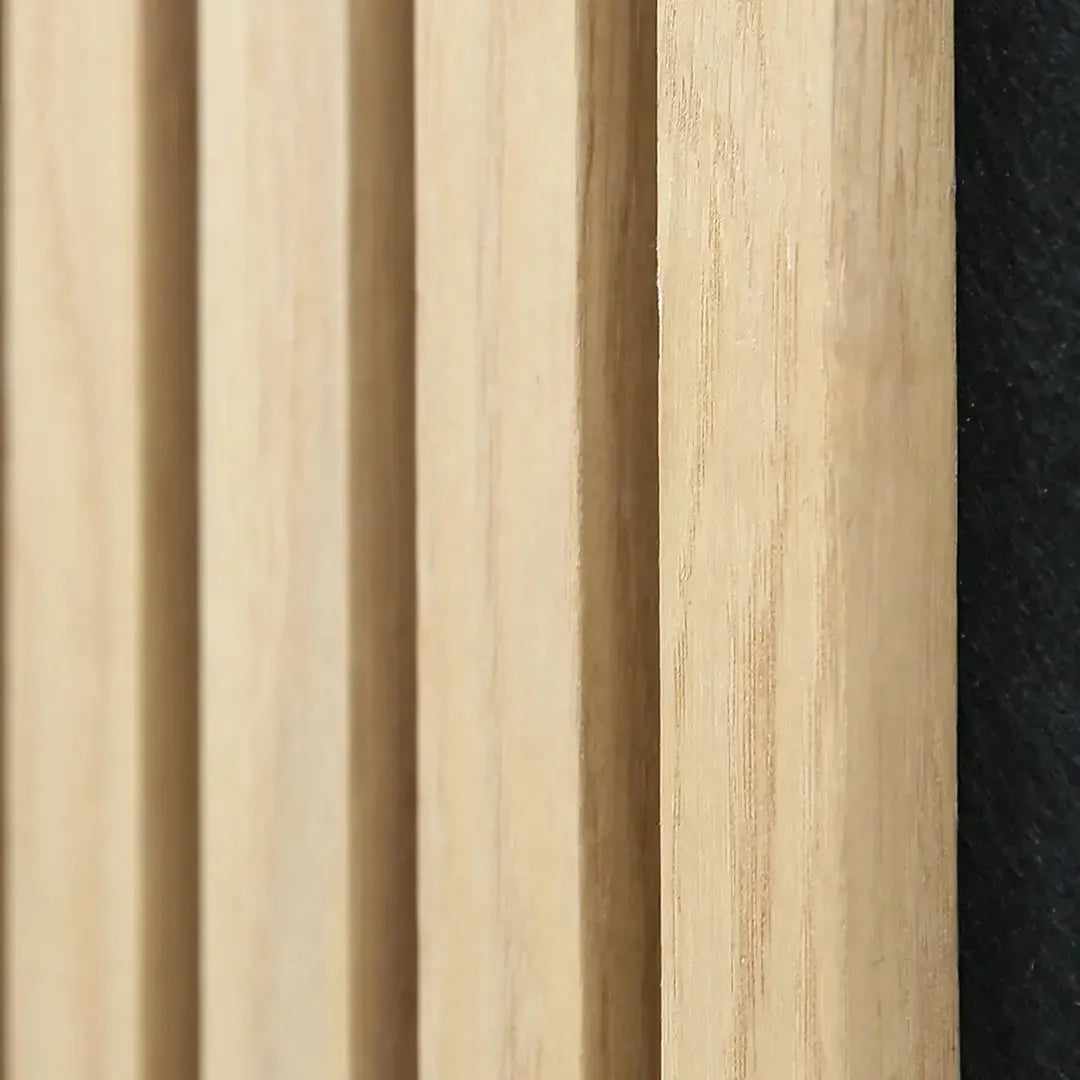
- Natural oak for agencies leaning approachable, family-focused, or community-based
- Walnut for agencies positioning as premium, commercial-lines, or executive-facing
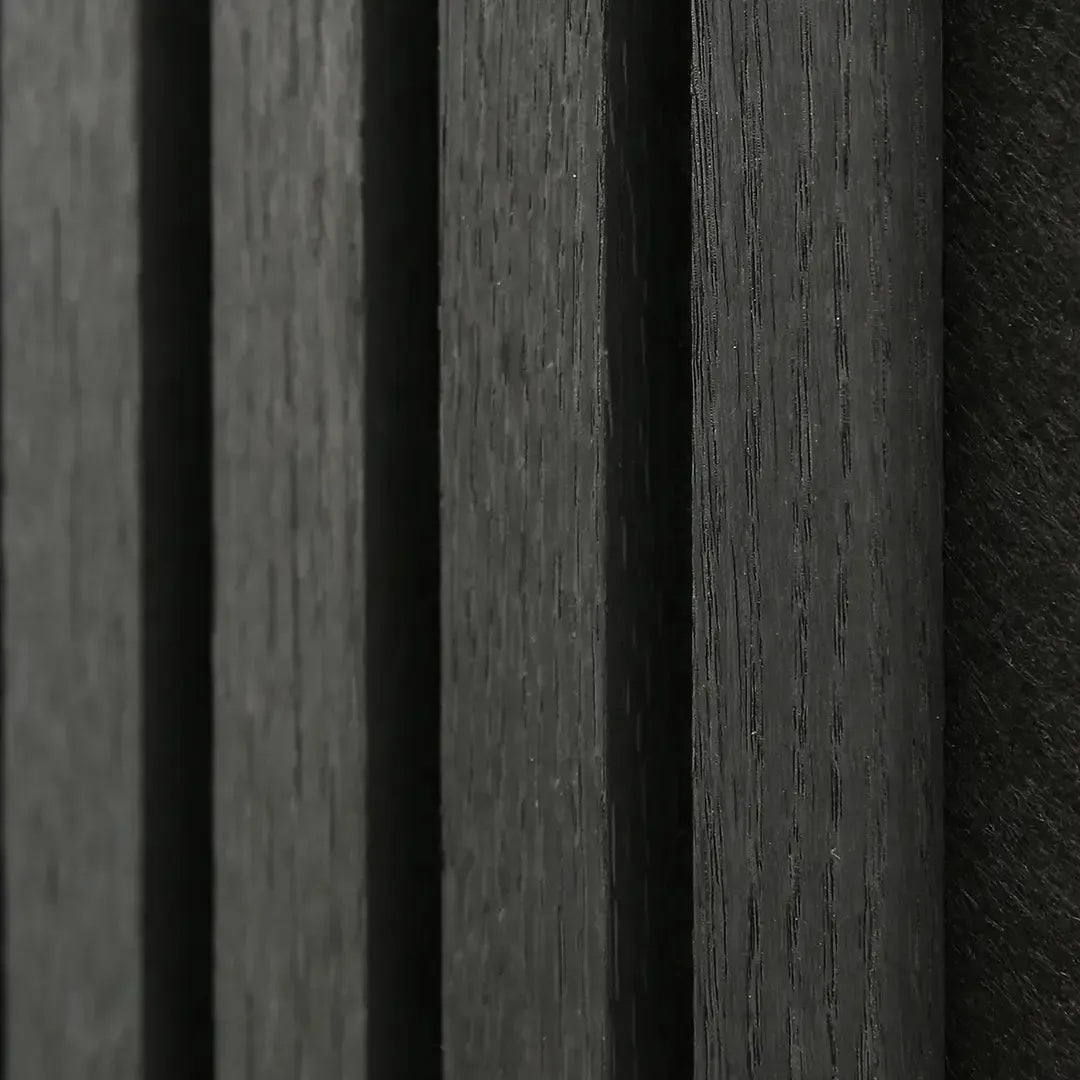
- Smoked oak or black oak for firms with a modern, minimal brand identity
- Felt-backed options (natural oak or smoked oak with gray felt) when acoustic performance matters more than pure aesthetics
- Consistent finish across branches if the agency operates multiple locations
Install acoustic panels in high-noise call and consultation areas
Call-heavy zones get treated first — this is where the manual, low-cost fix actually pays off before anything else. Start with the walls closest to the phone stations, not the lobby.
- Cover the wall behind or beside agent desks, not just the far wall
- Panel a shared wall between two call clusters to cut cross-talk
- Add panels inside dedicated video consultation rooms for cleaner call audio
- Treat ceiling-adjacent wall sections where sound reflects downward
- Prioritize walls facing hard flooring, since those reflect the most sound
Reducing echo in open-plan offices follows the same logic regardless of industry: treat the loudest zone first, then work outward. For an insurance floor, that loudest zone is almost always the agent bay, not the front desk.
Treat your reception and waiting area first for client perception
The waiting area is the only room every client sees, so it earns priority even though it's rarely the loudest room. A panel wall here does double duty as branding and sound control.
- Install a single feature wall behind the reception desk rather than covering every surface
- Use panel color to echo the agency's existing brand palette
- Keep panel height at eye level and above to avoid scuffing from foot traffic
- Pair panels with simple signage rather than heavy decor that competes for attention
Add panels to private offices and small meeting rooms
Private offices and small meeting rooms carry sensitive conversations — policy details, claims disputes, premium negotiations. Acoustic panels here protect both privacy and professionalism.
- Panel one full wall in rooms used for sensitive client conversations
- Add panels behind the desk in producer or agency-owner offices
- Use walnut acoustic slat panels for rooms meant to signal seniority or executive standing
- Check door seals in tandem with panels — a panel wall doesn't fix a gap under the door
Match panel selection to budget and rollout across multiple branches
Single-location agencies and multi-branch operations shop differently. A franchise or regional agency needs consistency across five or ten offices; a single-location shop just needs one wall done right.
- Standardize on one finish across all branches to simplify reordering
- Order samples before committing to a full-office rollout
- Budget per wall, not per office — most insurance branches only need 2-3 walls treated
- Phase installation by branch if budget doesn't cover every location in one cycle
Maintain panels for a professional look year-round
Wood veneer panels hold up well in a low-abuse office environment, but they still need basic upkeep to stay client-ready.
- Dust panels monthly with a dry microfiber cloth
- Avoid harsh chemical cleaners on real wood veneer surfaces
- Check felt-backed panels for compression near high-traffic corners
- Touch up scuffs near desk height where chairs or bags make contact


Comparing panel options for an insurance office
| Option | Best for | Starting price | Key limitation |
|---|---|---|---|
| Acoustic Slat Wall Panel, Natural Oak | Reception and waiting areas | $169.95 | Light tone shows scuffs faster near desk height |
| Acoustic Slat Wall Panel, Walnut | Executive offices, boardrooms | $182.95 | Dark tone reduces perceived light in small rooms |
| Acoustic Slat Wall Panel, Smoked Oak with Gray Felt | Open-plan call and claims areas | $169.95 | Felt backing costs more than plain veneer slat panels |
| Hexagon Acoustic Panel, Natural Oak with Gray Felt | Branded feature walls | $165.95 | Geometric pattern can read as too casual for conservative brands |
Each option in this table is Buy for the use case listed and Skip outside it — a hexagon feature wall behind an executive's desk works against the formal tone most insurance clients expect, while a plain slat wall in the lobby undersells a firm trying to look premium.
“If an agent has to raise their voice to close a policy over the phone, the room needs acoustic treatment before it needs new furniture.”
Common mistakes insurance agencies make
- Treating only the lobby. The reception wall gets the budget while the open-plan agent bay — the actual source of most echo — stays untouched.
- Choosing foam over wood veneer for client-facing rooms. Foam tiles absorb sound but look like a call center, not a firm handling someone's largest financial asset.
- Skipping video consultation rooms. Remote underwriting and claims calls became standard well before 2026, and untreated rooms produce audio clients notice on the other end.
- Ordering panels without measuring coverage first. Multi-branch agencies especially end up with mismatched batches when orders go out room by room instead of against a real coverage plan.
- Ignoring how panel color reads to clients. A dark walnut wall behind a producer's desk signals something different than a light natural oak wall in a family-lines office — pick the tone on purpose, not by default.
FAQ
What's the best wood panel for an insurance agency office in 2026?
Natural oak acoustic slat panels are the strongest general pick for insurance office reception and agent areas in 2026, priced at $169.95. Walnut is the better call for executive offices and boardrooms where a more formal tone matters.
Do acoustic wood panels actually reduce noise in open-plan insurance offices?
Yes, wood veneer acoustic slat and hexagon panels absorb and diffuse sound that would otherwise bounce off drywall and glass partitions. Felt-backed options, like the smoked oak with gray felt panel, add extra absorption for the loudest call and claims zones.
How much do acoustic wall panels cost for an insurance office?
Current pricing runs from $165.95 for hexagon acoustic panels to $182.95 for walnut acoustic slat panels per unit. Total project cost depends on how many walls need coverage, so measure the room before budgeting a full rollout.
Is walnut or natural oak better for a professional insurance office look?
Walnut suits agencies positioning as premium or commercial-lines focused, while natural oak reads warmer and more approachable for family and personal-lines offices. Both are real wood veneer panels, so the choice comes down to brand tone, not sound performance.
Can acoustic panels be installed in a leased insurance office space without damaging walls?
Acoustic slat and hexagon panels mount to standard drywall and don't require structural changes to the space. Check the lease terms on wall modifications before installation, since mounting hardware does penetrate the drywall surface.
How many panels does a typical insurance agency reception area need?
Coverage depends on wall dimensions, but most agencies treat one full feature wall behind the reception desk rather than the entire room. Measure the wall square footage and check panel dimensions before ordering to avoid a mismatched batch.
Are hexagon acoustic panels appropriate for a conservative insurance brand?
Hexagon panels work best as an accent feature rather than full-room coverage in conservative insurance branding. For a more formal look, slat wall panels in natural oak or walnut read more traditional.
Do acoustic panels help with video consultation calls in insurance offices?
Yes, treating the walls of a dedicated video consultation room with acoustic panels reduces echo that carries into remote underwriting and claims calls. This matters more in 2026 as more insurance business moves to video-first client meetings.
One last thing
Most insurance agencies over-invest in the lobby and under-invest in the agent bay — the room clients never see is usually the one costing the firm the most in call quality and agent fatigue. Treat the loudest wall first, not the most visible one, and the lobby upgrade will matter less than you think.


 Better performance and aesthetic appeal
 In Stock