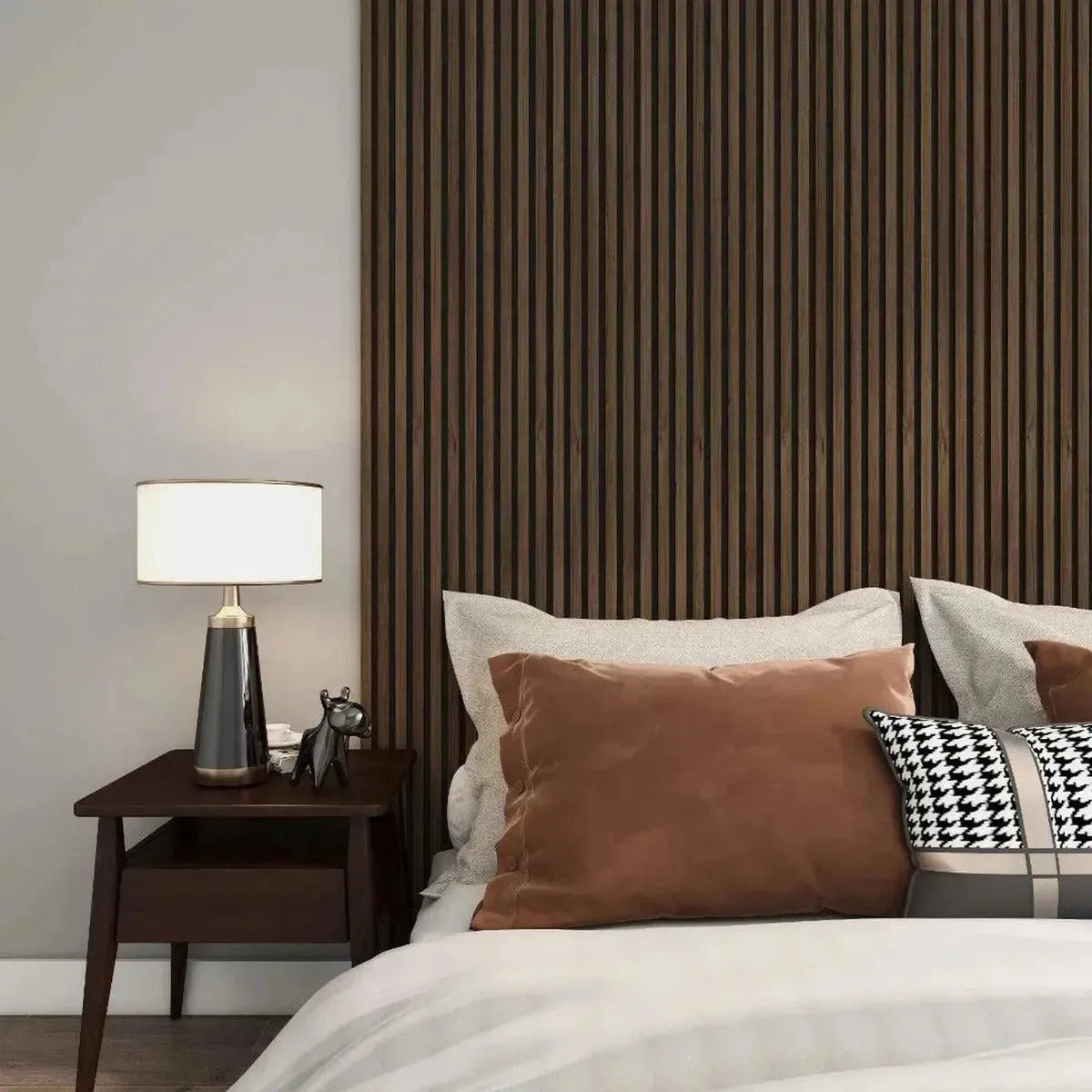
Specify acoustic slat wall panels with an NRC of 0.75 and a documented fire rating for a courtroom renovation in 2026 — that combination cuts the flutter echo off marble, terrazzo, and hard plaster while clearing most public-building fire codes. The line item courthouse project managers miss: finishing trim, end pieces, and felt-backed options add a separate budget line that rarely makes the first draft of a spec sheet.
- Wood panels for courtroom renovation should carry an NRC of 0.75 or better — Akuwood Panel's slat line hits that mark in both Natural Oak and Black Oak.
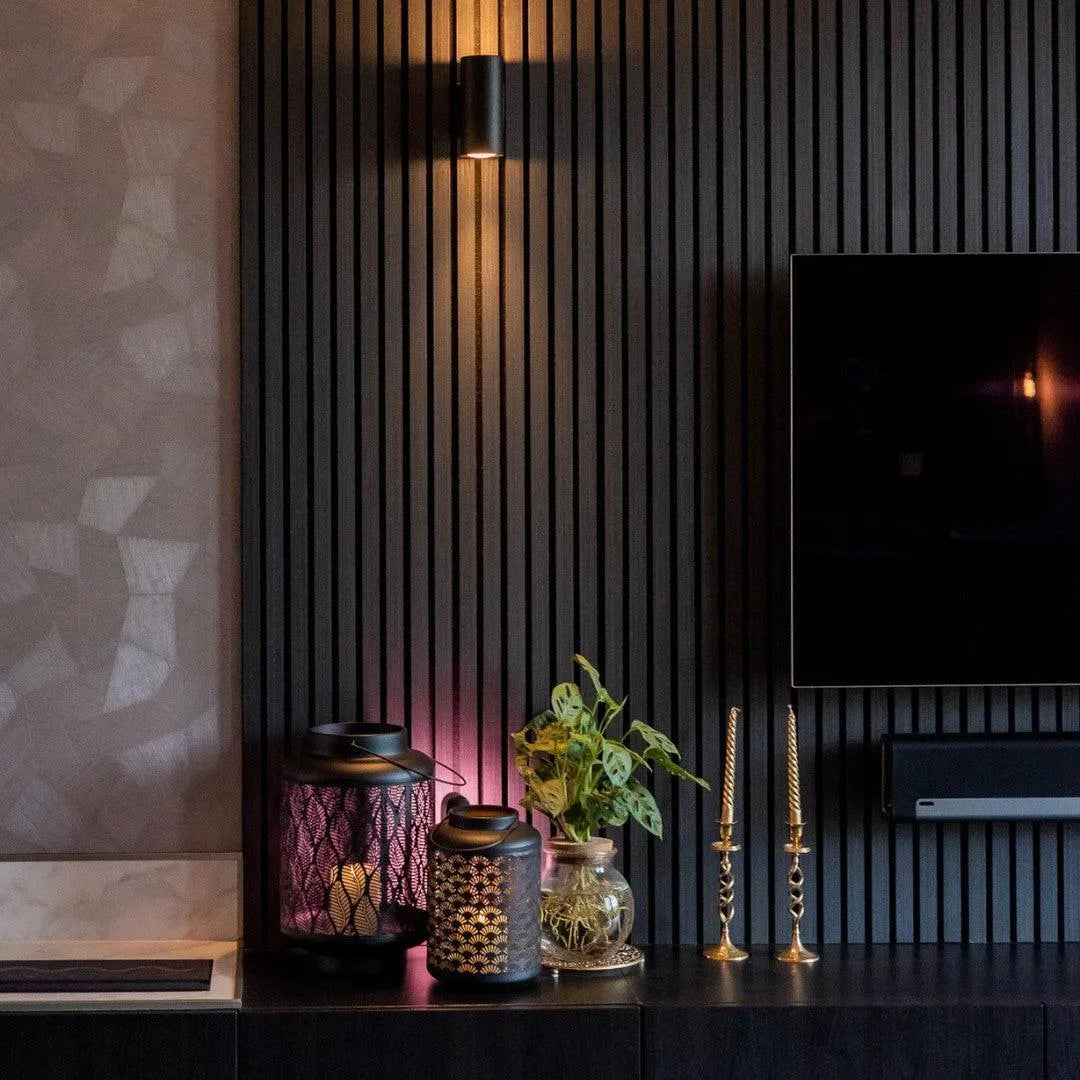
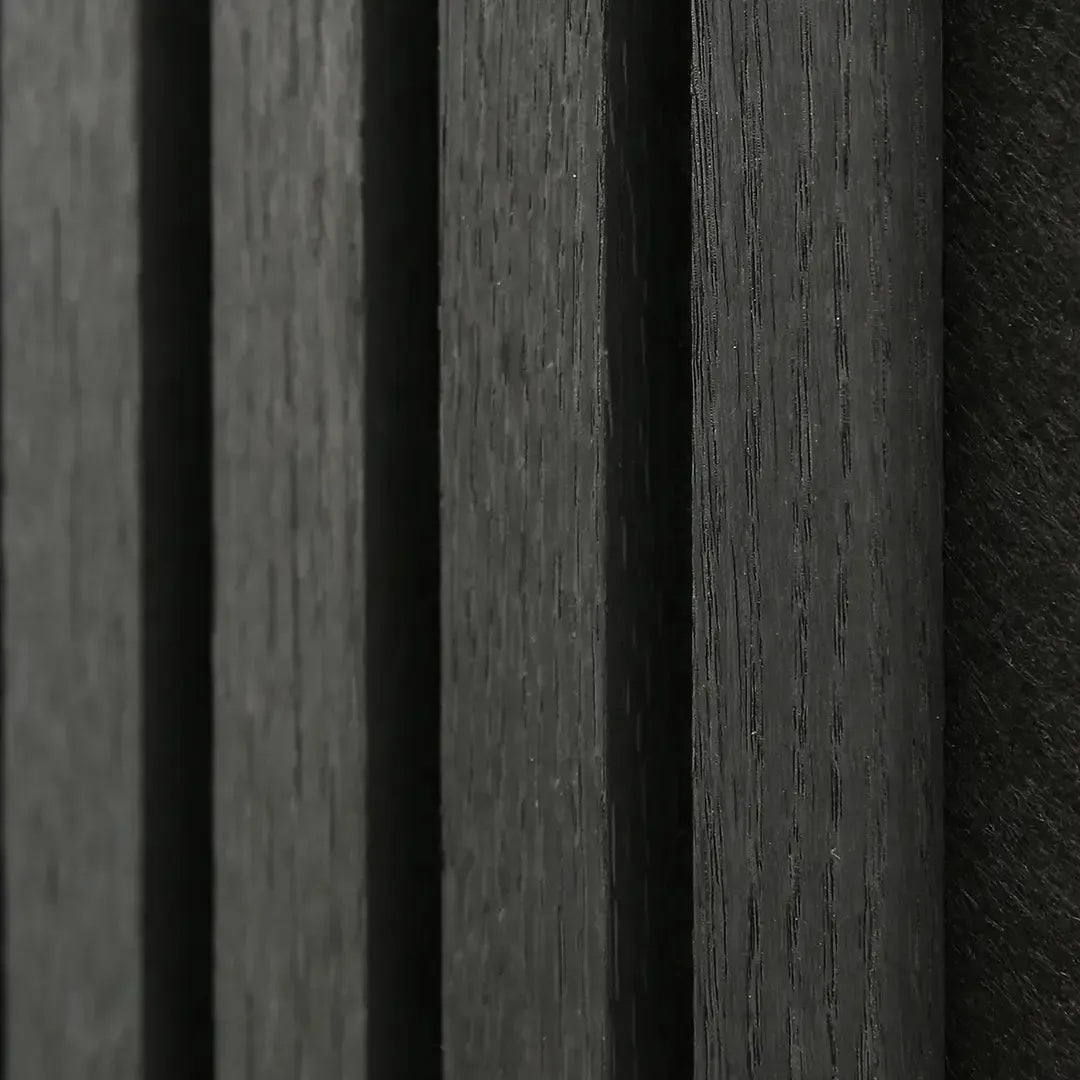
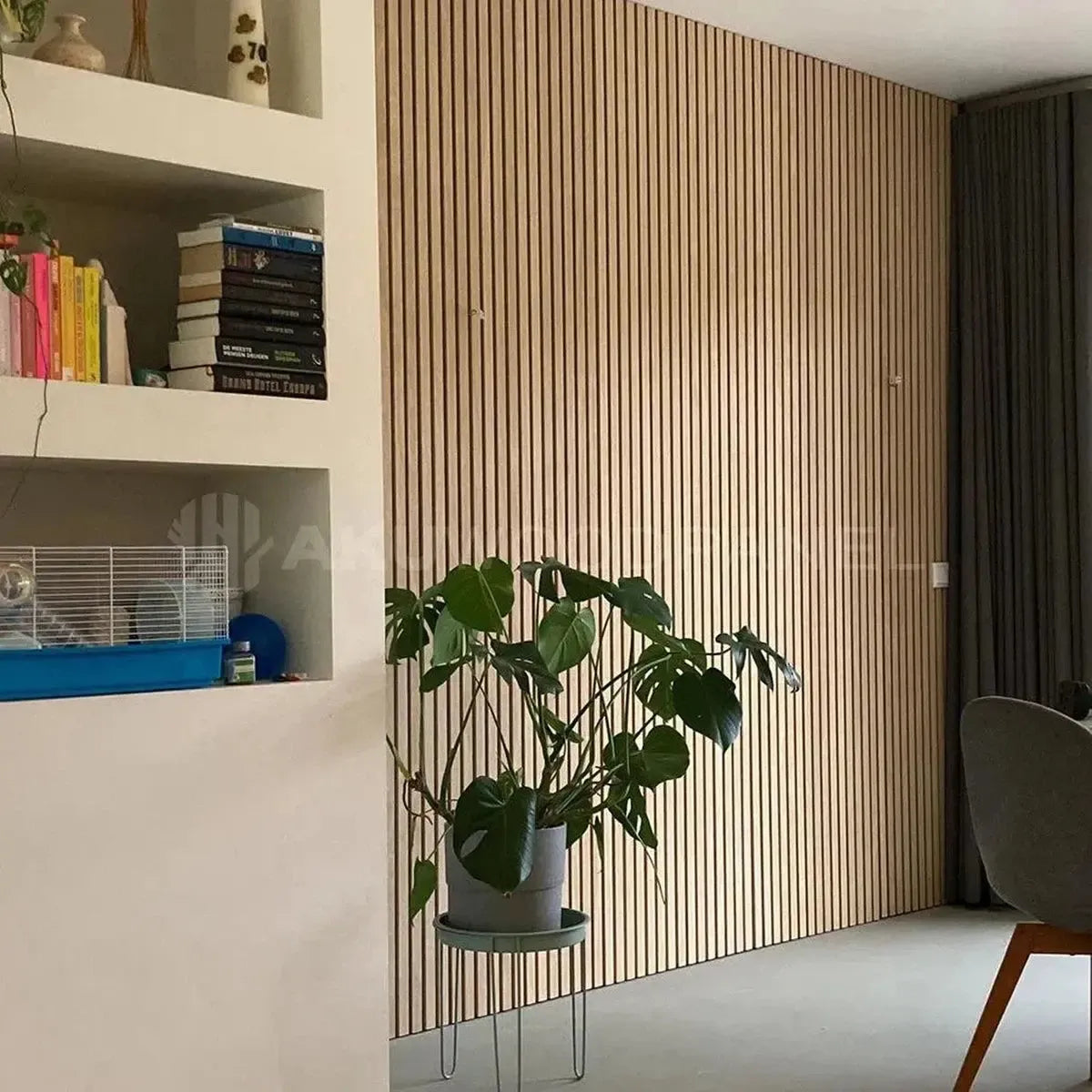
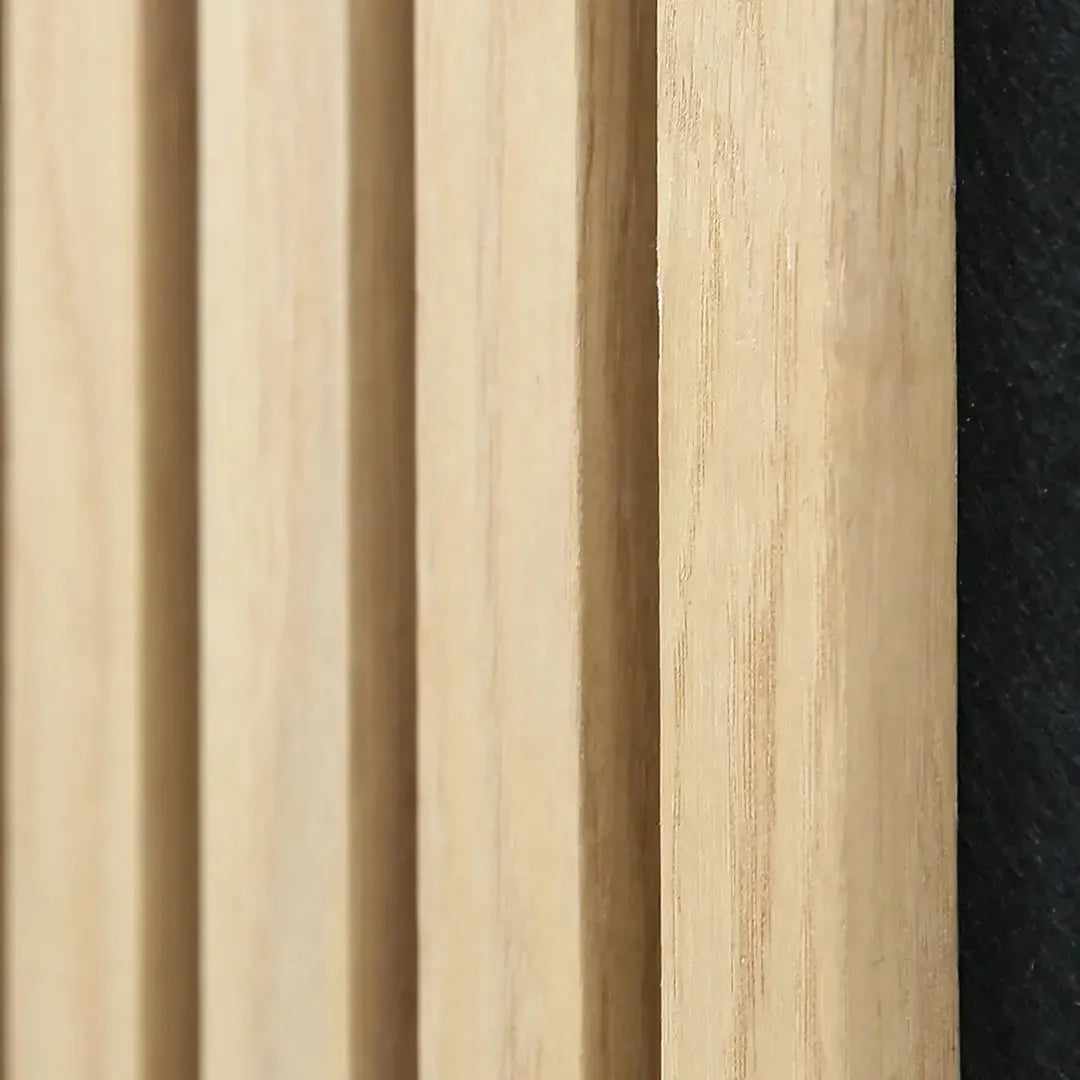
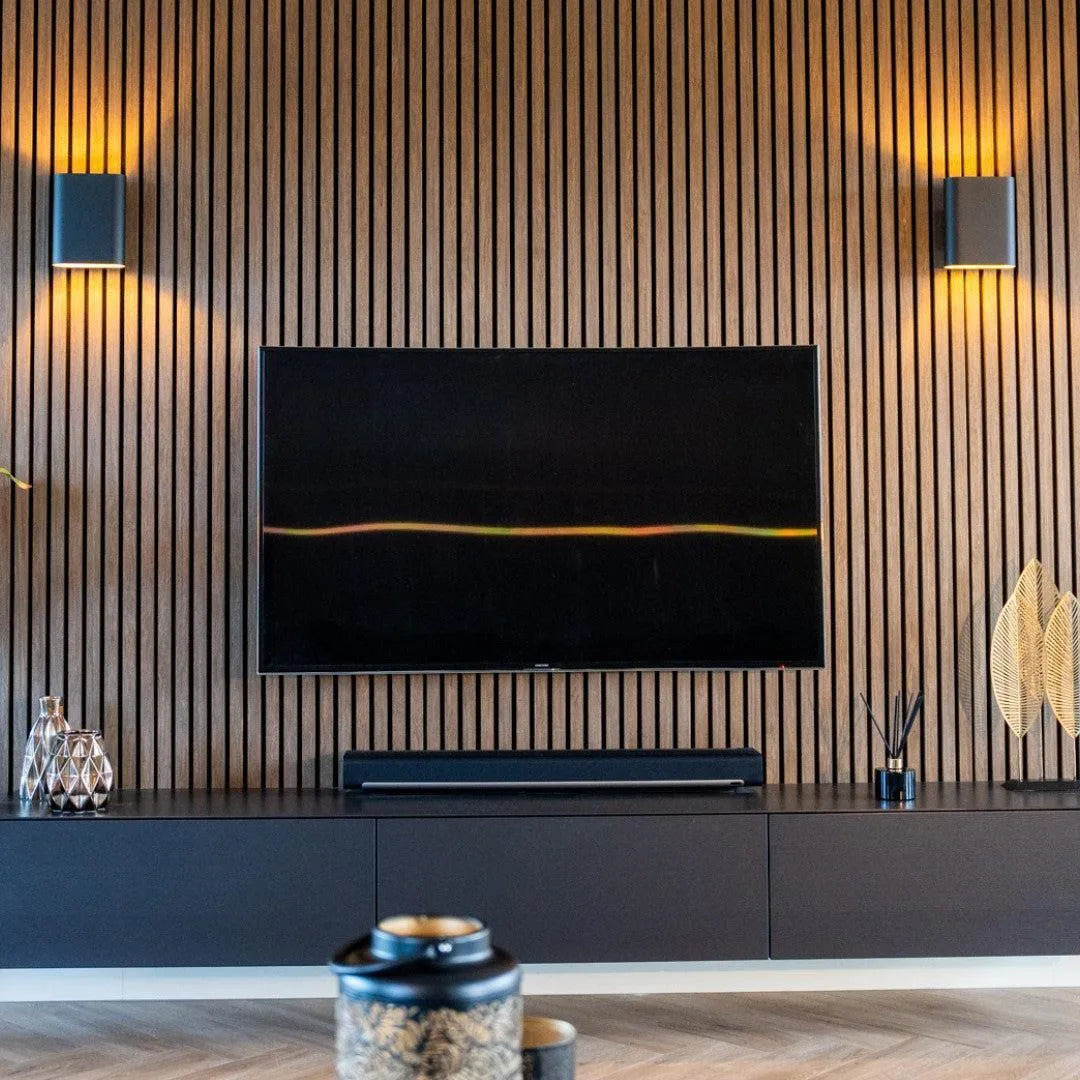
- Black Oak suits bench and dais walls where contrast and formality matter; Natural Oak keeps public gallery walls bright under courtroom lighting.
- Fire rating documentation must be confirmed with the local Authority Having Jurisdiction before a courthouse spec locks — wood veneer over MDF isn't automatically Class A.
- Budget separately for 94.5-inch finishing trim and end pieces; they're the item most courtroom renovation specs miss on the first pass.
Why this matters
Courtrooms stack up every acoustic problem in one room: 12 to 16-foot ceilings, marble or terrazzo flooring, hard wood bench seating with no upholstery, and a recording system that has to isolate sworn testimony from HVAC noise and shuffling papers. A wall finish that only looks the part solves nothing — it has to measure.
That's why courtroom renovation specs increasingly call out an NRC (Noise Reduction Coefficient) number directly instead of leaving acoustic treatment to a vague "sound-dampening material" line. Wood veneer slat panels back most modern courtroom acoustic packages because they satisfy the visual formality courts expect — oak, walnut, black oak — while carrying an absorption number an architect can actually cite in the spec document.
How to specify wood panels for a courtroom renovation
Start with the two variables that survive value engineering: NRC rating and fire rating. Everything else — veneer tone, panel width, trim profile — gets negotiated later in the process. Below is how the two most common courtroom-appropriate finishes compare on paper.
| Veneer | NRC | Best for | Verdict |
|---|---|---|---|
| Natural Oak | 0.75 | Public gallery walls, jury box surrounds | Buy |
| Black Oak | 0.75 | Judge's bench and dais walls | Buy |
Both carry the same acoustic rating, so the split between them is visual, not performance-based. Gallery walls facing windows or overhead fluorescents read better in a lighter tone; bench and dais walls, where formality matters more than brightness, take the contrast finish.
Natural Oak Acoustic Slat Panel: NRC 0.75 for public gallery walls
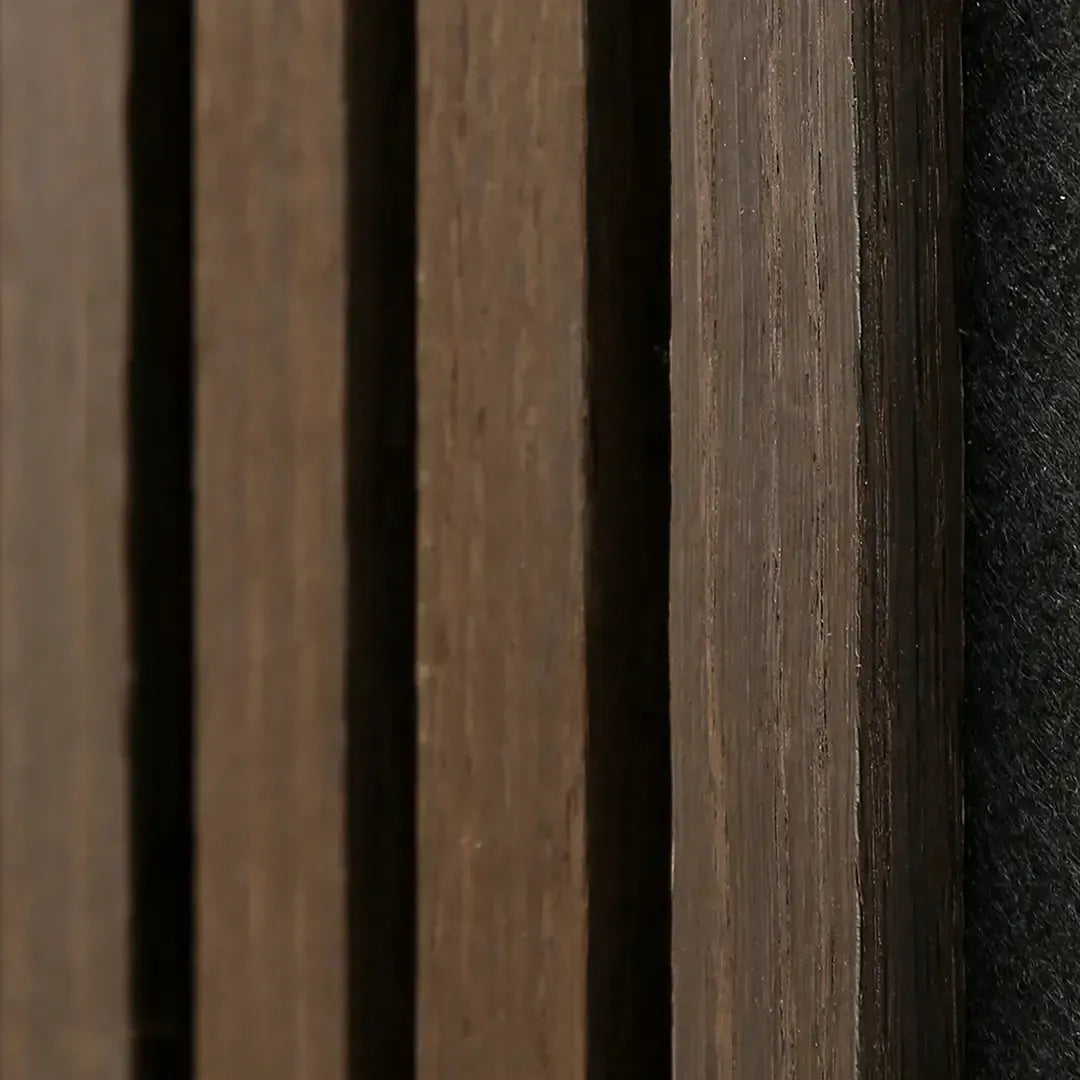
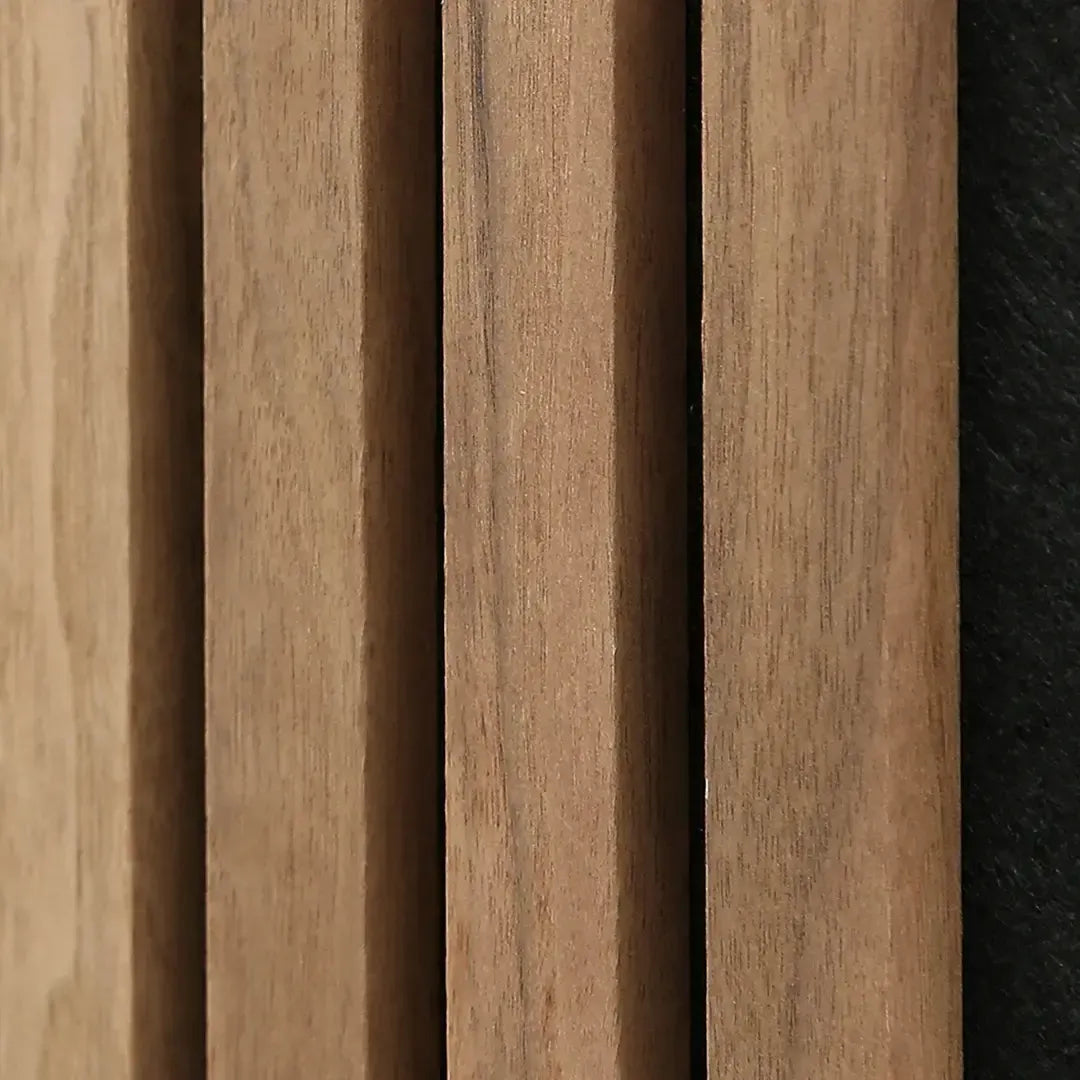
Natural Oak is built on Akuwood Panel's 3-sided wood veneer construction, which keeps the grain pattern consistent across a full gallery wall instead of repeating an obvious print. At NRC 0.75, it absorbs enough mid-range frequency to soften voice reflection off a marble floor without deadening the room entirely — courtrooms still need some liveliness for the recording system to pick up speech naturally. Verdict: buy for gallery and jury box walls.
Black Oak Acoustic Slat Panel: NRC 0.75 for bench and dais walls
Black Oak carries the identical 0.75 NRC rating but reads darker and more formal, which is why it shows up more often behind the bench or on dais backdrops in courthouse renovation photos. The darker tone also holds up better under courtroom camera lighting, where lighter veneers can wash out on recorded proceedings. Verdict: buy for bench, dais, and formal backdrop walls.
Fire ratings and code compliance for courtroom wood panels
A public building renovation doesn't move past plan review without documented fire performance, and wood veneer panels are not automatically Class A just because the backing is MDF or plywood. Confirm the fire classification in writing from the supplier before it goes into the spec, and confirm separately with the local Authority Having Jurisdiction (AHJ) that the classification satisfies the specific occupancy type — courtrooms are typically assembly occupancy, which carries stricter finish requirements than a standard office fit-out. The fire rating guidance for commercial wood panels breaks down what documentation to request from a manufacturer before a 2026 courthouse spec locks.
Why acoustic requirements vary in courtroom renovations
- Ceiling height and room volume — a double-height courtroom needs more absorptive surface than a single-story hearing room of the same floor area.
- Flooring material — marble and terrazzo reflect sound aggressively; carpet or cork underlayment changes how much wall absorption is actually needed.
- Recording and hearing-assist systems — rooms wired for court reporters or ADA hearing loops need lower background reverberation to keep speech intelligible.
- Gallery seating — upholstered bench seating absorbs sound the hard wood pews common in older courthouses don't, shifting how much wall treatment is required.
- Existing millwork — panels installed over or beside existing wainscoting have to match reveal depth and trim profile, which affects install time more than acoustic performance.
Does felt backing add more absorption than plain wood veneer?
Akuwood Panel's felt-backed panel line is rated at the same 0.75 NRC as the plain veneer line, so the felt backing changes texture and depth more than it changes the absorption number. It's a design call, not a performance upgrade.
Do slat panels need furring strips over marble or plaster courtroom walls?
Most hard, uneven courtroom wall surfaces need furring strips or a mounting rail system before slat panels go up — mounting directly to marble or old plaster risks an uneven reveal line across a large gallery wall.


“A courtroom wall that only looks formal but doesn't measure NRC 0.75 hasn't solved the acoustic problem — it's just repainted it.”
FAQ
What NRC rating do wood panels for courtroom renovation need?
An NRC of 0.75 is the benchmark used on Akuwood Panel's acoustic slat line, and it's a reasonable target for courtroom gallery and bench walls in 2026. Lower-rated panels leave more echo off hard flooring like marble or terrazzo.
Is Black Oak or Natural Oak better for a judge's bench wall?
Black Oak is the more common pick for bench and dais backdrops because the darker tone holds up better under courtroom recording lighting. Natural Oak works better on gallery walls that need to stay bright.
Are wood veneer panels fire-rated for public buildings?
Not automatically — fire classification depends on the backing material and has to be documented by the supplier, then confirmed with the local Authority Having Jurisdiction for the specific occupancy type. Courtrooms are usually assembly occupancy, which carries stricter finish requirements.
Can wood slat panels go over existing wainscoting in a courtroom?
Yes, but the reveal depth and trim profile have to match the existing millwork or the panel line will look inconsistent across the wall. Furring strips are usually needed to level the mounting surface first.
How do you calculate how many panels a courtroom wall needs?
Measure total wall square footage minus door and window openings, then divide by the coverage of a single panel or box — the hexagon line, for example, ships four panels per box covering a fixed area per box. Order 5 to 10% extra for cuts around outlets and corners.
Do wood panels improve speech intelligibility during testimony?
Yes — absorptive wood slat panels at NRC 0.75 reduce the reflected sound that competes with spoken testimony, which matters most in rooms with marble, terrazzo, or hard plaster surfaces. They don't replace a properly tuned microphone and recording system, though.
Does felt backing change the acoustic performance of a slat panel?
Felt-backed panels in Akuwood Panel's line carry the same 0.75 NRC rating as the plain veneer version, so the felt changes the look and texture more than the absorption number.
One last thing
The part of a courtroom renovation spec that gets missed most often isn't the panel — it's the trim. Finishing trim and corner pieces ship at a fixed 94.5-inch length, and if they're ordered from a different production batch than the main panels, the wood grain lot can read slightly off under courtroom lighting. Order trim, end pieces, and panels together, not as a follow-up purchase order once the main wall order ships.

 Better performance and aesthetic appeal
 In Stock