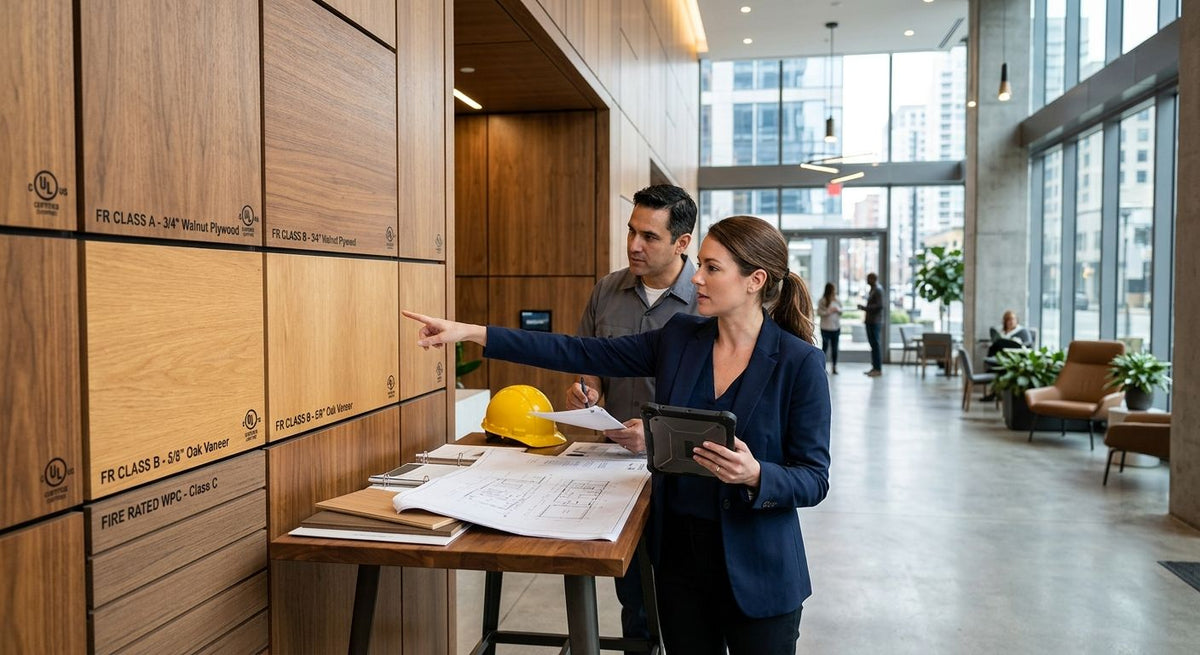
Wood panels in a commercial building need an ASTM E84 fire rating that matches where they're mounted, not just a general "fire-safe" label — Class A (flame spread 0-25) covers stairwells and exit corridors, Class B (26-75) covers general corridors, and Class C (76-200) is often accepted only inside individual rooms. The number that trips up most projects isn't flame spread at all — it's the smoke-developed index, which is capped at 450 for all three classes and gets tested as an assembly, adhesive and backing included.
- Wood panel fire rating for commercial buildings depends on location: Class A (0-25 flame spread) for egress paths, Class B (26-75) for corridors, Class C (76-200) for rooms.
- Smoke-developed index, capped at 450 under ASTM E84, fails more commercial installs in 2026 than flame spread does.
- Fire-retardant treatment changes veneer color and adds lead time — order treated samples before specifying at scale.
- Sprinkler coverage can lower the required class in some jurisdictions, but the local fire marshal has final say.
- Akuwood Panel supplies wood-veneer acoustic panels for commercial fit-outs — confirm rating documentation before you spec.
Why this matters
A fire marshal rejecting paneling after it's already installed is the most expensive mistake on a commercial fit-out — tear-out, re-order, and a delayed occupancy permit cost more than the panels themselves. Architects and contractors specifying wood-veneer wall panels for offices, retail, hospitality, or multi-tenant buildings in 2026 need the class documented before the order ships, not after the inspector walks the site.
The fire-retardant slat wall panel guide covers what treatment does to a panel's appearance and lead time in more detail — read it before you commit to a finish for a project that needs documentation on file.
How to choose wood panel fire ratings for commercial buildings
Start with occupancy type and the panel's location relative to the building's means of egress — that combination, not personal preference, sets the minimum class most codes will accept.
| Class | Flame spread index | Smoke-developed index | Typical location | Verdict |
|---|---|---|---|---|
| Class A | 0-25 | 0-450 | Exit stairwells, exit passageways | Required for egress paths |
| Class B | 26-75 | 0-450 | General corridors, lobbies | Standard for circulation space |
| Class C | 76-200 | 0-450 | Individual rooms, enclosed offices | Room-only in most jurisdictions |
The table above is a starting point, not a substitute for the local fire marshal's sign-off — amendments to the base code vary by state and even by municipality in 2026.
Class A wood panels: flame spread 0-25
Class A is the tightest classification and the one most commercial exit corridors, stairwells, and high-occupancy assembly spaces require by default. Untreated real-wood veneer rarely tests as Class A on its own — most Class A wood wall assemblies get there through a fire-retardant treatment applied to the veneer or the substrate behind it. Verdict: required where code demands it, budget extra lead time for treated stock.
Class B wood panels: flame spread 26-75
Class B covers the middle ground — general corridors, open office floors, and lobby areas that aren't part of a protected exit path. Many standard wood-veneer acoustic panels land in this range without additional treatment, which keeps cost and lead time closer to a residential-grade order. Verdict: workable for most non-egress commercial spaces, confirm with a lab report rather than a supplier's word.
Class C wood panels: flame spread 76-200
Class C is the loosest classification and typically restricted to enclosed rooms that aren't part of a corridor or stairwell — private offices, conference rooms, retail fitting rooms. Some jurisdictions don't allow Class C at all above a certain floor area, so this is the class most worth double-checking against the local amendment before ordering. Verdict: fine for small enclosed rooms, verify square footage limits first.
Why the required fire rating varies
The class a project needs isn't fixed — it shifts based on a handful of factors that a specifier has to check project by project:
- Occupancy classification — assembly, business, and educational occupancies carry different baseline requirements under most building codes.
- Location in the means of egress — a wall inside a stairwell is held to a stricter class than the same wall three rooms away.
- Sprinkler coverage — some codes allow a lower class when the space is fully sprinklered, others don't budge.
- Panel substrate and backing — the rating applies to the assembly, not just the veneer face, so what's behind the panel matters as much as the finish.
- Local code amendments — states and cities layer their own rules on top of the base IBC or NFPA language.
- Application method — direct-to-wall mounting versus furring strips can change how an assembly tests, even with identical panels.


Related questions
Do fire-retardant wood panels look different from standard wood veneer?
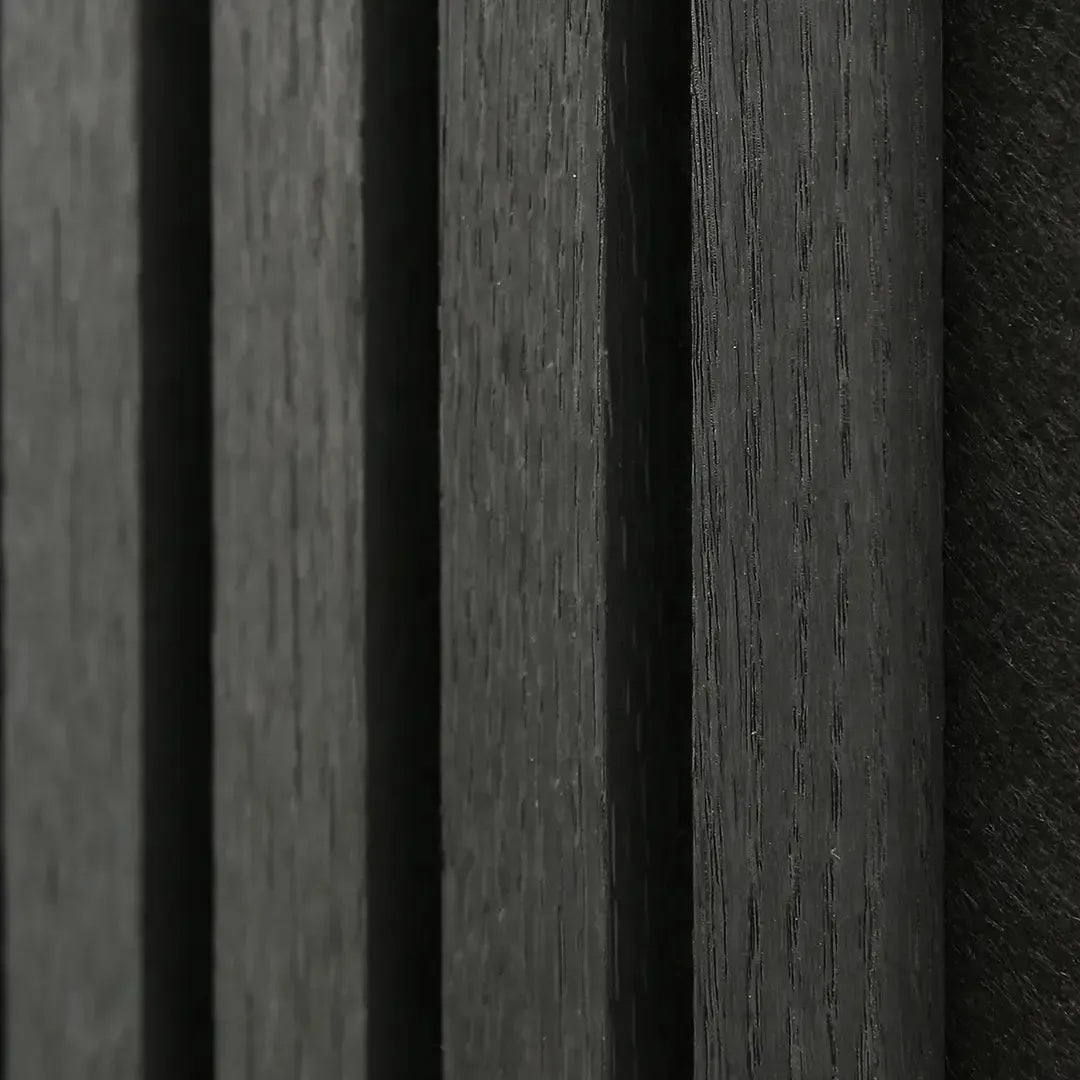
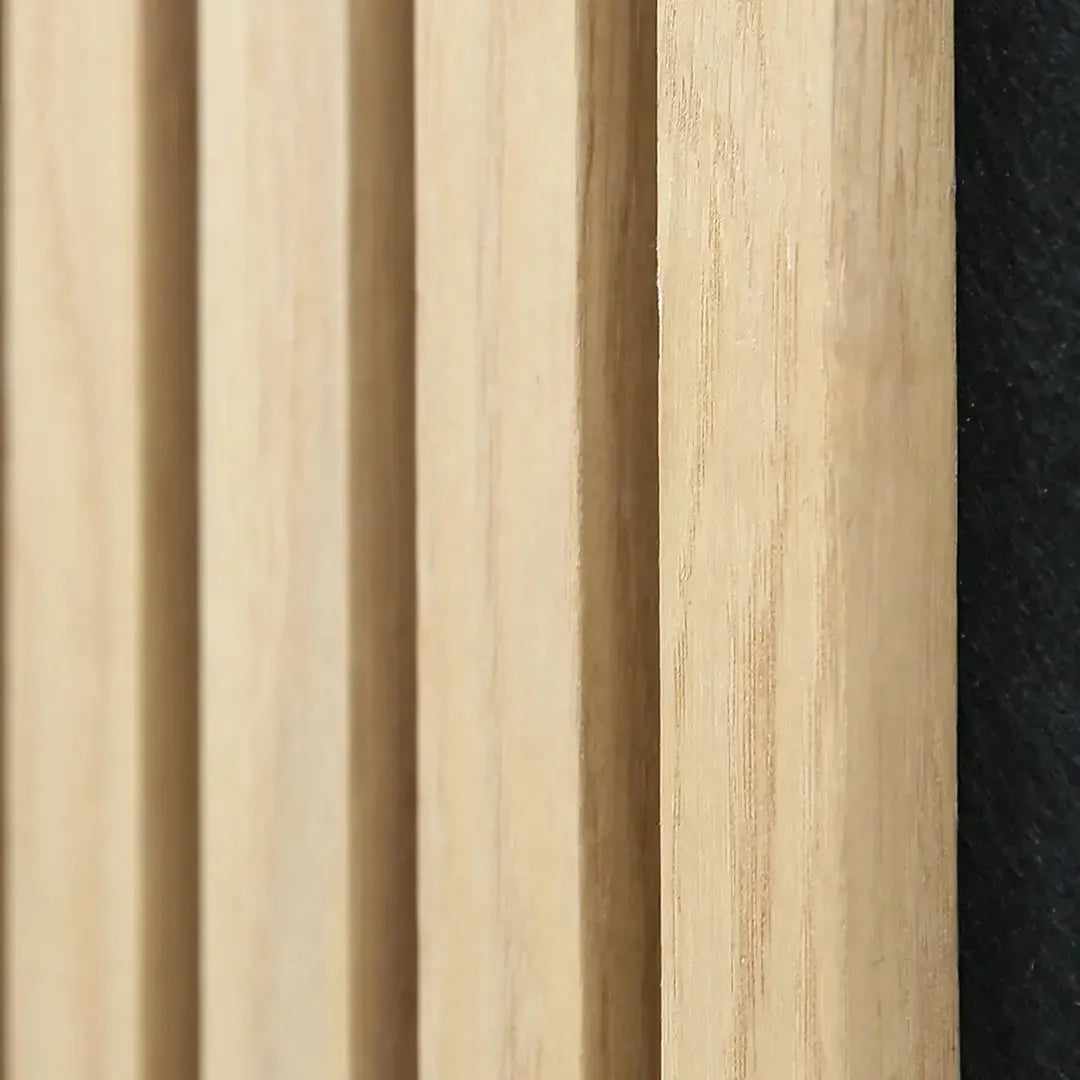
Fire-retardant treatment can darken or slightly muddy the grain of a real wood veneer compared to an untreated panel, which is why ordering a treated sample before a full commercial order matters more here than on a residential job. The difference is usually subtle but visible under close inspection, especially on lighter finishes like natural oak.
Is Class A wood paneling required in every commercial room?
No — Class A is typically required only in exit stairwells and exit passageways, not in every room of a commercial building. General corridors usually accept Class B, and individual enclosed rooms often accept Class C, so applying Class A everywhere wastes budget on treatment the code doesn't ask for.
Does sprinkler coverage change the fire rating requirement?
In some jurisdictions, full sprinkler coverage allows a one-class reduction from what an unsprinklered space would require, though this varies by local amendment. Confirm the exact rule with the authority having jurisdiction before assuming a sprinklered space lets you drop from Class B to Class C.
FAQ
What is the wood panel fire rating for commercial buildings?
Commercial wood panels are classified under ASTM E84 as Class A (flame spread 0-25), Class B (26-75), or Class C (76-200), with the required class set by the panel's location relative to the building's exits. Smoke-developed index, capped at 450 for all three classes, is tested alongside flame spread and fails installs just as often.
Is Class A or Class B better for a commercial corridor?
Class B (flame spread 26-75) is the standard requirement for general commercial corridors, while Class A (0-25) is reserved for protected exit paths like stairwells. Specifying Class A everywhere is not wrong, but it usually adds cost and lead time the code doesn't require outside egress zones.
How much does fire-retardant treatment add to a wood panel order?
Fire-retardant treatment typically adds lead time because panels are treated in a separate process before shipping, and it can shift veneer color slightly. Get a treated sample from the supplier before committing to a full commercial quantity.
Can real wood veneer panels pass Class A fire rating?
Real wood veneer panels can reach Class A (0-25 flame spread), but almost always with fire-retardant treatment applied to the veneer or backing rather than untreated. Ask for the lab report tied to the exact panel and backing combination you're ordering, not a generic manufacturer claim.
Does the fire rating apply to the whole panel assembly or just the wood veneer?
The rating applies to the full assembly tested together — veneer, backing, and adhesive — not the wood face alone. A panel with an untested backing swapped in after certification voids the documented class.
Who decides which fire class a commercial project needs?
The local building code and the authority having jurisdiction, usually the fire marshal, set the required class based on occupancy type and location within the building. Architects and contractors should confirm requirements before ordering, since local amendments to the base code are common in 2026.
One last thing
Most rejected wood panel installs in commercial buildings fail on smoke-developed index, not flame spread — a panel can post a low Class A flame spread number and still get turned down if the adhesive or backing behind it wasn't part of the tested assembly. Ask any supplier for the lab report tied to the exact veneer-backing-adhesive combination you're ordering, not a general product spec sheet, before the panels ship in 2026.



 Better performance and aesthetic appeal
 In Stock