Architects specifying interior wood panels for 2026 projects need three things fast: acoustic performance numbers, a real veneer (not a printed laminate), and a supplier who ships boxes that match on grain and tone across a full elevation. This guide ranks the panel types that clear architect-level specification review, with the numbers behind each pick.
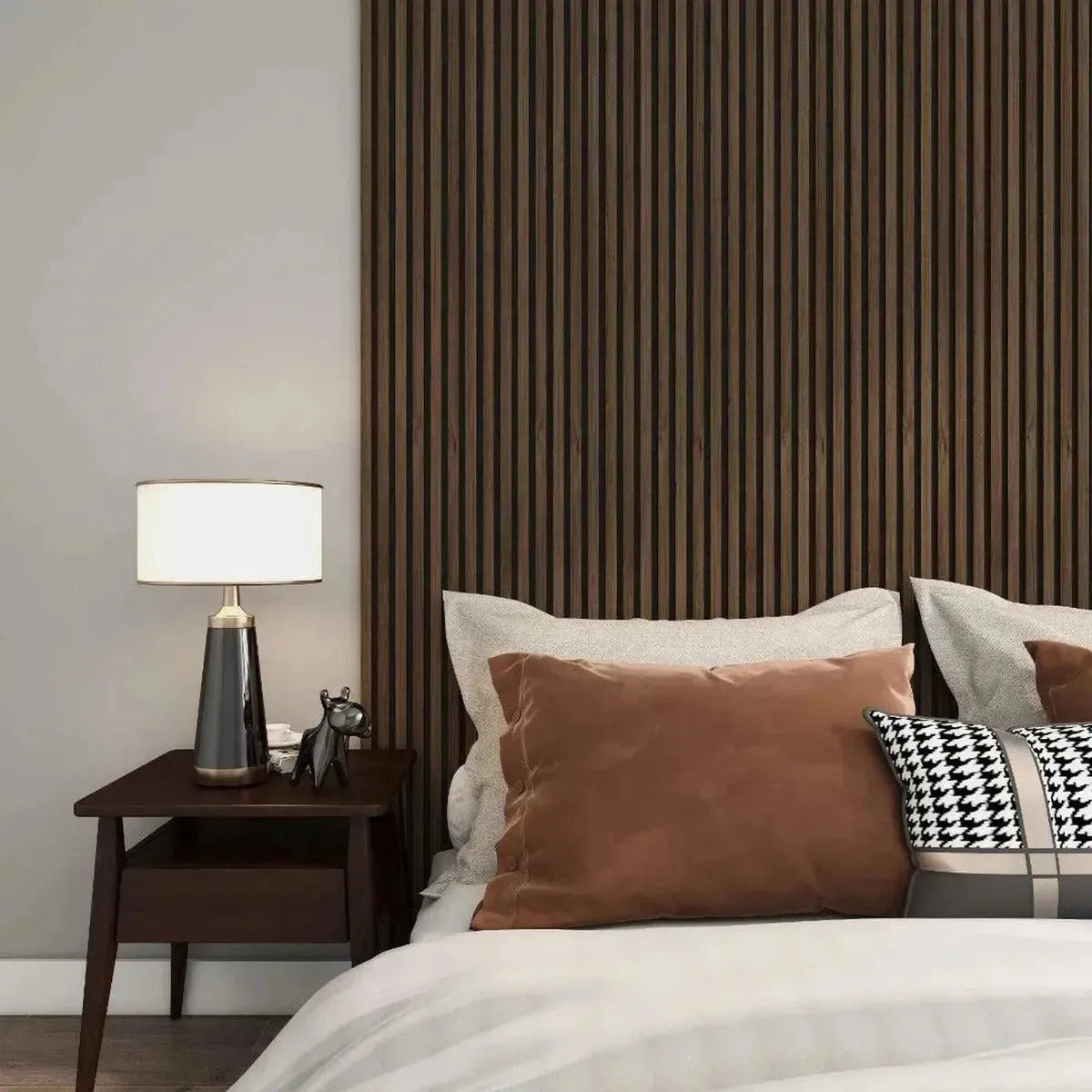
- For wood panels for architect specified projects, Acoustic Slat Wall Panel Walnut wins boardrooms at $182.95 - buy it.
- Exterior Wall Panel Oak carries a 25+ year weather rating - specify it for exposed elevations in 2026.
- Fire-retardant slat panels are non-negotiable on most 2026 commercial code reviews - confirm the rating before ordering.
- Hexagon Acoustic Panel with gray felt hits an NRC of 0.75 - the number that gets acoustic specs signed off.
Why this matters
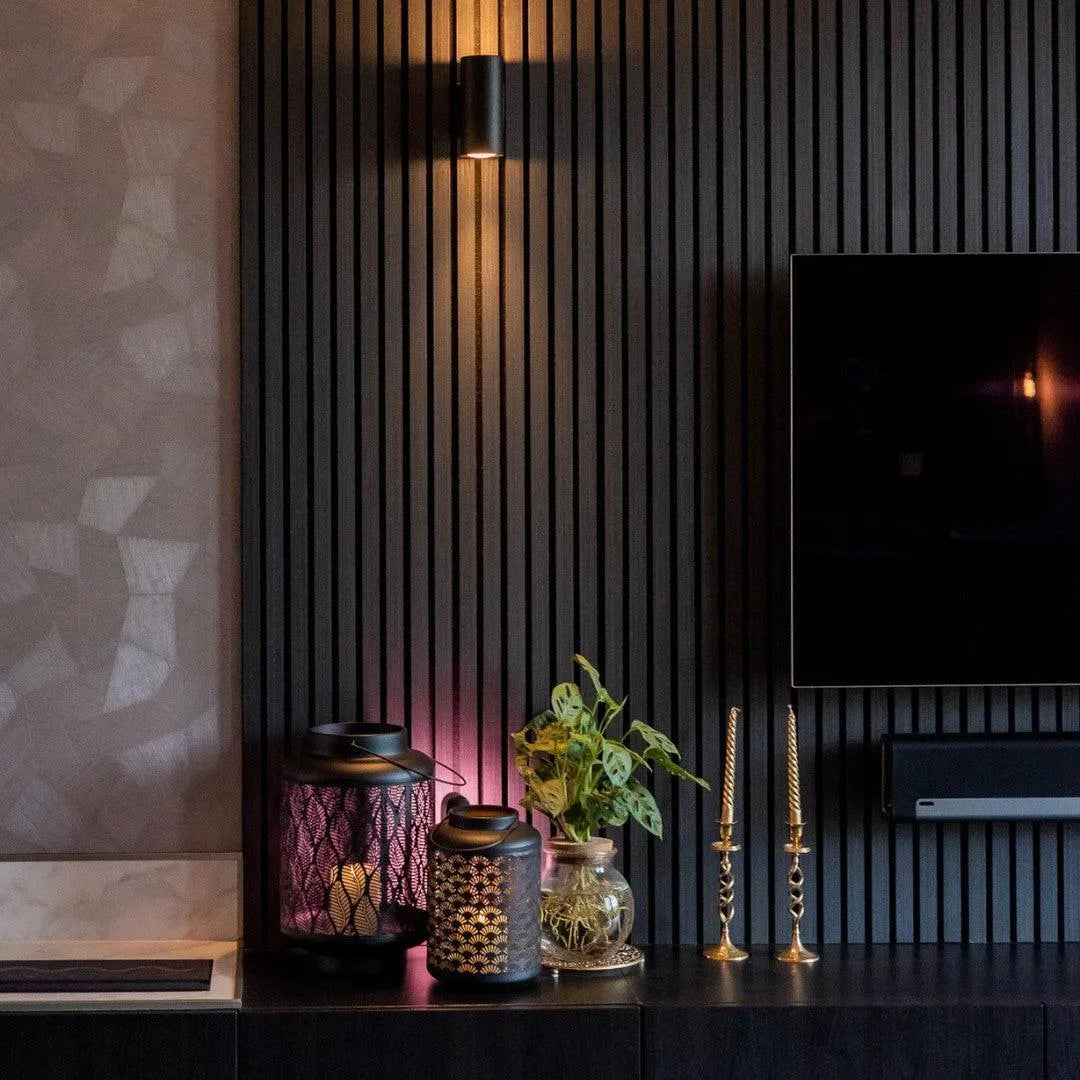
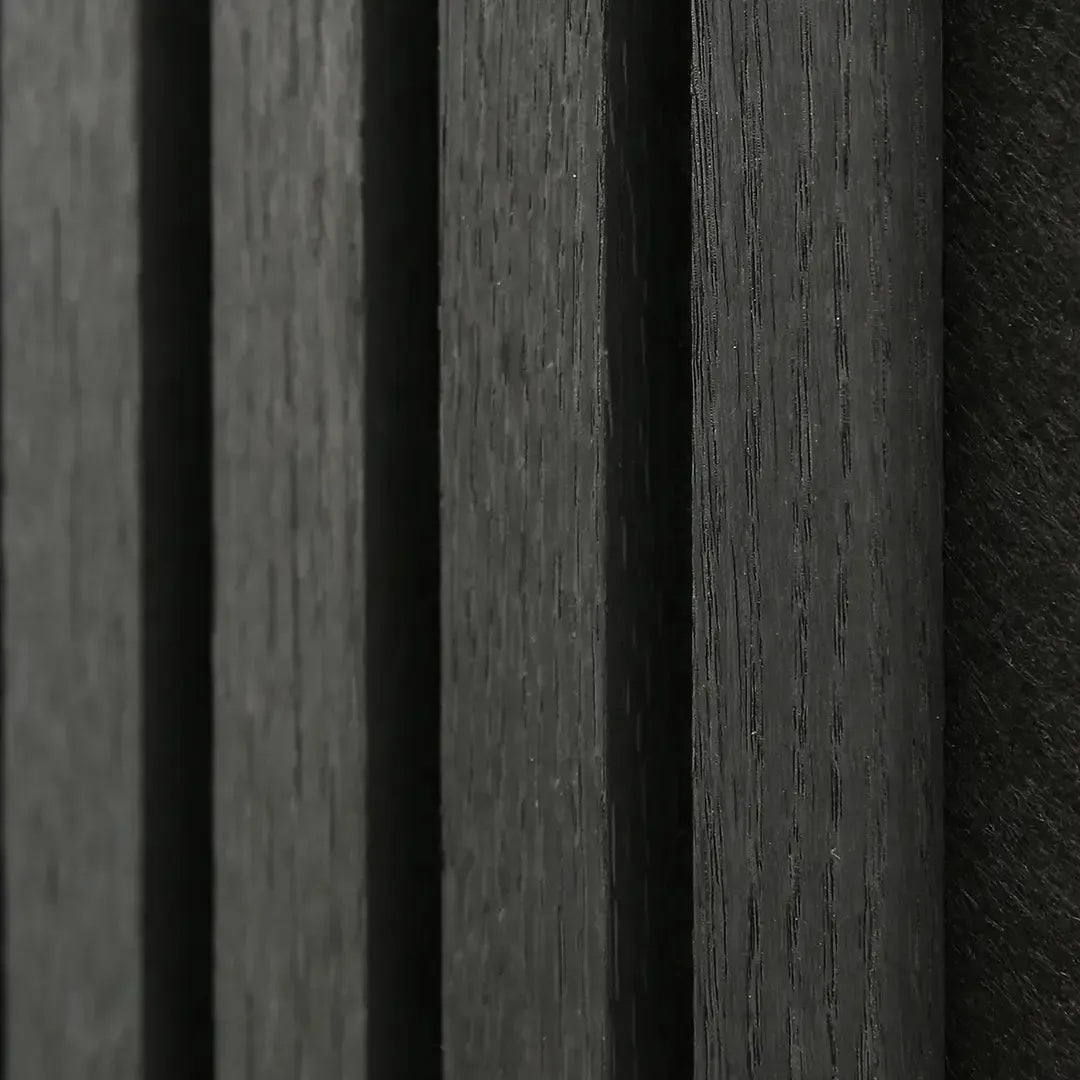
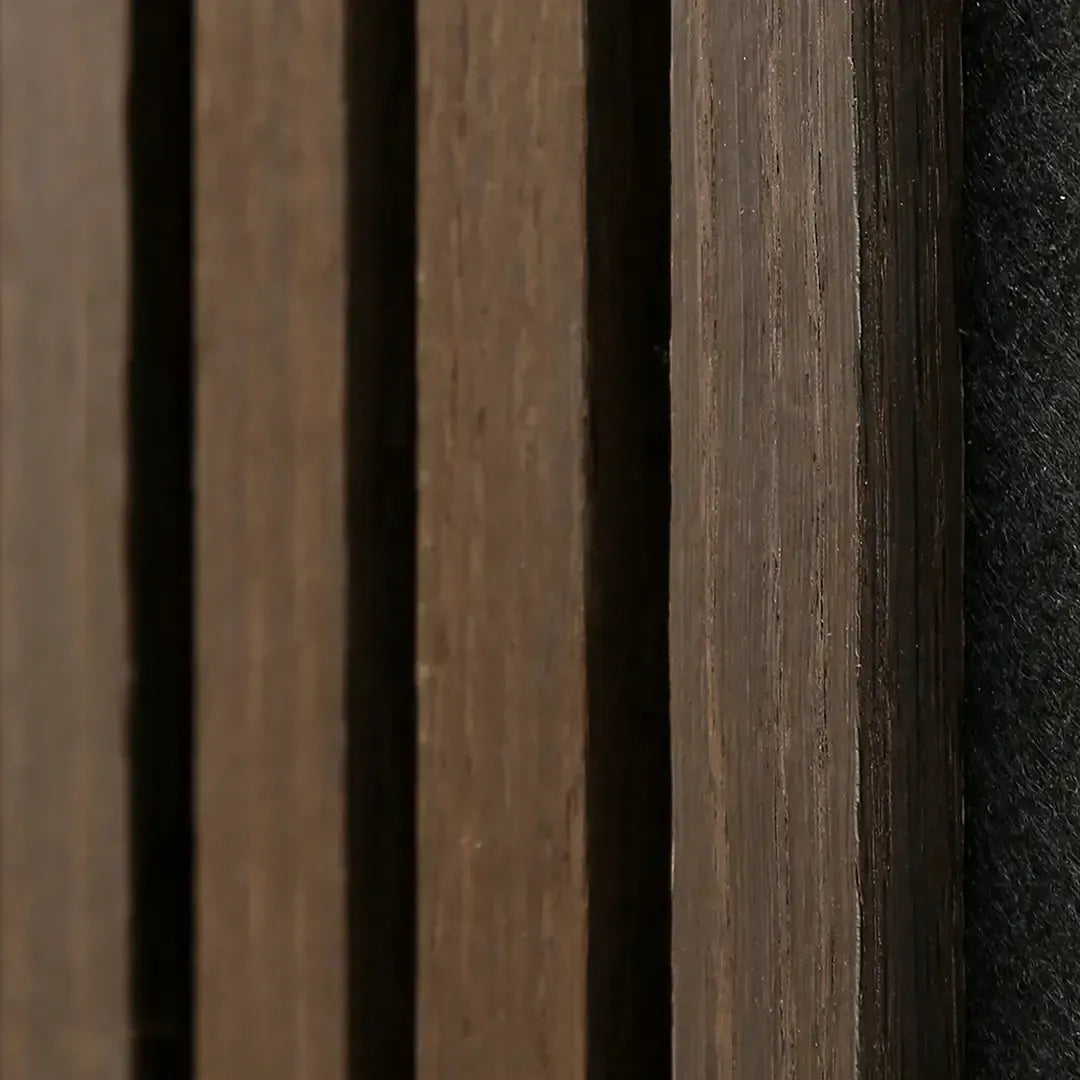
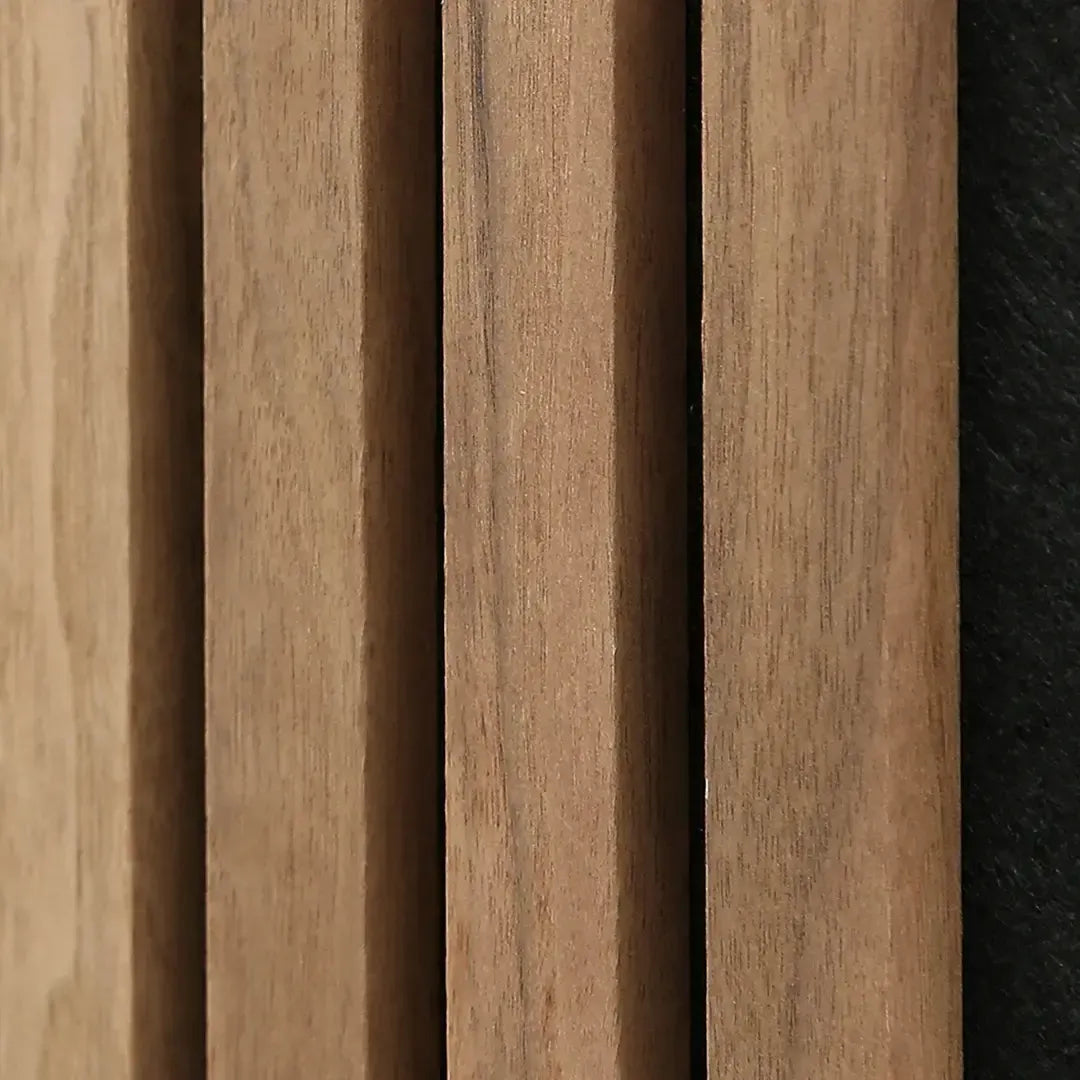
A panel that looks right in a mood board can still fail a spec review. Architects working on hospitality, corporate, or multifamily interiors in 2026 get asked for three data points before a wood finish gets approved: acoustic rating (NRC), fire classification, and veneer construction. A natural oak acoustic wall panel with a 3-sided wood veneer answers the veneer question outright — it is not a photo-printed MDF slat dressed up as wood.
The gap between residential-grade slat panels and architect-specified wood panels comes down to documentation. A homeowner doesn't ask for an NRC value. A commercial building inspector does. That single difference determines which panels belong on a specification sheet and which get value-engineered out before construction starts.
How we ranked
Each pick below is scored on four criteria that map to how architects actually specify interior wood panels in 2026: acoustic performance (NRC where published), veneer authenticity (3-sided vs. printed), fire and durability data, and installation flexibility across curved or angled walls. Pricing is listed per box or per panel run, current as of 2026. Panels that lack published acoustic or durability data get flagged rather than recommended blind — a spec sheet with gaps doesn't survive a review meeting.
The ranked list
1. Acoustic Slat Wall Panel Walnut — the boardroom standard
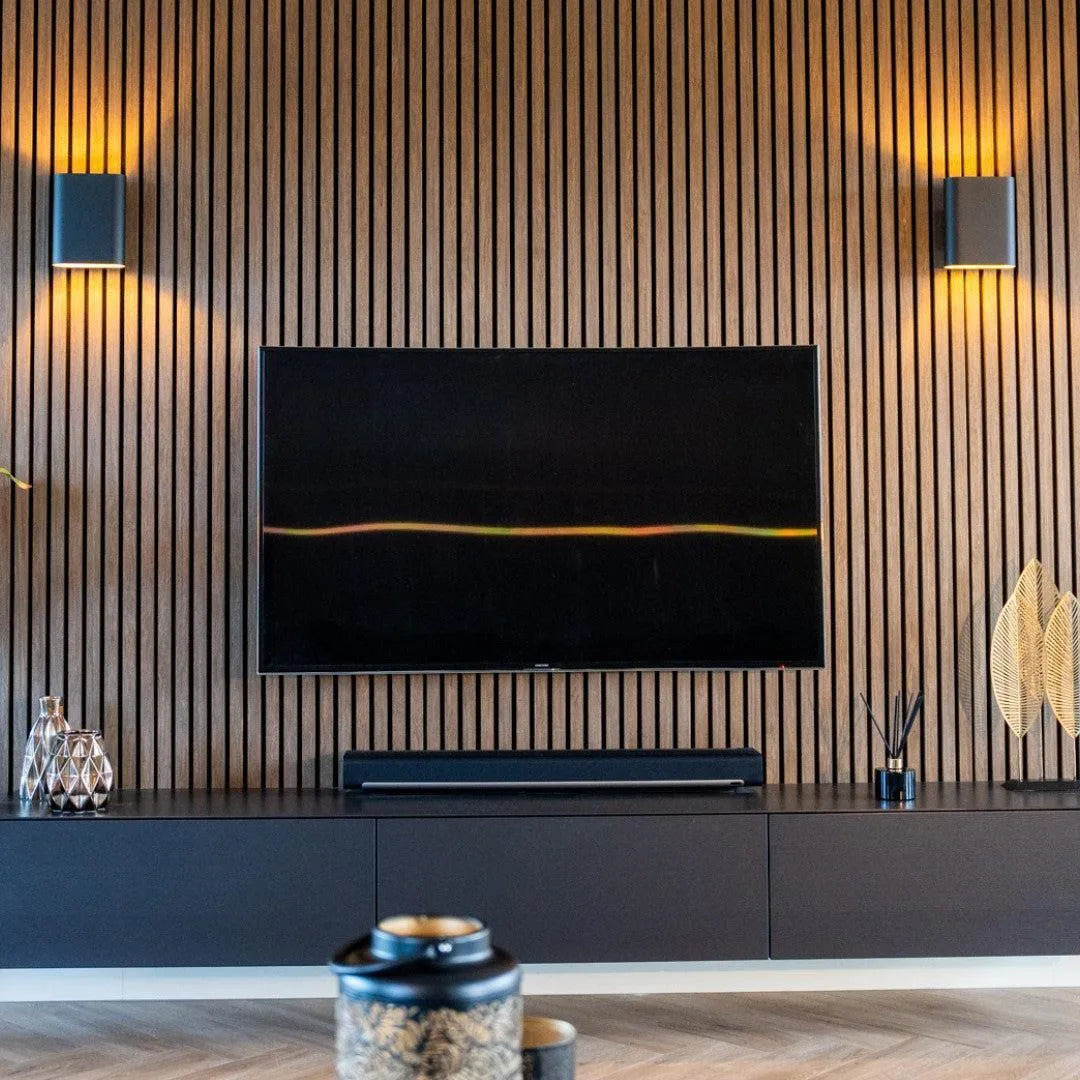
This panel runs $182.95 per box with a 3-sided wood veneer that reads as real timber under downlighting, not a repeating print pattern. It's the pick that shows up most often in corporate reception and boardroom specs because the walnut tone hides scuff marks better than pale finishes in high-traffic lobbies. Verdict: Buy for boardrooms, executive corridors, and hospitality lobbies where the wall is the first thing a visitor sees.
2. Acoustic Slat Wall Panel Natural Oak — the safe pick for daylight-heavy rooms
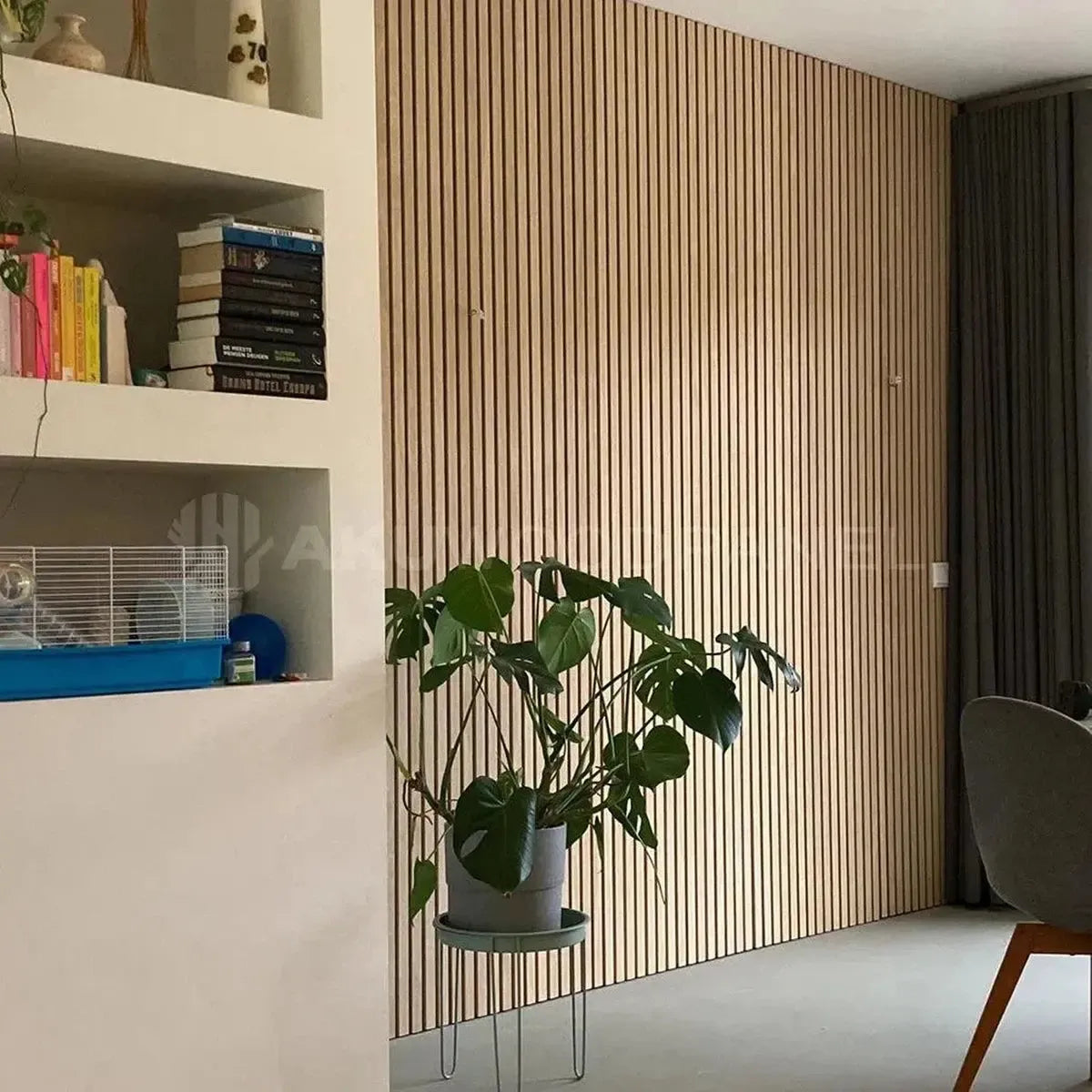
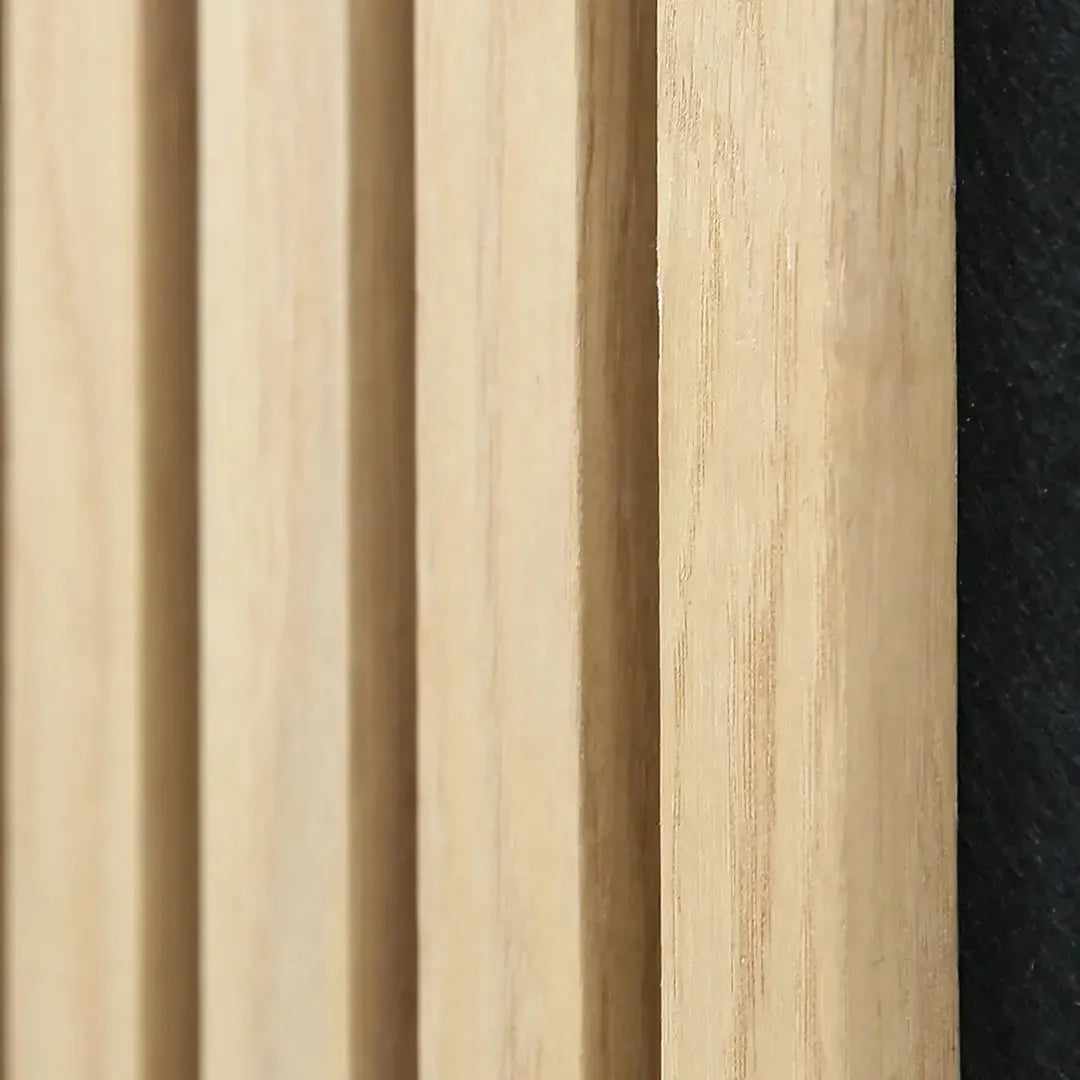
Natural Oak reflects more ambient light than darker veneers, which matters in glass-heavy office floors and daylit reception areas common on 2026 commercial builds. The 3-sided veneer construction keeps the grain pattern consistent across a multi-box run, which is the detail that separates a specified finish from a one-off DIY panel. Verdict: Buy for open-plan offices and daylit lobbies.
3. Fluted Wall Panel Natural Oak — the vertical-line solution
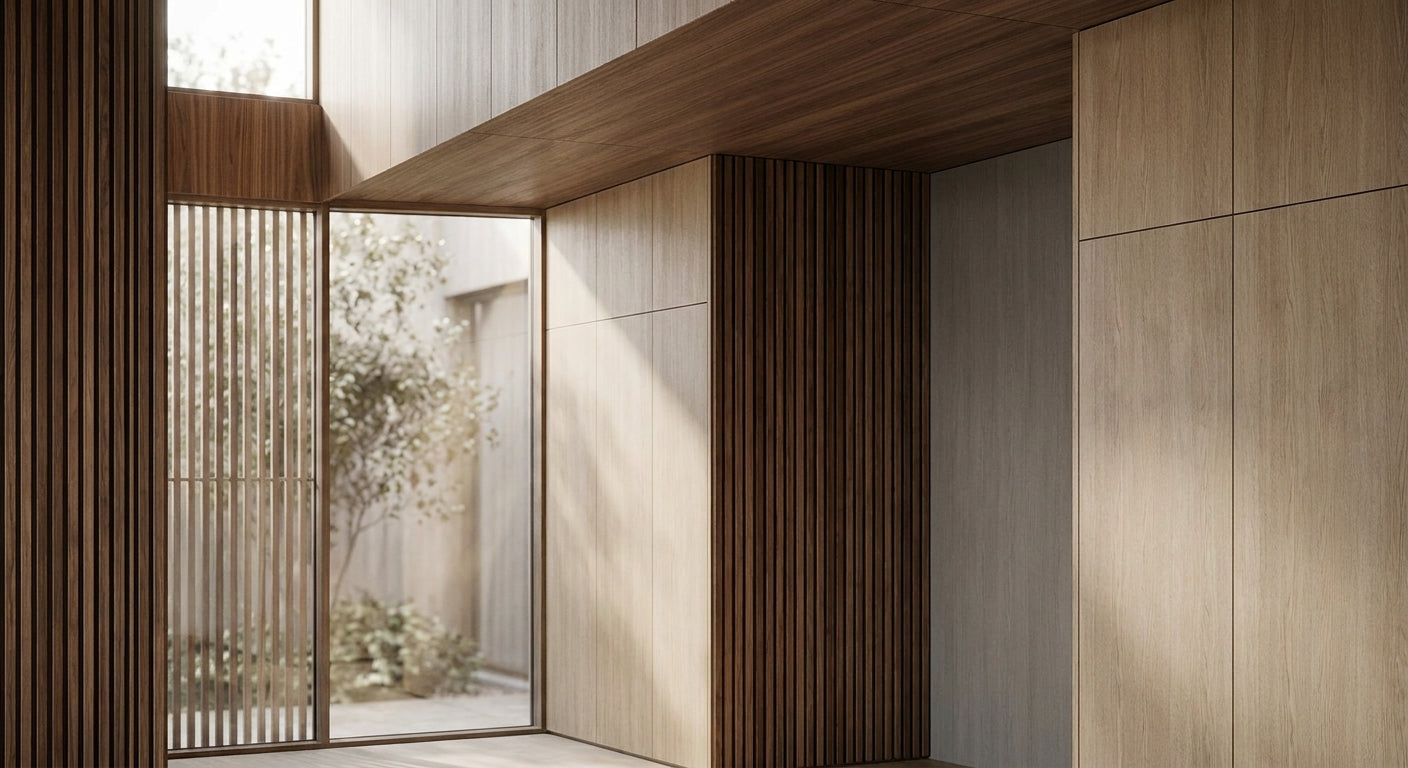
Fluted profiles read as a design statement rather than an acoustic fix, which is exactly why they get specified on feature walls, reception desks, and elevator lobbies. The vertical reveal pattern also hides seam lines better than a flat slat run when a wall exceeds one box width. Verdict: Consider it where the brief calls for texture over acoustic absorption — pair it with a felt-backed slat panel elsewhere in the room if noise control is also a requirement.
4. Exterior Wall Panel Oak — the facade and courtyard pick
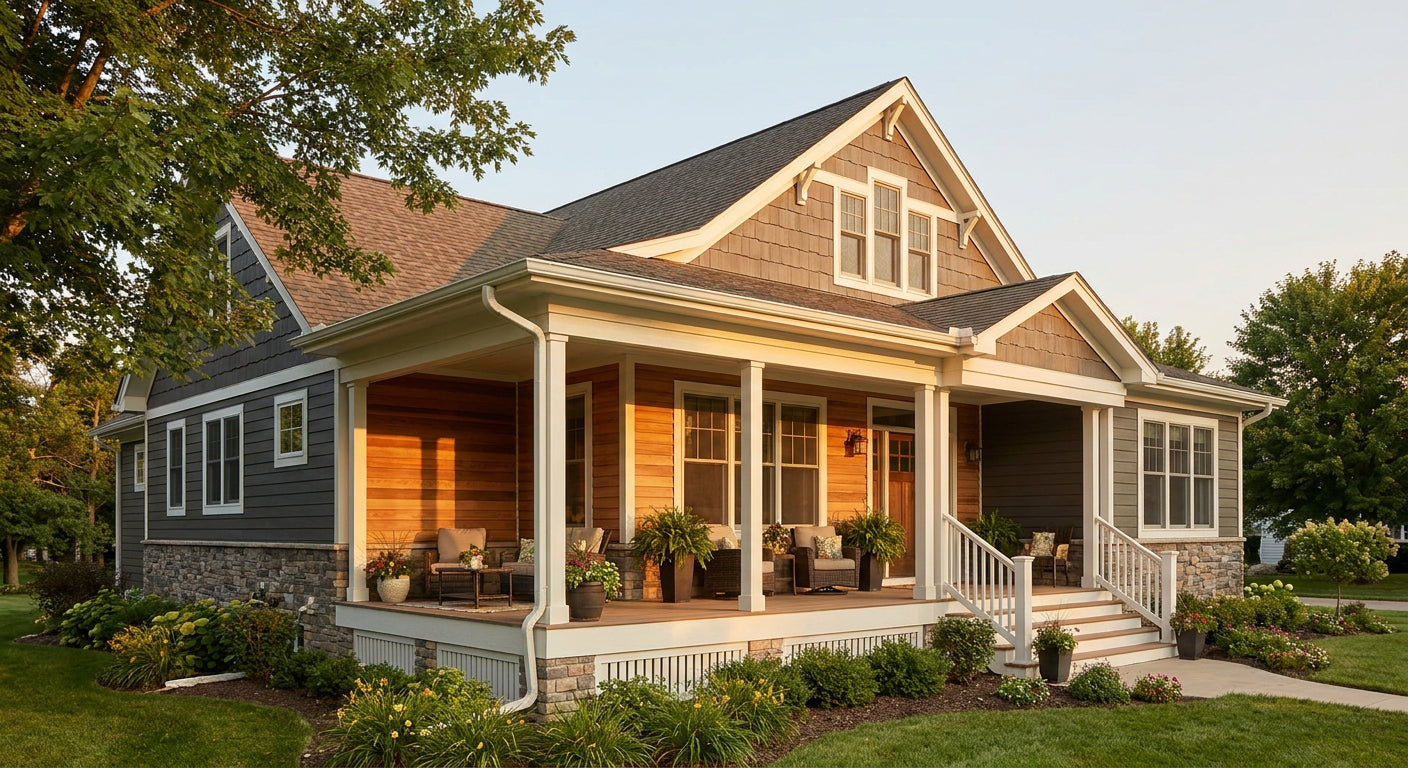
Rated for over 25 years of maintenance-free exterior use with UV and weather resistance built into the composite core, this is the panel that shows up on covered walkways, courtyard cladding, and multifamily facade projects. It's an exterior wall panel in Oak built to hold color and grain definition through repeated freeze-thaw cycles, not just a single mild season. Verdict: Buy for any exterior elevation where interior-grade panels would fade or warp within a year.
5. Hexagon Acoustic Panel, Natural Oak with Gray Felt — the acoustic number to lead with
The published NRC of 0.75 is the strongest documented acoustic figure across the panel range, and it's the number that gets an acoustic consultant to sign off on a wood finish instead of insisting on a foam alternative. The hexagon geometry also breaks up a large wall without reading as a repeating slat grid. Verdict: Buy for open-plan offices, restaurants, and co-working floors where echo control is the primary brief.
6. Fire-Rated Slat Panel Compliance — the step that gets skipped
Most commercial reviews in 2026 require a fire classification before a wood wall finish clears building control, and slat panels rated for fire-retardant slat wall panels for commercial projects close that gap without swapping the whole finish plan. Skipping this check is the single most common reason a wood panel spec gets rejected late in the process, after the mood board is already approved. Verdict: Buy — confirm the fire rating in writing before the finish goes on the drawing set, not after.


Comparison table
| Panel | Veneer | Acoustic data | Best use | Verdict |
|---|---|---|---|---|
| Acoustic Slat Panel, Walnut | 3-sided real wood | Not published | Boardrooms, hospitality lobbies | Buy |
| Acoustic Slat Panel, Natural Oak | 3-sided real wood | Not published | Daylit offices, reception | Buy |
| Fluted Panel, Natural Oak | 3-sided real wood | Not published | Feature walls, elevator lobbies | Consider |
| Exterior Panel, Oak | Composite, weather-rated | 25+ year rating | Facades, courtyards | Buy |
| Hexagon Panel, Gray Felt | 3-sided real wood + felt | 0.75 NRC | Open offices, restaurants | Buy |
| Fire-Rated Slat Panel | 3-sided real wood | Fire classification | Any commercial code review | Buy |
Where to buy
- Order a sample panel before specifying a full elevation — grain and tone read differently under commercial LED versus a photo on a website.
- Confirm the fire and acoustic data sheet in writing for any project going through building control review in 2026; a verbal assurance does not survive an inspection.
- Buy panels for a single wall run from one production batch where possible — grain and tone variance between batches is the most common punch-list item on commercial installs.
FAQ
What NRC rating do architects look for in acoustic wood panels?
An NRC of 0.70 or higher is generally treated as strong performance for a wood-veneer acoustic panel in 2026 commercial specs. The Hexagon Acoustic Panel with gray felt publishes 0.75, which is high enough to clear most open-office and restaurant acoustic reviews.
Are wood panels for architect specified projects fire-rated?
Not by default — fire rating depends on the specific product line, and slat panels built for fire-retardant use are sold as a distinct spec from standard interior panels. Confirm the classification on the data sheet before adding a wood finish to a commercial drawing set.
Is real wood veneer better than printed laminate for commercial specs?
Yes, for any project that will face a design review or client walkthrough, 3-sided real wood veneer holds grain consistency across multiple boxes better than a printed laminate. Laminate seams also show a repeating pattern under raking light that veneer does not.
How much do acoustic wood wall panels cost for commercial projects in 2026?
Acoustic slat panels with 3-sided wood veneer run from roughly $165 to $183 per box depending on finish, based on 2026 pricing. Exterior and fire-rated variants price separately and should be quoted per elevation.
Can wood slat panels be used on exterior facades?
Yes, but interior-grade acoustic panels are not built for exterior exposure — a dedicated exterior wall panel with a weather-rated composite core is required. Exterior Wall Panel Oak carries a 25-plus year UV and weather rating for that use case.
Do hexagon wood panels perform as well acoustically as slat panels?
The Hexagon Acoustic Panel with gray felt publishes an NRC of 0.75, which matches or exceeds most felt-backed slat panel figures. The hexagon shape also breaks up large walls visually, which slat panels do not do as effectively.
What's the difference between fluted and slat wood panels for specification?
Fluted panels emphasize a vertical design line and work well as a feature-wall statement, while slat panels with felt backing are built primarily for acoustic absorption. Architects specifying for echo control should default to a felt-backed slat or hexagon panel over a fluted profile.
One last thing
The detail that trips up most 2026 commercial specs isn't the finish — it's the data sheet. A wood panel with a real 3-sided veneer and a published NRC of 0.75 clears a design review faster than a prettier panel with no acoustic paperwork attached, because the reviewer is checking numbers, not photos.
 Better performance and aesthetic appeal
 In Stock