A pop-up retail store gets one shot at a wall build before the lease clock starts running, and wood panels are one of the few finishes that survive being unscrewed and reinstalled at the next location. This guide covers the planning sequence for a pop-up wood panel install: measuring the space, picking a panel system built for repeat mounting, ordering samples, and scheduling install day around the lease's teardown clause.
- Planning a wood panel install for a pop-up store starts with measuring square footage and picking a panel rated for repeat mounting, not a permanent-only system.
- AKU Woodpanel's hexagon acoustic panels ship 4 panels per 32-inch box with an NRC 0.75 rating, sized for modular pop-up layouts.
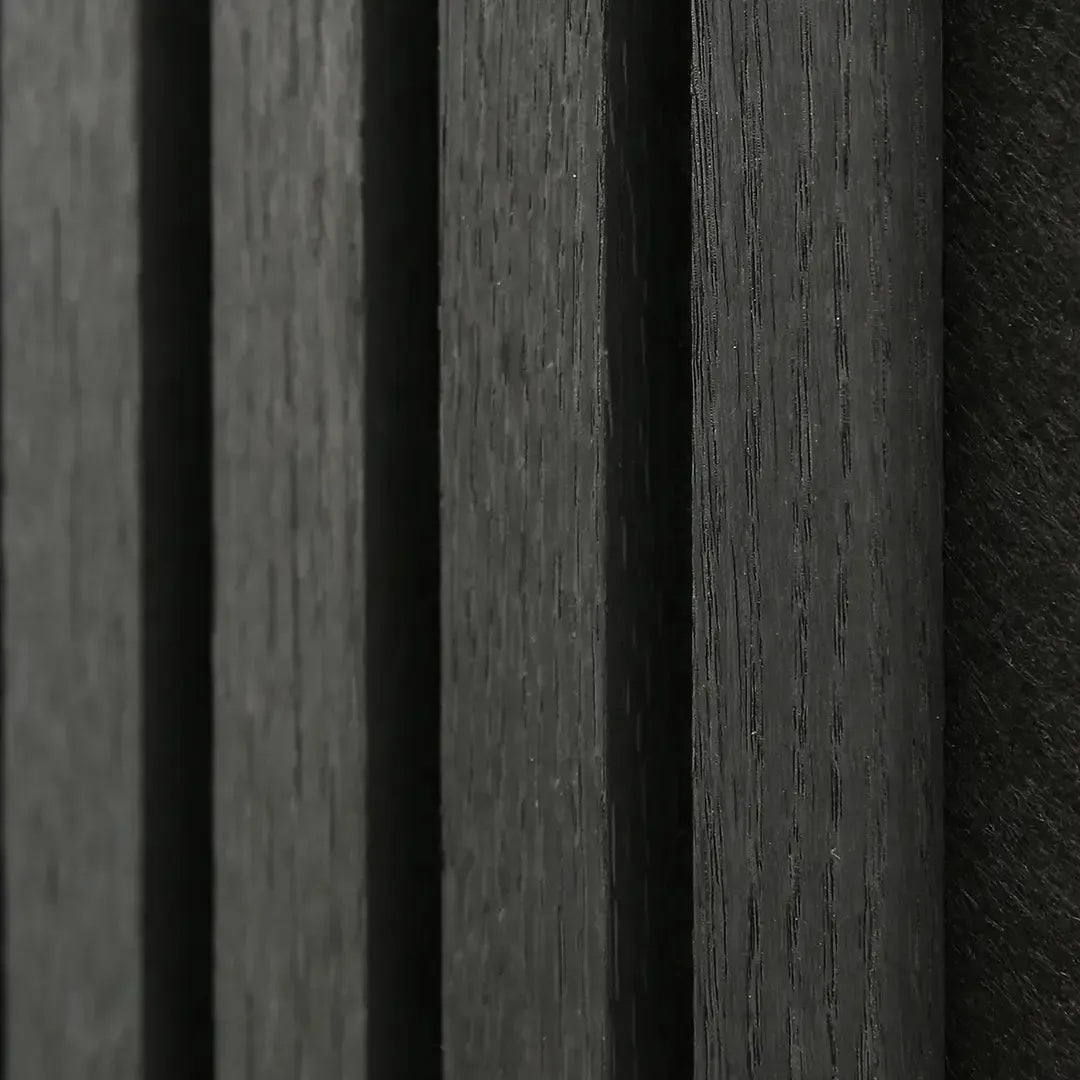
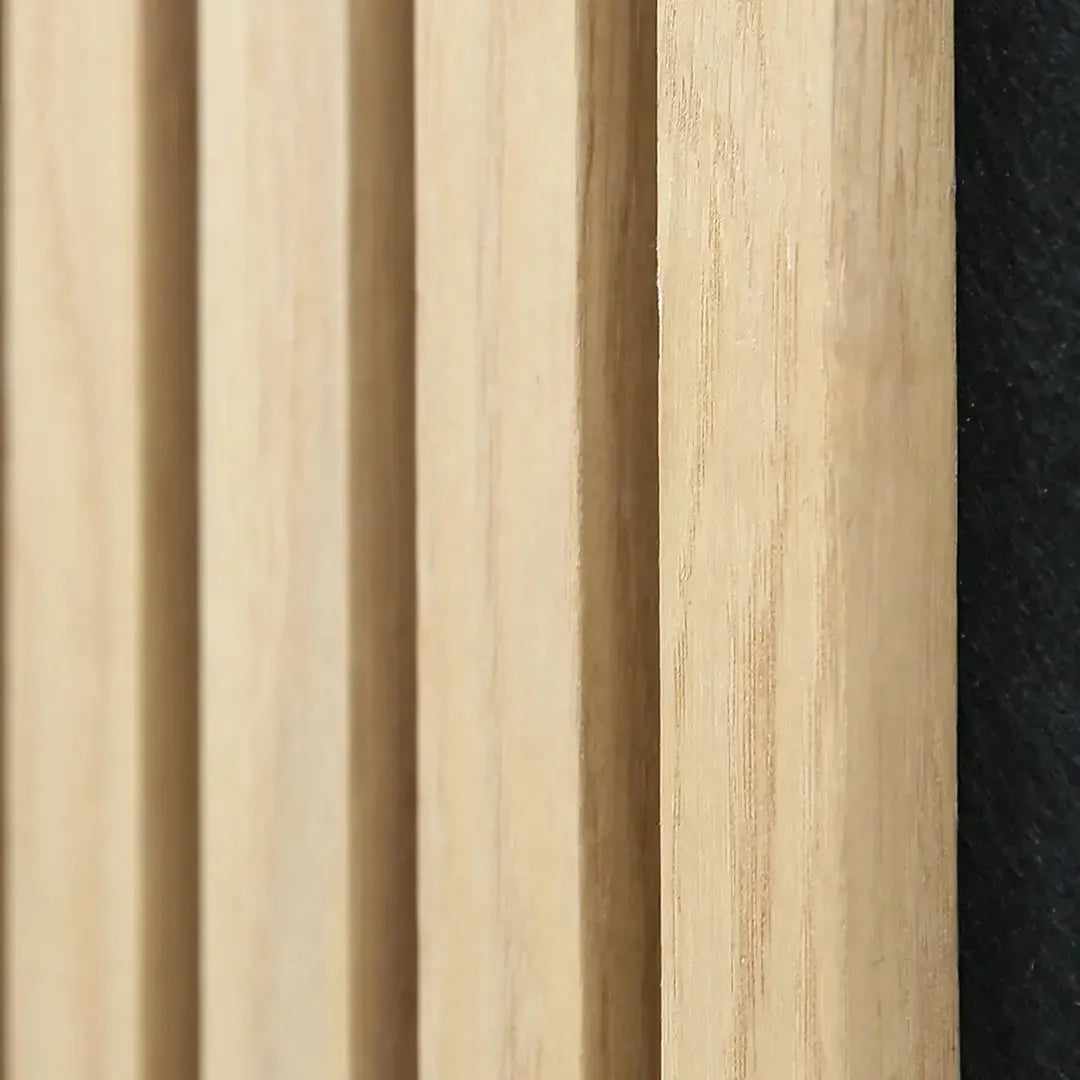
- Order a sample box before committing budget — grain and tone read differently under retail track lighting than on a screen.
- Screw-mount slat and hexagon panels remove cleaner than adhesive systems at teardown, which matters when the landlord inspects the unit in 2026.
- Skip full-wall coverage on a short lease; a single feature wall gets the same photo-worthy effect with far fewer panels to remove.
Why this matters
Bare drywall and concrete inside a pop-up unit bounce sound and read cheap under storefront lighting, which is the opposite of what a brand launching a temporary retail presence in 2026 needs. Wood panel walls fix the acoustic problem and the visual one at the same time, but only if the install plan accounts for the fact that the wall isn't yours to keep.
A pop-up wall build that ignores teardown ends with damaged drywall, a lost security deposit, and panels too warped or drilled-through to reuse. Planning the install correctly from the start keeps the panels reusable for the next pop-up location and keeps the landlord relationship intact.
How to plan a wood panel install for a pop-up store
Work through these steps in order before a single panel gets ordered:
- Measure the unit and calculate coverage. Get exact wall dimensions and subtract windows, doors, and fixtures before you calculate how many wall panels you need for the space.
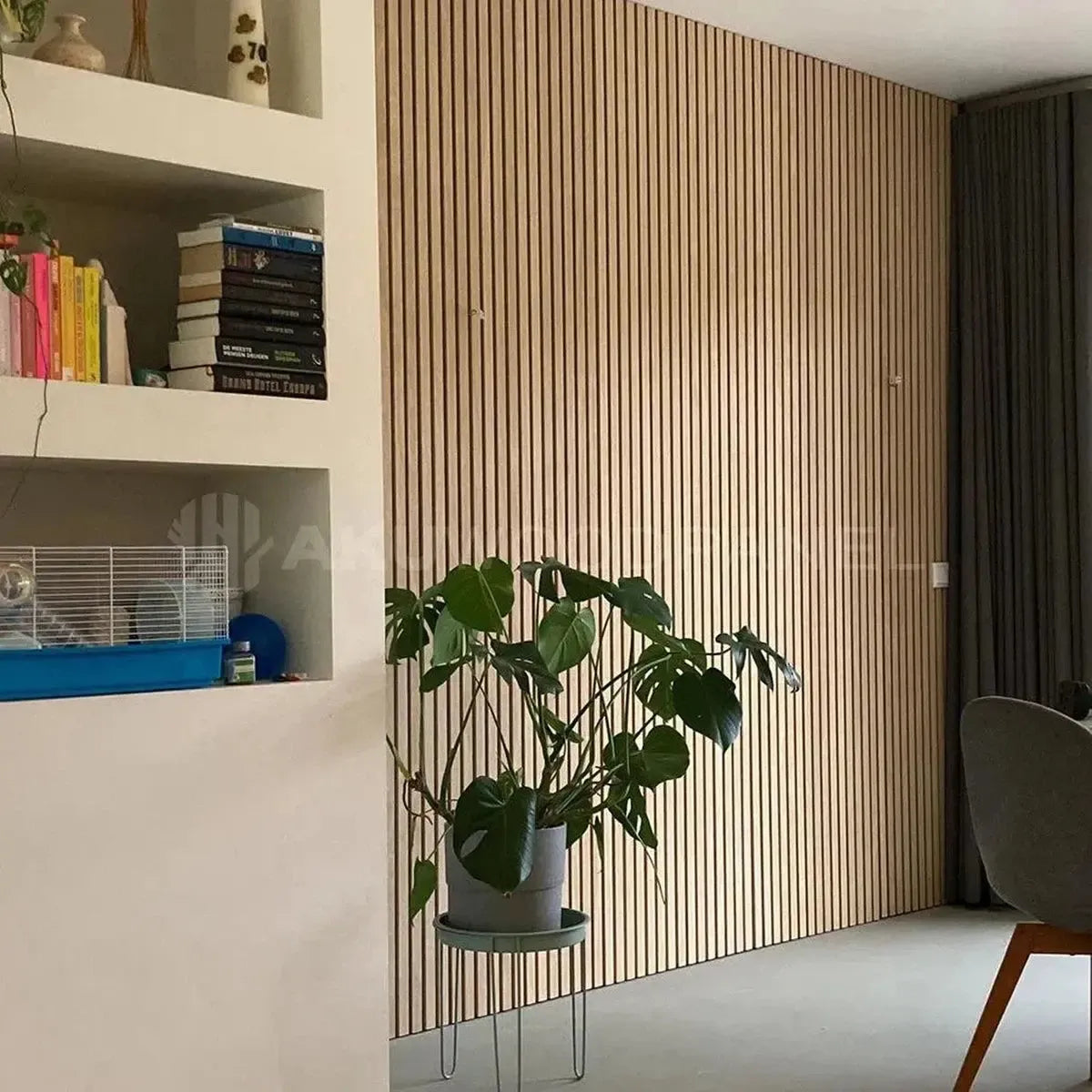
- Decide full wall or feature wall. A short-term lease rarely justifies paneling every wall — one feature wall behind the register or fitting area does the visual work.
- Pick a panel system built for repeat mounting. Screw-mounted slat and hexagon panels come down cleaner than adhesive systems, which matters if this same panel run needs to travel to a second pop-up location later in 2026.
- Order a sample box first. Panel tone shifts under retail track lighting and daylight-facing storefront glass in ways a product photo won't show.
- Schedule install day against the lease's teardown clause. Confirm how much notice the landlord needs and whether the lease requires the wall restored to its original condition.
- Plan storage between locations. If the same wood panels move to the next pop-up, budget space and padding to store them flat between fit-outs.
Slat wall panels: the flexible choice for demountable feature walls
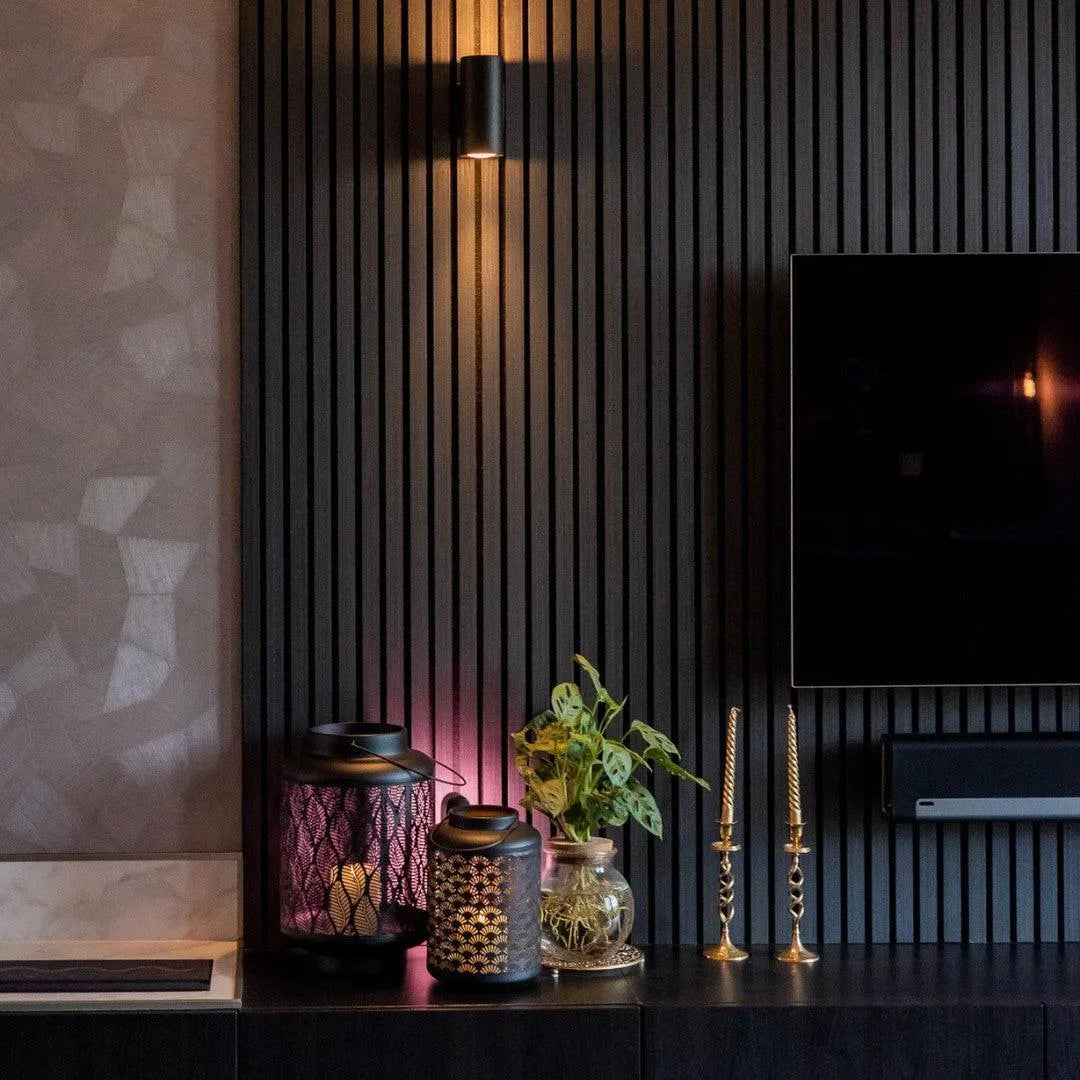
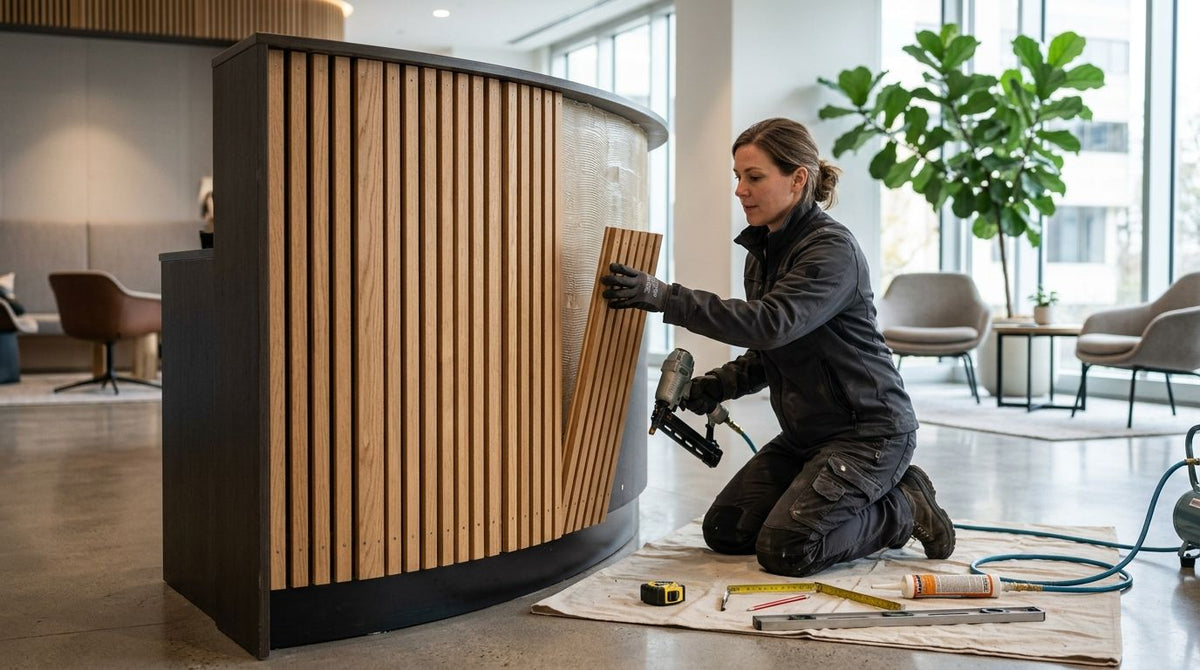
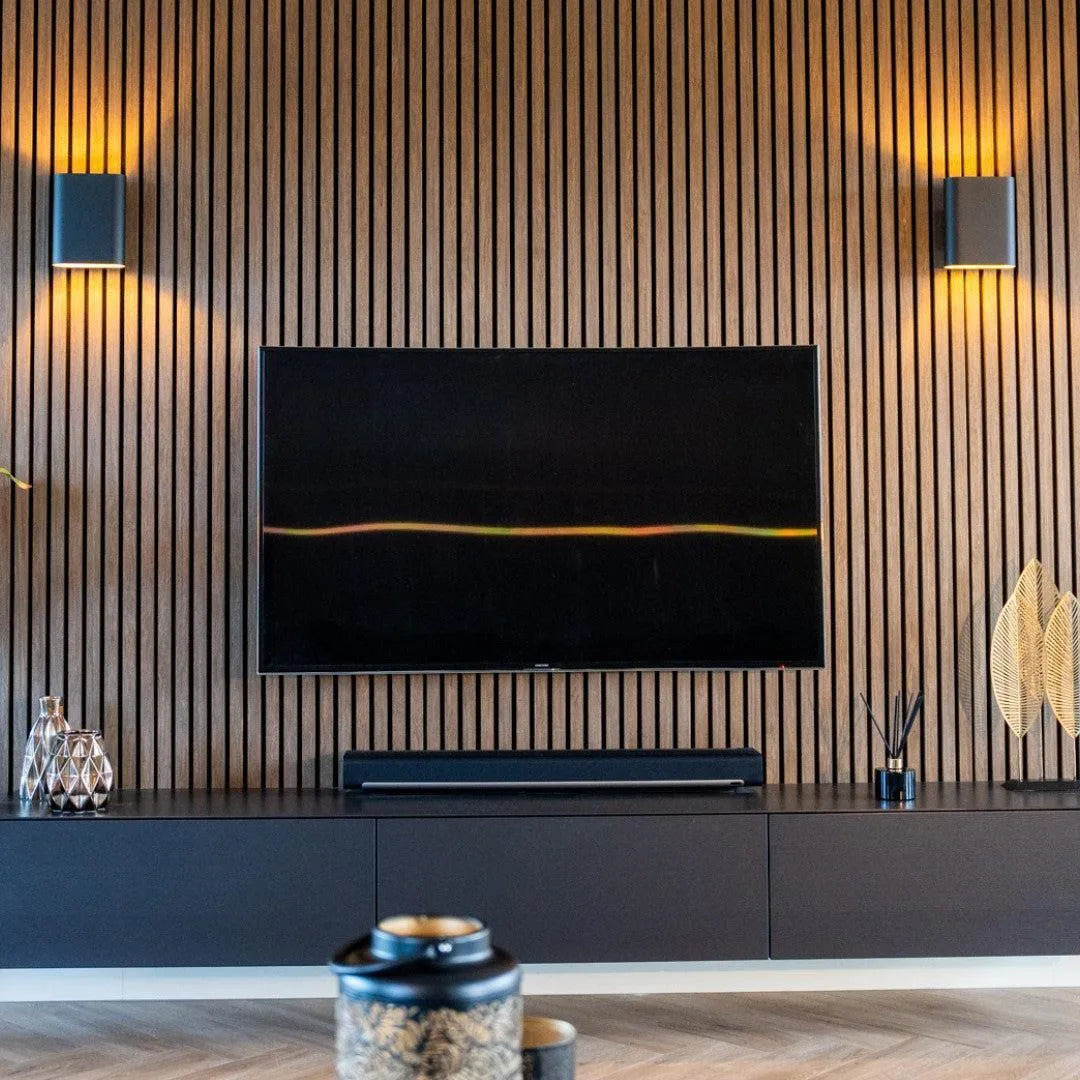
Slat panels install in a modular strip pattern, which makes partial coverage and odd wall widths easy to work around in a unit you didn't design. Best for: pop-up retailers who want a full accent wall behind a register or fitting room without committing to floor-to-ceiling coverage. The tradeoff is that slat runs need consistent spacing to look intentional, so a rushed install shows.
Hexagon acoustic panels: the modular pick for pop-up layouts
Hexagon panels tile in a honeycomb pattern that scales up or down to fit an irregular pop-up footprint without custom cuts. AKU Woodpanel's hexagon panels ship at 32 inches per panel, 4 panels per box, with an NRC 0.75 rating for absorbing foot-traffic and POS noise. Best for: stores that need partial wall coverage with sound control, like a checkout wall in a hard-surfaced retail unit. A near-match option is the natural oak hexagon acoustic panel, which reads warm under most storefront lighting setups. The downside: hexagon layouts take slightly longer to plan around outlets and trim than a straight slat run.
Peel-and-stick backsplash tiles: the fastest teardown option
For a pop-up with a very short run — a single weekend activation or a one-month lease — peel-and-stick tile is the quickest to install and the quickest to remove, though it leaves more adhesive residue on drywall than a screw-mounted system. Best for: short activations where wall condition at teardown matters less than speed of setup. Skip this option if the same panels need to survive a second install at another location.


Why the plan changes from store to store
- Lease length and teardown clause — a 90-day pop-up allows a more involved install than a 2-week activation.
- Wall substrate — drywall, concrete, and glass storefront fronts each need different mounting hardware and prep.
- Storefront footprint — a narrow unit favors one feature wall; a large open floor plan can justify a full-coverage run.
- Reuse plans — panels headed to a second pop-up location need screw-mount hardware, not adhesive.
- Acoustic load — a unit with hard flooring and high foot traffic benefits more from NRC-rated acoustic panels than a carpeted space.
- Franchise consistency — multi-location pop-up programs need the same panel spec across every unit to keep the brand look consistent.
Can wood panels be reinstalled at a new pop-up location?
Yes, screw-mounted slat and hexagon panels can be unmounted and reinstalled at a new pop-up location as long as the mounting hardware and wall studs at the new site line up with the original layout. Adhesive-mounted peel-and-stick tiles are generally not reusable once removed.
Do wood panels need extra bracing for a temporary storefront?
No extra bracing is typically needed for standard slat or hexagon panels on drywall or plywood backing, since the panels mount directly to studs or a backing board. Concrete or glass storefront walls need anchors rated for the substrate, which should get confirmed before install day, not during it.
Is peel-and-stick or screw-mount better for a rented retail unit?
Screw-mount is better for a rented retail unit that needs the wall restored to its original condition at teardown, since it leaves cleaner patch points than adhesive. Peel-and-stick works fine for very short activations where wall condition at handover matters less.
FAQ
How do I plan a wood panel install for a pop-up store?
Measure the unit, calculate panel coverage, choose a screw-mount panel system built for repeat installs, order a sample box, and schedule install day against the lease's teardown clause. Skipping the sample step is the most common reason pop-up tenants reorder mid-project.
What's the best wood panel for a short-term retail lease?
Hexagon acoustic panels and slat wall panels work best for short-term leases because they mount with screws and remove without heavy wall damage. Peel-and-stick tile is faster to install but harder to reuse at a second location.
How much wall coverage does a pop-up store actually need?
Most pop-up stores only need one feature wall, not full coverage, since the goal is a photo-worthy backdrop near the register or fitting area. Full coverage adds panel cost and teardown time without much added visual return in a temporary space.
Do acoustic wood panels help with noise in a small retail unit?
Yes, acoustic wood panels with an NRC rating of 0.75, like AKU Woodpanel's hexagon panels, cut down echo and foot-traffic noise in hard-surfaced retail units. This matters most in units with concrete floors and no soft furnishings to absorb sound.
Can the same panels be reused across multiple pop-up locations?
Screw-mounted panels can be reused across multiple pop-up locations if they're removed carefully and stored flat between fit-outs. Adhesive-based panels usually can't survive a second install.
How far in advance should I order panels for a pop-up opening?
Order panels as soon as the lease and floor plan are confirmed, since sample review and final measurement both need to happen before the full order goes in. Waiting until close to opening day risks rushing the install and skipping the sample step.
What wall types work with wood slat and hexagon panels?
Drywall, plywood backing, and most stud-framed walls work directly with screw-mount wood panels. Concrete and glass storefront walls need substrate-rated anchors confirmed before install day.
One last thing
Order the sample box before the floor plan is even final — panel tone under retail track lighting is the single biggest reason pop-up tenants reorder mid-build in 2026, and a $10-range sample box is a cheap way to avoid it entirely.

 Better performance and aesthetic appeal
 In Stock