Pop-up shops live and die on first impression, and a bare drywall box reads cheap no matter how good the product on the shelf is — wood accent panels fix that in a weekend, and this 2026 ranking narrows seven options down to the ones that survive a 30- to 90-day lease and still look sellable when they come down.
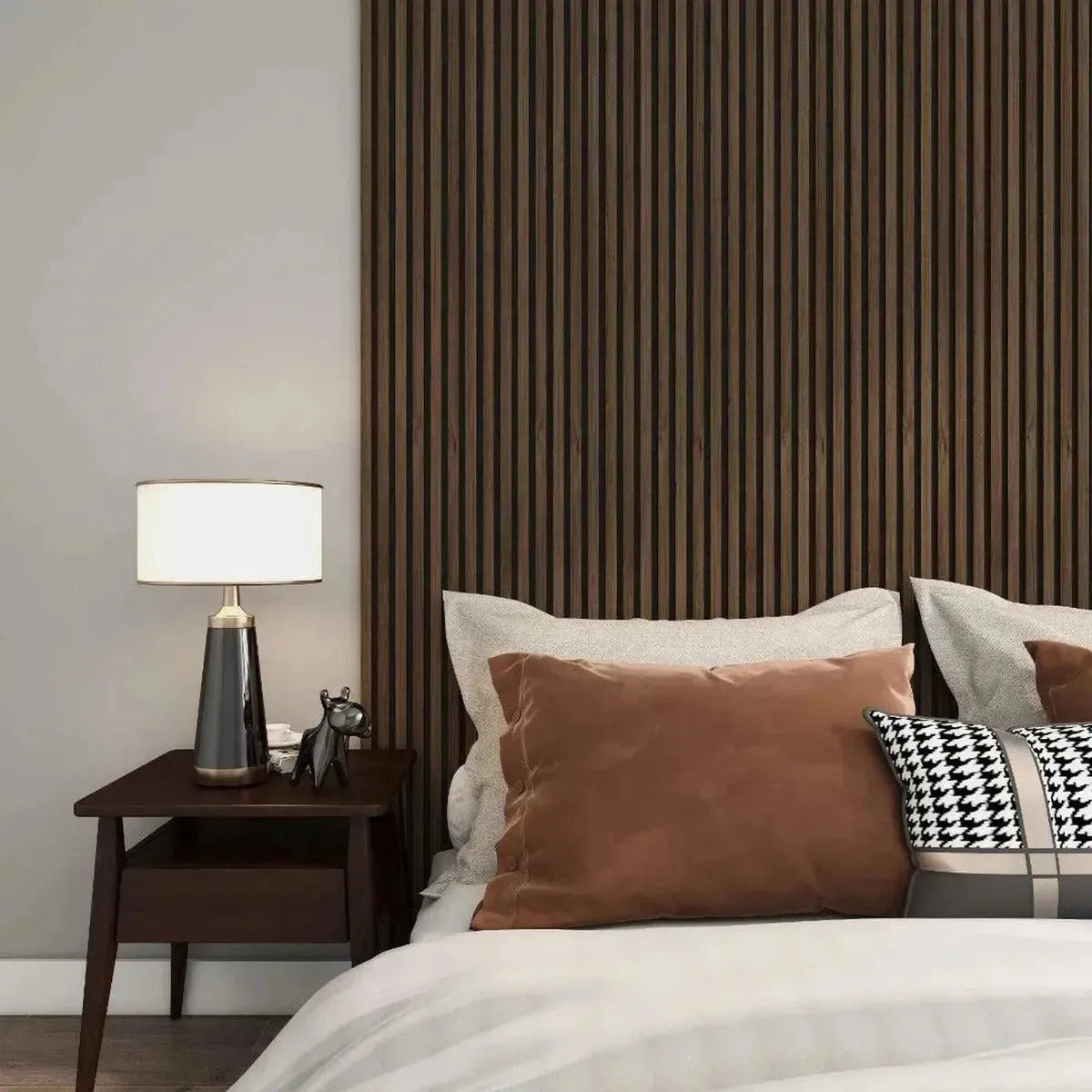
- Acoustic Slat Wall Panel in Walnut wins for hero walls at $182.95 a panel — buy it for 2026 pop-ups.
- Deep Dusk Walnut 3D wood tile covers tight corners and register nooks for $41.95 per tile.
- Hexagon Acoustic Panel with gray felt backing cuts echo with a 0.75 NRC rating in loud retail spaces.
- Tile Acoustic Slat Wall Panel in Natural Oak is the cheapest real-wood option at $126.95 per box.
- Skip printed-vinyl backdrops for any pop-up running past 60 days — real veneer holds resale value, vinyl doesn't.
Why this matters
A retail pop-up is a bet on a short window, and the wall treatment either earns its cost back in dwell time and photos or it becomes landfill in month three. Painted MDF and vinyl wraps look flat under retail lighting and can't be relocated to the next location. Wood accent panels from a supplier like Akuwood Panel install in hours, not days, and a slat or hexagon panel doubles as an acoustic buffer in a space full of hard floors and glass storefronts.
Budget is tighter on a pop-up than a permanent build-out, so price per panel matters as much as looks. Removability matters too — a brand running three pop-ups a year needs a wall system it can pull down clean and reuse, not one that tears out with the drywall.
How we ranked
Each panel here is scored against four things a pop-up actually needs: real wood veneer over printed laminate, install speed with basic tools, price per unit for a short-lease budget, and whether the panel can be unmounted and reused at the next location. Acoustic performance gets weighed separately, since a pop-up with a PA system or high foot traffic behaves differently from a quiet boutique. Rankings reflect aggregated 2026 product specs and retail fit-out patterns, not lab testing of every finish.
The ranked list
1. Acoustic Slat Wall Panel — Walnut — the hero-wall pick
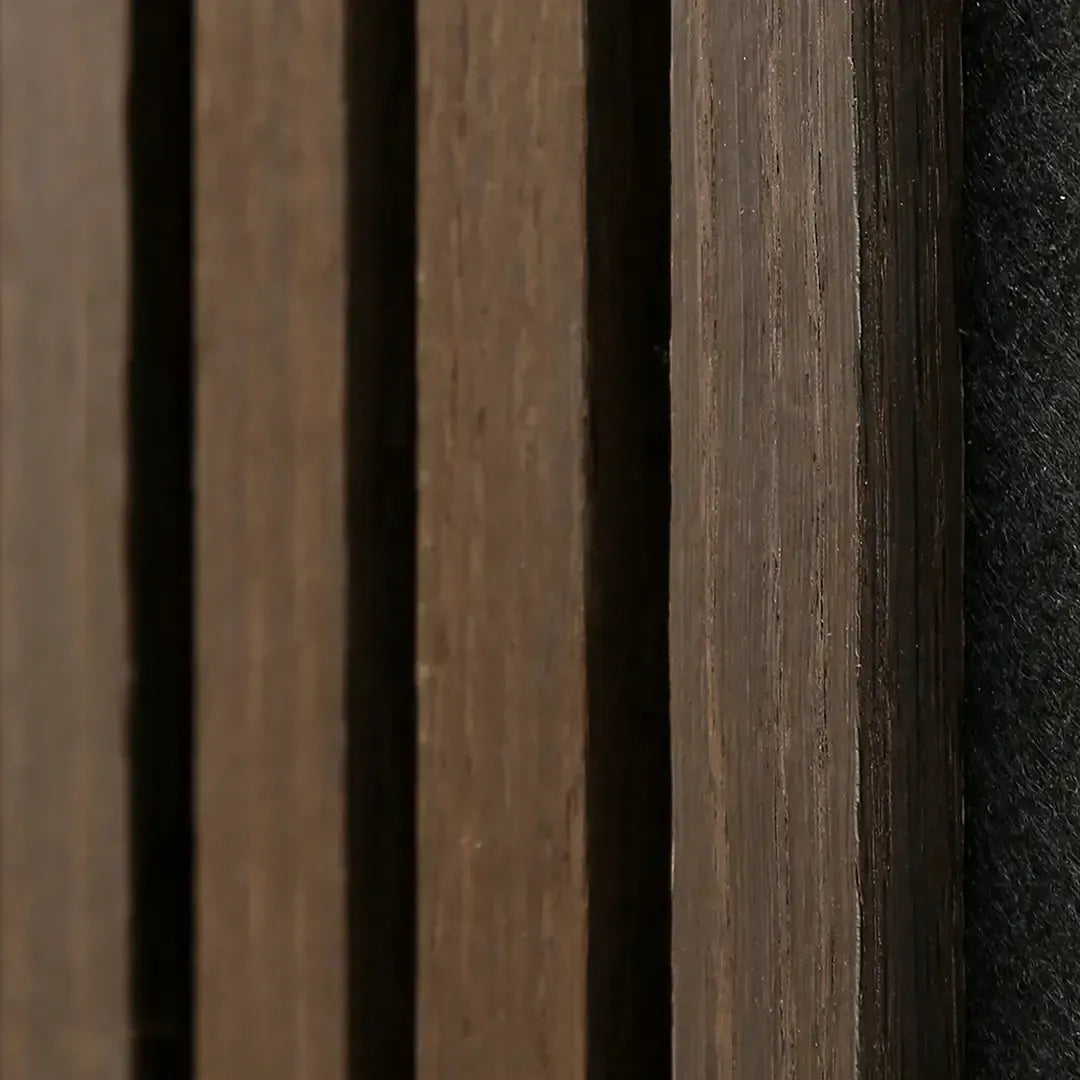
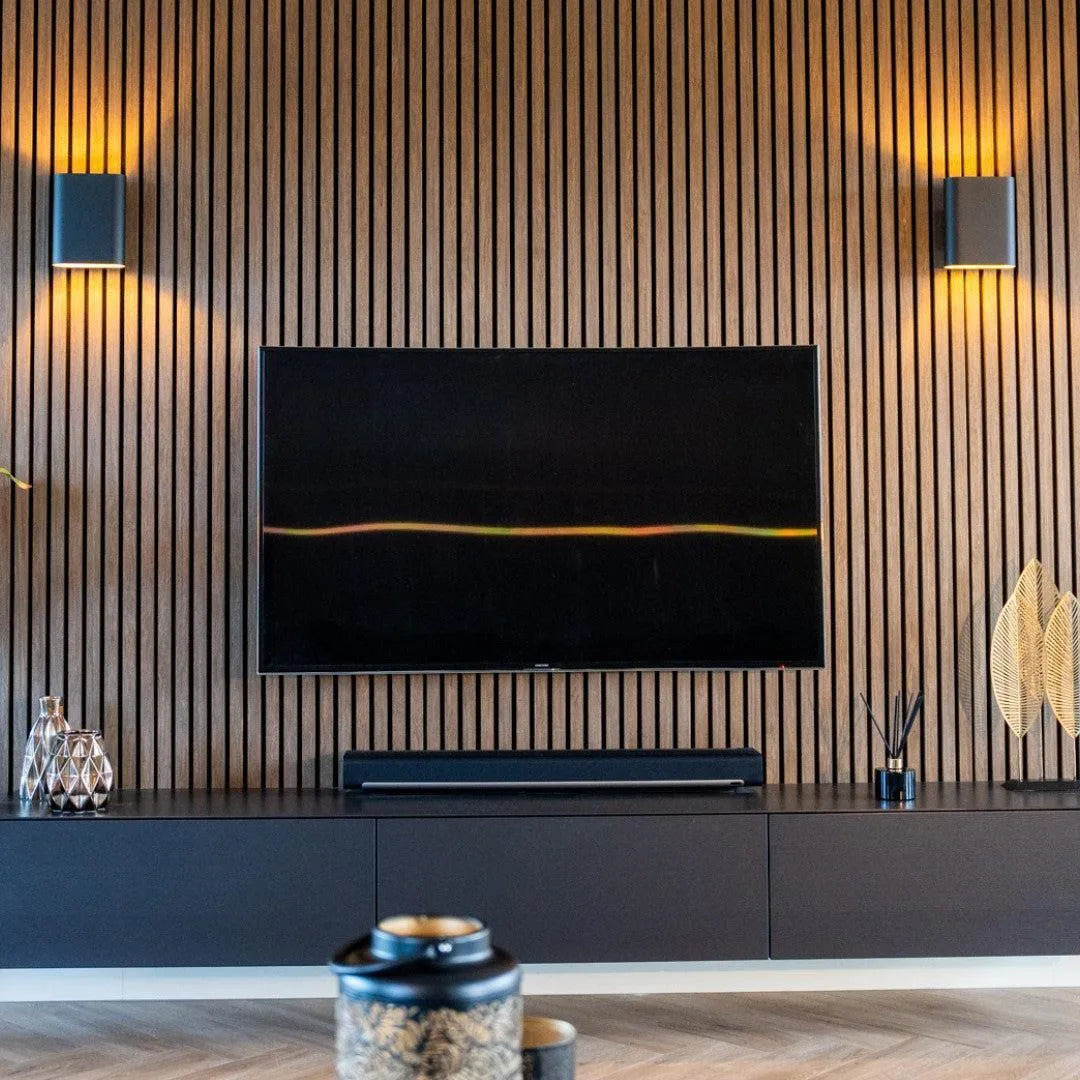
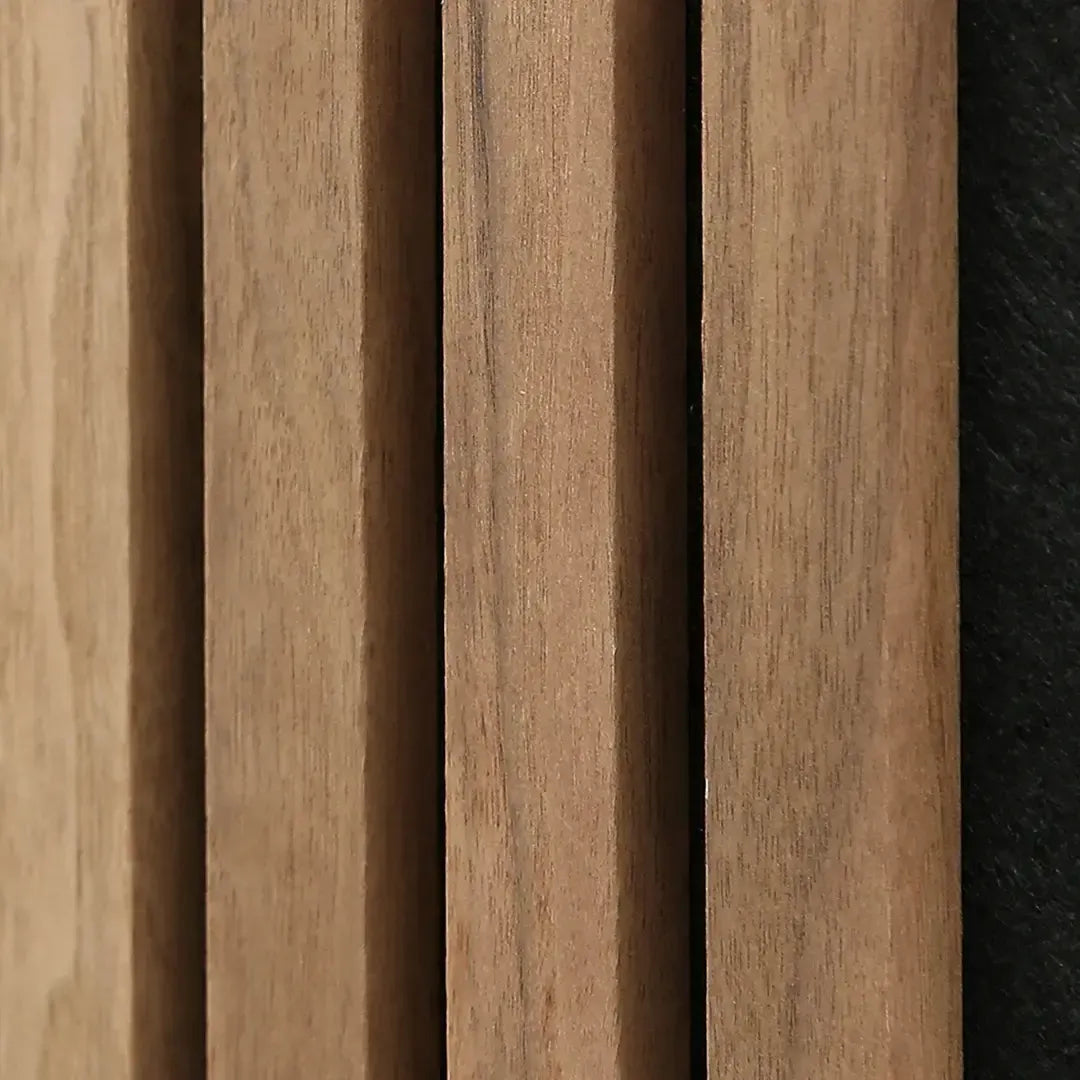
This is the panel you put behind the register or the product wall people photograph. At $182.95, it carries a premium 3-sided wood veneer with a detailed grain pattern that reads as real wood under any lighting rig, not a printed pattern. It mounts horizontally or vertically, which matters when a pop-up footprint forces an awkward corner run. For a flagship-style pop-up in 2026 where the wall is the backdrop, this is the one to lead with. Buy it for the focal wall; see it as the walnut slat wall panel.
2. Fluted Wall Panel — Natural Oak — the fitting-room and column wrap
Fluted panels read lighter and more textural than flat slats, which works well wrapping columns, fitting-room walls, or a curved cash-wrap. Natural Oak keeps the space bright, which matters in a pop-up relying on natural light or a small footprint where dark panels shrink the room visually. It's a strong secondary material paired with a darker hero panel elsewhere in the store. Consider for accent zones rather than full walls.
3. Hexagon Acoustic Panel — Walnut with Gray Felt — the acoustic fix
Hexagon geometry breaks up a wall visually and the felt backing carries a 0.75 NRC rating, which matters in a pop-up with concrete floors, glass storefront, and a speaker playing music over foot traffic. Priced at $165.95, it's a mid-tier spend that solves an echo problem most pop-up teams don't budget for until customers complain. Buy if the space has hard flooring and no soft furnishings to absorb sound.
4. 3D Wood Wall Panel — Deep Dusk Walnut — the budget accent
At $41.95 per tile, this is the cheapest way to add a real-wood texture to a small feature area — a register nook, a fitting-room door surround, a sample table backdrop. The sculpted 3D pattern catches light differently than a flat slat, which photographs well for social content without the cost of paneling an entire wall. Buy for accent zones on a tight 2026 build-out budget; try it as the 3D wood wall tile.
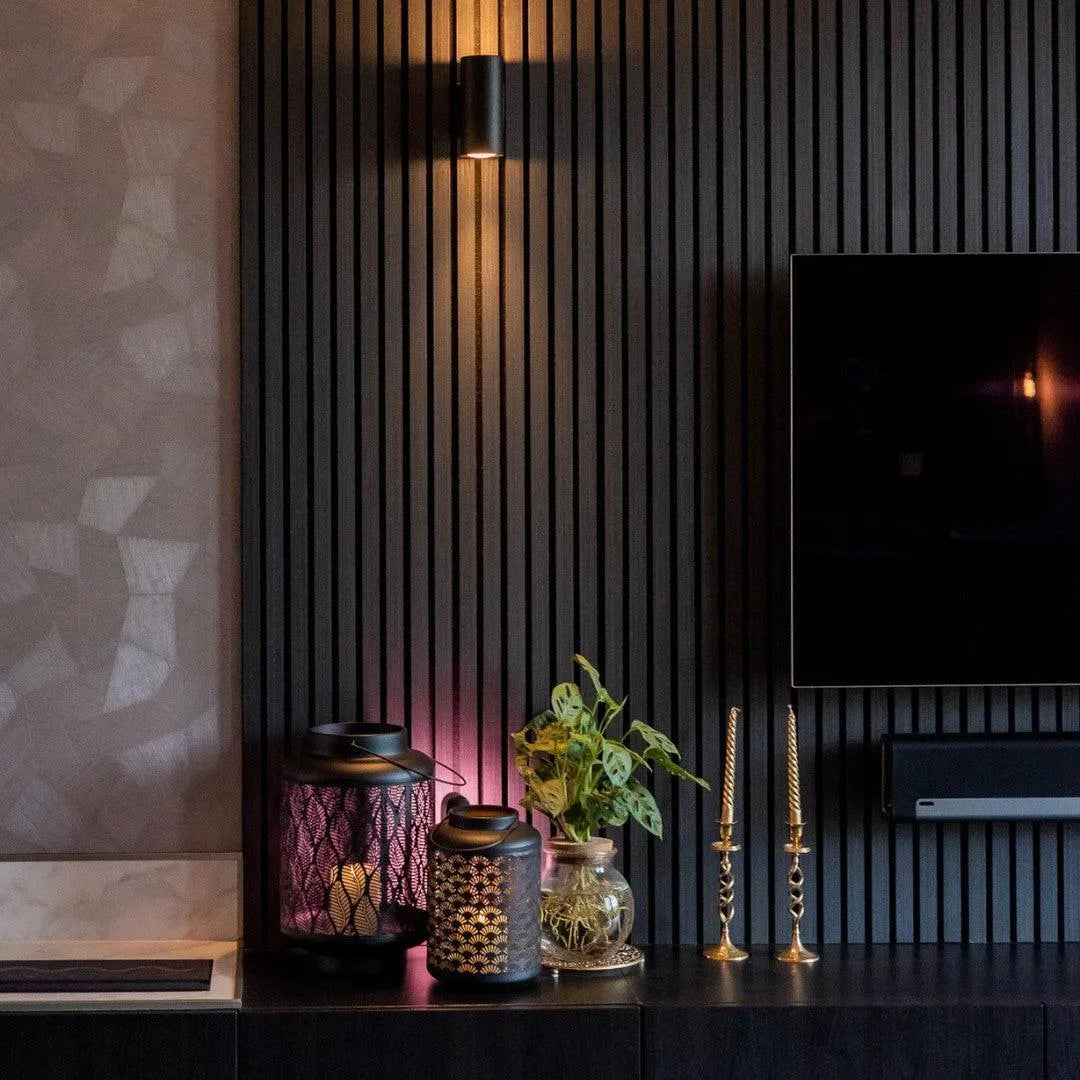
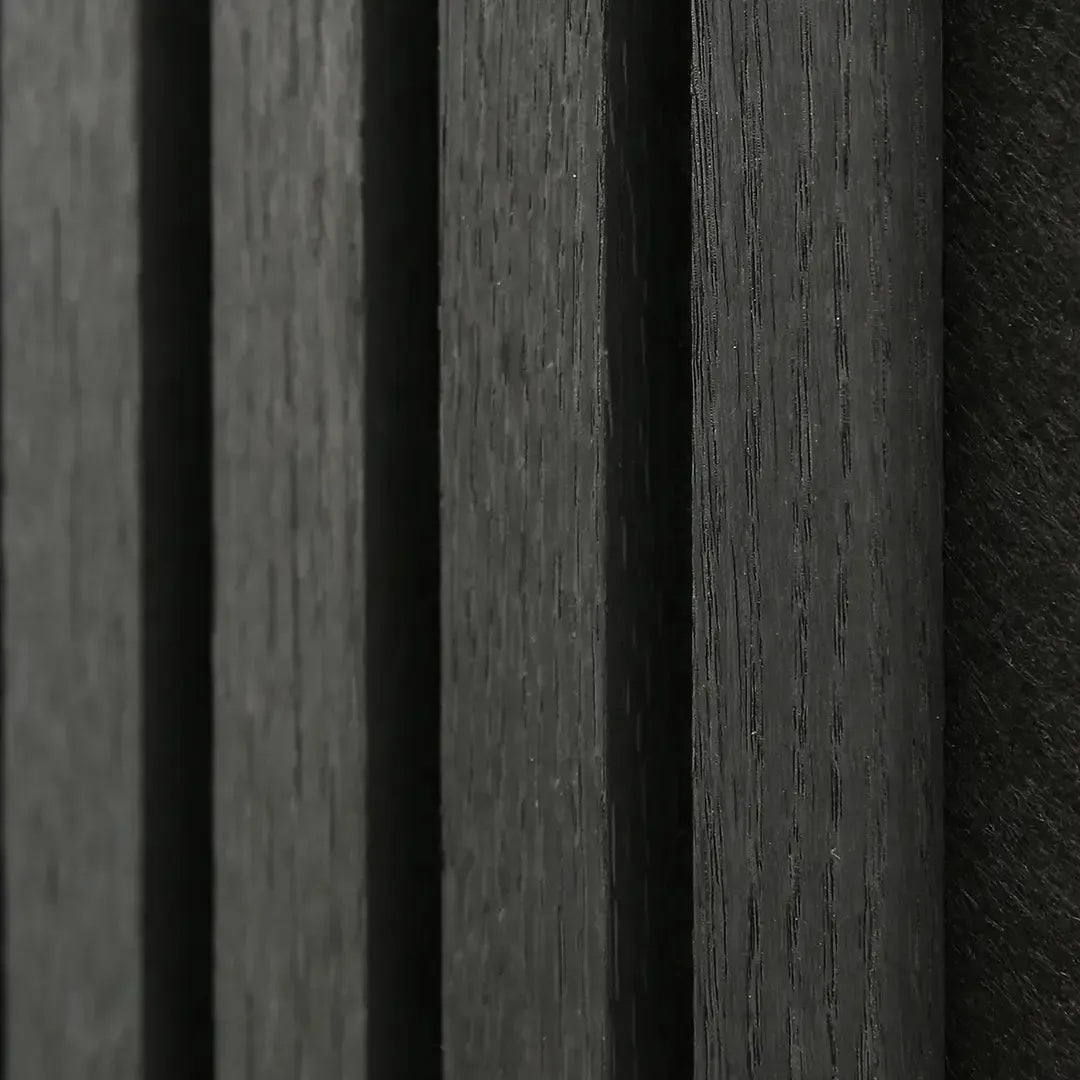
5. Acoustic Slat Wall Panel — Black Oak — the moody backdrop
Black Oak at $177.95 works for pop-ups selling a darker, editorial aesthetic — jewelry, footwear drops, streetwear capsules. It absorbs light rather than reflecting it, so pair it with directional spot lighting rather than flat overhead fixtures or the wall reads as a void. Consider for brands leaning into a dark-academia or gallery aesthetic; skip it if the pop-up depends on bright, airy product photography.
6. Acoustic Slat Wall Panel — Smoked Oak with Gray Felt — the quiet neutral
Smoked Oak with felt backing splits the difference between Walnut's warmth and Black Oak's drama, at $169.95. It's the safest pick when a brand isn't sure what the next pop-up location's lighting will look like, since it reads well under both warm and cool bulbs. Consider as a default when the design brief is undecided.
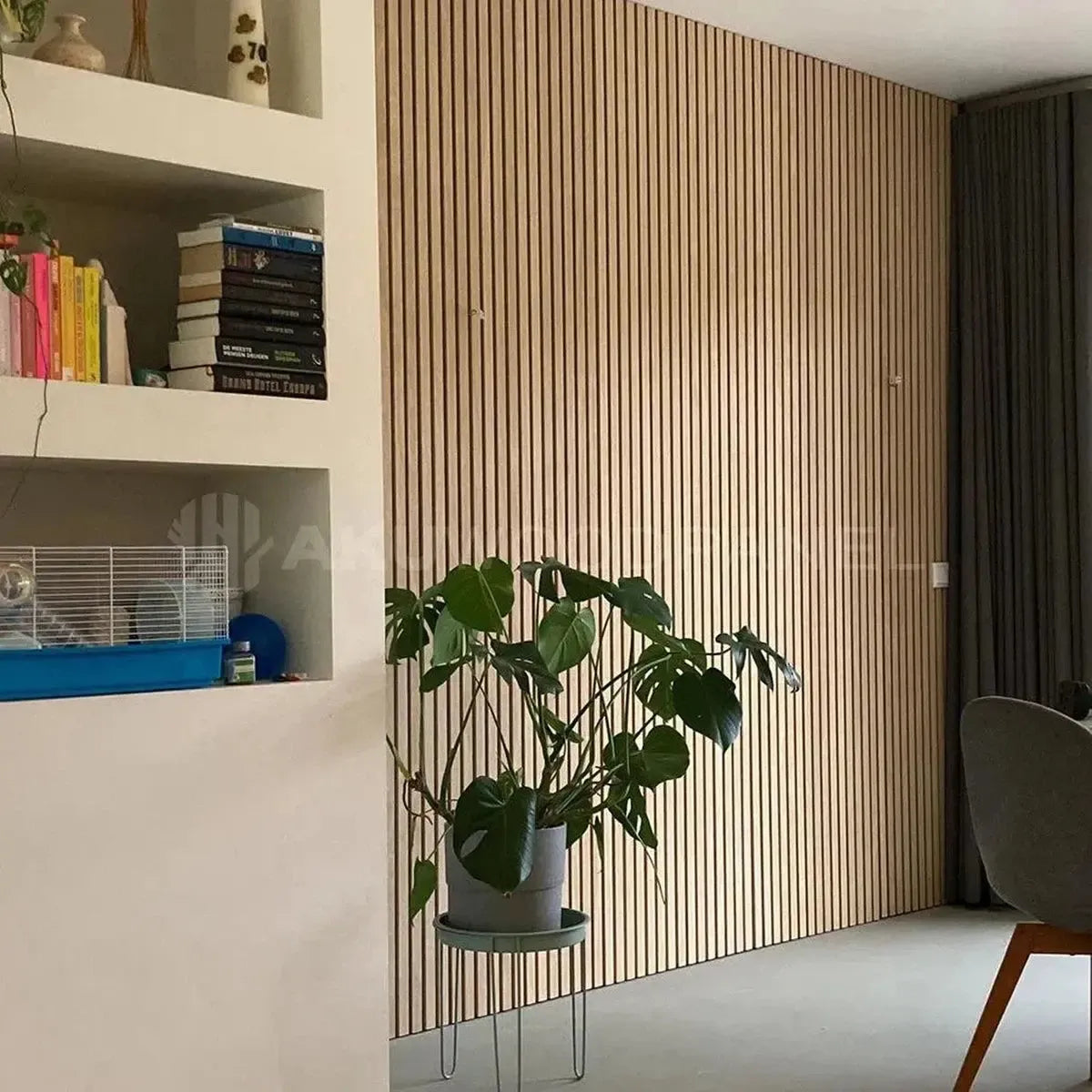
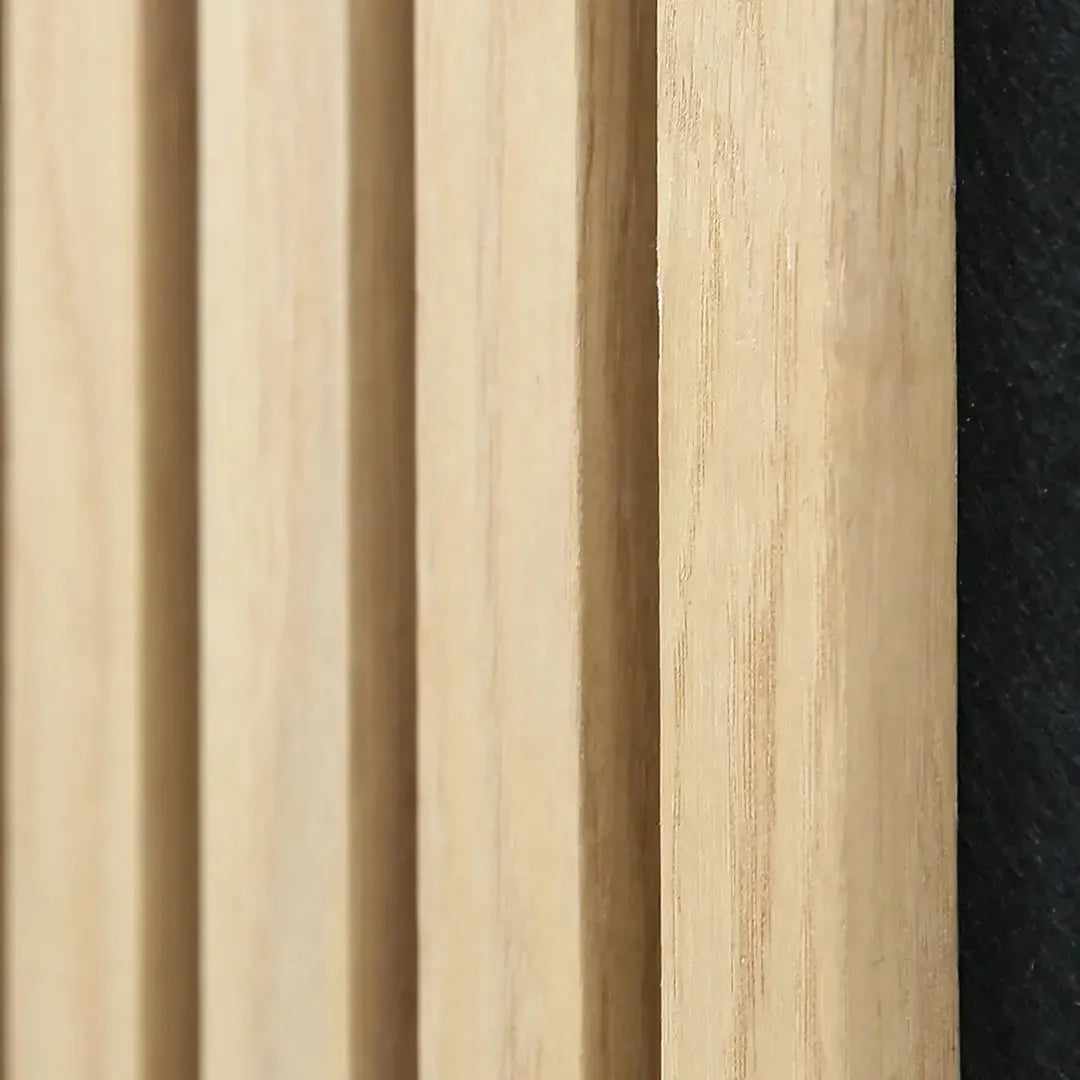
7. Tile Acoustic Slat Wall Panel — Natural Oak — the budget-box option
Sold as a 4-tile box at $126.95, this is the lowest-cost real-wood entry point on this list, built for smaller test walls or a single fixture backdrop rather than a full storefront. It uses the same 3-sided veneer construction as the full-size panels, just in a smaller format that's easier to justify on a first-pop-up budget. Buy for a pilot location testing whether wood paneling pays off before committing to a bigger 2026 rollout.
Comparison table
| Panel | Best for | Price | Acoustic note | Verdict |
|---|---|---|---|---|
| Acoustic Slat Wall Panel, Walnut | Hero/focal wall | $182.95 | Slat gaps diffuse sound | Buy |
| Fluted Wall Panel, Natural Oak | Columns, fitting rooms | — | Textural, not acoustic-rated | Consider |
| Hexagon Acoustic Panel, Walnut with Gray Felt | Loud, hard-floor spaces | $165.95 | 0.75 NRC | Buy |
| 3D Wood Wall Panel, Deep Dusk Walnut | Small accent zones | $41.95/tile | Not acoustic-rated | Buy |
| Acoustic Slat Wall Panel, Black Oak | Dark, editorial brands | $177.95 | Slat gaps diffuse sound | Consider |
| Acoustic Slat Wall Panel, Smoked Oak with Gray Felt | Undecided lighting brief | $169.95 | Felt-backed | Consider |
| Tile Acoustic Slat Wall Panel, Natural Oak | Pilot pop-ups, small walls | $126.95/box | Slat gaps diffuse sound | Buy |


Where to buy
- Order samples before committing to a full wall — a swatch under your actual pop-up lighting tells you more than a product photo ever will.
- Buy in panel counts that match your exact wall dimensions plus 10% for cuts around outlets, corners, and signage mounts — pop-up budgets rarely have room for a second shipment.
- Confirm the panel format (full panel vs. tile box) matches your install timeline; tile boxes go up faster on small walls, full slat panels cover more square footage per unit of labor.
For a deeper look at how these same panels perform in permanent retail fit-outs, the guide on slat wall panels for retail store wall displays breaks down layout patterns that carry over directly to a pop-up build.
FAQ
What's the best wood accent panel for a retail pop-up shop?
Acoustic Slat Wall Panel in Walnut is the strongest pick for 2026 pop-ups at $182.95, since it reads as real wood under any lighting setup and mounts fast in either orientation. For loud or hard-floored spaces, the felt-backed Hexagon Acoustic Panel is the better acoustic choice.
How much do wood accent panels cost for a pop-up installation?
Real-wood panels on this list range from $41.95 per tile up to $182.95 per full slat panel in 2026. A 4-tile box of the Natural Oak option runs $126.95, making it the lowest-cost entry point for a pilot location.
Can wood accent panels be removed and reused after a pop-up closes?
Slat and hexagon panels mounted on a track or batten system can be unmounted and reinstalled at a new location, unlike glued laminate wraps. Plan the mounting method around reuse from the start if you're running more than one pop-up in 2026.
Is real wood veneer better than faux wood panels for retail displays?
Real 3-sided wood veneer holds grain detail and color consistency under retail lighting better than printed laminate, and it retains resale value if you relocate the panels. Faux finishes tend to look flat under spotlighting and show wear faster on high-traffic walls.
Do acoustic wood panels help reduce noise in a busy retail space?
Yes — felt-backed slat and hexagon panels carry acoustic ratings like the 0.75 NRC on the gray felt hexagon line, which noticeably cuts echo on concrete floors and glass storefronts. Standard slat panels without felt backing still diffuse some sound through the gaps between slats.
How long does it take to install wood accent panels in a pop-up shop?
A single feature wall using full slat or hexagon panels typically installs in a few hours with basic tools and a batten or adhesive mounting system. Tile-format panels go even faster on smaller walls since each tile covers less area and needs less precision cutting.
What panel finish works best for Instagram-worthy retail backdrops?
Walnut and Deep Dusk Walnut finishes photograph well because their grain and texture catch directional light without washing out, unlike flat painted surfaces. Black Oak works too but needs spot lighting rather than flat overhead fixtures to avoid looking like a dark void in photos.
Are hexagon panels or slat panels better for small pop-up footprints?
Hexagon panels break up a small wall visually and add acoustic value, while slat panels cover more square footage faster and suit a single hero wall. Use hexagon on an accent section and slat panels on the main backdrop if the footprint allows both.
One last thing
The felt-backed hexagon and slat panels aren't just an aesthetic upgrade — the 0.75 NRC rating on the felt-backed line means a pop-up with a speaker system or a busy cash-wrap gets a real acoustic benefit most teams don't think to budget for until after opening week, when the echo complaints start.
 Better performance and aesthetic appeal
 In Stock