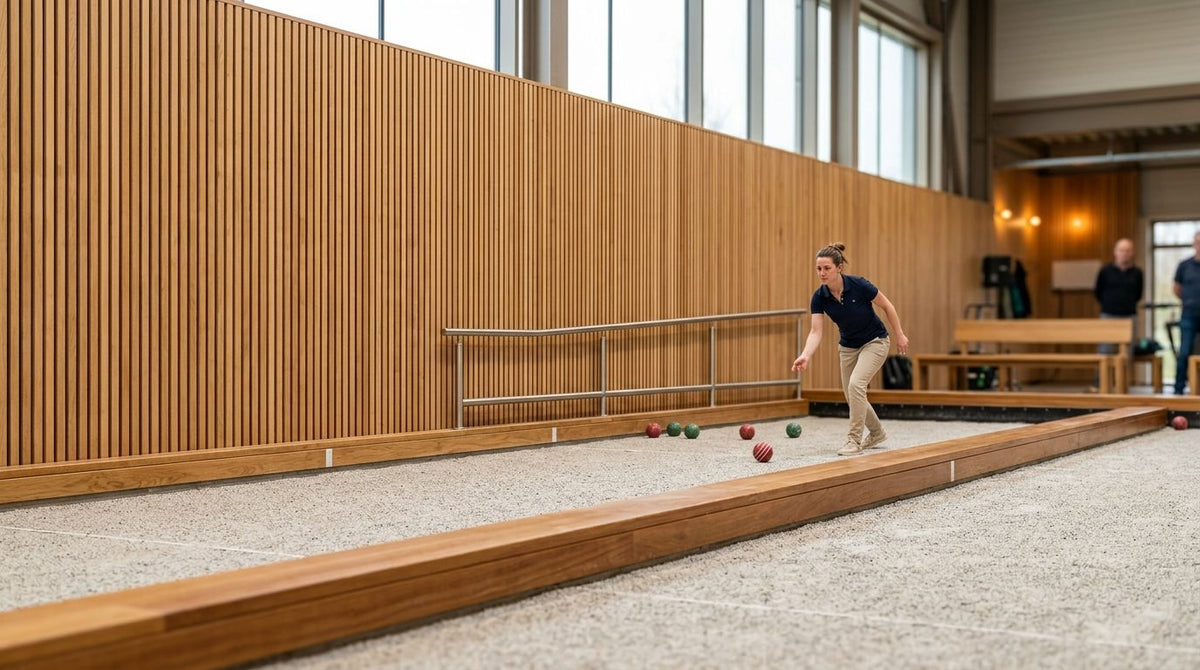
Indoor petanque and bocce courts need wood wall cladding that survives constant ball impact while cutting the hard, boomy echo that concrete and cinder block walls create. Wood panels for bocce court walls work best when they combine an acoustic core with a real wood veneer face — decorative enough for a clubhouse, tough enough to take a direct hit from a 700-gram boule.
- Wood panels for bocce court walls need an acoustic core, not just a veneer look, to control ball-impact noise in 2026 builds.
- Akuwood Panel acoustic slat panels use a 3-sided wood veneer that survives repeat ball contact better than printed laminate finishes.
- Hexagon acoustic panels carry an NRC of 0.75, useful data when a court operator needs to justify the spend to a landlord or club board.
- Full-height slat cladding on side walls, hexagon panels on the backstop, is the standard split for indoor courts in 2026.
- Skip bare block and painted drywall on any wall a boule can reach — patch-and-repaint cycles cost more over three years.
Why this matters
Indoor petanque and bocce facilities are almost always built inside pre-existing structures — old warehouses, barns, converted retail units, or a corner of a sports hall. Those buildings come with hard, parallel walls and high ceilings, the exact geometry that produces flutter echo and a harsh ringing clack every time a boule lands or two balls collide. Add a bar, spectator seating, or a second court running alongside the first, and the noise compounds fast.
Unpaneled concrete and block reflect nearly all the sound energy that hits them. A wood veneer acoustic panel with a felt backing absorbs a meaningful share of that energy instead. For a petanque club running league nights or a bocce bar hosting tournaments through 2026, that difference is the gap between a room people want to linger in and one where nobody can hear the person next to them.
Why wood panels matter for petanque and bocce court operators
These are quiet, social sports by design. Players talk between throws, judge distances by eye, and often run food and drink service courtside. A court ringing with impact noise undercuts the whole experience — and it is a different acoustic problem than a gym, because the noise source is intermittent, sharp, and directional. It comes from a fixed strip of wall, not the entire room.
Regulation petanque terrains run roughly 4 meters wide by up to 15 meters long, and bocce courts commonly run 60 to 90 feet. Long, narrow rooms with side walls and a backstop that take the brunt of every errant throw. That geometry means side walls and backstop need panels rated for repeat impact, while spectator-facing walls can prioritize looks over durability.
Assess your court's acoustic problem before buying anything
Walk the space during actual play, not an empty room. Clap once near each wall and listen for flutter — a rapid series of echoes bouncing between two hard parallel surfaces is the signature problem in most indoor courts.
- Note which walls take direct ball impact versus which only carry ambient chatter
- Check ceiling height; anything over 12 feet usually needs treatment beyond the walls
- Identify hard parallel surfaces facing each other
- Flag any bar, seating, or lobby zone bleeding noise into the court
Choose an impact-rated wall covering for the strike zones
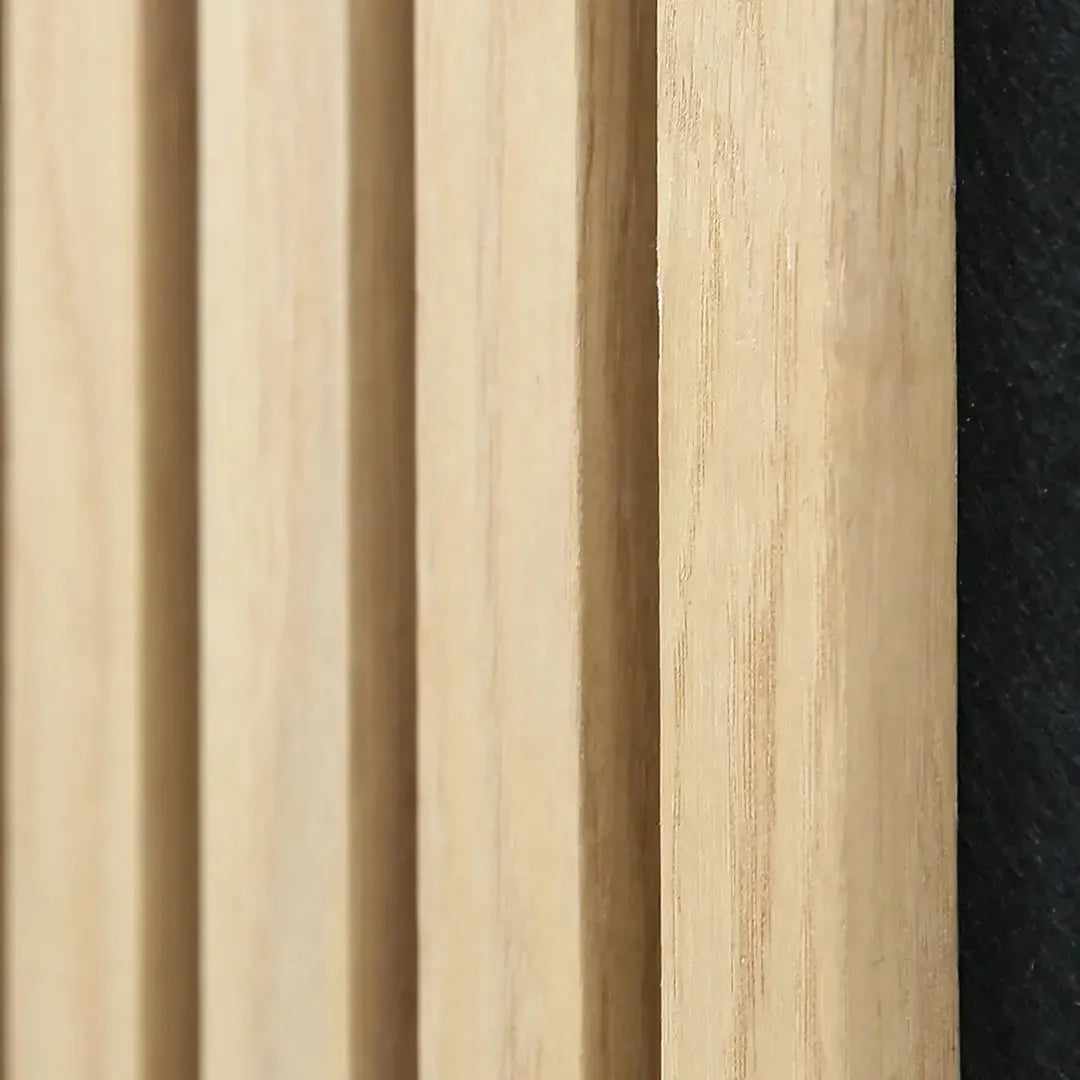
For the first three to four feet of wall height along the throwing lane and backstop, a printed laminate or foam panel will not hold up to repeated boule contact. A real wood veneer slat panel on a solid core handles direct hits far better.
- Confirm the panel has a full veneer face, not a photo-printed skin
- Check the backing material; felt-backed panels add absorption on top of impact resistance
- Rule out anything sold as purely decorative with no acoustic core
- Ask whether the panel line offers end pieces for clean edges at the strike-zone boundary
Cover the full side wall run, not just the strike zone
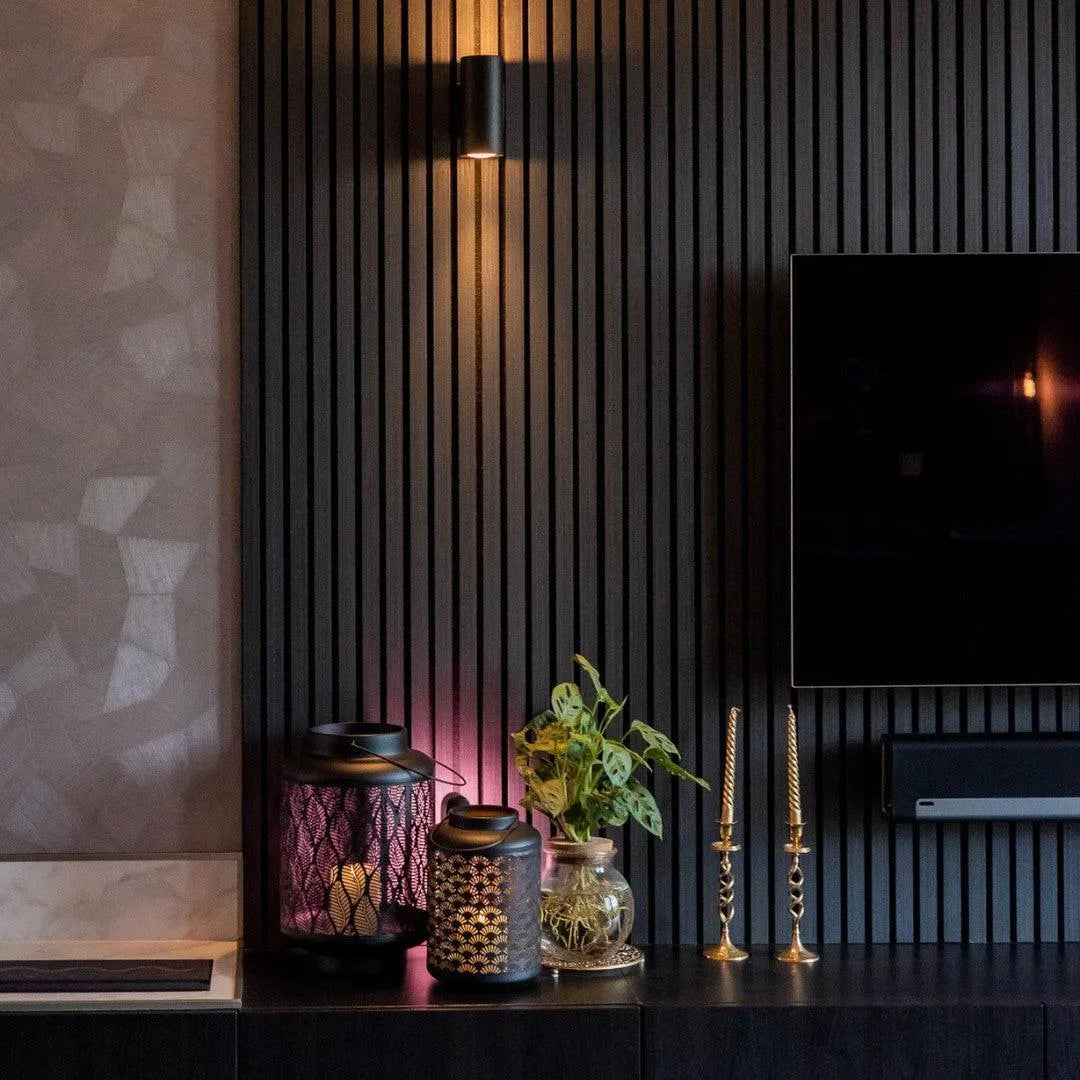
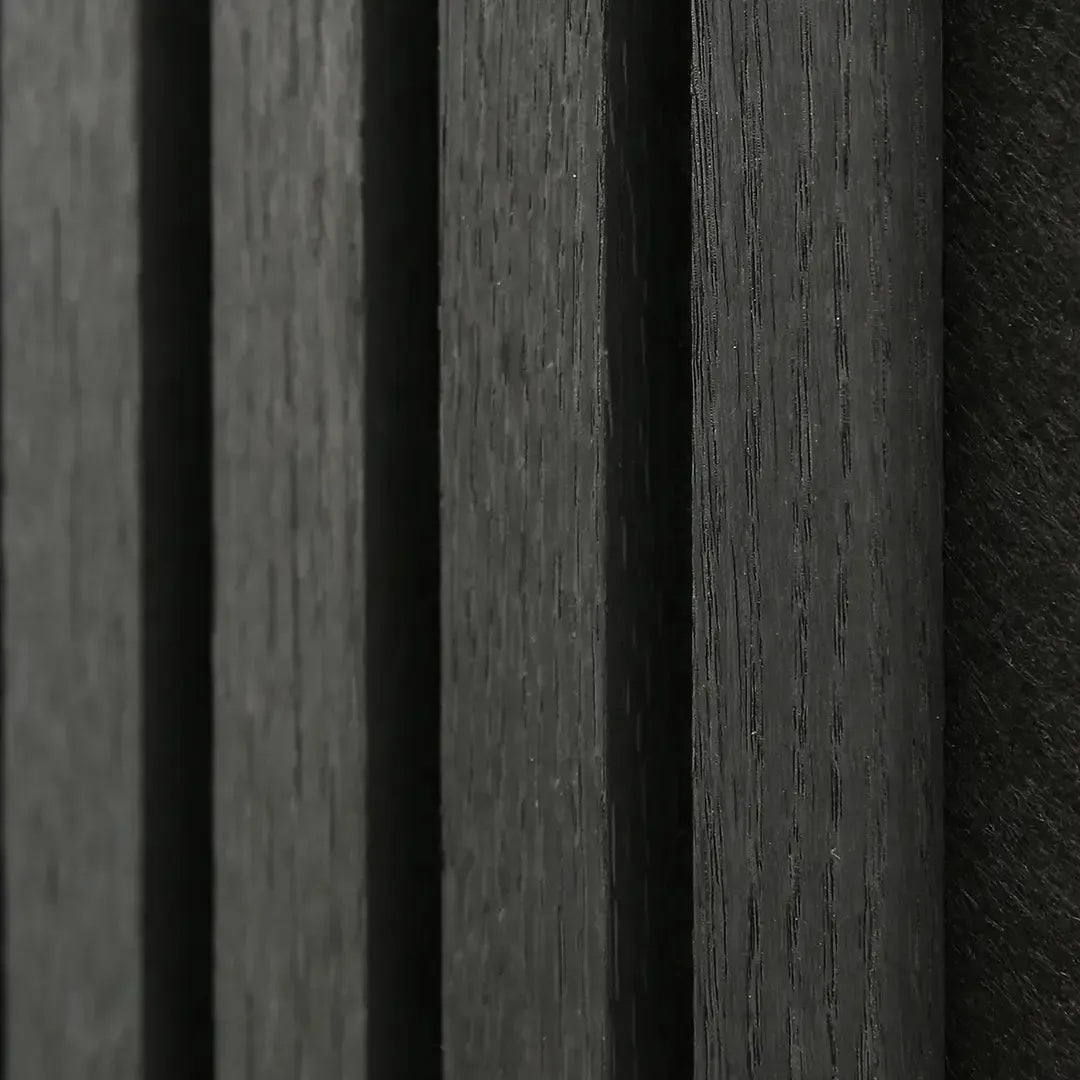
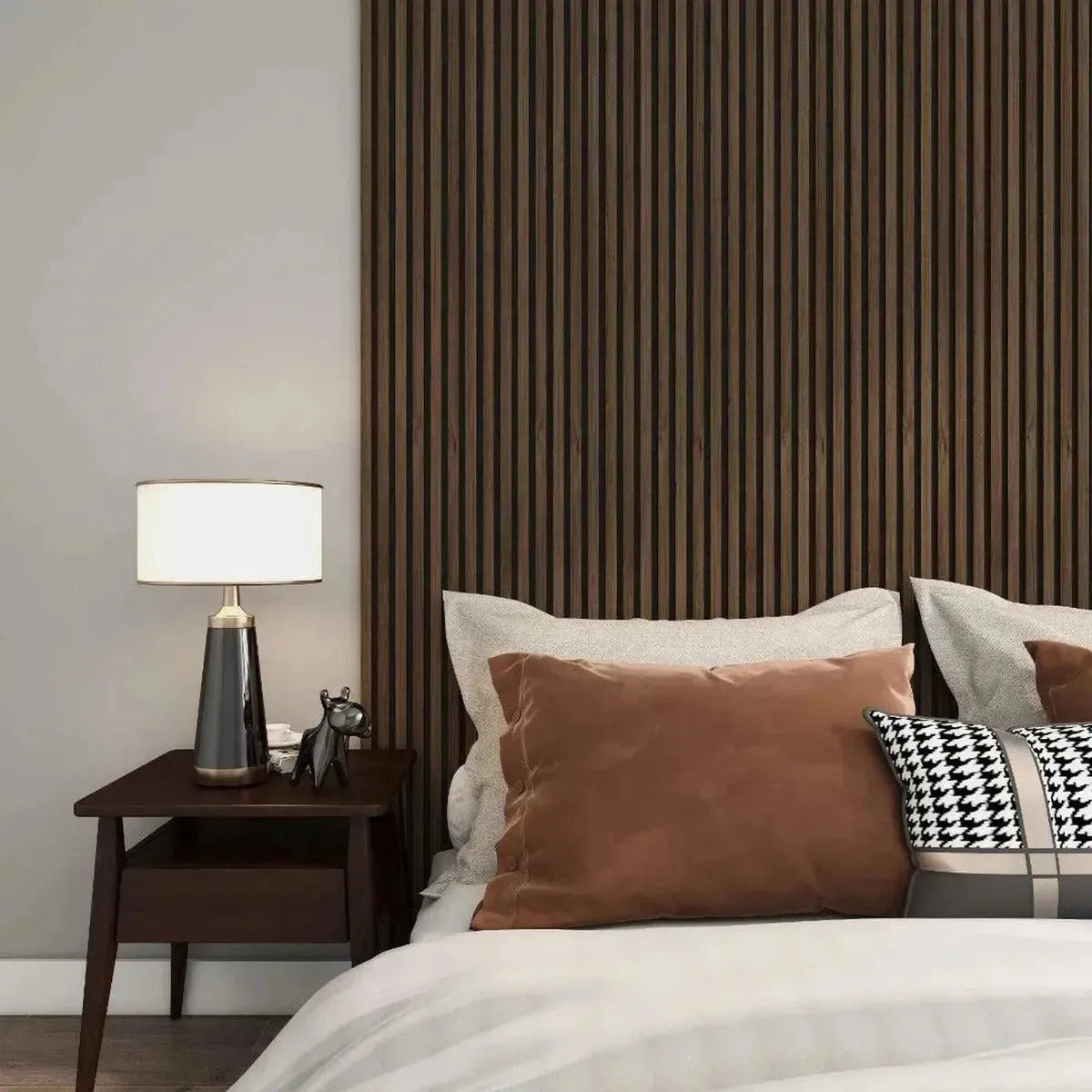
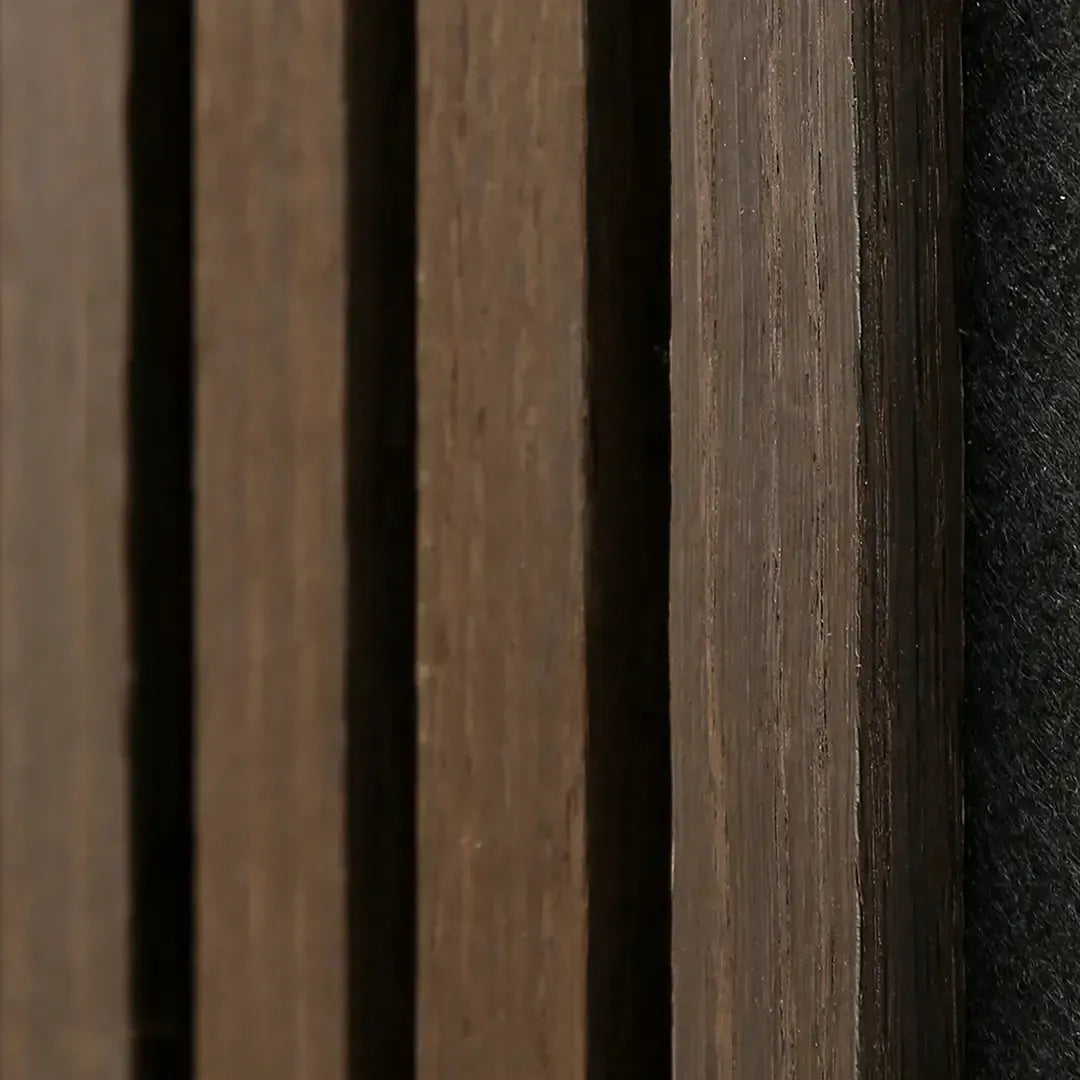
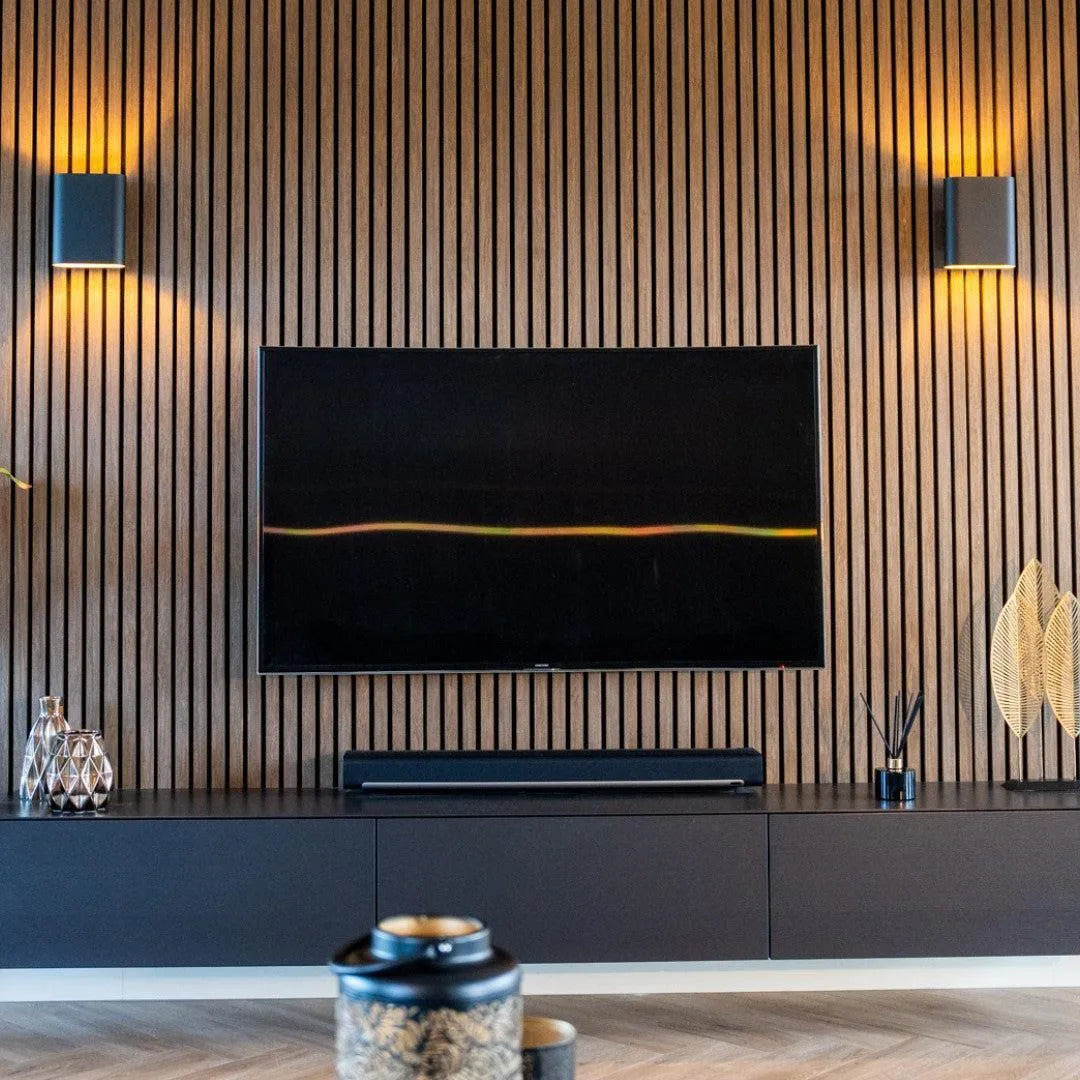
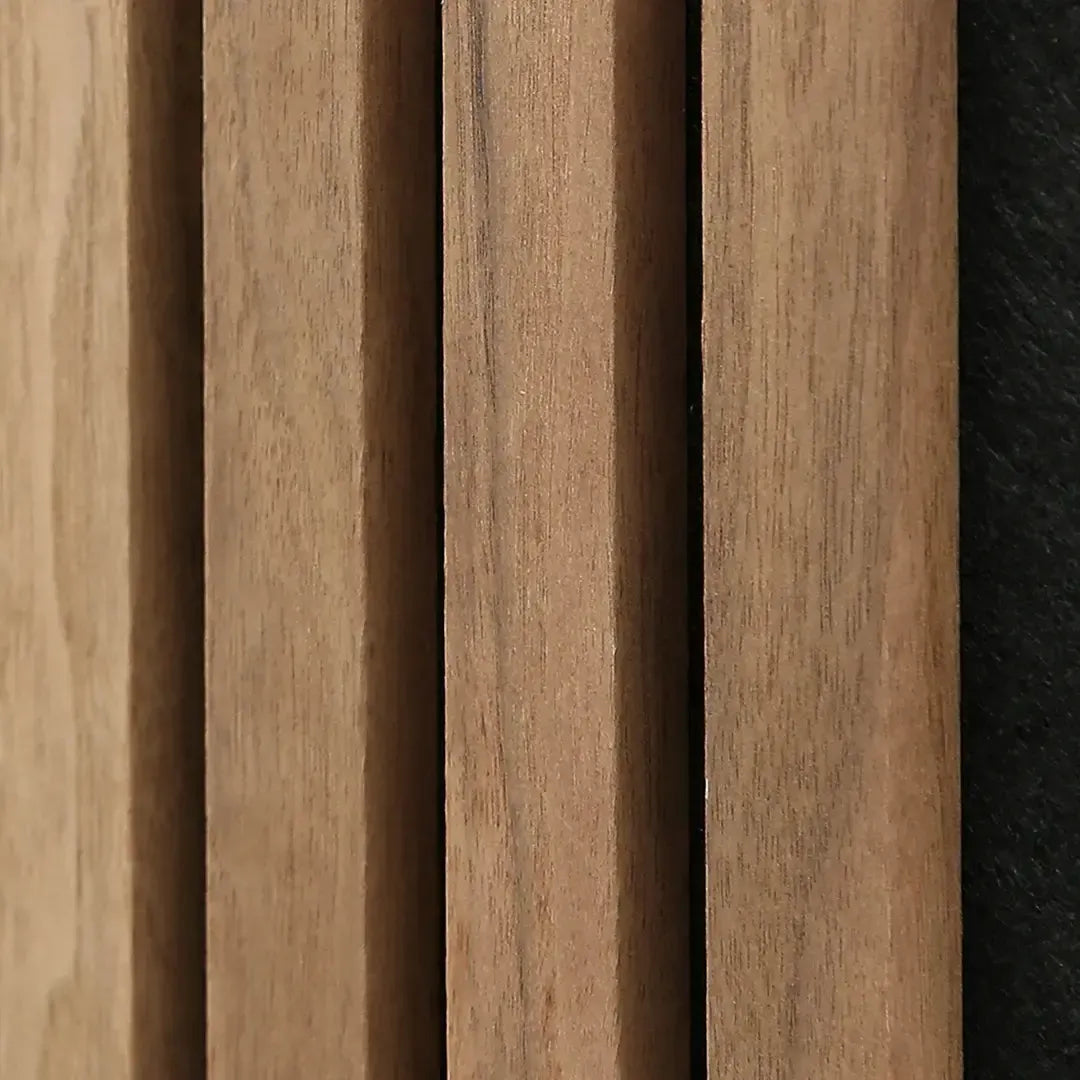
Extend the same acoustic panel up the rest of the wall for a consistent look and to keep absorbing sound above the ball's flight path. The black oak acoustic slat wall panel uses a 3-sided wood veneer that holds grain detail after repeated contact, and the dark finish reads well against the polished concrete floors common in converted warehouse courts.
- Match panel color to existing flooring or exposed beams
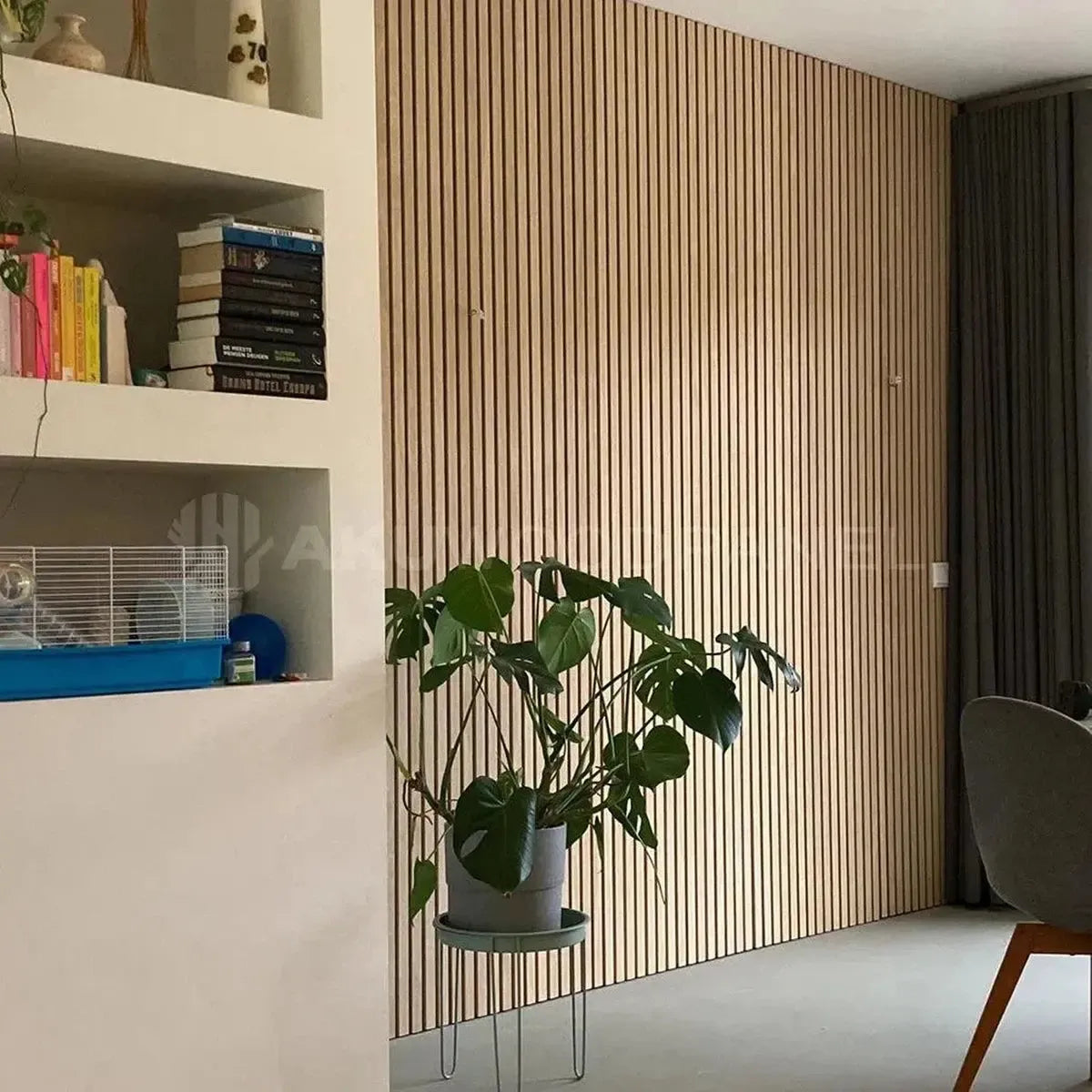
- Run panels vertically for a taller-room effect, horizontally to widen a narrow court
- Use end pieces at doorways and corners instead of cutting panels on site
- Order a sample before committing; warehouse lighting shifts wood tone noticeably
Treat the backstop wall as its own acoustic zone
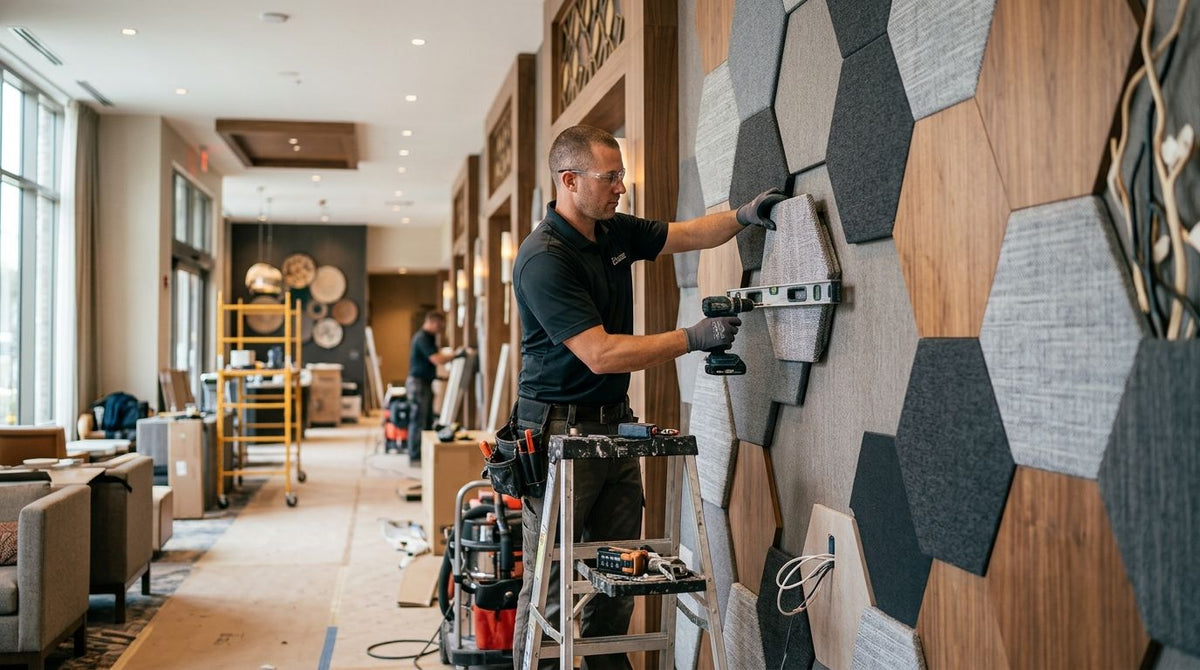
The backstop takes the hardest, most frequent impacts on any court and is also the wall players face most often, so it doubles as a design statement. A geometric layout breaks up flat wall area while still absorbing sound — the hexagon acoustic panel in natural oak with gray felt carries an NRC of 0.75, a number worth citing when a landlord or club board asks for acoustic justification before approving the budget.
- Choose the felt-backed version when absorption matters more than pure impact resistance
- Stagger the hexagon layout to avoid a repetitive tiled look on a long backstop
- Reinforce mounting more heavily here than on side walls
- Leave a maintenance gap behind panels in barns and unheated warehouses
Handle the bar, lobby, or spectator zone separately
These areas take zero ball impact, so the priority shifts from durability to pure absorption and atmosphere. A fluted or 3D wood panel works here without the impact-rated construction required courtside.
- Prioritize absorption performance over impact resistance
- Coordinate the finish with court panels so the space reads as one design
- Use these low-traffic walls to test a bolder finish first
- Budget these zones separately from strike zones
Plan for maintenance and long-term wear
Courts collect sweat, spilled drinks, and dust from unfinished floors. A wood veneer finish outlasts paint or laminate under years of play, but only when specified for the room's humidity and traffic.
- Ask for cleaning guidance specific to the veneer and finish before installing
- Keep one or two spare panels from the original order for future repairs
- Inspect mounting hardware annually near the strike zone
- Log which sections take the most impact so replacement stays targeted
Comparison: wall covering options for indoor bocce and petanque courts
| Option | Best for | Key limitation |
|---|---|---|
| Bare painted drywall or block | Tight budgets, temporary setups | No absorption; chips and dents fast under ball impact |
| Acrylic or PVC panels | Splash zones, low-cost fit-outs | Looks synthetic, minimal absorption, can crack under repeat impact |
| Foam acoustic tiles | Quiet rooms with no ball contact | Not impact-rated; unsuitable for strike zones |
| Acoustic wood slat panel, real veneer | Side walls and backstops taking direct impact | Higher upfront cost than paint or foam |
| Hexagon or fluted acoustic panel | Backstops and feature walls needing looks plus absorption | Best paired with felt backing for full benefit |
For any wall a boule can actually reach, a wood veneer acoustic slat panel beats foam tile and painted drywall on both durability and sound control. Foam and paint are fine only in zones with zero ball contact.
Common mistakes indoor court operators make
- Treating the whole room the same way. Strike zones need impact-rated panels; bar and lobby areas do not. Spec them separately or overpay for durability nobody uses.
- Skipping acoustic treatment because it is just a warehouse. Bare block is the worst possible surface for flutter echo, so an industrial conversion needs more treatment, not less.
- Choosing a printed laminate finish to save money. It looks fine on day one and shows wear within months of regular ball contact.
- Ignoring the backstop as a design opportunity. It is the wall players look at most, and flat paint wastes it.
- Not sampling under the court's actual lighting. Warehouse and barn lighting shifts wood tone compared with a showroom photo.


If you are still comparing finishes for a 2026 build, start with the Akuwood Panel range and order a sample box — checking tone against your actual floor and lighting takes a day and prevents a full-wall mistake.
FAQ
What are the best wood panels for bocce court walls?
Acoustic slat wall panels with a real 3-sided wood veneer are the best fit for bocce court walls in 2026 because they combine impact resistance with sound absorption. Hexagon acoustic panels suit backstops where an NRC rating and a bolder layout both matter.
Do wood panels actually reduce echo in an indoor court?
Yes. A felt-backed acoustic panel absorbs sound energy instead of reflecting it like bare concrete or block. The Akuwood Panel hexagon line carries an NRC of 0.75, which quantifies that absorption.
Can regular decorative paneling handle ball impact on a court wall?
Printed laminate paneling generally cannot handle repeat ball contact and shows wear within months. A solid-core panel with a genuine wood veneer face holds up far better in strike zones.
How high should acoustic paneling run on a court wall?
Cover from the floor to at least the height a thrown boule reaches, then continue the same panel up the rest of the wall for a consistent finish and added absorption above the play line.
Is petanque or bocce louder indoors than outdoors?
Indoors, hard parallel walls create flutter echo that amplifies every ball impact. That is why outdoor courts rarely need acoustic treatment and indoor conversions almost always do.
What is the difference between slat panels and hexagon panels for a court?
Slat panels give continuous coverage and suit long side walls, while hexagon panels create a geometric feature look suited to a backstop or entry wall. Both use veneer-and-felt construction for absorption.
Do I need different panels for the bar area than for the court?
Yes. Bar and spectator zones take no ball impact, so a fluted or 3D wood panel prioritizing absorption works fine there, while strike zones need impact-rated slat or hexagon panels.
One last thing
Most operators paneling an indoor court in 2026 spec the side walls first and leave the backstop until last — which is backwards. The backstop takes more direct hits than any other surface in the building and is the wall every player stares at all night. Spec it first, and the rest of the room follows from it.
 Better performance and aesthetic appeal
 In Stock