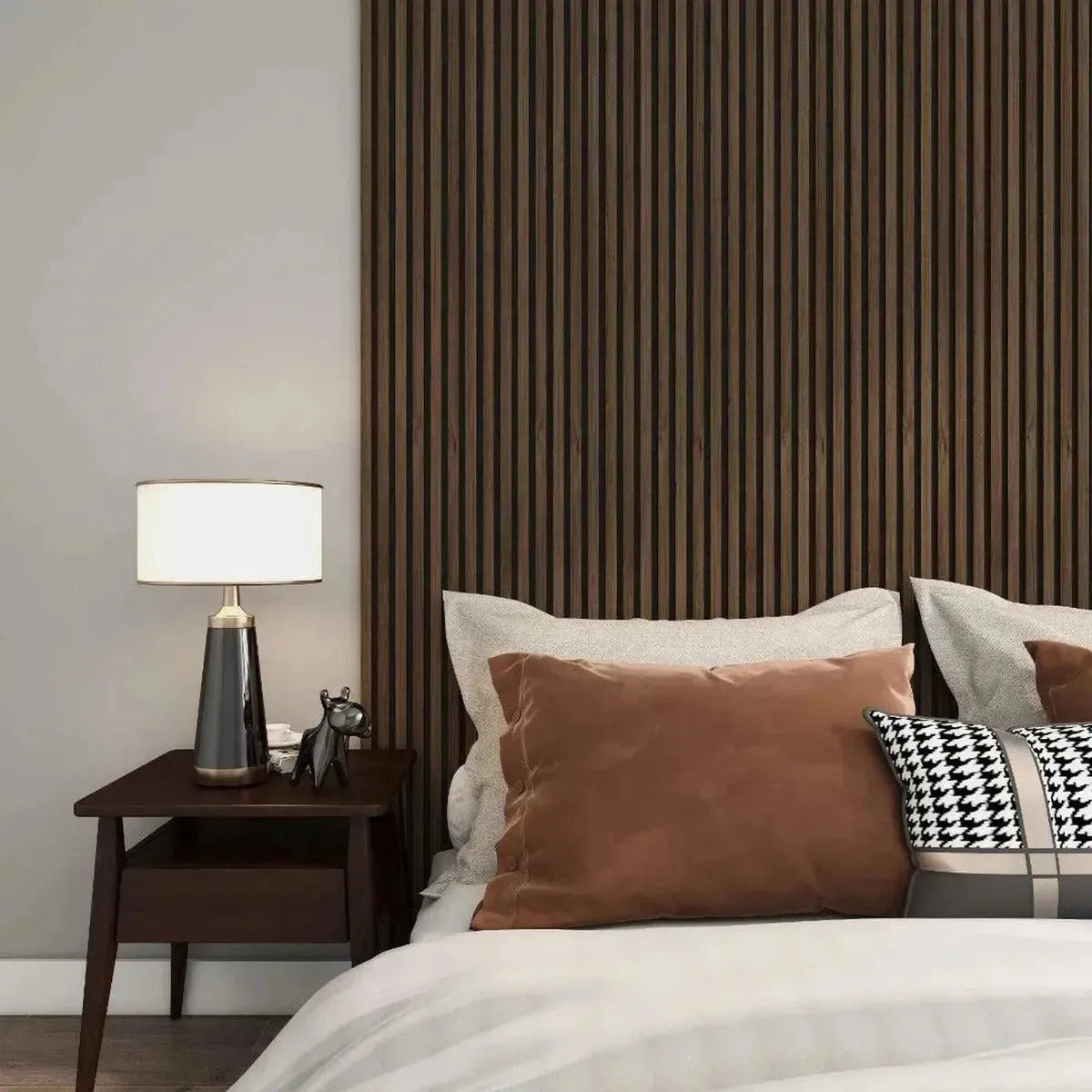
Build-to-rent operators lose renewals over noise complaints, not floor plans — and "sound-rated panels" gets thrown around loosely when what's actually needed is a spec that separates sound absorption from sound isolation. This guide walks through how to spec sound rated panels for build-to-rent housing correctly, room by room, so the purchase order matches the actual noise problem.
- Sound rated panels for build-to-rent housing need NRC data, not marketing copy — check the spec sheet before you order.
- Akuwood Panel's felt-backed hexagon panels carry an NRC of 0.75, right for corridors and amenity rooms in 2026 builds. Buy.
- Order the $10 full sample box before committing to portfolio-wide quantities.
- Felt-backed slat and hexagon panels absorb noise inside a room; they don't replace an STC-rated demising wall assembly. Skip them if wall-to-wall transmission is the actual complaint.
Why this matters
Build-to-rent portfolios in 2026 run on renewal rates, and renewal rates run on how quiet a unit feels. Corridors, amenity lounges, and shared stairwells generate more noise complaints per square foot than any single apartment wall, because hard surfaces bounce sound instead of absorbing it.
The mistake most property teams make is buying "acoustic" panels for a wall assembly problem. An acoustic wood panel with an NRC rating absorbs sound energy inside a room — it cuts echo, reverb, and the sense that a lobby is loud. It does not stop sound from traveling through a shared wall between two units; that's a Sound Transmission Class (STC) problem solved with mass, insulation, and decoupling in the wall assembly itself. Specing sound rated panels for build-to-rent housing means knowing which problem you're solving before the panels ship.
“If your acoustic panel spec sheet only shows an NRC number, it's not a sound isolation product — it's a noise control product.”
What you'll need
- A noise complaint log or walkthrough notes identifying which spaces trigger tickets (corridors, lobbies, stairwells, in-unit shared walls)
- Wall area measurements in square feet for each flagged space
- An acoustic slat panel spec sheet with a stated NRC value — not just a "soundproof" claim
- A sample box to confirm finish and felt color under the property's actual lighting
- Sign-off from whoever owns the construction budget, since panel coverage scales with square footage, not unit count
- A supplier who will quote bulk pricing for multi-building rollouts
The steps
1. Pull the noise complaint data before you spec anything
Walk the property or pull the last 90 days of maintenance tickets tagged "noise." Sort by location: corridor, lobby, stairwell, in-unit. This tells you whether the fix is absorption (panels) or isolation (wall construction), and it stops you from buying panels for a problem panels can't solve.
Common mistake: specing panels for a unit-to-unit noise complaint when the actual fix is adding insulation to the demising wall during the next turnover.
2. Separate absorption specs from transmission specs
Read every product's spec sheet for an NRC number specifically. NRC (Noise Reduction Coefficient) runs from 0 to 1 — a 0.75 rating, like the felt-backed hexagon acoustic panel line, means the surface absorbs 75% of sound energy that hits it. That's the right number for a loud lobby. It's the wrong number to quote when a leasing team asks whether a tenant can hear their neighbor through the wall.
Expected outcome: your spec document has two separate line items — absorption panels for shared spaces, and wall assembly upgrades (if needed) for unit separation.
3. Match NRC ratings to room type, not building type
A corridor with 9-foot ceilings and hard flooring needs more coverage than a carpeted amenity lounge with soft furniture already absorbing sound. Don't apply one blanket spec across a whole building — spec by room, using the NRC rating calculation for the room as your baseline, then adjust coverage up for hard-surface rooms and down for soft-furnished ones.
Common mistake: specing the same panel coverage percentage across every floor plate in a multi-building rollout, which either overspends on quiet rooms or underdelivers in loud ones.
4. Spec panel coverage by wall area, not by unit count
Coverage math runs on square footage of wall surface, not number of doors. A 40-unit building with a 60-foot corridor needs the same panel coverage as a 40-unit building with a 90-foot corridor scaled up by the extra 30 feet — unit count tells you nothing about wall area.
Expected outcome: a coverage number in square feet you can hand to a contractor for a materials order, with a buffer of 5-10% for cuts and waste.
5. Standardize on one finish across the portfolio
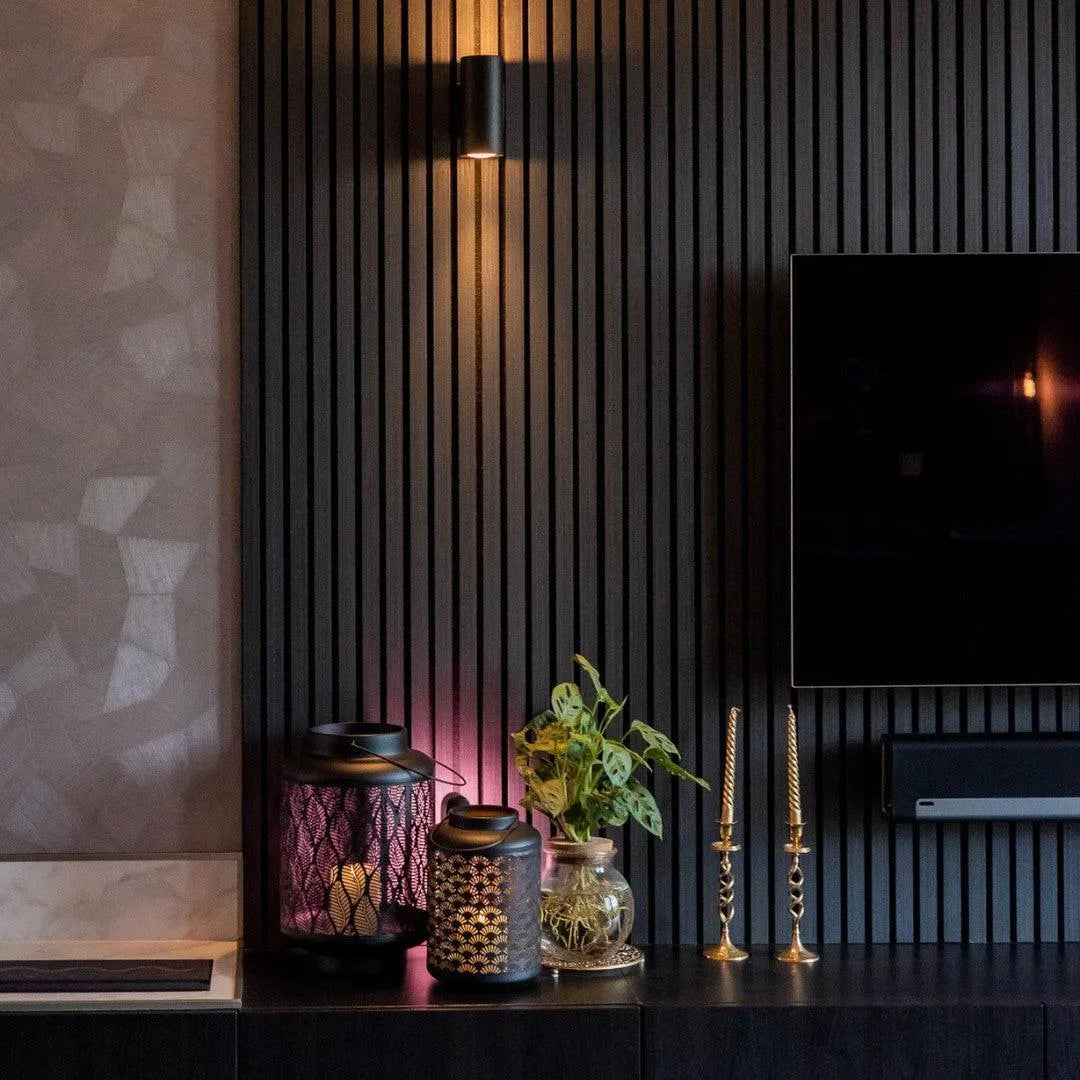
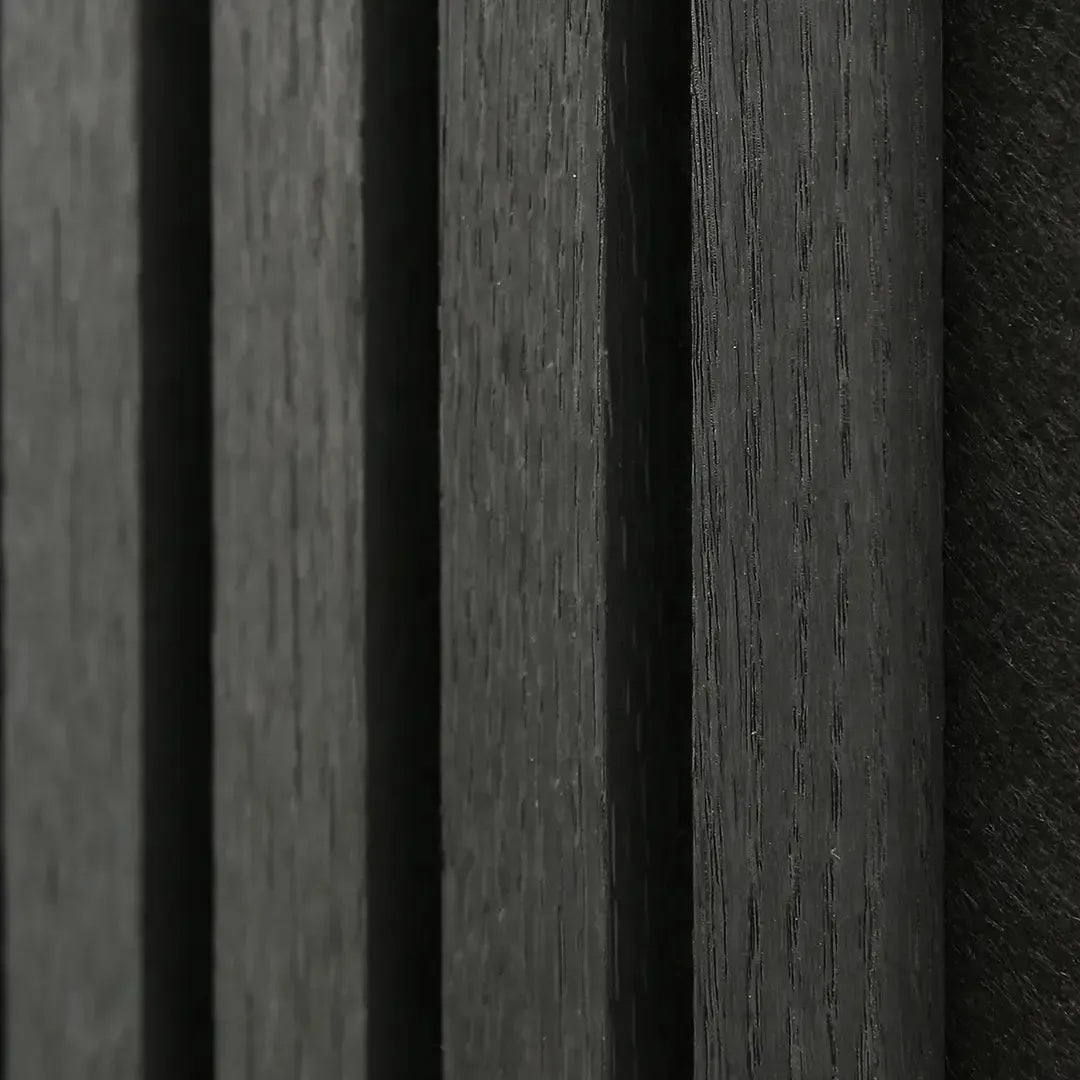
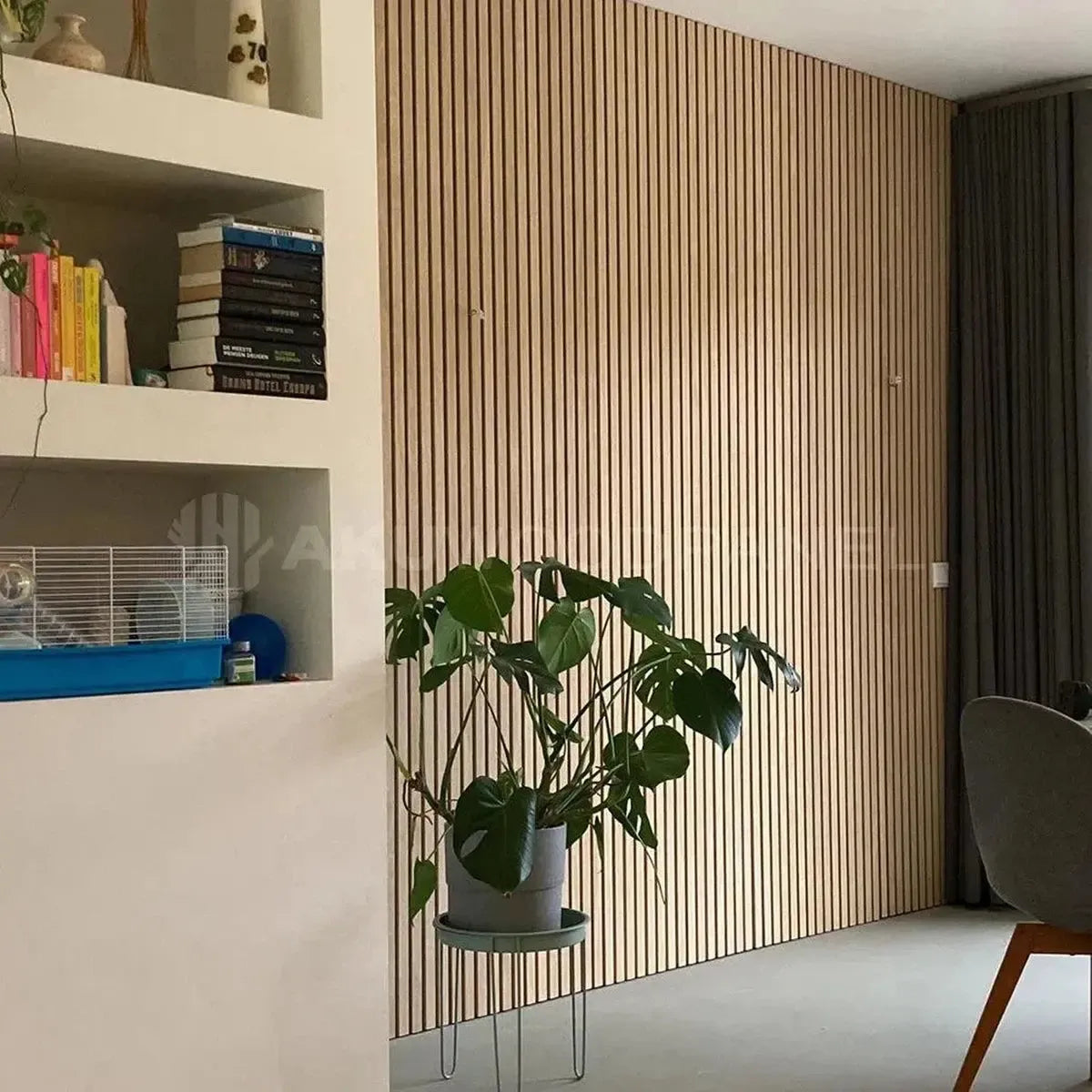
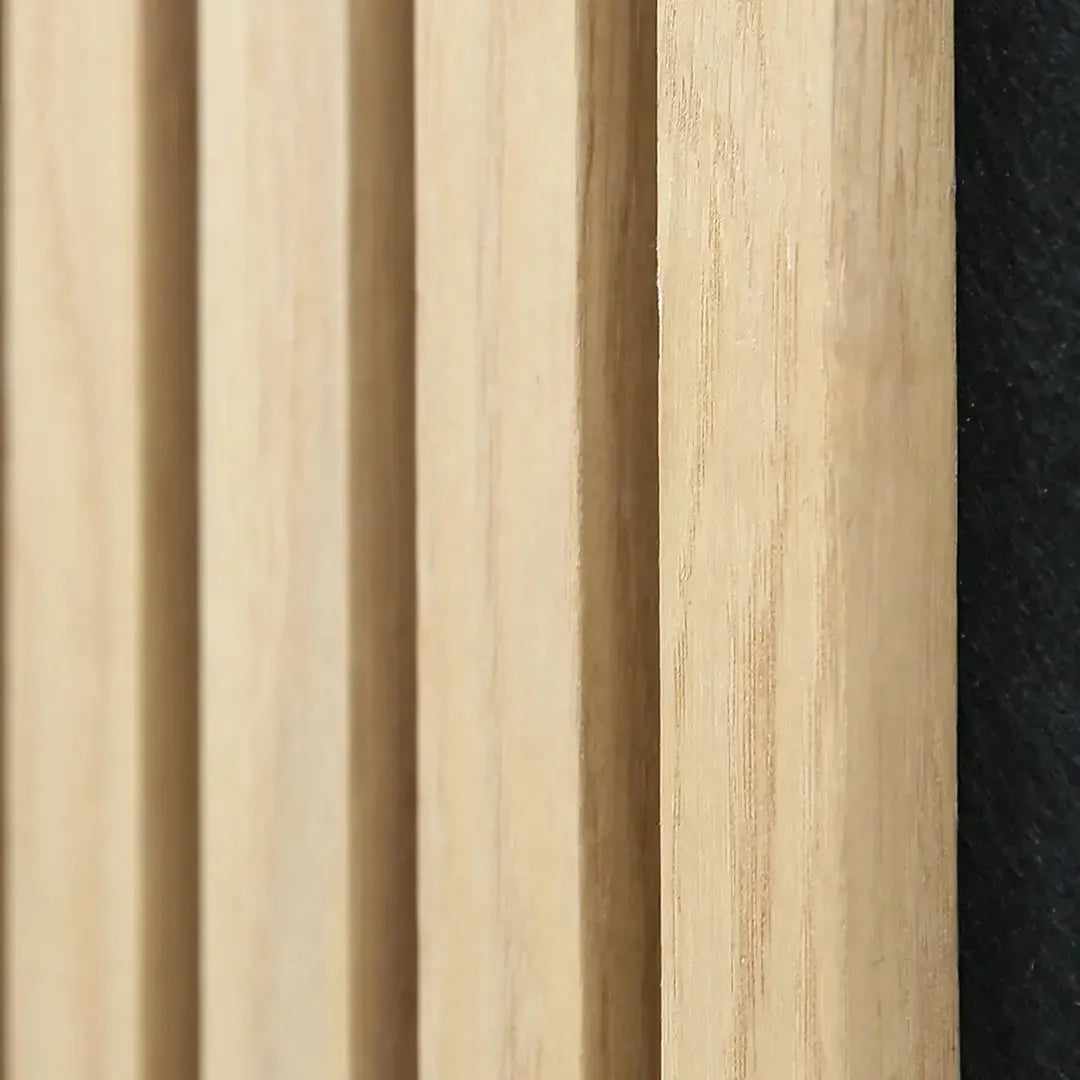
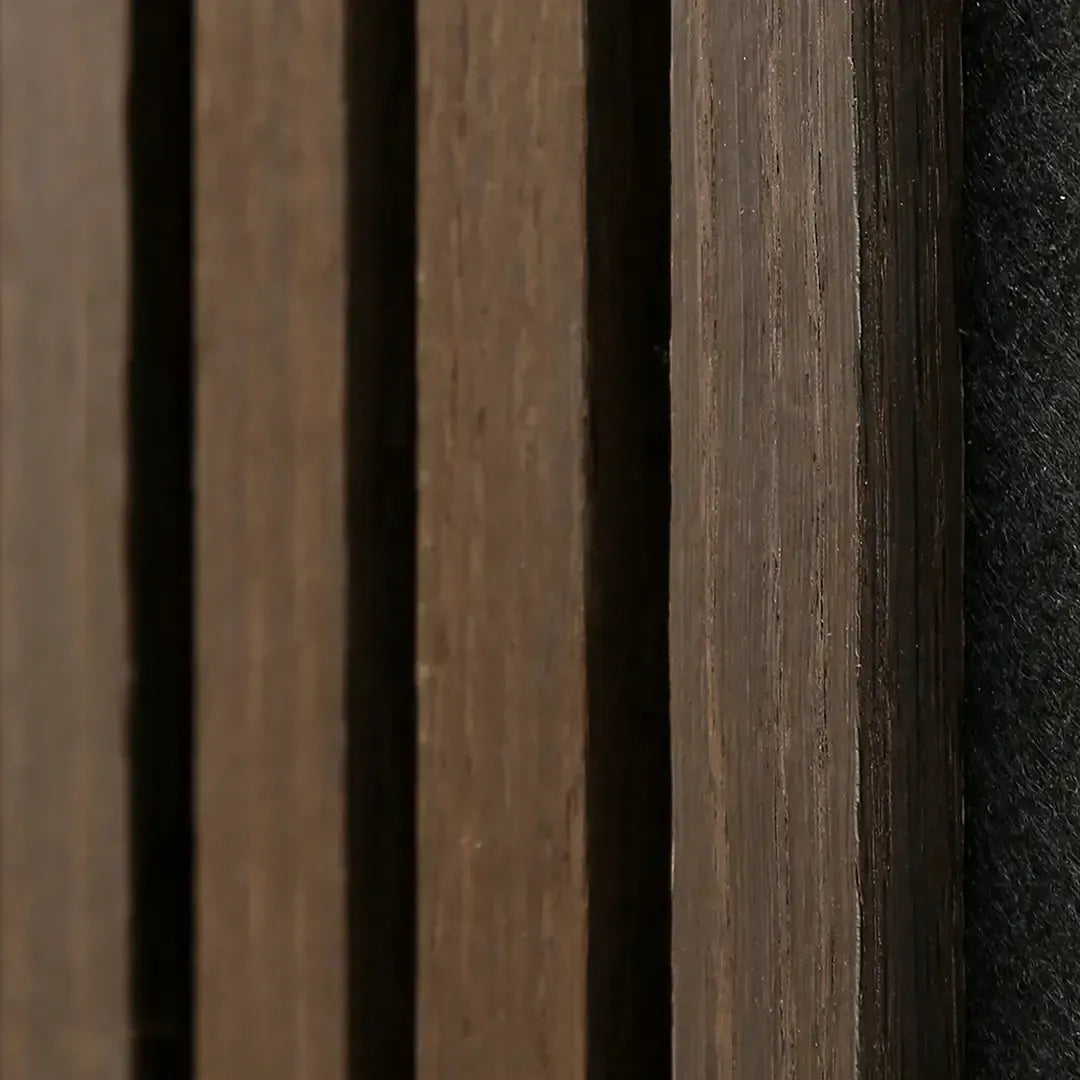
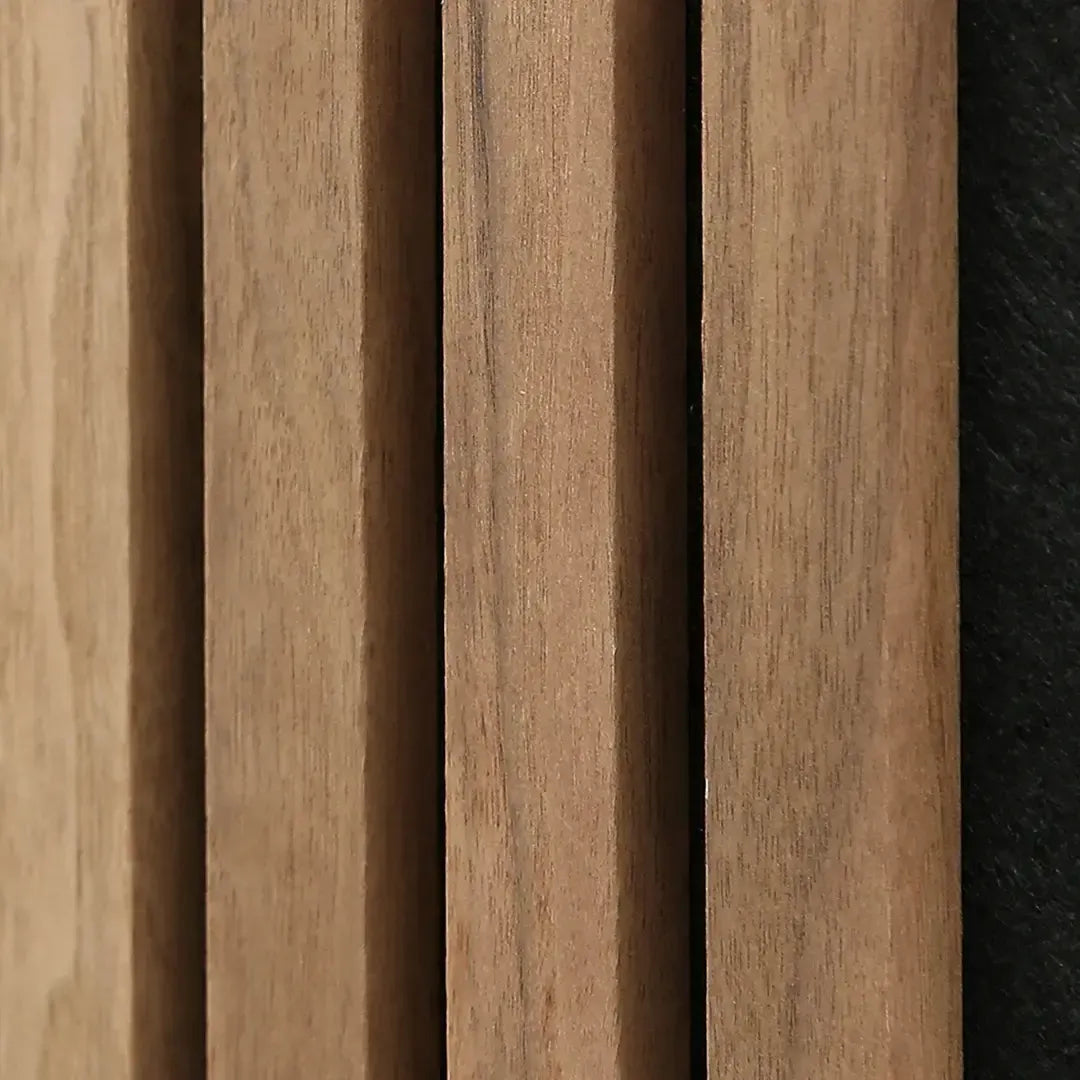
Pick one wood finish and felt color for corridors and amenity spaces across every building in the portfolio, and stick with it. Mixed finishes across buildings make bulk reorders slower and create visible inconsistency when a maintenance team swaps out a damaged section years apart. Natural oak, walnut, and smoked oak all carry the same 0.75 NRC rating in the felt-backed hexagon line, so the finish choice is aesthetic, not acoustic.
6. Order samples before you commit to a purchase order
A finish that reads warm in a showroom photo can read yellow under a corridor's LED strip lighting. Order the felt-backed samples for the specific finishes under consideration and hold them against the actual paint and flooring in a target unit before signing off on quantities for a multi-building order.
Common mistake: approving a finish from a product photo, then discovering the felt color clashes with existing carpet once the first box arrives on site.


Troubleshooting
- Corridor still echoes after installation. Coverage is too low for the ceiling height and floor material. Recalculate square footage using the room's actual surface area, not the panel manufacturer's minimum suggestion.
- Property manager still gets tenant-to-tenant noise complaints after installing lobby panels. Wrong fix for the problem. Absorption panels in shared spaces don't touch unit-to-unit sound transmission — that needs a wall assembly change during the next unit turnover.
- Finish doesn't match between Building A and Building B. A supplier ran a different production batch. Order from one finish line and lock in a single supplier relationship for multi-building rollouts to avoid batch drift.
- Panels installed near a pool deck or laundry room show warping. Felt-backed wood panels aren't rated for constant high humidity. Reserve them for corridors, lobbies, and lounges, and use exterior-rated panels for wet or outdoor-adjacent zones.
- Budget gets blown covering full wall height in every corridor. Partial coverage in the upper two-thirds of a wall, where sound reflects most, often performs close to full coverage at a lower material cost. Test one corridor before committing the full portfolio budget.
Tools and resources
- Full sample box of slat wall panels — $10, three finishes, useful for the sign-off step before a bulk order
- A wall-area measurement log per flagged room (spreadsheet is fine)
- A written NRC target per room type before requesting quotes
- A single point of contact with the supplier for multi-building bulk pricing in 2026
What to do next
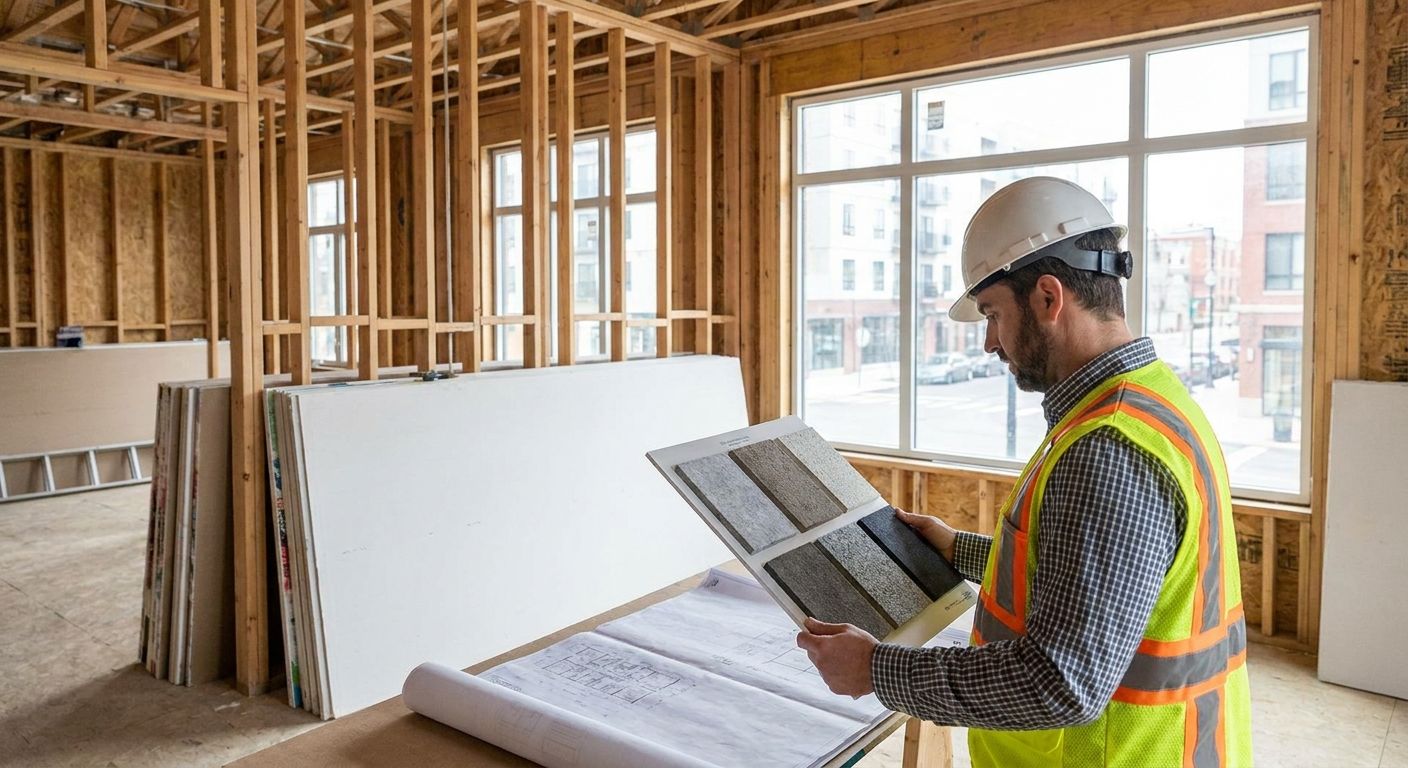
Once the corridor and amenity spec is locked, the harder question is whether any unit-to-unit walls actually need isolation work rather than absorption panels — that's a construction decision, not a finish decision, and it should get flagged to the GC before drywall closes.
FAQ
What's the best acoustic panel for build-to-rent corridors?
A felt-backed hexagon or slat panel with an NRC of 0.75 is a solid corridor pick in 2026 — it cuts echo in hard-surface hallways without needing wall construction changes. Match coverage to wall square footage, not unit count.
Do acoustic wood panels stop noise between apartments?
No. Acoustic wood panels absorb sound inside the room they're installed in; they don't add mass or decoupling to a shared wall. Unit-to-unit noise transmission needs insulation and wall assembly changes, not surface panels.
Is NRC the same as STC for sound rated panels?
No, and mixing them up is the most common specing mistake. NRC measures how much sound a surface absorbs (0 to 1 scale); STC measures how much sound a wall assembly blocks from passing through. A panel with a 0.75 NRC says nothing about STC performance.
How much does it cost to spec acoustic panels for a BTR corridor?
A box of 4 felt-backed hexagon panels runs $165.95 in 2026, covering roughly 32 inches per panel. Total cost scales with corridor wall area, so measure square footage first before requesting a bulk quote.
Should I order samples before specing a full building?
Yes. A $10 sample box shows the actual finish and felt color under the property's real lighting, which photos and spec sheets don't capture accurately. Order samples before signing a purchase order for multiple buildings.
What room types need acoustic panels most in build-to-rent housing?
Corridors, lobbies, and stairwells with hard flooring and high ceilings generate the most noise complaints per square foot. Amenity lounges with soft furniture already absorb some sound and need less coverage.
Can I mix panel finishes across a BTR portfolio?
You can, but it slows down reorders and creates visible inconsistency across buildings. Standardizing on one finish and felt color simplifies bulk pricing and future maintenance replacements.
Do felt-backed panels work in humid spaces like pool areas?
No. Felt-backed wood panels are built for corridors, lobbies, and lounges, not constant high-humidity zones. Use exterior-rated cladding for pool decks or outdoor-adjacent walls instead.
One last thing
The single biggest budget waste in a build-to-rent acoustic spec isn't the panel choice — it's covering full wall height in every flagged room when the top two-thirds of the wall does most of the sound-absorbing work. Test partial coverage in one corridor before locking in a full-portfolio purchase order for 2026.
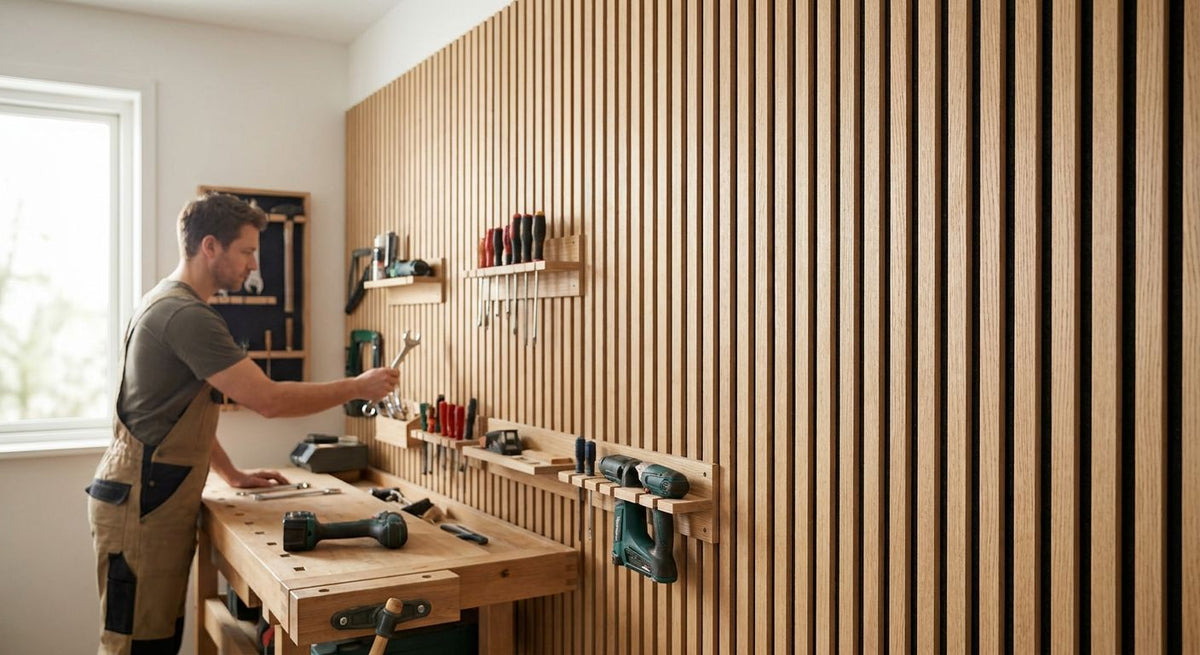

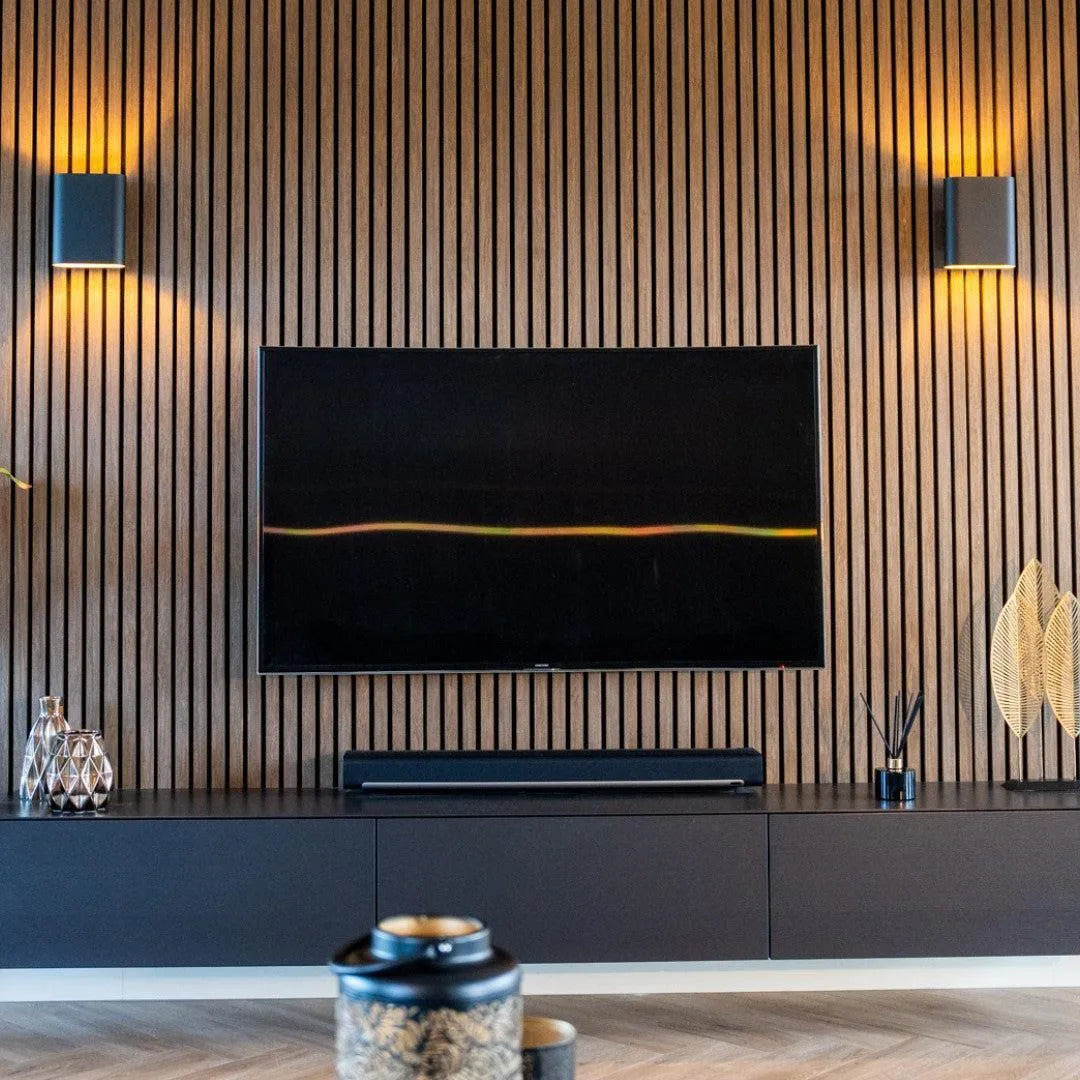
 Better performance and aesthetic appeal
 In Stock