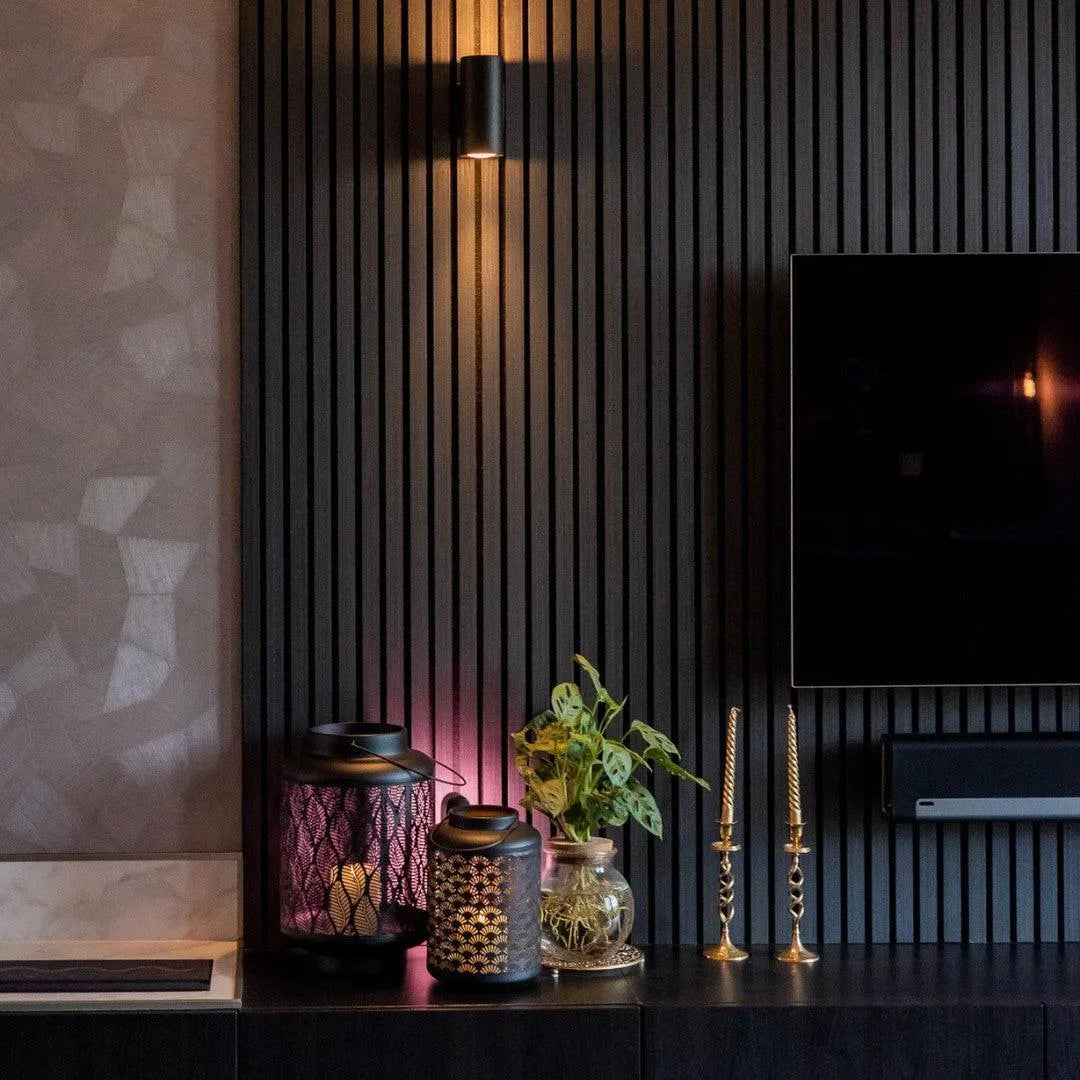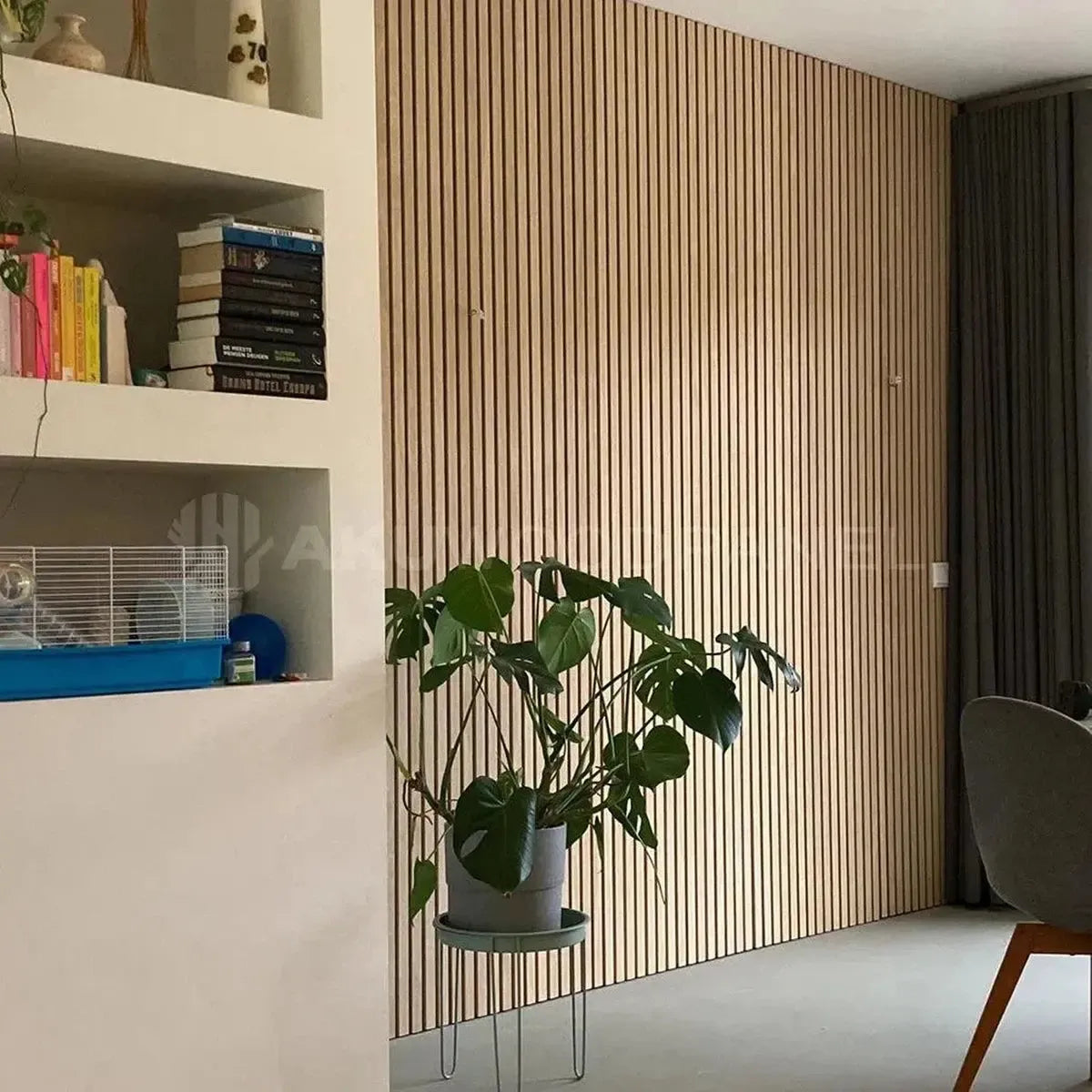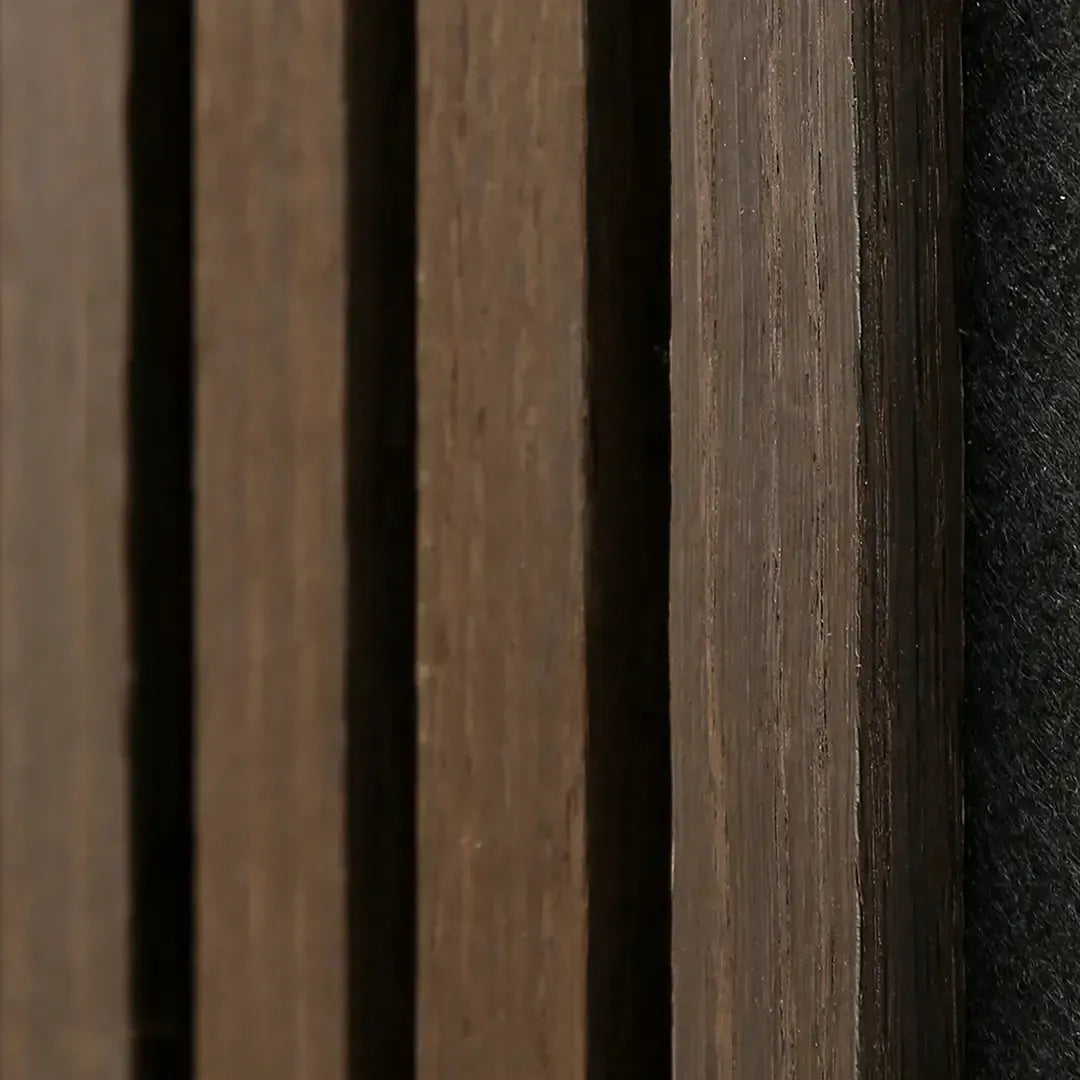
Workshop and tool room walls take abuse that living rooms never see: dropped hand tools, compressor hum, table saw shriek, grease from a bench grinder. Wood slat panels for workshop walls need to solve the noise problem and survive daily contact, not just look good in a photo.
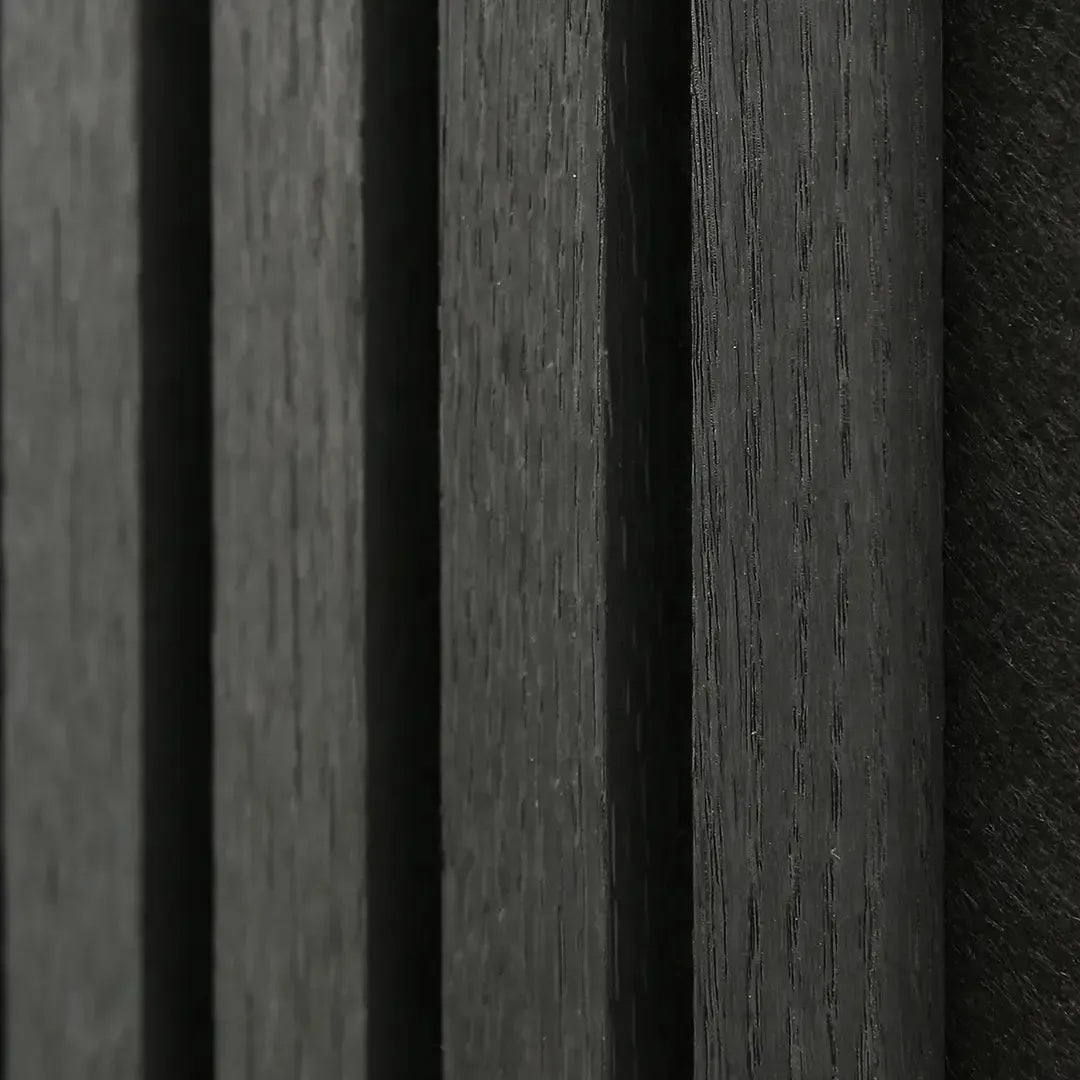
- Black Oak acoustic slat wall panel is the safe buy for grease-prone tool rooms in 2026 — dark tone hides marks.
- Skip felt-backed-only panels near bench grinders and drill presses; felt tears under repeated tool contact.
- Hexagon Acoustic Panel with a 0.75 NRC rating cuts compressor and router noise better than flat slat panels alone.
- Real wood veneer over laminate wrap survives sanding dust and oil far longer in a working shop.
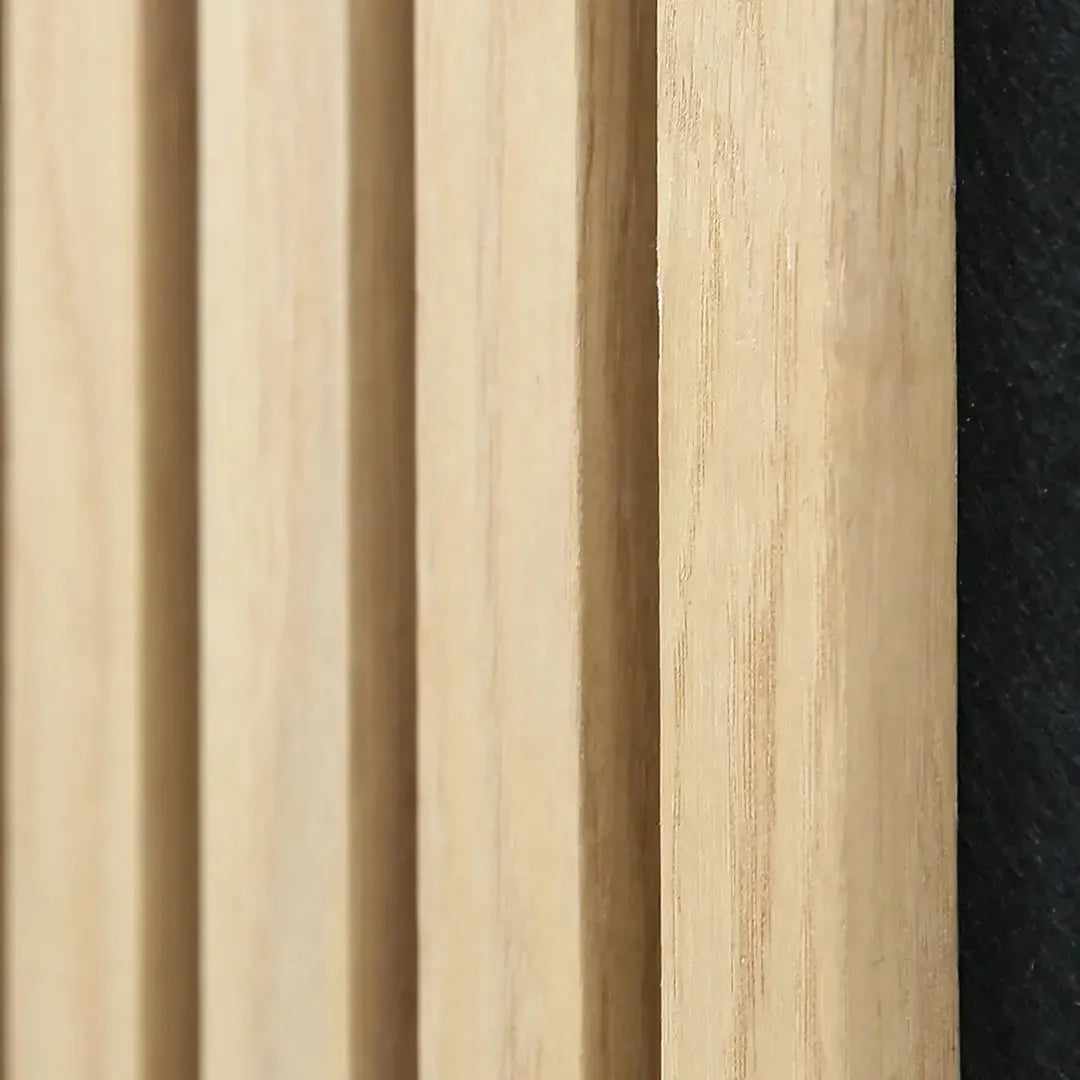
- Order a sample before covering a full wall — grain and tone shift under shop lighting.
Why this matters
A drywall-and-stud workshop bounces every decibel a compressor or router produces, and bare walls dent the first time a wrench slips off a pegboard hook. Acoustic wood slat panels solve both problems at once: the slats break up reflected sound and the wood veneer face takes a knock better than painted drywall. That's a different job than a living room accent wall, and it changes which panel actually belongs on a shop wall.
Who this is for
This guide is for the homeowner turning a garage bay, basement corner, or detached shed into a real workshop or tool room — someone who wants the wall to look intentional but needs it to survive dust, oil, and the occasional dropped clamp. It's also for anyone tired of a shop that echoes so badly a shop-vac running feels louder than it is.
What to look for in wood slat panels for workshop walls
Acoustic performance that actually cuts tool noise
A slat panel's felt or acoustic backing is what absorbs sound, not the wood face alone. Panels rated around an NRC of 0.75 measurably soften router whine and compressor cycling in a small shop — a plain flat wood panel with no backing does almost nothing for reverb.
Finish that survives grease, dust, and scuffs
Sawdust and light oil residue are constant in a shop. A real wood veneer with a sealed finish wipes clean; a thin laminate wrap can lift or discolor once solvents or heat get near it.
Slat spacing that still takes a French cleat or pegboard hybrid
If you plan to hang tools directly on the panel wall, check slat gap and depth before buying — some slat profiles are too shallow to anchor a French cleat cleanly, and you'll end up drilling through the veneer face instead of the gap.
Real wood veneer over laminate wrap
Veneer takes a scratch and still looks like wood; a printed laminate wrap shows white core the moment it's gouged. In a working shop, that's a when, not an if.
Cost per square foot when you're covering a full shop wall
Shop walls are often larger and plainer than living-room feature walls, so cost per square foot matters more here. Price per panel adds up fast across a 10-foot run — budget the full wall before falling for one showroom sample.
Installation on concrete block, brick, or plywood-lined stud walls
Many shop walls are unfinished concrete block or brick rather than drywall, and that changes the mounting approach — furring strips or masonry anchors go on first. The brick wall installation method covers the anchor spacing that keeps panels flat against an uneven masonry surface.
Top picks for tool room and workshop walls
Black Oak Acoustic Slat Wall Panel — the safe pick. The dark tone hides grease smudges and dust buildup between cleanings, and the real wood veneer face takes light impact without chipping white underneath. Buy it as the default for a grinder or paint-adjacent zone: Black Oak Acoustic Slat Wall Panel.
Smoked Oak Acoustic Slat Wall Panel — the wildcard. Lighter than black oak but still forgiving of marks, it works if your shop doubles as a hobby room or home gym corner where you want warmth, not a garage look. Consider it for mixed-use spaces: Smoked Oak Acoustic Slat Wall Panel.
Hexagon Acoustic Panel, Smoked Oak — the noise killer. At a 0.75 NRC rating and sold four panels per 32-inch box, this geometric profile absorbs more mid-range noise than a flat slat run and breaks up a plain shop wall visually. Buy it for the wall behind a compressor or dust collector.
3D Wood Wall Panel, Industrial Pine — the industrial pick. A 12x24-inch solid wood tile with a raw, textured grain that reads intentional in a tool room rather than decorative. Consider it as an accent strip above a workbench rather than a full-wall treatment — it isn't acoustic-rated, so pair it with a felt-backed slat panel elsewhere for sound control.


What to avoid when panels look right but aren't
- Felt-backed panels used alone near abrasive tools. Felt absorbs sound well but tears if a grinder wheel or open blade brushes it repeatedly — fine for a home office, risky next to a bench grinder.
- Thin laminate-wrapped panels sold as "wood look." They photograph identically to real veneer online but chip to a white core the first time a tool bumps the wall.
- Panels marketed only for light residential foot traffic. A living-room accent panel wasn't engineered for oil, dust, or impact — check that the product description mentions durability for high-contact use before you commit a whole shop wall to it.
Verdict comparison
| Panel | Acoustic rating | Finish durability | Best zone | Verdict |
|---|---|---|---|---|
| Black Oak Acoustic Slat Wall Panel | Felt-backed, absorbs mid-range noise | High — dark tone hides marks | Grinder/paint zone | Buy |
| Smoked Oak Acoustic Slat Wall Panel | Felt-backed, absorbs mid-range noise | Moderate — shows light marks | Mixed-use hobby room | Consider |
| Hexagon Acoustic Panel, Smoked Oak | NRC 0.75 | High — real wood veneer | Compressor/dust collector wall | Buy |
| 3D Wood Wall Panel, Industrial Pine | Not acoustic-rated | High — solid wood | Workbench accent strip | Consider |
FAQ
What's the best wood slat panel for a noisy workshop?
A felt-backed acoustic slat or hexagon panel with an NRC rating around 0.75 is the best choice for a noisy workshop in 2026, since the backing absorbs compressor and router noise that a flat wood panel with no backing won't touch.
Are wood slat panels durable enough for a tool room?
Real wood veneer slat panels with a sealed finish hold up well to dust and light grease in a tool room, but thin laminate-wrapped panels chip to a white core under repeated tool contact. Check the finish type before buying, not just the color.
Can you mount tools directly on a slat wall panel?
You can mount light tools on a slat wall panel if the slat gap and depth fit a French cleat or hook system, but heavier tool loads are safer on a dedicated pegboard section next to the panel rather than through the veneer face.
How much does it cost to cover a workshop wall with slat panels?
Cost depends on panel choice and wall size, but acoustic slat and hexagon panels typically run in the range of individual product pricing shown on the product page, so measure the wall in square feet before ordering to avoid running short mid-install.
Is real wood veneer better than laminate for a garage workshop?
Real wood veneer is better for a garage workshop because it takes scratches without exposing white core material underneath, while laminate wraps show damage immediately once oil, solvents, or heat reach the surface.
Do acoustic wood panels work on concrete or brick shop walls?
Yes, acoustic wood panels can be installed on concrete or brick shop walls, but they need furring strips or masonry anchors first rather than direct adhesive mounting used on drywall.
What panel color hides shop grime best?
Darker finishes like black oak or smoked oak hide dust and grease smudges far better than natural or white oak tones, which show marks within weeks in an active workshop.
Should I buy a sample before covering a full workshop wall?
Yes — order a sample first, since panel tone and grain shift noticeably under fluorescent or LED shop lighting compared to a showroom photo, and a full wall is expensive to redo.
One last thing
Most workshop wall failures aren't about the panel at all — they're about skipping the sample step. A tone that reads warm on a laptop screen can look flat gray under a shop's cold LED strips, and by the time that's obvious the wall is already covered. Order one sample panel, hang it under your actual shop lighting for a week, then commit.


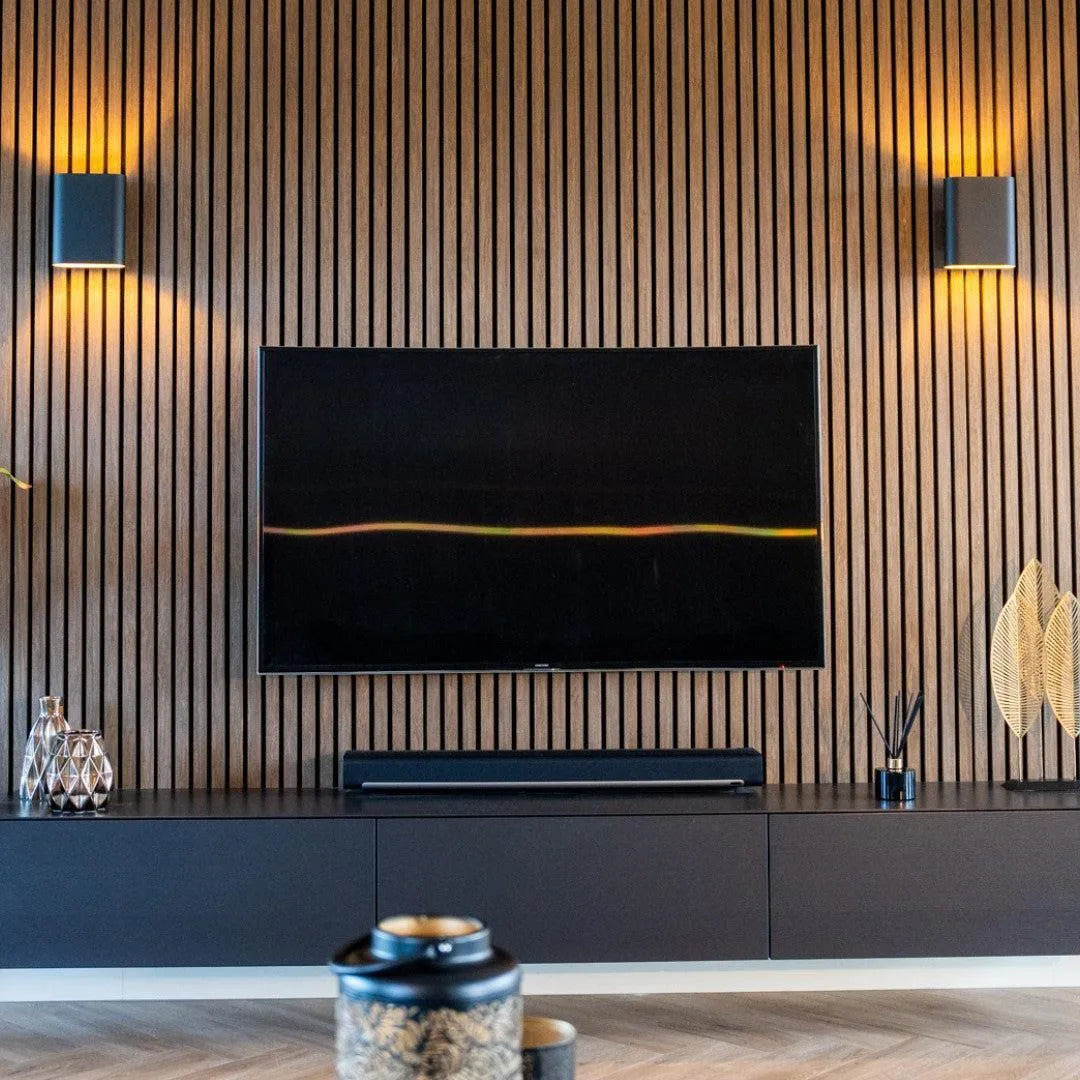
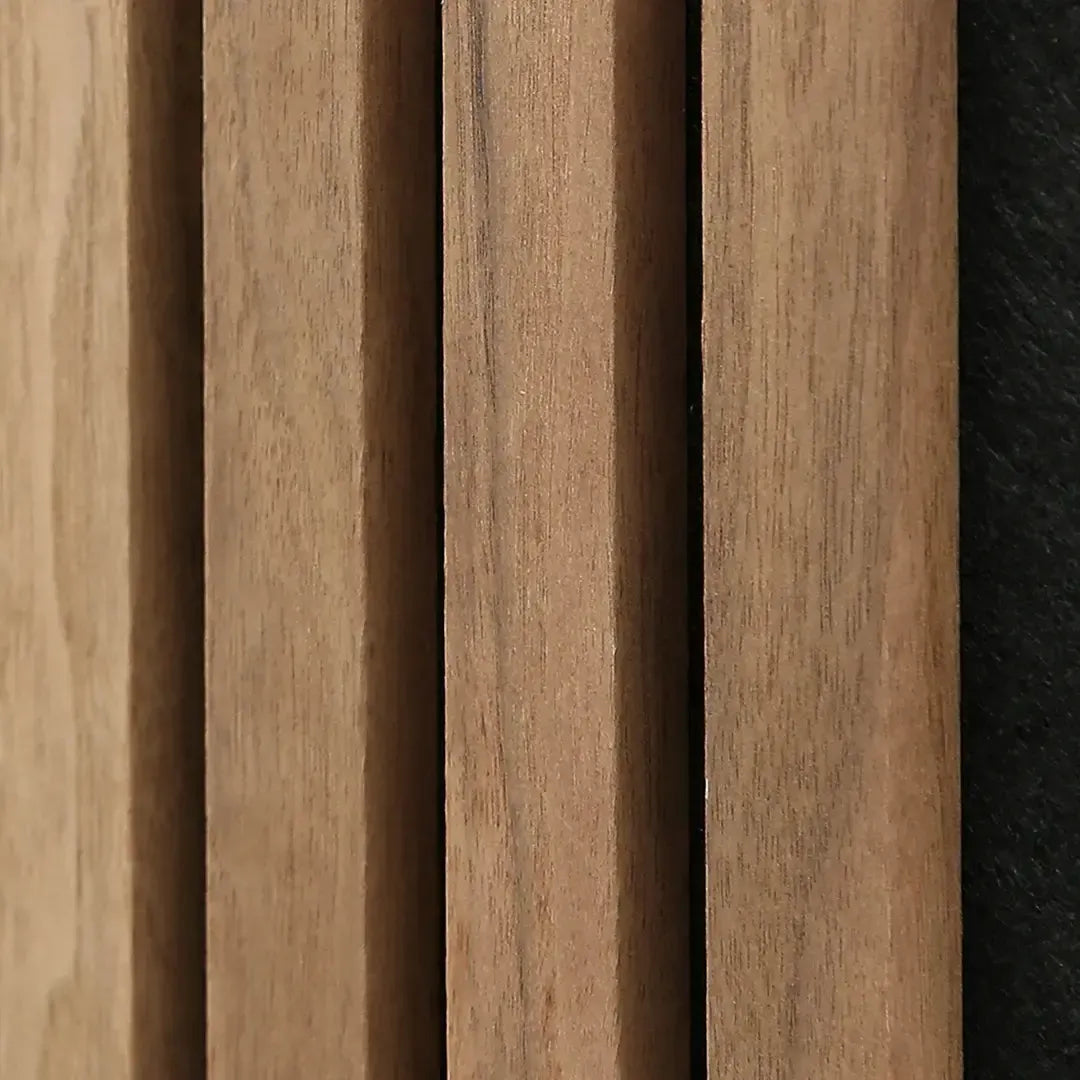
 Better performance and aesthetic appeal
 In Stock