Multifamily developers don't buy wood wall panels for the mood board — they buy them to survive move-in day, HOA walkthroughs, and a decade of rolling luggage down a corridor. This guide ranks the wood wall panels for multifamily developers that hold up in shared spaces, not just showroom photos.
- Acoustic Slat Wall Panel Natural Oak is the top wood wall panels for multifamily developers pick for lounges and leasing offices in 2026 — buy it.
- Exterior Wall Panel Oak fits rehab facades where wood-look cladding has to survive weather without repainting — buy it.
- Order the Full Sample Box before committing to a 40-unit spec; a rejected order costs far more than a $2.50 swatch.
- Fluted Wall Panel Rustic Oak runs $233.95 per panel and works for corridor accents that need to hide scuffs — consider it.
- Skip painted MDF look-alikes on high-traffic corridors in 2026 — real wood veneer holds up better across tenant turnover.
Why this matters
Property managers deal with three recurring problems in shared corridors and amenity spaces: echo off hard surfaces, scuffed walls from move-ins, and finish materials that look dated after one lease cycle. A laminate panel that photographs fine in a listing starts peeling at the seams by year two of foot traffic.
Real wood veneer over an acoustic or exterior-grade core solves two of those problems at once — it dampens sound in shared corridors and it doesn't need repainting every renewal cycle. Start your shortlist with panels built for that duty, like the Acoustic Slat Wall Panel Natural Oak, rather than decorative-only sheet goods meant for single-family accent walls.
The stakes are different for a developer than for a homeowner. You're specifying one panel across 40, 80, or 200 units, so a mistake in the sample stage multiplies fast. That's the lens for every pick below.
How this list is ranked
Each panel is judged against four criteria that matter for multifamily projects specifically: acoustic value in shared corridors and lounges, durability under tenant turnover, ease of install for a GC crew working unit-by-unit, and whether the finish reads current in 2026 without looking trendy in five years. Panels that only work as a single accent wall in a model unit, and don't scale to a full-building spec, get marked down even if they look sharp in one photo.
Pricing is pulled from listed per-panel and per-accessory costs, not estimates. Anything without a published number is flagged rather than guessed.
The ranked list
1. Acoustic Slat Wall Panel – Natural Oak — the amenity-lounge standard
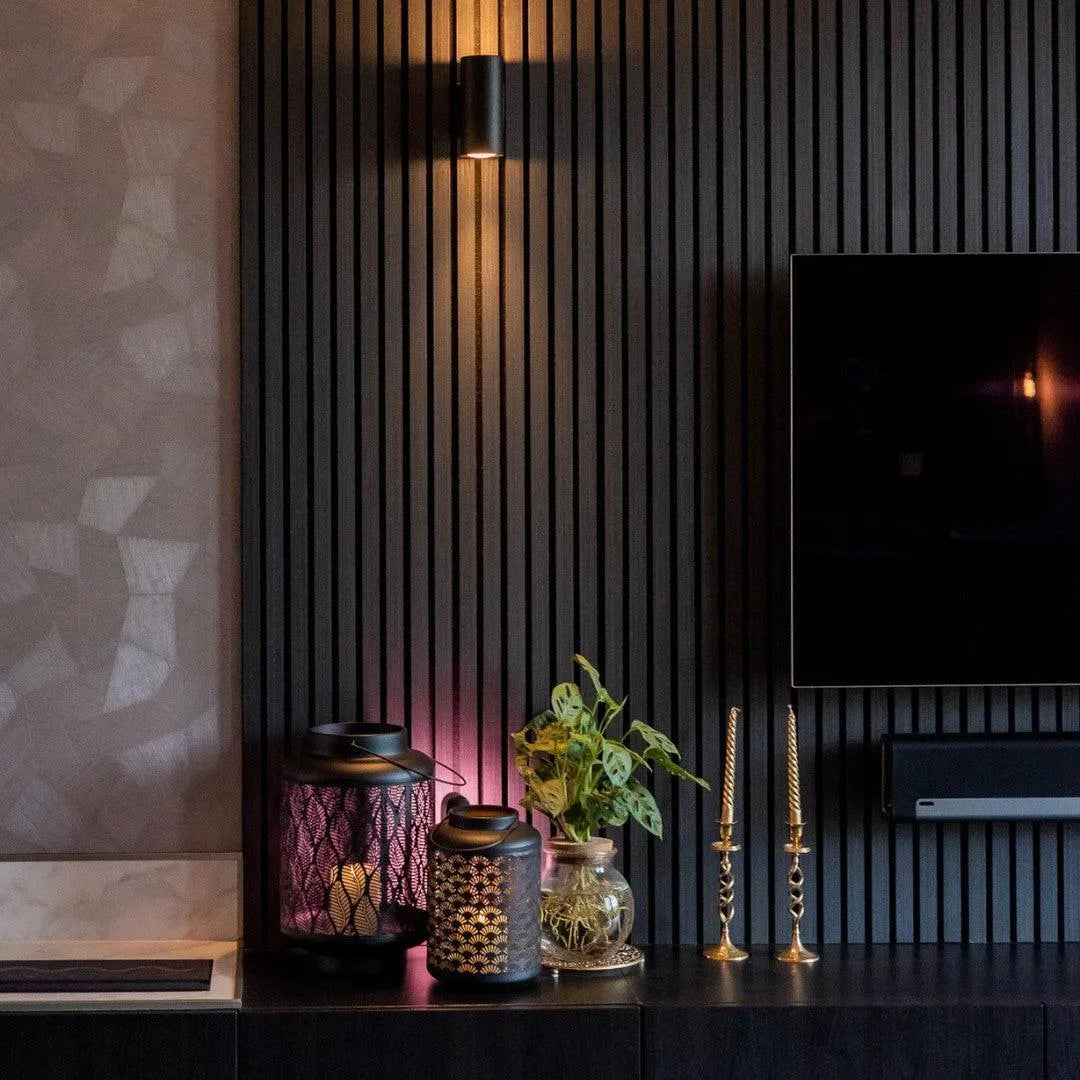
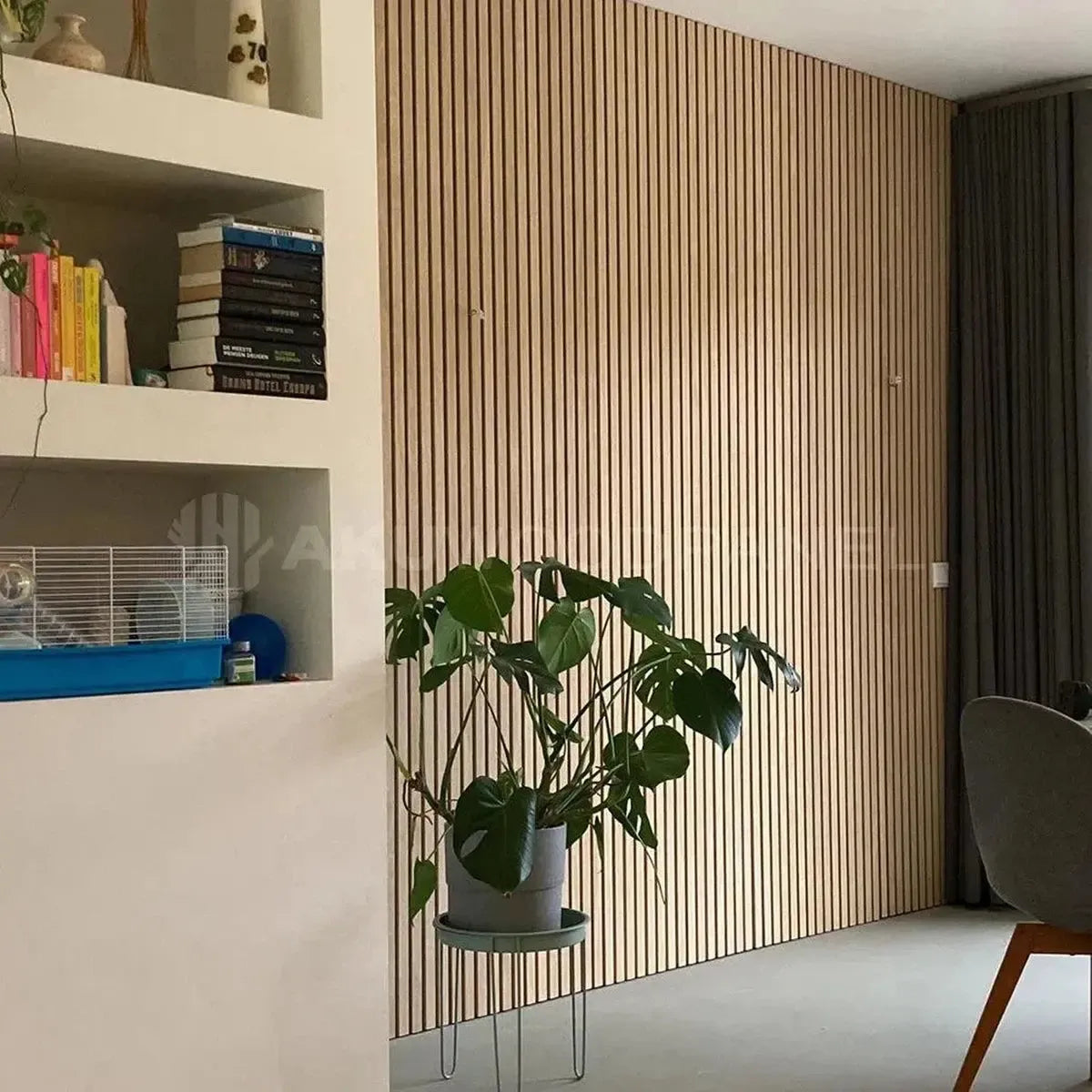
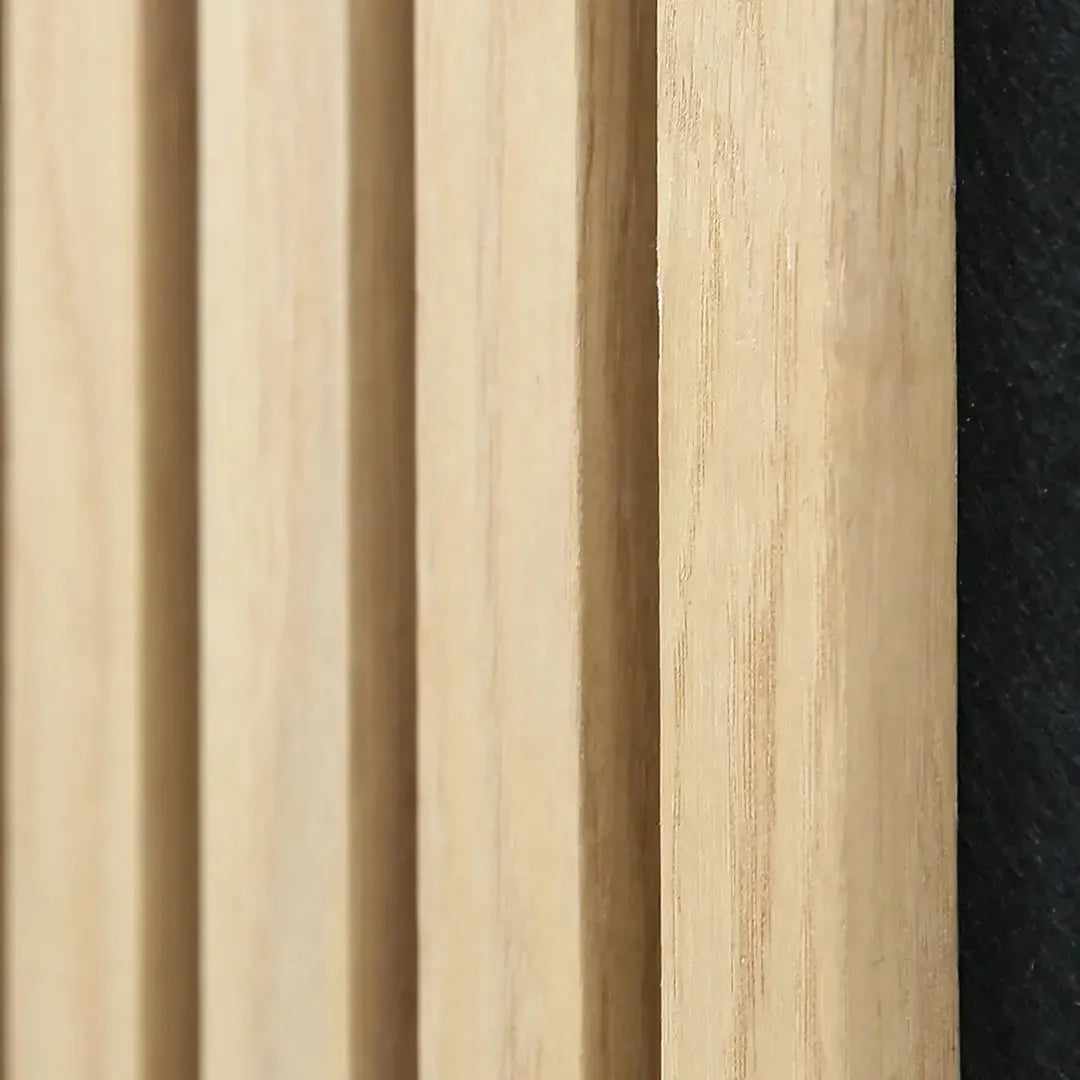
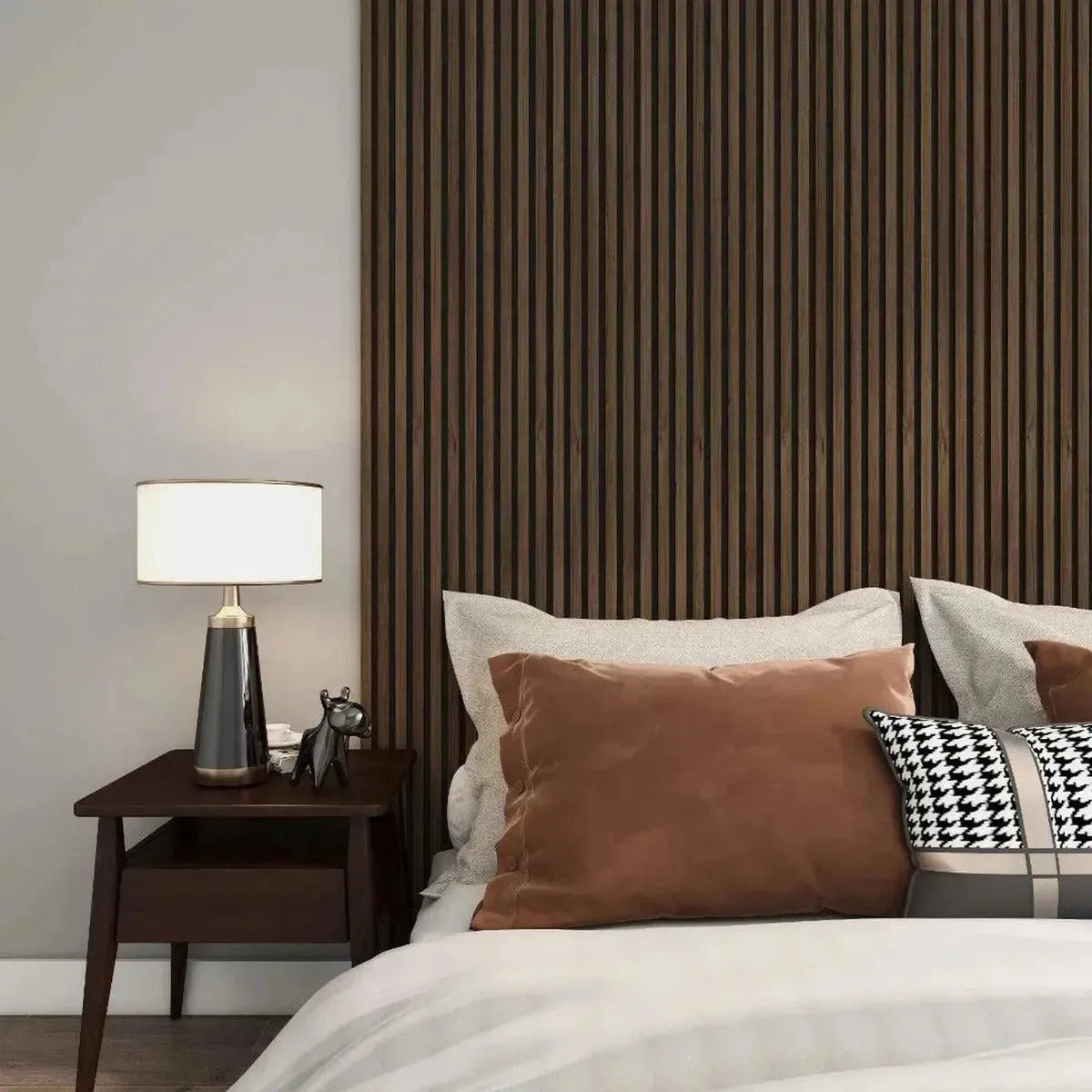
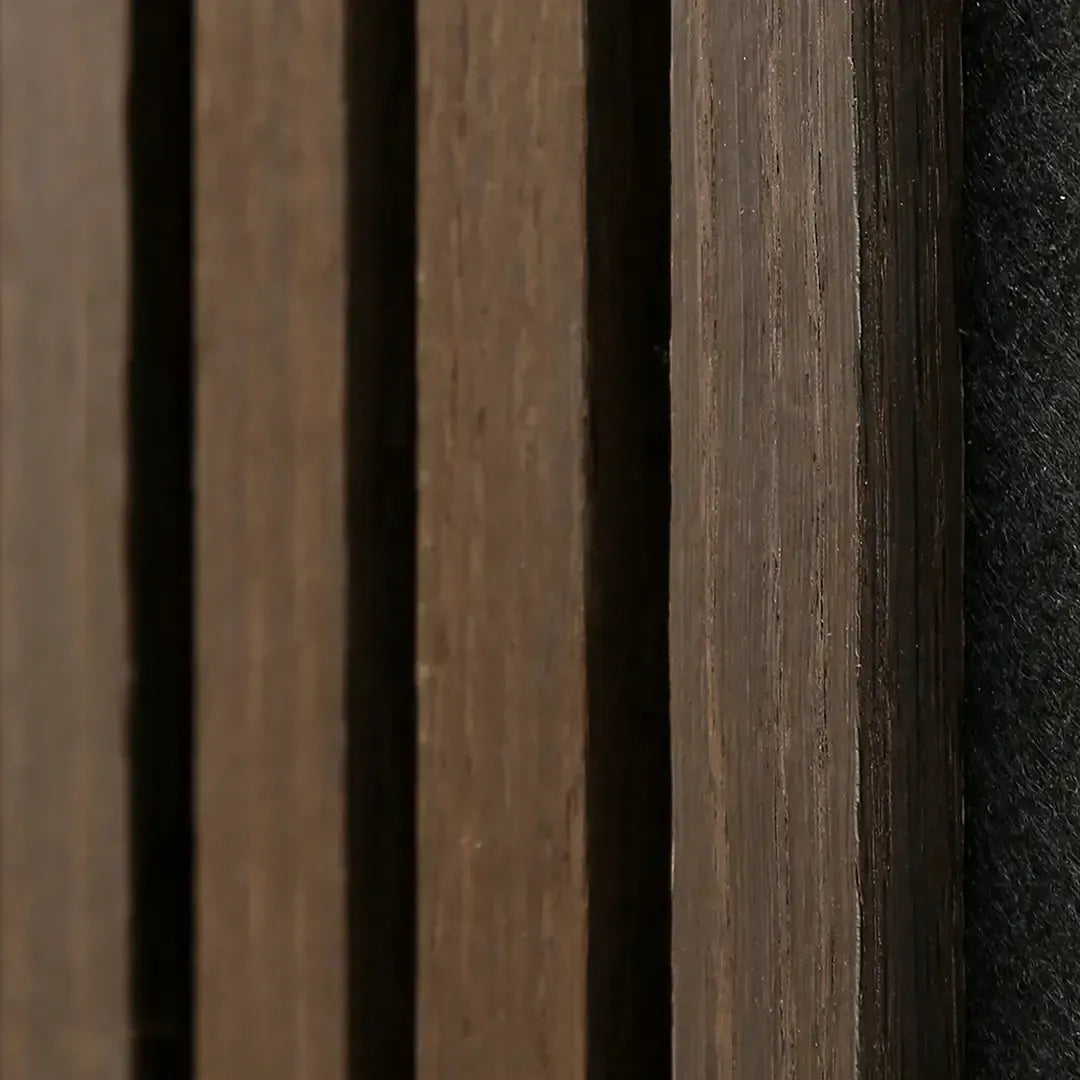
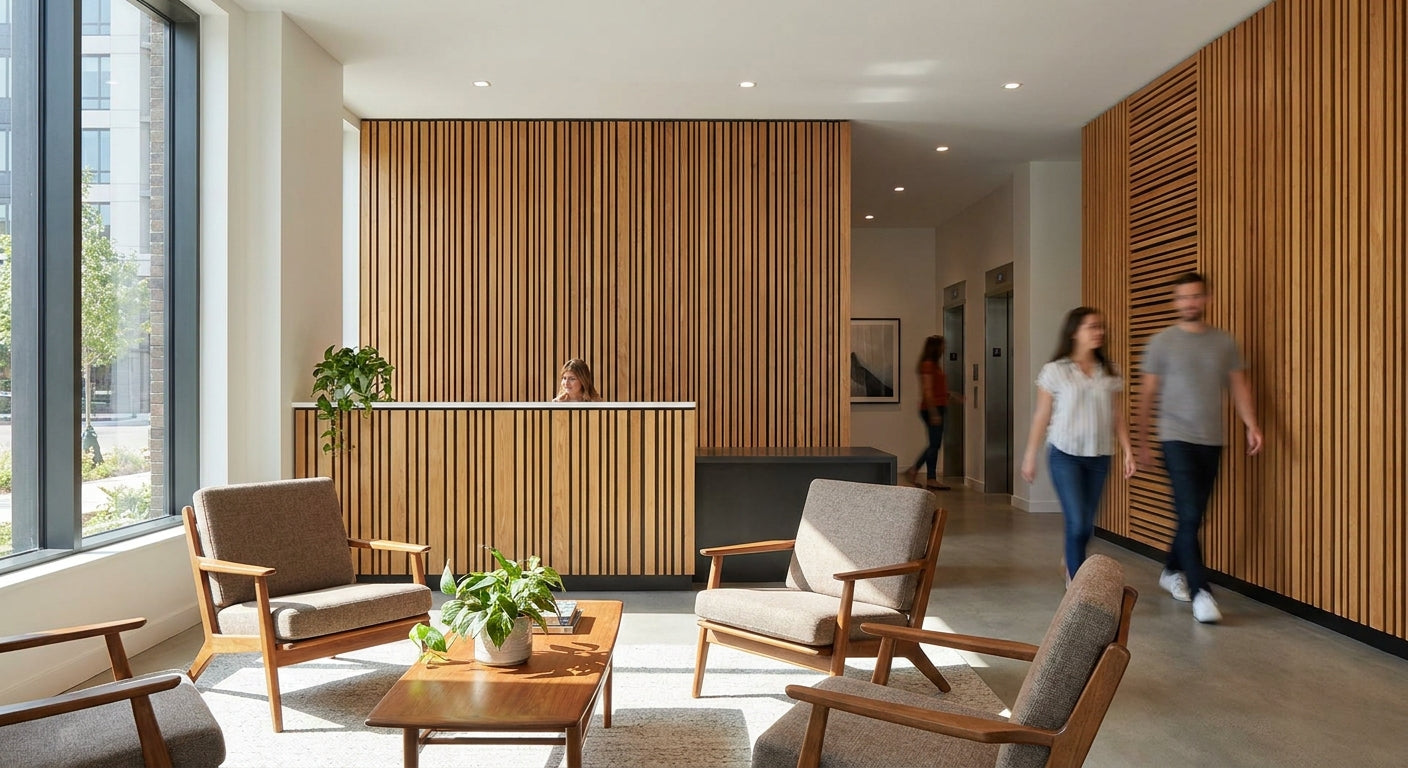
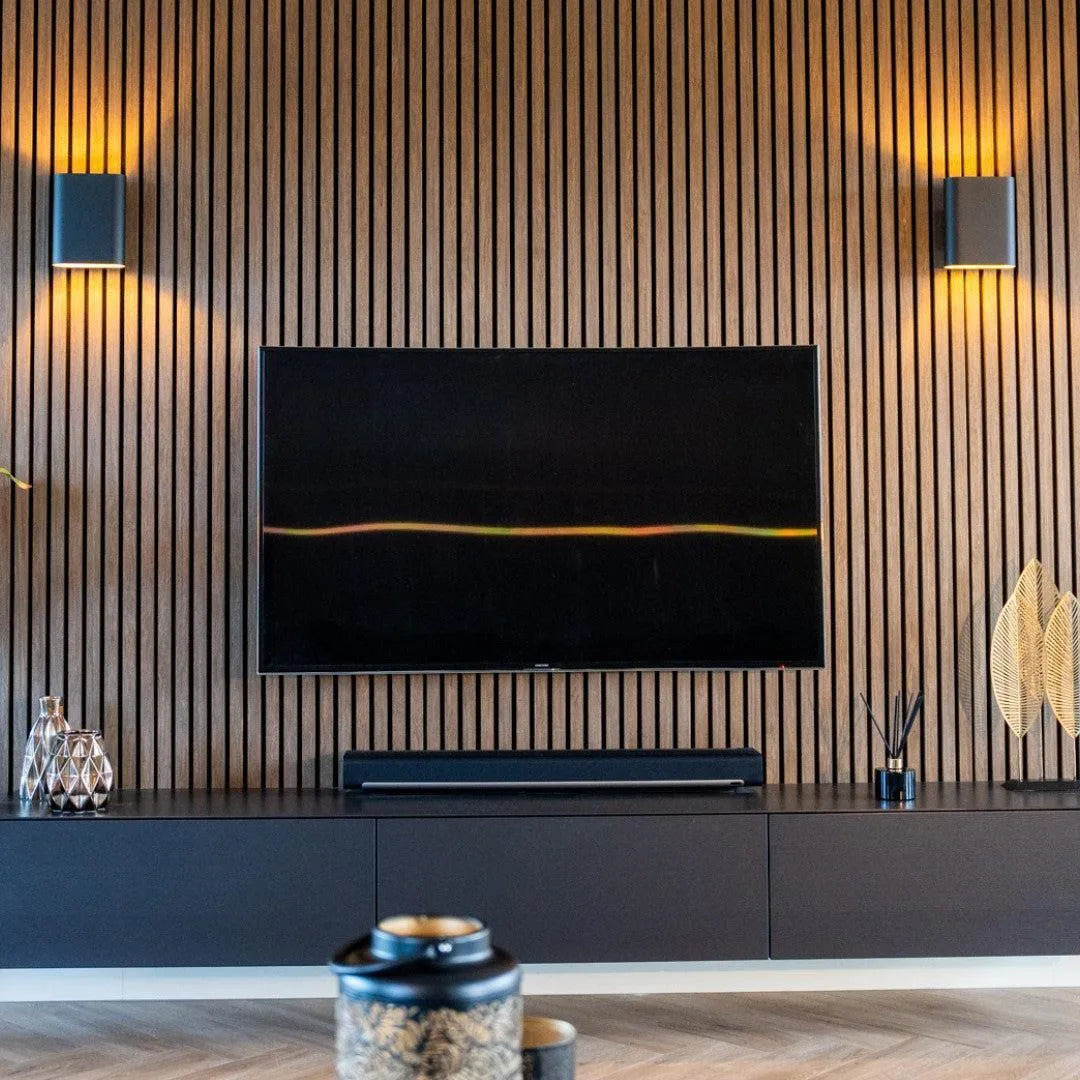
This is the panel most multifamily teams land on for leasing offices, resident lounges, and clubhouse walls in 2026. It pairs real wood veneer with an acoustic backing built to cut mid-frequency echo in open common areas — the exact complaint property managers hear about hard-surfaced lobbies. It installs in strips, which makes patching or extending a wall section straightforward for a maintenance crew later. Verdict: Buy for any amenity space where sound and first impressions both matter.
2. Exterior Wall Panel – Oak — the facade refresh
For developers renovating an aging multifamily exterior or adding a wood-look accent to a rendered facade, the Exterior Wall Panel Oak targets exactly that job — cladding meant to sit outside, not a repurposed interior panel. A full breakdown of how exterior wood cladding performs on multi-family facades, including finish and mounting considerations, is worth reading before you spec a full elevation: see the guide on exterior wood panels for multi-family residential facades. Verdict: Buy for facade sections, Skip if you're trying to stretch an interior-rated panel outdoors — that's a common and costly spec mistake.
3. Fluted Wall Panel – Natural Oak — the corridor accent that hides scuffs
Fluted panels have ridges instead of a flat face, which does double duty in a high-traffic hallway: it adds texture and it hides minor scuffs and shoe marks better than a flat veneer does. At $233.95 per panel, it's positioned as an accent application — reception desks, elevator lobbies, corridor feature walls — rather than a full-wall wrap across every unit. Verdict: Consider for lobbies and elevator banks; not the pick for full corridor runs on a tight budget.
4. Acoustic Slat Wall Panel – Black Oak — the high-end lobby pick
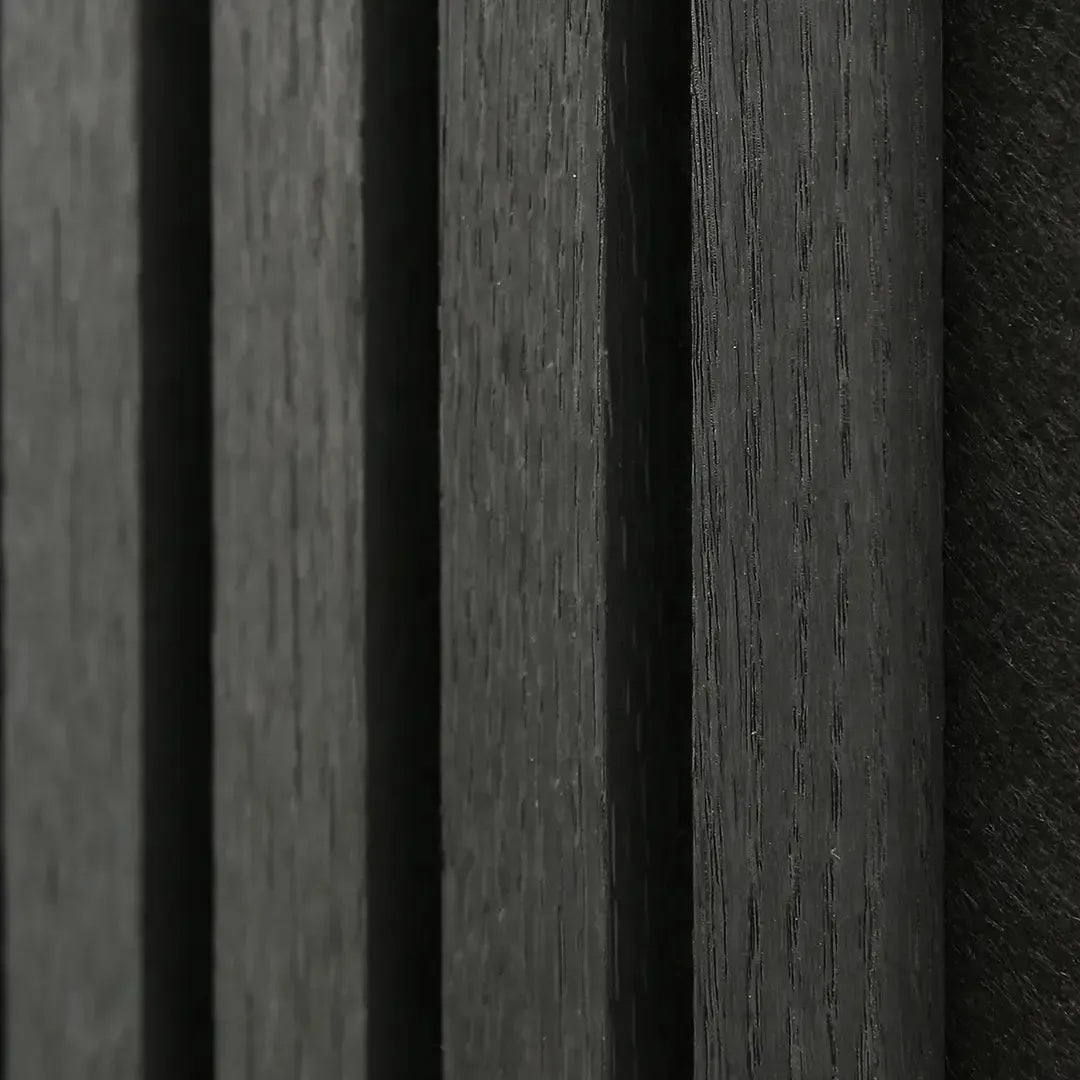
Same acoustic-core construction as the natural oak version, but the darker finish reads more upscale for Class A lobbies and leasing centers competing on curb appeal. It's the panel that shows up in developments trying to differentiate from a sea of gray LVP and white walls. Verdict: Buy for premium positioning; skip it if the building's target renter skews budget-conscious, since darker finishes show dust and fingerprints faster in high-touch entry areas.
5. Hexagon Acoustic Panel – Walnut — the leasing-office differentiator
Geometric hexagon panels break from the slat pattern entirely and read as a design statement rather than a background material. They work well as a single feature wall behind a leasing desk or in a model unit meant to sell the building's design story. Verdict: Consider for one showcase wall per property — this is not a material to spec across every common area, it loses impact at scale.
6. Full Sample Box – Slat Wall Panel — the spec-approval shortcut
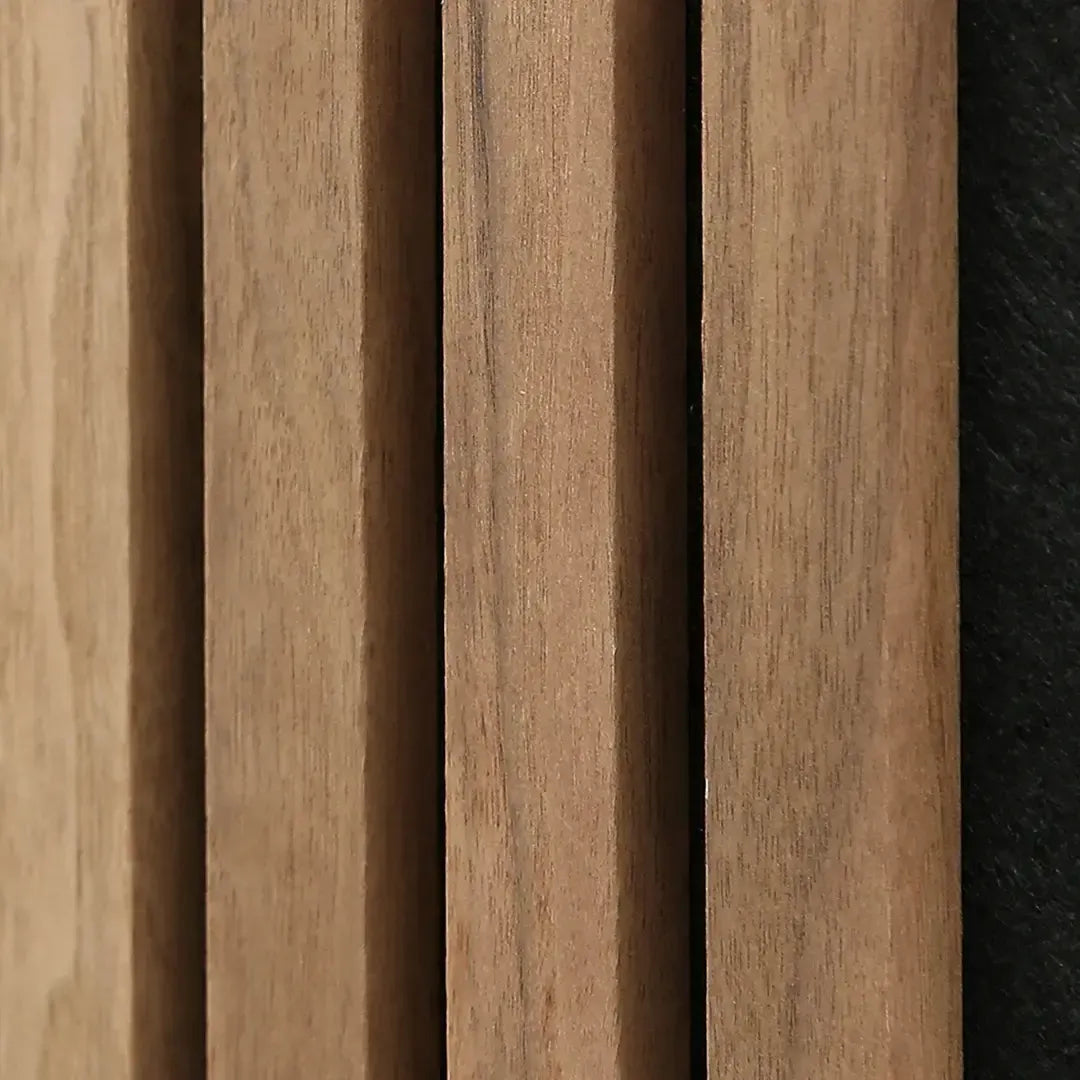
Before any multi-unit order goes to a GC, order the Full Sample Box. Individual swatches run $2.50 each, and the full box lets an ownership group or design committee sign off on grain and tone under actual building lighting instead of a screen render. Skipping this step is the single most common reason a 40-unit order gets rejected mid-install. Verdict: Buy — treat this as a mandatory line item on any multifamily spec, not an optional add-on.


What to avoid
- Painted MDF or laminate look-alikes for corridors — they scuff and chip within a lease cycle and can't be spot-repaired the way real veneer can.
- Interior acoustic panels on exterior walls — the acoustic core isn't built for weather exposure; use an exterior-rated panel like the Oak line for anything outdoors.
- Skipping fire and code review before ordering at scale — commercial corridors often carry different fire-rating requirements than a single-family accent wall; the fire-retardant slat wall panel guide for commercial projects covers what to check before you finalize a multi-unit spec.
Comparison at a glance
| Panel | Best fit in a multifamily property | Maintenance load | Verdict |
|---|---|---|---|
| Acoustic Slat Wall Panel – Natural Oak | Lounges, leasing offices | Low — wipeable veneer | Buy |
| Exterior Wall Panel – Oak | Facade sections, exterior accents | Low — weather-rated | Buy |
| Fluted Wall Panel – Natural Oak | Corridor accents, elevator lobbies | Low | Consider |
| Acoustic Slat Wall Panel – Black Oak | Class A lobbies | Medium — shows dust | Buy for premium sites |
| Hexagon Acoustic Panel – Walnut | Single feature wall, leasing desk | Low | Consider |
| Full Sample Box | Pre-order spec approval | N/A | Buy |
Where to buy
- Order directly from the manufacturer rather than a distributor markup for multi-unit quantities — pricing on accessories like end pieces ($38.95) and rubber end caps ($42.95 per 10-pack) is listed per unit, so a GC can quote install labor against a known material cost.
- Confirm your general contractor's install schedule before ordering — panels sitting in a storage unit for months increases damage risk before they even go on the wall.
- Buy the sample box first, every time, even on repeat orders across multiple buildings — finish batches can shift slightly, and a design committee sign-off protects you if a resident complains post-install.
FAQ
What are the best wood wall panels for multifamily developers in 2026?
Acoustic Slat Wall Panel Natural Oak is the top pick for amenity spaces and leasing offices in 2026, while Exterior Wall Panel Oak covers facade and exterior accent work. Both use real wood veneer built for repeated foot traffic rather than a single accent wall.
Are real wood veneer panels worth it over laminate for apartment common areas?
Yes for high-traffic corridors and lobbies — real wood veneer holds up better across tenant turnover and can be spot-repaired, while laminate tends to chip and peel at seams within a lease cycle. Laminate can still work for lower-traffic back-of-house areas.
How much do wood wall panels cost for a multifamily spec?
Fluted panels list at $233.95 per panel, end pieces run $38.95, and sample swatches cost $2.50 each in 2026. Full building costs depend on total square footage and accessory needs like screws and trim.
Can exterior wood panels be used on apartment building facades?
Yes — exterior-rated panels like the Oak line are built for outdoor exposure, unlike interior acoustic panels which use a different core. Check the exterior-specific product line before specifying anything for an outside wall.
Do acoustic wood panels actually reduce noise between apartment units?
Acoustic slat panels reduce echo and reverberation within a room — they treat sound reflecting off a hard surface, not sound transferring through a shared wall between units. For unit-to-unit noise, they help most in the source room, such as a shared lounge or gym.
Should I order samples before specifying panels across a whole building?
Always order the sample box before a multi-unit purchase. A rejected large order after installation costs far more than a $2.50 swatch, and lighting in a real corridor can shift how a finish reads compared to a screen render.
What's the difference between fluted and slat wood wall panels for common areas?
Fluted panels have a ridged, textured face that hides minor scuffs well and reads as a design accent, while slat panels sit flatter and typically pair with an acoustic backing for sound control. Pick fluted for visual accents and slat for lounges where noise is the bigger complaint.
How do I check fire ratings before installing wood panels in a commercial corridor?
Review the fire-rating documentation for the specific panel line before finalizing an order, since commercial corridor codes often differ from single-family requirements. A dedicated guide on fire-retardant slat wall panels for commercial projects walks through what to check.
One last thing
The order most developers get backwards is sampling after the design is locked instead of before. Lock the finish with a $2.50 swatch and the design committee before a single panel ships to the job site — it's the cheapest insurance on a project where the material line item can run into five figures per building.
 Better performance and aesthetic appeal
 In Stock