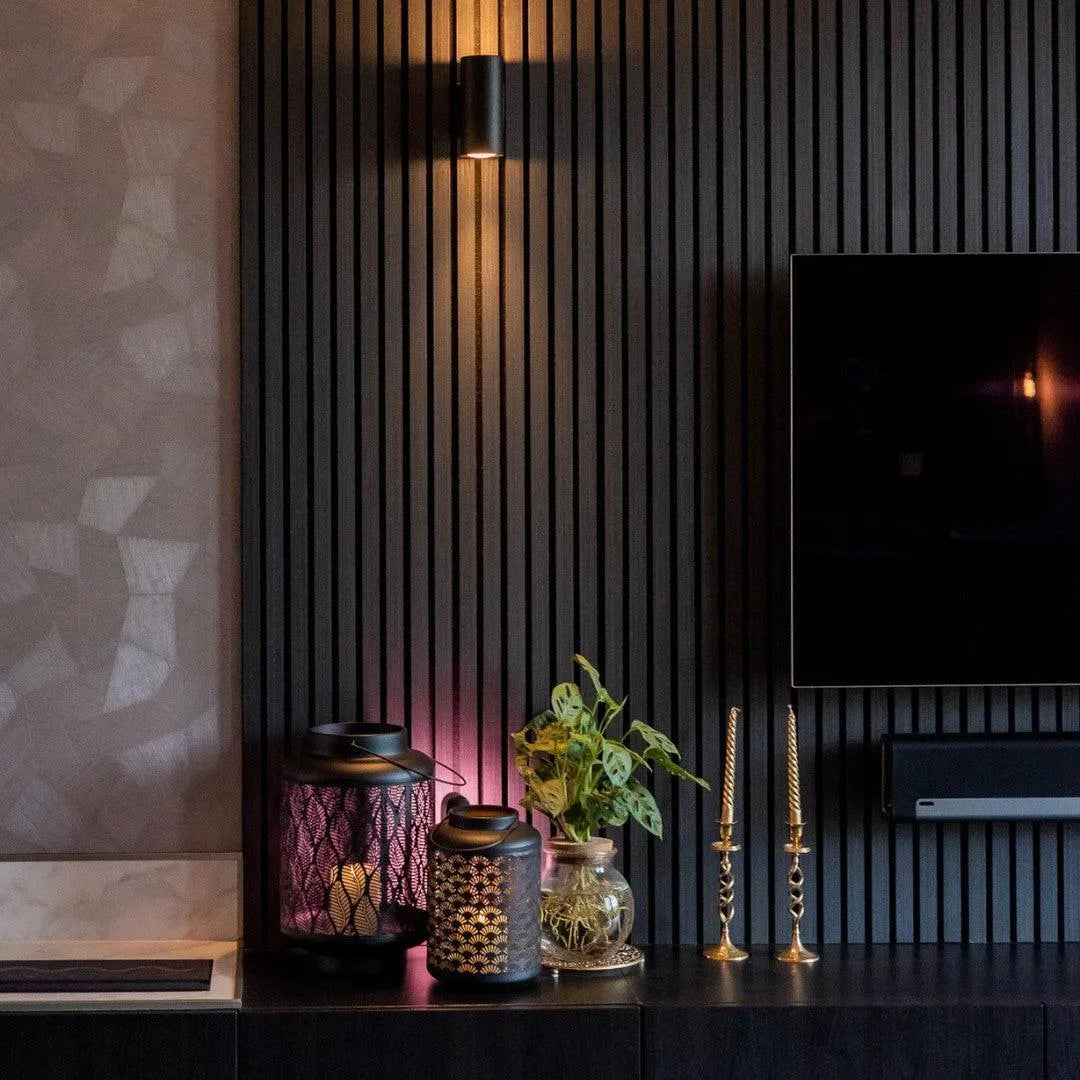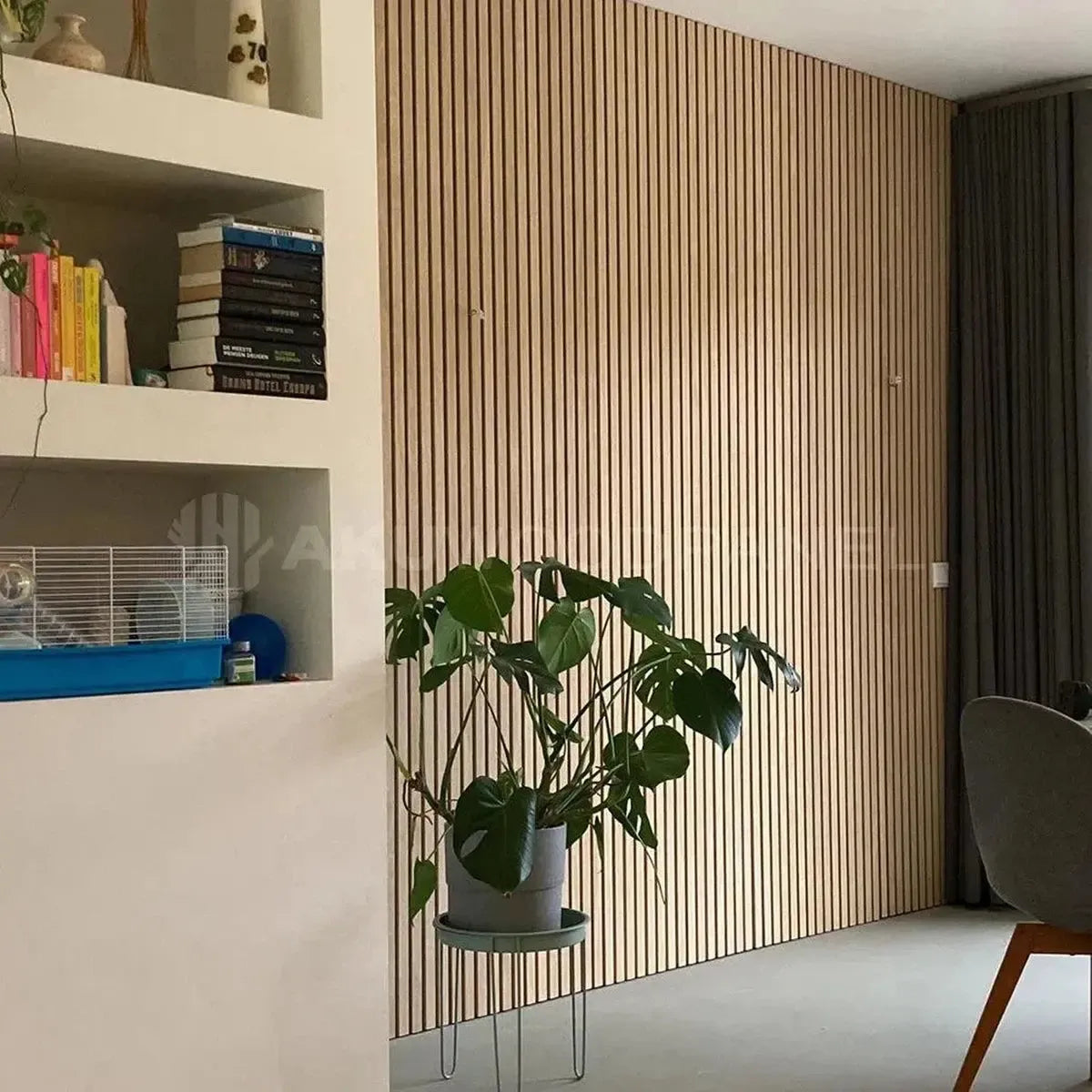
Calculating the ROI of acoustic treatment for an office means comparing what you spend on panels and installation against what noise actually costs you in lost meeting time, complaint tickets, and turnover. Get the formula right and the payback period usually lands between 12 and 24 months for a typical open-plan floor.
- ROI of acoustic treatment office math: total noise cost minus installed panel cost, divided by installed cost, times 100.
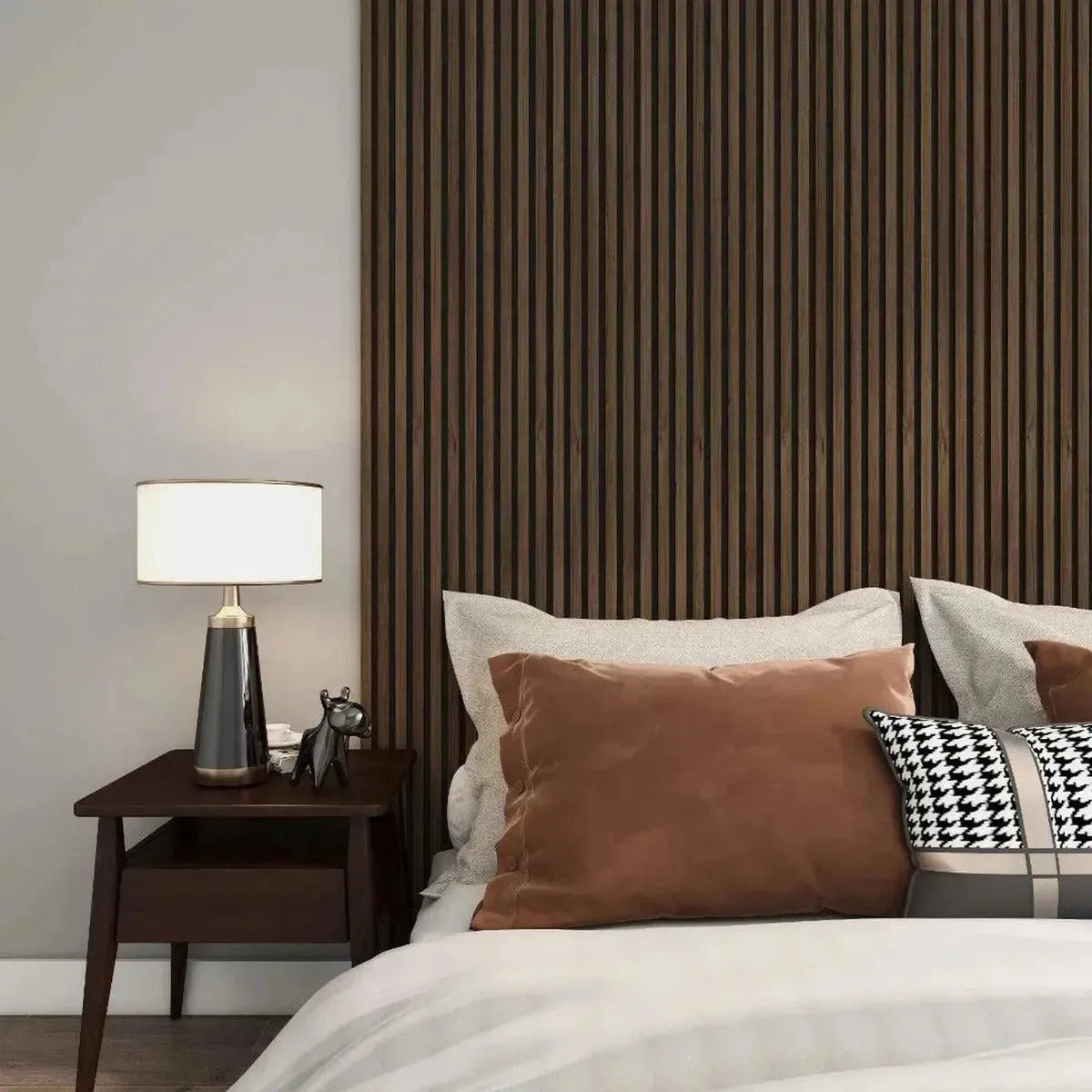
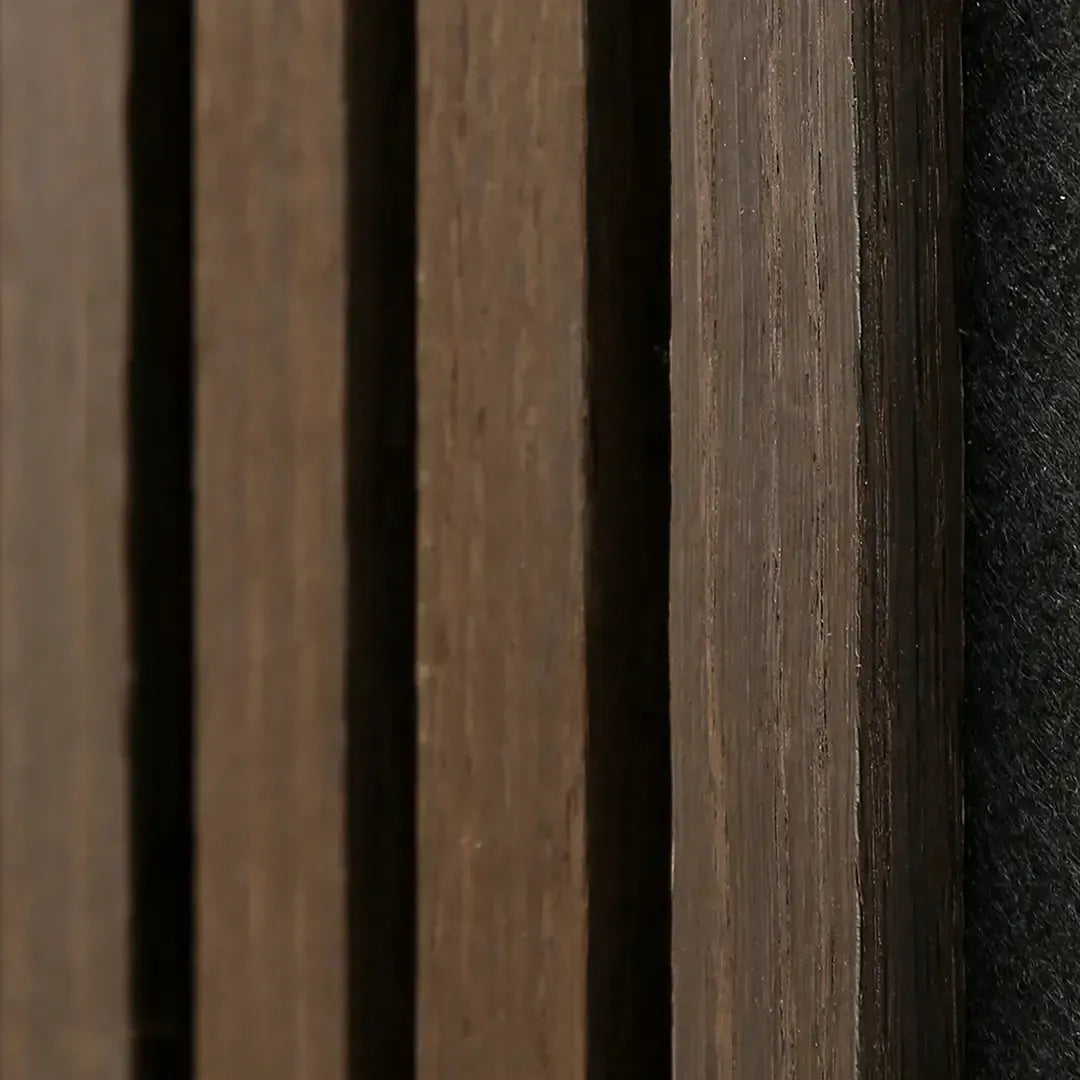
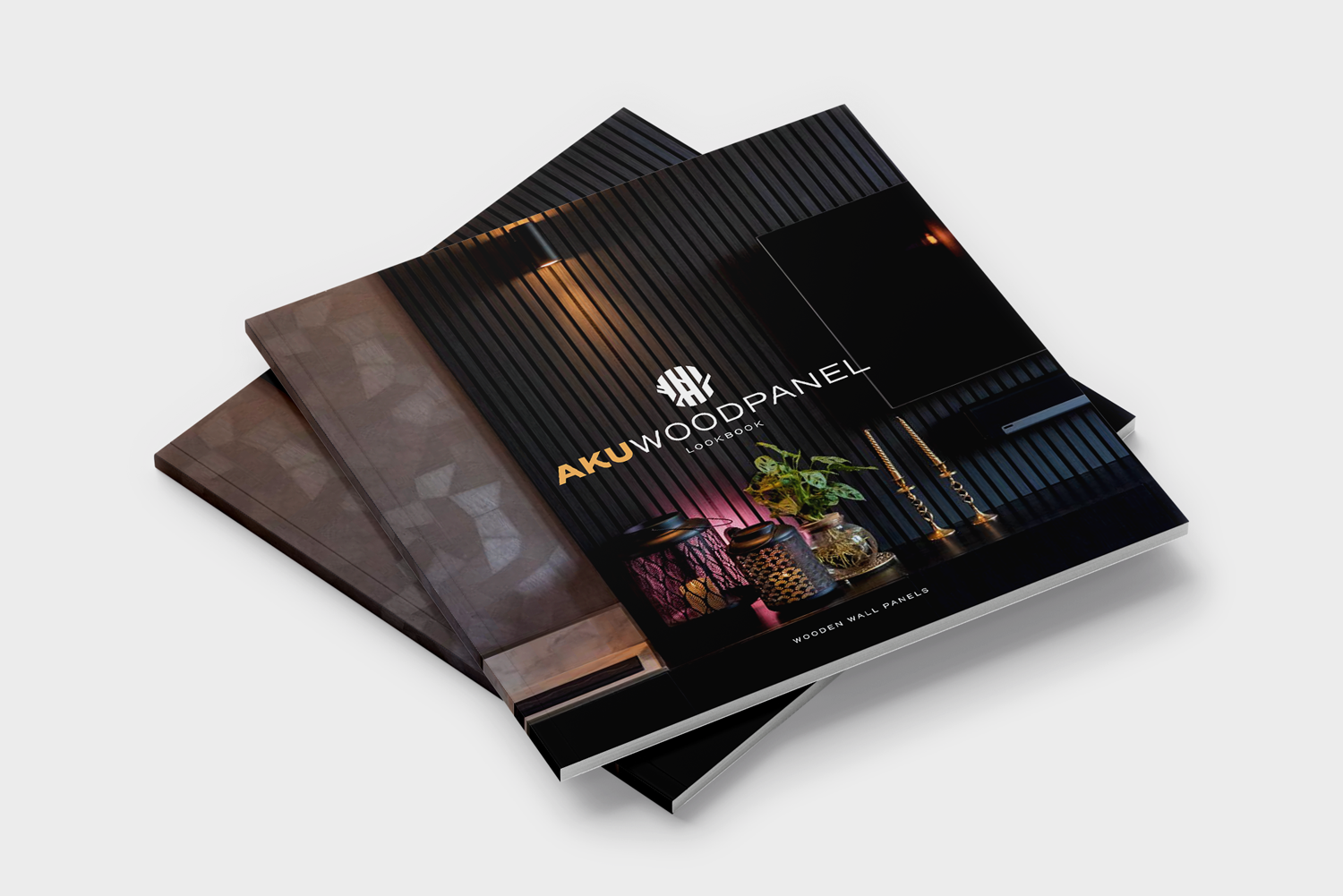
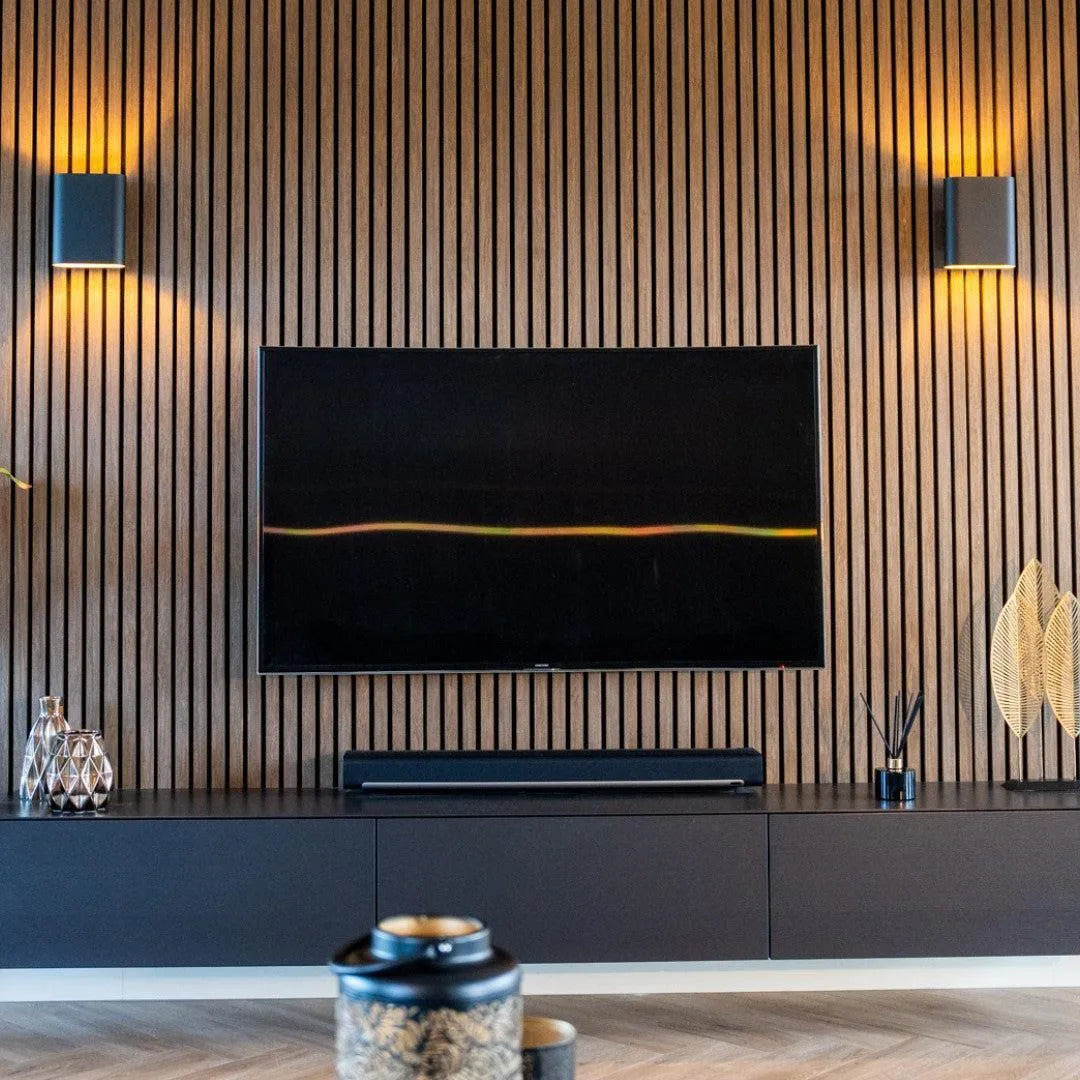
- AKU Woodpanel slat panels carry a 0.75 NRC rating — enough to cut open-office echo without a full renovation.
- Panel pricing runs $126.95 to $182.95 per unit in 2026, so a 200-panel job lands in a predictable cost band.
- Most offices hit breakeven in under 2 years once meeting re-dos and turnover costs are counted.
- Skip full-wall coverage if your complaint log is thin — partial treatment on the loudest 30% of the room often pays back faster.
Why this matters
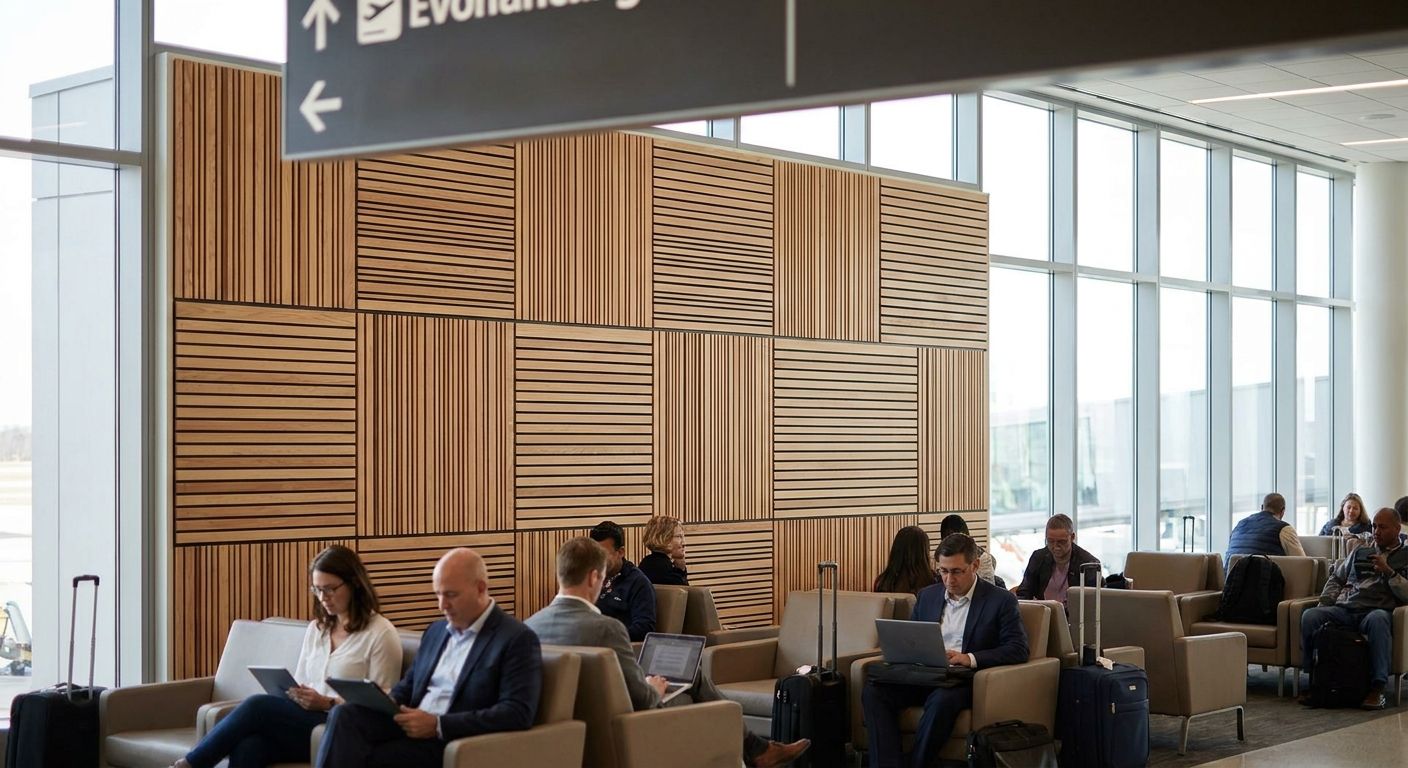
Open-plan offices got cheaper to build and louder to work in, and 2026 hasn't fixed that trade-off. Hard surfaces — glass, drywall, concrete floors — reflect sound instead of absorbing it, so one loud call turns into a room-wide distraction.
Facilities teams get asked to justify acoustic spend the same way they justify HVAC upgrades: with a number. "It'll feel quieter" doesn't survive a budget meeting. A payback period does.
The good news is the math isn't complicated. You need two numbers — what noise costs you now, and what treatment costs to install — and a formula to compare them.
What you'll need
- Square footage of the room or floor you're treating
- A noise complaint log or survey (even a rough headcount of complaints per month works)
- Average loaded hourly cost for the employees in that space
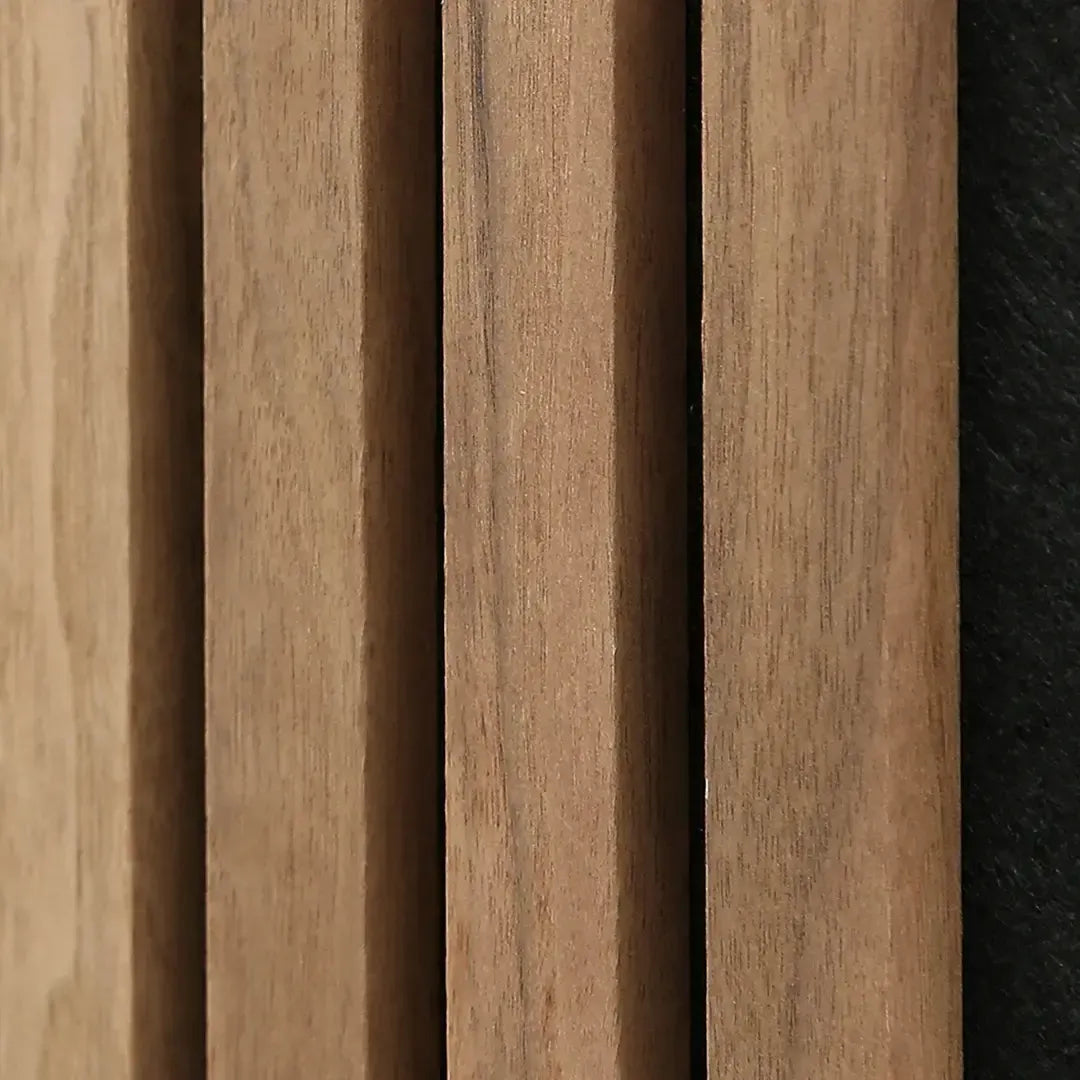
- A quote on acoustic panels, like the walnut acoustic slat wall panel at $182.95, priced per unit for 2026
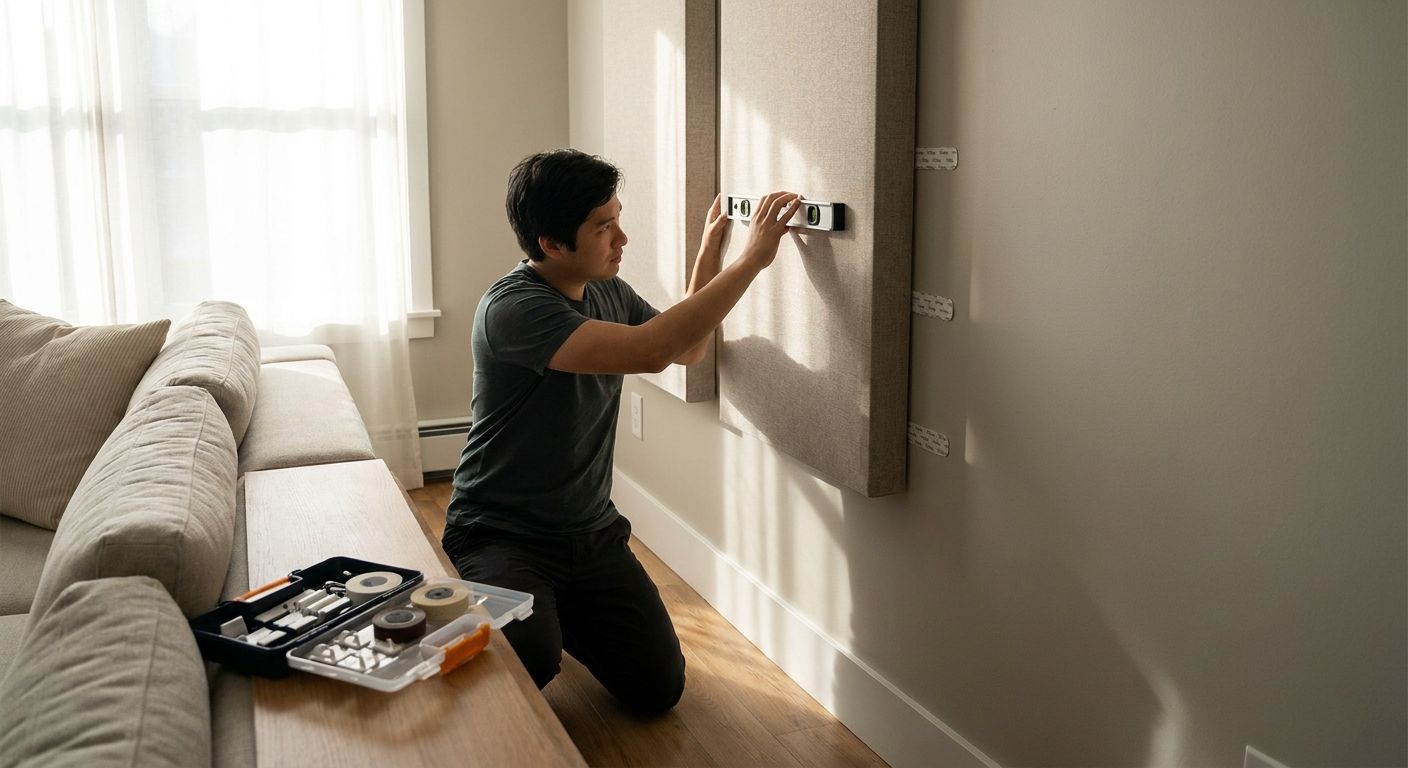
- Estimated install labor cost (DIY mounting vs. contractor install)
- A spreadsheet or calculator — this is arithmetic, not statistics
The steps
Step 1: Measure the room and confirm coverage needed
You can't price a job you haven't measured. Walk the space and note wall length, ceiling height, and any hard surfaces contributing to reflection — glass partitions and exposed concrete matter more than carpeted floors.
Run those measurements through a panel coverage calculator to land on panel count. Most acoustic treatments don't need full wall coverage — 30% to 50% of the loudest surfaces is the common target for offices, not 100%.
Common mistake: treating the whole room top to bottom because it looks better in a rendering. That inflates cost without proportionally improving the acoustic result.
Step 2: Put a dollar figure on the current noise problem
This is the step teams skip, and it's the one that makes the ROI number credible. Pull your complaint log or run a two-week survey asking staff how often noise interrupts calls or focus work.
Multiply the average time lost per interruption by loaded hourly wage. If 20 people lose 15 minutes a day to noise interruptions at a $35/hour loaded rate, that's roughly $43,750 a year in lost productive time — an illustrative example, not a universal figure, so run your own numbers.
Step 3: Confirm the acoustic performance you're actually buying
Not all panels absorb sound the same way. AKU Woodpanel's acoustic slat wall panels carry a 0.75 NRC (Noise Reduction Coefficient) rating, meaning they absorb 75% of the sound energy that hits them instead of reflecting it back into the room.
Check the NRC rating guide before you buy anything cosmetic-only. A panel that looks like acoustic treatment but carries no rated NRC value won't move your ROI number at all — it's decoration, not treatment.
Step 4: Price the materials and installation
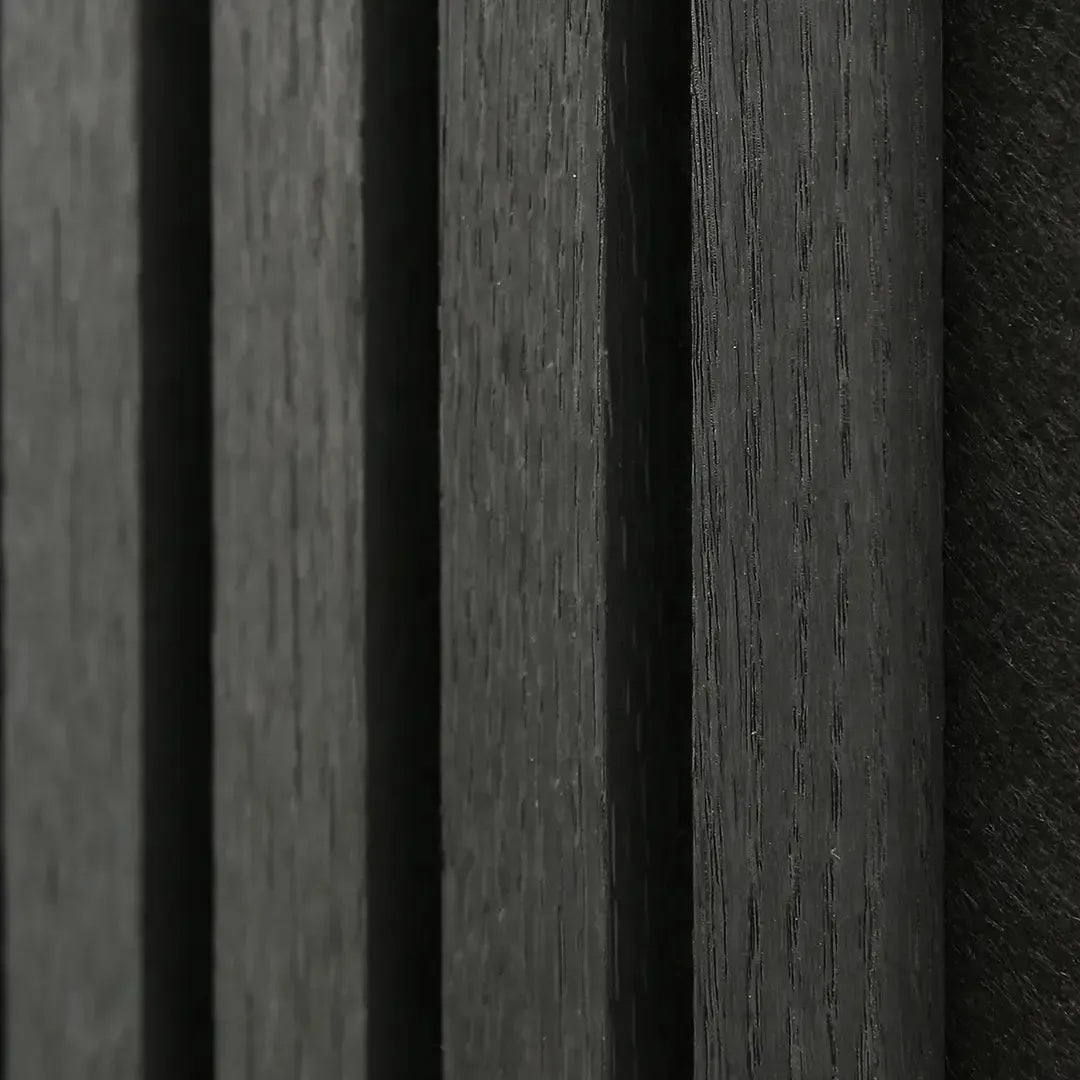
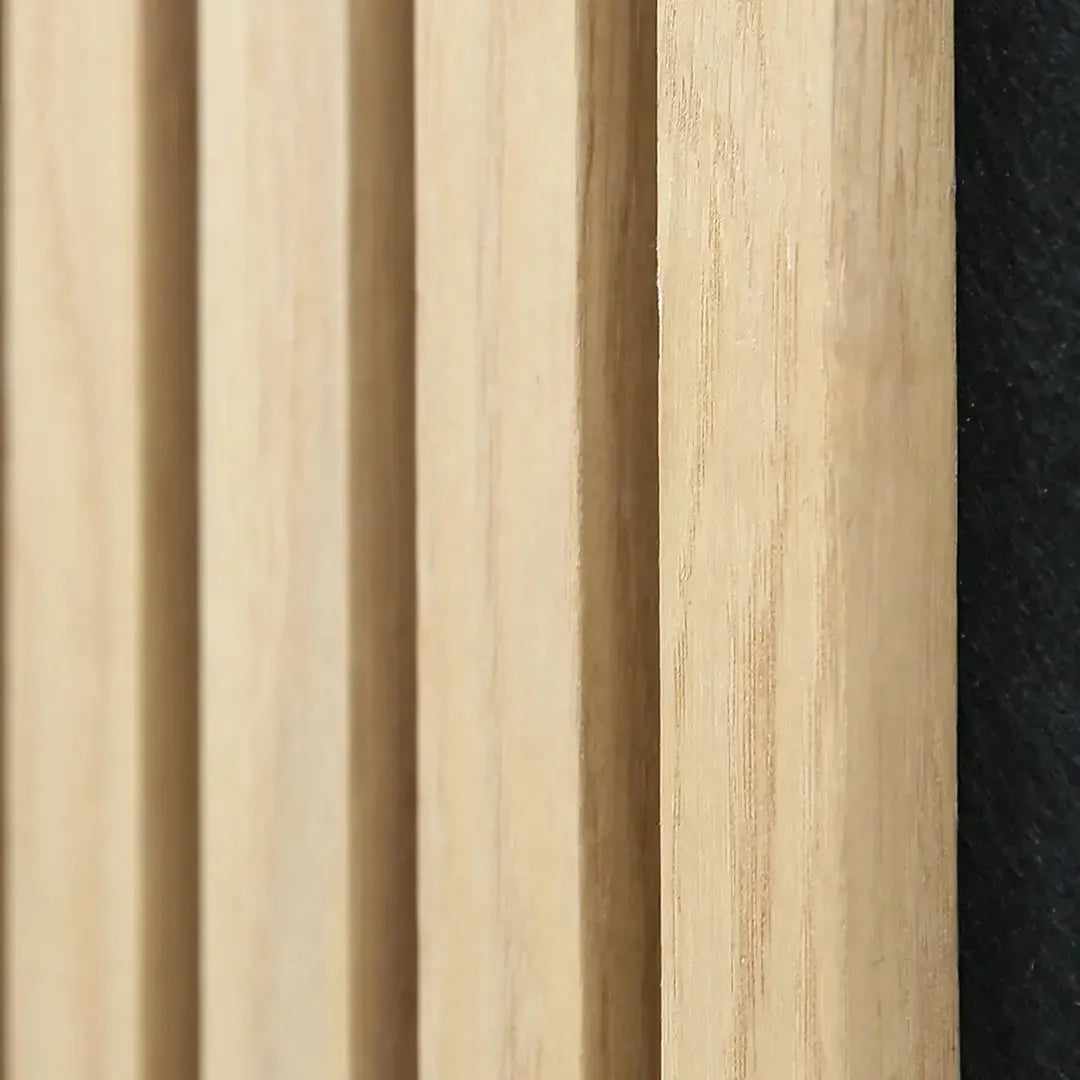
Slat wall panels in the AKU Woodpanel catalog run $126.95 to $182.95 per unit depending on finish, with Natural Oak and Smoked Oak with gray felt priced at $169.95 each in 2026. Multiply unit price by panel count from Step 1, then add labor — DIY mounting runs lower but eats staff time; contractor install adds a flat labor line but frees your team.
This is your total cost figure for the ROI formula: (panel cost x quantity) + labor + shipping.
Step 5: Calculate payback period
Divide total installed cost by your annual noise-cost estimate from Step 2. If treatment costs $18,000 installed and noise is costing $43,750 a year in lost time, payback lands under six months — an aggressive but realistic outcome for high-complaint floors.
For lower-complaint offices, expect 12 to 24 months. Anything past 36 months usually means the room doesn't have enough of a noise problem to justify full coverage — treat the loudest zone only.
Step 6: Layer in retention and hiring cost
Noise complaints correlate with attrition in open-plan offices, and replacing a mid-level employee typically costs six to nine months of their salary in recruiting, onboarding, and lost productivity. If exit interviews mention noise even once a quarter, add a conservative retention-savings line to your benefit side — even one retained hire changes the ROI math meaningfully.
Step 7: Build the final ROI percentage
ROI = (Total Benefit − Total Cost) / Total Cost x 100.
Plug in your numbers from Steps 2 through 6. A project costing $18,000 that returns $43,750 in year one alone is a 143% first-year ROI — Buy, and move to installation planning. A project returning $9,000 against an $18,000 spend is a −50% first-year ROI — Hold and reduce scope to the loudest zone before committing.


“If your payback period runs past 36 months, the room doesn't have enough of a noise problem to justify full coverage — treat the loudest zone instead.”
Troubleshooting
- You don't have baseline noise data. Run a two-week manual survey before buying anything — a gut-feel ROI number won't survive a budget review.
- Vendor quotes vary wildly. Compare price per unit, not price per project — panel pricing between $126.95 and $182.95 per unit should scale predictably with quantity.
- Leadership wants one number, not a range. Present the conservative case (Step 2 minimum estimate) as your headline figure, and keep the optimistic case as a footnote.
- The ROI comes out negative. Reduce scope to the highest-complaint zone rather than the whole floor — partial coverage on 30% of hard surfaces often absorbs most of the reflected sound anyway.
- Multiple room types confuse the math. Run the formula separately for open floor, conference rooms, and phone booths — they have different noise-cost profiles and different coverage needs.
- Retention savings feel speculative. Only include them if exit interviews or HR data actually mention noise — don't pad the benefit side with a number you can't defend.
Tools and resources
- Room measurements and a coverage calculator (see Step 1)
- A noise complaint log or two-week staff survey
- Panel pricing sheet — 2026 slat wall panel pricing runs $126.95 to $182.95 per unit
- NRC rating documentation for whatever panel you're pricing
- A basic spreadsheet with the ROI formula from Step 7 built in
What to do next
Once you've got a payback number you trust, the next decision is scope: full floor or hot zones only. The acoustic panels for open offices guide breaks down where treatment delivers the most noise reduction per dollar in open-plan layouts, which is the exact input your Step 1 coverage decision needs.
FAQ
What is a good ROI for acoustic treatment in an office?
A payback period under 24 months is a strong ROI of acoustic treatment for offices in 2026. Anything under 12 months, driven by a high complaint volume, justifies full-floor coverage rather than partial treatment.
How much does acoustic wood paneling cost per office?
Slat wall panel pricing runs $126.95 to $182.95 per unit in 2026, with total project cost depending on square footage and coverage percentage. Most offices treat 30% to 50% of hard reflective surfaces rather than full walls.
Is acoustic treatment worth it for open-plan offices?
Yes, when noise complaints or productivity loss are measurable — the formula in this guide turns that into a payback number. Offices with thin complaint logs should treat only the loudest zone rather than the whole floor.
What NRC rating do I need for office acoustic panels?
A 0.75 NRC rating, like AKU Woodpanel's acoustic slat wall panels, absorbs 75% of incoming sound energy and is sufficient for most open-plan office noise problems. Lower-rated decorative panels won't move your ROI number.
How long does acoustic panel installation take in an office?
Installation timelines depend on panel count and mounting method, with DIY mounting taking longer per panel than contractor install. Factor labor cost into your total installed cost before calculating payback period.
Does acoustic treatment reduce employee turnover?
Noise complaints correlate with attrition in open-plan offices, and replacing a mid-level employee typically costs six to nine months of salary. Include retention savings in your ROI calculation only if exit interviews actually cite noise as a factor.
Should I treat the whole office or just the loudest rooms?
Treat the loudest zones first — conference rooms, phone booths, and areas near hard reflective surfaces deliver the fastest payback. Full-floor coverage rarely improves ROI proportionally to its added cost.
What's the difference between acoustic panels and decorative wood panels?
Acoustic panels carry a rated NRC value, meaning they measurably absorb sound, while decorative panels with no rating only change appearance. Always confirm the NRC figure before counting a panel toward your acoustic ROI calculation.
One last thing
The fastest-payback projects in 2026 aren't full-room renovations — they're targeted installs on the 30% of surfaces causing the most reflection, priced against a real complaint log instead of a guess. Run the Step 2 math before you get a single quote; it's the number that turns "this would help" into a budget approval.
 Better performance and aesthetic appeal
 In Stock