Open-plan offices trade walls for square footage, and the tradeoff shows up the moment two people take calls twelve feet apart. This guide ranks the acoustic wood panel options that actually cut mid-frequency noise and give employees enough sound privacy to think.
TL;DR
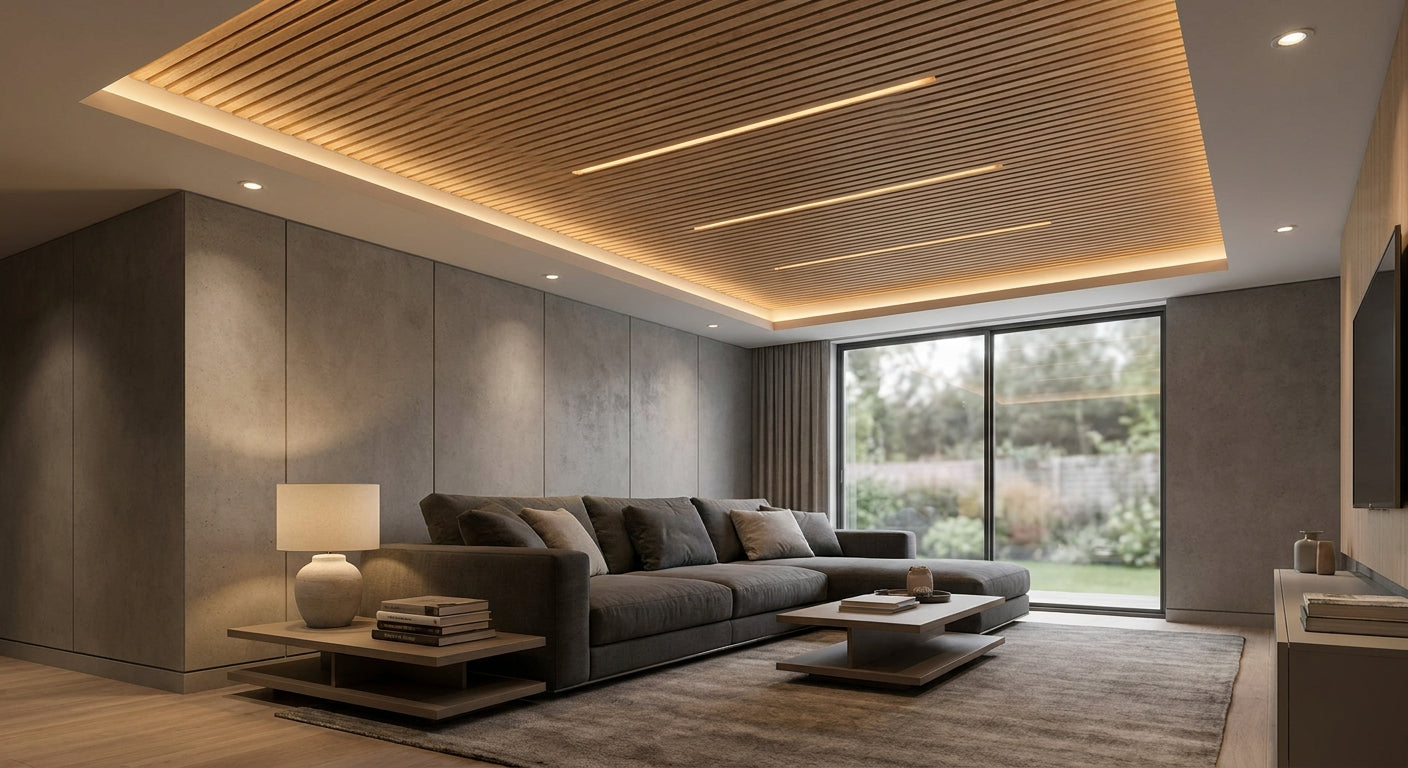
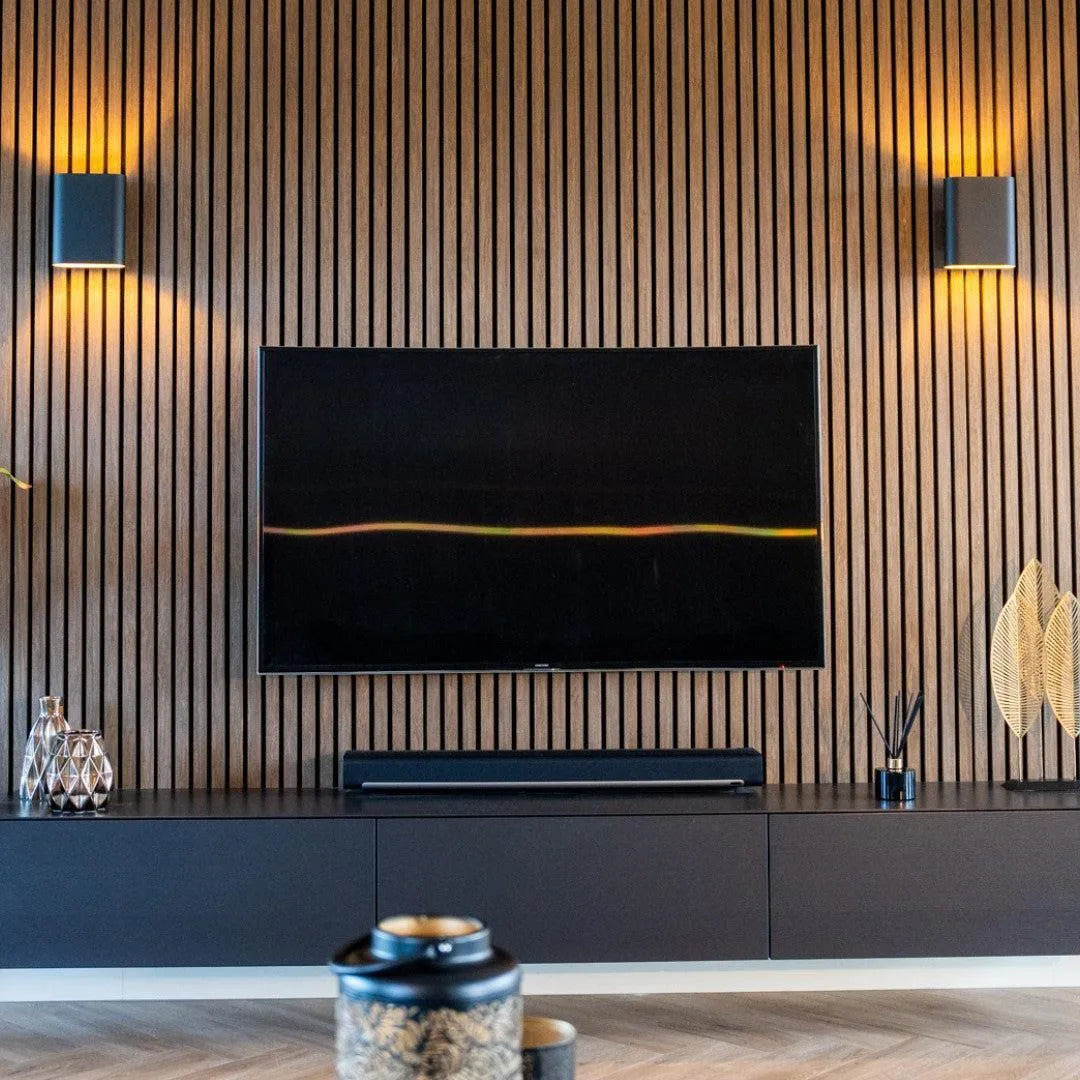
For acoustic panels open plan office noise privacy in 2026, felt-backed slat panels beat plain wood veneer on every absorption metric that matters for speech frequencies. The AKU Woodpanel Acoustic Slat Wall Panel in Natural Oak with Gray Felt is the Buy for most open-plan layouts — it pairs a felt core built for mid- and high-frequency absorption with a real oak veneer that doesn't scream "acoustic treatment." Hexagon felt panels are the Buy for zoning breakout areas, plain (non-felt) slat panels are a Hold for pure decoration, and anything without a felt or fiber backing is a Skip if noise privacy is the actual goal.
Why this matters
Open-plan layouts commonly run 55 to 65 decibels during a normal workday — loud enough to break concentration and push people into headphones just to get through a call. Drywall, glass partitions, and polished concrete reflect that noise instead of absorbing it, so the sound keeps bouncing until someone adds a material designed to soak it up.
Acoustic felt backing is the variable that separates a decorative wood panel from a functional one. Industry benchmarks for NRC-rated acoustic felt typically land between 0.85 and 0.95, meaning the material absorbs the large majority of sound energy that hits it, rather than reflecting it back into the room. That distinction is why AKU Woodpanel sells both plain slat panels and felt-backed versions — they solve different problems, and picking the wrong one wastes budget on a wall that looks the part but doesn't quiet anything down.
Companies retrofitting existing offices in 2026 are also leaning on wood panel systems because they install over drywall without construction permits or HVAC changes, which matters when facilities budgets are tight and the noise complaint needs a fix this quarter, not next year.
How this list was ranked
Each pick below is scored against four factors that matter specifically for open-plan noise privacy: whether the panel has a felt or fiber acoustic backing, how well the finish fits a professional office aesthetic, how the panel performs as a standalone wall treatment versus needing full-room coverage, and how practical installation is for a facilities team working around live desks. Panels without a documented acoustic backing are noted as decorative rather than acoustic, because that distinction changes the buying decision entirely.
The ranked list
1. Acoustic Slat Wall Panel — Natural Oak with Gray Felt
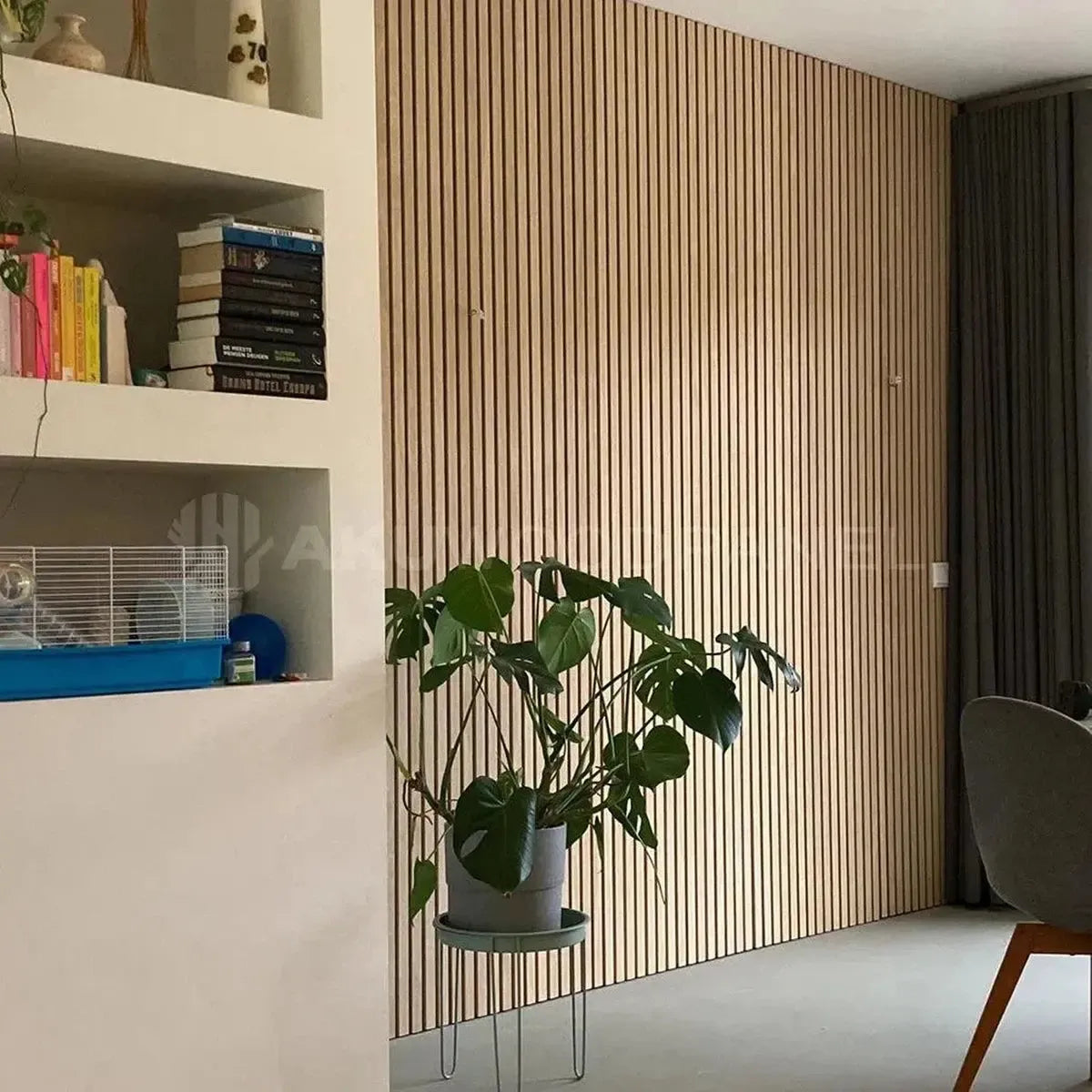
The workhorse pick. This is the slat wall panel with gray felt backing built specifically to pair oak veneer with an absorptive felt core, which is the combination that actually reduces mid-frequency office chatter instead of just dressing up a wall. Natural oak reads neutral enough to sit behind a reception desk, a meeting room, or a bank of hot desks without clashing with existing finishes.
Facilities teams like it because it goes up on existing drywall without demo work, and the felt layer is doing the acoustic job the veneer alone can't. For a general open-plan floor where the goal is knocking down reflected noise across several zones, this is the default. Buy.
2. Hexagon Acoustic Panel — Natural Oak with Gray Felt
The sculptural option that still does the job. The hexagon acoustic panel with felt backing carries the same felt-backed acoustic logic as the slat version but in a geometric module that reads as a design feature first. It's the right call for breakout zones, phone booth clusters, or any spot where the panel needs to double as a visual anchor and a sound absorber.
Because the hexagon shape breaks up a flat wall visually, it also tends to get noticed and used more than a plain slat run tucked into a corridor — which matters when the panel's job is reducing noise where people actually gather. Buy for zoned breakout areas.
3. Acoustic Slat Wall Panel — Black Oak
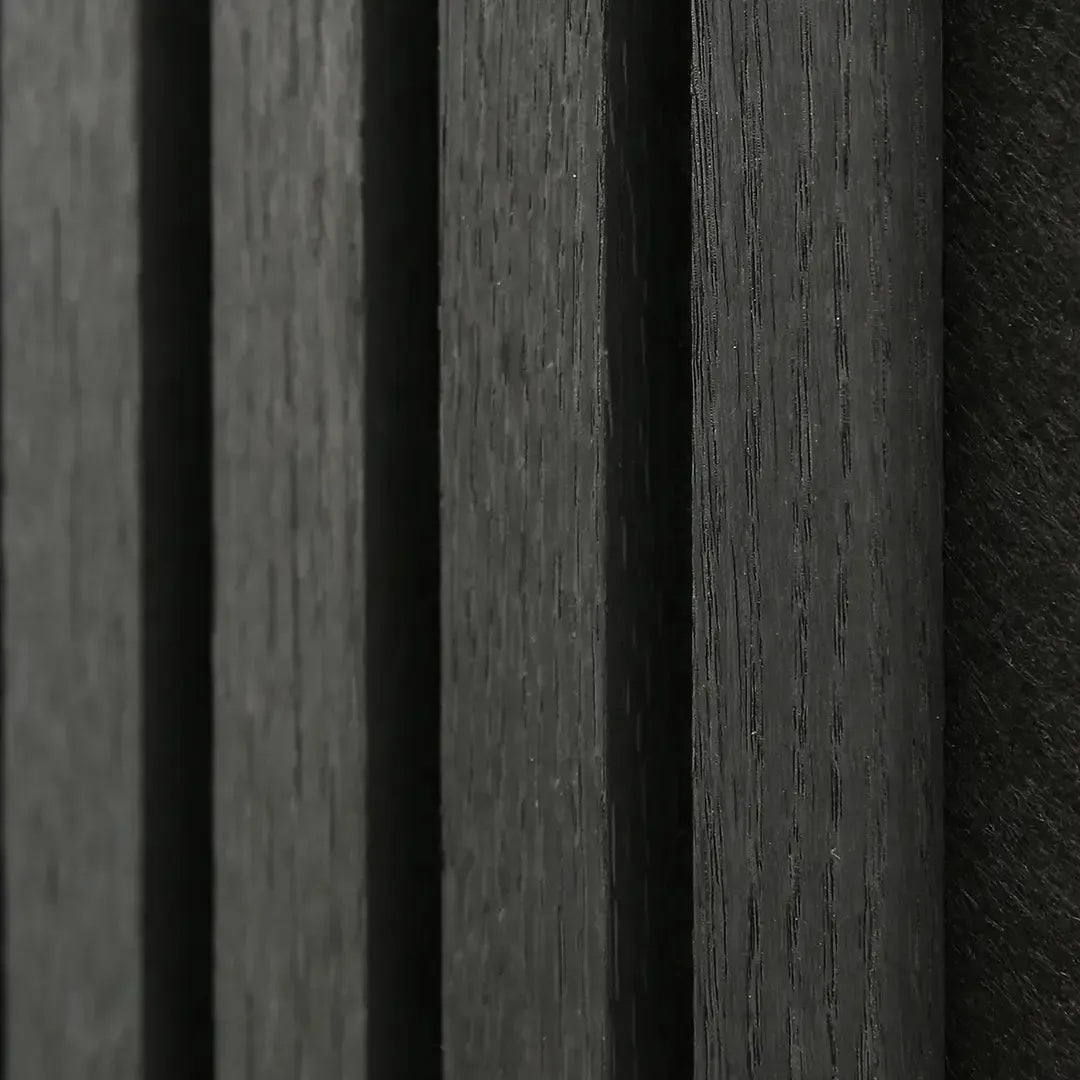
The boardroom statement. Black Oak slat panels bring the same slat profile in a darker finish that reads more executive than casual — a fit for boardrooms and leadership pods inside an otherwise open floor. Whether it comes with the felt-backed version or the plain veneer changes the verdict here: the felt-backed variant absorbs, the plain variant mostly decorates.
For a boardroom that already has carpet, upholstered chairs, and acoustic ceiling tiles, the plain veneer version can round out the finish without needing full acoustic duty. For an open floor with hard surfaces everywhere, spring for the felt-backed version instead. Hold until you confirm the felt backing matches the room's actual noise problem.
4. Acoustic Slat Wall Panel — Smoked Oak with Gray Felt
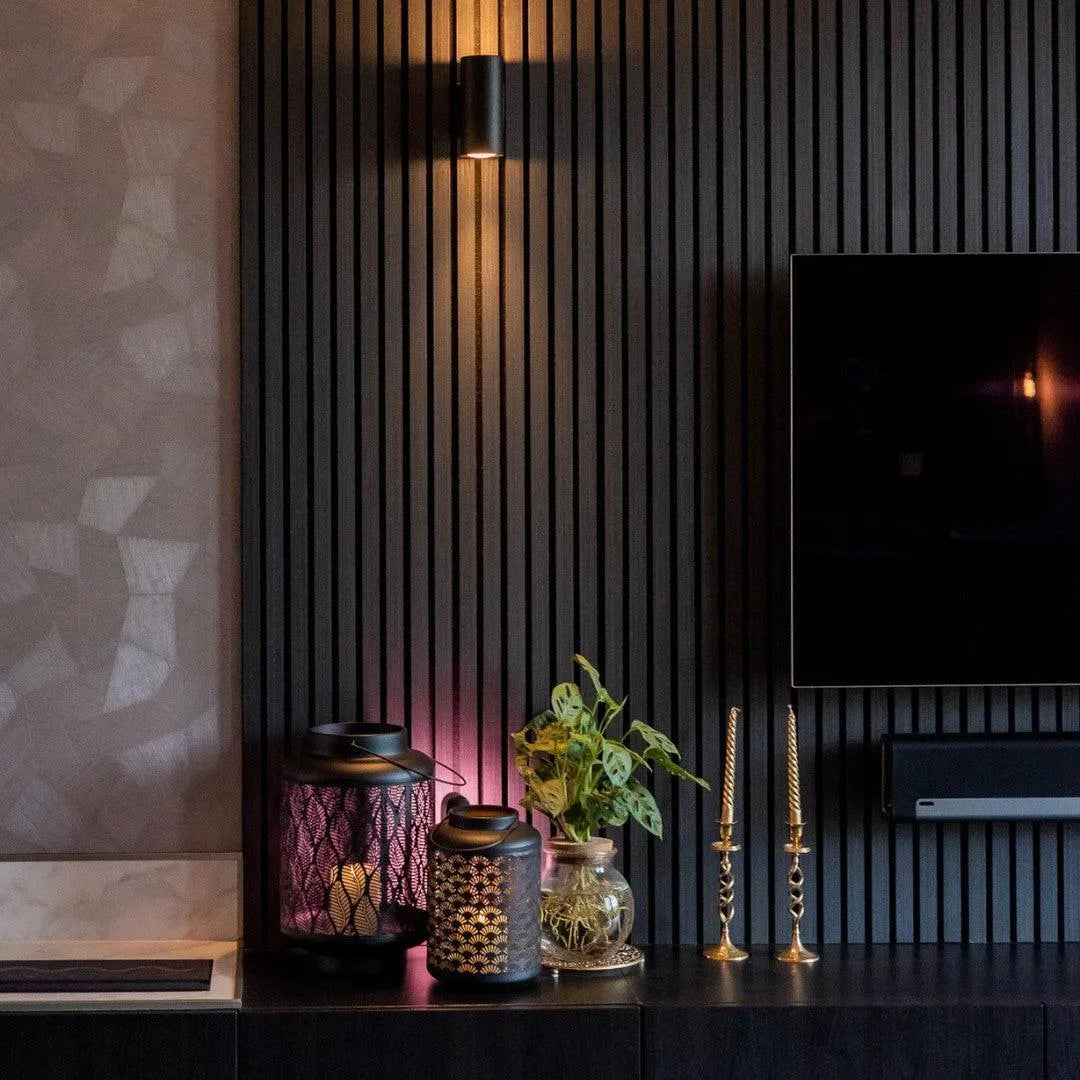
The moody absorber. Smoked Oak with gray felt gives the same absorption profile as the natural oak version in a deeper, warmer tone — a fit for offices leaning into a darker, more residential-feeling interior instead of the standard corporate white-and-gray palette. Function is identical to the natural oak felt panel; this is purely a finish call.
If the office's existing millwork already runs dark, matching the panel tone matters more than most facilities managers expect — mismatched wood tones make a deliberate acoustic install look like an afterthought. Buy when the finish palette calls for it.
5. Acoustic Slat Wall Panel — Walnut
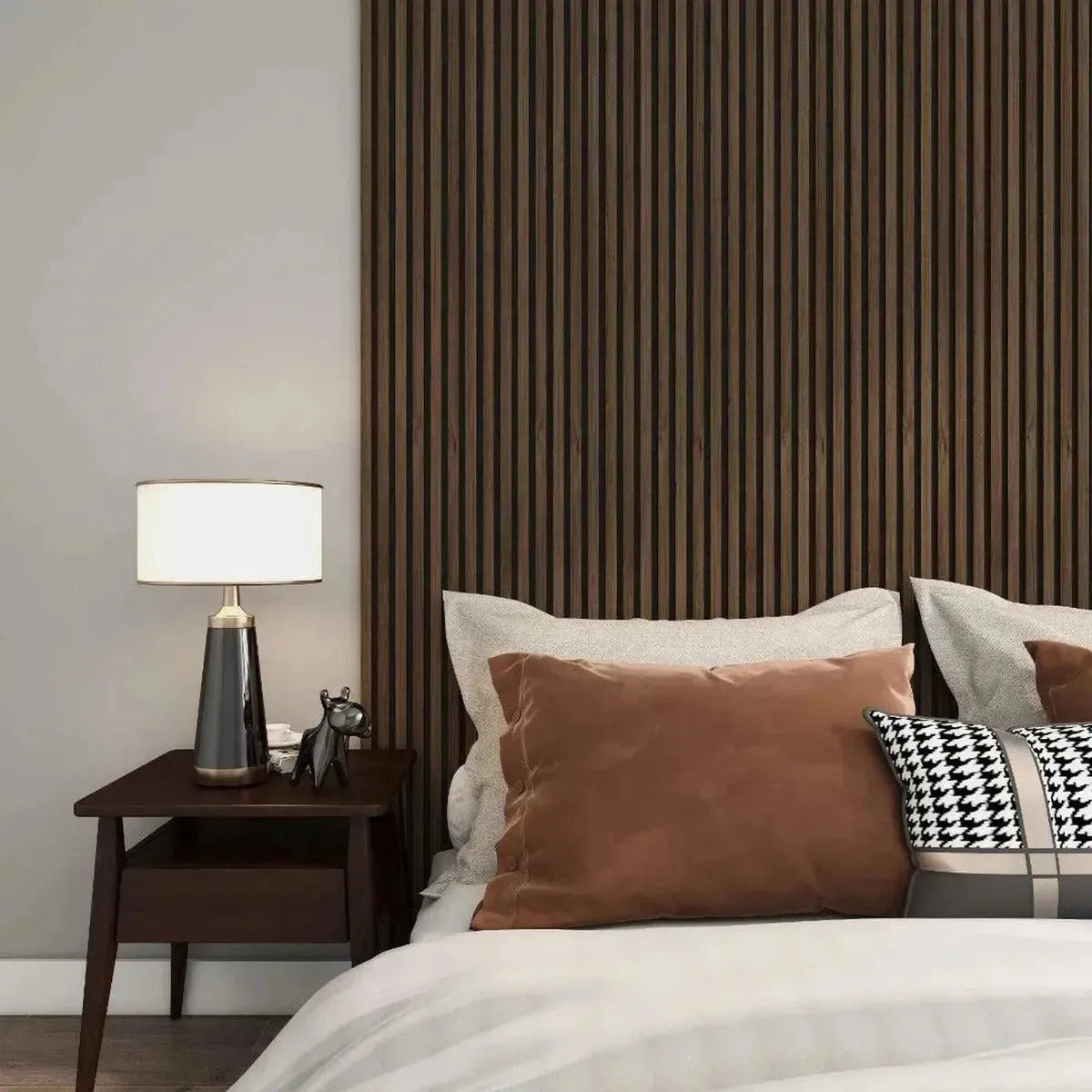
The warm-tone alternative. Walnut slat panels bring a richer, redder wood tone into the mix, useful for offices that want the acoustic slat look without leaning into the gray-and-black palette that dominates most commercial fit-outs. Same install logic applies: confirm whether the felt-backed version is what's being ordered before assuming acoustic performance.
This is a strong pick for hospitality-adjacent office brands — agencies, studios, and client-facing spaces — where the wood tone is doing double duty as brand identity and noise control. Buy for client-facing zones that still need genuine absorption.
6. Full Sample Box — Slat Wall Panel
The low-risk test. Before committing a facilities budget to panels across an entire floor, the full sample box lets a team hold actual finishes and felt backing next to existing walls and lighting. For any office ordering panels sight-unseen off a screen, this step avoids a costly mismatch discovered after installation.
It's not a noise solution on its own — it's a decision tool. Buy as a first step before any of the picks above go on a purchase order.
Comparison table
| Pick | Acoustic backing | Best use case | Verdict |
|---|---|---|---|
| Natural Oak with Gray Felt | Felt-backed | General open-plan floors | Buy |
| Hexagon Natural Oak with Gray Felt | Felt-backed | Breakout zones, phone booths | Buy |
| Black Oak | Confirm felt vs. plain | Boardrooms, leadership pods | Hold |
| Smoked Oak with Gray Felt | Felt-backed | Dark-palette offices | Buy |
| Walnut | Confirm felt vs. plain | Client-facing zones | Buy |
| Full Sample Box | N/A | Pre-purchase finish testing | Buy |
Where to buy
- Order the felt-backed version explicitly — plain veneer slat and hexagon panels exist in the same lines and look nearly identical online, but only the felt-backed SKU is doing acoustic work.
- Start with a sample box or single panel before ordering coverage for an entire floor; wood tone under office lighting reads differently than it does in a product photo.
- Pair panel coverage with soft flooring or ceiling treatment where possible — panels absorb reflected sound off the wall they're mounted on, but a hard floor and bare ceiling will still bounce noise around the rest of the room.
FAQ
What's the best acoustic panel for open-plan office noise privacy in 2026? Felt-backed slat wood panels are the strongest all-around pick because they combine real acoustic absorption with a finish that fits a professional office, unlike foam panels or plain decorative veneer.
Do wood panels actually reduce noise, or just look like they do? Plain wood veneer without a felt or fiber backing mostly decorates; the acoustic performance comes from the felt layer behind the veneer, which is why confirming the felt-backed SKU matters before ordering.
How many panels does an open-plan office need? Coverage depends on room size and how many hard, reflective surfaces exist already; a common approach is treating the walls behind the noisiest zones — phone areas, kitchens, and high-traffic corridors — rather than every wall on the floor.
Are hexagon acoustic panels better than slat panels for offices? Not better, different: hexagon panels work well for breaking up a flat wall visually in a breakout zone, while slat panels cover more linear wall space efficiently for general noise reduction across a larger floor.
Can these panels go over drywall without construction work? Yes — panels are designed to mount directly onto existing drywall, which is why facilities teams use them for noise retrofits without pulling permits or touching HVAC.
Is Black Oak or Natural Oak better for noise control? Neither tone changes the acoustic performance — that comes entirely from the felt backing. Choose the finish based on the room's existing palette, not the color.
Do I need acoustic panels on every wall, or just some? Most open-plan offices see the biggest improvement by treating the walls nearest the loudest activity — call areas, kitchens, meeting room glass — rather than covering every surface.
Should I order a sample before buying panels for a full office? Yes. Wood tone shifts under office lighting, and a sample box catches mismatches before a full floor order gets committed.
One last thing
The single most overlooked detail in open-plan acoustic retrofits isn't the panel — it's the felt. Two panels can look identical in a product photo, one with acoustic felt backing and one without, and only one of them actually does anything for noise. Before any 2026 office fit-out order goes through, confirm the SKU includes the felt-backed acoustic core, not just the wood veneer that looks the part.



 Better performance and aesthetic appeal
 In Stock