Budgeting acoustic treatment for a school renovation starts with square footage and room priority, not a single price per panel — gymnasiums, cafeterias, and open corridors absorb the largest share of the line item, while single classrooms need the least. The number that actually blows a 2026 renovation estimate is wall-prep and installation labor, not the panels themselves.
- Budget acoustic treatment for a school renovation by room priority and square footage, not by a flat price per panel.
- Gymnasiums, cafeterias, and corridors need the most coverage; single classrooms need the least.
- Akuwood Panel's Hexagon Acoustic Panel carries a 0.75 NRC rating and ships 4 panels per box at 32 inches each.
- Phase installation by wing or fiscal year so the 2026 budget doesn't have to cover the whole building at once.
- Get a written quote per room type and separate material cost from installation labor before locking a district-wide number.
Why this matters
A renovation budget gets allocated by square footage long before anyone picks a finish. Facilities teams that treat acoustic panels as one flat line item usually overspend on low-priority rooms and underspend on the gym or cafeteria, where sound control actually matters most.
The fix in 2026 is sequencing, not averaging: rank rooms by noise complaint volume and hard-surface area, then size the panel budget to that ranking instead of a flat rate across the whole building. A district that does this spends less overall because it stops paying full-coverage prices in rooms that only need partial treatment.
How to budget acoustic treatment for a school renovation
- Walk every room and note the wall surface — concrete block, drywall, or glass — because hard surfaces need the most coverage.
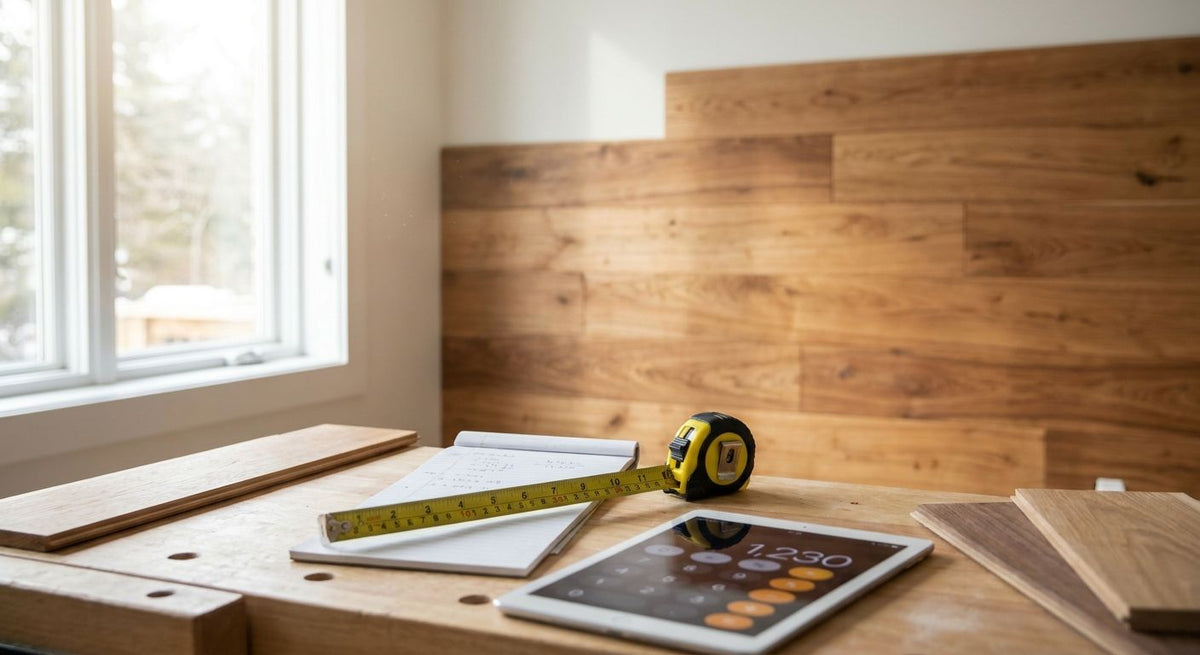
- Calculate square footage per room, then calculate coverage room by room using wall area minus windows, doors, and built-ins.
- Rank rooms by priority — gymnasiums and cafeterias first, open-plan corridors second, single classrooms last.
- Pick a panel type per room: full wall runs for classrooms and corridors, accent clusters for lobbies and gyms, tile format for small offices.
- Get a written quote per room type and separate material cost from installation labor — the labor line is what usually moves a budget, not the panel itself.
- Set a phased rollout across wings or fiscal years so the 2026 budget funds the highest-priority rooms first and pushes the rest into 2027.
Gymnasiums and cafeterias: highest priority, 0.75 NRC coverage
Large volumes and hard flooring make gyms and cafeterias the loudest rooms in a school building. The Hexagon Acoustic Panel carries a 0.75 NRC rating and ships 4 panels per box at 32 inches each, which makes it straightforward to estimate coverage per bay of wall. Verdict: treat these rooms first — they generate the most noise complaints per square foot in the building.
Corridors and open-plan commons: moderate priority, full wall runs
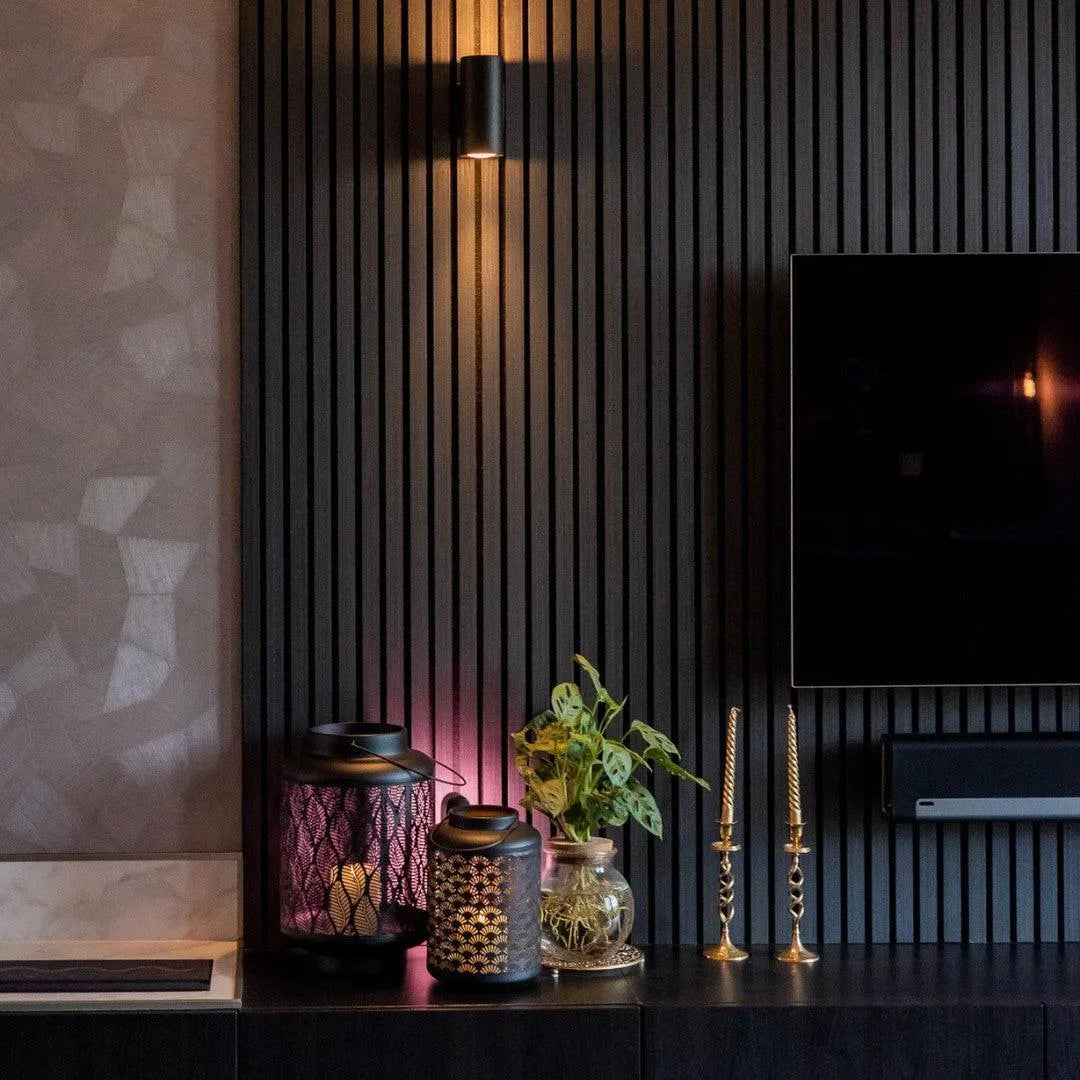
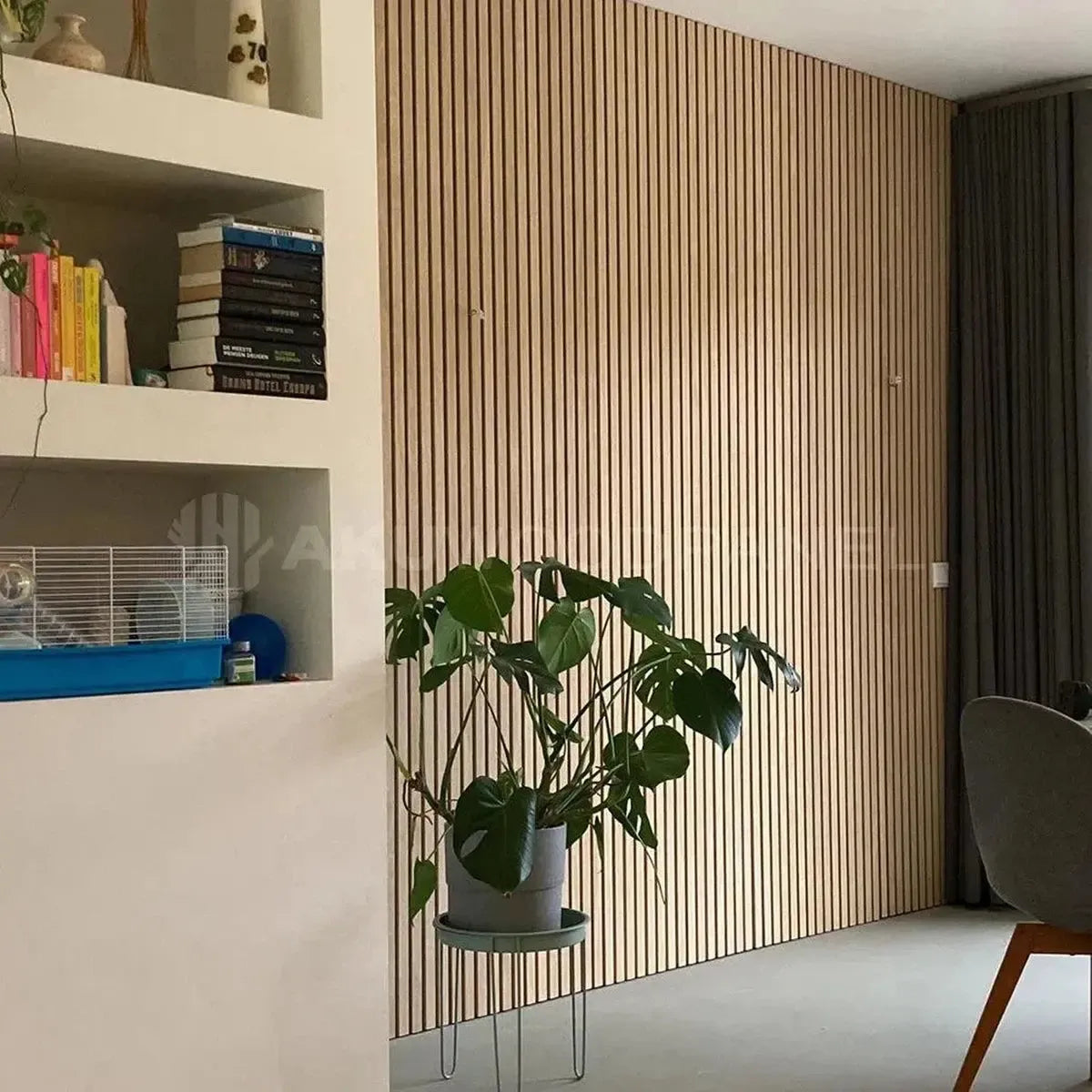
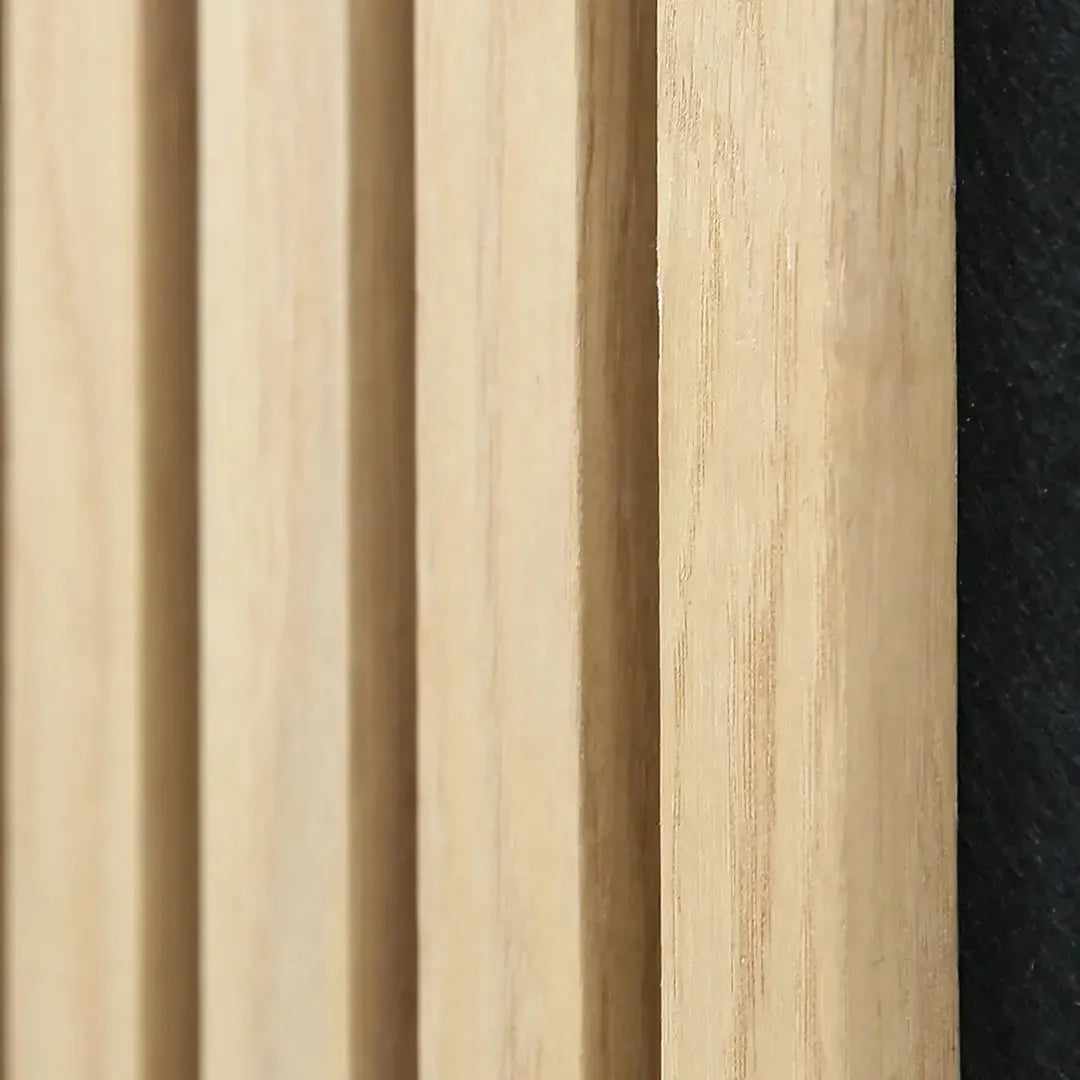
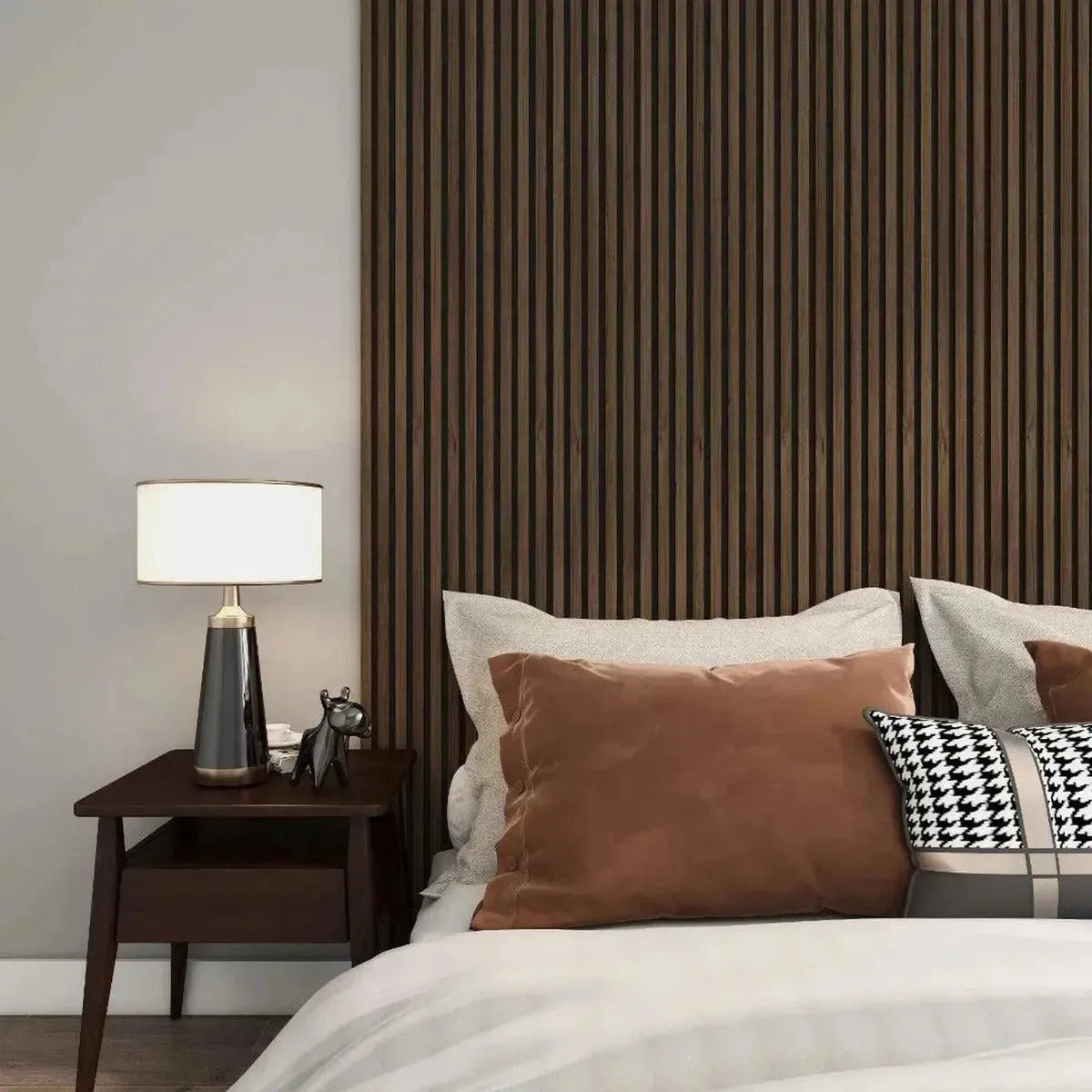
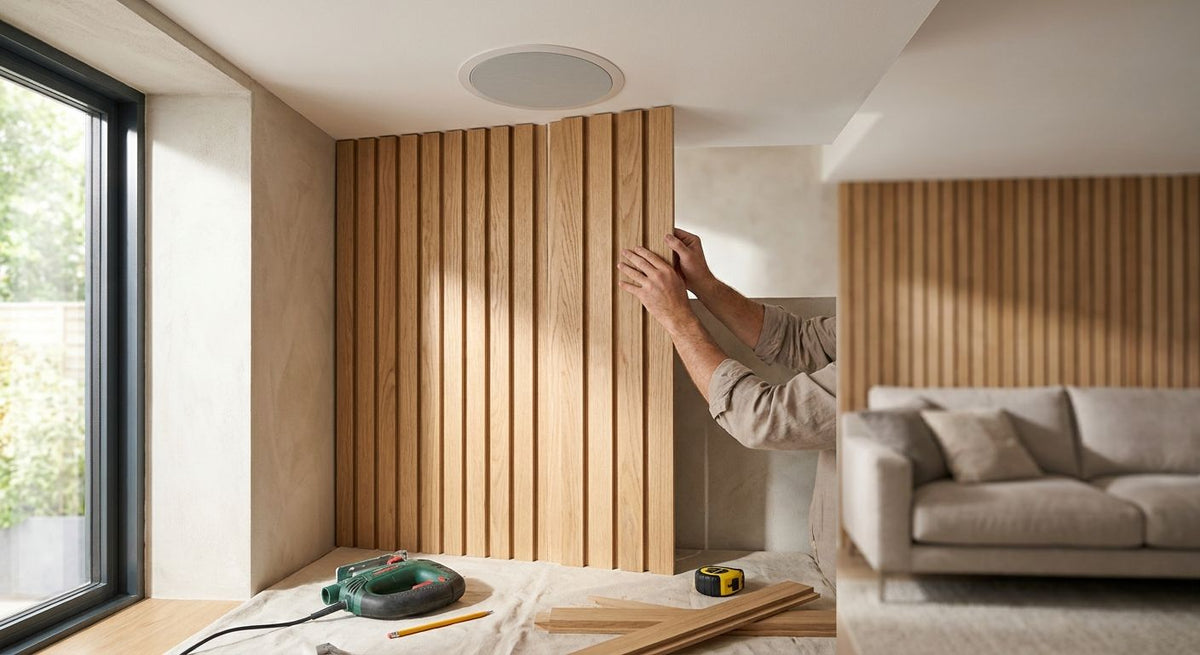
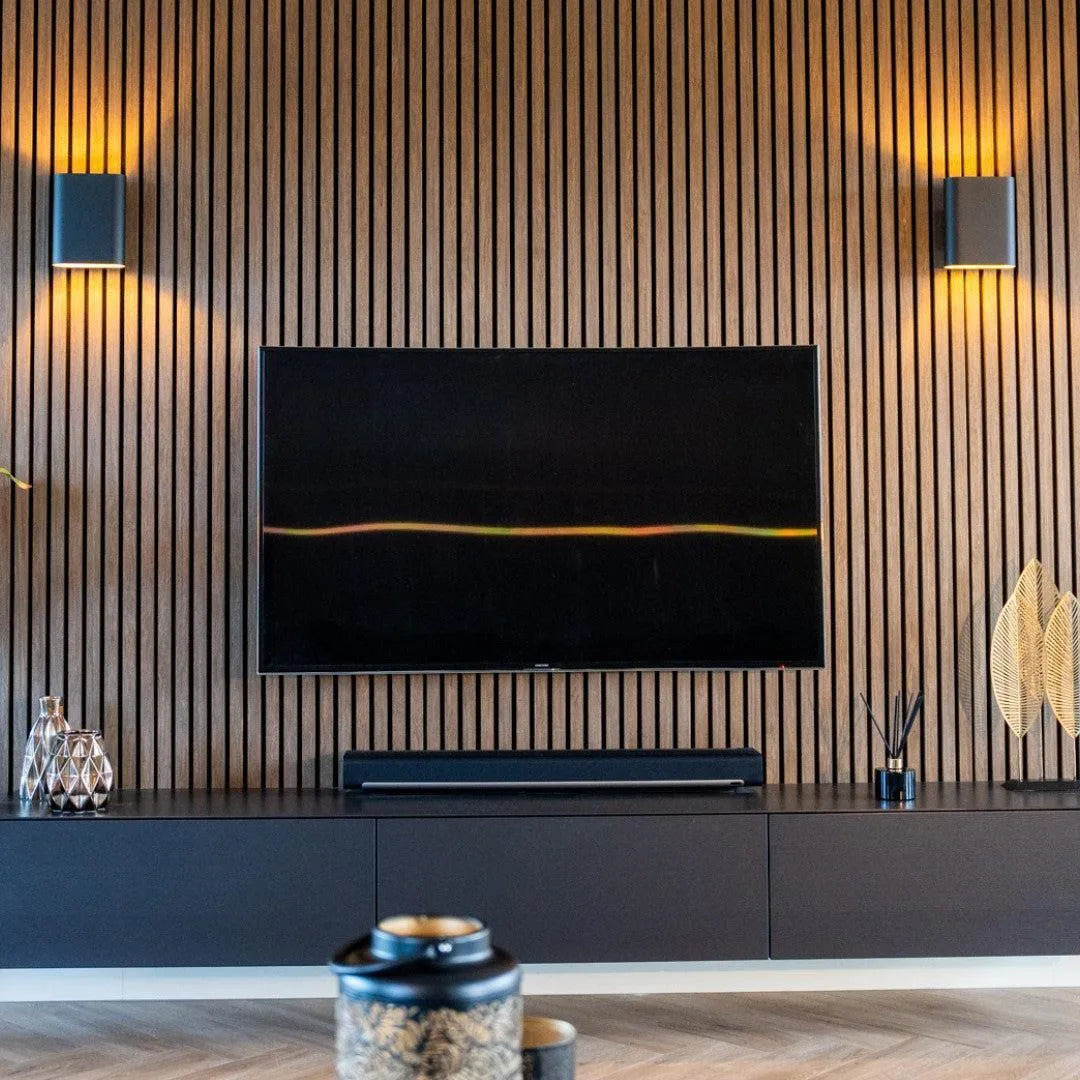
Corridors funnel sound between classrooms, so treating one long wall run — instead of scattered accent clusters — knocks down the reverberation that carries noise room to room. Akuwood Panel's Acoustic Slat Wall Panel line covers full runs in Natural Oak, Walnut, Black Oak, and Smoked Oak finishes with a 3-sided wood veneer. Verdict: budget for full-wall coverage here, not spot treatment.
Classrooms and offices: lowest priority, smallest coverage unit
Single classrooms with carpet, corkboards, and cubbies already absorb some sound, so they need the least additional treatment. Tile-format acoustic slat panels ship four tiles per box and work well for partial-wall coverage in lower-priority rooms. Verdict: treat classrooms last, and treat them lightest.
Comparing panel types for a school acoustic budget
| Panel type | Best for | Sound rating | Coverage unit | Verdict |
|---|---|---|---|---|
| Hexagon Acoustic Panel | Gym and cafeteria feature walls | 0.75 NRC | 4 panels per box (32 inch each) | Buy for high-priority rooms |
| Acoustic Slat Wall Panel | Full corridor and classroom wall runs | Acoustic core, no published NRC figure | Sold by panel, 3-sided wood veneer | Buy for full-run coverage |
| Tile Acoustic Slat Wall Panel | Small offices and phased budgets | Acoustic core, no published NRC figure | 4 tiles per box | Hold for later phases |
Why acoustic budgets vary school to school
- Room priority — gyms and cafeterias need more coverage than single classrooms.
- Total wall square footage after subtracting windows, doors, and built-ins.
- Existing wall surface — concrete block and glass need more panel coverage than drywall.
- Panel type selected — accent clusters cost less per room than full slat wall runs.
- Phasing — spreading installation across wings or fiscal years changes what hits the 2026 budget versus the 2027 cycle.
- Installation labor — mounting on concrete or block typically takes longer than drywall, which moves the labor line independent of material cost.
Does a school need acoustic treatment in every room?
No — prioritize gymnasiums, cafeterias, and corridors first, since these rooms generate the most noise complaints per square foot. Single classrooms with carpet and soft furnishings can wait for a later phase of the renovation.
Can acoustic panel budgets be split across school fiscal years?
Yes — phasing treatment by wing or building lets a district fund the highest-priority rooms in 2026 and push lower-priority classrooms into a 2027 budget cycle without stalling the whole renovation.


FAQ
How do you calculate acoustic panel coverage for a classroom or gym?
Measure wall area and subtract windows, doors, and built-ins, then size panel quantity to that net square footage. Gyms and cafeterias typically need full-wall coverage while classrooms need only partial coverage.
What NRC rating do schools need for acoustic panels?
Akuwood Panel's Hexagon Acoustic Panel carries a 0.75 NRC rating, which is a reasonable target for high-noise rooms like gyms and cafeterias. Lower-priority rooms like single classrooms can use less coverage.
Should acoustic treatment be phased across a school renovation?
Yes — phasing by wing or building lets a district fund the highest-priority rooms in one fiscal year and push lower-priority rooms into the next. This keeps the 2026 budget focused on gyms, cafeterias, and corridors first.
Are wood veneer acoustic panels durable enough for high-traffic school hallways?
Wood veneer acoustic panels are built to hold their finish over years of use, which suits corridor traffic. Full slat wall runs are the format built for that kind of continuous coverage.
What's the difference between hexagon and slat acoustic panels for schools?
Hexagon panels come in 32-inch units sold 4 per box and work as accent clusters with a 0.75 NRC rating. Slat wall panels are sold by the panel for full, continuous wall runs in corridors and classrooms.
Which rooms in a school need acoustic treatment first?
Gymnasiums and cafeterias need treatment first because they generate the most noise complaints per square foot. Corridors come second, and single classrooms with soft furnishings can wait.
Can acoustic panels be added later in a phased school renovation budget?
Yes — treating high-priority rooms in 2026 and lower-priority rooms in a later phase is a standard way to spread the cost across fiscal years. The panel formats don't require the whole building to be treated at once.
One last thing
Districts that mix panel types by room almost always land on a lower total than districts that pick one finish for the entire building. A gym doesn't need the same coverage density as a corridor, and paying for full slat wall runs in every hallway when a hexagon accent cluster would do wastes budget that could go toward the higher-priority room down the hall in the same 2026 renovation cycle.


 Better performance and aesthetic appeal
 In Stock