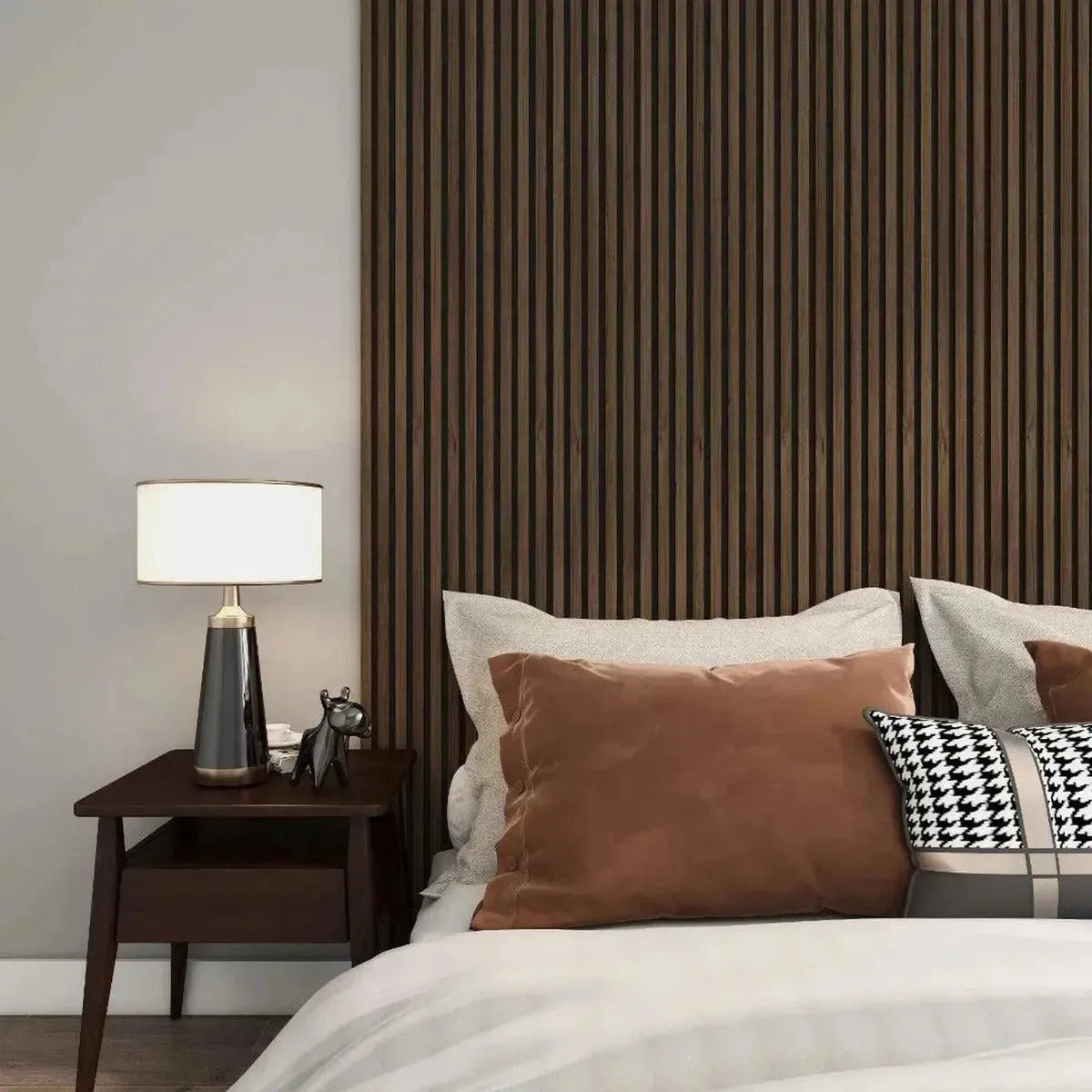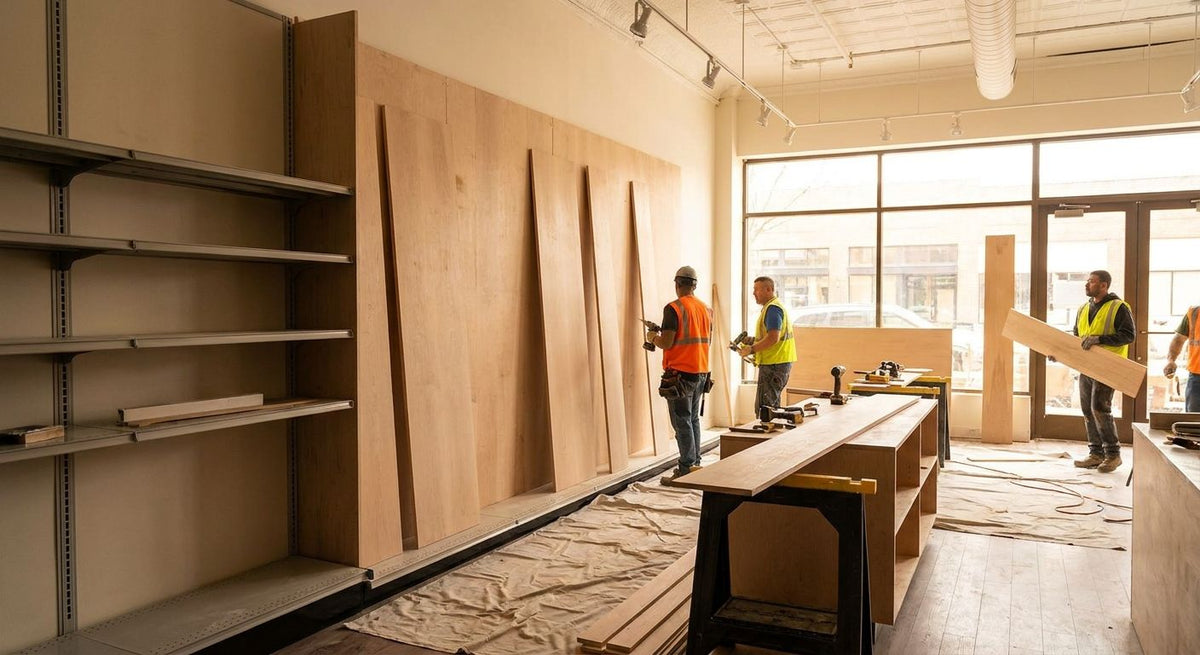
Rolling out wood wall panels to more than one retail location without a phased plan is how brands end up with mismatched veneer between store one and store six. Phase wood panel rollout retail locations decisions around a single pilot store, a locked spec sheet, and staged ordering waves — not a single bulk purchase order across every location at once.
- Phase wood panel rollout retail locations by piloting one store with a $10 sample box before ordering pallets for the rest.
- Akuwood Panel's hexagon acoustic panels carry a 0.75 NRC rating, which matters most on hard-floored, high-traffic retail sales floors.
- Lock one finish spec before wave two — veneer color varies by production run and mismatches are the top multi-store rollout complaint in 2026.
- Stagger installs in waves of 2-3 stores to control freight costs and keep install crews consistent from location to location.
- Full Sample Box orders run $10 and cover natural oak, smoked oak, and walnut — cheap insurance against a bad bulk order.
Why this matters
A single-store wood panel install is a design decision. A multi-location rollout is a supply chain decision wearing a design decision's clothes.
Retail chains that skip the phasing step usually hit one of two walls: the finish that looked great under store one's lighting reads differently under store four's LED strips, or the supplier can't hold pricing once volume triples between wave one and wave three. Both problems are avoidable if you sequence the rollout instead of blanket-ordering for every location in 2026.
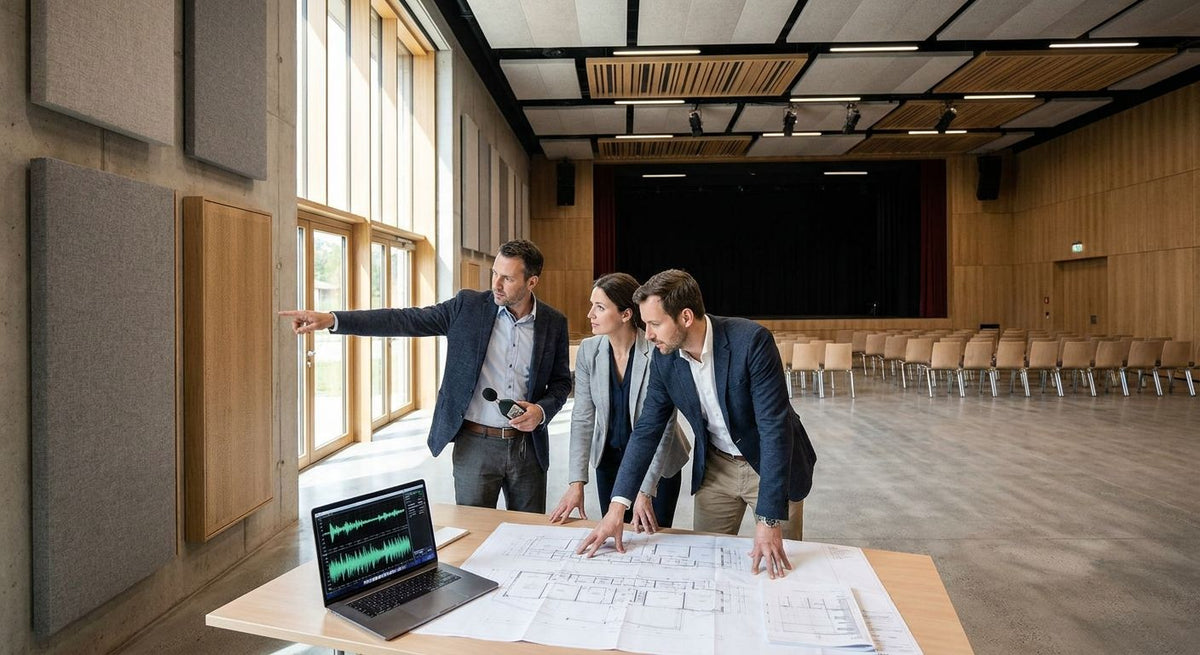
Acoustic performance matters here too. Retail floors with hard flooring, glass storefronts, and high ceilings bounce sound — a slat or hexagon panel with felt backing and a 0.75 NRC rating does real work cutting that noise, but only if coverage is planned per location rather than guessed.
What you'll need
- A pilot location with wall square footage measured and representative foot traffic
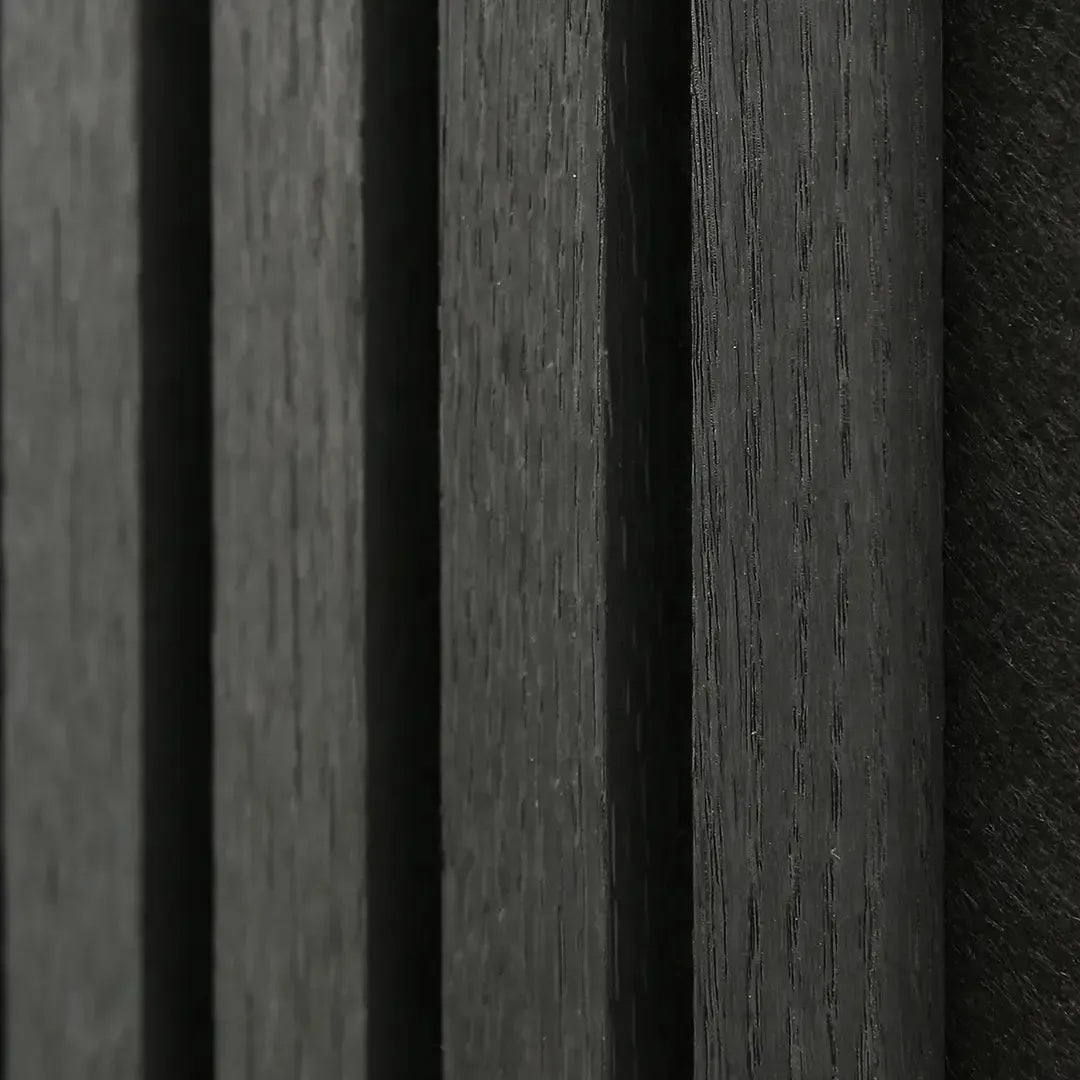
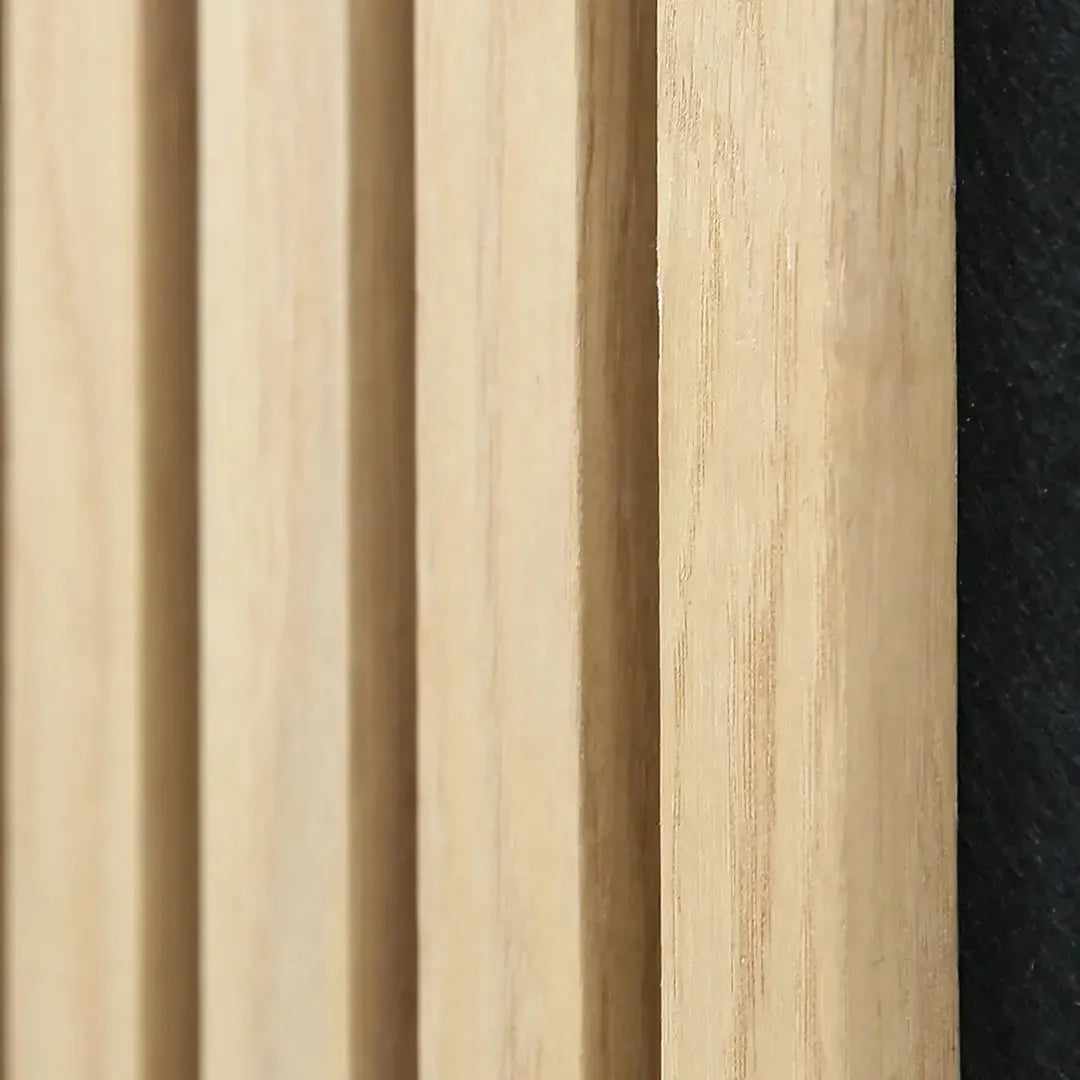
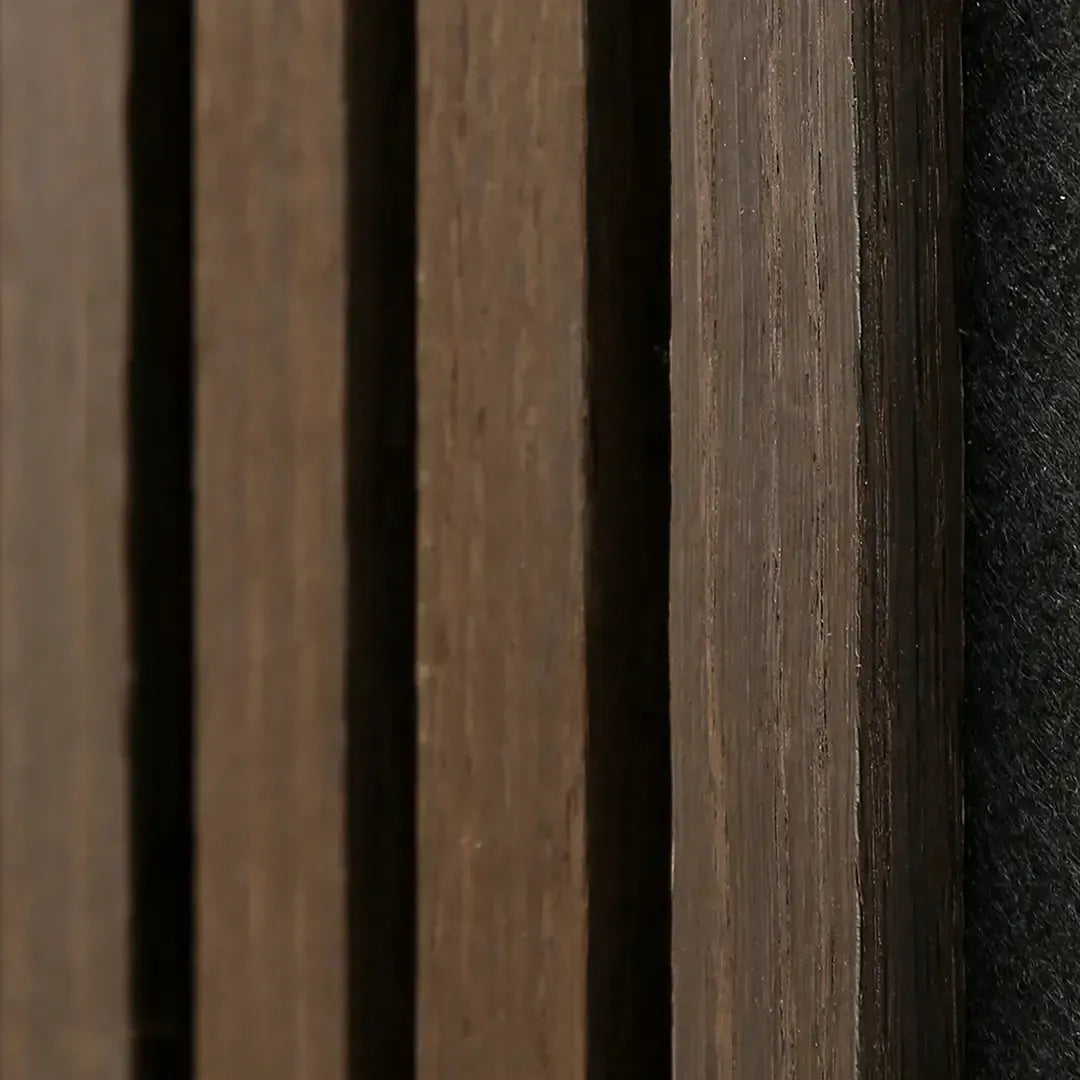
- A Full Sample Box covering your finish shortlist — natural, smoked oak, and walnut
- A written spec sheet: panel type, dimensions, veneer, mounting method, trim
- A budget split into waves (pilot, wave 1, wave 2, and so on) rather than one lump sum
- A supplier able to hold pricing and lead times across multiple purchase orders through 2026
- An install crew or a DIY-capable in-house team, since slat and hexagon panels are designed for click-style mounting
The steps
1. Pick one pilot store and lock a single finish
Order the $10 Full Sample Box and test it under the pilot store's actual lighting and traffic for two to four weeks before committing to anything larger. This is the step that catches the problem before it becomes expensive: a walnut veneer that reads warm under store lighting can look muddy under cooler LEDs. Skipping the pilot and ordering off product photos for ten locations at once is the single most common rollout mistake in 2026.
2. Measure wall square footage and calculate exact panel counts per location
Every store has different wall dimensions, so a per-location takeoff beats a flat estimate every time. A wall panel coverage calculation tells you exactly how many boxes each location needs, accounting for waste and cut pieces around outlets and doorframes. The common mistake here is eyeballing coverage and running short mid-install, which forces a rush reorder at retail pricing instead of your negotiated rate.
3. Vet your supplier for consistent lead times and bulk pricing across the whole rollout
Get a quote for your full projected volume — pilot plus every planned wave — before you place the first order, not after wave two. Bulk pricing terms locked at rollout start protect you from the price creep that happens when each store manager negotiates separately. Confirm the supplier can hold that rate through your full 2026 rollout window, not just the first purchase order.
4. Write one spec sheet and freeze it before wave two
Document the exact finish, panel dimensions, mounting method, and trim pieces, then treat that document as final. Franchise and multi-location wood panel programs fail most often when a regional manager swaps the finish mid-rollout because a store team prefers a different look. One frozen spec sheet is what keeps store three looking like store one.
5. Stagger installs in waves of 2-3 stores
Grouping stores by region lets you consolidate freight and reuse the same install crew across a wave instead of flying a new team to every single location. This also gives you a built-in checkpoint: if wave one reveals an installation issue, you fix it before wave two ships. Installing every location simultaneously removes that safety net entirely.
6. Score acoustic and visual feedback at each wave before ordering the next
Have store staff flag noise complaints and finish questions after each wave goes live, since a 0.75 NRC hexagon panel only performs if coverage was sized correctly for that specific floor plan. Skipping this feedback loop means repeating an under-coverage mistake across every remaining location instead of catching it once.
7. Lock a reorder cadence for maintenance and future store openings
Once the rollout is running, you'll still need trim, end pieces, and replacement panels for damage or new store openings later in 2026 and into 2027. Set a standing reorder schedule with your supplier now instead of scrambling when a panel gets damaged during a fixture reset.


Troubleshooting
- Finish looks different between wave 1 and wave 2: wood veneer varies slightly by production run — request panels cut from the same lot, or order your full rollout volume in one purchase order when the budget allows.
- Lead times stretch past your store opening date: place pilot and wave 1 orders 6-8 weeks ahead of the install date, not the week before the ribbon cutting.
- The sales floor still echoes after install: coverage under roughly 20-25% of wall area rarely moves the needle — add panels or switch to felt-backed hexagon units rated at 0.75 NRC.
- Installer quality varies store to store: enforce the frozen spec sheet and one mounting method across every crew instead of letting regional teams improvise.
- Budget overruns mid-rollout: lock bulk pricing at the start of the program instead of negotiating fresh terms with each new purchase order.
Tools and resources
- Full Sample Box for pilot-stage finish testing
- Wall panel coverage calculator guidance for per-location takeoffs
- Bulk pricing guidance for contractors before your first purchase order
- Written spec sheet template covering finish, dimensions, mounting, and trim
- End pieces and trim stock for finishing edges cleanly at every location
What to do next
Before you sign a purchase order for wave two, run the supplier through a real vetting process rather than taking a sales quote at face value — how to vet a wood panel supplier for a commercial contract covers what to ask before you commit multi-location volume.
FAQ
What's the best way to phase a wood panel rollout across retail locations?
Pilot one store with a sample box, freeze the finish and spec sheet, then order in waves of 2-3 stores rather than all locations at once. This catches finish mismatches and coverage errors before they multiply across a full 2026 rollout.
How many stores should be in one rollout wave?
Two to three stores per wave is manageable for most install crews and lets you consolidate freight by region. It also gives you a checkpoint to fix issues before ordering the next wave.
Is real wood veneer or peel-and-stick better for a multi-location rollout?
Real wood veneer slat and hexagon panels hold up better under heavy retail foot traffic and repeated cleaning than peel-and-stick options. Peel-and-stick suits lower-traffic areas like fitting rooms rather than main sales floors.
How much does a hexagon acoustic panel cost for retail walls?
Hexagon acoustic panels run $165.95 per box of 4 panels in most finishes as of 2026. Budget per-store cost by multiplying box count against your measured wall square footage.
How long does a phased wood panel rollout take across 10 stores?
Timelines depend on wave size and supplier lead times, but staggering 2-3 stores per wave with 6-8 week lead times typically spreads a 10-store rollout across several months in 2026. Rushing all locations at once usually backfires on freight and crew scheduling.
Do wood panels need felt backing for retail floor noise control?
Felt-backed panels rated at 0.75 NRC absorb more sound than solid veneer panels, which matters on hard-floored, high-ceiling retail spaces. Standard slat panels without felt backing add some sound diffusion but less absorption.
Can I mix finishes across locations in one rollout?
You can, but it breaks brand consistency and complicates reordering later. Most retail rollouts freeze one finish across all locations after the pilot store confirms it works.
How much does a sample box cost before ordering a full rollout?
A Full Sample Box costs $10 and covers natural, smoked oak, and walnut finishes. That's a small cost against the risk of a mismatched bulk order across multiple stores.
One last thing
The $10 sample box is the cheapest insurance in this entire process — it's the difference between catching a finish problem on one wall and discovering it after pallets have shipped to six stores. Akuwood Panel rollouts that skip this step are the ones that end up reordering mid-program in 2026, at a worse price than the original bulk quote would have offered.


 Better performance and aesthetic appeal
 In Stock