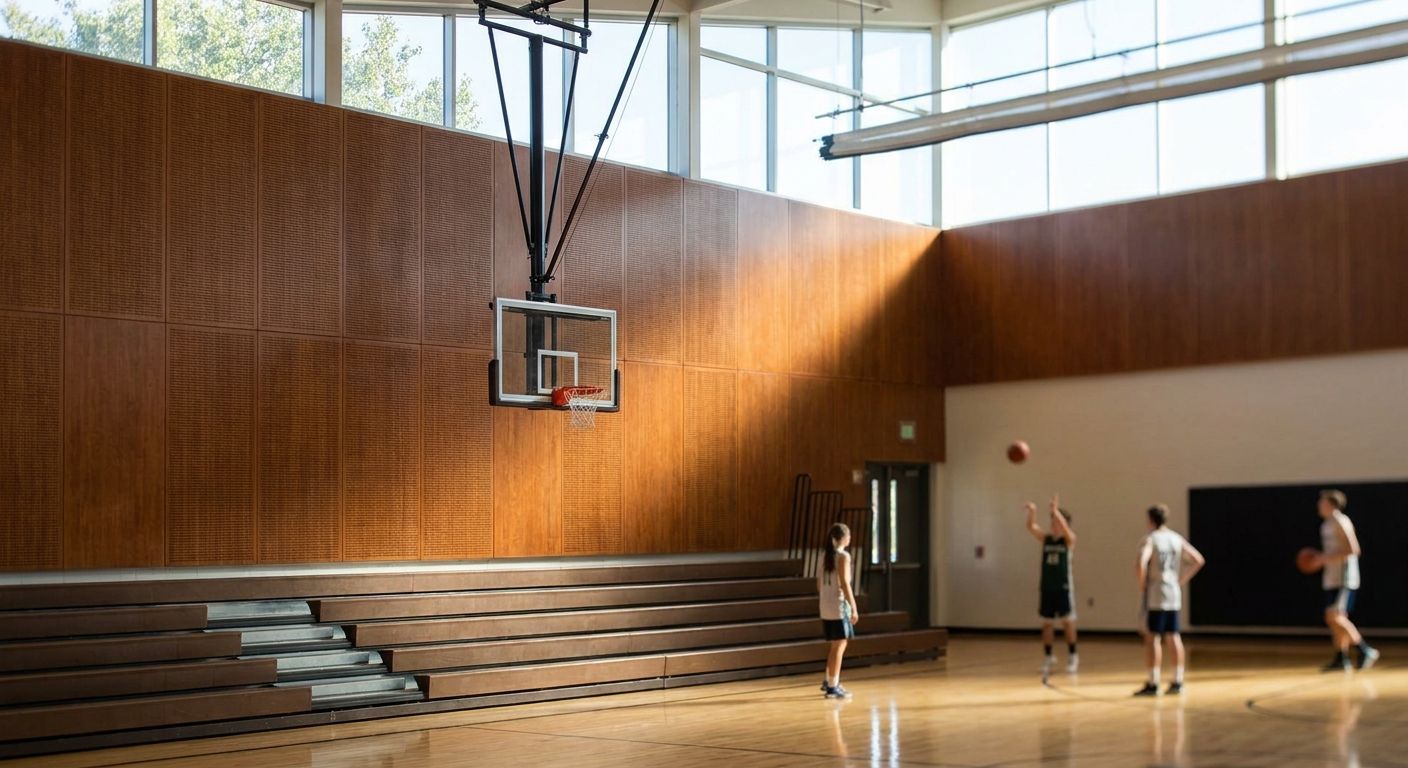
High school gymnasiums are echo chambers by design — hard floors, cinderblock walls, and open ceilings turn every whistle and bleacher stomp into reverb. This guide ranks the five wood wall panels that hold up best in that environment, based on sound absorption, impact resistance, and finish durability under gym lighting in 2026.
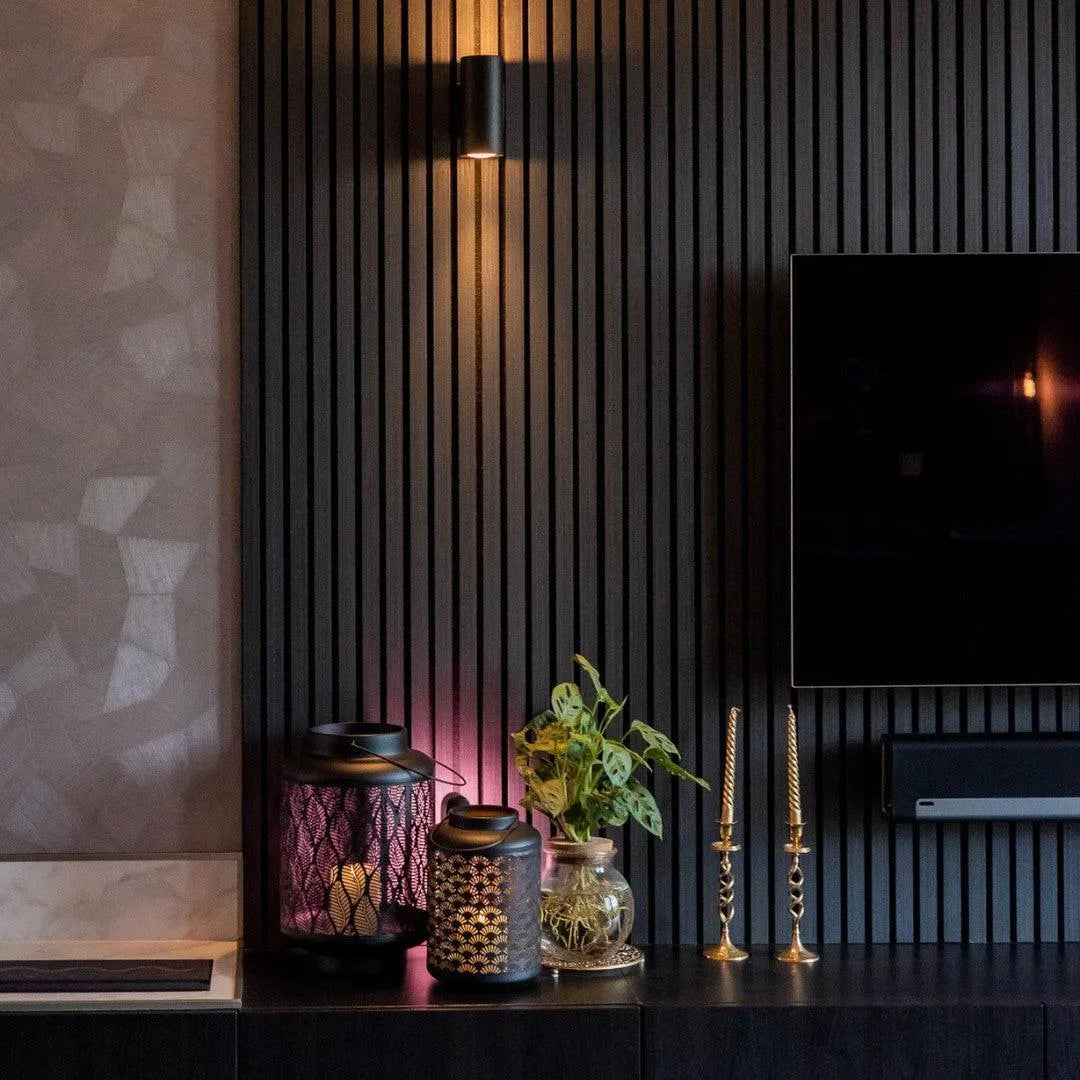
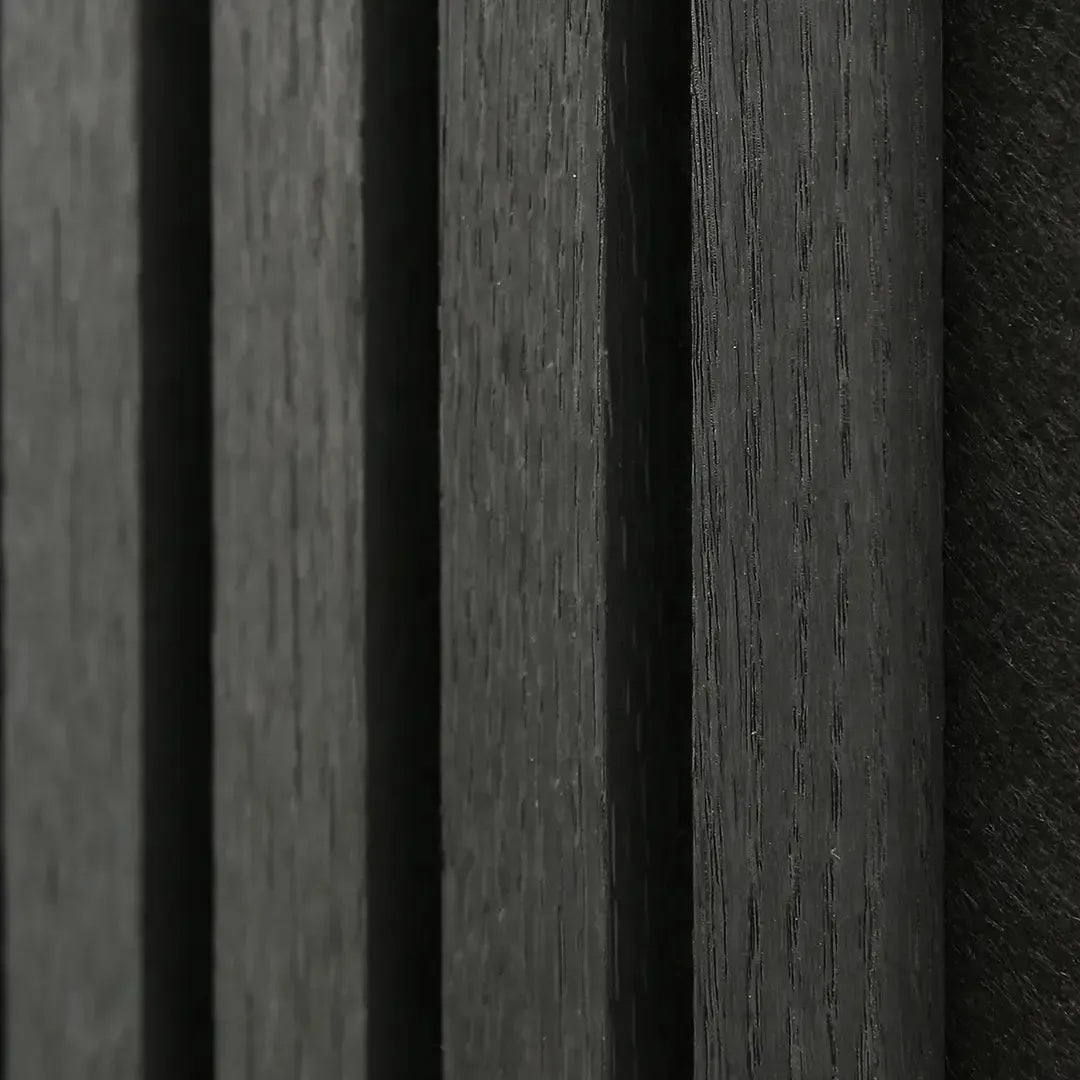
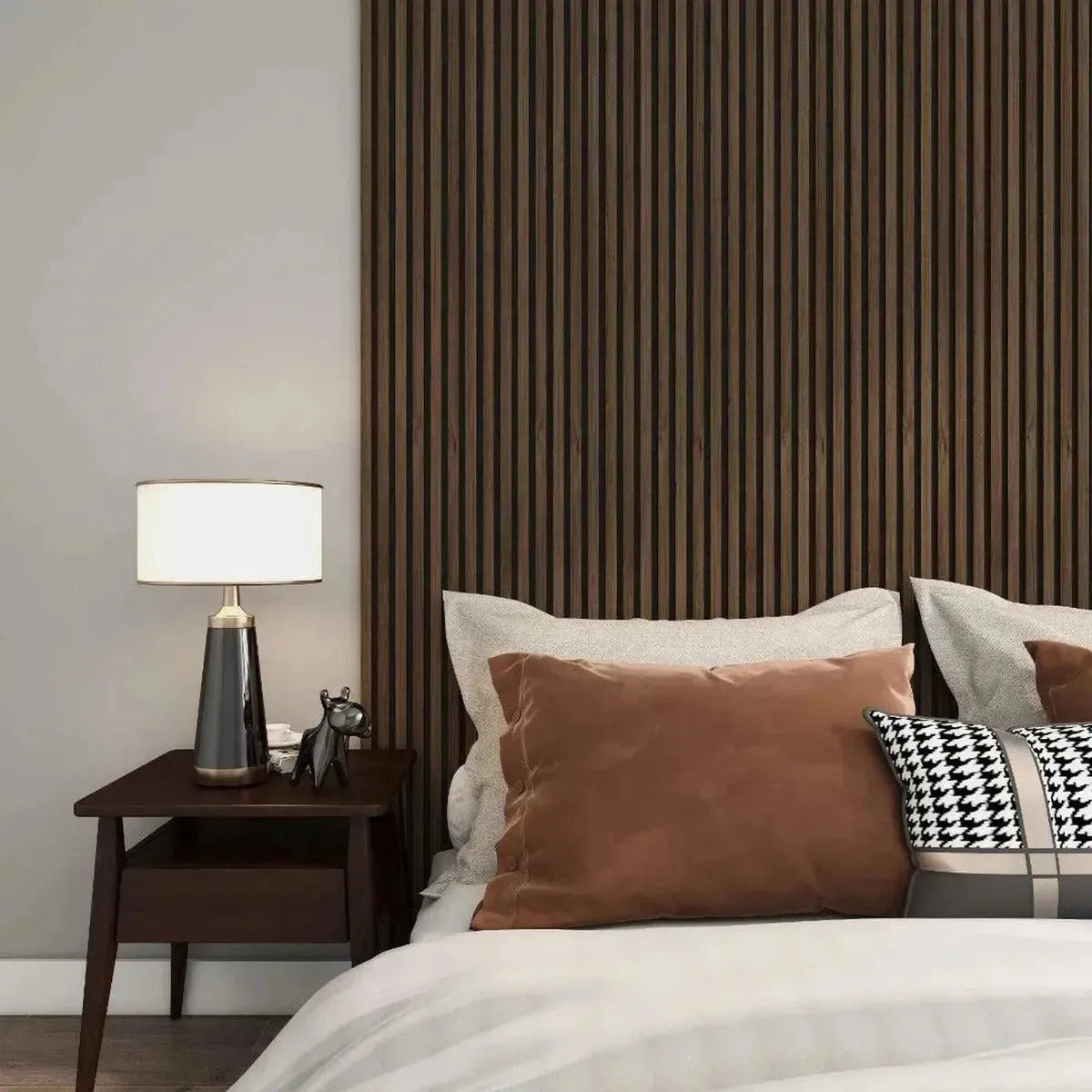
- Acoustic Slat Wall Panel in Black Oak is the best wood wall panel for gymnasium sidewalls in 2026 — dark finish, slat-gap absorption, ball-contact durability.
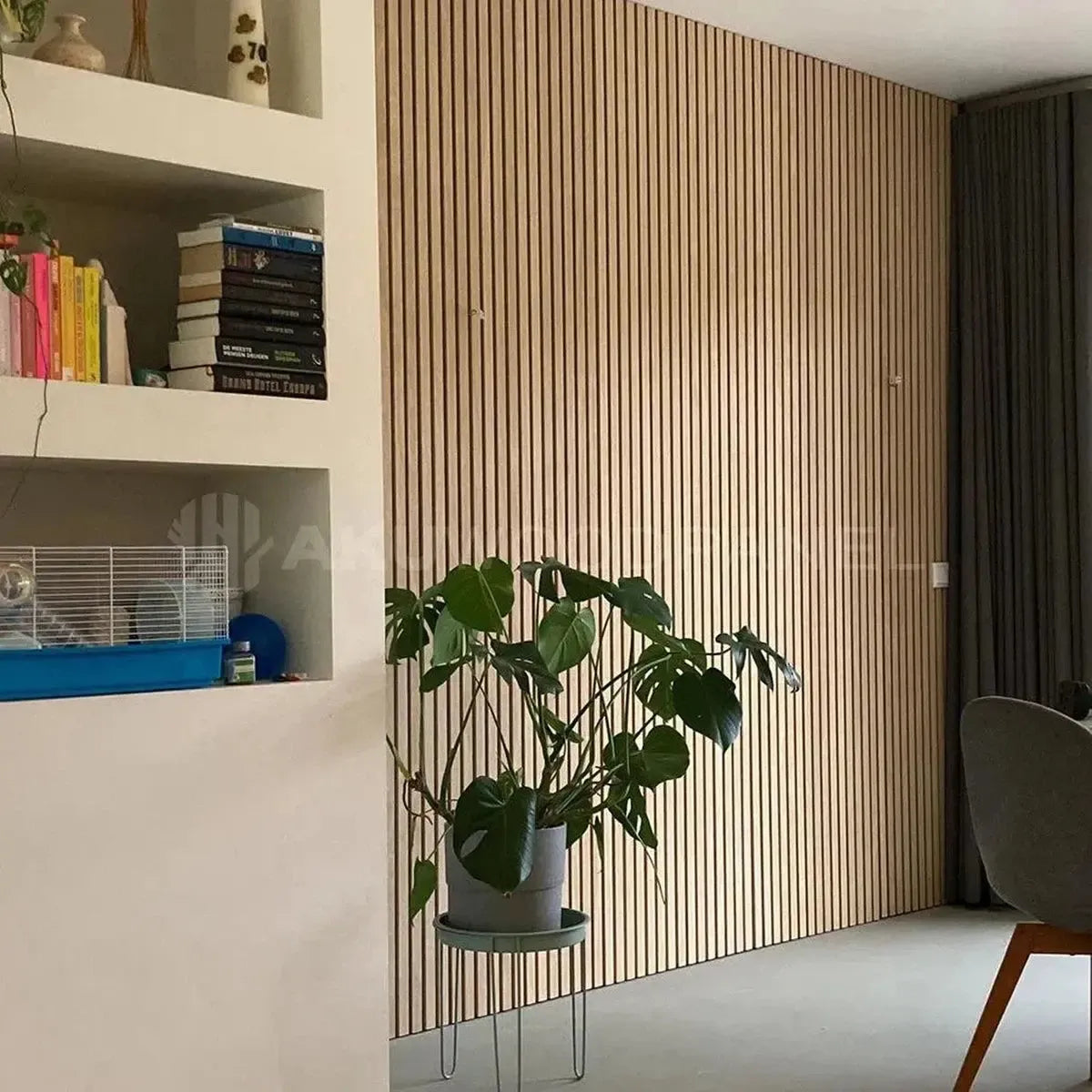
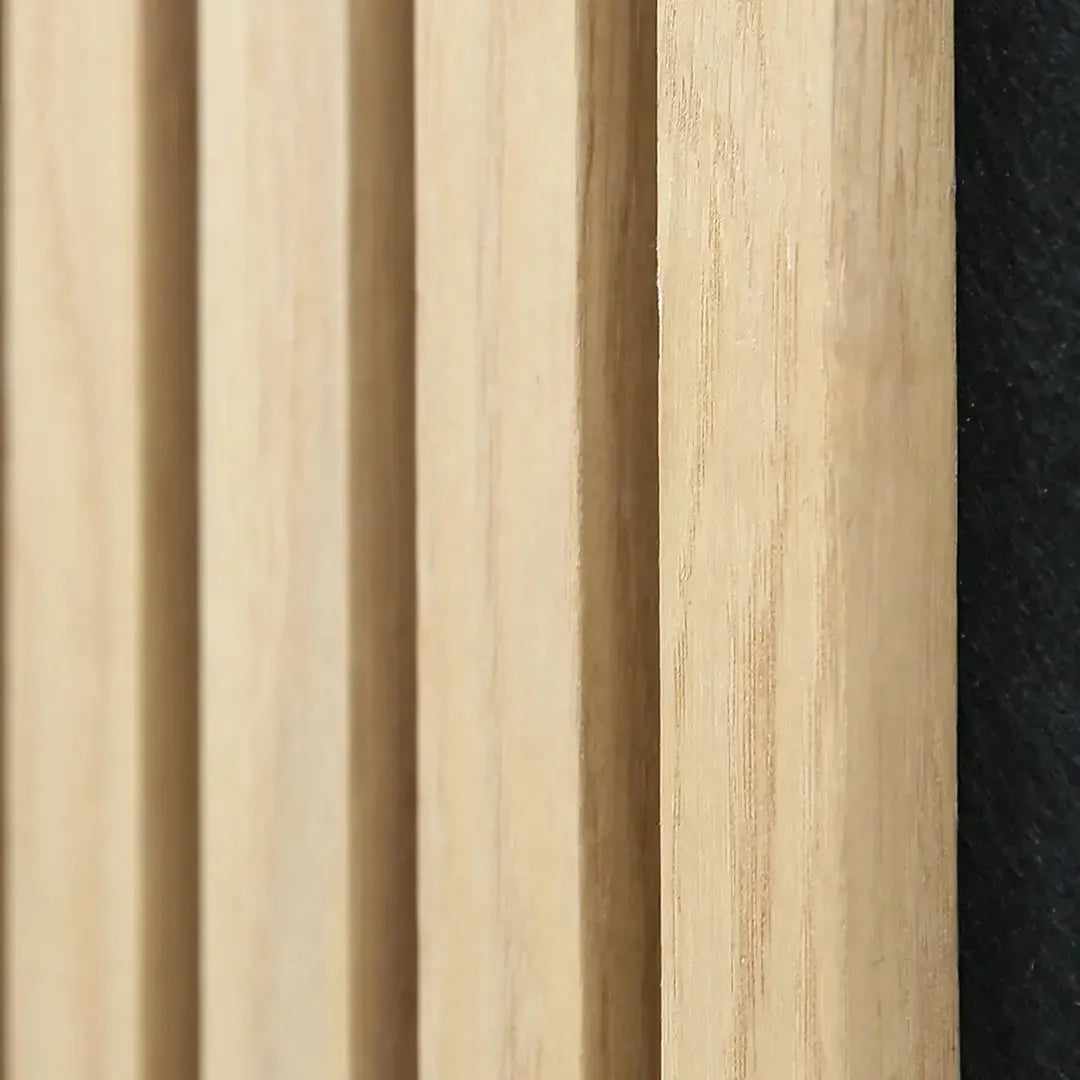
- Natural Oak with Gray Felt adds felt-backed sound absorption for bleacher-facing walls where crowd noise, not ball impact, is the problem.
- Hexagon Acoustic Panel in Walnut belongs in the gym lobby or trophy hall, not on the court itself.
- Fluted Wall Panel in Natural Oak suits corridors linking the gym to locker rooms, where acoustic demand drops but design still matters.
Why this matters
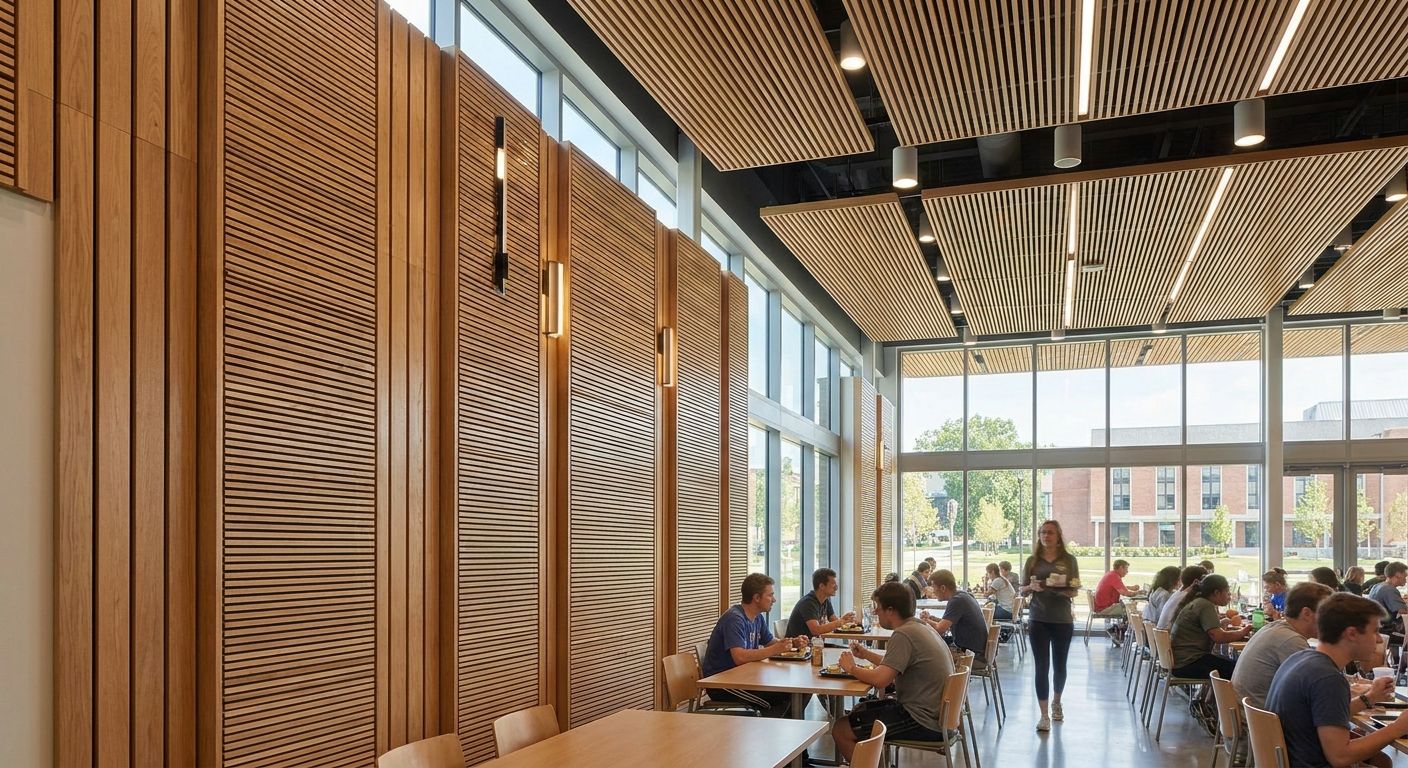
Swap a bare cinderblock section for an Acoustic Slat Wall Panel in Black Oak and you cut sound reflection right where a gymnasium needs it most — the sidelines and end walls where whistles, buzzers, and bleacher noise bounce hardest.
A gymnasium is one of the loudest rooms in any school building. Bare drywall and cinderblock reflect sound instead of absorbing it, which is why announcements blur and pep rallies turn into noise soup by the second quarter.
Wood wall panels solve a second gym problem: scuffed, dented walls from balls, mats, and rolling equipment. AKU Woodpanel builds its slat line with 3-sided wood veneer construction, which takes contact better than painted drywall and reads as a design choice instead of an afterthought. That combination — acoustic control plus impact tolerance — is what separates a gymnasium-grade wood wall panel from one built for a quiet home office.
What makes the best wood wall panels for gymnasium interiors
Before ranking anything, here's what actually matters when you're speccing panels for a gym instead of a living room:
- Sound absorption at the panel face — felt-backed or slotted designs absorb more than flat veneer alone.
- Impact resistance — the panel has to survive ball strikes, mat drags, and rolling bleacher wheels without denting or delaminating.
- Fire and code compliance — public school interiors carry stricter fire-rating requirements than a residential accent wall.
- Finish durability under gym lighting — dark finishes hide scuffs better than pale ones under fluorescent or LED sport lighting.
- Installation footprint — gyms are large rooms; panels that mount fast on long wall runs save labor hours a small accent wall never has to think about.
- Edge and corner finishing — raw panel edges in a high-traffic corridor need trim or end caps, not exposed MDF.
Best wood wall panels for gymnasium interiors, at a glance
| Panel | Best for | Standout feature | Key limitation |
|---|---|---|---|
| Acoustic Slat Wall Panel – Black Oak | Main court sidewalls | Dark finish hides scuffs under sport lighting | Dark tone shows dust and chalk more than light finishes |
| Acoustic Slat Wall Panel – Natural Oak with Gray Felt | Bleacher-facing walls | Felt backing adds extra sound absorption | Harder to spot-clean than bare veneer |
| Hexagon Acoustic Panel – Walnut | Lobby and trophy hall walls | Geometric layout reads as a feature wall | Not built for direct ball-contact zones |
| Fluted Wall Panel – Natural Oak | Corridors to locker rooms | Flexible MDF backing follows uneven walls | Grooved profile collects dust in busy halls |
| Acoustic Slat Wall Panel – Smoked Oak | Budget multipurpose gyms | Same veneer and slat structure as pricier finishes | Reads darker in gyms with weak overhead lighting |
1. Acoustic Slat Wall Panel – Black Oak: best for gymnasium court sidewalls
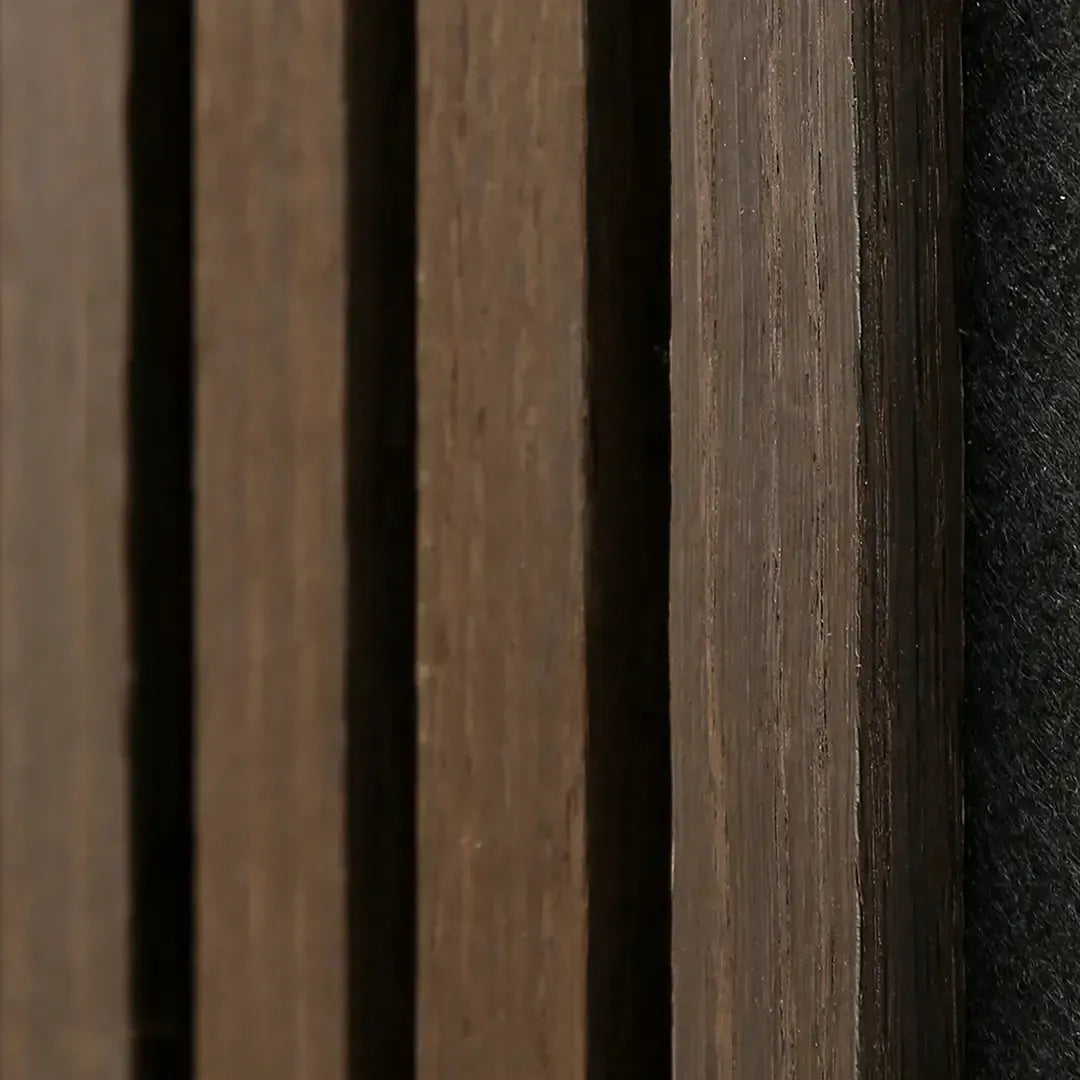
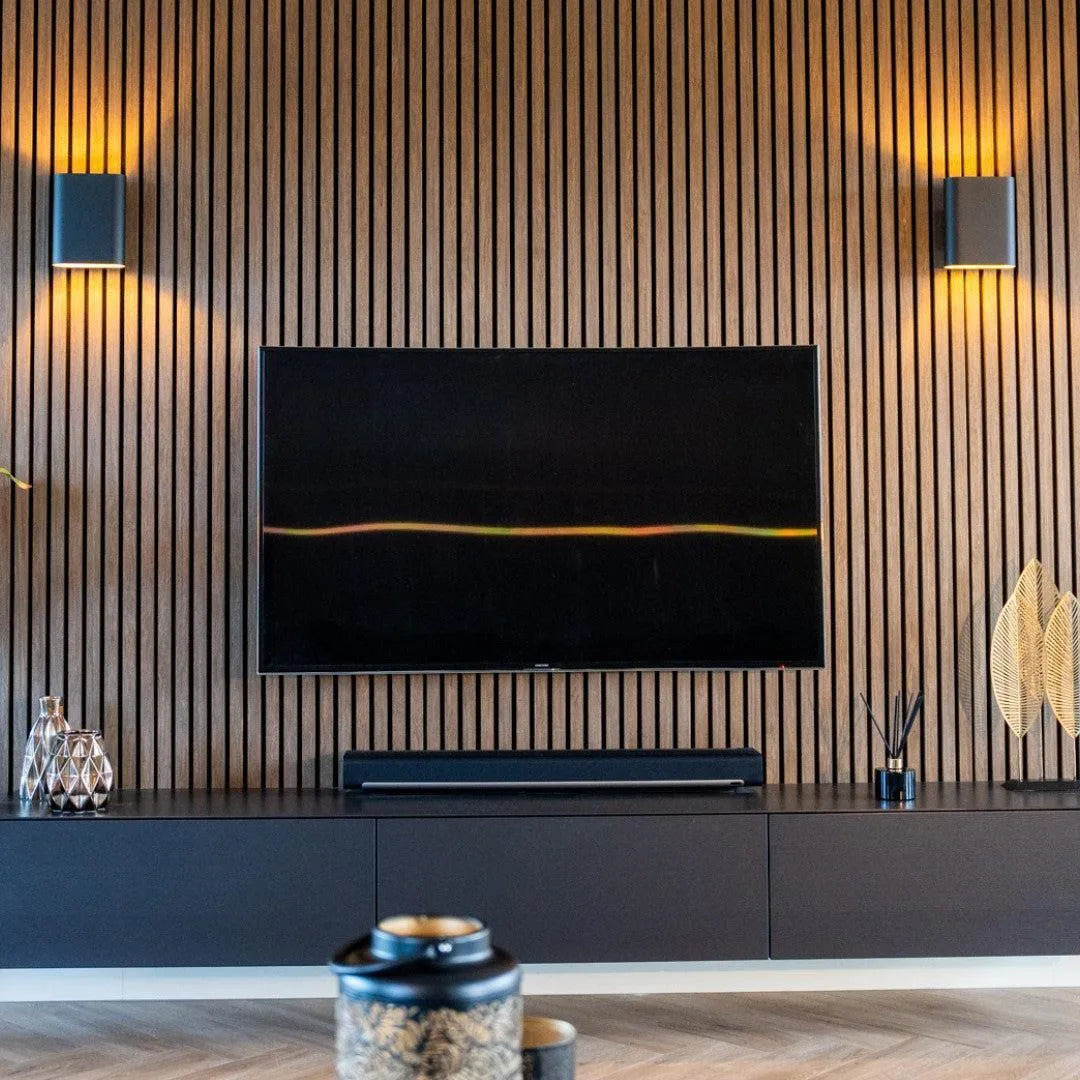
What it does: real wood veneer over a slat structure in a dark oak finish, built to absorb some sound at the panel face while covering the wall in a hard-wearing surface.
Acoustic Slat Wall Panel pros:
- Dark finish hides scuff marks and chalk dust better than pale finishes under gym lighting.
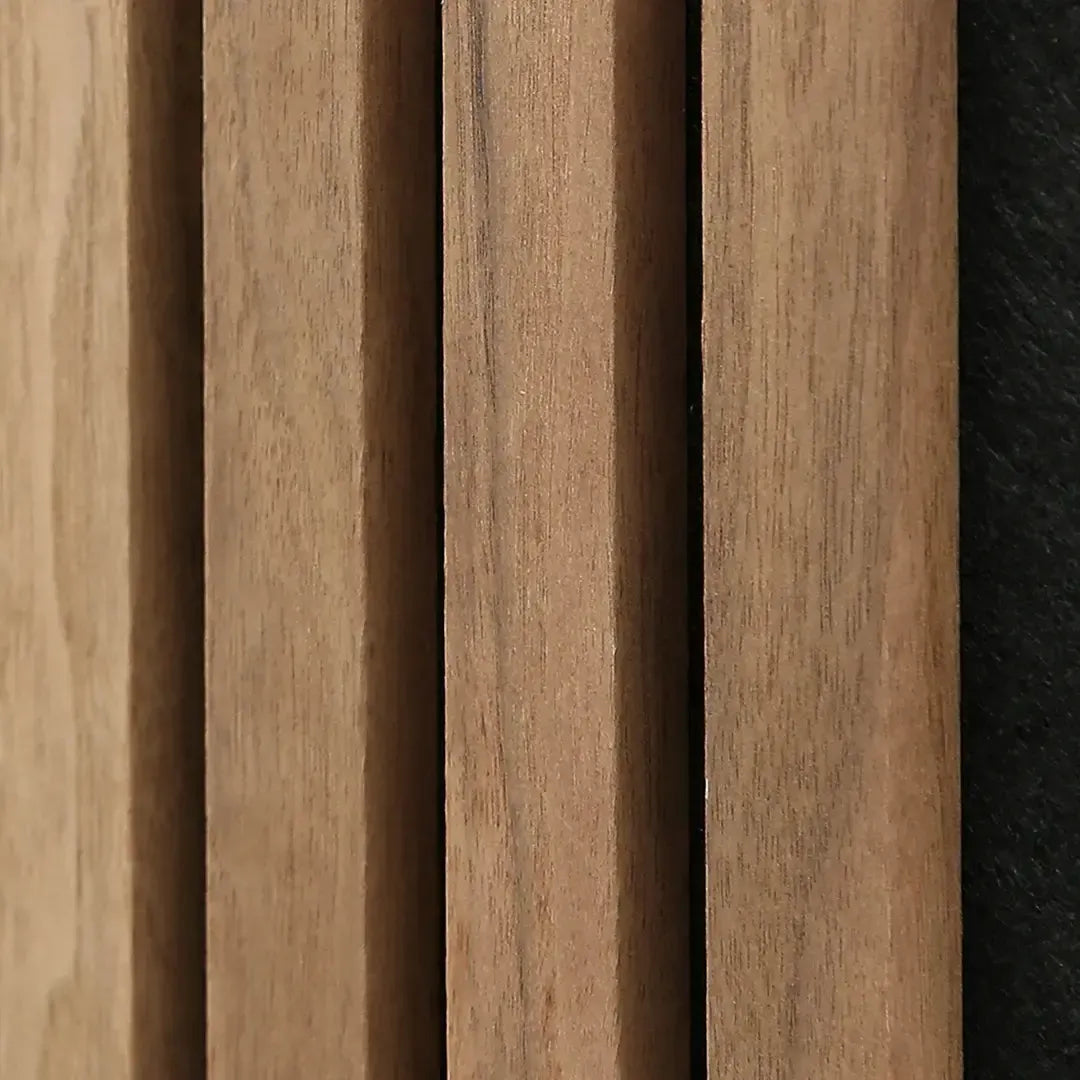
- 3-sided wood veneer construction holds up to ball contact and mat drags better than painted drywall.
- Slat gaps give real sound absorption without turning the wall into a padded acoustic box.
Acoustic Slat Wall Panel cons:
- Dark tone shows fine dust faster than it hides deep gouges — expect more visible surface dust between cleanings.
- Slats alone won't match a fully engineered acoustic ceiling system in a reverb-heavy multipurpose room.
Best for: main court sidewalls and end walls that take the most direct ball and equipment contact.
Verdict: Buy — spec this first for any gym wall inside direct play range.
2. Acoustic Slat Wall Panel – Natural Oak with Gray Felt: best for bleacher-facing walls
What it does: the same slat and veneer structure as the standard line, with a gray felt layer behind the slats that adds extra sound absorption.
Natural Oak with Gray Felt pros:
- Felt backing absorbs more sound than bare veneer slats — useful behind bleachers where crowd noise piles up fast.
- Natural oak tone keeps the wall from reading as heavy or dark in a room that's already visually busy.
- Same panel structure as the rest of the AKU Woodpanel acoustic line, so it mixes cleanly with other finishes on adjoining walls.
Natural Oak with Gray Felt cons:
- Felt backing isn't as wipeable as bare veneer if it takes a direct splash or spill.
- Lighter tone shows equipment scuffs sooner than a darker finish would.
Best for: bleacher-facing walls and any section where crowd noise, not ball impact, is the bigger problem.
Verdict: Buy — pick this specifically for the seating side of the gym, not the court side.
3. Hexagon Acoustic Panel – Walnut: best for gym lobby and trophy hall walls
What it does: hexagonal acoustic tiles in walnut veneer, built for feature-wall layouts rather than long continuous runs.
Hexagon Acoustic Panel pros:
- Geometric layout reads as an intentional design feature in entrance lobbies and trophy display halls.
- Walnut tone pairs well with school colors and trophy case metal without competing for attention.
- Acoustic backing still absorbs some sound in high-ceiling lobby areas.
Hexagon Acoustic Panel cons:
- Not rated for the direct ball-contact zones a court sidewall takes on.
- Hexagon tiling takes more layout planning than a straight slat run, which adds install time on large walls.
Best for: entrance lobbies, trophy halls, and gym-adjacent spaces that are more showcase than playing surface.
Verdict: Buy for lobby, skip for court — this is a display-wall panel, not a sideline panel.
4. Fluted Wall Panel – Natural Oak: best for corridors linking gym to locker rooms
What it does: a vertically grooved panel on a flexible MDF backing with real oak veneer, designed to bend slightly and follow uneven wall lines.
Fluted Wall Panel pros:
- Flexible backing follows slightly uneven concrete block walls common in older school corridors.
- Fluted texture adds visual interest to long, otherwise blank hallway runs.
- Lighter acoustic demand in corridors makes the lower-absorption fluted profile a fair trade for the design upgrade.
Fluted Wall Panel cons:
- Grooved surface collects dust in high-traffic halls faster than a flat slat panel.
- Acoustic performance is lighter than the felt-backed slat options, so it isn't the right pick for the gym itself.
Best for: corridors connecting the gym to locker rooms, concessions, or the main school hallway.
Verdict: Hold for corridors — a strong pick for the hallway, not a replacement for the court walls.
5. Acoustic Slat Wall Panel – Smoked Oak: best budget-friendly option for multipurpose gyms
What it does: the same slat structure and 3-sided veneer as the rest of the acoustic line, in a smoked oak tone that sits between the pale natural finishes and the darkest black oak option.
Smoked Oak pros:
- Same construction and acoustic behavior as the pricier finishes in the line, just a different veneer tone.
- Mid-tone finish hides moderate scuffing without going as dark as black oak.
- Works across multipurpose gyms used for assemblies, PE classes, and after-school events, not just competitive play.
Smoked Oak cons:
- In gyms with weak overhead lighting, the smoked tone can read darker and flatter than expected.
- No felt-backed version in this specific finish, so bleacher-facing acoustic performance is lower than the gray felt panel.
Best for: multipurpose school gyms that need one panel finish to cover several use cases at once.
Verdict: Buy — the practical middle-ground pick when one finish has to do several jobs.


How we ranked these panels
Every panel above got measured against the same six criteria: sound absorption, impact resistance, fire and code compliance, finish durability under gym lighting, installation footprint, and edge-finishing options. The two acoustic slat panels rank highest because they combine felt or slat-gap absorption with a veneer that tolerates ball contact — the two things a court wall actually needs. The hexagon and fluted panels rank lower for court use because AKU Woodpanel built them for feature walls and corridors, not direct-impact zones. For more on how slat panels perform in similarly large, echo-prone rooms, see the breakdown on acoustic slat panels for noise reduction in sports halls.
“A gym wall panel that can't take a ball strike is a gym wall panel you'll be reordering within a season.”
Which wood wall panel should you choose for your gymnasium?
If you're only treating one thing first, treat the court sidewalls. The Acoustic Slat Wall Panel in Black Oak is the best wood wall panel for gymnasium sidewalls in 2026 — dark enough to hide daily wear, tough enough for ball contact, and slotted enough to cut some of the echo. Pair it with the Natural Oak with Gray Felt panel on bleacher-facing walls for extra absorption where crowd noise runs heavier than ball noise. Save the Hexagon Walnut and Fluted Natural Oak panels for the lobby and connecting corridors, where the job is design, not durability. AKU Woodpanel's acoustic slat line covers the court; the fluted and hexagon lines cover everything around it.
FAQ
What's the best wood wall panel for a high school gymnasium?
The Acoustic Slat Wall Panel in Black Oak is the best wood wall panel for gymnasium interiors in 2026 for main court walls, because it combines slat-gap sound absorption with a dark, scuff-hiding finish. For bleacher-facing walls, the felt-backed Natural Oak with Gray Felt version adds more absorption.
Are acoustic wood panels durable enough for a gym environment?
Slat panels built with 3-sided wood veneer hold up to ball contact and mat drags better than painted drywall, though no wall panel replaces impact padding where it's required behind hoops or backstops. Treat panels as a finish upgrade for sidelines and corridors, not a padding substitute.
Is a felt-backed panel better than a plain slat panel for gyms?
A felt-backed panel like the Natural Oak with Gray Felt option absorbs more sound than a plain slat panel, which makes it the better pick for bleacher-facing walls where crowd noise is the main issue. Plain slat panels without felt are easier to spot-clean, which makes them the better pick for court sidewalls.
Can wood wall panels meet school fire code requirements?
Fire code requirements vary by state and by how the panel is specified in a building's interior finish plan, so confirm certification directly with the supplier before a school project moves past the design phase. Don't assume a residential-grade panel automatically clears a public school's fire rating.
How much sound do wood acoustic panels actually absorb in a gym?
Wood acoustic panels reduce some reflected sound at the wall surface, but they won't turn a gymnasium into a quiet room on their own — hard floors and open ceilings still dominate the acoustics. Panels work best as one part of a broader acoustic plan that may include ceiling treatment too.
Do wood wall panels work in gym corridors and locker rooms too?
Yes — fluted panels like the Natural Oak fluted option are built for corridors and transition spaces where acoustic demand is lower but the design upgrade still matters. They're not the panel to use on the court itself.
Is a hexagon panel appropriate for a gymnasium wall?
A hexagon acoustic panel like the Walnut option works well on lobby and trophy hall walls next to a gymnasium, but it isn't built for the direct ball-contact zones on the court itself. Reserve it for entrance and display areas.
What finish hides scuffs best in a gym?
Darker finishes like Black Oak or Smoked Oak hide daily scuff marks and chalk dust better than pale natural tones under typical gym lighting. Pale finishes show wear sooner but read brighter in low-ceiling spaces.
One last thing
Most gym panel installs get held up by trim, not panels. Order finishing end pieces for exposed slat edges before the main panel order ships — corridor installs stall more often on missing edge trim than on missing field panels, and that's a fix worth planning for before 2026 renovation season, not during it.

 Better performance and aesthetic appeal
 In Stock