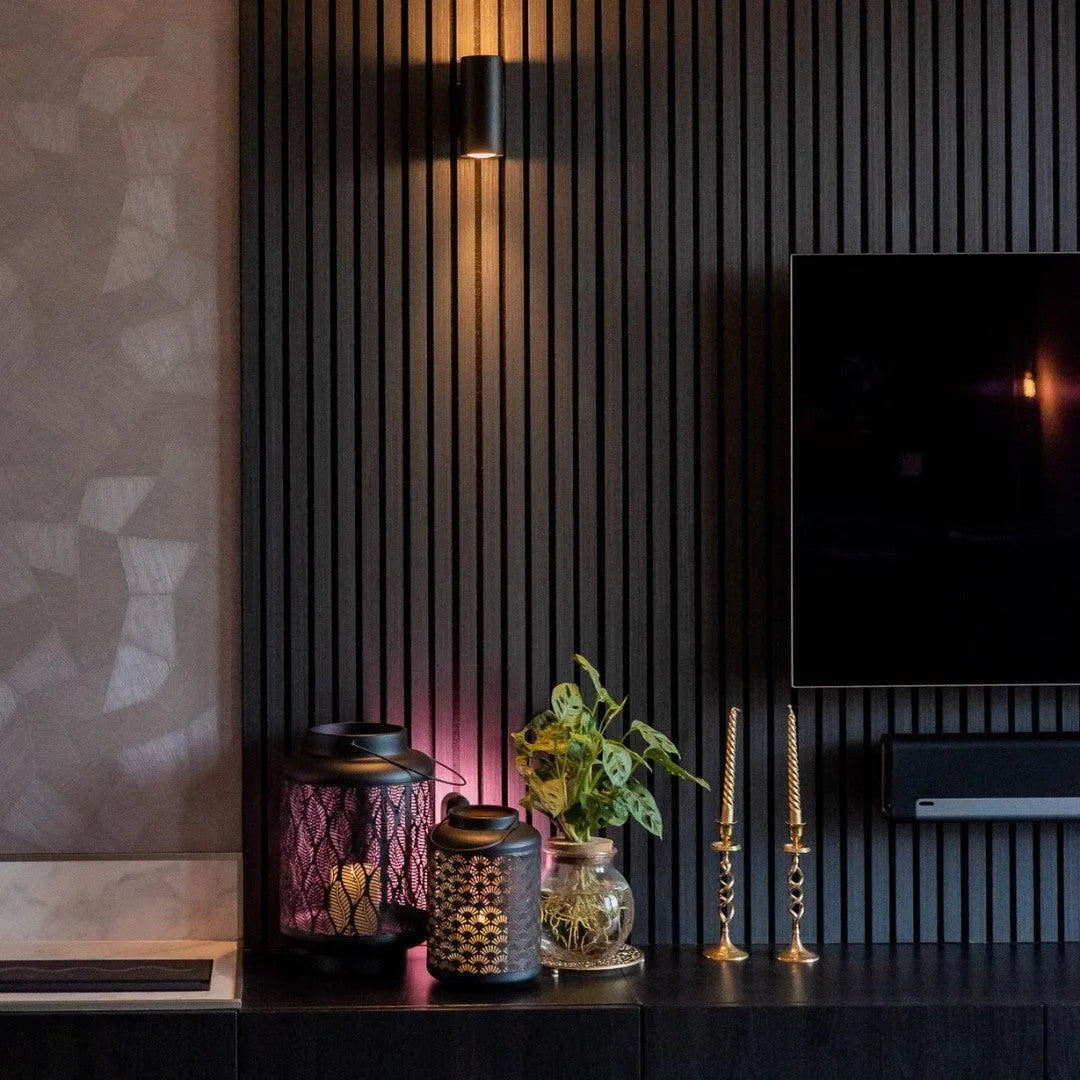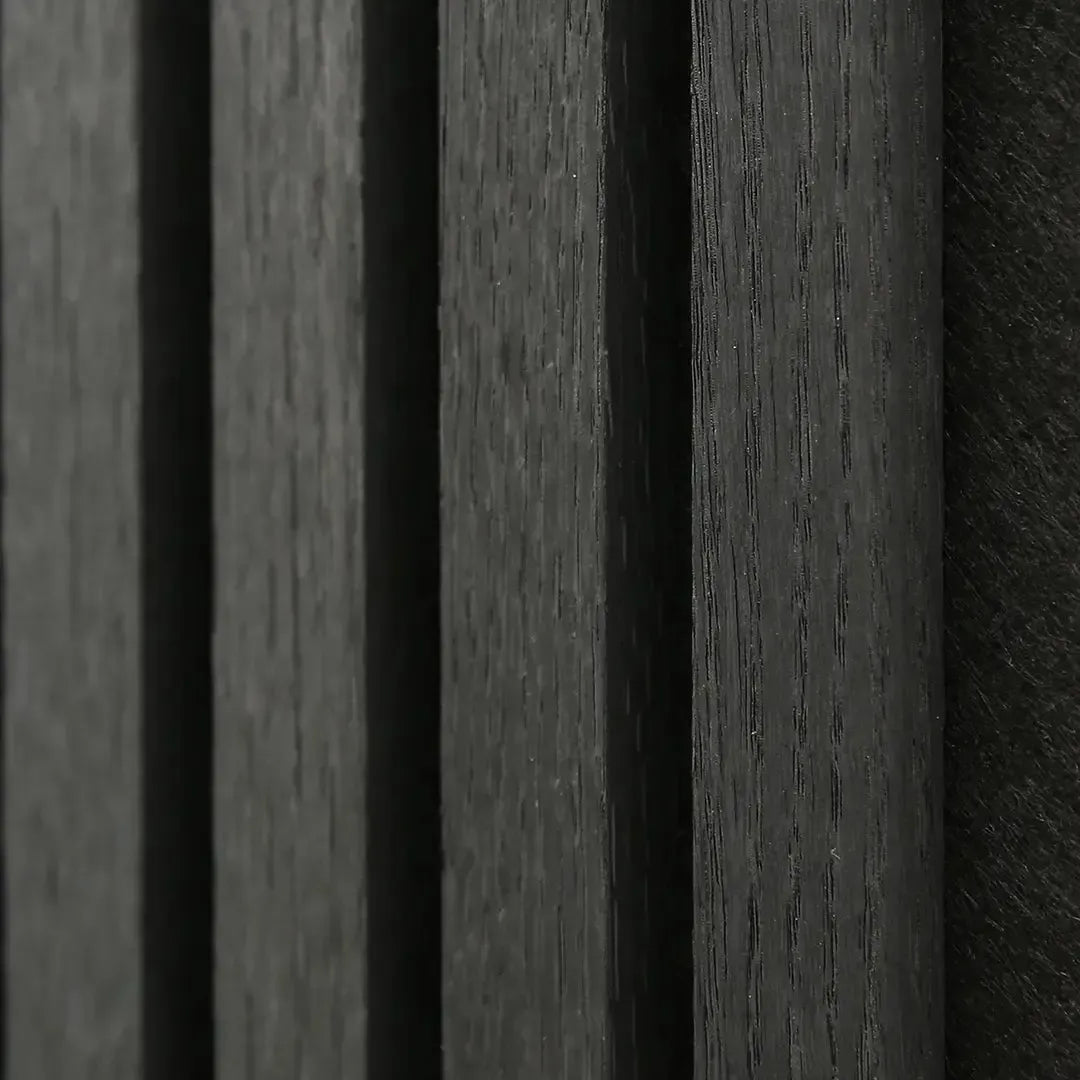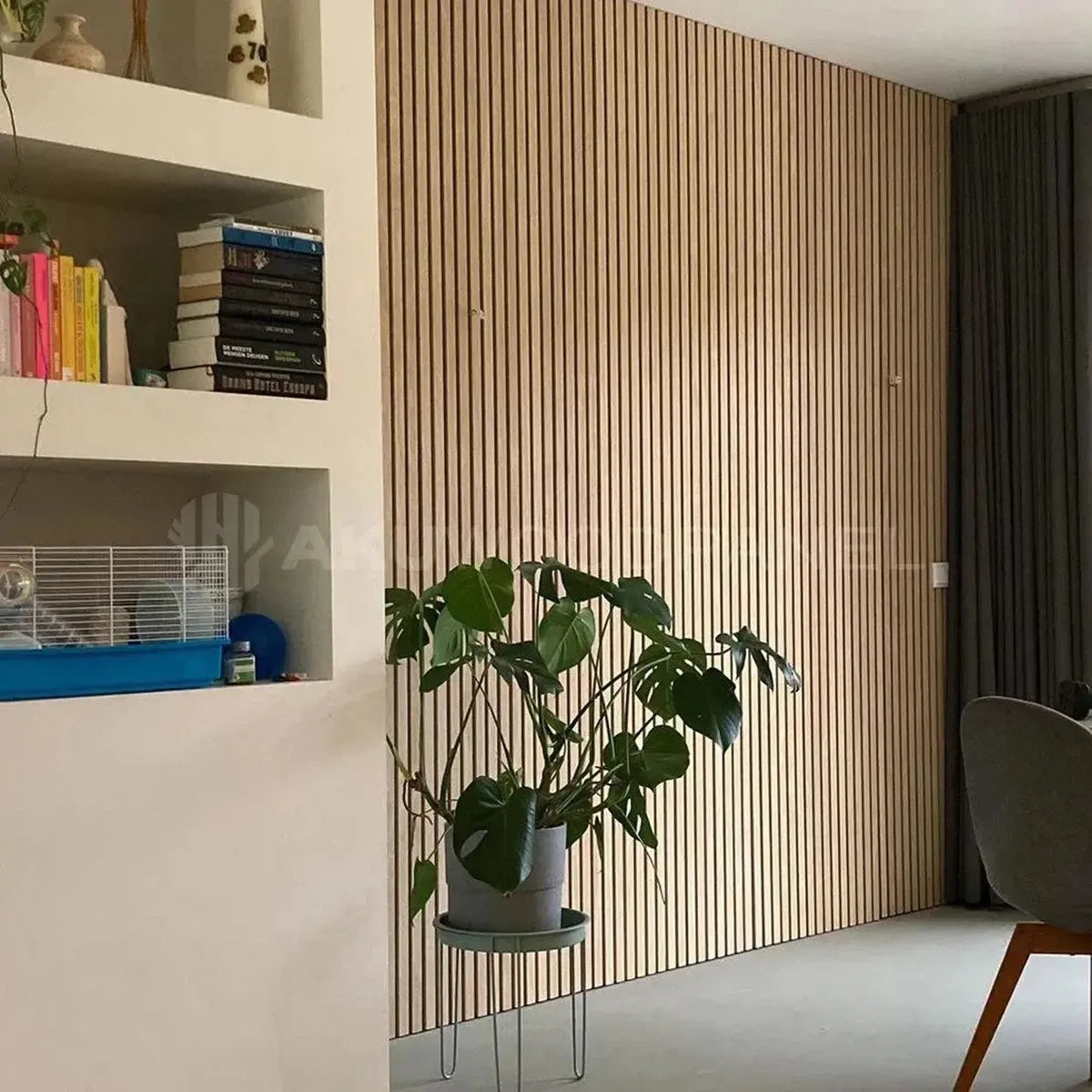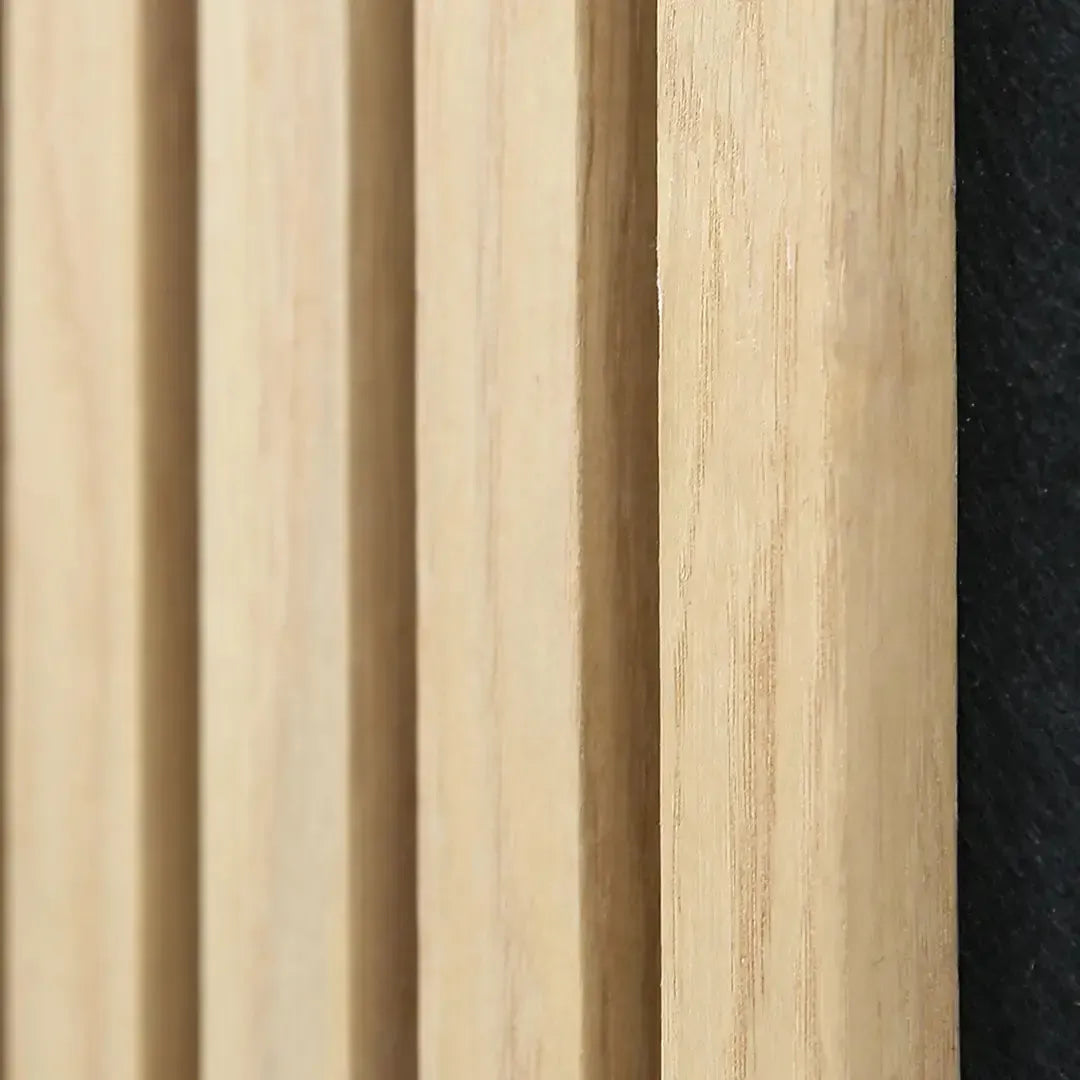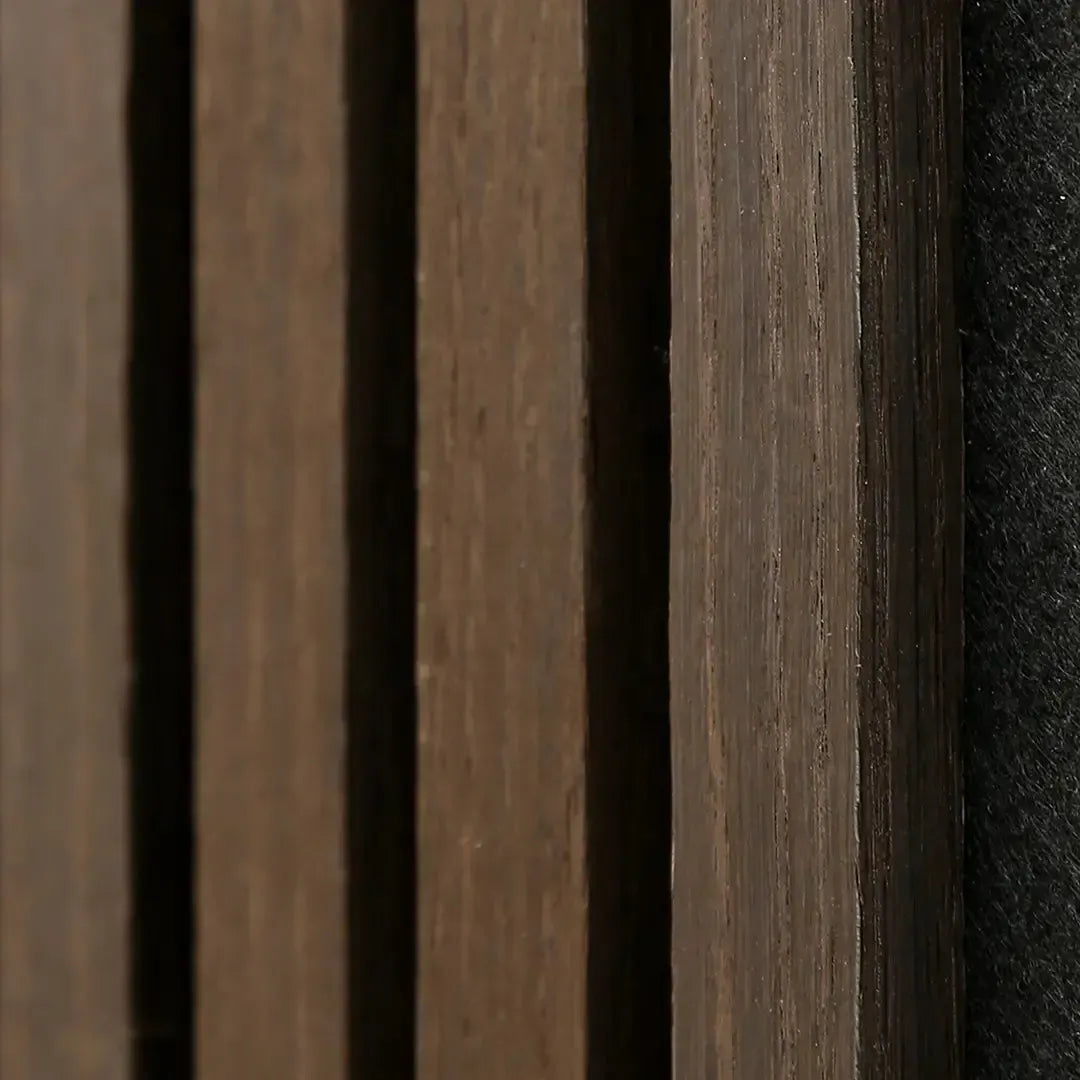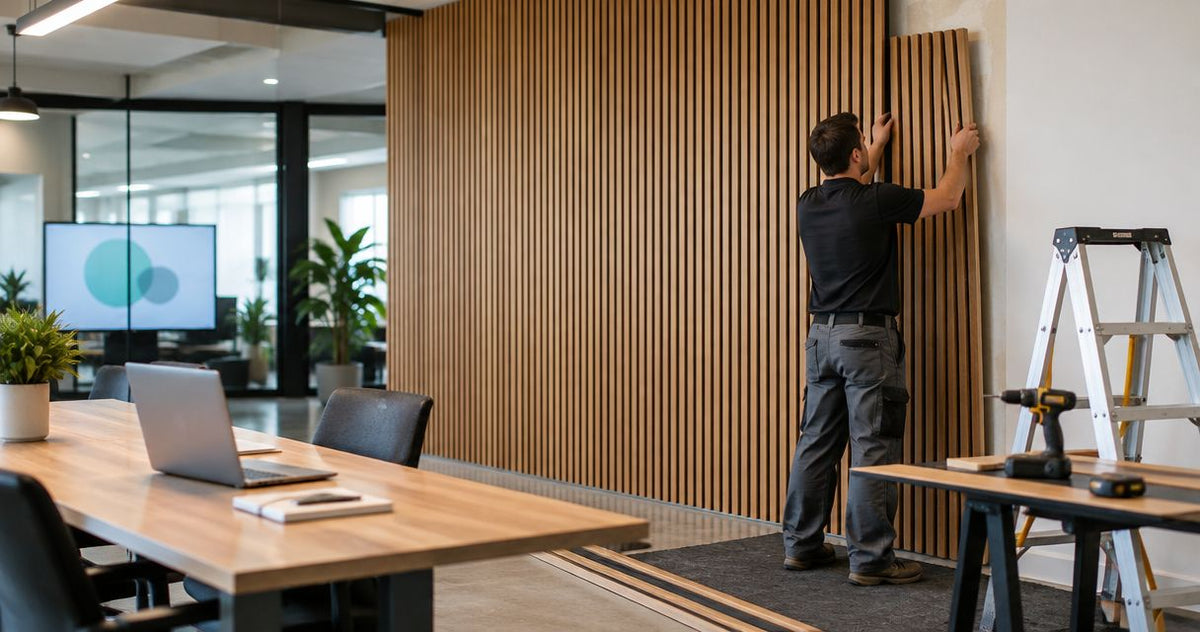
The cost to install acoustic wood panels in a commercial space in 2026 is the combined expense of panels, wall preparation, mounting materials, labor, finishing, and project-specific requirements. A panel-only quote is not an installed-project budget: confirm delivery, taxes, access equipment, electrical coordination, and cleanup before approving the work.
- Budget the cost to install acoustic wood panels in a commercial space around the complete installed scope, not panels alone.
- Akustiq USA supplies acoustic wood panels; define installation responsibilities separately in your commercial fit-out brief.
- Compare contractor quotes against identical coverage, mounting details, working hours, and finished-edge requirements.
- Specify echo control separately from sound isolation; decorative wall treatment does not establish room-to-room soundproofing.
Why this matters
An attractive material quote leaves important decisions unresolved. Who repairs the wall, finishes the perimeter, moves electrical devices, and protects the business while installers work?
For your 2026 fit-out, start with a written specification rather than a finish selection alone. The guide to specifying acoustic wall panels for a construction project helps frame that brief. Your estimate should describe a finished installation, not simply a shipment of panels.
How much does commercial acoustic wood panel installation cost in 2026?
Your project total comes from a measured scope and current supplier and contractor quotes. Build the estimate using the breakdown below, with each responsibility assigned before you compare proposals.
| Budget component | What the quote should identify | What to clarify |
|---|---|---|
| Acoustic wood panels | Exact panel, finish, quantity, and coverage | Whether the quantity follows a cutting layout |
| Wall preparation | Repairs, leveling, and preparation for the specified mounting method | Who accepts the wall as ready |
| Mounting assembly | Approved fixings, adhesive, backing, or supporting framework | Whether the quoted assembly matches performance documentation |
| Installation labor | Setting out, cutting, fitting, and fastening | Whether corners and service cutouts are included |
| Finished edges | Exposed ends, perimeter details, and transitions | What the completed wall will look like |
| Site logistics | Receiving, storage, protection, access, and disposal | Who handles each task |
| Project requirements | Design coordination, approvals, and any required testing | Whether these sit inside or outside the contractor's scope |
| Commercial charges | Delivery, taxes, and other stated charges | Which charges remain separate |
Compare complete scopes before comparing totals. An estimate that excludes preparation and finishing is not equivalent to one that includes them, even when both describe the same wall area.
Keep the original scope attached to the accepted proposal. It becomes your reference when someone asks whether an outlet cutout, corner return, or perimeter finish was included.
What should a supply-only quote include?
Best for: projects with an appointed installation contractor. A supply-only quote identifies the materials you are buying, while the installer remains responsible for the installation scope you agree separately.
Ask for the exact panel identification, finish, quantity, and stated coverage. Include any specified accessories, and confirm how receiving and delivery responsibilities fit into the construction schedule.
The advantage is clear separation between material purchasing and site work. The limitation is coordination: you must make sure the contractor's mounting plan, quantities, and finishing details match the order.
Do not assume a supplier's material total includes installation, wall repairs, or electrical work. Assign those responsibilities explicitly in your project brief.
What should an install-only quote include?
Best for: projects where the panels have already been specified or purchased. An install-only proposal should name the panel system and state the wall conditions on which the contractor's estimate depends.
Require a description of setting out, cutting, fixing, and finishing. Ask whether receiving materials, moving them to the work area, protecting adjacent finishes, and removing packaging are included.
The benefit is a defined site-work package. The drawback is that material shortages, unsuitable substrates, or mismatched accessories remain coordination issues unless the proposal assigns responsibility for them.
Have the installer review the actual specification before accepting the estimate. A general agreement to install wood panels leaves too much room for disagreement about the finished result.
What should a supply-and-install quote include?
Best for: buyers who want one party responsible for the stated material and installation package. A combined proposal should connect the selected panels to the mounting assembly, preparation, perimeter treatment, and handover requirements.
A single package simplifies responsibility only when the scope is explicit. Electrical alterations, design services, access equipment, and building approvals still need named owners.
Use this comparison when deciding how to procure the work:
| Procurement route | Best for | Main benefit | Main limitation |
|---|---|---|---|
| Supply only | Buyers with an appointed installer | Separate material purchasing | Buyer coordinates materials and site work |
| Install only | Buyers with a confirmed panel specification | Defined installation responsibility | Material and accessory coordination remains separate |
| Supply and install | Buyers seeking a combined package | Connected material and installation scope | Exclusions still need careful review |
None of these routes automatically establishes acoustic performance or commercial compliance. Check the specified product and installed assembly rather than relying on the procurement label.
Why commercial acoustic panel installation costs vary
The same panel selection does not create the same installation scope in every building. For a 2026 estimate, document these factors before asking contractors to quote:
- Treated area and layout: Record the wall surfaces, panel direction, joints, openings, and returns. A floor plan alone does not define panel coverage.
- Substrate condition: Identify the existing wall construction and required repairs. Confirm the surface and supporting structure suit the proposed fixings.
- Mounting assembly: State whether the design uses direct mounting or a separate supporting assembly. Request acoustic documentation for the specified configuration.
- Detailing and services: Mark outlets, switches, controls, corners, and exposed edges. Assign any service alterations to the appropriate trade.
- Site access and working conditions: Describe occupied areas, permitted working hours, delivery access, protection, and any equipment needed to reach the work.
- Performance and approval requirements: Define the acoustic objective and request the fire-performance documentation required for the project. Resolve acceptance with the project team before ordering.
These are scope differences, not reasons to accept unexplained allowances. Ask contractors to identify which conditions they have included and which require confirmation.
How do you build a comparable installation estimate?
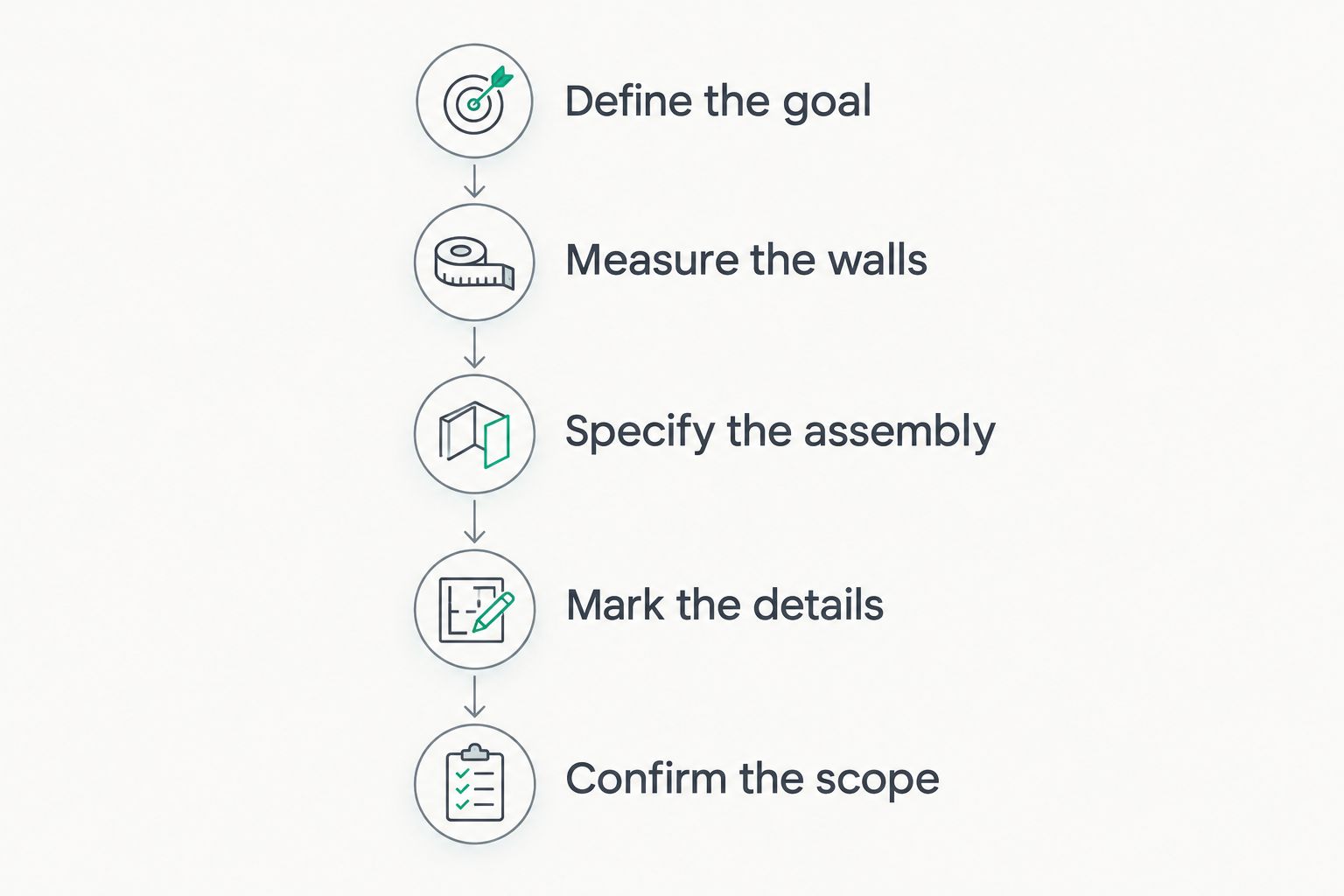
Follow this sequence before requesting final proposals. It connects the room's purpose to a measurable installation rather than starting with an arbitrary panel quantity.
- Define the goal. State whether you need reduced reverberation, a decorative feature, speech clarity, or a broader sound-isolation solution.
- Measure the walls. Record the surfaces to be treated, openings, corners, and service positions. Separate room floor area from treated wall area.
- Specify the assembly. Identify the panel, mounting method, substrate, and required supporting materials. Request documentation that matches the proposed installation.
- Mark the details. Show joints, panel direction, edge finishes, and interfaces with other trades. Attach a cutting layout where needed.
- Confirm the scope. Issue the same brief to each contractor and request written inclusions, exclusions, and responsibilities.
Keep measurements consistent across the drawing, material schedule, and contractor proposal. A change to panel direction or joint placement should trigger a quantity review before you release the order.
For your 2026 comparison, record when each proposal was issued and which drawing revision it covers. Compare proposals based on the same design, not merely proposals received during the same week.
How do you avoid paying for the wrong acoustic result?
Sound absorption and sound isolation solve different problems. Absorptive treatment addresses reflected sound within a room; sound isolation concerns sound traveling between spaces.
If your meeting room echoes, acoustic treatment addresses a relevant part of the problem. If conversations pass through a partition or door, assess the complete separating construction rather than treating decorative panels as a soundproofing system.
Ask for test documentation covering the proposed panel assembly and mounting arrangement. Do not transfer a performance claim from a different backing, cavity, or installation method without technical confirmation.
In occupied spaces, location also matters. Agree on treatment placement with the designer or acoustic specialist, then coordinate it with furniture, displays, and services.
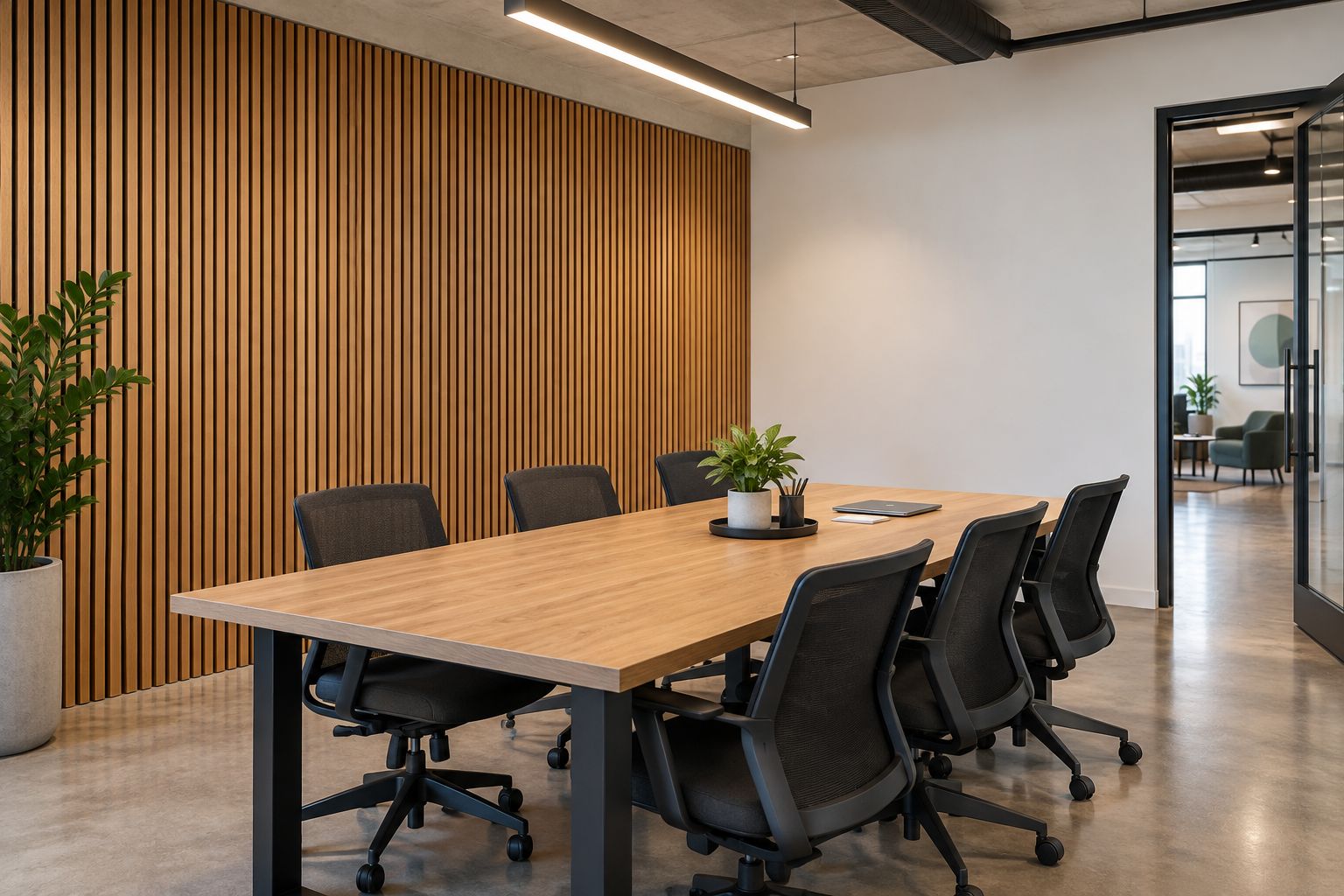
Treat visual approval and acoustic approval as separate decisions. A finish sample helps you judge appearance; relevant technical documentation supports the performance specification.
Where does the panel supplier fit into your budget?
Akustiq USA is a supplier for construction and interior buyers specifying acoustic wood panels. Use Akustiq USA when selecting the panel component, then connect that selection to your contractor's complete installation proposal.
The useful distinction is between product supply and the finished room. Acoustic wood panels from Akustiq USA belong in the material specification; your project documents must also establish mounting, labor, site preparation, and acceptance requirements.
Before you approve a 2026 order, confirm the selected panel's current specifications and documentation against your project requirements. Product selection alone does not establish that the complete commercial installation meets those requirements.
Can you compare installation quotes by wall area alone?
Wall area is a useful comparison basis only when the installation scope is equivalent. Keep the panel system, preparation, mounting method, edge details, working conditions, and exclusions consistent.
Ask each contractor to distinguish treated wall area from purchased material quantity. Cuts, joints, and layout decisions affect the relationship between the material order and the finished surface.
Does a commercial installation need fire-performance documentation?
Your commercial project needs documentation that satisfies its applicable requirements. Ask the design professional or authority reviewing the work which classification and supporting records are required for the intended location and assembly.
Do not infer a fire classification from the words acoustic, wood veneer, or felt-backed. Confirm the specific product and installation details before approving a substitution.
Should you reduce coverage to keep the project within budget?
Reduce coverage only after checking how the revised layout affects the acoustic objective. A smaller decorative feature is a design change, not an equivalent substitute for a larger treatment scheme.
Ask for a revised layout and scope together. Preserve essential mounting, finishing, and compliance requirements rather than removing them without review.
FAQ
How do I budget the cost to install acoustic wood panels in a commercial space?
Budget the complete installed scope: panels, preparation, mounting materials, labor, finished edges, logistics, and project requirements. Request current quotes against the same measured layout and written specification.
Does the panel supplier's quote include installation?
Installation is included only when the written proposal explicitly includes it. Confirm who handles preparation, mounting, edge finishing, protection, and cleanup.
Can acoustic wood panels soundproof my commercial meeting room?
Acoustic wall treatment is not proof of room-to-room sound isolation. Assess partitions, doors, service penetrations, and other sound paths when privacy is the objective.
What should I send an installer to get an accurate quote?
Send measured drawings, the panel specification, wall construction details, the proposed mounting assembly, and service locations. Include edge details, access conditions, working restrictions, and required documentation.
Is supply and install better than buying panels separately?
Supply and install suits buyers seeking a combined material and installation package; separate purchasing suits projects with an appointed installer. Compare responsibilities and exclusions before choosing either route.
How do I check that a cheaper quote covers the same work?
Match the quotes line by line for panel quantity, substrate preparation, fixings, labor, finishing, access, and cleanup. Ask each contractor to resolve omissions in writing before you compare totals.
Should I approve the finish before checking commercial requirements?
Check the project requirements before committing to a panel selection. Review appearance alongside acoustic documentation, mounting instructions, and the fire-performance evidence required for the installation.
One last thing
Ask every contractor to mark excluded work on the same drawing. Written exclusions are easier to miss when they sit in separate proposal documents; a marked layout connects them to the wall you expect to receive.
Before signing, walk through the drawing from each exposed edge to every service opening. Assign responsibility for unresolved details, then approve the scope and material order together.


 Better performance and aesthetic appeal
 In Stock