Private jet interior wood panels searches split into two different projects: the pressurized cabin, which runs under FAA flammability rules, and the ground-side spaces a private aviation operation builds around it — lounges, hangar offices, sales galleries — where real wood veneer panels apply directly. Anyone shopping wood panels for private jet interiors in 2026 needs to know which project they're actually solving before ordering anything.
- Wood panels for private jet interiors inside the pressurized cabin need FAA-certified materials Akuwood Panel does not supply.
- Akuwood Panel's acoustic slat wall panels fit FBO lounges, hangar offices, and charter lobbies, not cockpits or cabins.
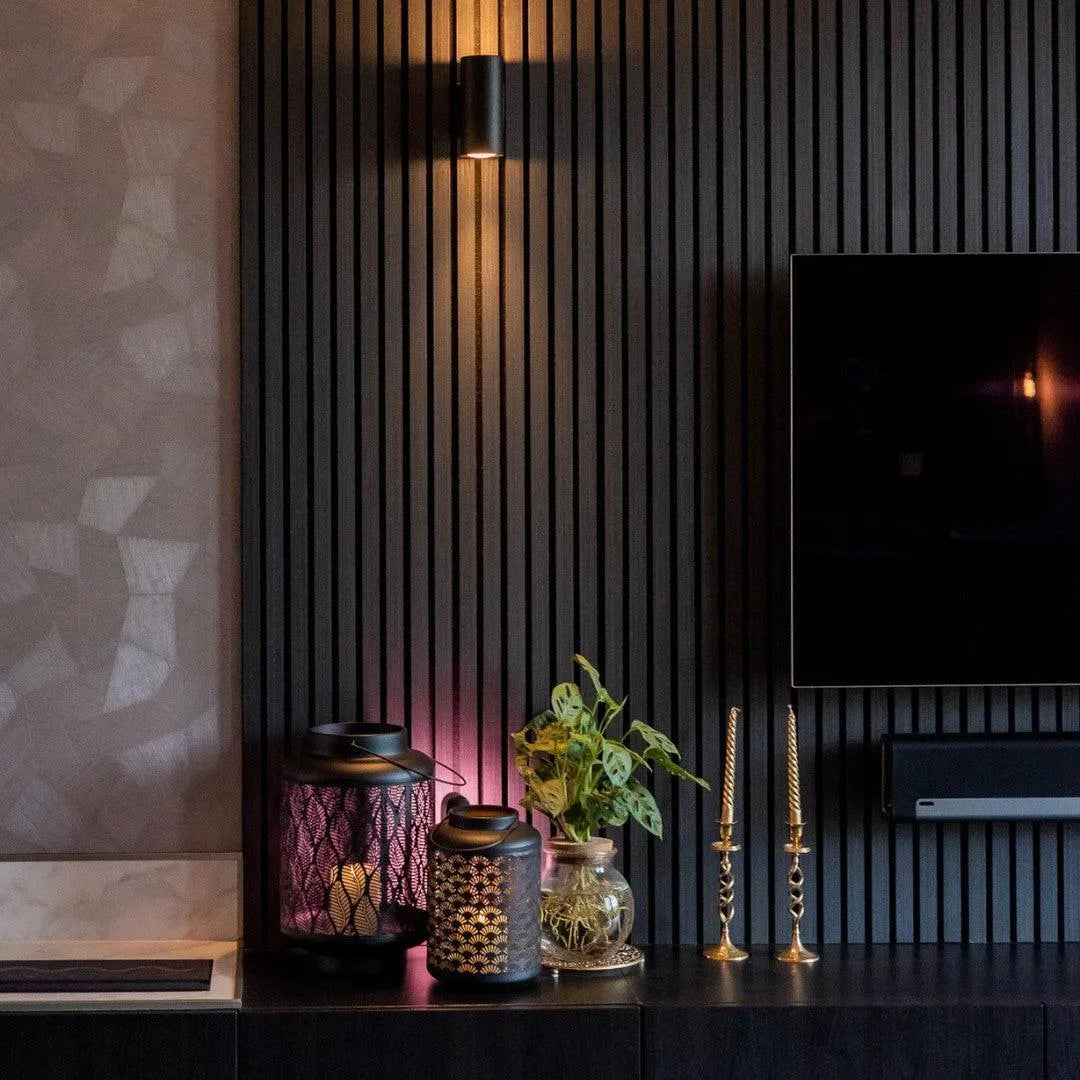
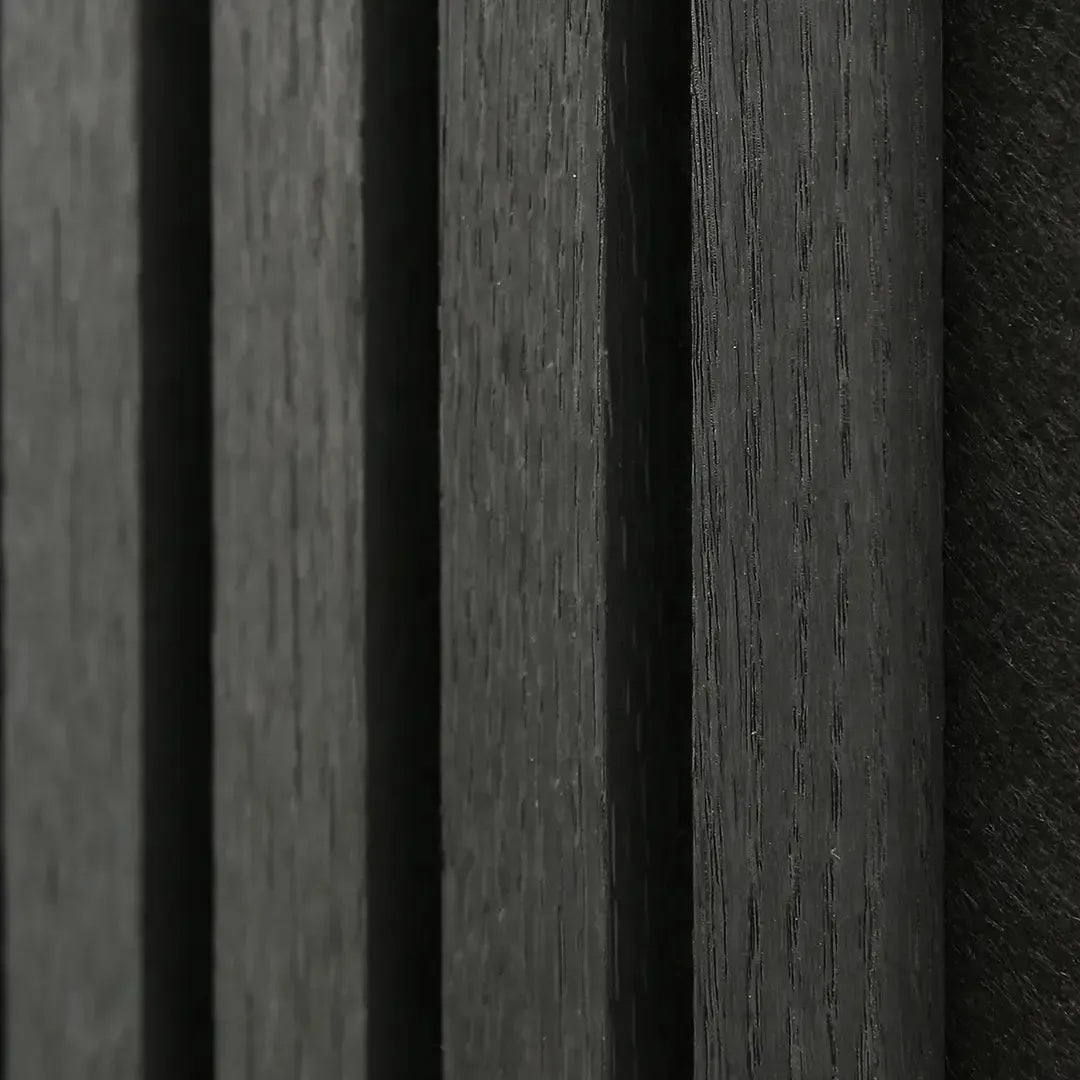
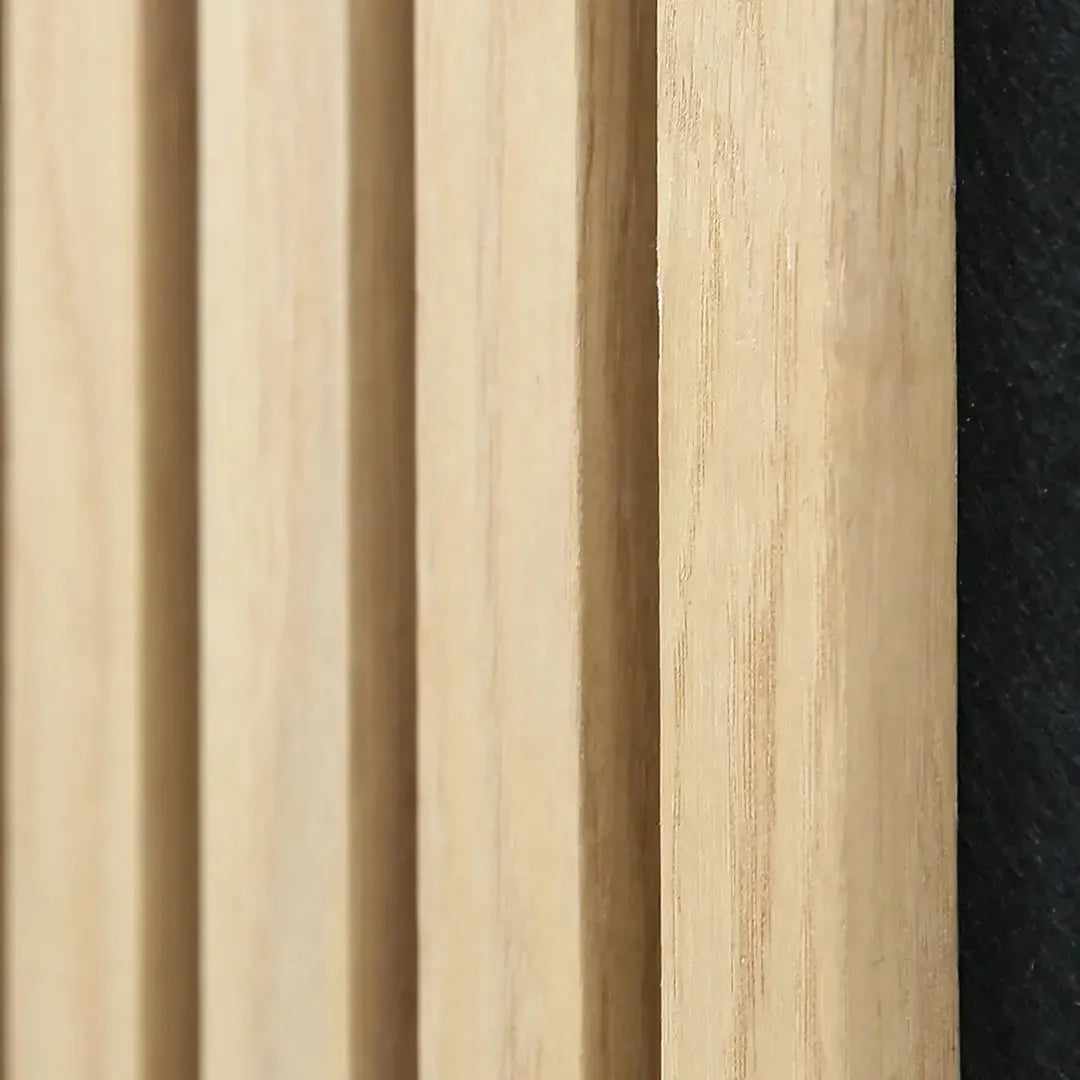
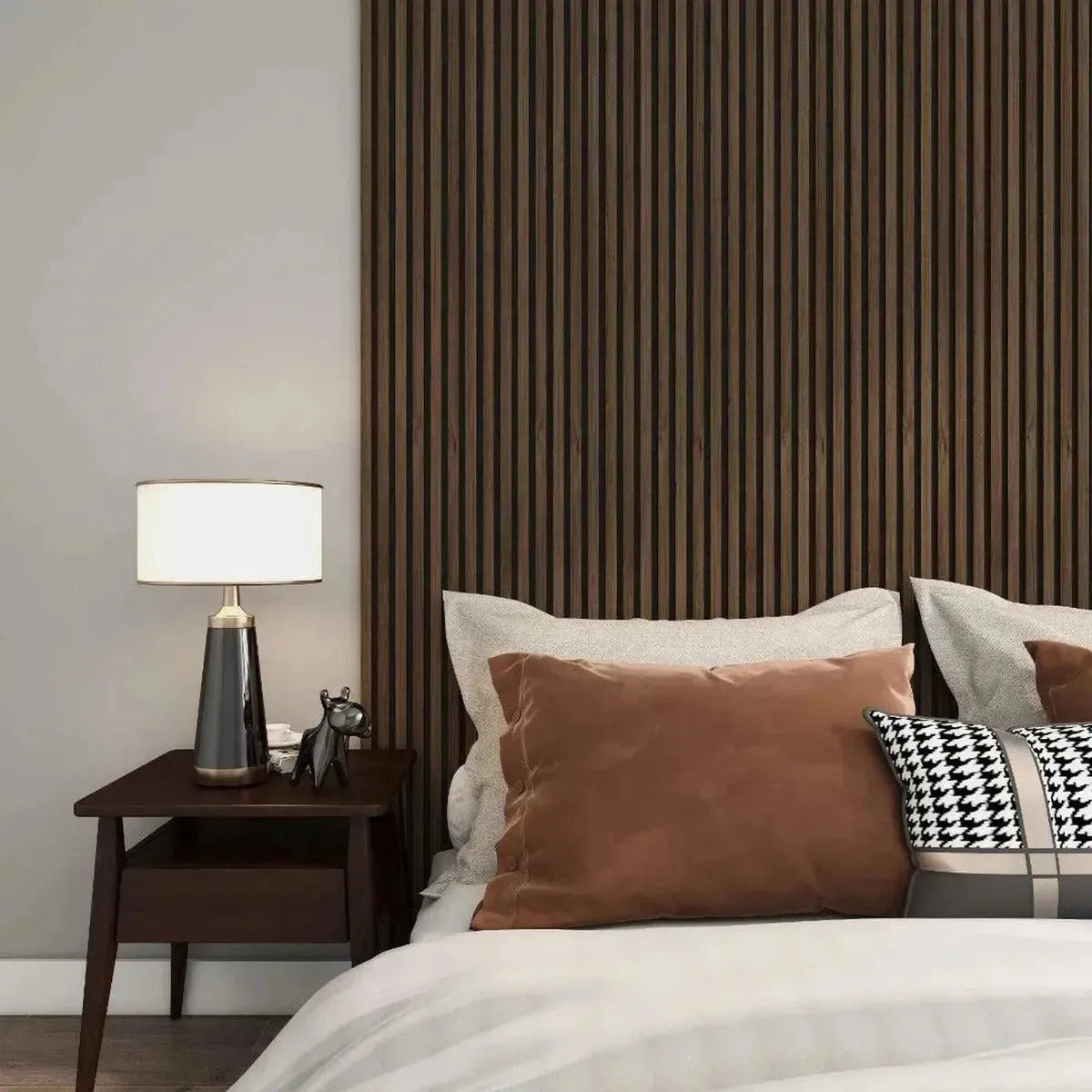
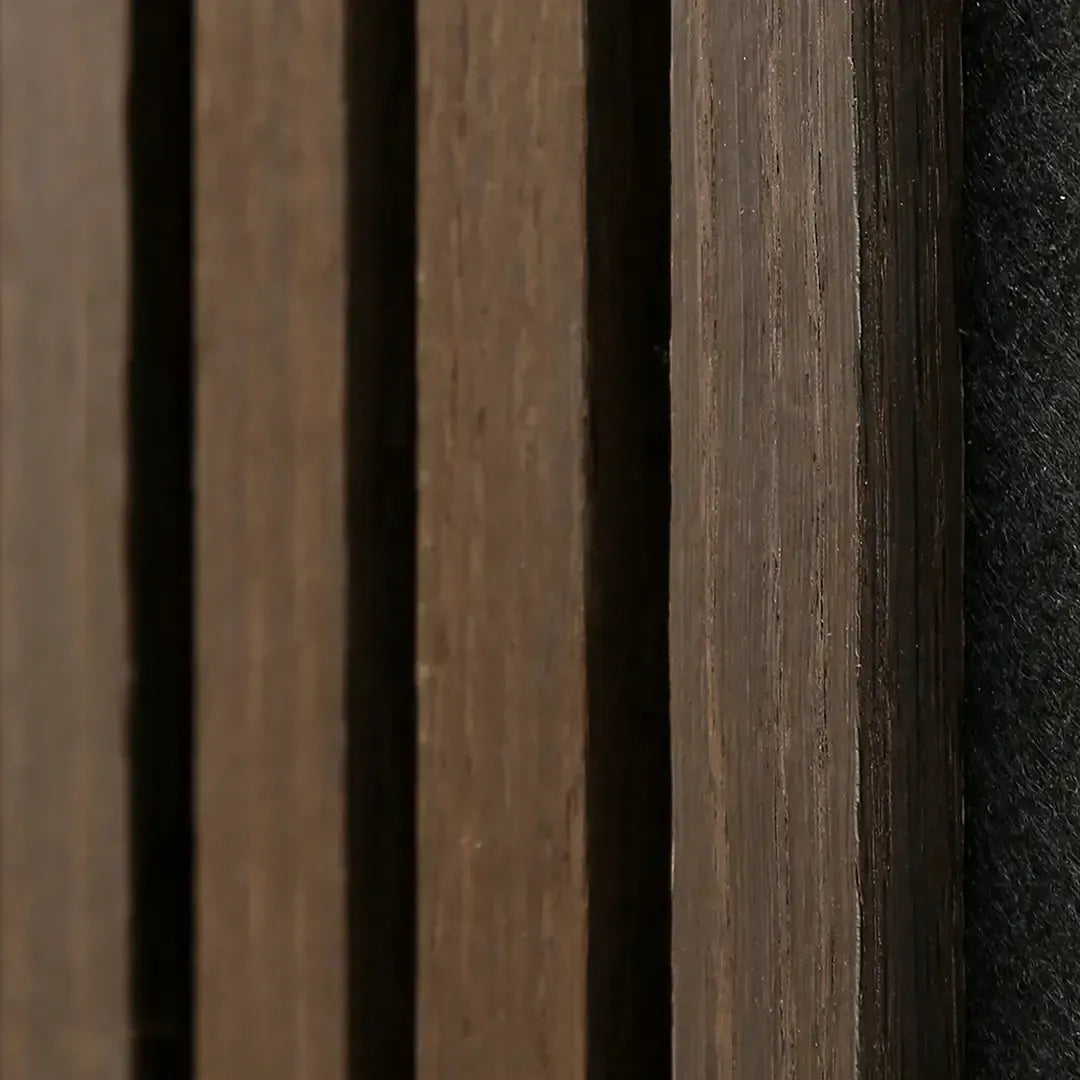
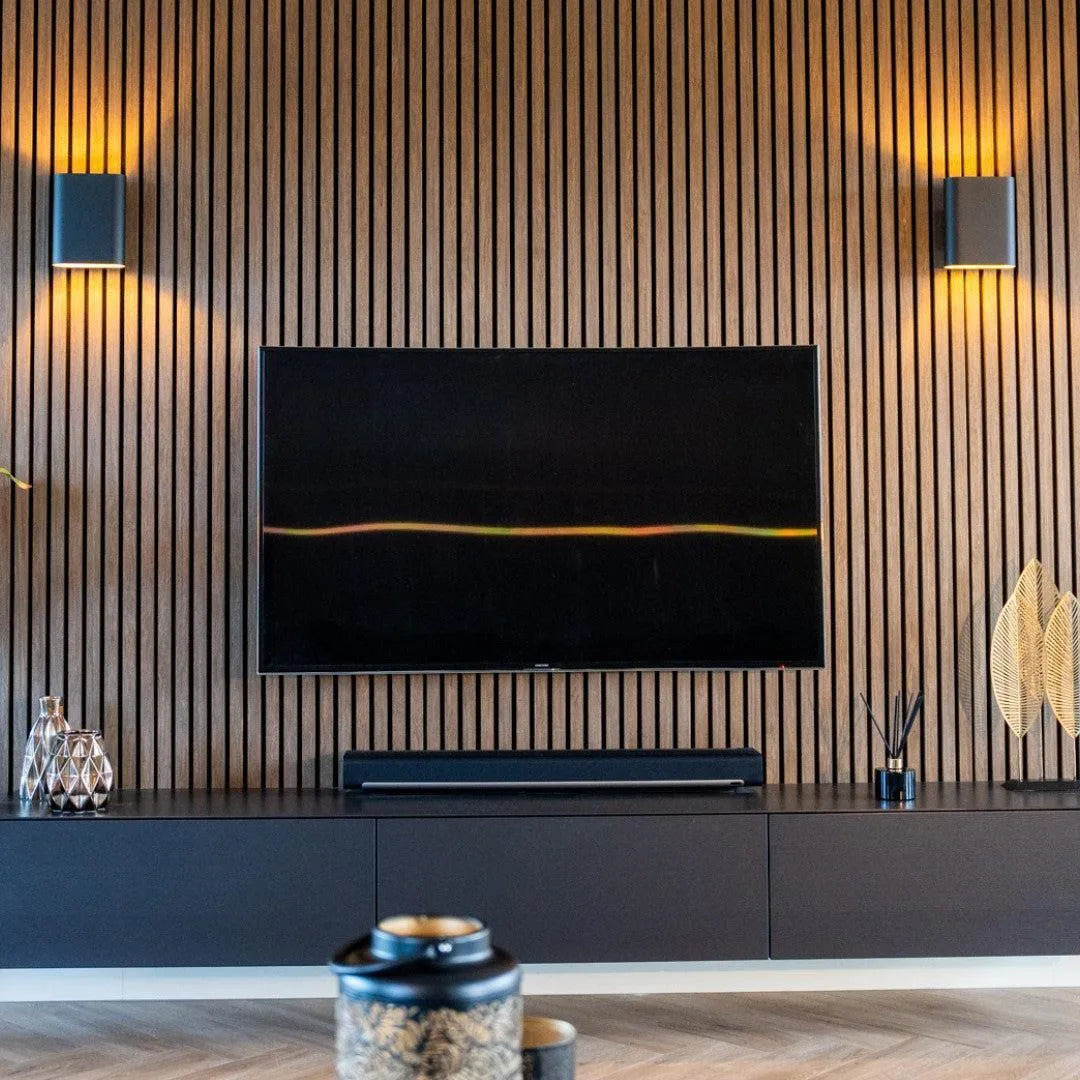
- Walnut and black oak acoustic slat panels use a 3-sided wood veneer over an acoustic core, cutting echo in hard-surfaced hangar spaces.
- Check the local ASTM E84 flame-spread requirement before specifying any wood panel in a 2026 FBO renovation.
Why "wood panels for private jet interiors" doesn't mean cabin walls
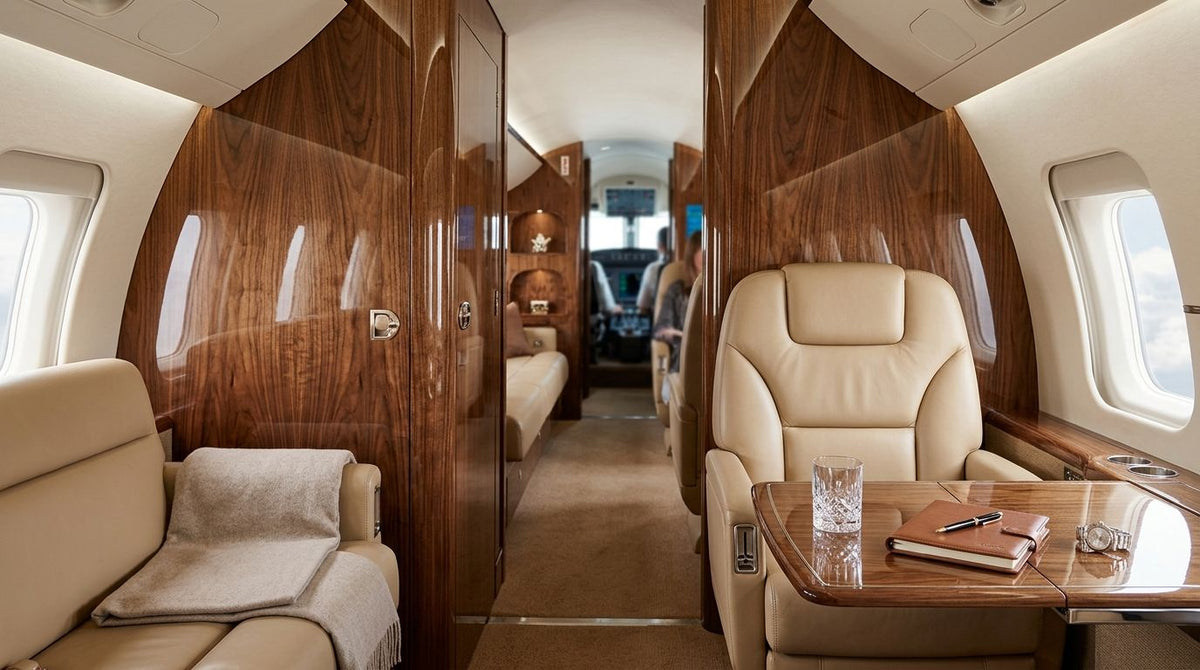
Anyone typing that phrase into Google in 2026 is usually picturing a cabin refit: walnut burl sidewalls, bespoke veneer, the look sold with a multimillion-dollar Gulfstream or Global interior. That's not what decorative wood veneer wall panels are built for. Real aircraft cabin interiors fall under 14 CFR 25.853, the FAA rule governing flammability, smoke density, and toxicity for anything installed inside a pressurized cabin — a certification path that's completely separate from any commercial wall panel manufacturing line.
Airport terminals face a related version of the same problem at a bigger scale. See best acoustic wood panels for airport terminal interiors for how wood veneer handles high-ceiling, hard-surfaced public spaces before you spec an FBO lounge with the same constraints.
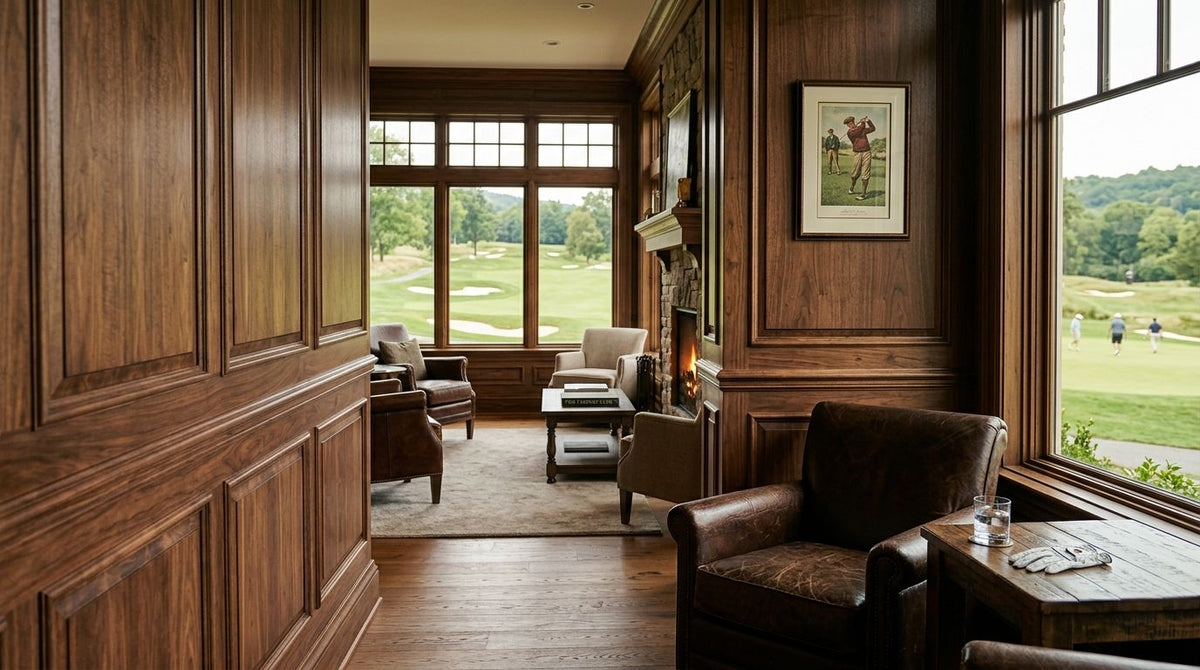
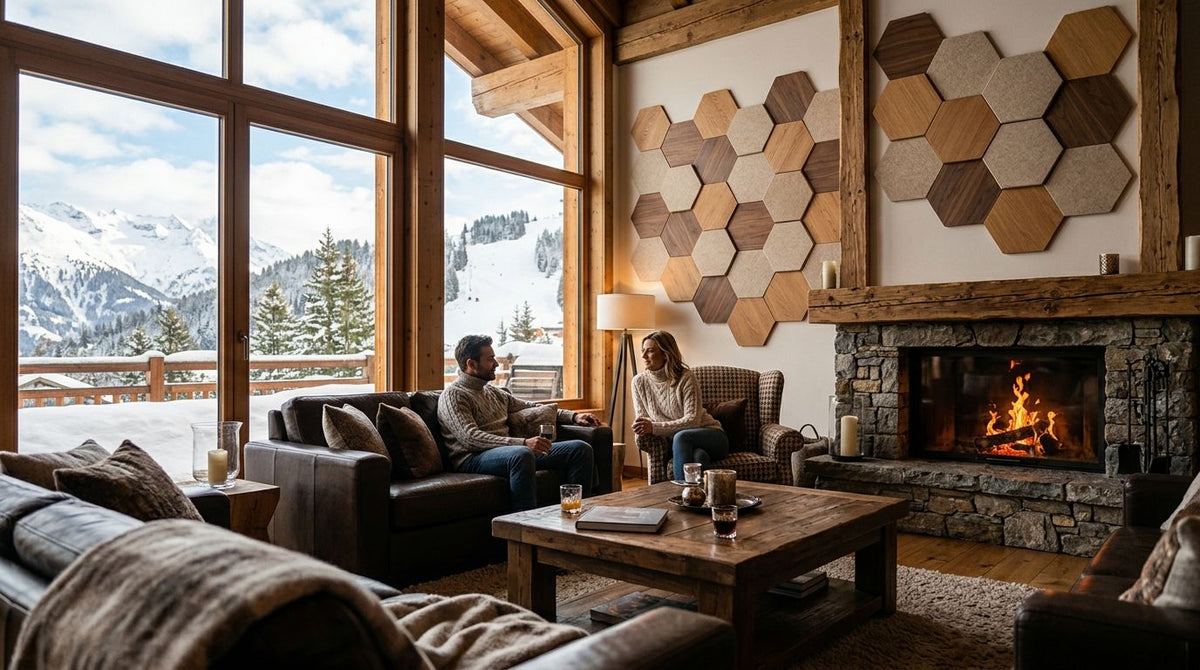
Where wood veneer panels do apply is everywhere private aviation happens on the ground: FBO reception lounges, hangar offices, crew break rooms, jet charter company headquarters, and the showroom walls where brokers close deals. Those rooms answer to ordinary commercial building codes, not FAA Part 25 — and that's where Akuwood Panel's acoustic wood panels belong in 2026.
“If a wall panel isn't FAA-certified, it doesn't belong past the cabin door.”
Separate cabin-certified materials from ground-space finishes
Before specifying anything, decide which side of the cabin door the project sits on. This one step avoids more wasted budget than any other.
- Pull the FAA Part 25 material list for anything touching the fuselage interior.
- List every ground-based room in scope: lounge, hangar office, ready room, sales gallery.
- Flag any room with an HVAC or plumbing tie-in to the aircraft as cabin-adjacent, not ground-side.
- Confirm with the completions center or FBO operator which rooms actually require certified materials.
Map which ground-side rooms can carry decorative wood
Once cabin work is off the list, walk the floor plan and mark where wood veneer improves the room.
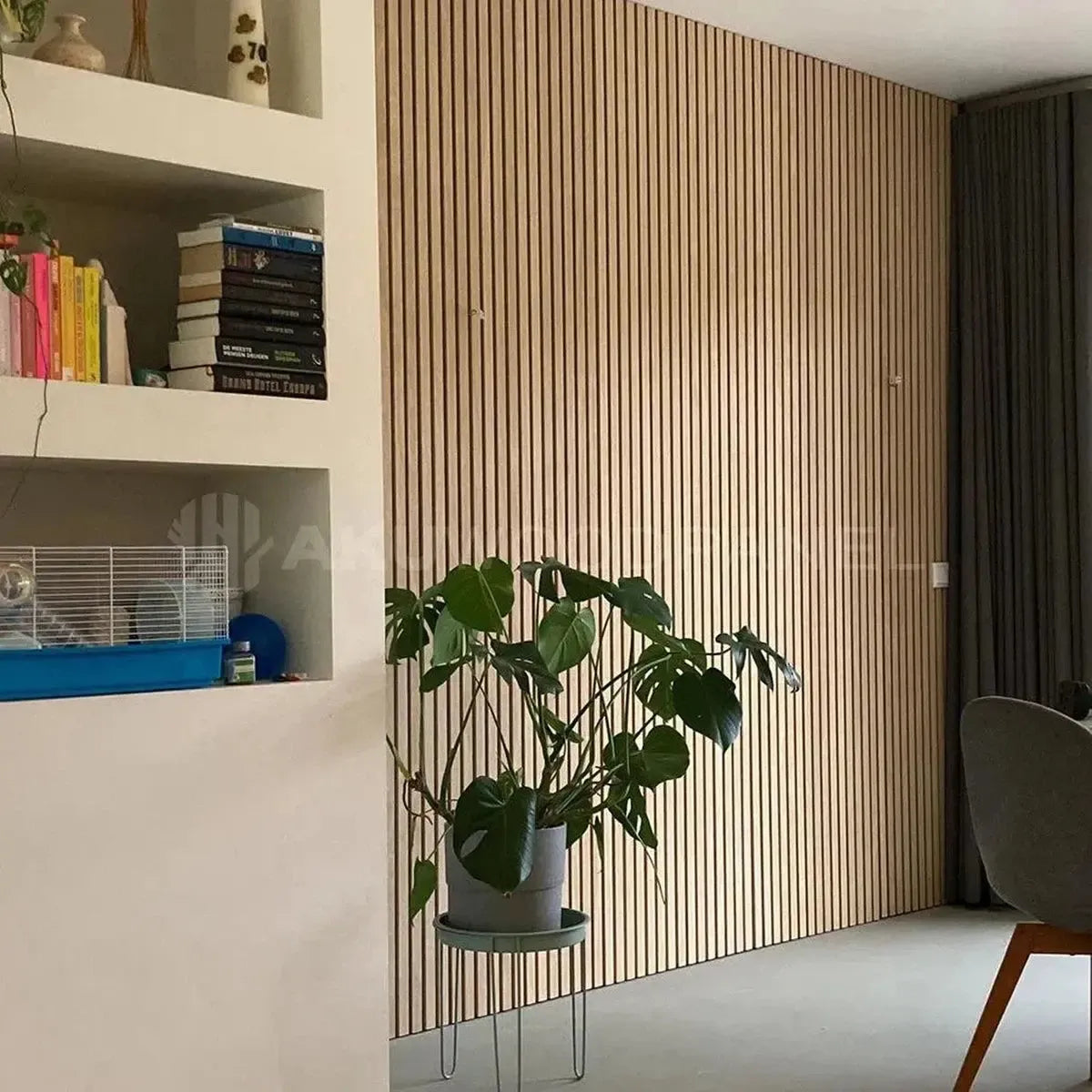
- FBO client lounges and waiting areas with hard floors and high ceilings.
- Hangar offices and crew break rooms near turbine run-up noise.
- Charter company reception desks and sales galleries.
- Conference and briefing rooms used for client walkthroughs.
Match wood tone and grain to your brand and aircraft finish lines
Private aviation brands lean dark and warm — walnut, smoked oak, black oak — echoing the cabin materials clients already associate with the category.
- Pull a sample of the cabin veneer tone your completions center uses and match the closest ground-side equivalent.
- Test grain direction against ceiling height: horizontal reads calmer, vertical reads taller.
- Order physical samples before a full run — screens don't render veneer grain accurately.
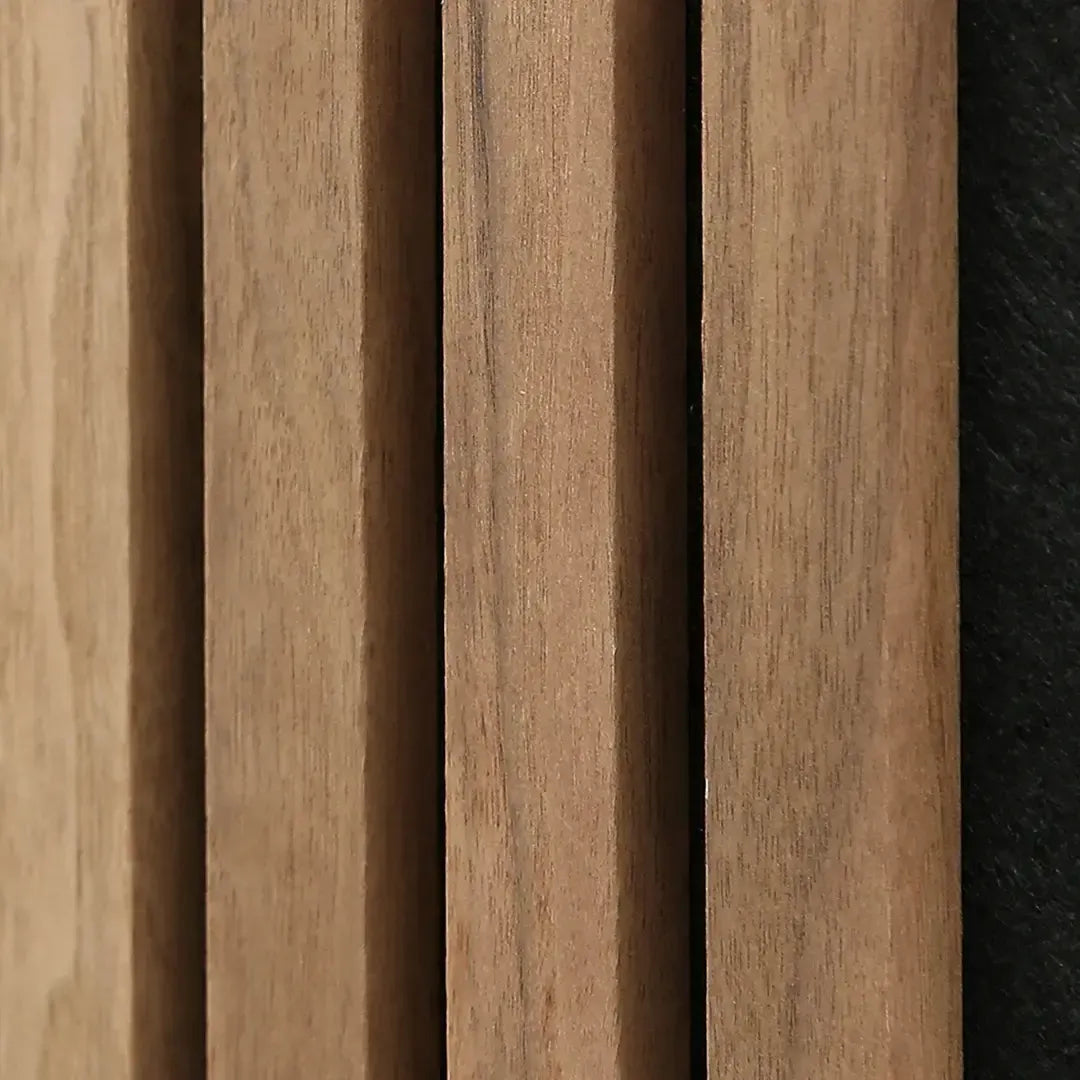
- Consider Akuwood Panel's walnut acoustic slat wall panel for lounges that need a darker, richer tone matching cabin millwork photos.
Specify acoustic performance where engine and HVAC noise carries
Hangar offices sit next to open bay doors and turbine noise; FBO lounges sit under high ceilings that bounce sound.
- Choose felt-backed acoustic slat panels over solid veneer in any room adjacent to hangar noise.
- Treat the wall facing the loudest source first, not the whole room evenly.
- Combine wood panels with ceiling treatment in double-height lounges — walls alone won't fix a reflective ceiling.
- Ask for the panel's NRC value up front if a bid requires documented sound absorption.
Check the local commercial fire code before you order
FAA rules don't apply to ground-side rooms, but the municipality's commercial building code still does.
- Ask the building department which ASTM E84 flame-spread class the space requires — Class A is standard for public lobbies.
- Get the manufacturer's flame-spread documentation in writing before submitting for permit.
- Confirm sprinkler and occupancy requirements haven't changed since the last FBO renovation.
- Loop in the architect of record before ordering panels for anything requiring a permit.
Order samples before committing to a full rollout
A product photo never matches veneer grain and color in person, and private aviation clients notice inconsistency fast.
- Request a physical sample before specifying a full lounge or office wall.
- Hold the sample against the room's existing flooring and lighting, not store lighting.
- Compare at least two tone options side by side before ordering.
- Sign off on the sample in writing before the full order ships.
Coordinate installation with the renovation or FBO build schedule
Wood panel install is one of the last trades in, and private aviation projects run on tight opening dates.
- Sequence panel install after HVAC, electrical, and drywall are complete and inspected.
- Confirm lead time against the FBO's target opening or event date.
- Assign one point of contact for wood panel delivery and install to avoid scheduling gaps.
- Build in a buffer week before any ribbon-cutting or client preview event.
Which wood panel type fits which private-aviation ground space
| Panel type | Best for | Material | Key limitation |
|---|---|---|---|
| Acoustic slat wall panel, black oak | FBO lounges, noisy hangar offices | 3-sided wood veneer over acoustic felt core | Not rated for aircraft cabin use |
| Hexagon acoustic panel, walnut | Reception walls, sales gallery feature walls | Wood veneer hexagon tile, felt-backed | More labor on large wall runs |
| Fluted wall panel | Reception desks, column wraps | Solid-profile veneer, no acoustic backing | Less sound absorption than felt-backed slat panels |
| Exterior wall panel | Hangar exteriors, canopy walls | Weather-resistant grain panel | Not for interior acoustic treatment |
Verdict: for a private-aviation lounge or hangar office in 2026, felt-backed acoustic slat panels in walnut or black oak are the safest first pick — buy those before experimenting with fluted or hexagon layouts on a large wall.


Common mistakes private aviation teams make with wood panels
- Assuming decorative veneer meets FAA cabin certification. It doesn't — 14 CFR 25.853 testing is a separate process from any commercial wall panel line.
- Skipping the local fire code check. A lounge or lobby still needs an ASTM E84 flame-spread rating on file even though FAA rules don't apply on the ground.
- Ordering a full pallet before checking a sample against the actual room. Veneer grain shifts panel to panel; a listing photo won't catch that.
- Ignoring hangar humidity and temperature swings. Uninsulated hangar buildings see wider swings over a year than a climate-controlled office, and that affects how wood veneer panels age.
- Treating acoustic treatment as a walls-only fix. A double-height FBO lounge with a hard ceiling still echoes even with every wall paneled.
FAQ
Can real wood panels be installed inside a private jet cabin?
No. Cabin interiors need FAA-certified materials under 14 CFR 25.853, and decorative wood veneer panels aren't tested to that standard. They belong in ground-side rooms instead, not the pressurized cabin.
What's the difference between cabin-certified materials and standard wood veneer panels?
Cabin materials pass FAA flammability, smoke, and toxicity testing under Part 25. Standard wood veneer panels like Akuwood Panel's line meet commercial building codes instead, a separate and less specialized certification path.
Where can private aviation companies use decorative wood wall panels?
FBO lounges, hangar offices, crew break rooms, charter company lobbies, and sales galleries are the common ground-side spaces where acoustic wood panels work in 2026.
Do acoustic wood panels help with hangar noise?
Felt-backed acoustic slat panels absorb reflected sound from hard hangar surfaces. They work best on the wall closest to the noise source rather than spread evenly across a room.
Is walnut or black oak better for a private aviation lounge?
Both read as premium finishes matching cabin millwork tones. Black oak leans darker and more formal, walnut leans warmer, and the choice usually comes down to the brand's existing palette.
What fire rating do wood wall panels need for a commercial lobby?
Most commercial lobbies require an ASTM E84 Class A flame-spread rating, a separate check from the FAA rules governing aircraft cabins. Confirm the requirement with the local building department before ordering.
How much lead time should an FBO renovation build in for wood panels?
Order samples first, then plan panel delivery and install as one of the last trades in the schedule, after HVAC, electrical, and drywall are inspected.
Can wood veneer panels handle hangar humidity?
Wood veneer panels hold up in normal indoor conditions, but uninsulated hangars see wider temperature and humidity swings than a climate-controlled office, so check building conditions before specifying.
One last thing
The gap between "looks like a private jet interior" and "is certified for a private jet interior" is the whole story here in 2026. FAA Part 25 testing exists because cabin fires behave differently at altitude, and no commercial wall panel line — Akuwood Panel's included — is built to clear that bar. Spend the wood veneer budget on the rooms clients actually walk through before they board: the lounge, the hangar office, the sales gallery. That's where the brand impression gets made, and it's where real wood veneer panels are supposed to go.
 Better performance and aesthetic appeal
 In Stock