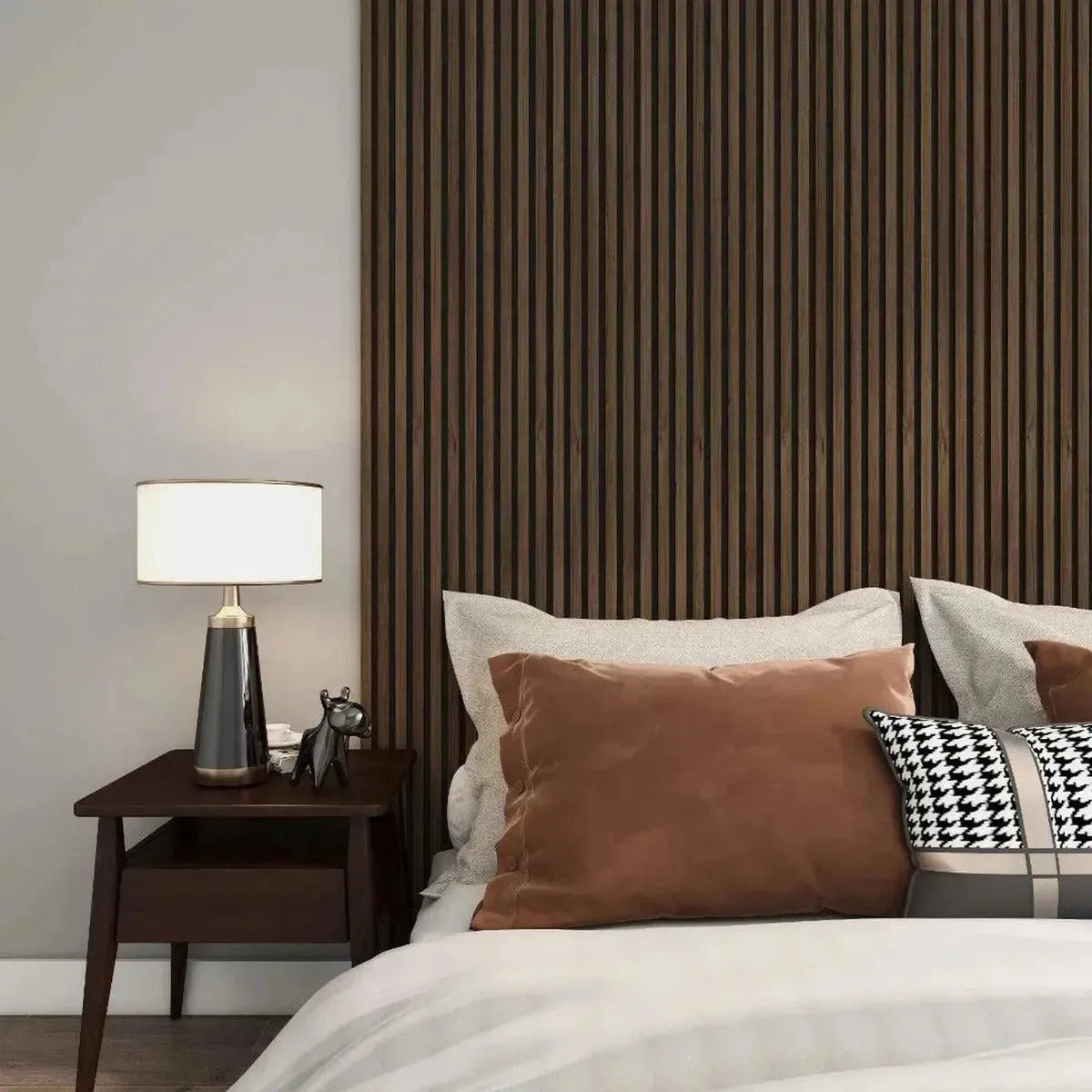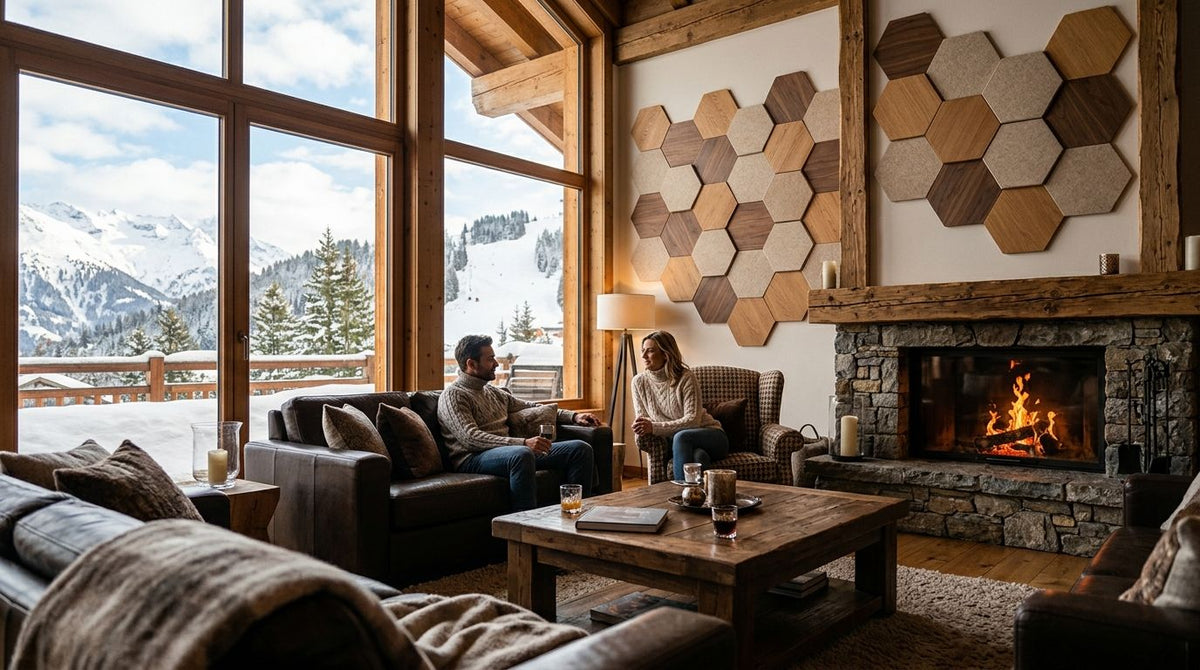
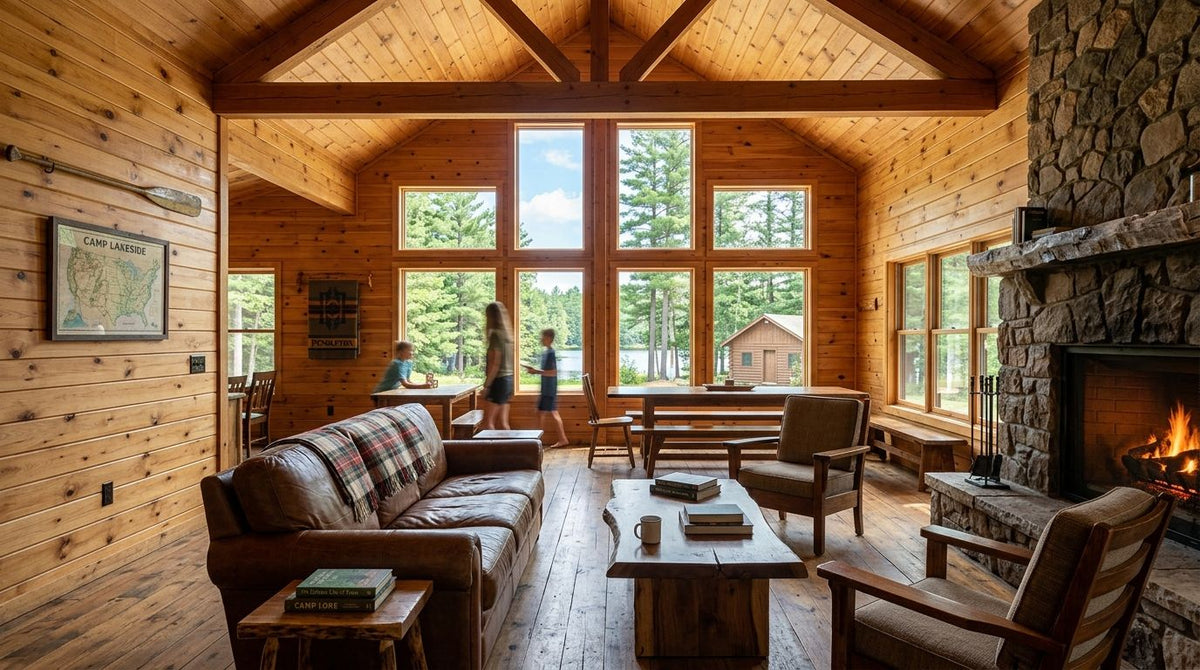
Ski lodge lounge interiors need acoustic panels that survive wet gear, boot traffic, and wide-open floor plans anchored by stone fireplaces and steel trusses — not just a quieter room. Akuwood Panel's slat and hexagon wood panels cut reverb in base lodge lounges while keeping the timber-and-stone palette guests expect from a 2026 mountain property.
- Acoustic panels for ski lodge lounges cut echo off stone and steel without hiding the timber look guests expect in 2026.
- Akuwood Panel's hexagon acoustic panel rates NRC 0.75 — enough to soften a double-height lounge with a stone fireplace.
- Walnut and smoked oak slat panels handle boot traffic and wet-gear humidity better than fabric-wrapped acoustic panels.
- Treat the bar wall and main seating cluster first in 2026 renovations — not the whole lounge at once.
Why acoustic panels for ski lodge lounges matter
Base lodge lounges combine three things that make noise worse than almost any other commercial space: double-height ceilings, hard finishes like stone and glass, and guests in hard-soled boots talking over gear and drink service. None of that is unique to skiing, but the combination is. A lounge with a 20-foot peaked ceiling and a stone fireplace wall reflects sound straight back into the room, so conversation at the bar competes with conversation by the fire 30 feet away.
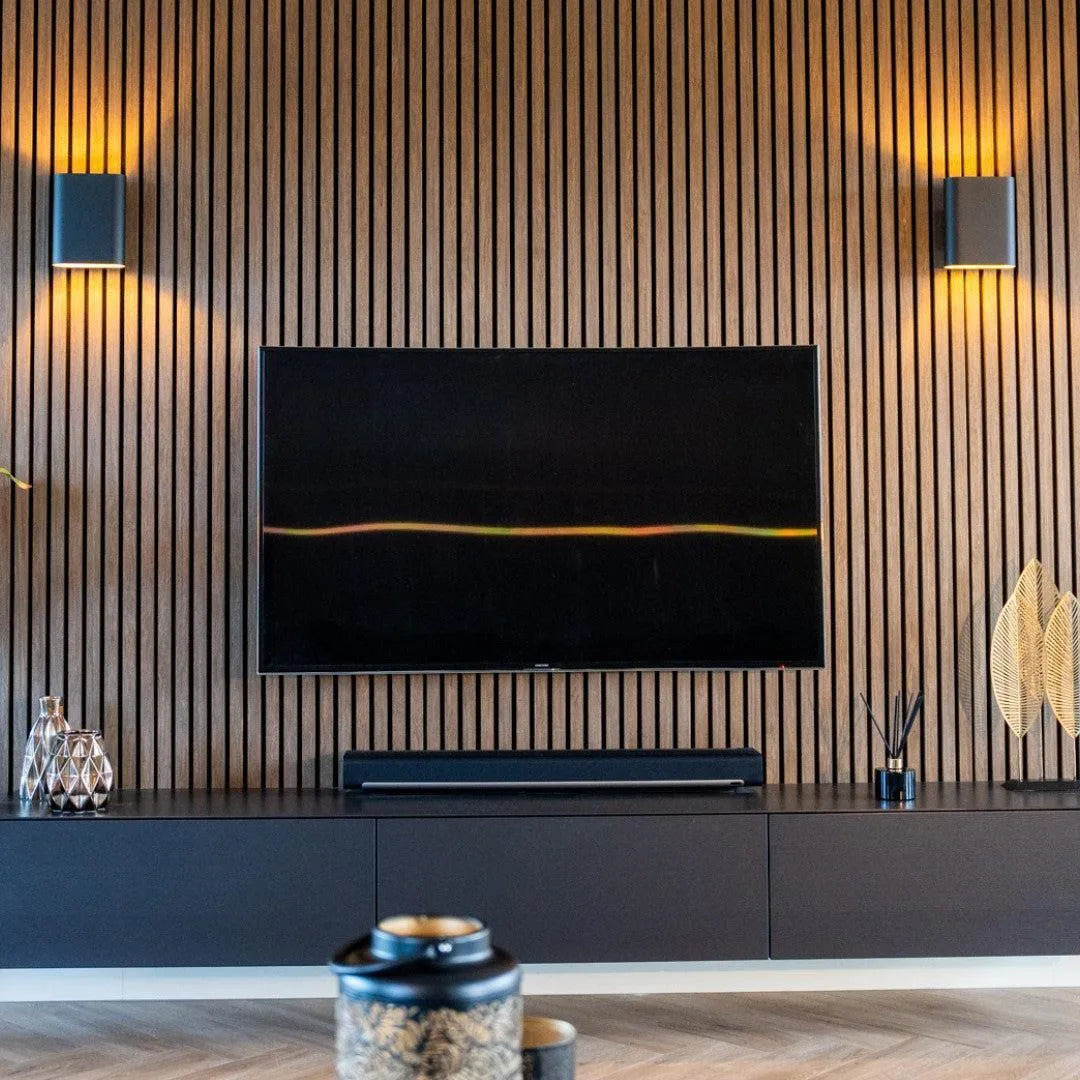
Sound-absorbing wood panels solve this without turning the lounge into a padded box. Akuwood Panel's acoustic wood panels replace a flat, reflective wall segment with a slatted or hexagonal surface backed by acoustic felt — the felt absorbs mid and high frequencies while the visible wood face keeps the material palette the lodge was designed around in the first place.
How to plan acoustic panels for your ski lodge lounge
Measure your lounge's reverb problem before buying anything
- Walk the room during a busy après-ski hour and note exactly where conversation drops off
- Identify every hard, flat surface over 8 feet tall — stone chimneys, glass curtain walls, exposed steel beams
- Flag ceiling height; anything past 12 feet needs wall treatment, soft furnishings alone won't cut it
- Prioritize the walls closest to the bar and main seating cluster — those carry the most noise complaints
- Skip full-room treatment on the first pass; most lounges only need 25-40% wall coverage to notice a difference
Choose a panel finish that matches the timber-and-stone palette
- Match panel tone to existing wood trim, not the floor — trim reads at eye level, flooring doesn't
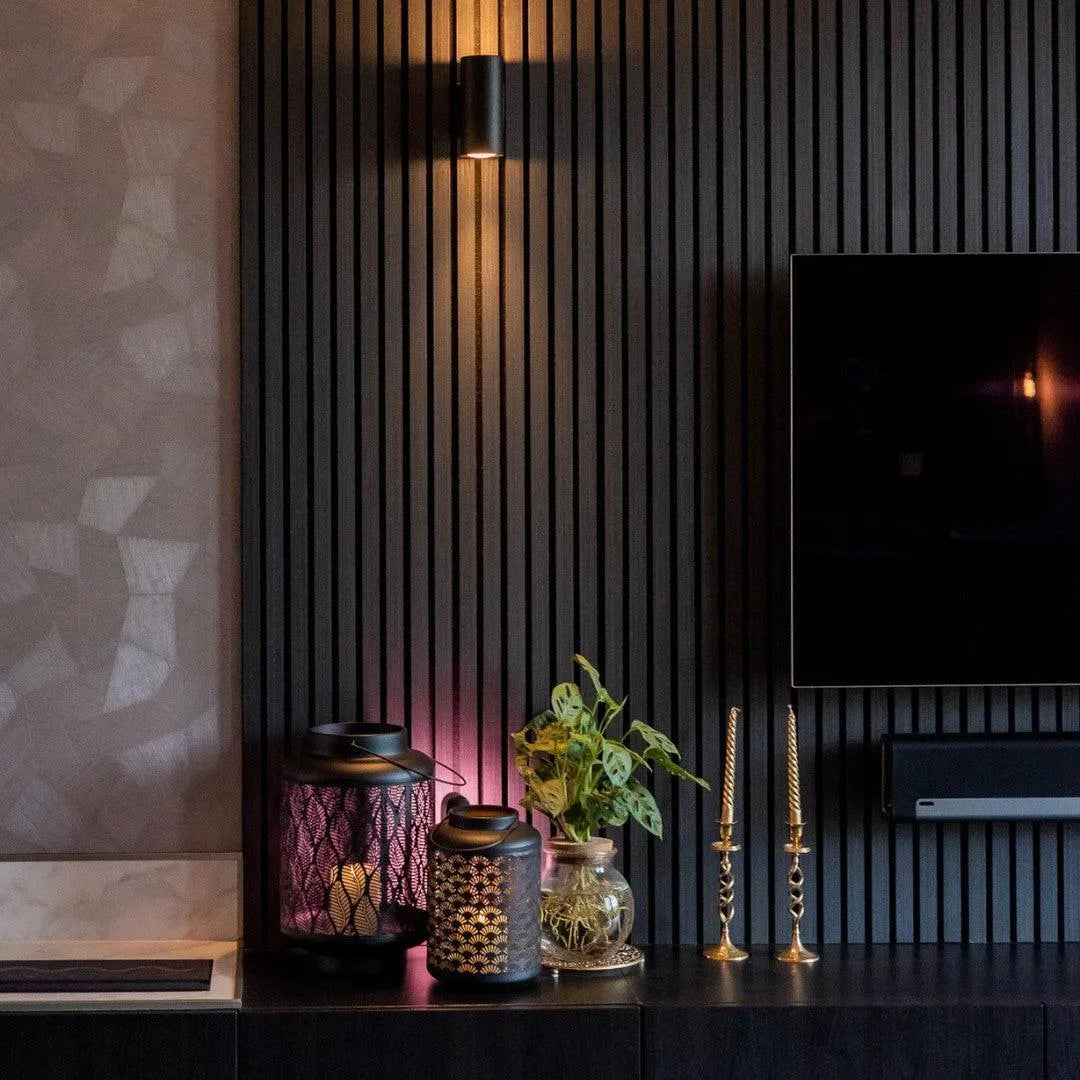
- Pick a darker veneer like walnut or black oak if the lounge already leans dark and moody
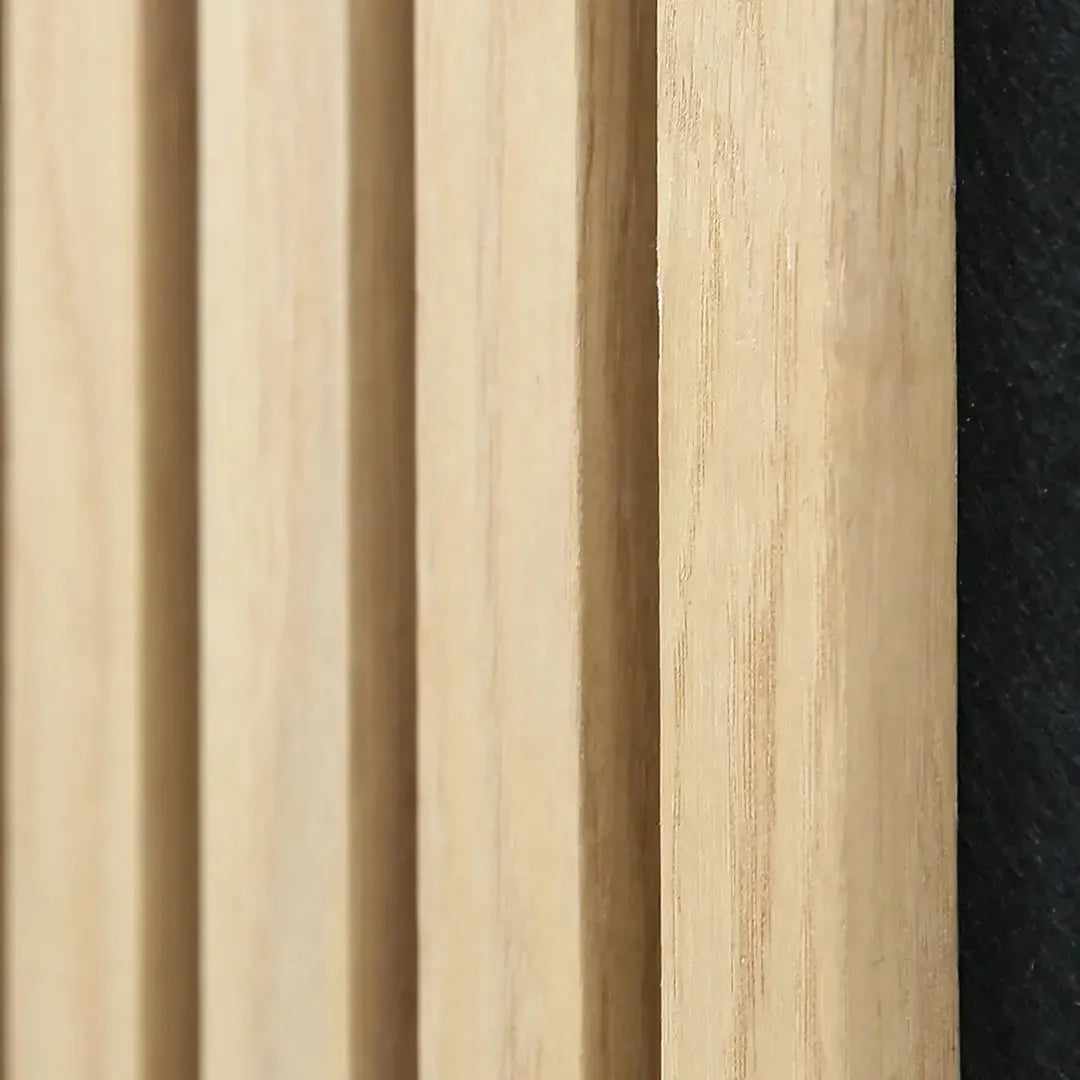
- Pick natural or smoked oak if the space mixes light pine trim with stone accents
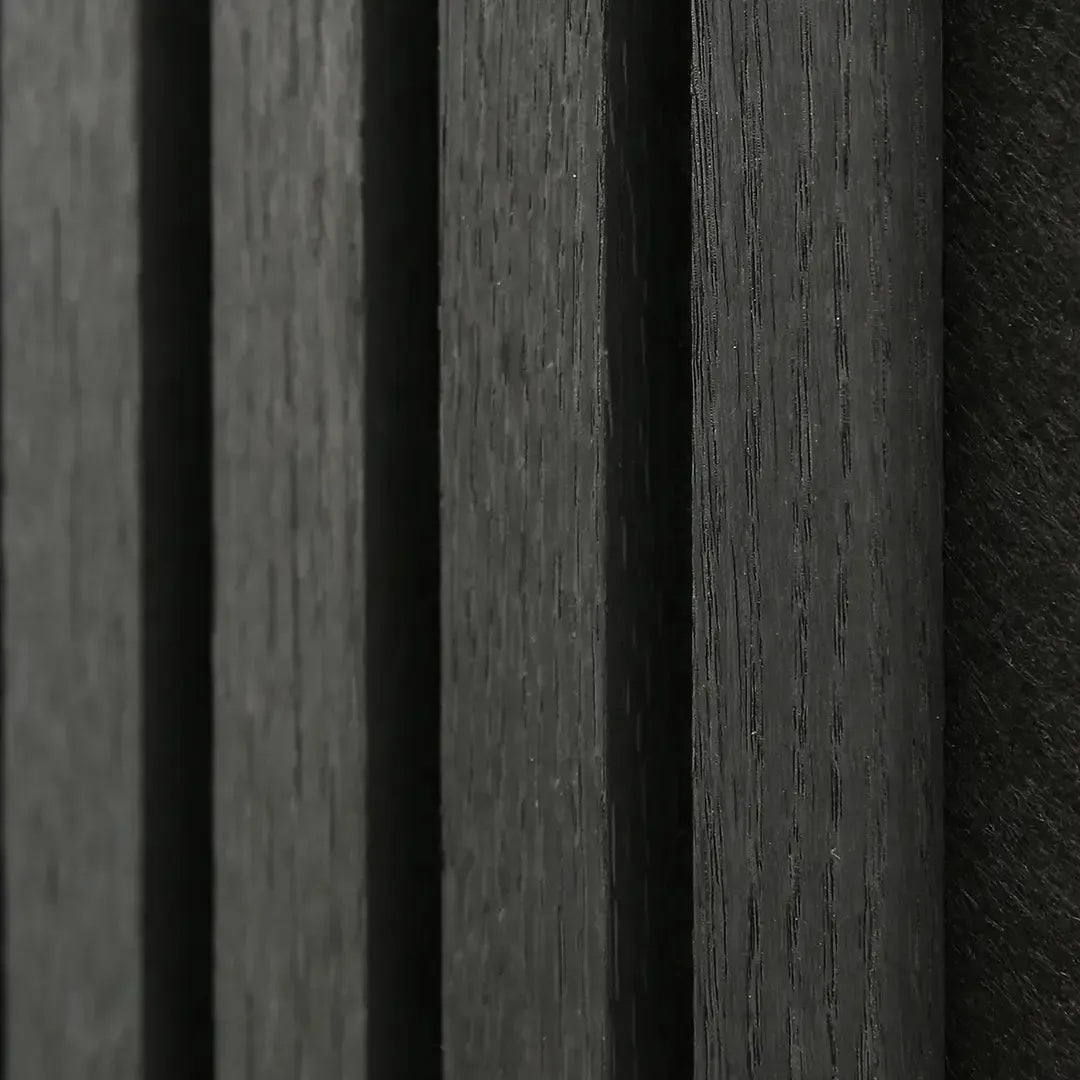
- Confirm the veneer is real wood, not printed laminate — laminate scratches show white underneath, real veneer doesn't
- Order samples before committing to a full wall; firelight and low pendant lighting shift wood tone more than daylight ever does
Pick the panel format for each wall
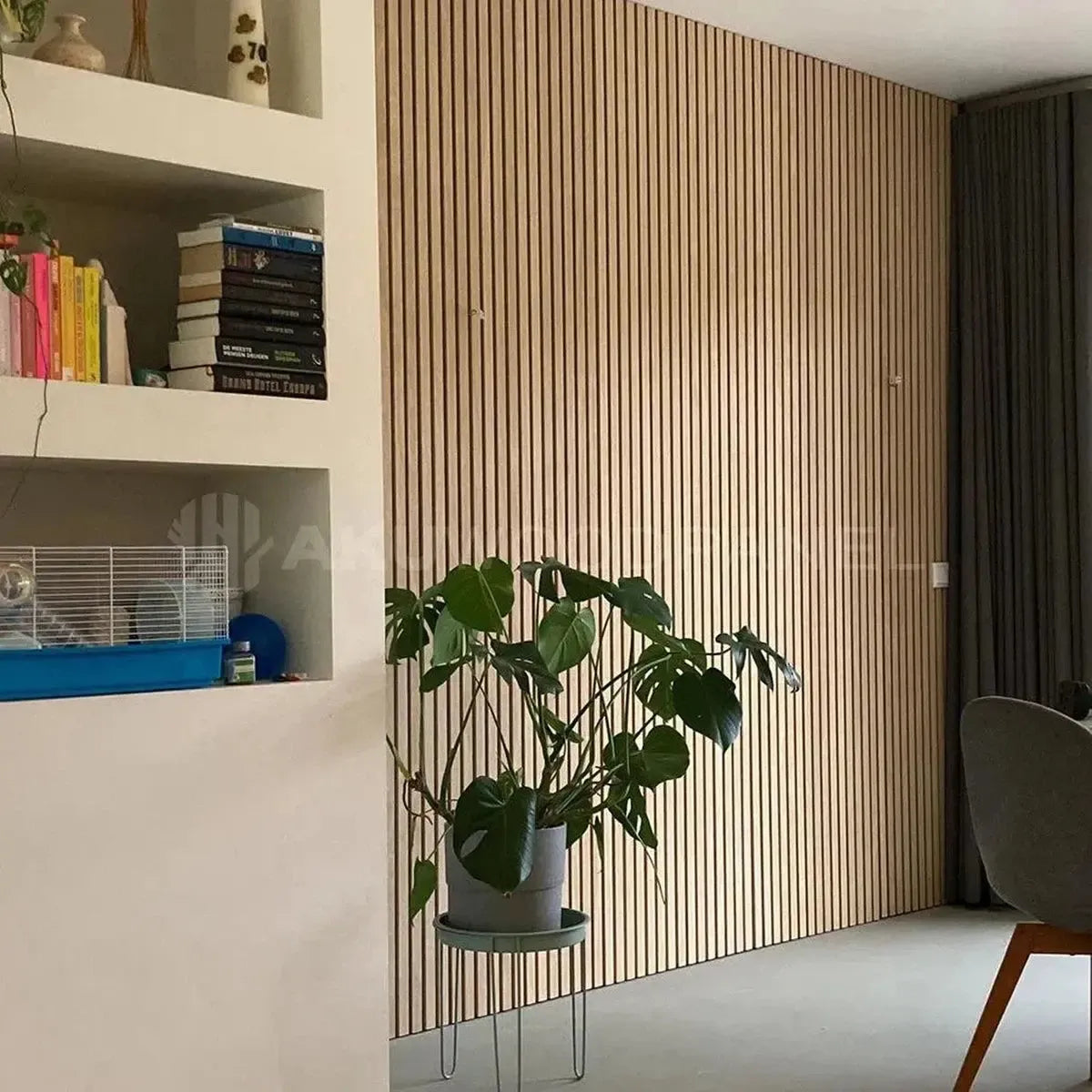
- Use slat wall panels on long, flat runs — behind the bar, along a banquette, down a corridor
- Use hexagon acoustic panels to break up an oversized blank wall without covering it edge to edge
- Reserve fluted panels for columns and trim, where a slat groove would look too busy against a curve
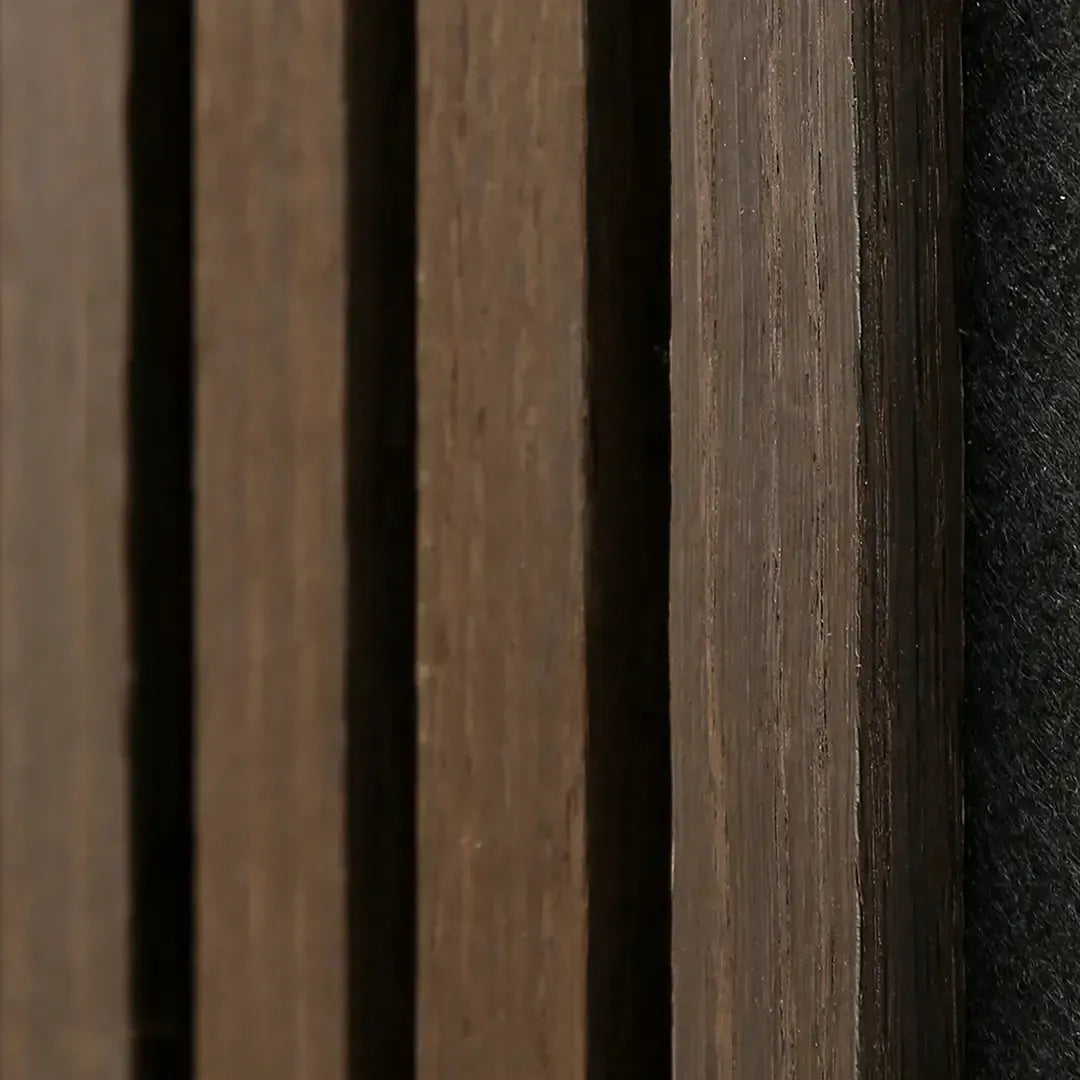
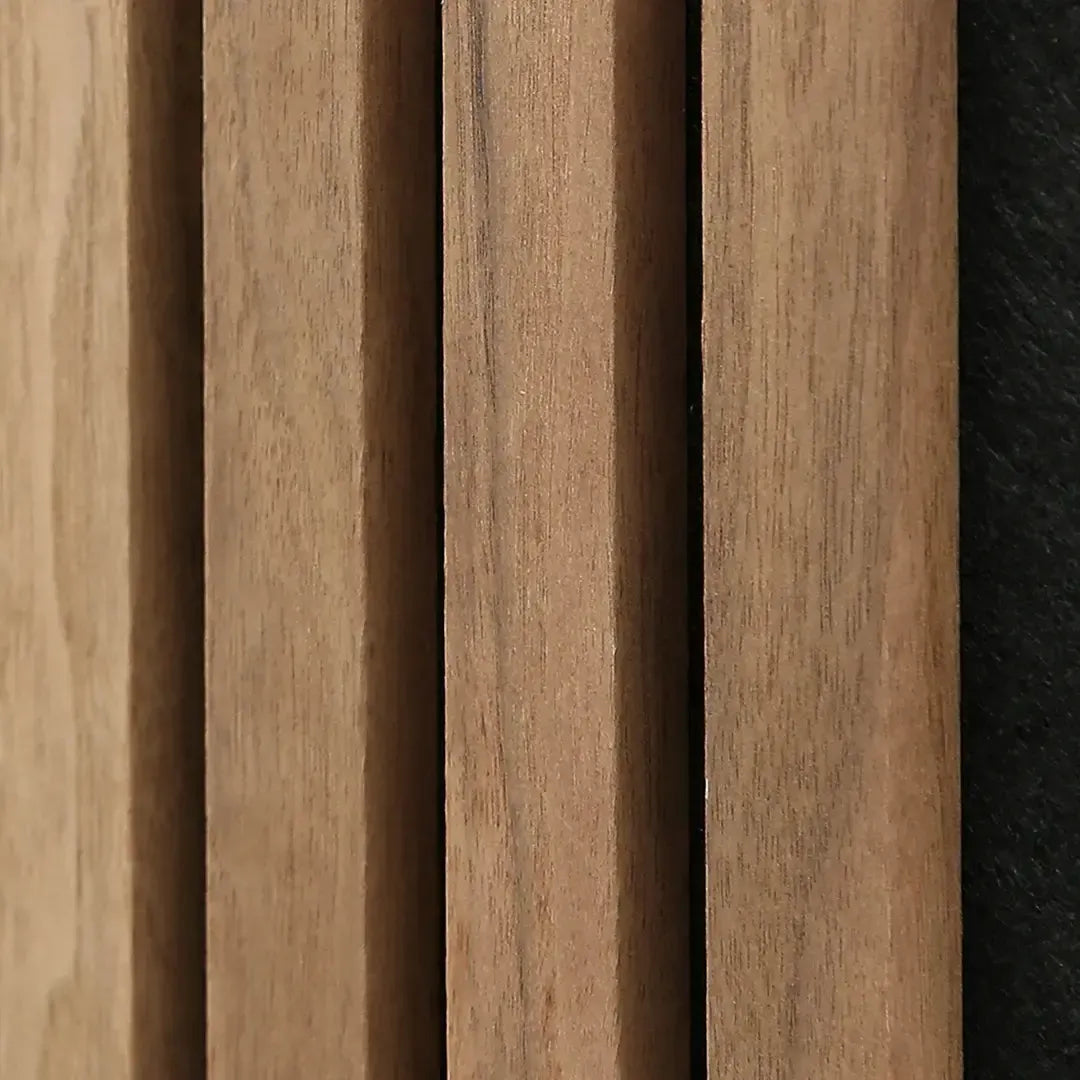
- Akuwood Panel's Acoustic Slat Wall Panel in Walnut and Acoustic Slat Wall Panel in Smoked Oak both use a 3-sided real wood veneer, so a cut edge at a corner still shows grain instead of a raw substrate line
- Confirm panel width against your actual wall run before ordering; recutting slat panels on site slows a crew down fast


Protect the install from wet gear and boot traffic
- Keep panels 4-6 inches off the floor in any zone where slush, salt, or wet boots pass through
- Use a boot bench or low rail as a physical buffer in front of panel walls near entries
- Avoid fabric-wrapped acoustic panels near a ski lounge entirely — fabric holds moisture and shows salt stains that a wood veneer sheds
- Add end pieces or trim at every exposed edge so a guest bumping the wall doesn't chip a raw cut
- Test one wall section through a full weekend of traffic before finishing the rest of the room
Sequence the installation around your renovation calendar
- Schedule wall panel work during shoulder season, not mid-January when the lounge is full every night
- Coordinate acoustic wall work with any other structural upgrades happening in the same closure window
- Confirm lead times on panels early; a 2026 renovation calendar gets tight fast once contractors book up for the season
- Order a full sample box before locking in quantities for a great room-sized wall
The same logic applies to other structural decisions in a mountain property renovation. Choosing materials that hold up to snow load, wet gear, and constant foot traffic matters as much for the entry points as it does for the lounge walls, which is the same reasoning behind lodge garage door installation for hunting and fishing lodges — match the build to the traffic first, worry about the finish second.
Maintain panels through the ski season
- Wipe panels down with a dry or slightly damp cloth — skip wet mopping near real wood veneer
- Check trim and end pieces monthly during peak season for cracking from boot impact
- Keep a spare panel or two from the same batch on hand in case one section needs replacing
- Avoid pointing space heaters or vents directly at panel walls; wood veneer reacts to sustained heat swings
Ski lodge lounge acoustic panel options compared
| Option | Best for | Key limitation |
|---|---|---|
| Acoustic Slat Wall Panel, Walnut | Dark, moody lounges with leather seating | Darker veneer shows scuffs and dust more than lighter tones |
| Acoustic Slat Wall Panel, Smoked Oak | Rustic lodges mixing stone and driftwood tones | Base version needs the felt-backed variant for the strongest absorption |
| Hexagon Acoustic Panel, Natural Oak | Breaking up an oversized blank wall behind a bar or reception | Geometric layout takes more planning time than a straight slat run |
| Rustic oak wall panel | Heavy-timber great room look | More grain variation than a uniform veneer, less consistent lot to lot |
| Fabric-wrapped acoustic panel (generic) | Budget back-of-house or storage-area acoustic control | Doesn't match a timber lodge palette and holds moisture from wet gear |
“Treat every hard wall in a ski lodge lounge as a returning echo source, not just the ceiling above it.”
Buy walnut or smoked oak slat panels for any guest-facing lounge wall in a 2026 renovation. Skip fabric-wrapped panels anywhere near an entry, bar, or fireplace in a ski lodge.
Common mistakes ski lodges make with acoustic treatment
- Treating only the ceiling with acoustic tile and leaving the stone fireplace wall bouncing sound back into the seating area
- Choosing fabric-wrapped panels that look fine in the showroom but trap moisture from wet gear within one season
- Underestimating coverage in a double-height great room — 10% wall coverage barely moves the needle above 12 feet of ceiling
- Skipping end pieces and trim, so the first season of boot traffic chips every raw cut edge
- Installing panels flush to the floor in a mudroom-adjacent lounge, where snowmelt wicks straight into the panel base
FAQ
What's the best wood finish for acoustic panels in a ski lodge?
Smoked oak and walnut slat panels work best in ski lodge lounges because they hide scuffs and dust from boot traffic better than lighter natural oak. Match the tone to existing wood trim rather than the floor for the most consistent look.
Is a slat panel better than acoustic foam for a lounge?
Slat wood panels are better for guest-facing ski lodge lounges because foam doesn't match a timber-and-stone interior and degrades faster under UV and humidity. Foam works fine in back-of-house spaces guests never see.
How much wall coverage do you need for a ski lodge lounge?
Most lounges need 25-40% wall coverage on the hardest, flattest surfaces to notice a real drop in echo. Prioritize the wall behind the bar and the main seating cluster before treating the whole room.
Can wood acoustic panels handle humidity from wet ski gear?
Real wood veneer panels with a 3-sided finish hold up to humidity better than fabric-wrapped panels, which trap moisture and show salt stains. Keep panels 4-6 inches off the floor in any zone where slush or wet boots pass through.
Do hexagon panels work better than slat panels for open floor plans?
Hexagon acoustic panels work better for breaking up an oversized blank wall without covering it edge to edge, while slat panels suit long, flat runs like a bar wall or banquette. Most lounges use both formats on different walls.
What NRC rating do I need for a lounge with a stone fireplace?
Akuwood Panel's hexagon acoustic panel rates NRC 0.75, which is enough to soften a double-height lounge with a stone fireplace and steel trusses. Coverage matters as much as the rating — a small treated area at 0.75 NRC still leaves most of the room untreated.
Should acoustic panels go behind the bar or the fireplace first?
Treat the bar wall first in a phased 2026 renovation, since it takes more direct impact from staff and bottles than a fireplace wall does. The fireplace wall looks like the obvious first choice but usually sees less contact.
Are real wood veneer panels worth it over printed laminate?
Real wood veneer is worth it for a ski lodge lounge because laminate scratches expose white substrate underneath, which stands out fast under boot traffic. A 3-sided veneer keeps cut edges and corners looking like solid wood.
One last thing
Most lodge owners plan acoustic treatment around the fireplace wall first because it's the visual anchor of the room. Start behind the bar instead — it absorbs more direct hits from staff, bottles, and barstools every single night than a fireplace wall ever will, and a scuffed panel there shows up faster than a scuffed panel six feet from the flames.
 Better performance and aesthetic appeal
 In Stock