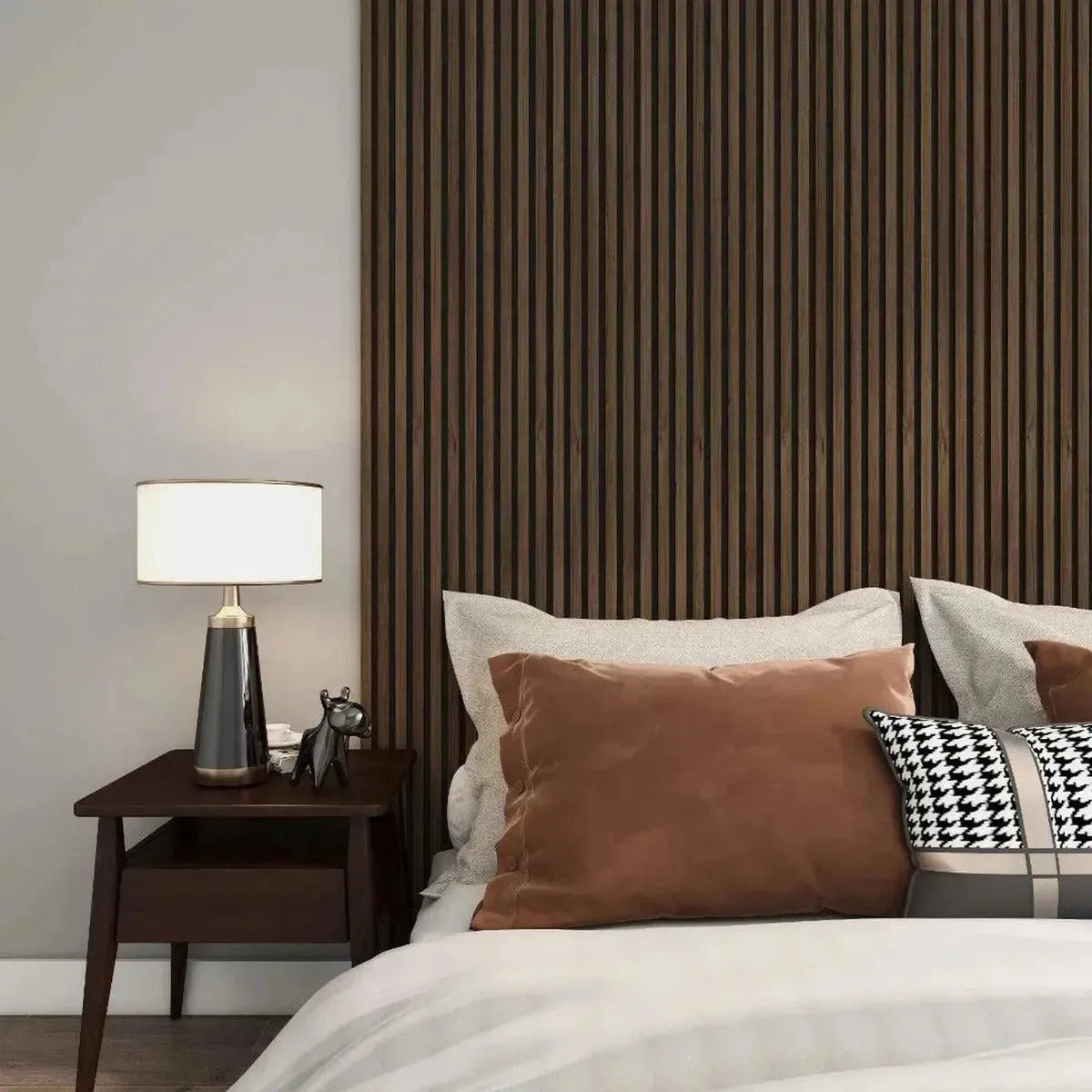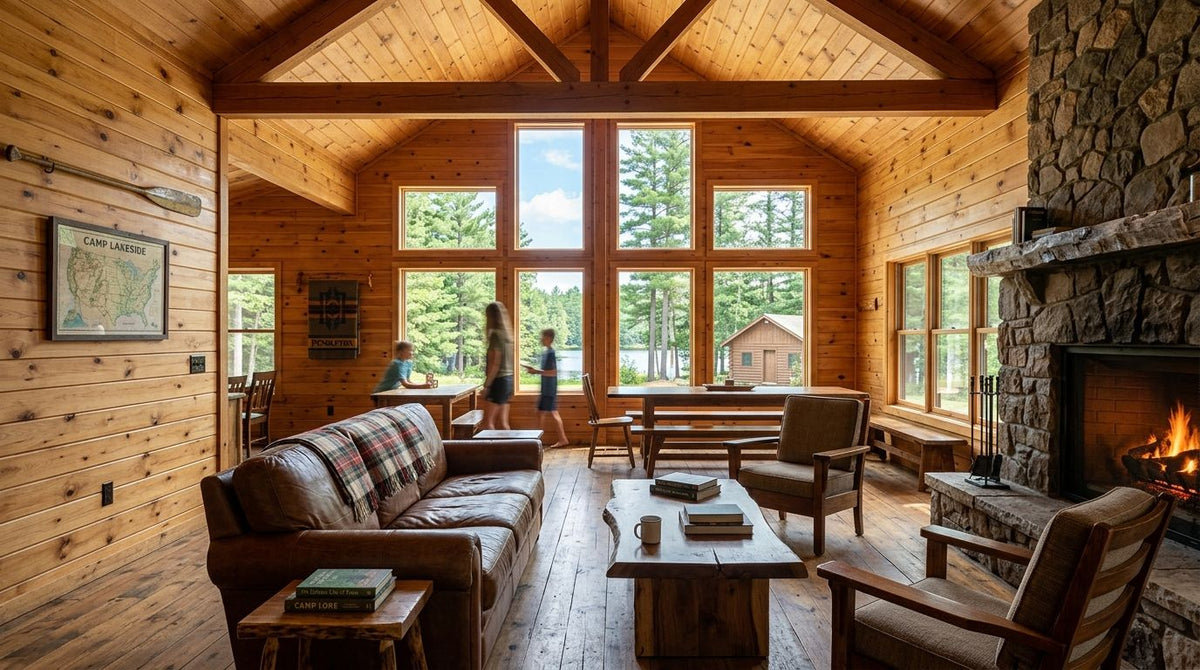
Wood panels for summer camp lodge interiors have to do more than look good in a brochure photo: they need to quiet a 200-seat dining hall during breakfast, survive four straight months of muddy boots, and still read as "timber lodge" instead of "school cafeteria." The right pick is a real wood veneer acoustic slat panel for interior common rooms and a weather-rated exterior wall panel for covered porches and mudrooms — a printed laminate wrap will not survive a camp season near a lake.
- Wood panels for summer camp lodge interiors work best when acoustic slat panels quiet dining halls and rustic oak veneer covers great-room feature walls.
- AKU Woodpanel's acoustic slat panels carry an NRC rating of 0.75, enough to tame a bunkhouse or mess hall echo in a 2026 renovation.
- Exterior wall panels rated for roughly 25 years of maintenance-free use handle covered porches and mudroom entries better than interior-only veneer.
- Rustic oak wall panel suits great rooms; exterior wall panel oak covers covered walkways and porch cladding.
- Order samples before covering a full dining hall wall — camp lodges rarely have a spare weekend to redo a bad color match.
Why this matters for summer camp lodges
Dining halls and great rooms in camp lodges are built for capacity, not acoustics — concrete or plywood floors, exposed rafters, single-pane windows. Every clang of a serving tray and every 150-kid singalong bounces off bare drywall and comes straight back louder.
Camp lodges run on tight capital budgets funded by donors, grants, or tuition, so a wall treatment has to double as a visible design win in the room where the whole camp gathers. In 2026, directors touring donors through a lodge want the great room to look finished, not half-renovated.
Summer season also means humidity swings near lakes and pools, plus four solid months of horseplay against the walls. Vinyl-wrapped "wood look" panels crack or delaminate faster in that environment than real 3-sided wood veneer does.
Measure the echo before you buy anything
- Clap once in the empty dining hall and count how long the sound trails — over a second means the room needs absorption, not just decoration
- Note which walls face the loudest activity (serving line, stage, bunk row) and prioritize those first
- Check ceiling height; a tall great room reverberates longer and needs panels floor-to-rafter, not a waist-high strip
- Walk the space during a meal service, not an empty tour — the real acoustic problem only shows up with a full dining hall
Pick real wood veneer over painted MDF or vinyl print
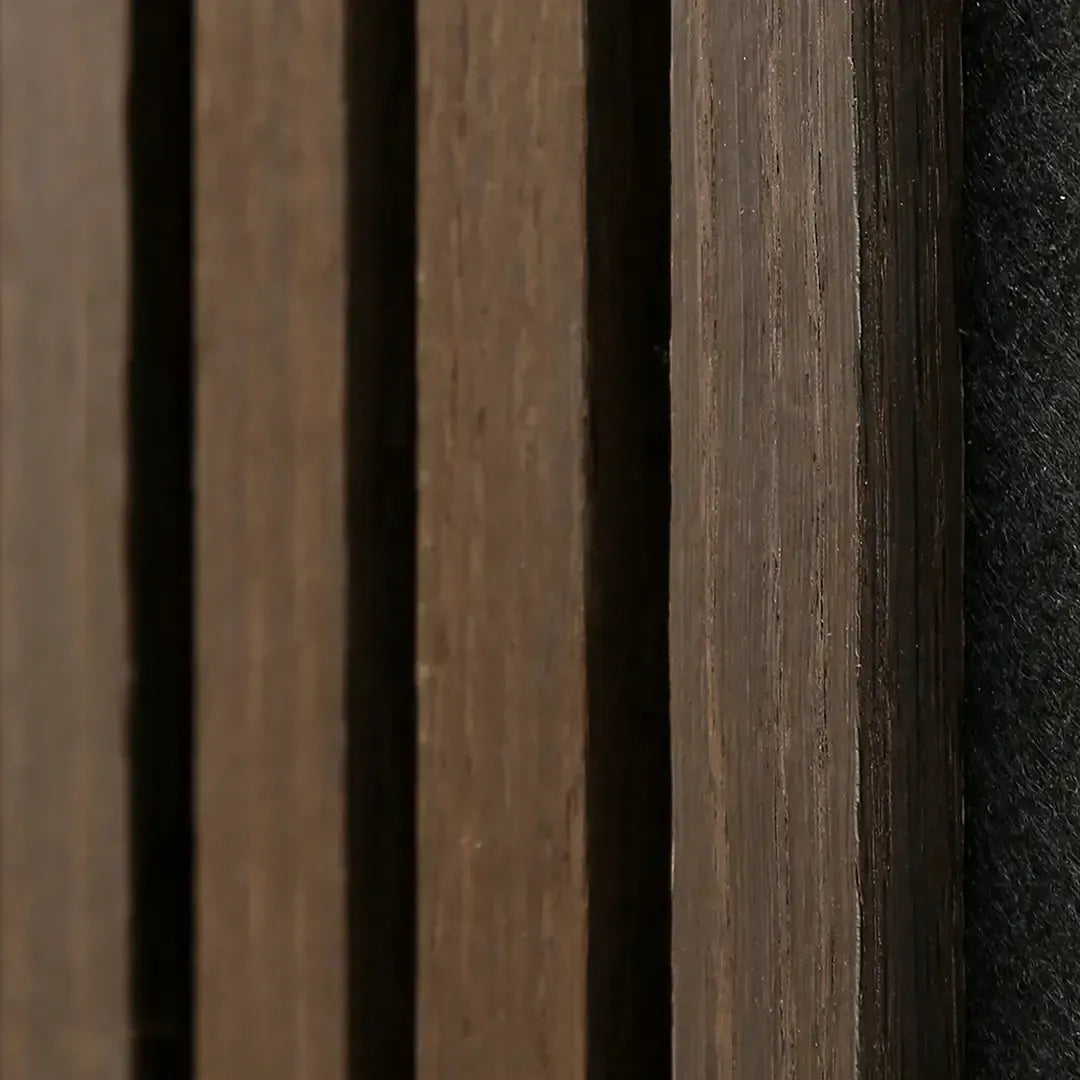
- Real 3-sided wood veneer holds its finish through a camp season of scuffing and daily cleaning; painted panel prints show wear at the first scrape
- Veneer takes a stain touch-up later; a printed laminate surface cannot be repaired, only replaced
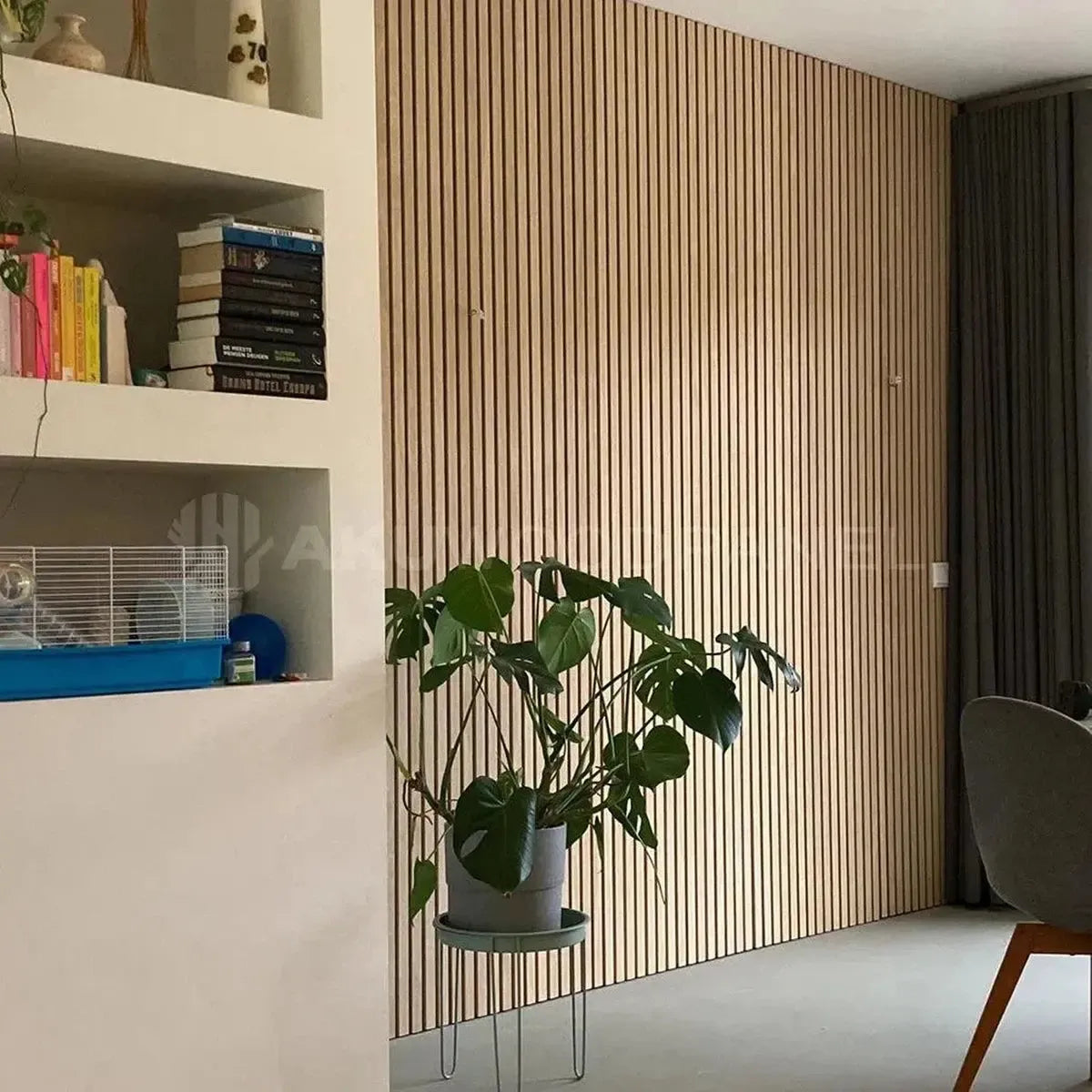
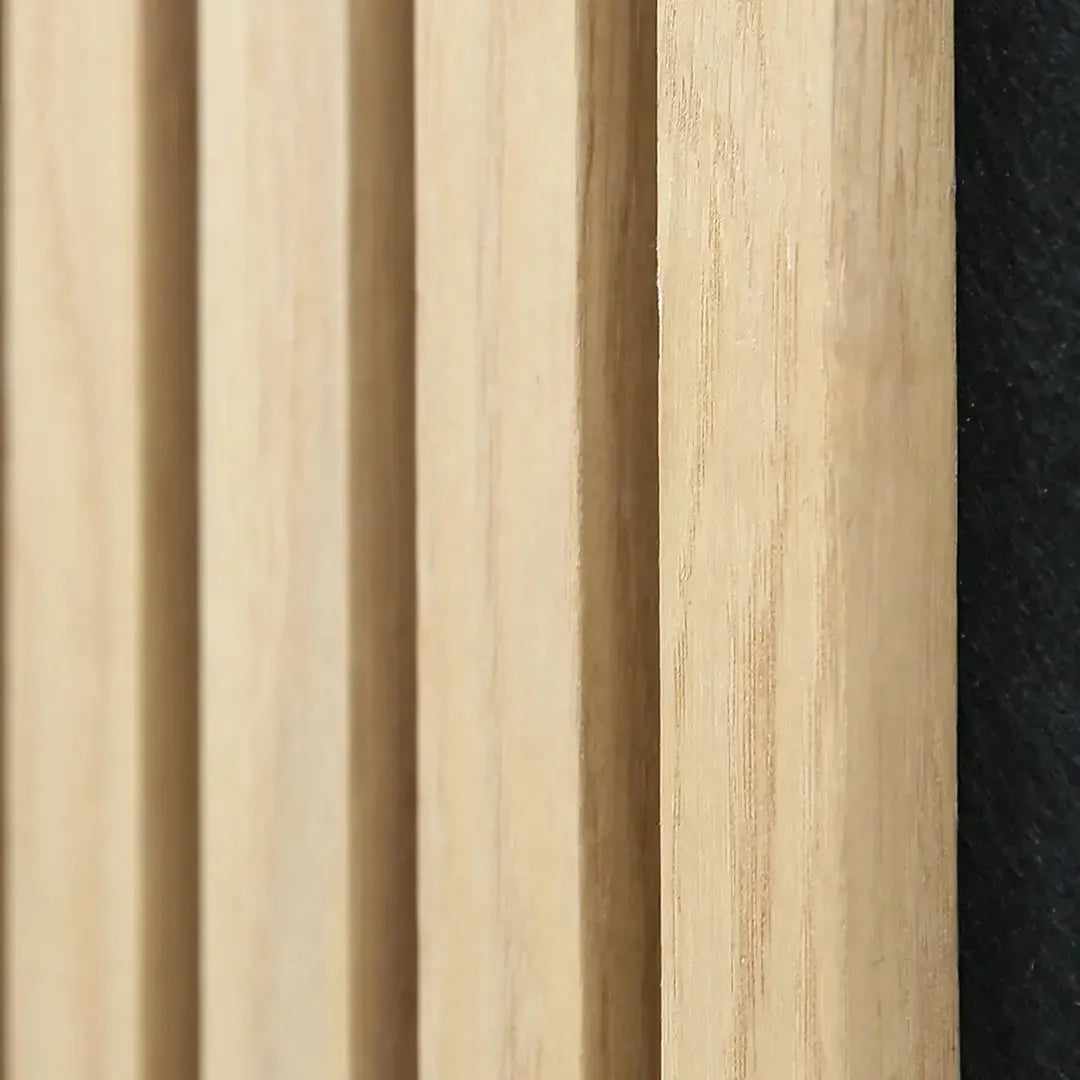
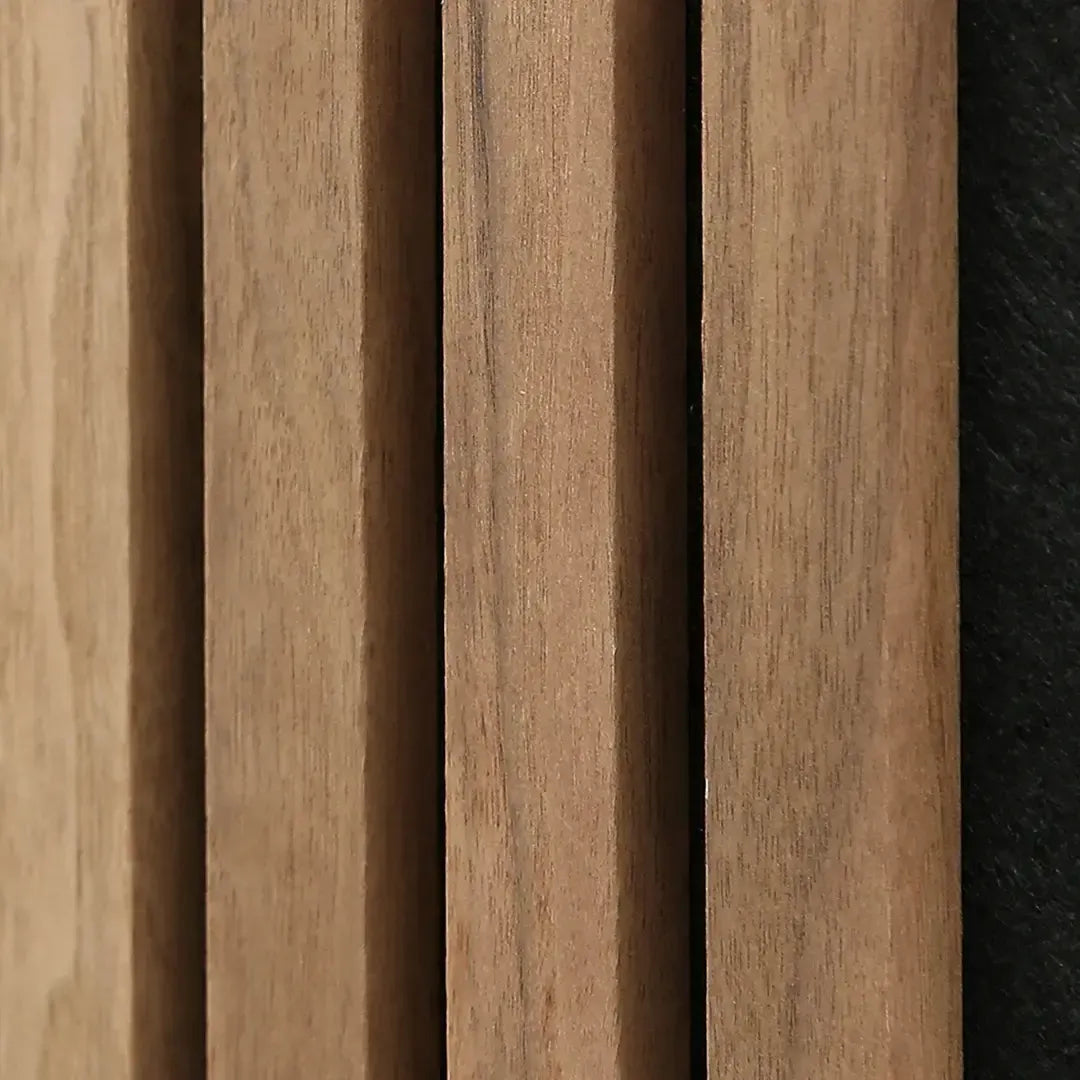
- For a timber-cabin look without full log construction, a rustic oak wall panel gives the grain and knot pattern donors associate with a lodge, at a fraction of the labor of solid log walls
- Ask for a physical sample before ordering a full wall — screen colors shift under the fluorescent lighting common in dining halls
Match the panel type to the room, not the whole building
- Dining halls and rec rooms with hard flooring and high ceilings need acoustic slat panels, since these carry the felt or NRC-rated backing that plain decorative cladding lacks
- Cabins and bunkhouses with lower ceilings can get by with a lighter treatment on just the headboard wall, since the noise problem is smaller there
- Covered porches, breezeways, and mudroom entries need panels rated for outdoor exposure, not interior veneer — exterior wall panel oak or a birch equivalent handles rain-driven wind and UV without the finish failing in one season
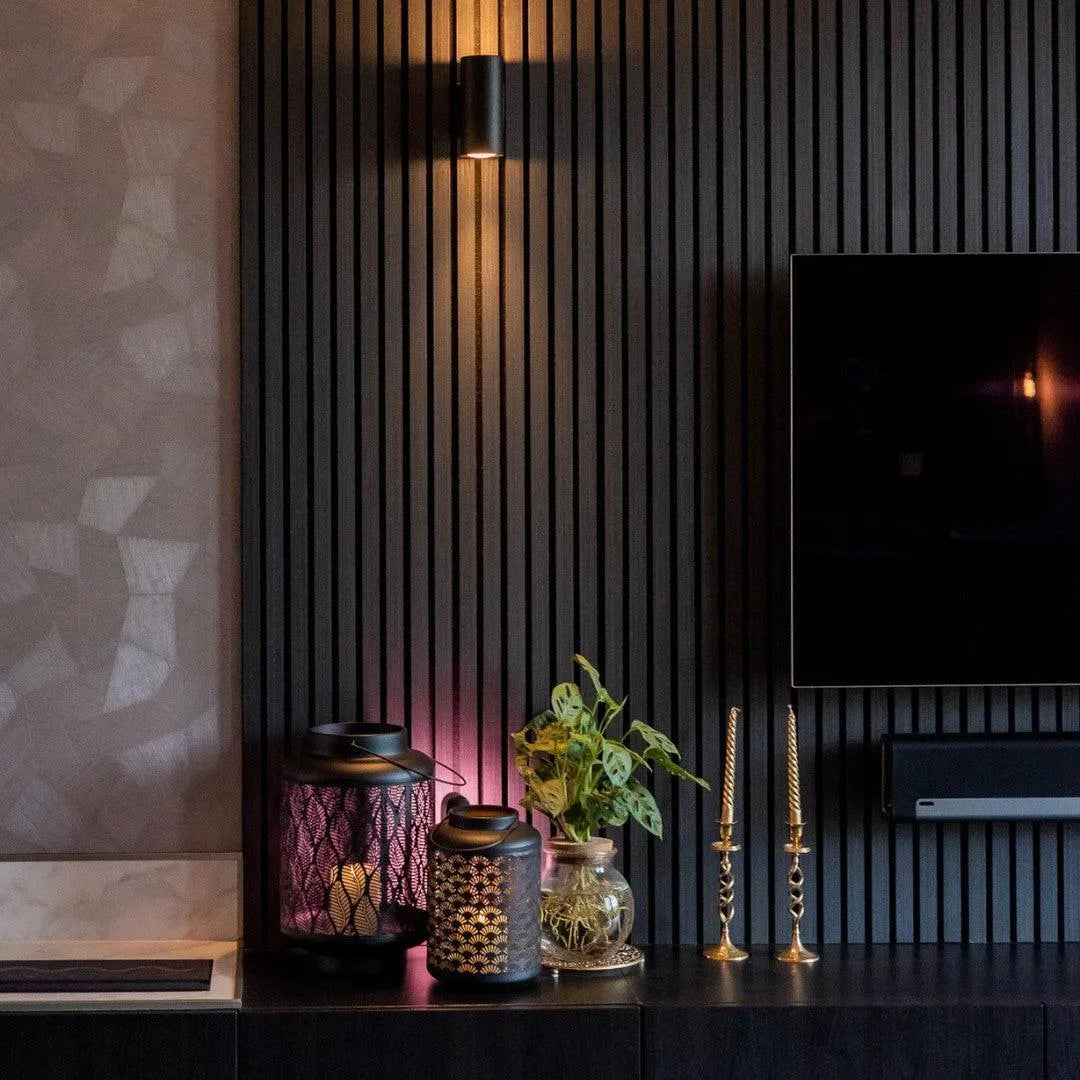
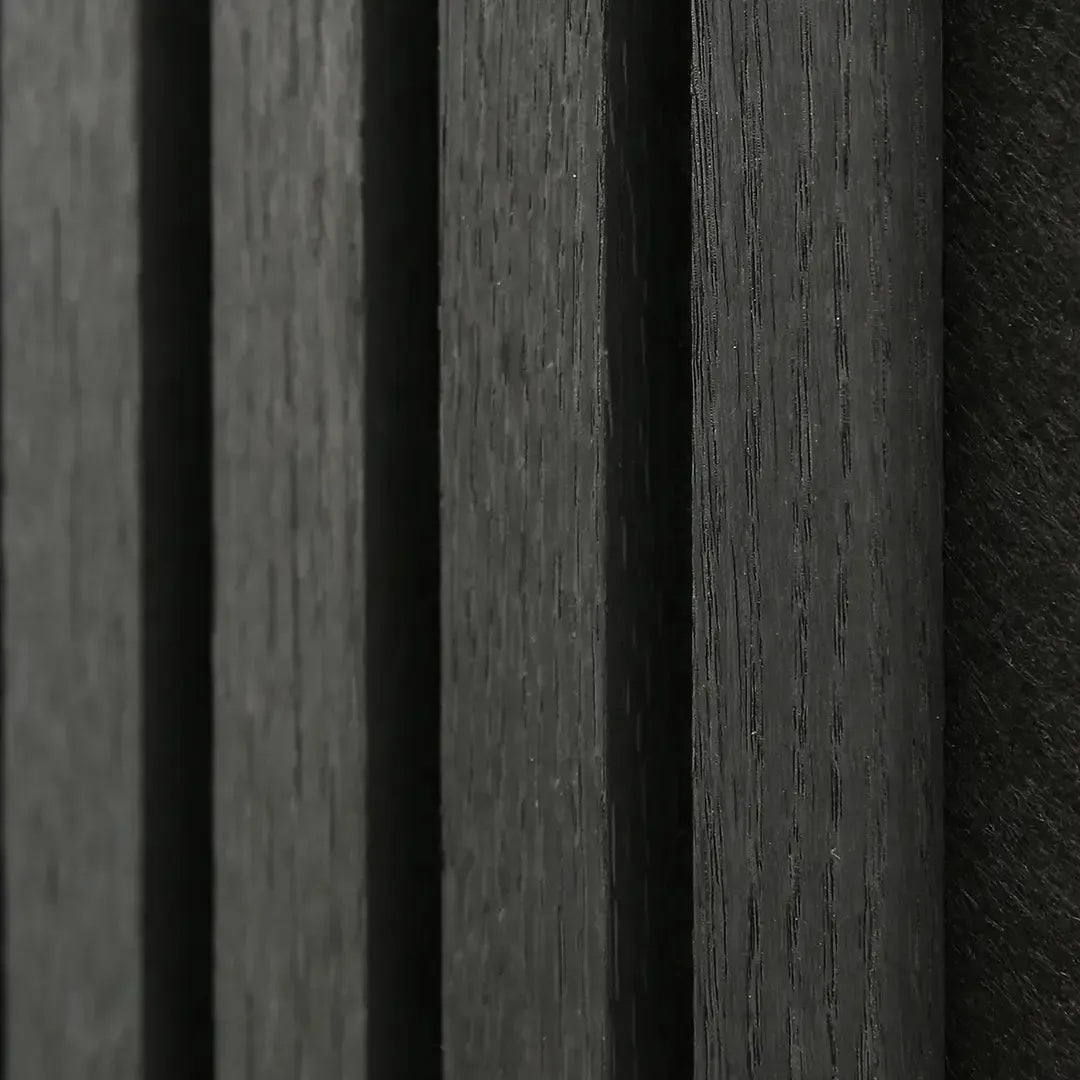
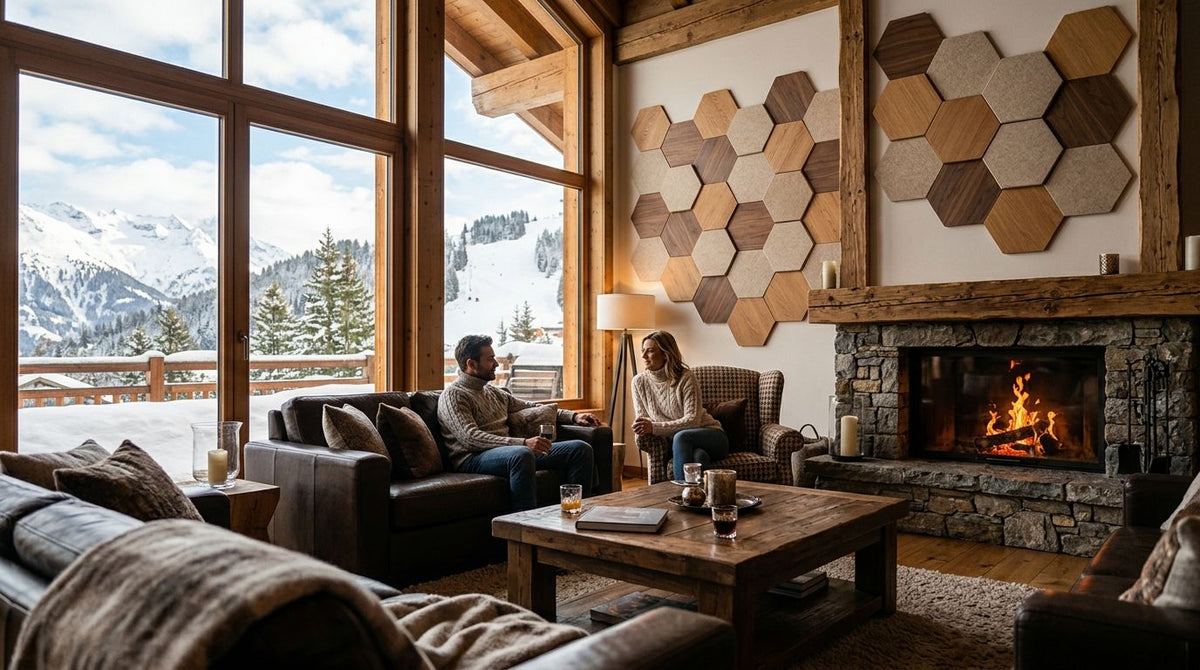
- Reserve smoked oak or black oak tones for accent walls behind a stage or fireplace, where the darker grain reads as a focal point instead of covering the whole room
Plan for humidity, mud, and four straight months of use
- Camps near lakes or pools deal with humidity swings that warp cheap composite panels; sealed 3-sided wood veneer resists that swelling better
- Covered outdoor walkways still see rain-driven splash under a roof overhang; exterior-rated panels are built for roughly 25 years of maintenance-free exposure per their product spec, where interior panels are not
- Budget the entry points first — mudrooms and porch walls take the most weather and foot traffic before a room even gets used
- Add corner trim and finishing trim at outside corners so panel edges do not chip under repeated door and cart traffic
Calculate coverage before you order
- Measure square footage of the target walls, not the whole room, and add roughly 10% for cut waste around doors and windows
- Decide whether the whole wall gets covered or just a lower wainscot band — full coverage handles echo better, a band is cheaper and faster to install
- Order in one batch from a single dye lot so grain and tone match across a 40-foot dining hall wall
- If the project spans multiple buildings on one camp, standardize on one or two finishes so replacement panels stay available for repairs down the line


Order samples and phase the install
- Request physical samples of the 2-3 finishes under consideration before committing to a full dining hall order
- Install the highest-visibility wall first — the wall behind the check-in desk or the stage campers see every assembly — so the budget win shows up immediately
- Phase remaining walls across off-season months when the lodge sits empty, rather than mid-camp
- Keep spare panels from the same batch on hand for the inevitable dent or scrape from a bunk full of ten-year-olds
Comparing panel options for a camp lodge
A 2026 dining hall renovation almost never uses one panel type for the whole building — different rooms have different jobs.
| Option | Best For | Key Limitation |
|---|---|---|
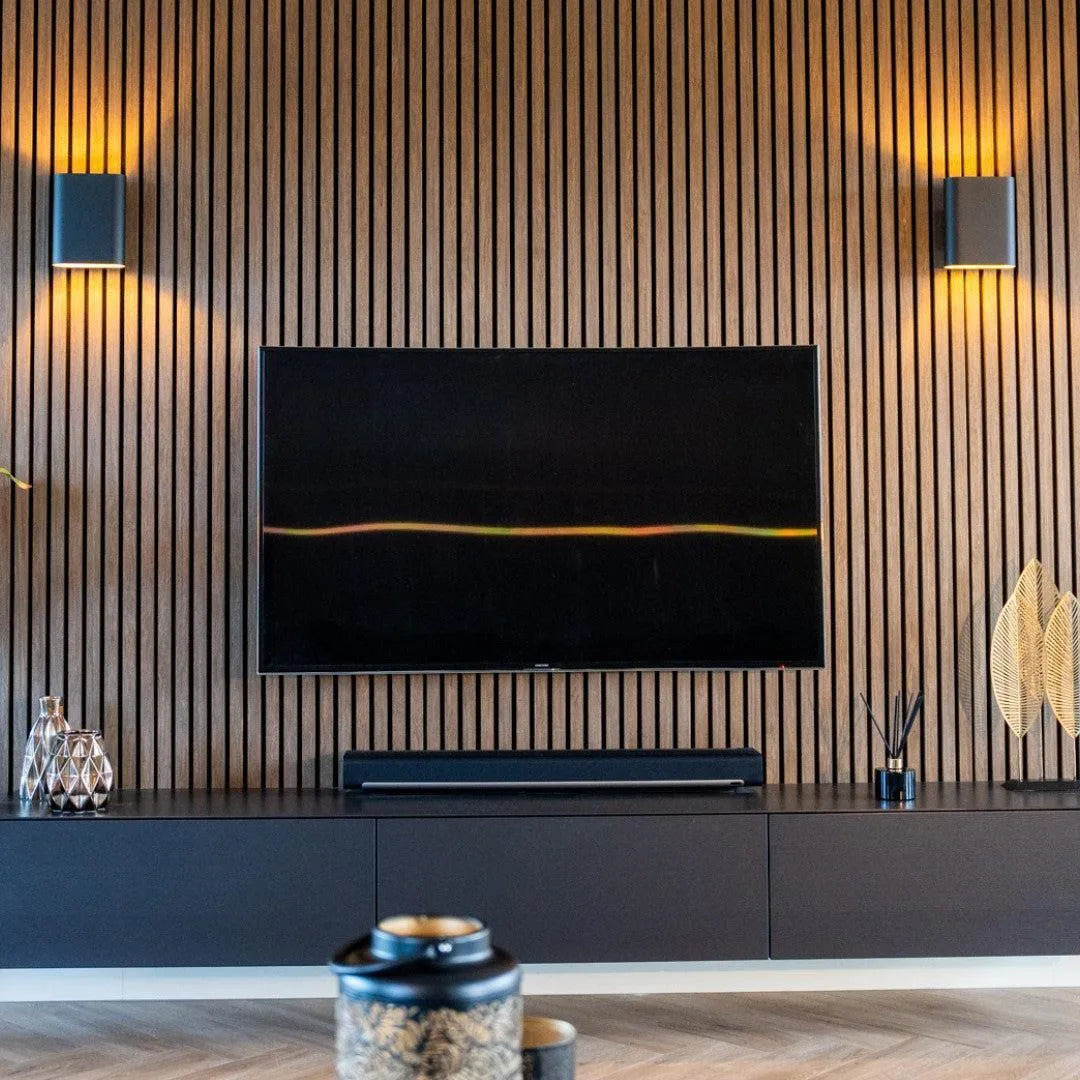
| Acoustic slat wall panel (oak/walnut) | Dining halls and rec rooms needing echo control | Interior use only, not rated for open-air porches |
| Rustic oak wall panel | Great rooms and lodge feature walls needing a timber-cabin look | No acoustic backing, decorative only |
| Exterior wall panel (oak/birch) | Covered porches, breezeways, mudroom entries | No sound absorption, purely a cladding product |
| Fluted wall panel | Reception desks, stage surrounds, accent columns | Vertical grooves show dust buildup faster than flat veneer |
Common mistakes summer camps make with wood panels
- Covering the dining hall wall with decorative veneer and skipping acoustic slat panels entirely, then wondering why the room is still loud during meals
- Using interior-only panels on a covered porch or breezeway, where rain-driven wind and UV strip the finish before the next camp season
- Buying panels for one wall at a time across multiple seasons, ending up with mismatched grain and tone by the third summer
- Skipping corner trim and finishing trim, leaving raw edges that peel or chip under constant door and cart traffic
- Choosing the cheapest laminate print because "it's just a camp," then replacing the whole wall two years later once kids scuff through the surface layer
For a dining hall specifically, tongue-and-groove panels for mountain lodge dining halls covers how a larger institutional room differs from a residential great room in coverage and layout.
FAQ
What's the best wood panel for a summer camp dining hall?
An acoustic slat wall panel with an NRC rating of 0.75, such as AKU Woodpanel's oak or walnut slat panels, is the best choice for a camp dining hall in 2026 because it absorbs sound instead of just covering the wall. Plain decorative veneer looks similar but does not reduce echo.
Can wood wall panels handle a camp lodge's covered porch?
Only panels rated for exterior exposure, not interior veneer. AKU Woodpanel's exterior wall panels are built for roughly 25 years of maintenance-free use against rain and UV, which a standard interior slat panel is not designed to withstand.
Is real wood veneer worth it over a printed laminate panel for a camp?
Yes for high-traffic rooms — real 3-sided wood veneer takes stain touch-ups and holds up to scuffing, while a printed laminate surface shows wear at the first scrape and cannot be repaired.
How much wall coverage does a camp great room typically need?
Measure the target wall square footage directly and add roughly 10% for cut waste around doors and windows. Full floor-to-ceiling coverage controls echo better than a lower wainscot band, though the band costs less and installs faster.
Do bunkhouses need the same acoustic treatment as dining halls?
No — bunkhouses have lower ceilings and less foot traffic, so a lighter treatment on just the headboard wall usually solves the noise problem. Dining halls and rec rooms need full acoustic slat coverage because they have hard flooring and high ceilings.
What color panel works best for a rustic camp lodge look?
Rustic oak or natural oak reads as a classic timber-cabin finish, while smoked oak or black oak works better as a darker accent behind a stage or fireplace rather than across an entire room.
Should a camp order samples before a full panel order?
Yes, always request physical samples of the 2-3 finishes under consideration before committing to a full dining hall order, since lighting in a mess hall or great room can shift how a color reads compared to a screen or catalog photo.
One last thing
The loudest room in most summer camp lodges is not the gym — it's the dining hall at breakfast, where 150 kids and metal trays turn a concrete-floored room into an echo chamber worse than most sports courts. Treat that wall first in your 2026 renovation, not the lounge everyone assumes needs the upgrade.


 Better performance and aesthetic appeal
 In Stock