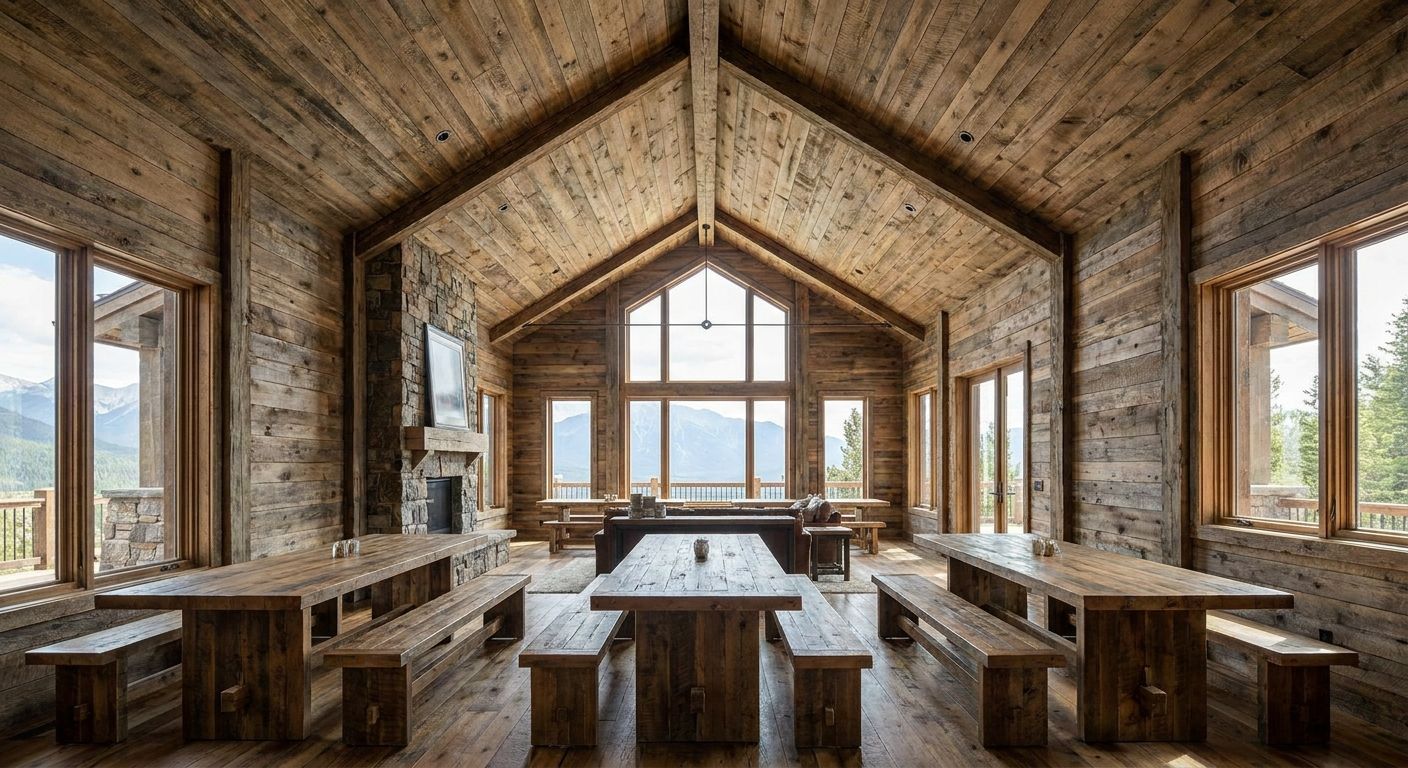
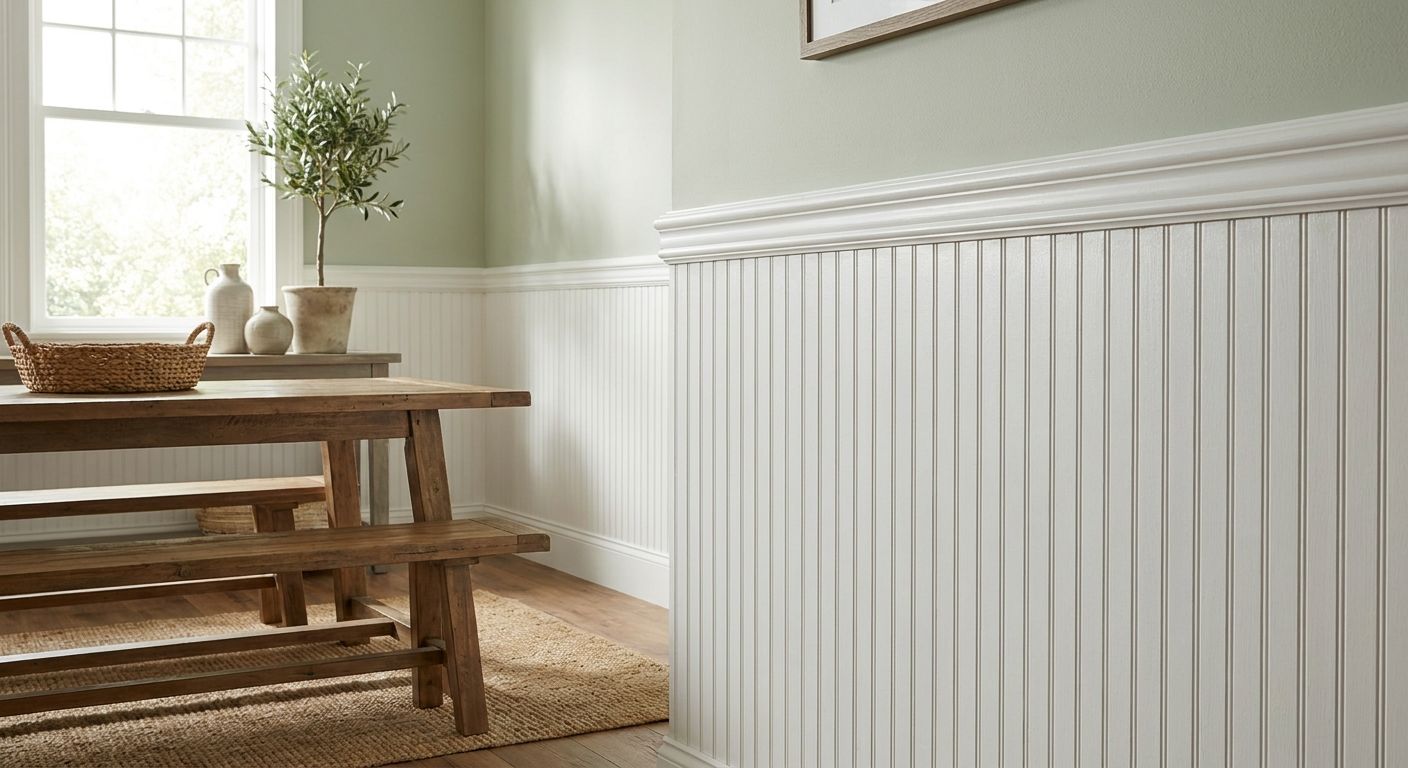
Mountain lodge dining halls take a beating: ski boots, big families, cathedral ceilings that bounce every plate clatter back at your guests. Tongue and groove wood panels solve the noise problem without covering up the timber-frame look that got you into this business, and the right pick changes how a dining hall sounds within one meal service.
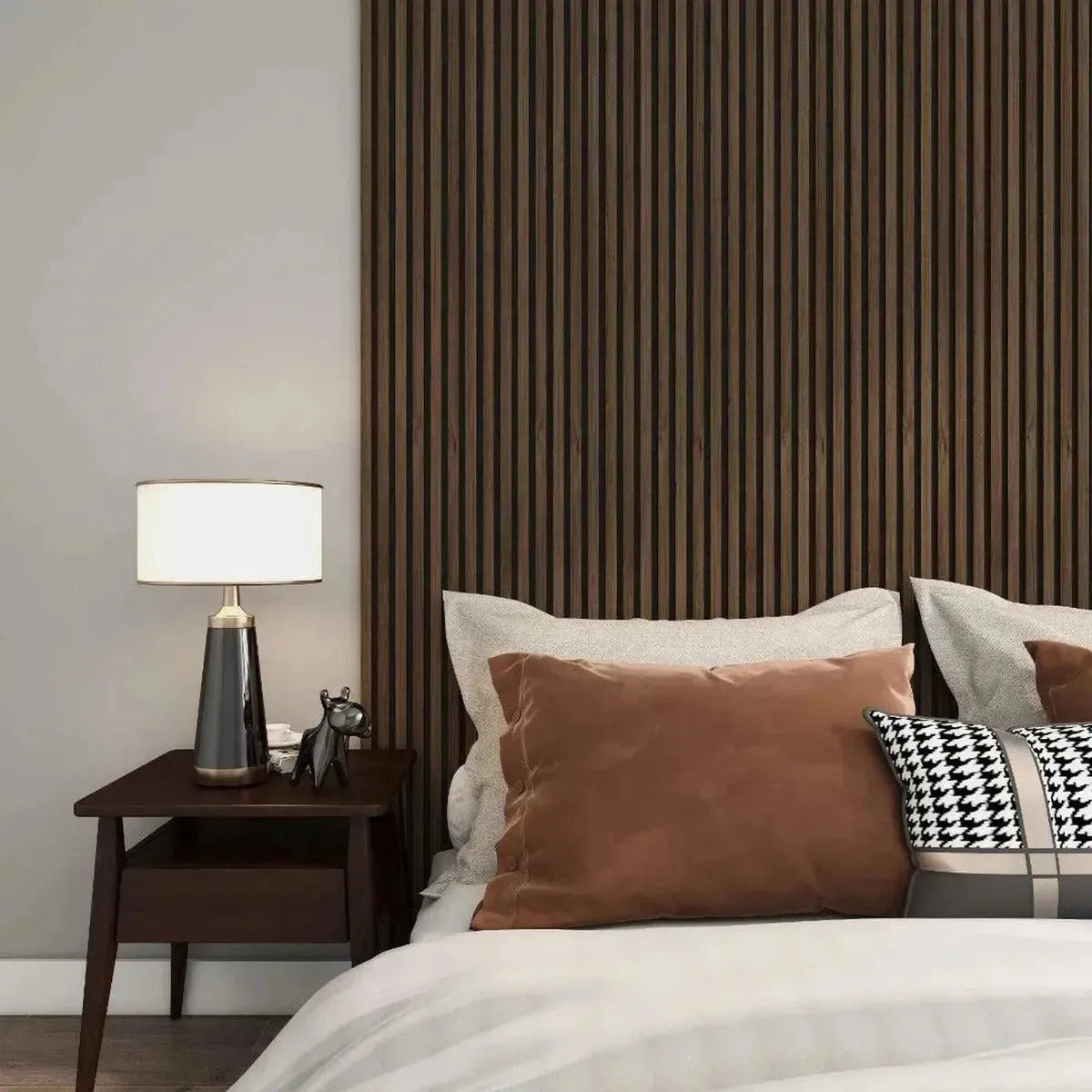
- Walnut acoustic slat wall panels at $182.95 a box suit dark timber dining halls with heavy echo in 2026 remodels. Buy.
- Hexagon acoustic panels with gray felt hit 0.75 NRC, a real benchmark for busy dining rooms. Buy.
- Faux-wood laminate tongue and groove wood panels wear through fast under commercial dining traffic. Skip.
- Rustic Oak and Smoked Oak slat panels work well as accent walls, not full acoustic coverage. Consider.
- Tile boxes start at $126.95, letting a lodge test one wall section before ordering the full dining hall.
Why this matters
A dining hall with a vaulted ceiling, hardwood floor, and long communal tables is an acoustic trap. Sound bounces between hard surfaces with nothing to absorb it, and by the second seating your staff is shouting orders over 40 guests. That's the exact problem covered in reducing echo in dining rooms, and tongue and groove wood panels with an acoustic backing are the fastest fix that doesn't require ripping out the ceiling.
The joinery matters as much as the wood. A true tongue and groove profile locks each board into the next, closing gaps that would otherwise let sound leak through and let the wall look sloppy after a season of humidity swings. In 2026, that detail separates a panel system that holds up in a commercial dining hall from one that needs re-caulking by spring.
Who this is for
This guide is for lodge owners and general contractors finishing or renovating a dining hall that seats 40 to 200 guests, plus architects specifying interior wood finishes for resort projects. If you're comparing tongue and groove wood panels for a residential cabin, the durability bar here is higher than what you need — commercial dining halls run panels through more wear cycles per month than any house wall ever will.
What to look for in tongue and groove wood panels for dining halls
Interlocking installation system
A genuine tongue and groove or click-fit edge keeps boards aligned without visible gaps, even as a dining hall goes through heating cycles all winter and open windows all summer. Loose click systems shift over a season and open seams that catch grease and dust. For a room that gets wiped down nightly, tight joinery isn't cosmetic — it's what keeps the wall cleanable.
Acoustic performance
A flat wood panel looks the part but does nothing for the echo problem that brought you here. Panels backed with felt or built with slat spacing absorb sound instead of just reflecting it back into the room; the hexagon acoustic panel line rates at 0.75 NRC with its gray felt backing, which is the number to compare against anything else you're considering for the same wall.
Real wood veneer vs. printed laminate
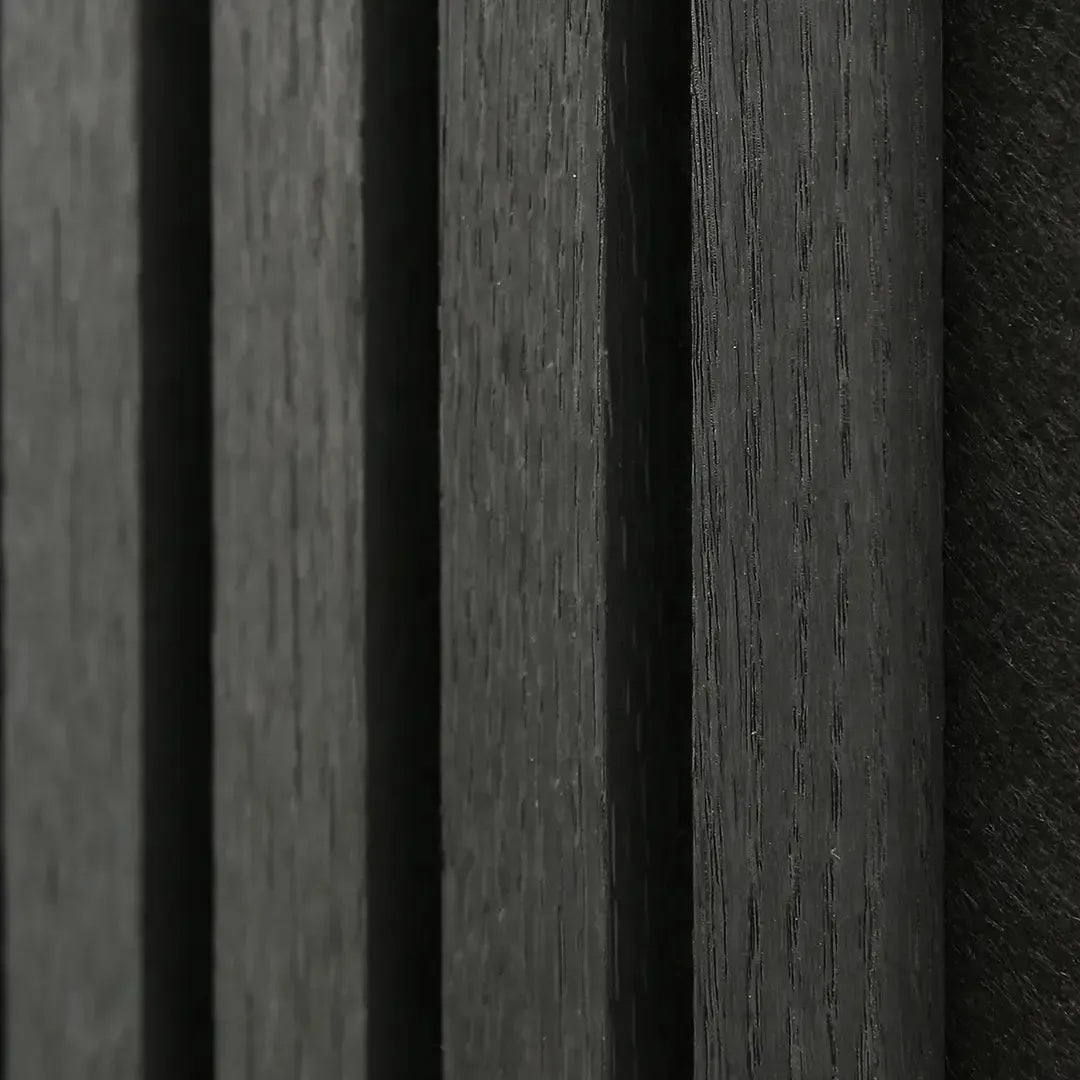
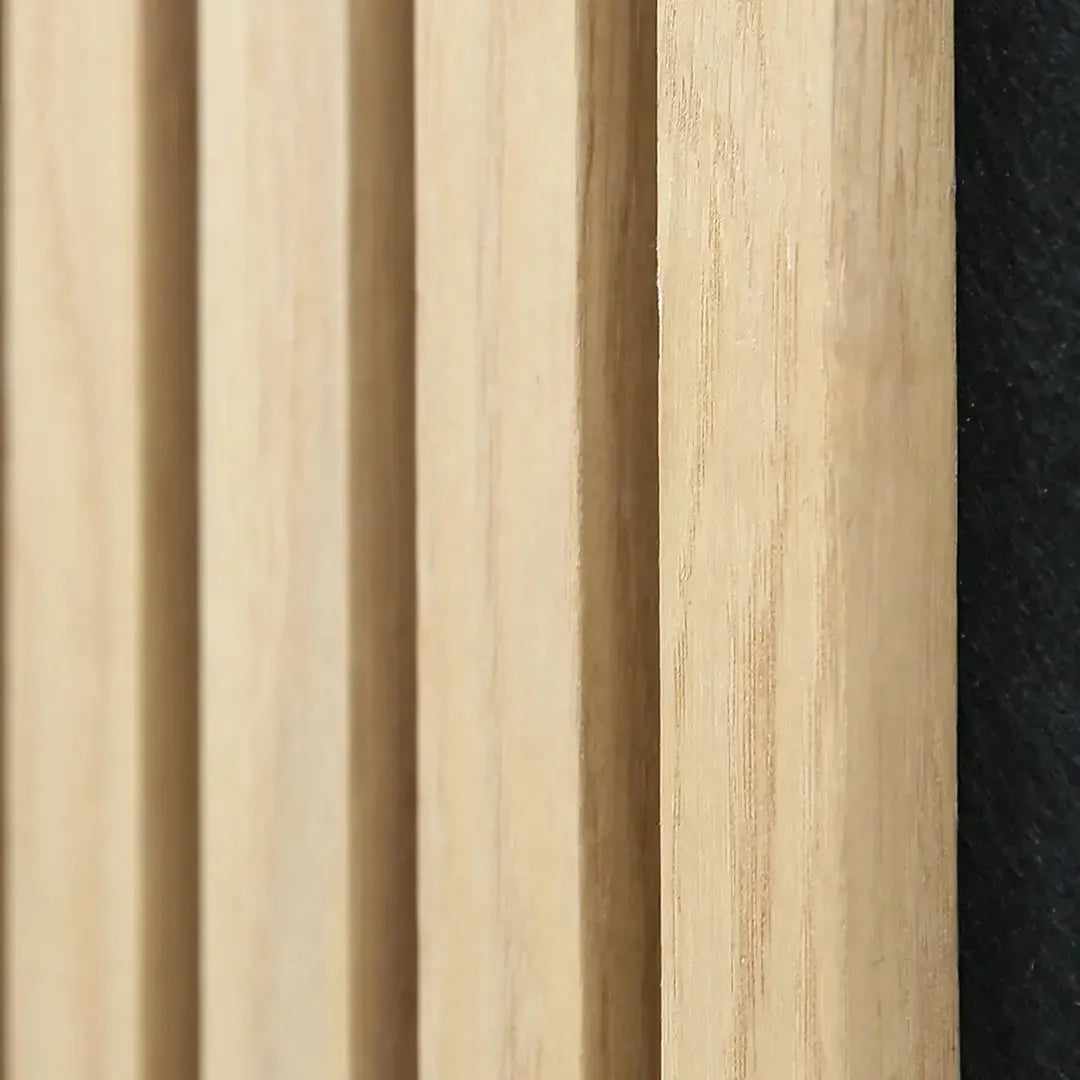
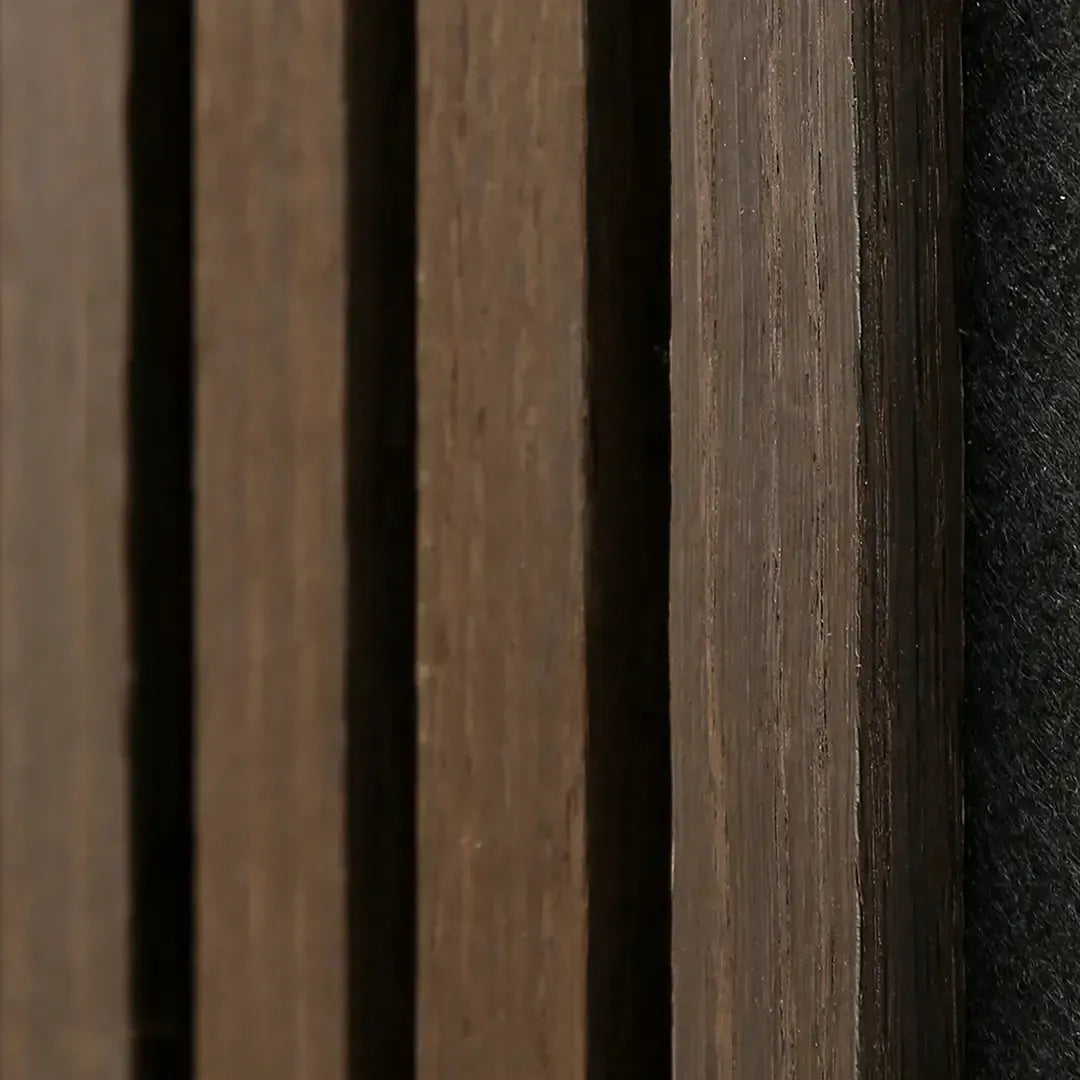
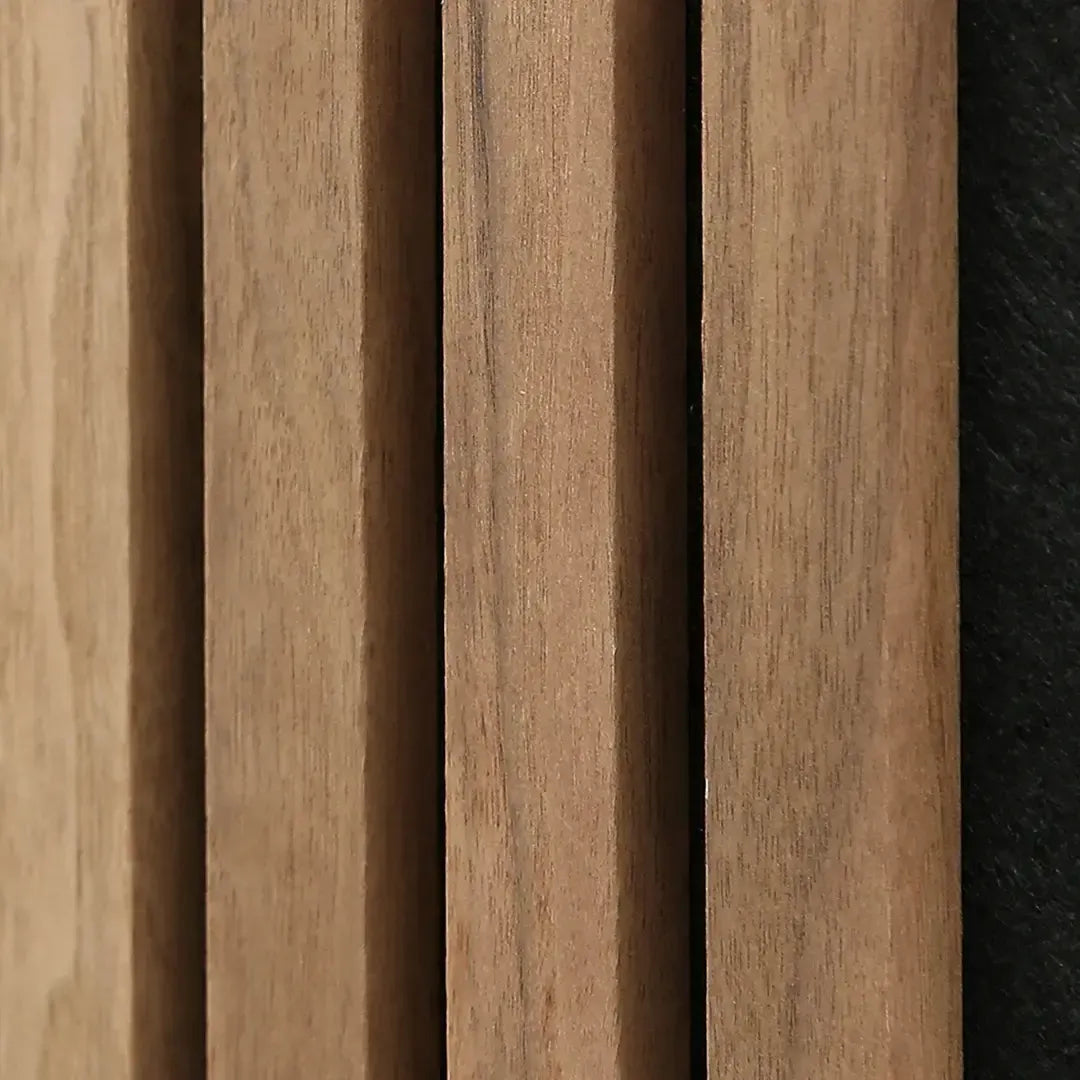
A dining hall is a showcase room. Guests sit at these tables for an hour and look at the wall the whole time, so a printed laminate pattern reads as fake under the room's overhead lighting within a few feet. A 3-sided wood veneer construction keeps the grain and color consistent from the front face down the visible edges.
Commercial-grade durability
Residential-grade panels are built for a bedroom wall nobody touches. A dining hall wall gets bumped by chairs, trays, and coat sleeves on a nightly basis, so panel thickness and edge finishing need to handle contact, not just visual inspection from six feet away.
Code compliance and fire rating
Commercial dining spaces answer to different fire codes than a home accent wall. Confirm the fire rating on any tongue and groove wood panel before it goes on a dining hall wall — this is a step your fire marshal will ask about at inspection, regardless of how good the panel looks in the showroom.
Top picks for mountain lodge dining halls
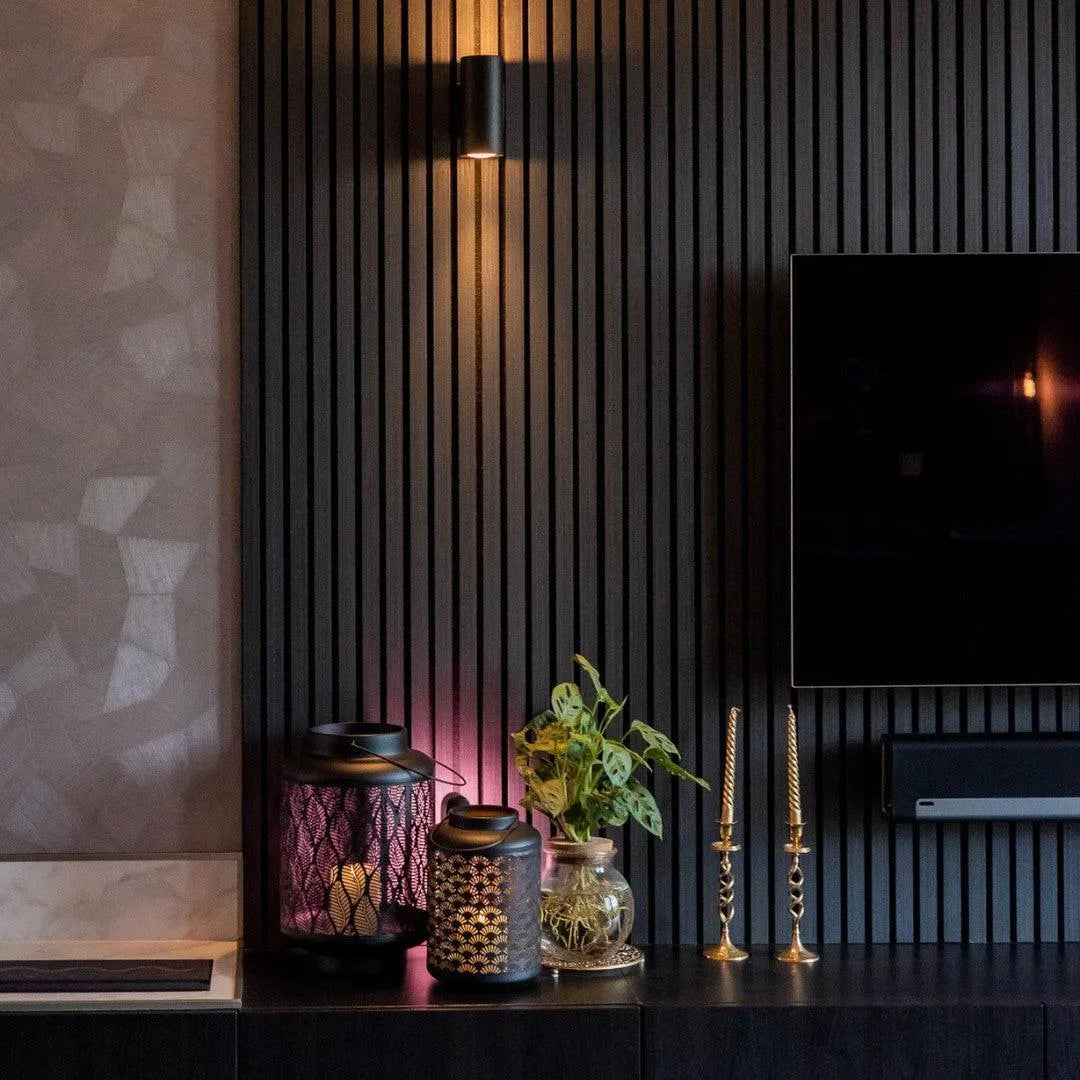
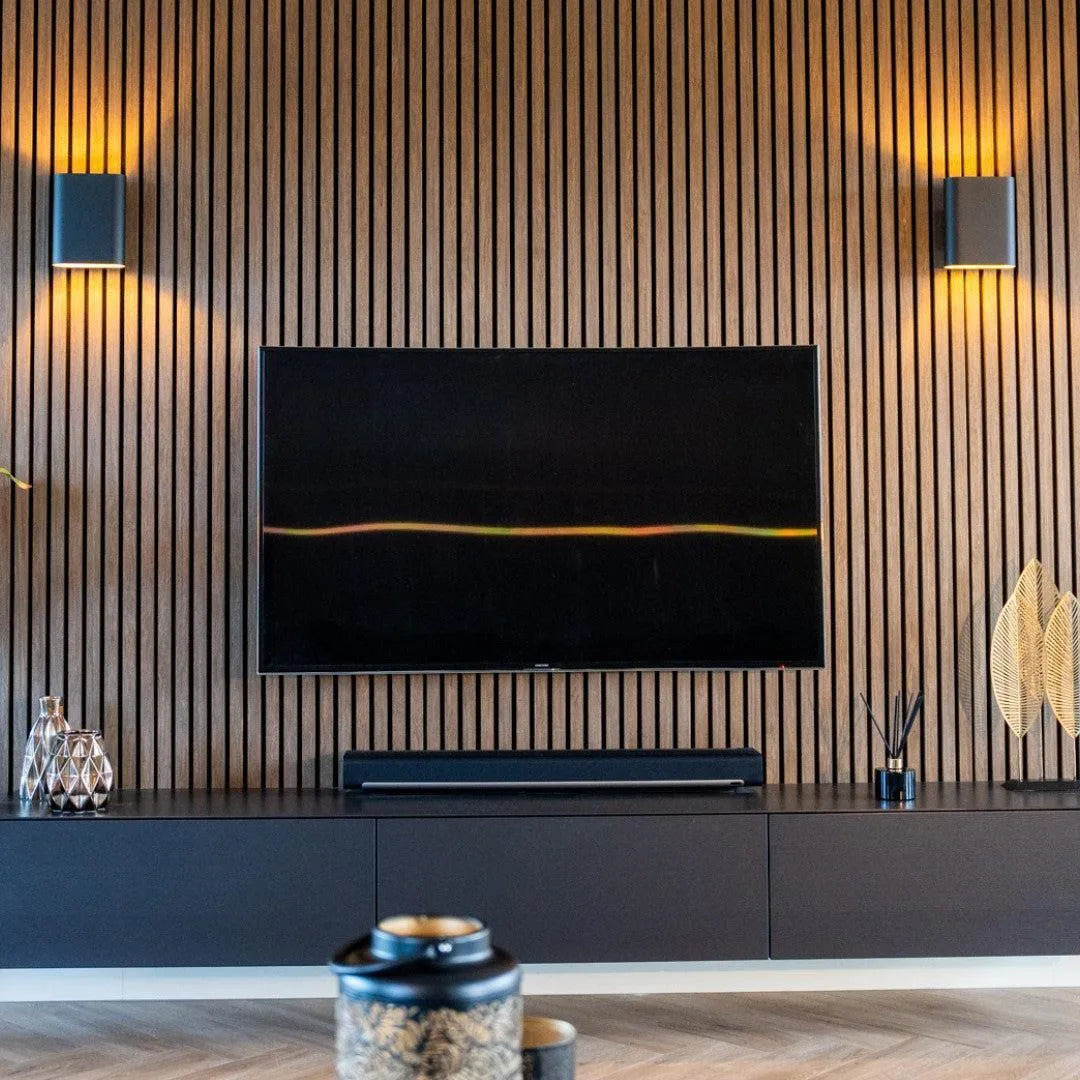
The anchor pick — Acoustic Slat Wall Panel Walnut Walnut's dark tone matches exposed timber framing without competing with it, and the 3-sided wood veneer construction holds up under the low, warm lighting most dining halls run. Priced at $182.95 per box in 2026, it's built for a full accent wall behind the main tables. Buy.
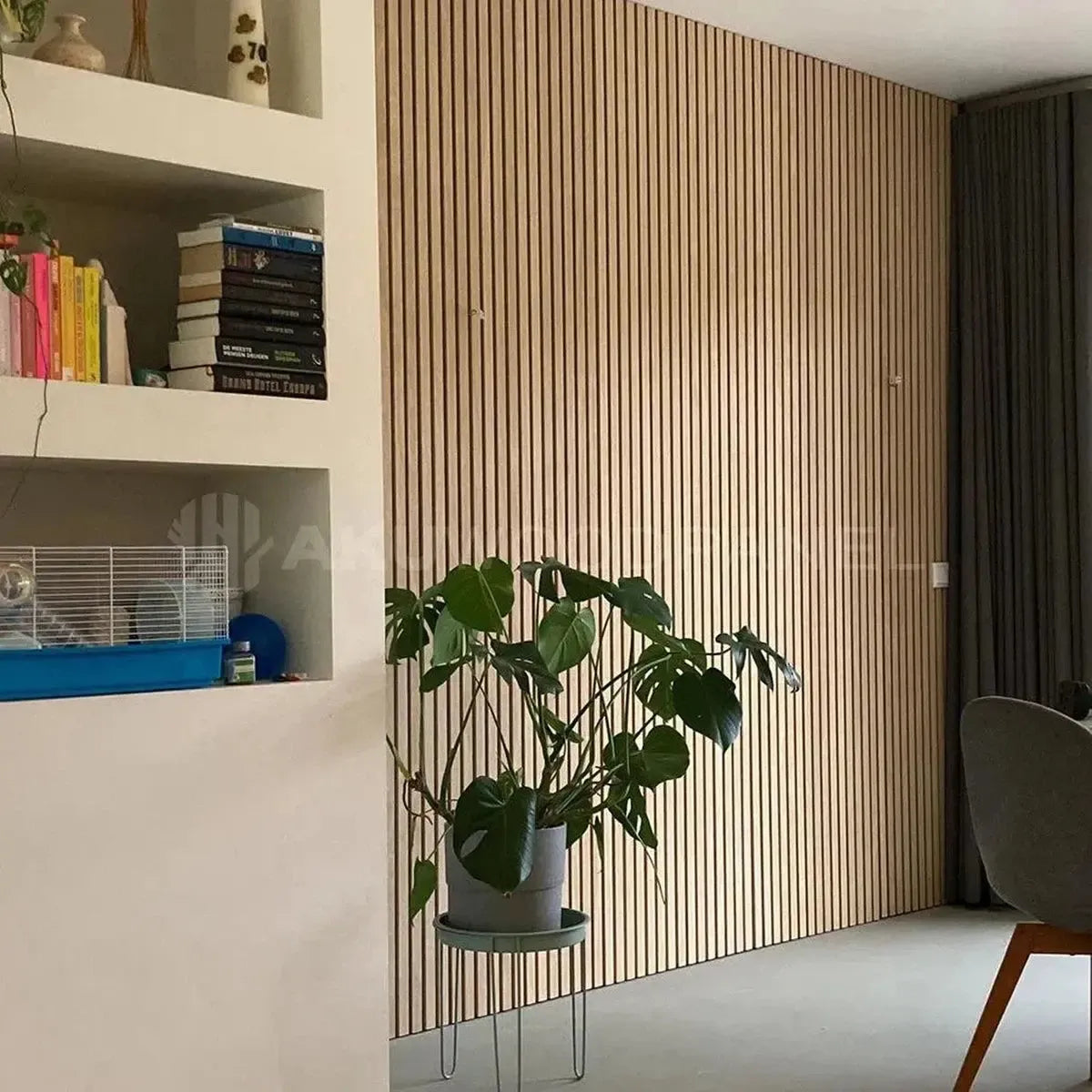
The daylight pick — Acoustic Slat Wall Panel Rustic Oak Rustic Oak reads lighter and works in dining halls with big windows and a Scandinavian-lodge look rather than a dark cabin aesthetic. It shares the same 3-sided veneer build as the rest of the slat line at $169.95 a box. Buy if your dining hall leans bright and open-plan.
The texture pick — Fluted Wall Panel Natural Oak Fluted profiles add a vertical line pattern that reads differently under overhead lighting than a flat slat wall, which helps break up a long dining hall wall visually without changing the wood tone. It's a strong option for a feature wall behind a host stand or bar pass. Consider for accent sections rather than full-room coverage.
The acoustic specialist — Hexagon Acoustic Panel Natural Oak with Gray Felt This is the pick when the echo problem is the priority over the look. At 0.75 NRC and $165.95 for a 4-panel box covering 32-inch hexagons, it's built specifically to absorb sound rather than just decorate a wall. Buy for the wall directly behind the loudest seating section.
The dramatic pick — Acoustic Slat Wall Panel Smoked Oak Smoked Oak goes darker and moodier than Walnut, which suits a dining hall bar area or private dining nook more than the main hall. At $177.95 a box it's priced close to Walnut, so the decision comes down to tone, not budget. Consider for smaller adjacent rooms rather than the main dining floor.


What to avoid
- Printed laminate "wood-look" panels. They look convincing in a product photo and flat under a dining hall's overhead lighting once guests are seated for an hour staring at the wall.
- Thin, gap-prone click systems. A joinery system that isn't a genuine tongue and groove profile opens seams within a season of heating-cycle expansion and contraction.
- Purely decorative flat panels with no acoustic backing. If the reason you're reading this is echo control, a panel without felt backing or slat spacing won't move the needle no matter how good the veneer looks.
Verdict comparison
| Panel | Veneer | Acoustic backing | Price (2026) | Verdict |
|---|---|---|---|---|
| Walnut Slat Wall Panel | 3-sided wood veneer | Slat spacing | $182.95 | Buy |
| Rustic Oak Slat Wall Panel | 3-sided wood veneer | Slat spacing | $169.95 | Buy |
| Fluted Wall Panel Natural Oak | 3-sided wood veneer | None | — | Consider |
| Hexagon Panel Natural Oak w/ Gray Felt | Wood veneer + felt | 0.75 NRC | $165.95 | Buy |
| Smoked Oak Slat Wall Panel | 3-sided wood veneer | Slat spacing | $177.95 | Consider |
FAQ
What are the best tongue and groove wood panels for a dining hall?
Acoustic slat wall panels in Walnut or Natural Oak are the strongest fit for mountain lodge dining halls in 2026 because they combine real wood veneer with slat-based sound absorption. Hexagon panels with gray felt back them up on pure acoustic performance at 0.75 NRC.
Is real wood veneer better than faux wood panels for a dining hall?
Yes, real wood veneer holds its grain and finish under close viewing distance, which matters in a room where guests sit for an hour looking at the wall. Faux laminate panels flatten out and look printed under dining hall lighting within a few feet.
How much do tongue and groove wood panels cost for a dining hall wall?
Slat wall panel boxes run from $169.95 to $182.95 depending on wood tone, and hexagon acoustic panels run $165.95 for a 4-panel box in 2026. A tile box starting at $126.95 lets you test one section before committing to the full room.
Do tongue and groove wood panels actually reduce echo?
Panels with felt backing or slat spacing absorb sound rather than just reflecting it, which is what actually cuts echo in a hard-surfaced dining hall. A flat solid panel with no acoustic backing does very little for reverberation, even in real wood.
What's the difference between slat panels and hexagon panels for acoustics?
Slat panels use spacing between boards to trap sound, while hexagon panels rated at 0.75 NRC use a felt-backed geometric shape built specifically for absorption. Both work in a dining hall, but the hexagon panel is the stronger pick when echo control outranks matching the room's timber look.
Can tongue and groove wood panels handle commercial dining hall traffic?
Commercial-grade panels with a 3-sided wood veneer construction are built to take contact from chairs and trays, unlike residential-grade panels made for walls nobody touches. Confirm thickness and edge finishing before ordering for a high-traffic dining room.
Should a mountain lodge match panel wood tone to its existing timber frame?
Matching or complementing the existing timber tone keeps a dining hall feeling cohesive instead of like an add-on. Walnut and Smoked Oak suit dark timber-frame lodges, while Natural Oak and Rustic Oak work better against lighter wood and bigger windows.
One last thing
The detail that trips up most dining hall projects isn't the wood tone — it's ordering a full room's worth of panel before checking how the tongue and groove joints look under the room's actual lighting. A $126.95 tile box tests one section of wall before you commit a five-figure order, and that single step catches the color-under-lighting mismatch that no product photo will show you.
 Better performance and aesthetic appeal
 In Stock