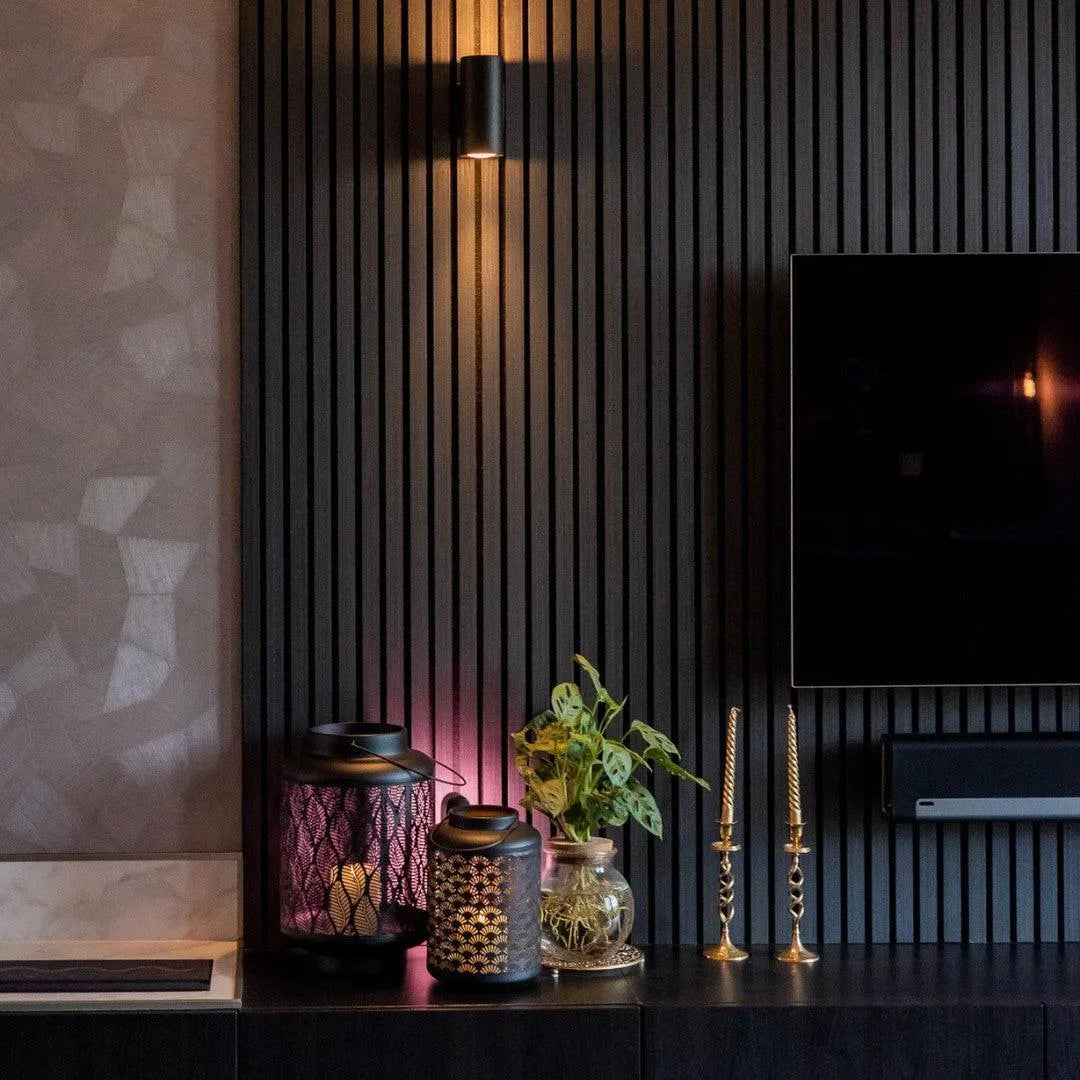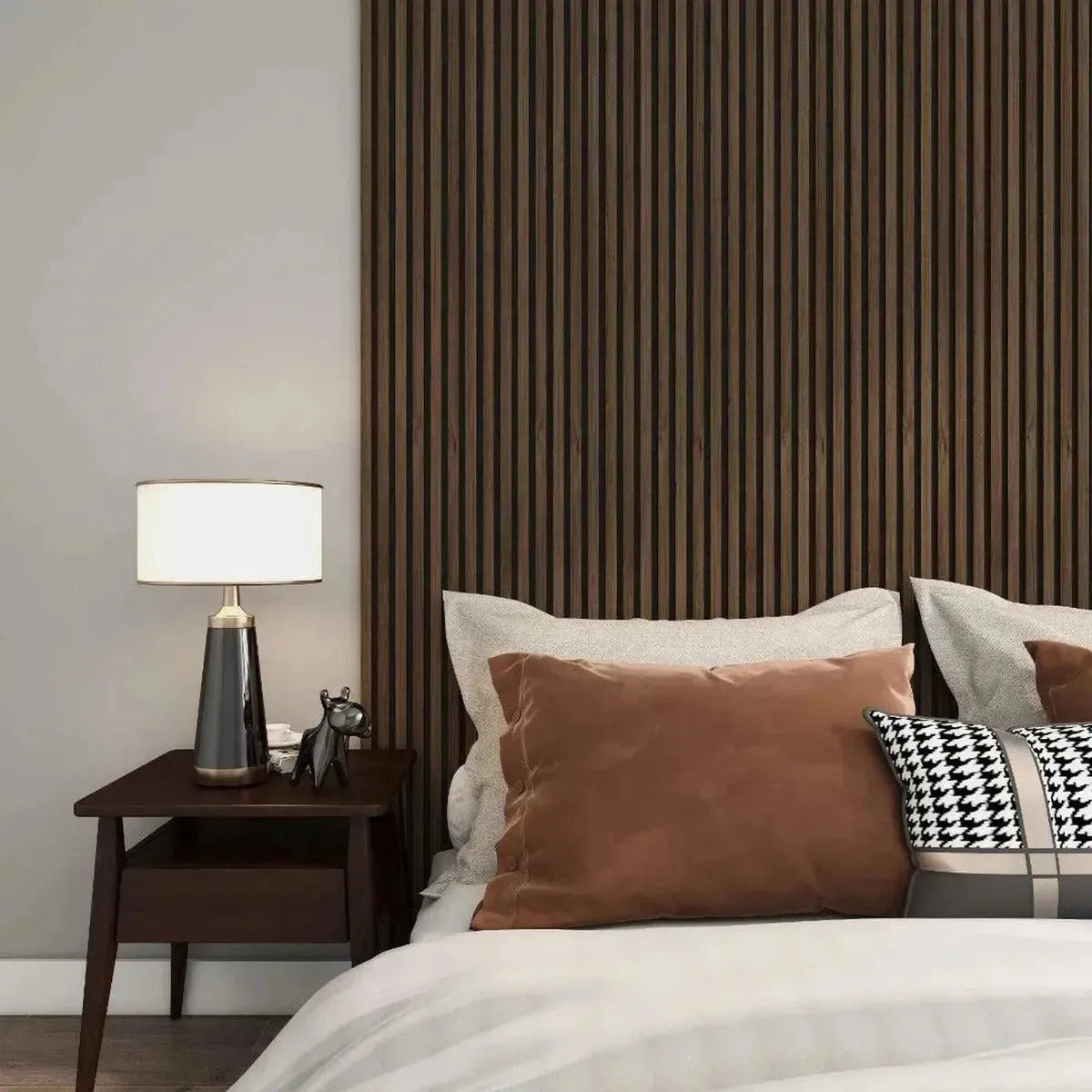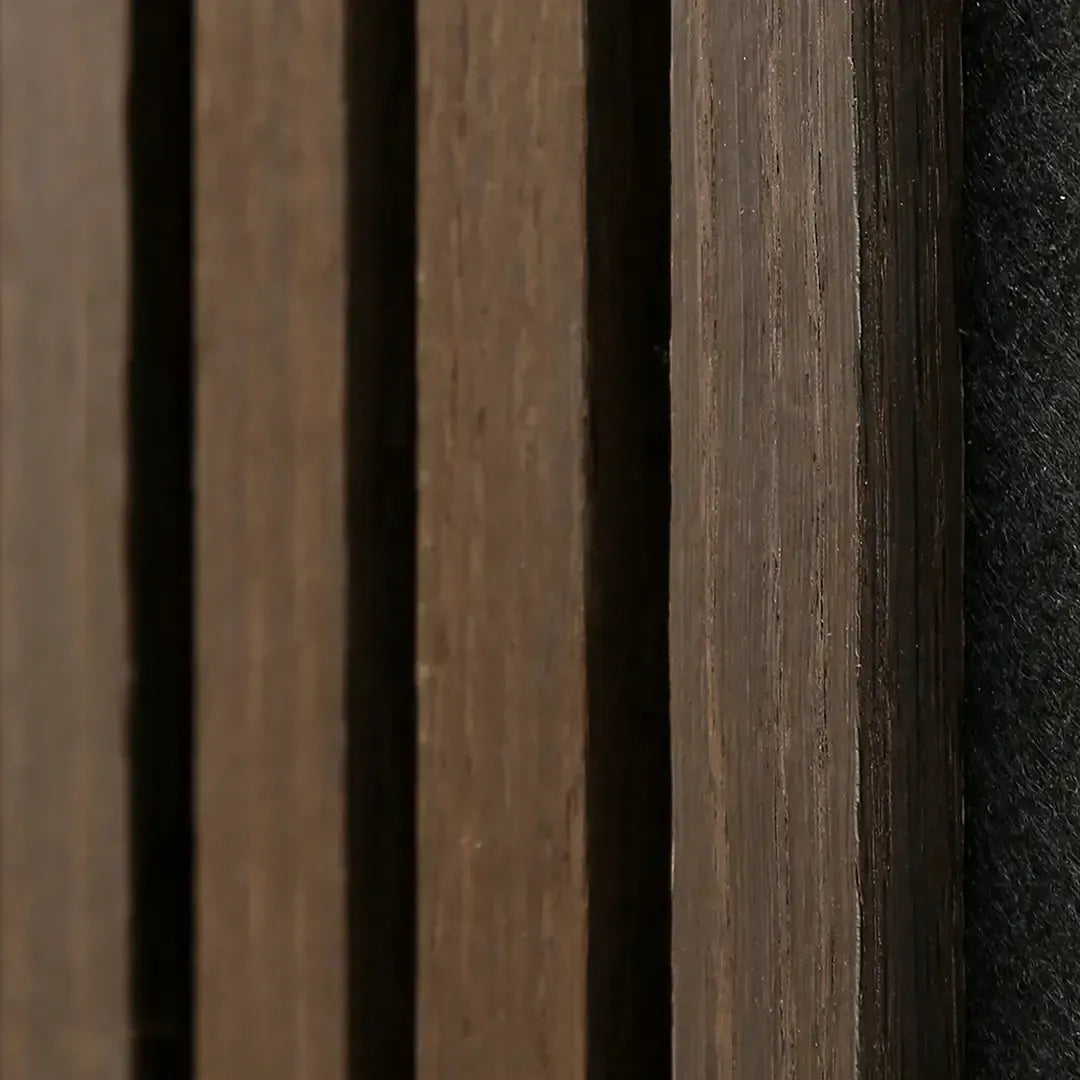
Luxury car detailing studios need wood slat panels that survive chemical fumes, buffer noise, and client walk-throughs without looking like a garage. The right panel cuts reverberation from polishers and pressure washers while giving the reception wall the same finish quality clients expect from the vehicles rolling out the door.
- Wood slat panels for car detailing studio walls need felt-backed acoustic backing (NRC 0.75) to cut buffer and compressor noise, not decorative-only veneer.
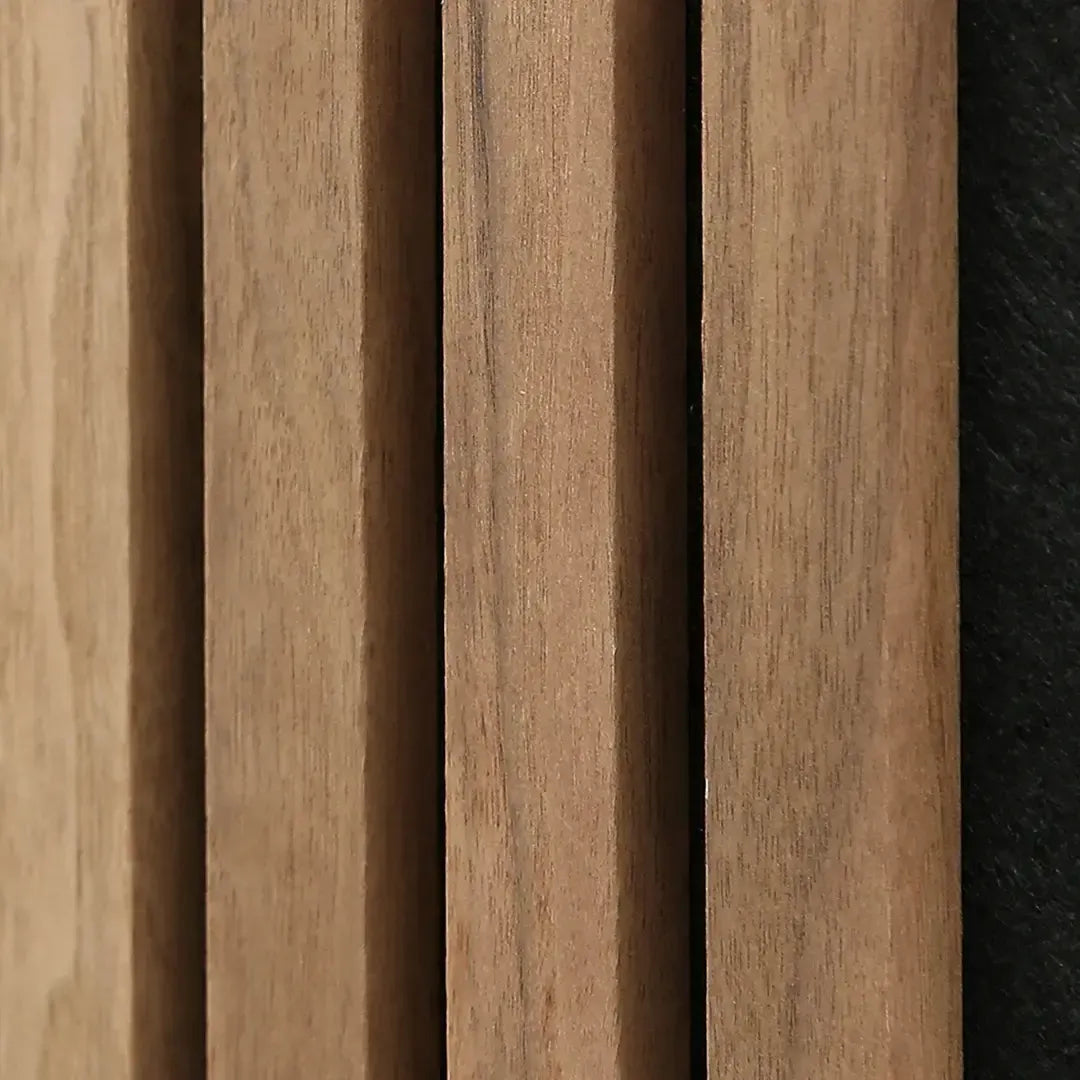
- Black Oak and Walnut finishes read premium under detailing bay lighting; Natural Oak shows grease smudges faster.
- AKU Woodpanel's hexagon and slat panels ship in 32-inch modules, which fits standard bay wall heights without heavy cutting.
- Reserve felt-backed panels for the bay itself and reception; use fluted or plain veneer on non-acoustic accent walls to control cost.
Why wood slat panels matter for car detailing studios
A detailing bay is mostly hard surfaces: concrete floor, glass bay doors, sealed drywall or block walls. Every one of those reflects sound instead of absorbing it, so orbital polishers, air compressors, and shop vacs bounce around the room and stack on top of each other. That's the exact condition felt-backed acoustic panels are built for — a wood veneer face over an NRC 0.75 absorptive core knocks down mid-and-high-frequency reverb, which is where buffer and compressor whine sits.
The client-facing side of the business has a different job. Reception walls, consultation nooks, and viewing windows into the bay are where the studio sells the upsell — ceramic coating, PPF, ceramic tint. A black oak slat panel on that wall does double duty: it absorbs bleed noise from the bay next door and signals the same premium standard as the vehicles on the lift. Studios that pair acoustic treatment with a cohesive wood finish consistently look and sound more finished on the same square footage than ones that just hang panels for looks.
Plan the wall before you order a single panel
Map your bay zones by noise source, not by square footage
Don't treat the whole studio as one acoustic project. Zone it first.
- Buffer and polish zones — highest priority for felt-backed slat or hexagon panels
- Compressor and vacuum alcoves — treat ceiling and adjacent wall, not just the wall facing the machine
- Wash bay — skip standard veneer here; moisture exposure calls for exterior-rated panels instead
- Reception and consultation area — acoustic panel doubles as the design feature wall
- Office and paperwork nook — lower priority, cosmetic-only panel is fine
Choose a finish that reads premium under bay lighting
Detailing bays run bright LED task lighting to spot swirl marks and imperfections. That lighting is unforgiving on wall finish — cheap laminate looks cheap, and pale veneer shows every fingerprint and grease smear within weeks.
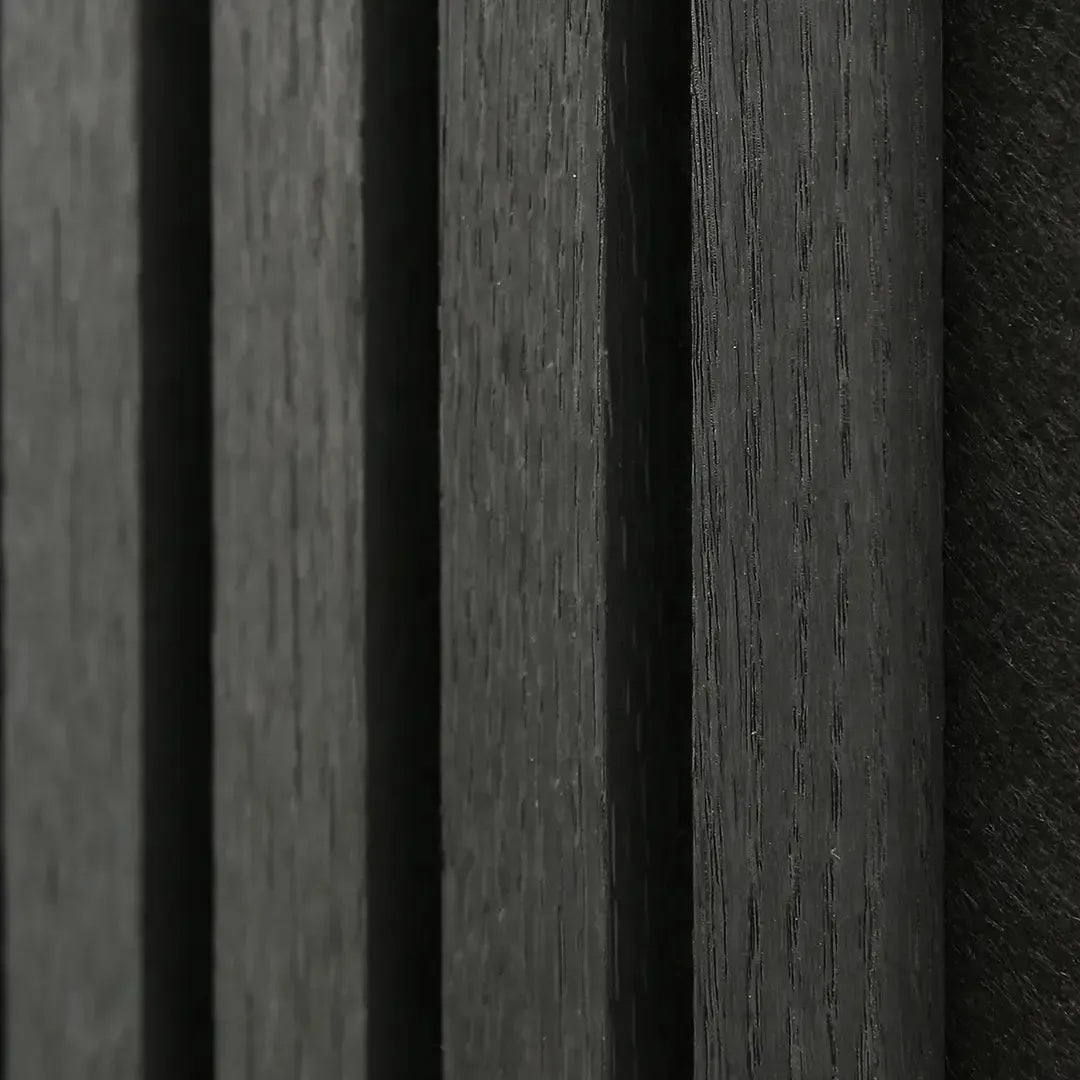
- Black Oak or Smoked Oak hide contact marks longest and don't compete with chrome trim or glossy paint
- Walnut reads warm and upscale for reception walls where clients sit and wait
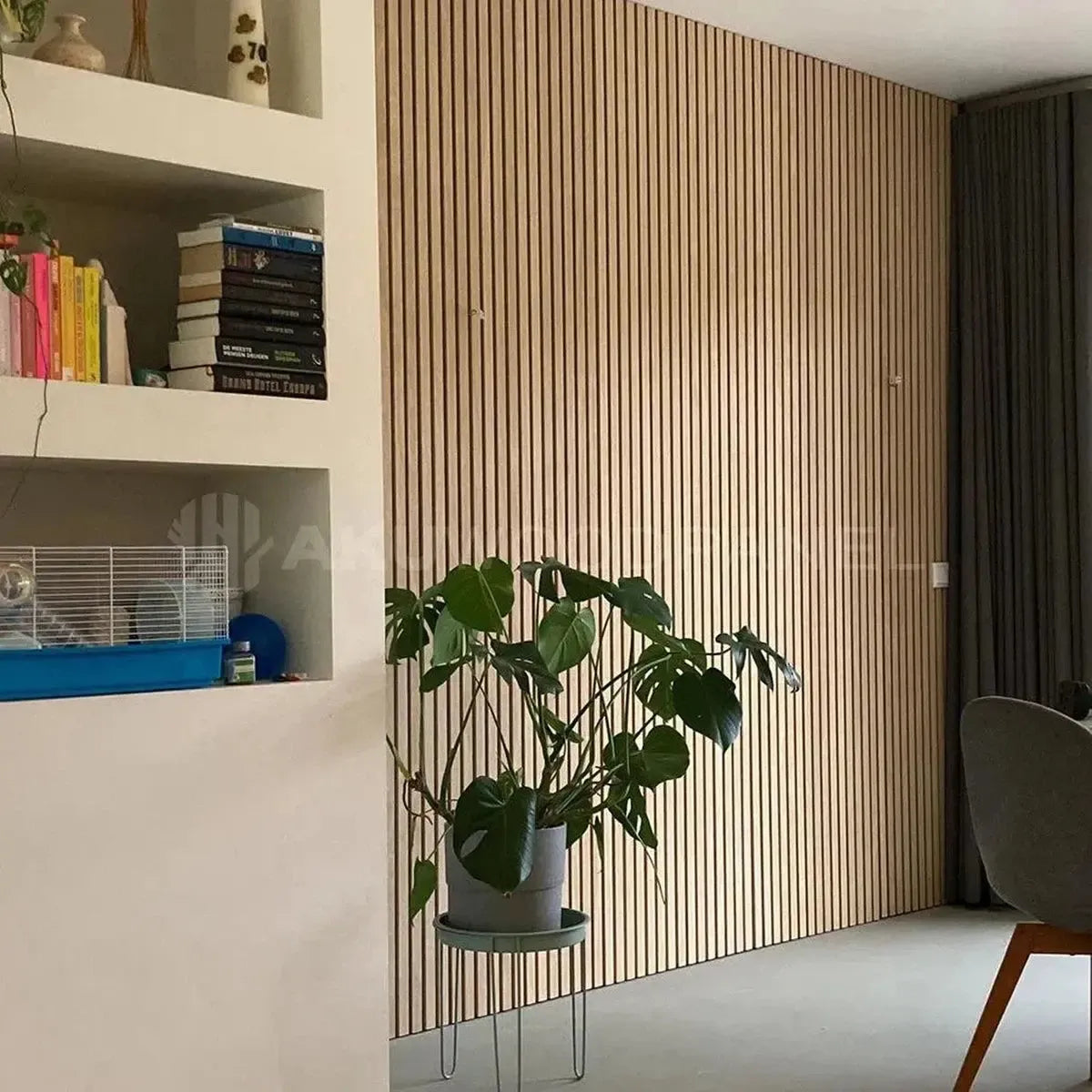
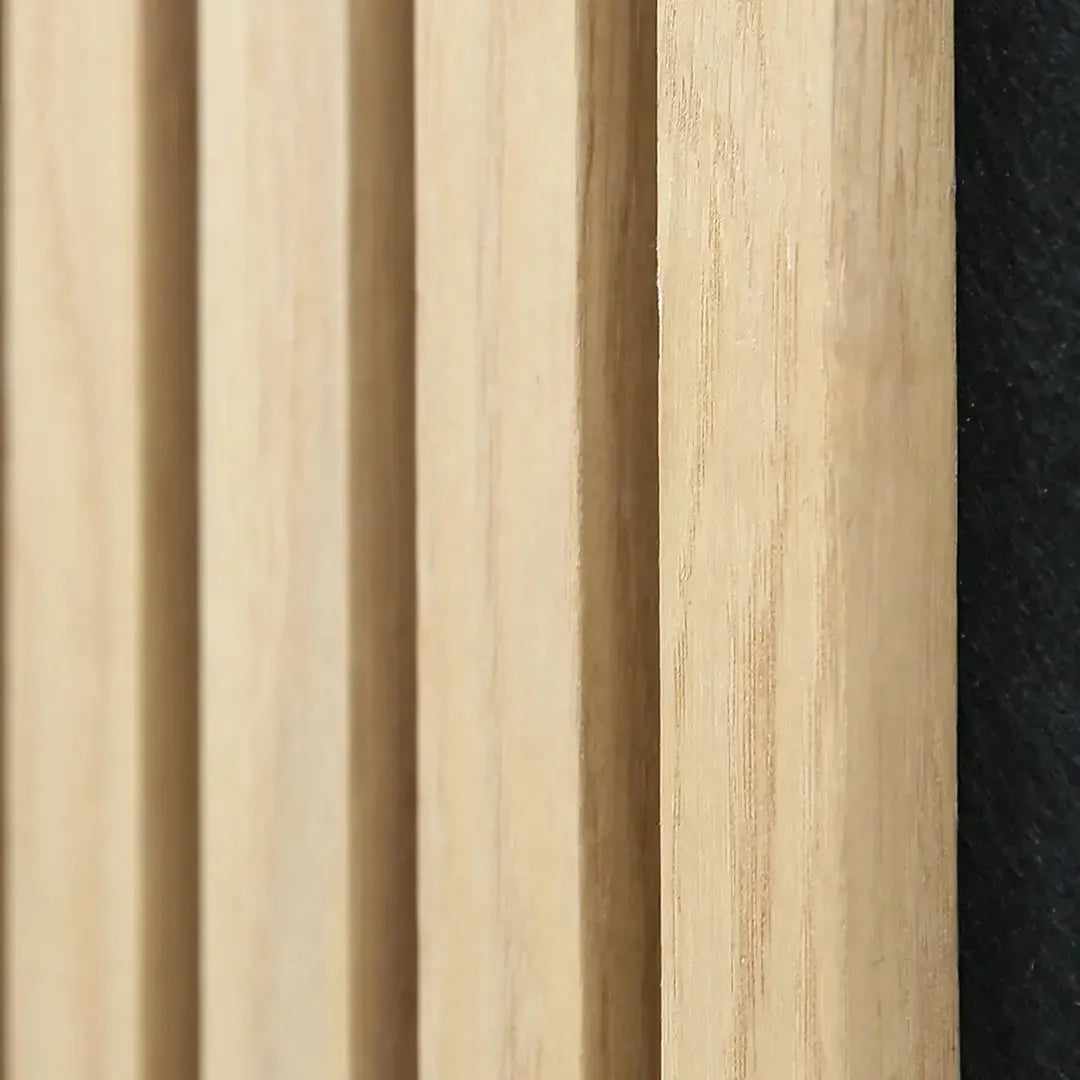
- Natural Oak works in bright showroom-style bays but needs more frequent wipe-downs
- Avoid high-gloss faux finishes near polish stations — reflected LED glare distracts technicians mid-buff
Specify acoustic-rated panels for the noisiest zones only
Not every wall in the studio needs the same panel. Felt-backed acoustic slat and hexagon panels carry an NRC of 0.75, which is meaningful absorption for a wood-faced product — but they cost more assembly time than plain veneer, so spend the acoustic budget where it earns its keep.
- Bay walls facing the buffer stations: full acoustic treatment
- Reception wall: acoustic treatment doubles as the design statement
- Storage, hallway, and back-of-house walls: plain veneer or fluted panel is enough
- Ceiling treatment matters more than a second wall in tall bays — sound bounces off ceilings before it reaches a second surface
Separate client-facing walls from technical bay walls
Clients touring a detailing studio in 2026 expect a showroom feel even in a working shop. Use panel choice to draw that line clearly.
- Run a felt-backed hexagon or slat wall where the reception meets the viewing window into the bay
- Keep bay-side technical walls in a darker, lower-maintenance finish like Black Oak or Smoked Oak
- Use fluted panel on vertical columns or door surrounds to mark the transition without a hard partition
- Match trim color across both zones so the transition reads intentional, not budget-driven
Plan mounting for chemical exposure and washdown
Detailing studios use degreasers, wheel cleaners, and occasionally pressure washers inside the bay footprint. Panel placement and mounting height need to account for splash zones.
- Mount felt-backed acoustic panels above splash height — chemical overspray degrades felt backing faster than veneer face
- Use exterior-rated panel only in wash bays or any area that sees direct hose spray
- Seal panel edges near sink and rinse stations rather than butting panels flush to a wet wall
- Keep panels at least a few inches off finished concrete floors to avoid wicking moisture into the panel core
Order samples before committing to a full wall
Photo renders never match how a finish looks under a studio's actual LED task lighting. Order a full sample box and hold it against the bay wall during working hours, not just in the evening when the shop is quiet and dim.
- Test the sample near the brightest task light in the bay, not near the entrance
- Hold two finishes side by side — Black Oak and Smoked Oak look nearly identical in catalog photos but diverge under LED
- Check how the felt backing color reads against your existing floor and cabinetry
- Confirm grain direction preference before ordering full panel runs
Sequence the install around shop downtime
A detailing studio can't shut the whole bay for a week. Plan the install in the order that keeps revenue moving.
- Start with the reception and consultation wall — zero impact on active bays
- Move to one bay at a time, starting with the least-booked lift
- Schedule wash bay and exterior-adjacent panel work last, since those areas need the longest cure/dry window
- Keep end pieces and trim on hand before the crew starts — running out mid-install stalls the whole sequence
Which panel option fits your studio
| Option | Best for | Key limitation |
|---|---|---|
| Natural Oak slat panel | Bright, showroom-style bays with heavy natural light | Shows grease smudges faster than darker finishes |
| Black Oak slat panel | Buffer and polish zones, low-glare technical walls | Reads heavy in small rooms without a lighter trim break |
| Walnut slat panel | Client reception and consultation walls | Premium look raises client expectations on service pricing |
| Felt-backed hexagon panel | Curved reception feature walls, high-noise zones | More assembly time than straight slat runs |
| Fluted wall panel | Columns, door surrounds, transition zones | Lower acoustic absorption than felt-backed slat or hexagon |


Common mistakes detailing studios make
- Treating every wall the same. Full felt-backed acoustic panel across the whole studio wastes budget on walls that don't need absorption, like storage and paperwork nooks.
- Skipping wash bay planning. Standard veneer panel installed near a rinse station fails faster than the rest of the install — exterior-rated panel belongs there instead.
- Choosing finish from a screen. Natural Oak looks clean in a product photo but shows grease and fingerprints fast under bright LED bay lighting.
- Ignoring the ceiling. In tall bays, sound bounces off the ceiling before it hits a second wall — one treated wall without ceiling treatment underdelivers on noise reduction.
- Ordering without samples. Catalog renders don't reproduce how Black Oak and Smoked Oak diverge once they're sitting under a shop's actual task lighting.
FAQ
What's the best wood slat panel for a car detailing studio?
Felt-backed acoustic slat or hexagon panels with an NRC of 0.75 work best in buffer and compressor zones, since they cut reverberation instead of just adding a decorative surface. Black Oak and Smoked Oak finishes handle grease and fingerprints better than lighter woods.
Do wood slat panels actually reduce noise in a detailing bay?
Yes, when the panel has a felt-backed acoustic core rather than plain veneer over drywall. An NRC 0.75 rating means the panel absorbs roughly three-quarters of the sound energy that hits it, which meaningfully cuts buffer and compressor reverb in a hard-surfaced bay.
Is Black Oak or Walnut better for a detailing studio reception wall?
Walnut reads warmer and works well for client-facing lounges, while Black Oak suits technical bay walls where glare and fingerprints are the bigger concern. Many studios use Walnut in reception and Black Oak in the working bay to visually separate the two zones.
Can standard wood veneer panel go in a wash bay?
No. Standard interior veneer panel isn't built for direct hose spray or standing moisture. Exterior-rated panel is the correct choice for any wall inside splash range of a wash station.
How much wall coverage does a detailing studio actually need to treat?
Prioritize the walls facing active buffer and polish stations first, plus the reception wall. Storage, office, and low-traffic hallway walls rarely need acoustic-rated panel and can use plain veneer instead.
How do I know which finish will look right under my shop lighting?
Order a physical sample box and hold it against the wall during working hours under your actual LED task lighting, not in the evening. Catalog photos and showroom lighting rarely match a bay's bright, direct lighting setup.
What size do acoustic hexagon panels come in?
AKU Woodpanel's felt-backed hexagon acoustic panels ship in 32-inch modules, four panels per box, which covers standard bay wall heights without heavy custom cutting.
One last thing
The detail that gets missed most: acoustic treatment on the ceiling of a tall detailing bay does more for perceived noise than a second treated wall. Sound in a bay with 10-12 foot ceilings bounces off the ceiling plane before it ever reaches a second wall, so a studio that treats one wall and the ceiling in 2026 typically notices more improvement than one that treats two walls and skips the ceiling entirely.


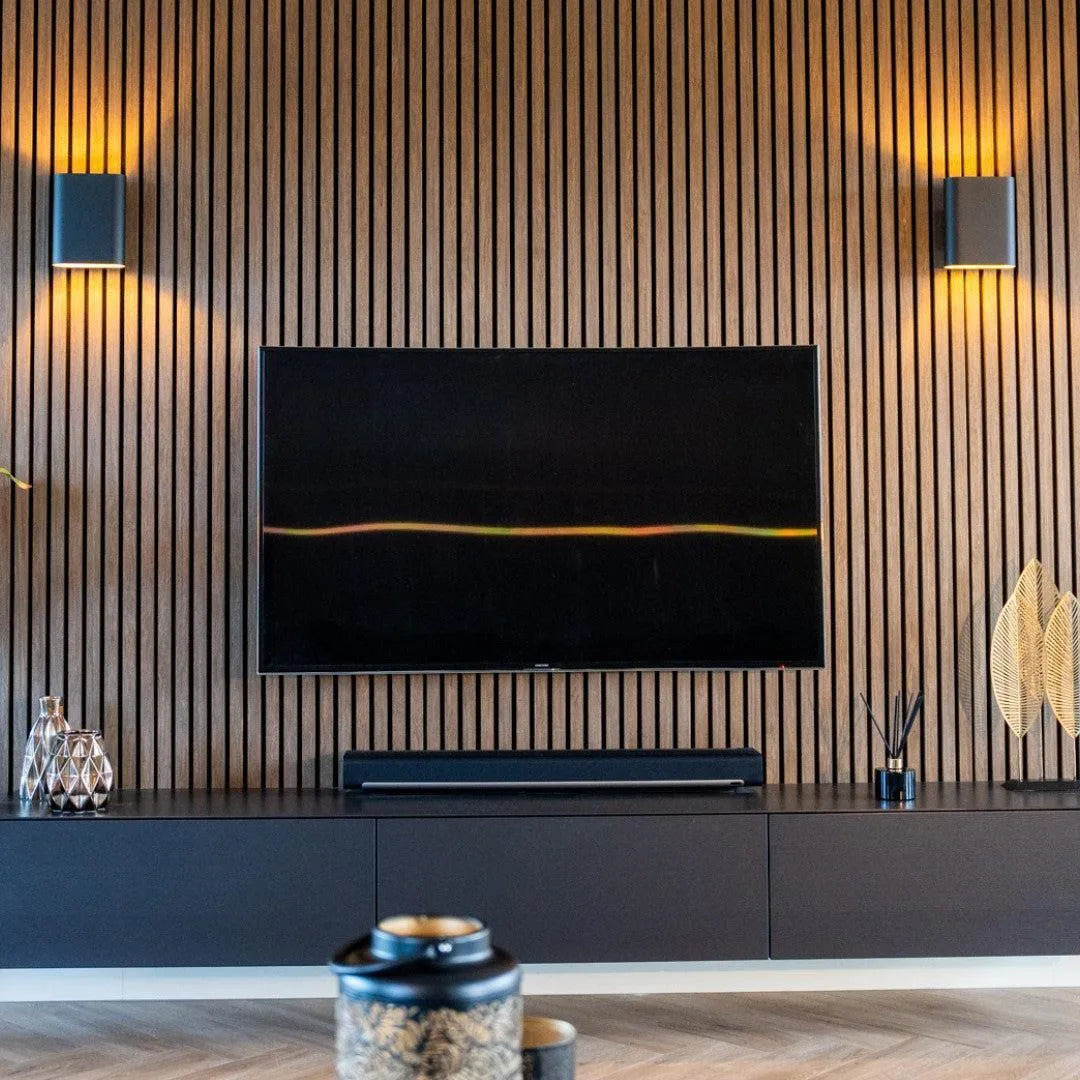
 Better performance and aesthetic appeal
 In Stock