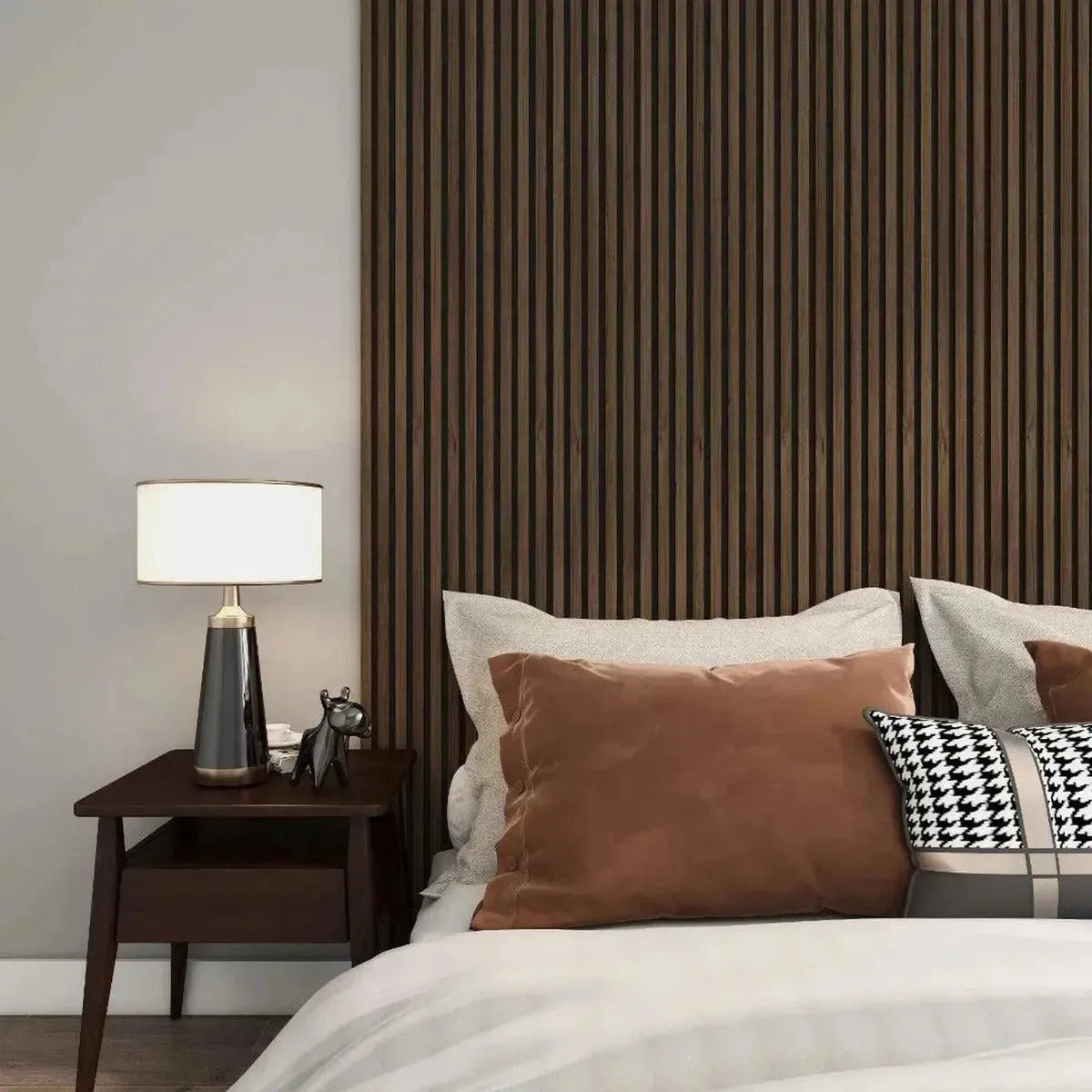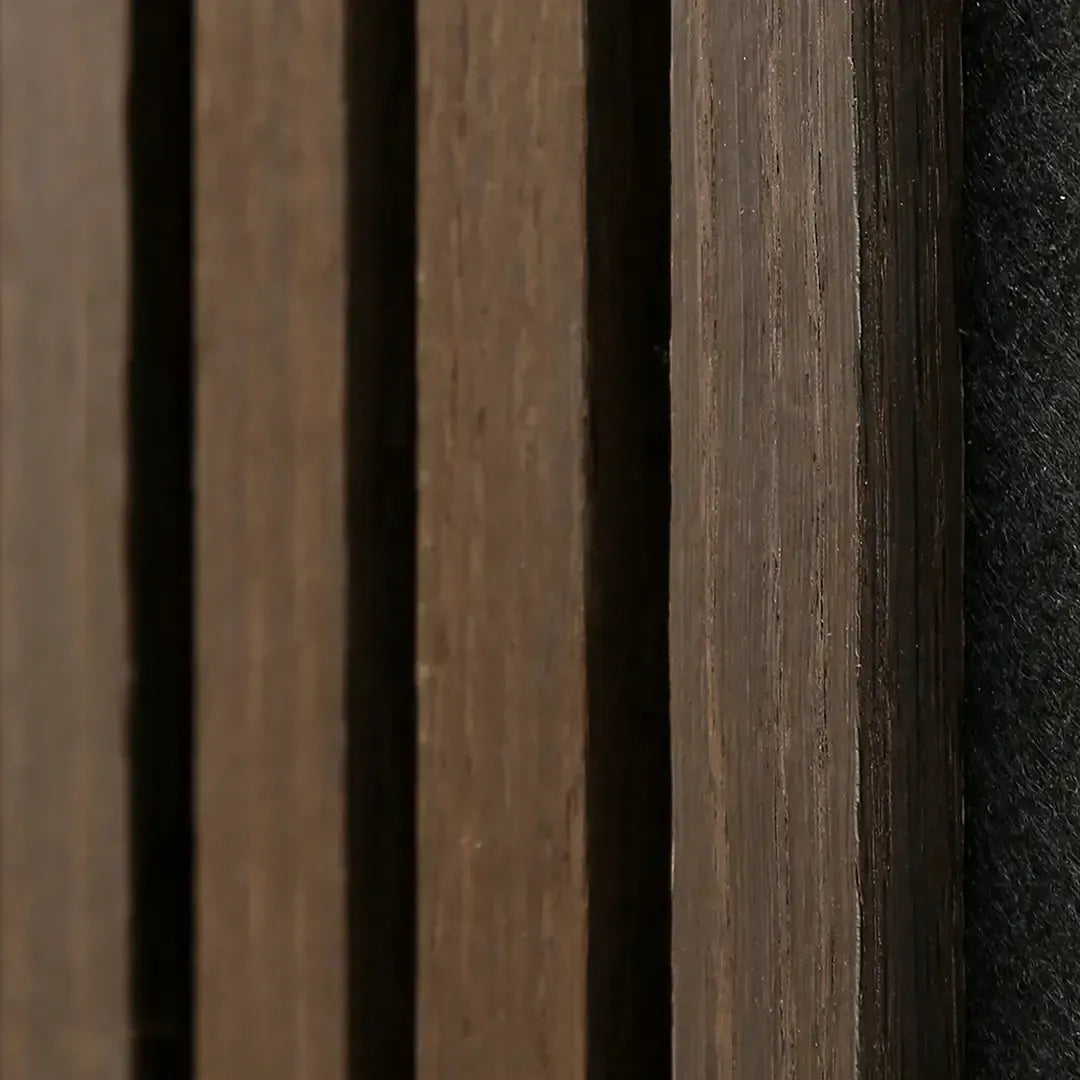
Model railway and hobby shop interiors need wood wall panels that quiet layout rooms, protect display walls from constant handling, and photograph well for online sales listings. A hobby shop floor mixes hard surfaces you can't avoid: glass display cases, MDF layout tables, concrete slab floors, and metal shelving that all bounce sound around a small retail unit or a dedicated home layout room. That combination makes echo control and surface durability the two problems this segment actually needs solved, not generic "accent wall" advice.
- Akuwood Panel acoustic slat panels cut echo on hard-surfaced hobby shop floors and layout rooms in 2026 — start with the display wall behind the register.
- Wood panels for hobby shop interiors work best in real wood veneer with an NRC around 0.75, not painted MDF slats.
- Hexagon acoustic panels suit diorama backdrops; fluted panels suit counters and shelving surrounds.
- Order a sample box before a full run — hobby shop lighting (fluorescent, LED strip) shifts how a finish reads.
Why this matters for hobby shops and layout rooms
A typical hobby shop stacks glass cabinets, metal pegboard, and a concrete or vinyl floor into one small footprint. None of that absorbs sound, so voices, plastic kit rattling, and train motor noise all reflect back at customers standing at the counter. Home layout rooms have the same problem in miniature: a spare bedroom with a hardwood floor and a hollow-core door reflects nearly as much sound as a retail unit.
The fix is surface area, not volume. A wall panel rated around NRC 0.75 — the acoustic performance figure documented on Akuwood Panel's slat panel products — absorbs roughly three-quarters of the sound energy that hits it, instead of bouncing it back into the room. That's the number that matters more than "look and feel" copy when you're specifying a panel for a working shop floor in 2026.
Map the noise sources on your shop floor or layout room
Before buying anything, walk the space and note where sound actually bounces.
- Glass display cases near the entrance (high reflection, high foot traffic)
- Layout tables with exposed MDF or plywood edges
- Concrete or vinyl composite flooring with no rug or mat coverage
- Metal shelving units that ring when bumped
- Any hollow-core door or drywall corridor connecting rooms
This walk-through tells you where panel coverage earns its keep first — usually the wall behind the register and the wall facing the main aisle, not the back stockroom.
Choose acoustic slat panels for showroom and display walls
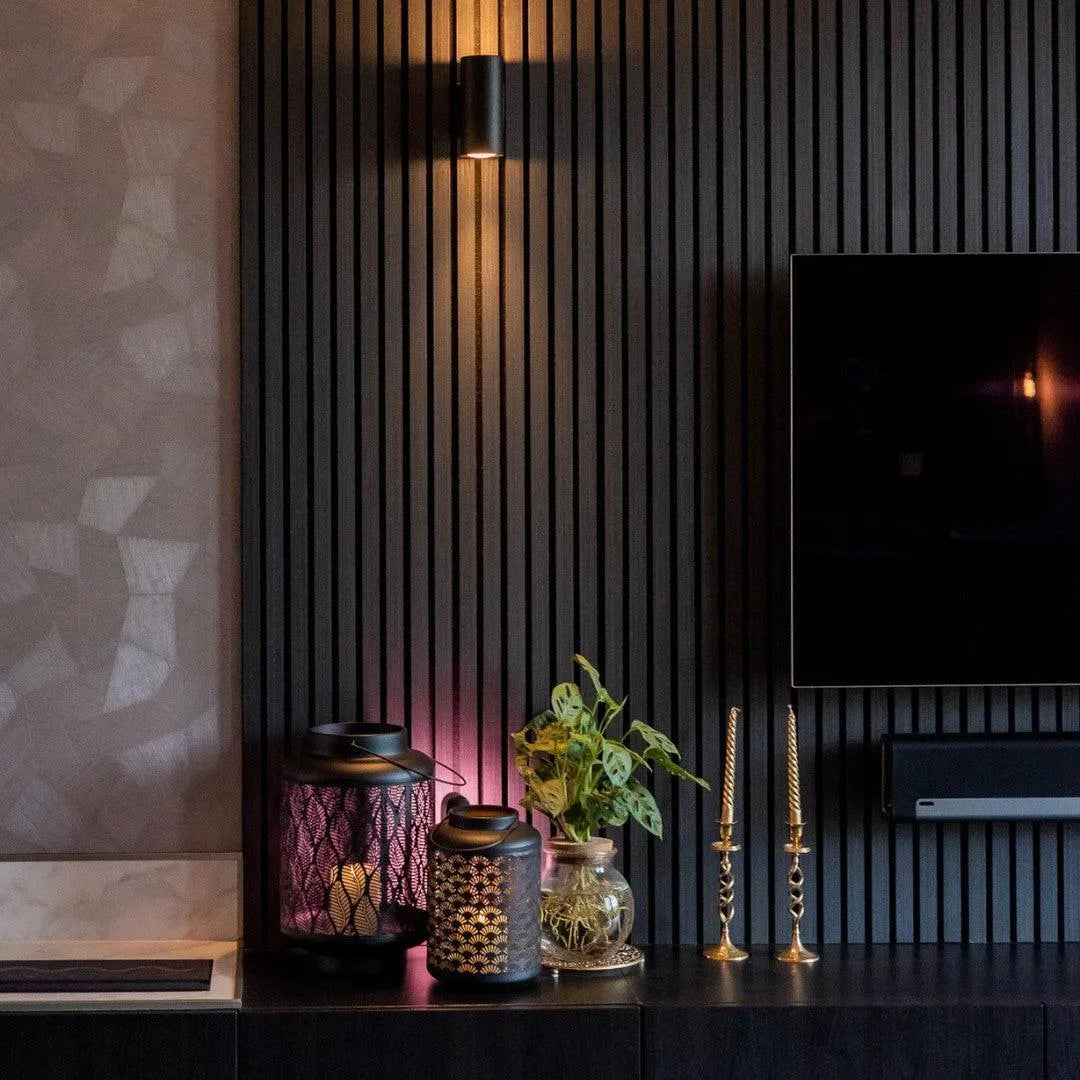
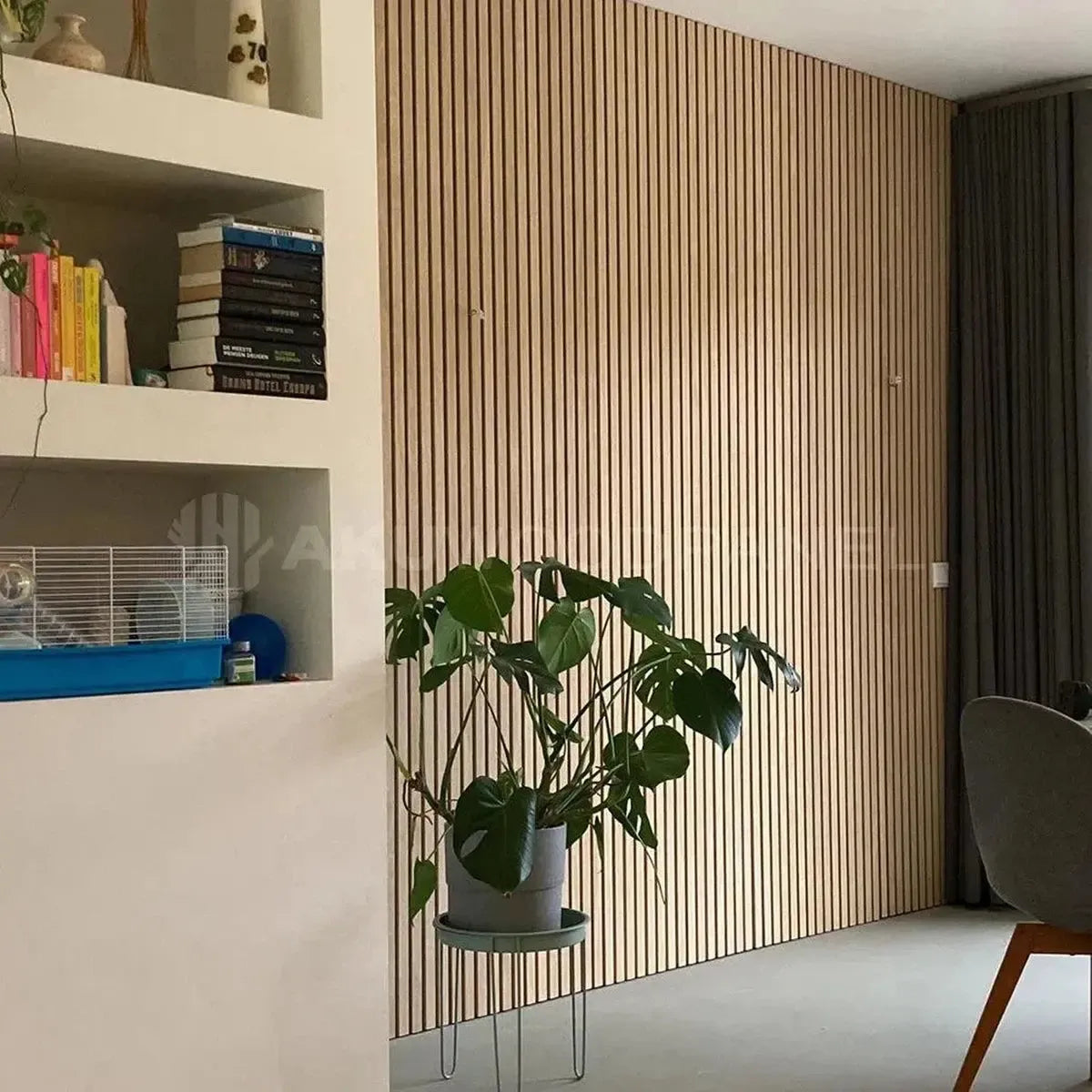
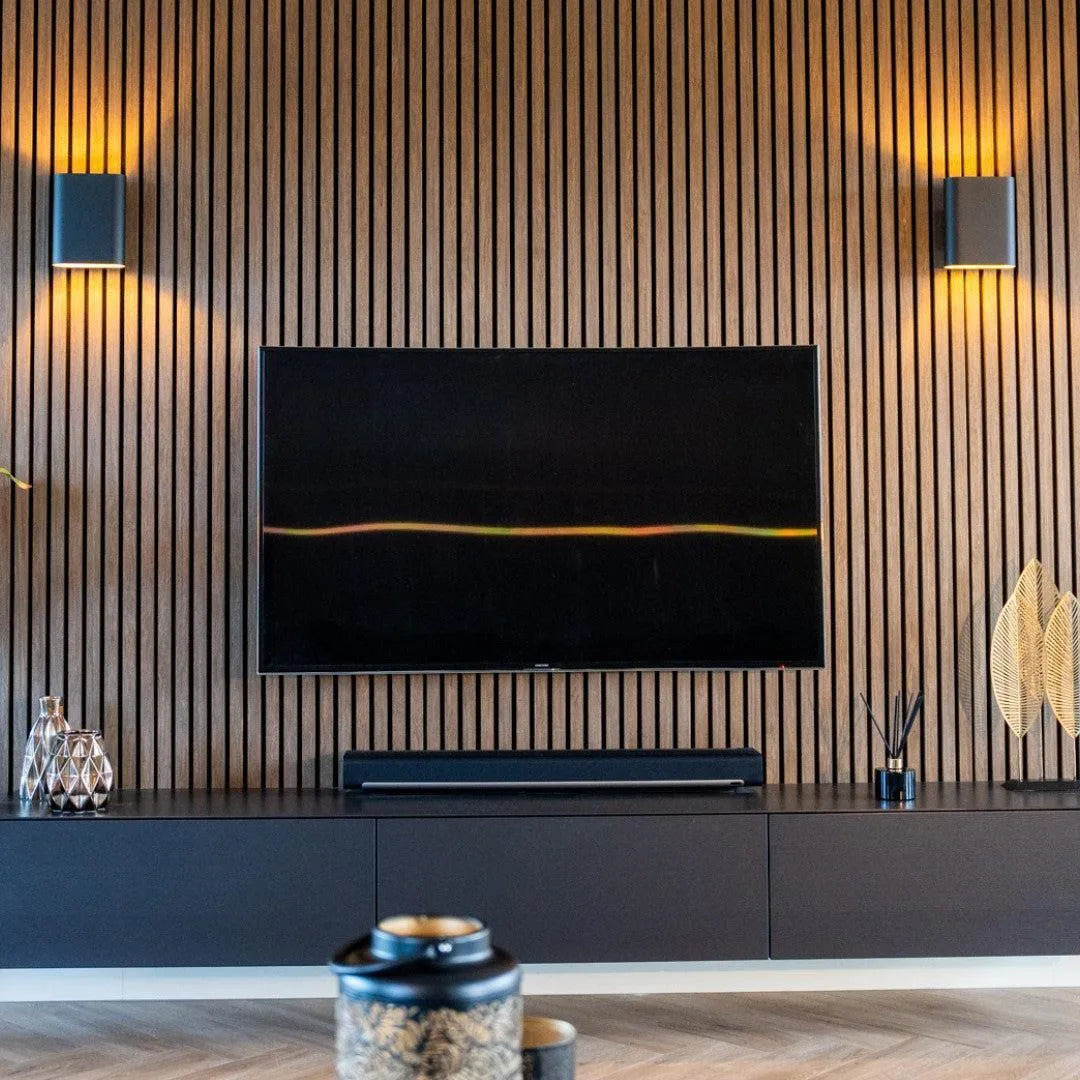
The wall behind a counter or feature display gets the most customer eye contact in the store, so it needs to do double duty: absorb sound and look intentional in product photos. Acoustic slat wall panels in natural oak give that wall a real wood veneer finish instead of a painted MDF look, which matters for a hobby retailer whose whole brand rests on craftsmanship and detail.
- Install behind the register or main feature display, not in low-traffic corners
- Run panels vertically for a taller-feeling room, horizontally for a wider one
- Pair natural oak with black or dark shelving for contrast in product photography
- Leave a section unpaneled near cash wrap glass to avoid visual clutter
- Budget for end pieces to finish exposed edges cleanly
Treat diorama and layout backdrops with hexagon acoustic panels
Model railway layouts and diorama displays need a backdrop that doesn't compete with the miniature scene but still kills echo bouncing off the layout table's hard edges. Black hexagon acoustic panels work as a low-glare backdrop wall that photographs dark in layout shots without reflecting camera flash the way glass or gloss paint does.
- Use black or dark walnut tones behind lit dioramas to avoid washed-out photos
- Keep hexagon runs at eye level where customers lean in to look at layouts
- Combine with LED strip lighting channels for depth without hotspots
- Skip glossy finishes anywhere near a display case — matte wood cuts glare
Add fluted panels around counters and shelving surrounds
Counters and shelving units in a hobby shop take constant handling — customers lean, kids touch, carts bump. A flat painted wall shows scuffs fast. Fluted panels add vertical texture that hides minor wear and gives shelving surrounds a finished edge without a full remodel.
- Wrap fluted panels around a register counter base for a built-in look
- Use fluted panels on shelving end caps to avoid raw MDF edges showing
- Keep flute depth consistent across a run so lighting doesn't cast uneven shadows
- Pair fluted texture with a flat acoustic slat wall nearby, not two textures side by side
Protect corners and edges from foot traffic and rolling carts
Rolling display carts, stepstools, and restocking bins hit corners more than any other spot in a hobby shop. Finish every panel run with proper edge and corner pieces instead of leaving a raw cut edge exposed.
- Use dedicated corner trim on any outside corner a cart or stool might clip
- Finish exposed panel ends rather than letting veneer edges fray over time
- Check trim compatibility with your chosen panel finish before ordering
- Reorder trim in the same batch as panels to avoid finish-lot mismatches
Order samples before you commit to a full run
Hobby shop lighting varies wildly — fluorescent tube lighting, warm LED spotlights over cases, daylight near storefront glass. A finish that looks warm under one light source can look flat or gray under another.
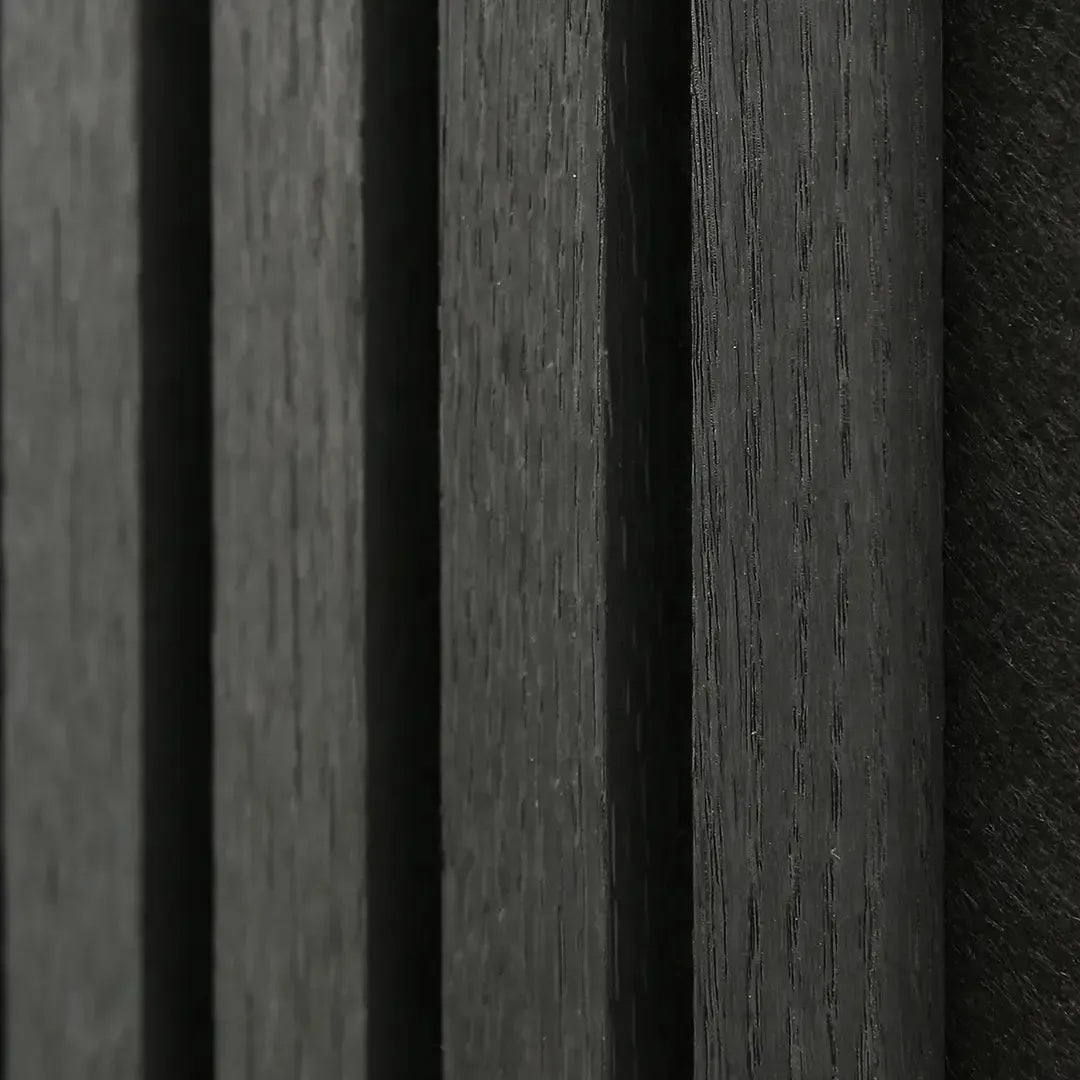
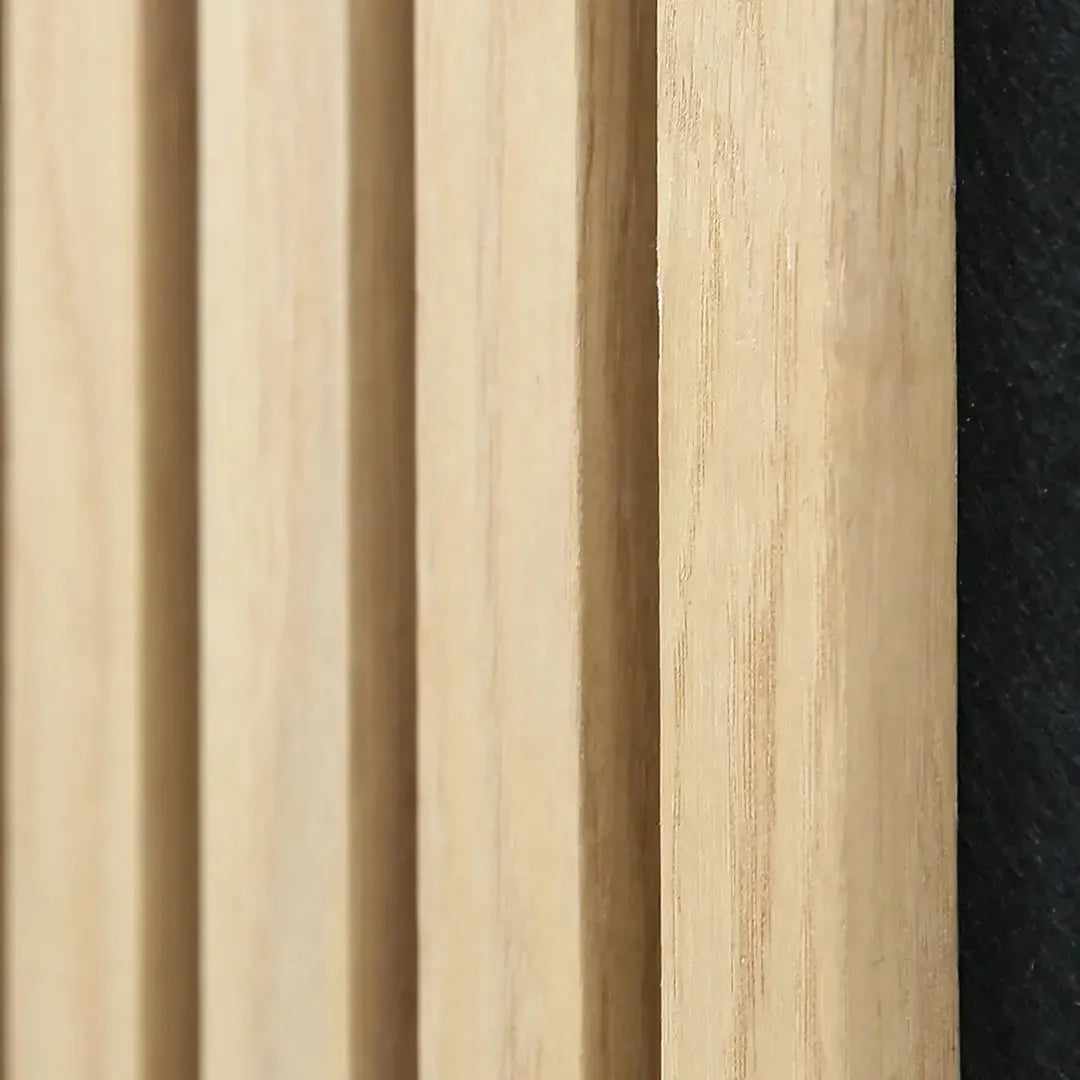
- Request samples in the exact finish you're considering, not a similar one
- Hold samples against the wall under your actual store lighting, not daylight only
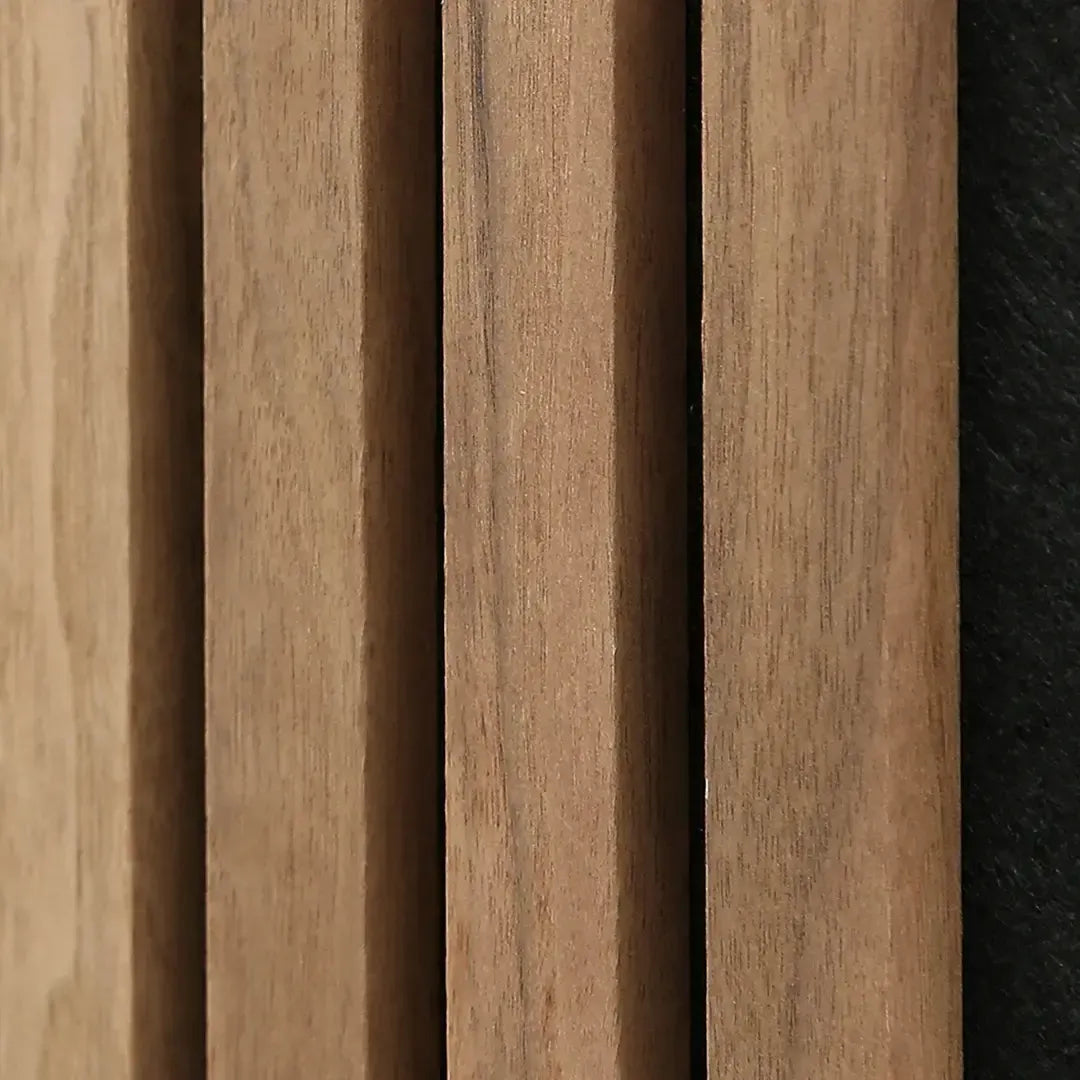
- Compare natural oak, smoked oak, and walnut side by side before ordering
- Confirm which finish photographs best for your online listings, not just in person
Budget the install in phases if you're running a working retail floor
A hobby shop can't close for a week to install wall panels. Phase the work around slow days or after-hours blocks instead of a single continuous install.
- Start with the highest-visibility wall (register or feature display) first
- Schedule cuts and fitting after closing to avoid dust near open product
- Cover display cases and open bins during any cutting or drilling
- Finish trim and edges last, once panel placement is confirmed correct
Comparing panel options for hobby shop interiors
| Option | Best for | Key limitation |
|---|---|---|
| Acoustic slat wall panels | Register walls, feature displays, echo control | Needs a flat, prepped wall surface for clean install |
| Hexagon acoustic panels | Diorama backdrops, layout room feature walls | Pattern can look busy behind already-detailed layouts |
| Fluted wall panels | Counter surrounds, shelving end caps | Grooves collect dust in high-handling retail zones |
| Peel-and-stick backsplash tiles | Small counters, workbench backsplashes | Not rated for full acoustic coverage across a large wall |
Verdict: acoustic slat wall panels in natural oak or smoked oak are the right first purchase for most hobby shop floors — they cover the most wall area per box and carry the acoustic rating that actually reduces the echo customers notice at the register.


Common mistakes hobby shops make with wall panels
- Paneling the whole store at once. Start with the register wall and the main feature display; expand once you've confirmed the finish holds up under your lighting.
- Picking a glossy or painted finish for diorama backdrops. Gloss reflects camera flash and store lighting straight back at the layout, ruining product photos.
- Skipping corner trim to save on the order. Raw panel edges near carts and stepstools fray within months in a working retail floor.
- Matching panel finish to flooring instead of case lighting. Most hobby shops photograph products under case-level LED lighting, not ambient daylight — sample under that light first.
- Treating acoustic panels as decoration only. The NRC rating is the reason to buy real wood veneer over painted MDF slats, not just the grain pattern.
FAQ
What's the best wood panel for hobby shop interiors in 2026?
Acoustic slat wall panels in natural oak or smoked oak are the strongest starting point for hobby shop interiors in 2026 because they cover the most wall area per box and carry a real acoustic rating instead of just a decorative finish.
Do wood panels actually reduce echo in a small retail shop?
Yes — panels rated around NRC 0.75, like Akuwood Panel's acoustic slat and hexagon panels, absorb roughly three-quarters of the sound hitting them instead of reflecting it back into the room.
Are hexagon panels or slat panels better for a model railway layout room?
Hexagon panels in a dark finish work better as a low-glare diorama backdrop, while slat panels suit the main showroom or register wall where full acoustic coverage matters more than pattern.
Can I install acoustic wood panels myself in a hobby shop?
Most acoustic slat and hexagon panels are designed for straightforward wall mounting, but a working retail floor benefits from phasing the install around closing hours to avoid dust near open product.
Do wood wall panels need special cleaning in a shop with heavy foot traffic?
Real wood veneer panels hold up to normal handling better than painted MDF, but corners and edges near carts should always be finished with trim to prevent fraying over time.
What finish photographs best for online hobby shop listings?
Matte finishes like natural oak or black oak photograph more consistently under typical case-level LED lighting than glossy finishes, which reflect flash and overhead light.
Is peel-and-stick backsplash tile a substitute for full acoustic panels?
No — peel-and-stick tiles work well on small counters or workbench backsplashes but aren't rated for the acoustic coverage a full slat or hexagon panel wall provides.
One last thing
The detail most hobby shop owners miss: the NRC 0.75 rating on Akuwood Panel's slat and hexagon lines matters more on the register wall than anywhere else in the store, because that's the one wall every customer stands closest to for the longest stretch of time. Panel that wall first, even if the rest of the store waits until 2027.



 Better performance and aesthetic appeal
 In Stock