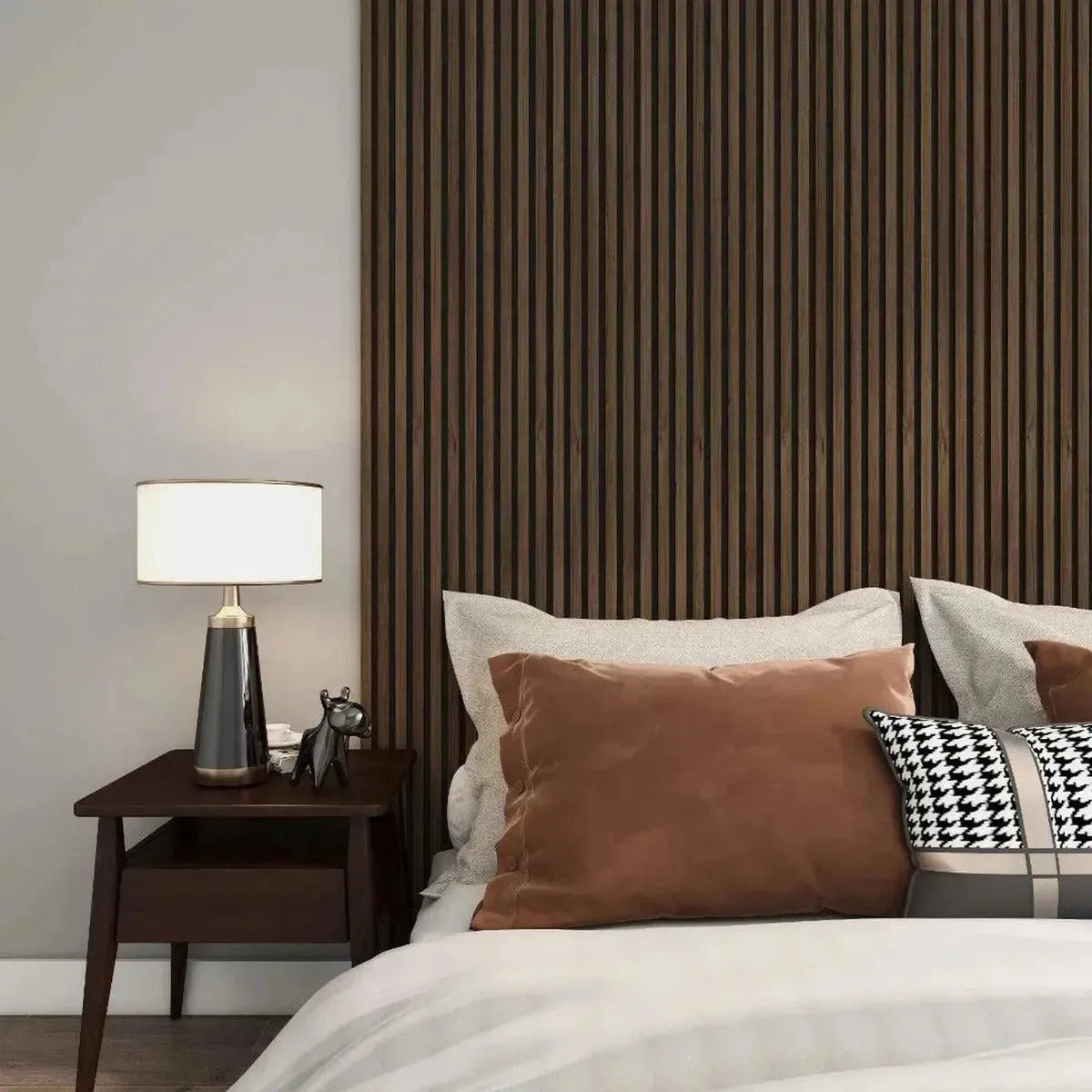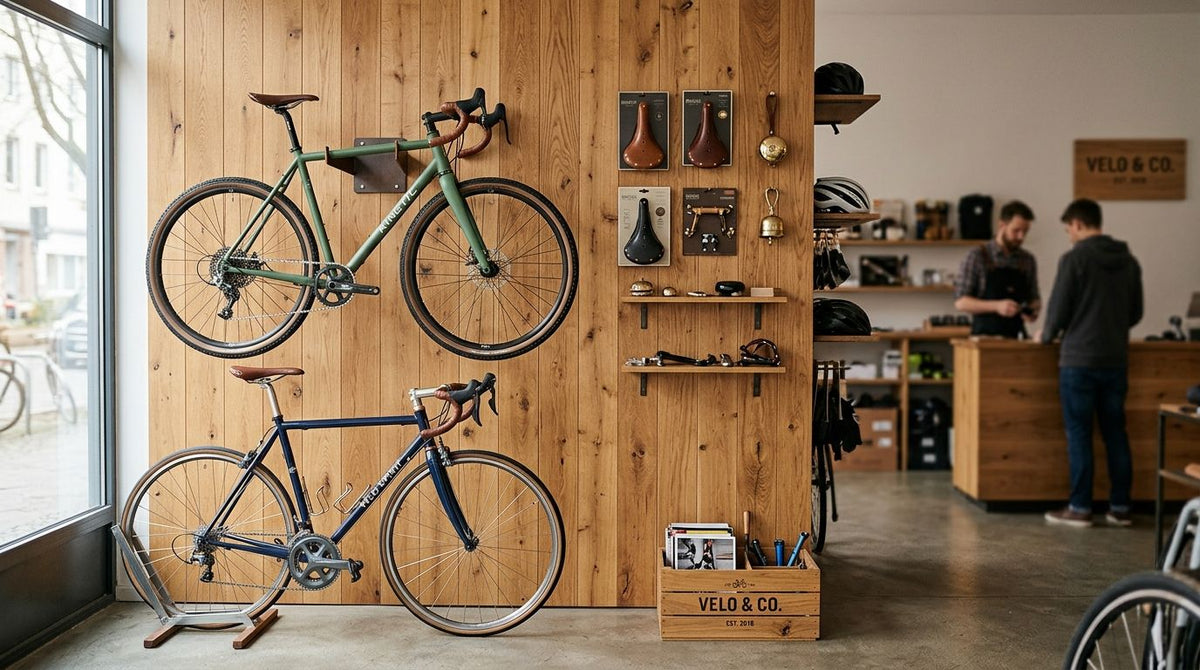
Wood panels for bicycle shop interiors are acoustic or decorative wall panels installed to quiet repair-area noise and give a boutique retail floor a warmer, more premium look than bare drywall. A bike shop mixes a service bench, a sales floor, and sometimes a coffee counter in one open room, so the wall treatment has to absorb tool noise, survive daily contact with handlebars and pedals, and still photograph well for the shop's Instagram feed.
- Wood panels for bicycle shop interiors cut echo from repair stands and give retail floors a premium backdrop.
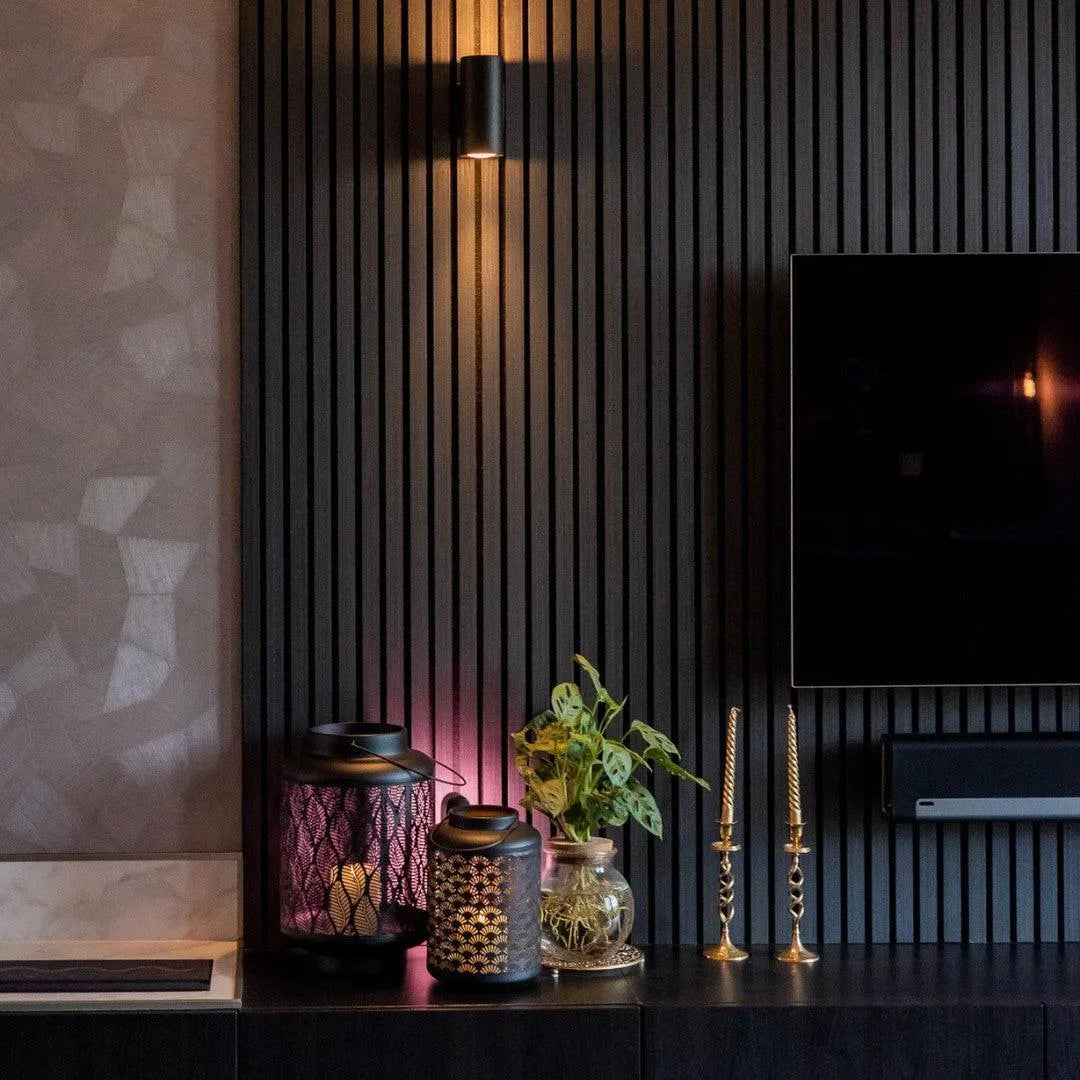
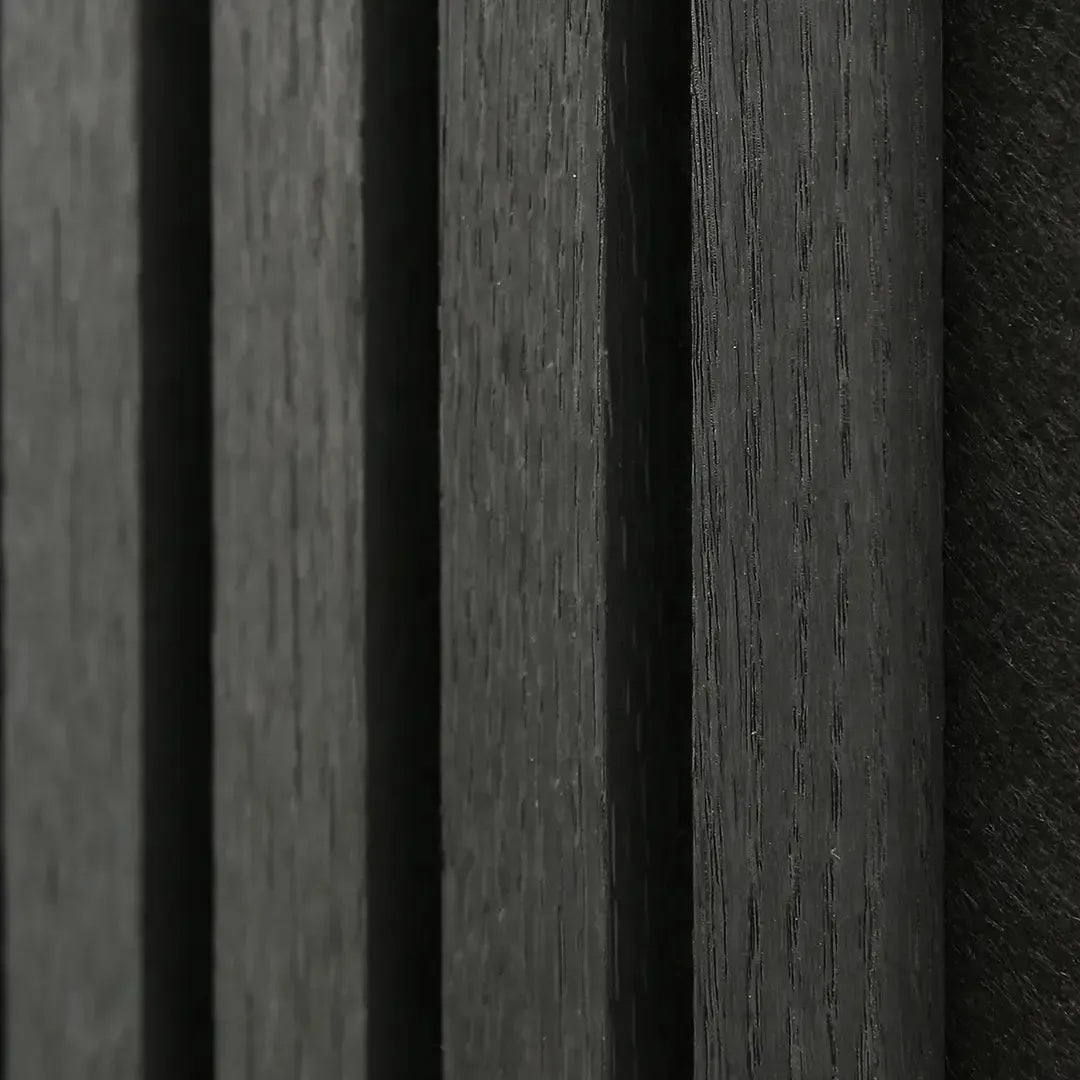
- Black Oak and Walnut acoustic slat panels hide grease smudges and scuffs better than pale finishes near a workstand.
- Hexagon acoustic panels carry an NRC rating of 0.75, useful behind sales floors with hard concrete or glass.
- Order a sample before a full wall — shop lighting and paint tone shift wood color more than you'd expect.
Why wood panels matter for boutique bicycle shop interiors
A typical bike shop floor is concrete or polished epoxy, the storefront is glass, and the ceiling is often exposed. That's three hard, reflective surfaces bouncing every pneumatic wrench and hammer strike around the room. Adding Akustiq USA acoustic slat wall panels behind the service bench or along the sales wall gives sound somewhere to go instead of ringing off glass and concrete.
The visual side matters just as much in 2026, when boutique retail depends on shoppability and photo appeal as much as inventory. A wood-paneled feature wall behind a display of frames or a coffee bar reads as considered design, not a converted garage. Bicycle retail in particular leans on craftsmanship as a selling point — the same wood-grain authenticity that sells a $4,000 frame sells a well-finished wall.
Assess your noise zones before you buy anything
Walk the shop floor at a busy hour and note where sound actually bounces before choosing a panel.
- Stand near the repair bench during a tune-up and note where compressor or drill noise reflects loudest
- Check corners and glass storefronts — hard parallel surfaces amplify echo more than open floor
- Separate "noise zones" (service area) from "display zones" (sales floor) since each needs a different panel
- Test with a hand clap in each section — a sharp, ringing echo means the wall needs absorption, not just decoration
- Mark ceiling height; taller walls need more coverage to make a measurable acoustic difference
Choose a wood tone that matches your bike brands and floor
Matching wood tone to inventory keeps the shop looking curated instead of mismatched.
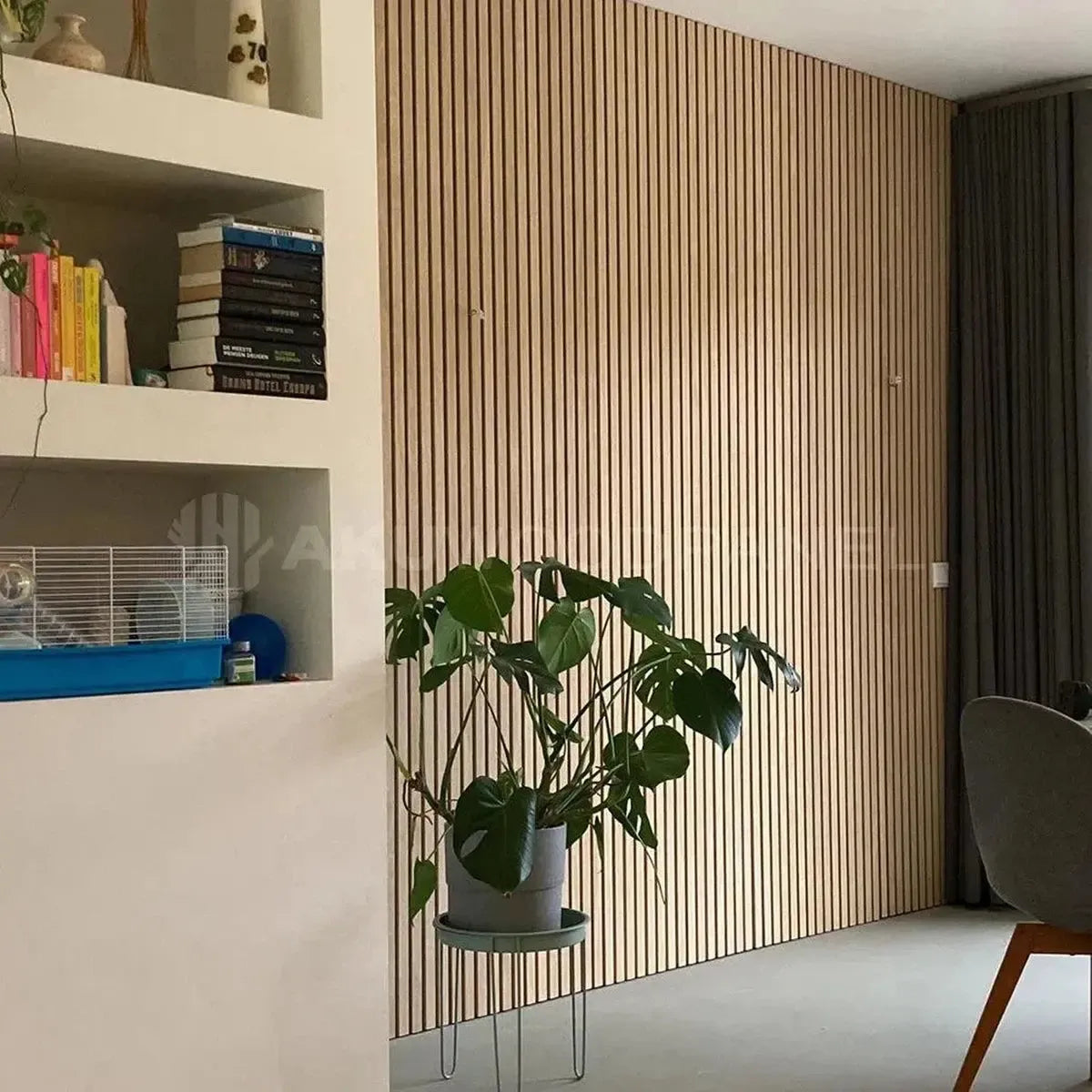
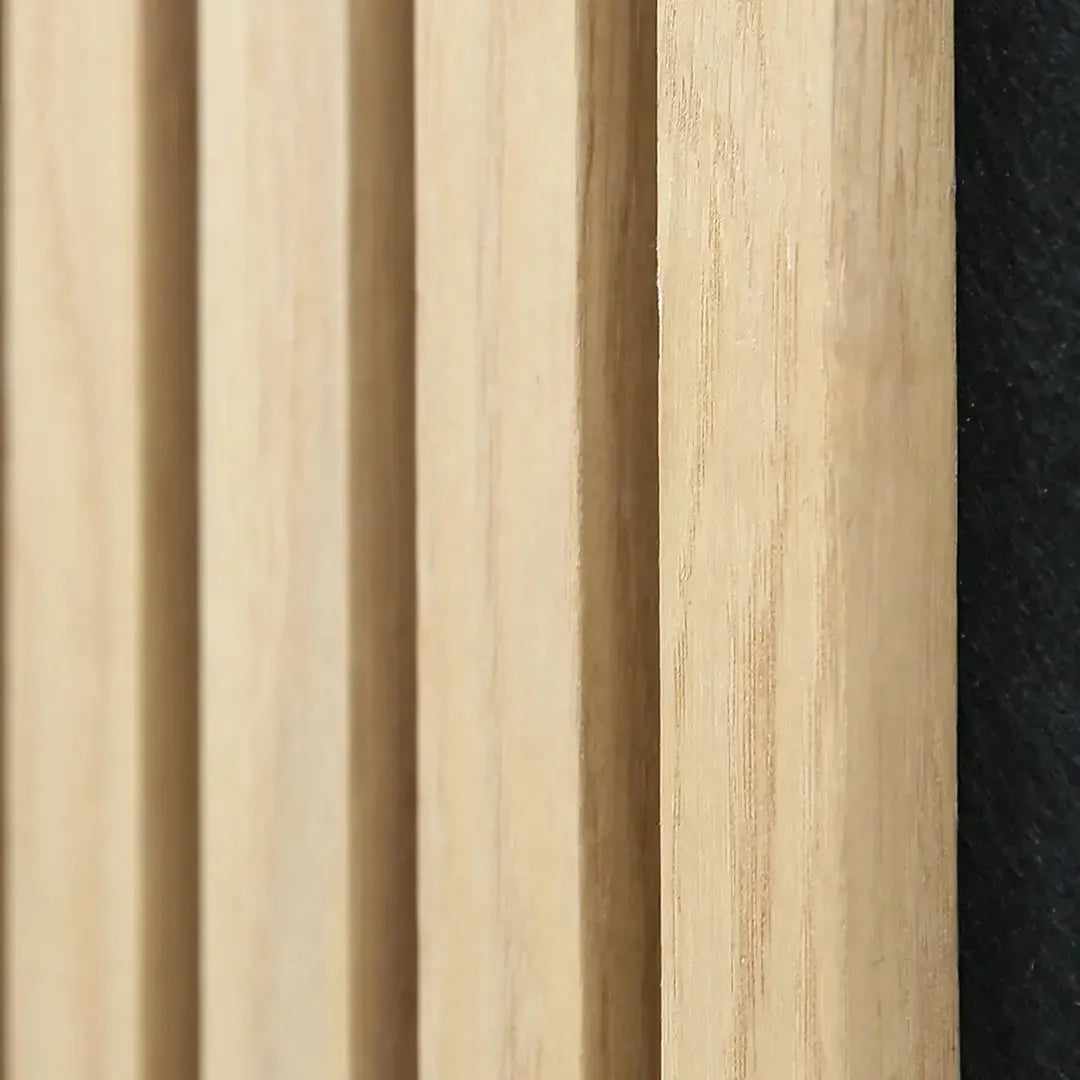
- Pair Natural Oak with light-frame, Scandinavian-leaning bike brands and bright showroom lighting
- Use Black Oak or Smoked Oak behind matte-black frames and darker component displays to avoid visual clash
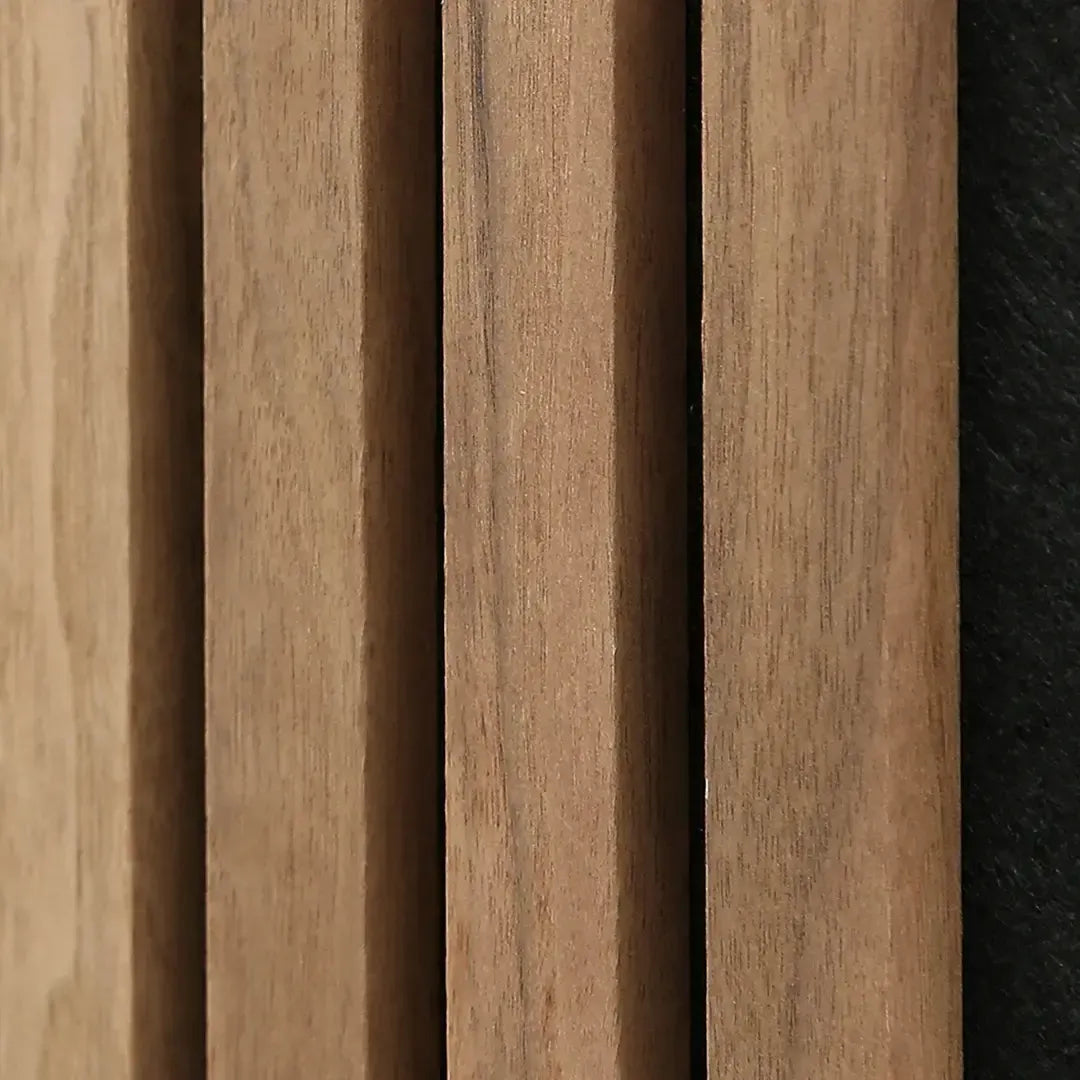
- Choose Walnut for a warmer, workshop-craft aesthetic that suits custom or steel-frame retailers
- Check the floor finish first — panels installed over dark epoxy read differently than over light concrete
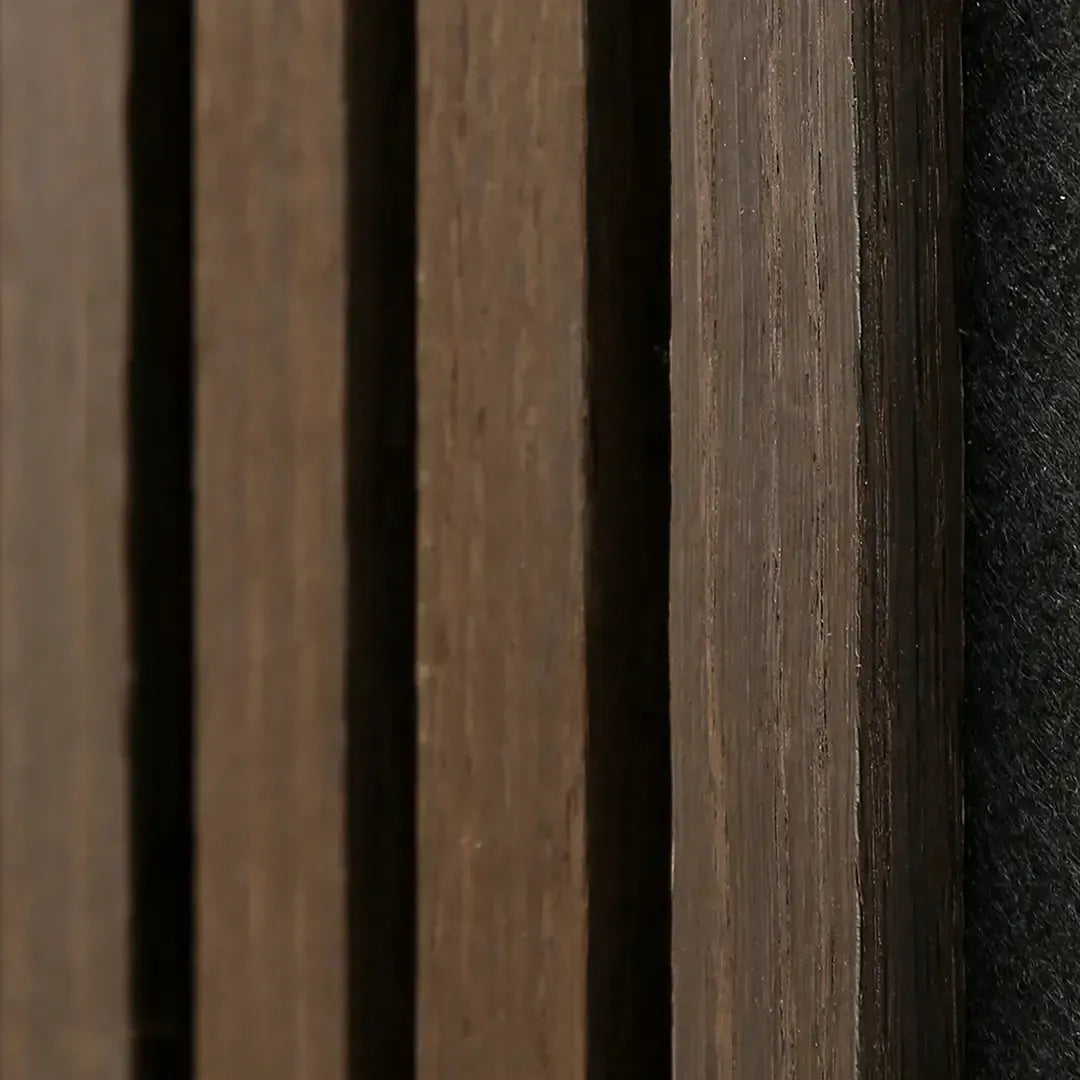
Akustiq USA's walnut acoustic slat panels work well as the faster route here: the veneer, felt backing, and slat spacing are already engineered for sound absorption, so you're not building an acoustic assembly from raw lumber and insulation batting.
Decide slat, hexagon, or fluted for each wall
Not every wall in the shop needs the same panel shape.
- Slat panels suit long, straight walls behind repair benches or checkout counters
- Hexagon panels break up a large blank wall and work well as a backdrop for a curated bike or accessory display
- Fluted panels fit narrow entry walls, columns, or the strip beside a storefront window
- Reserve one panel style for the whole shop rather than mixing three — boutique retail reads cleaner with one consistent texture
Order samples before committing to a full wall
Shop lighting is rarely neutral — LED track lighting, storefront glass, and paint undertones all shift how a wood veneer reads once it's on the wall.
- Hold a sample against the exact wall section at the time of day customers see it most
- Compare the sample under the shop's actual lighting, not daylight near a window
- Check felt-backed variants against plain veneer if the wall doubles as a sound zone
- Confirm the sample's grain pattern against neighboring fixtures like wood shelving or a counter
Plan panel placement around repair stands and displays
A repair bench generates more contact and vibration than any other wall in the shop, so placement decisions here carry the most risk of premature wear.
- Keep panels at least a few inches clear of swinging tool arms, air hose reels, and pedal-height contact
- Run panels behind, not beside, a workstand so accidental contact hits the bench, not the wood
- Leave outlet and switch locations planned before cutting panels to size
- Use end pieces to finish exposed panel edges near doorways or corners where customers brush past
Install felt-backed panels where echo is worst
Felt-backed slat and hexagon panels absorb more sound than plain veneer, which matters most directly behind the service area.
- Prioritize felt-backed panels on the wall closest to compressors, grinders, or drills
- Use plain veneer on display-only walls where sound absorption is a secondary concern
- Combine both types in one room — felt behind the bench, plain veneer on the sales floor — rather than picking one for the entire shop
- Check the retail store wall display approach if the panel wall also needs to hold merchandise hooks or shelving brackets
Protect panels from daily wear near displays
Bike shops see more foot traffic and product handling against walls than most retail categories, so a wall finish needs to tolerate contact, not just look good on day one.
- Keep pedal and handlebar height clearance in mind when spacing floor displays against a paneled wall
- Wipe grease or chain lube residue promptly rather than letting it set into the veneer
- Avoid mounting metal display hardware directly into panel slats without a backing plate
- Reassess panel condition near high-traffic doorways every few months and touch up wear early
Black Oak hides a grease smudge near a workstand better than any pale finish holds up under daily contact.
“Black Oak hides a grease smudge near a workstand better than any pale finish holds up under daily contact.”
Comparison: panel options for boutique bike shop walls
| Option | Best for | Key limitation |
|---|---|---|
| Acoustic slat wall panels (Walnut, Black Oak, Smoked Oak) | Repair-bench walls and long straight runs | Needs a consistent substrate; uneven drywall shows through the slats |
| Hexagon acoustic panels | Feature walls behind curated bike or accessory displays | More cutting waste on irregular wall shapes than slat panels |
| Fluted wall panels | Narrow entry walls, columns, storefront strips | Less sound absorption than felt-backed slat or hexagon options |
| Plain drywall and paint | Budget-first buildouts with no acoustic concern | Does nothing for echo off concrete and glass — the noise problem stays |
Verdict: Akustiq USA's felt-backed slat and hexagon panels are the strongest fit for a working repair bench wall in 2026 — plain fluted panels or drywall leave the noise problem unsolved.


Common mistakes boutique bike shops make
- Paneling the whole shop in one pale tone — Natural Oak everywhere washes out under bright showroom LEDs and shows grease marks faster than darker finishes
- Skipping the acoustic wall behind the repair bench — owners often panel only the retail-facing wall and leave the loudest zone untreated
- Mounting merchandise hooks straight into slat gaps without backing hardware, which loosens panels faster near a high-traffic display wall
- Ignoring floor and lighting when picking a sample — a swatch that looked right in a supplier photo can read completely different under storefront glass
- Mixing three panel shapes in one small shop — slat, hexagon, and fluted together in a 600 sq ft floor plan reads busy rather than curated
FAQ
What wood panels work best for bicycle shop interiors?
Felt-backed acoustic slat wall panels in Walnut or Black Oak work best for bicycle shop interiors because they absorb repair-bench noise while hiding scuffs and grease marks better than pale finishes.
Do wood panels actually reduce noise in a bike repair shop?
Felt-backed slat and hexagon panels absorb sound that would otherwise bounce off concrete floors and glass storefronts. Hexagon acoustic panels from Akustiq USA carry an NRC rating of 0.75, which measures how much sound the panel absorbs versus reflects.
Is Black Oak or Natural Oak better for a bike shop wall?
Black Oak hides grease and handlebar scuffs better near a workstand, while Natural Oak suits bright, display-only walls away from daily contact. The choice depends on which wall zone you're paneling.
Should I panel the whole shop or just one wall?
Most boutique bike shops get better results paneling the repair-bench wall for acoustics and one display wall for retail appeal, rather than covering every wall in the same finish.
Can wood slat panels hold merchandise displays or hooks?
Yes, but hardware should mount with a backing plate rather than directly into the slat gaps, especially on walls near daily foot traffic.
How do I know which panel shape fits my shop layout?
Slat panels suit long straight runs like a repair bench wall, hexagon panels suit a feature display wall, and fluted panels fit narrow entry strips or columns.
Do samples matter before ordering a full wall of panels?
Yes. Shop lighting and floor tone shift how a wood veneer reads once installed, so testing a sample against the actual wall avoids an expensive mismatch.
Are fluted panels enough for noise control near a repair bench?
Fluted panels absorb less sound than felt-backed slat or hexagon options, so they suit display walls better than the loudest zone in the shop.
One last thing
The repair bench wall is the one most shops skip, and it's the one doing the most acoustic work — a shop that panels only the sales floor for looks and leaves the workshop wall bare has solved the easier half of the problem and left the loudest one standing.



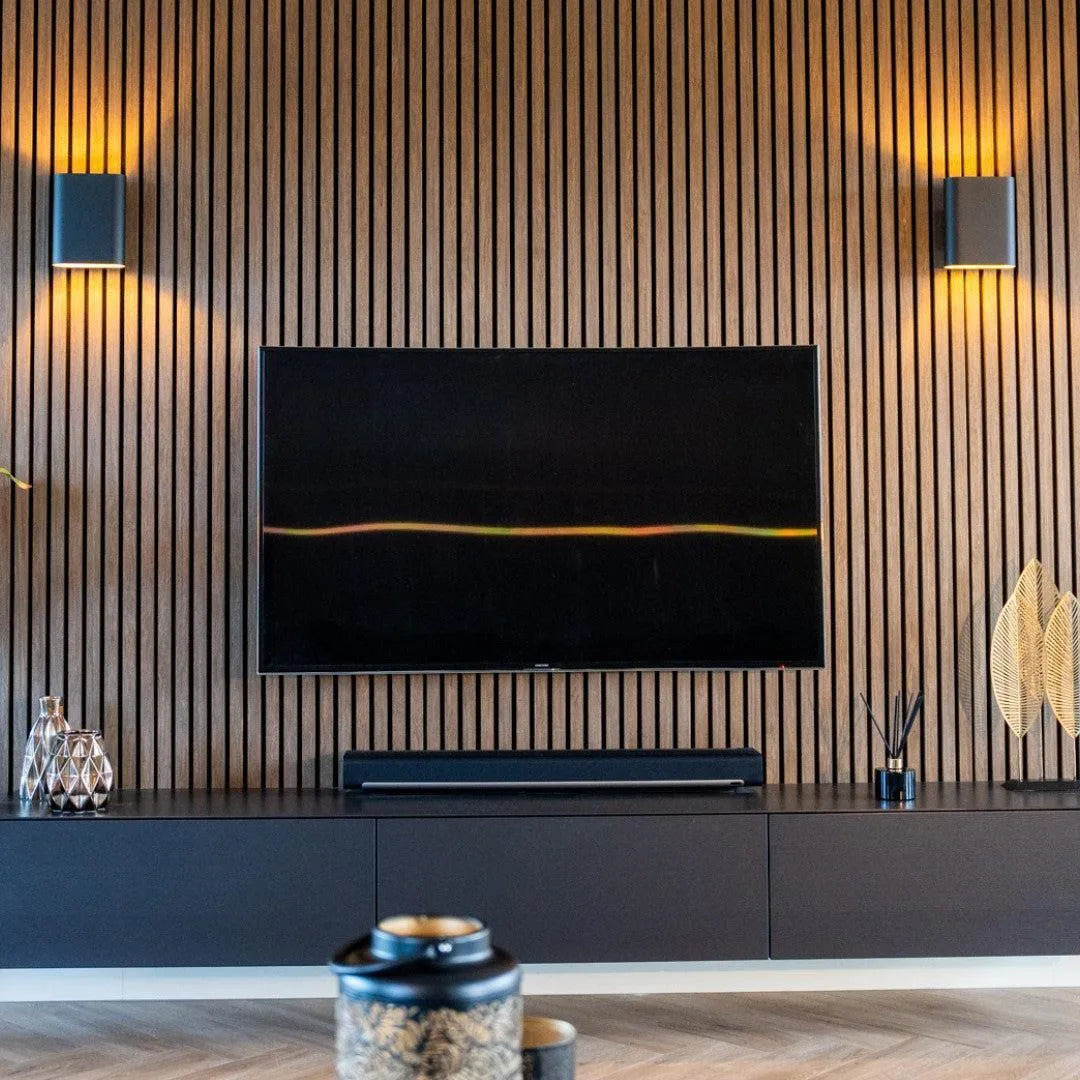
 Better performance and aesthetic appeal
 In Stock