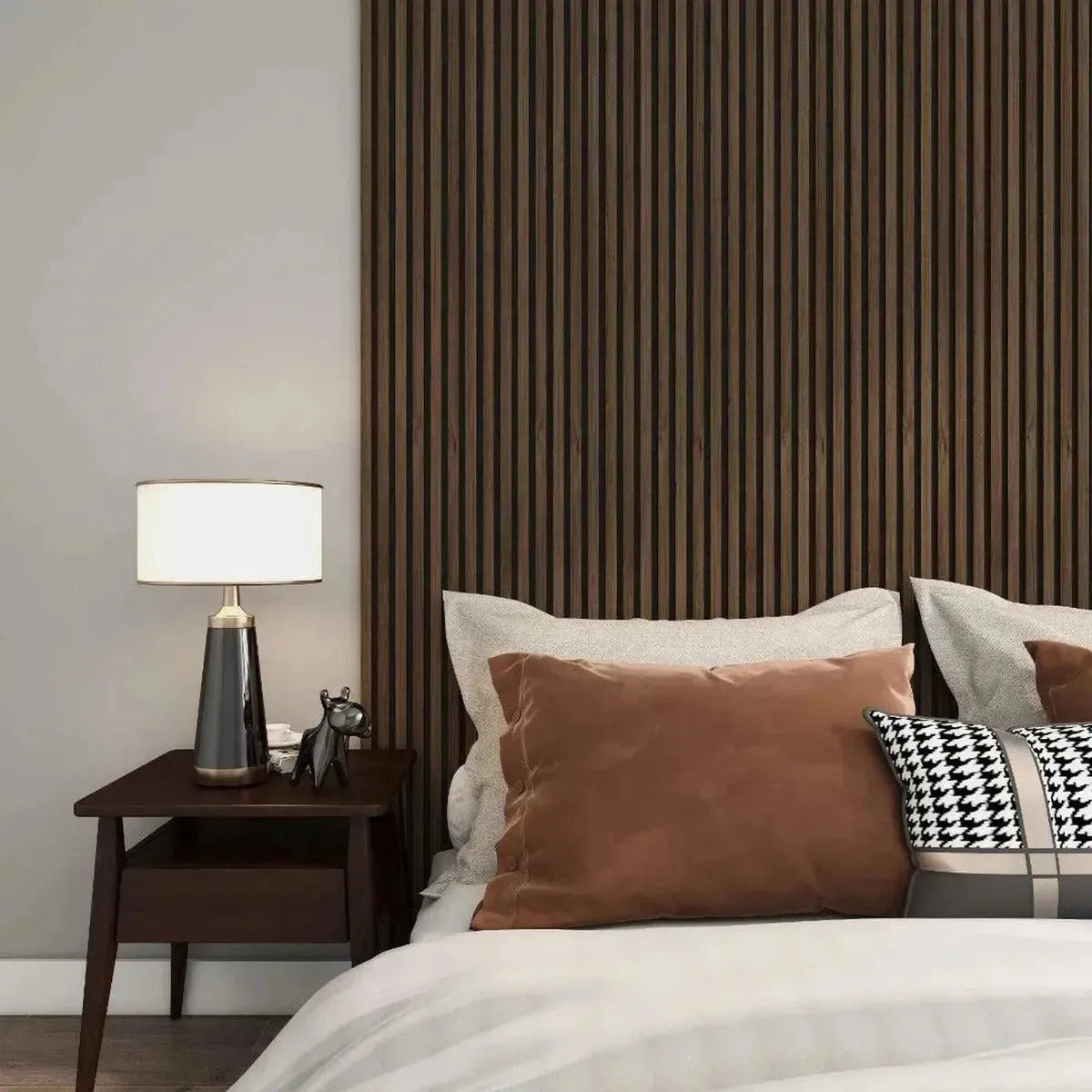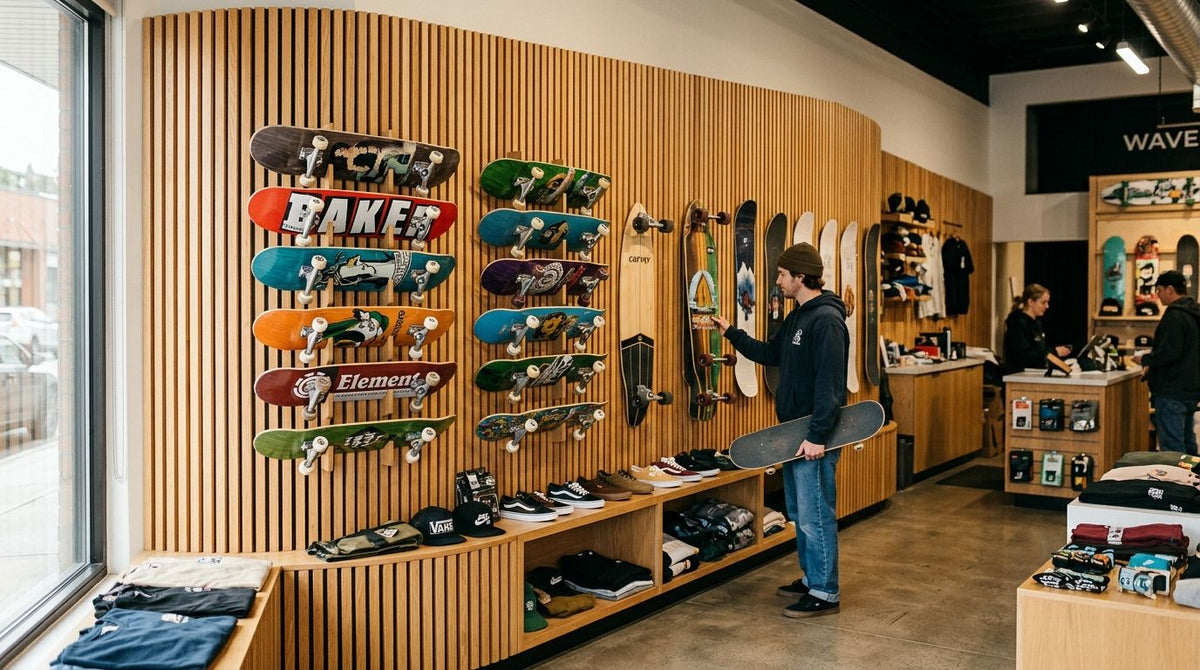
Skate shop wood slat panels are acoustic wall panels installed across board sports retail interiors with the goal of killing the flat-floor echo that concrete, steel racks, and glass display cases create in most shops. A skate or surf retailer needs something a home living room doesn't: panels that survive board racks bumping the wall, hold up under fluorescent and track lighting without warping, and still read as brand rather than office lobby.
- Wood slat panels for skate shop interiors cut echo from concrete floors and steel racks while adding a retail-grade finish.
- Hexagon acoustic panels with felt backing carry an NRC of 0.75, strong enough for open-plan shop floors.
- Black oak and smoked oak slat finishes read closer to skate and surf brand identity than pale natural oak.
- Sample before ordering a full wall; a 32-inch hexagon box is a different commitment than 20 linear feet of slat panel.
- Akuwood Panel's slat and hexagon lines cover both the acoustic fix and the display-wall aesthetic in one purchase.
Why wood slat panels matter for skate shop interiors
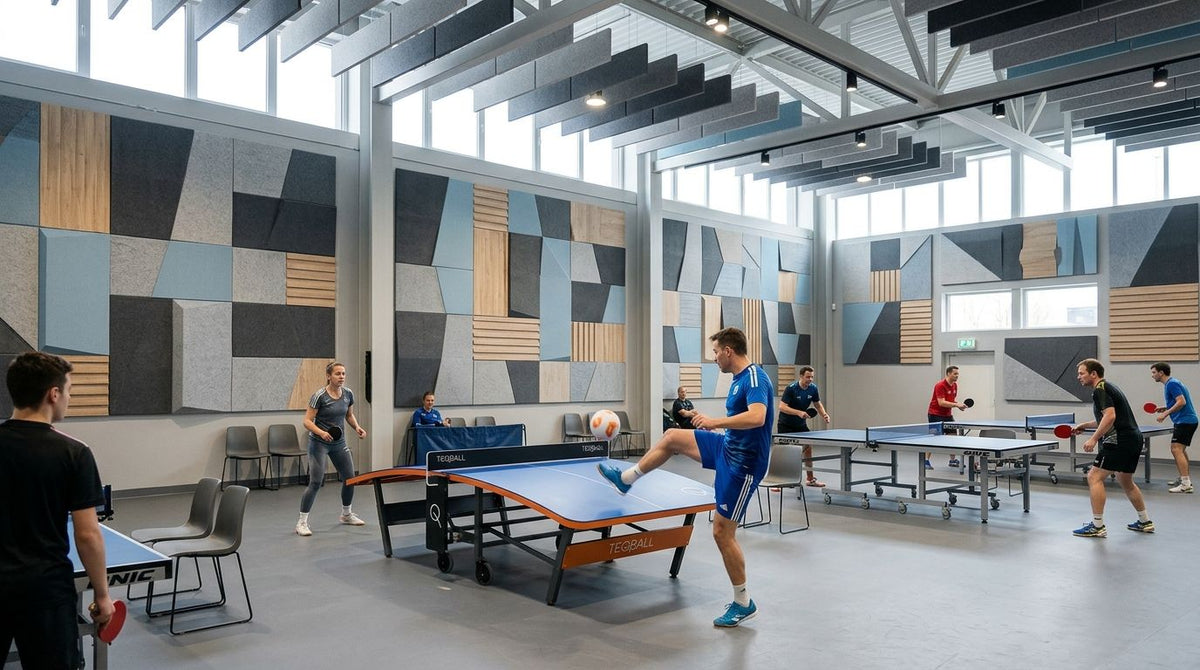
Skate shops share a specific acoustic problem: polished concrete or vinyl floor, metal grid racks, glass cases, and usually a single big front window. Sound bounces instead of absorbing, so music, register chatter, and skateboard testing on a mini demo ramp all stack into one loud room. That's a construction and retail-fit-out problem, not a taste problem, and it's exactly what wood slat panels for indoor skatepark walls are built to solve at larger scale.
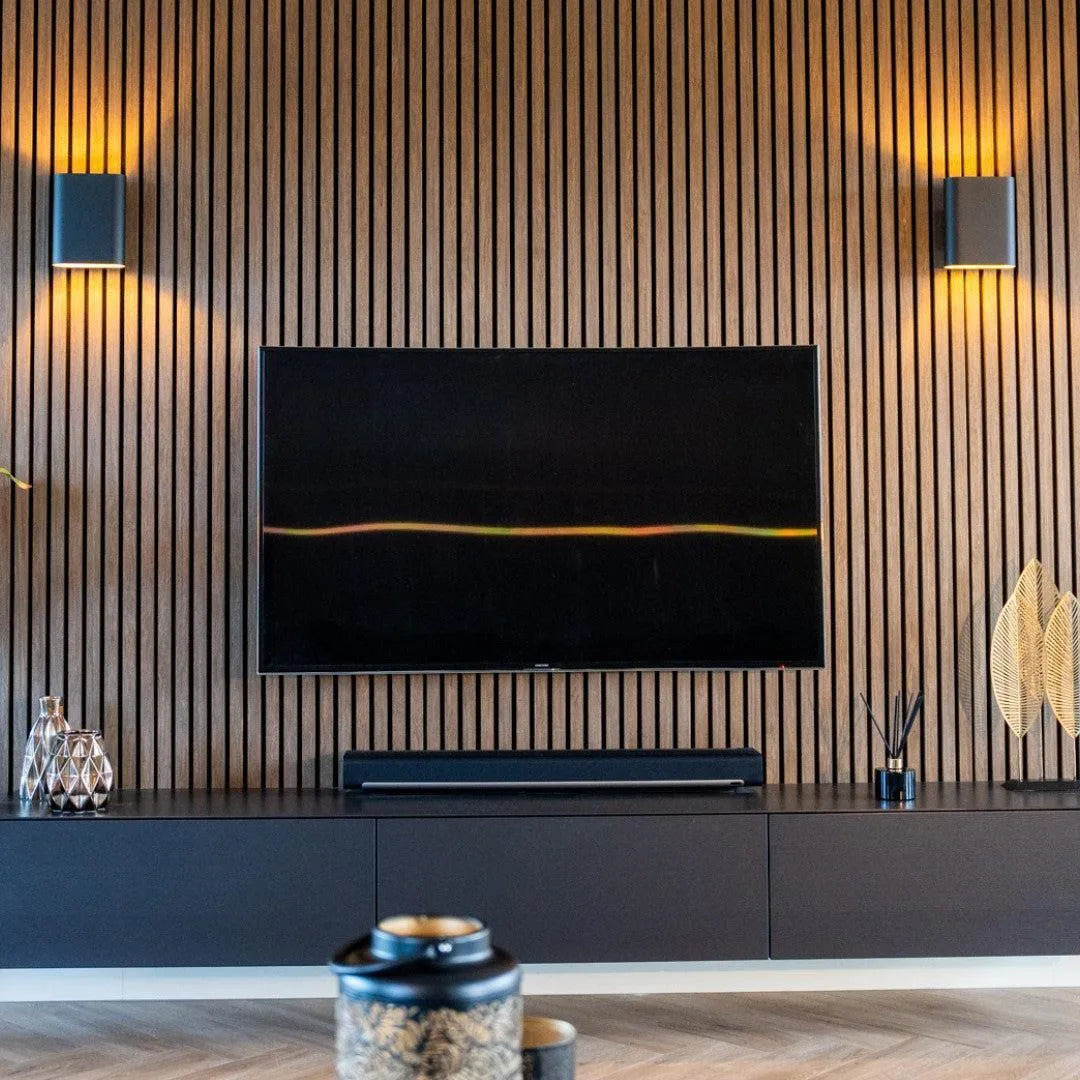
The brand angle matters just as much as the acoustics. Skate and surf retail leans on raw materials, wood, and industrial texture rather than painted drywall. A slat or hexagon panel wall does double duty in 2026: it absorbs sound and it becomes the backdrop customers photograph next to a new deck or board display. A slat panel wall that only solves noise and ignores the visual merchandising function is half a fit-out.
Measure your noise problem before buying panels
Walk the shop during a normal Saturday and note where sound actually collects, not where you assume it does.
- Stand at the register and count how many times you ask a customer to repeat themselves
- Note ceiling height — anything over 10 feet needs more coverage, not just panel density
- Check for hard-parallel surfaces (glass case facing a bare wall) where flutter echo is worst
- Flag any demo area or ramp zone separately; it needs denser coverage than a browsing aisle
- Photograph the loudest wall before install so you have a before/after reference
Choose a slat or hexagon panel finish that matches your brand
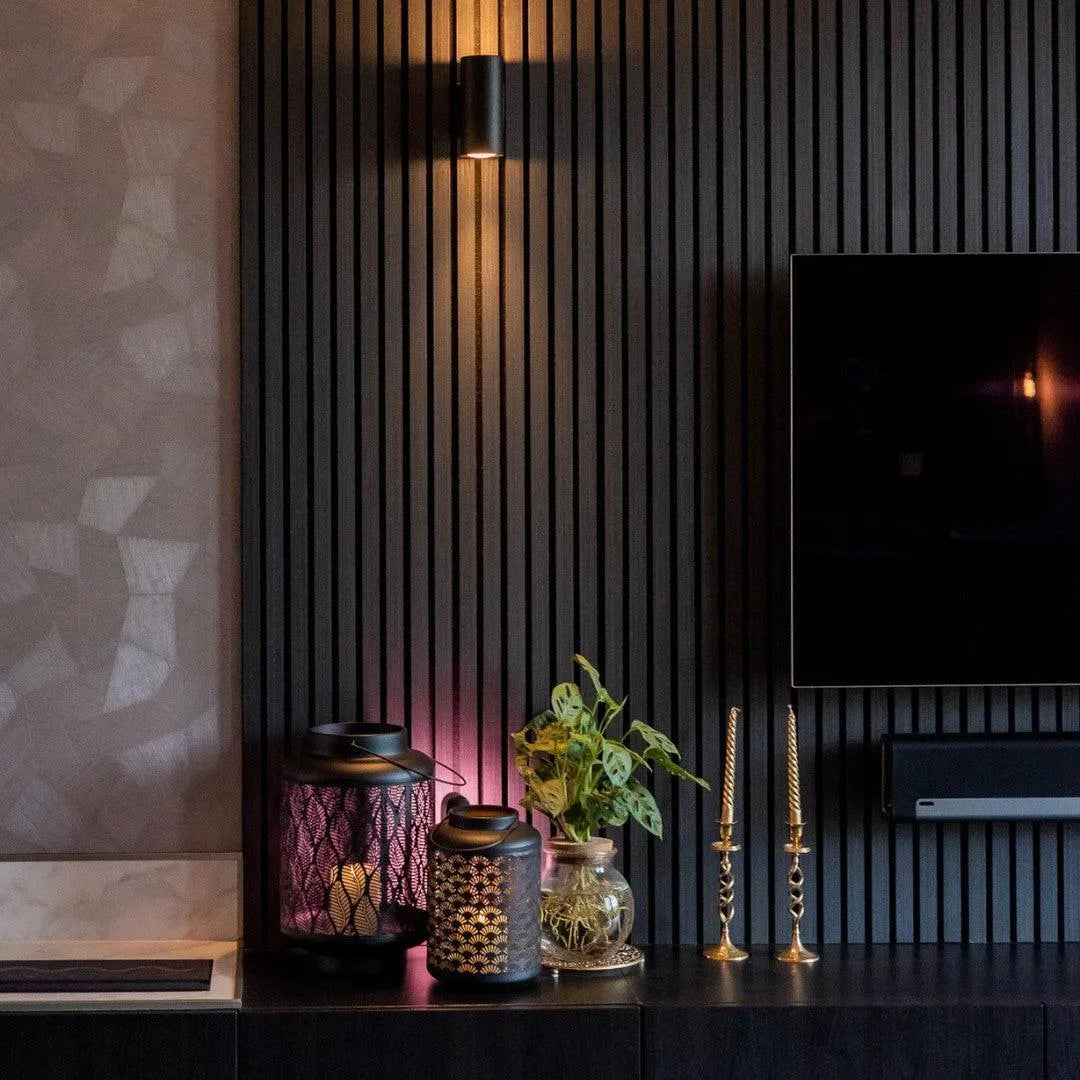
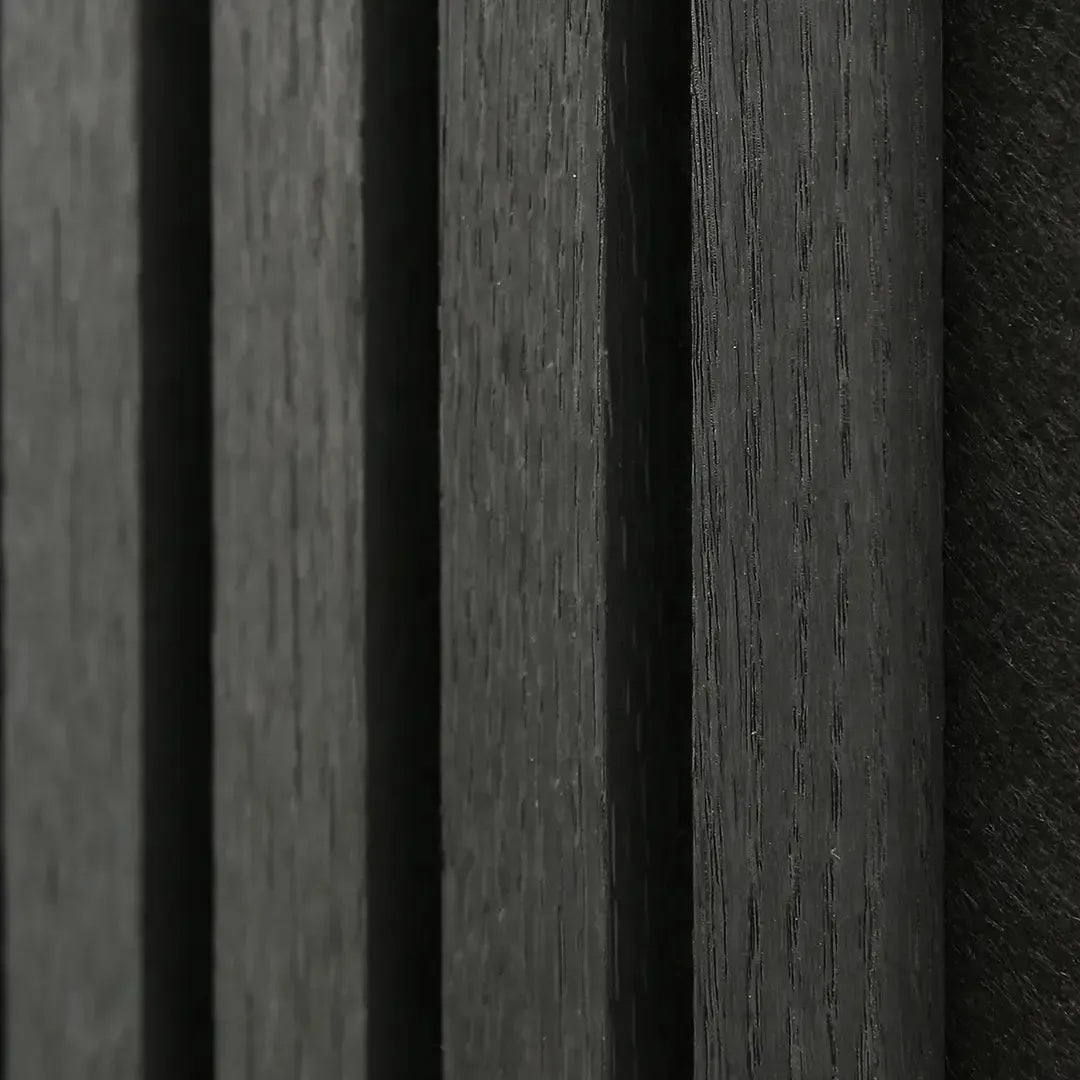
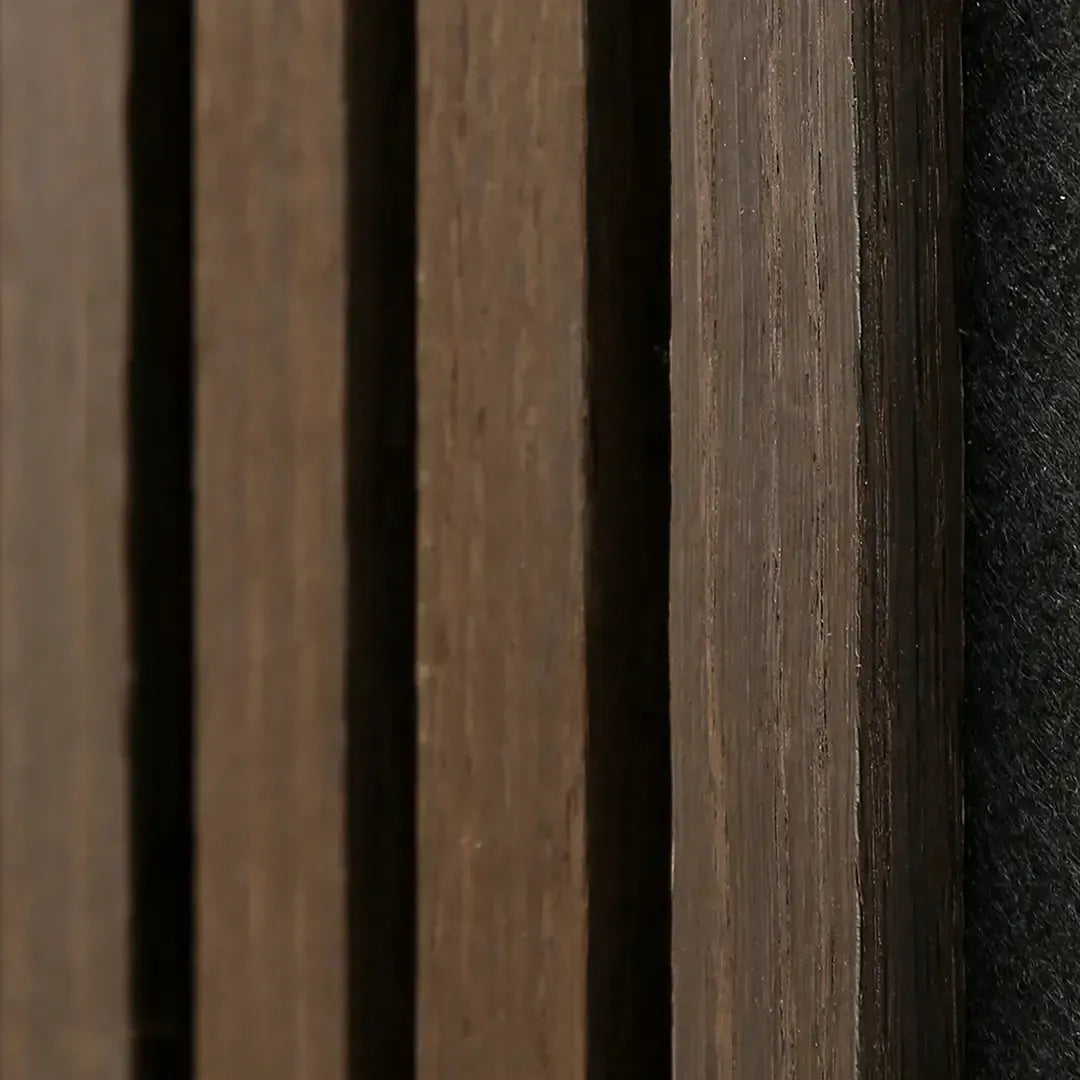
Finish choice is a brand decision as much as an acoustic one. Black oak and smoked oak read industrial and moody, closer to a skate shop's usual palette; natural oak reads warmer and more boutique, which works better for a surf or lifestyle-adjacent shop.
- Black oak slat panels for shops leaning into a dark, industrial retail look
- Smoked oak for a middle ground between raw and refined
- Walnut where the shop wants a premium feel next to higher-priced boards and gear
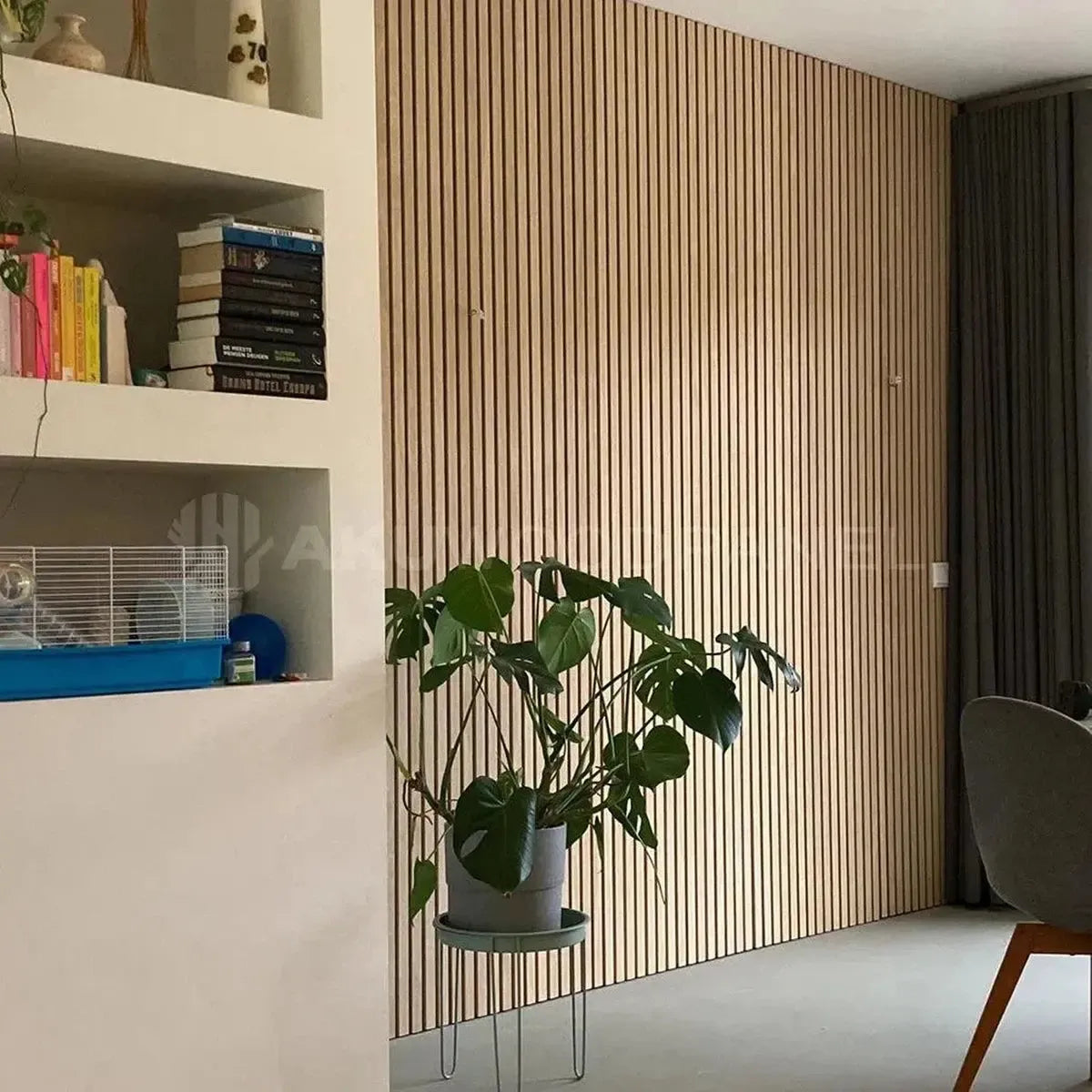
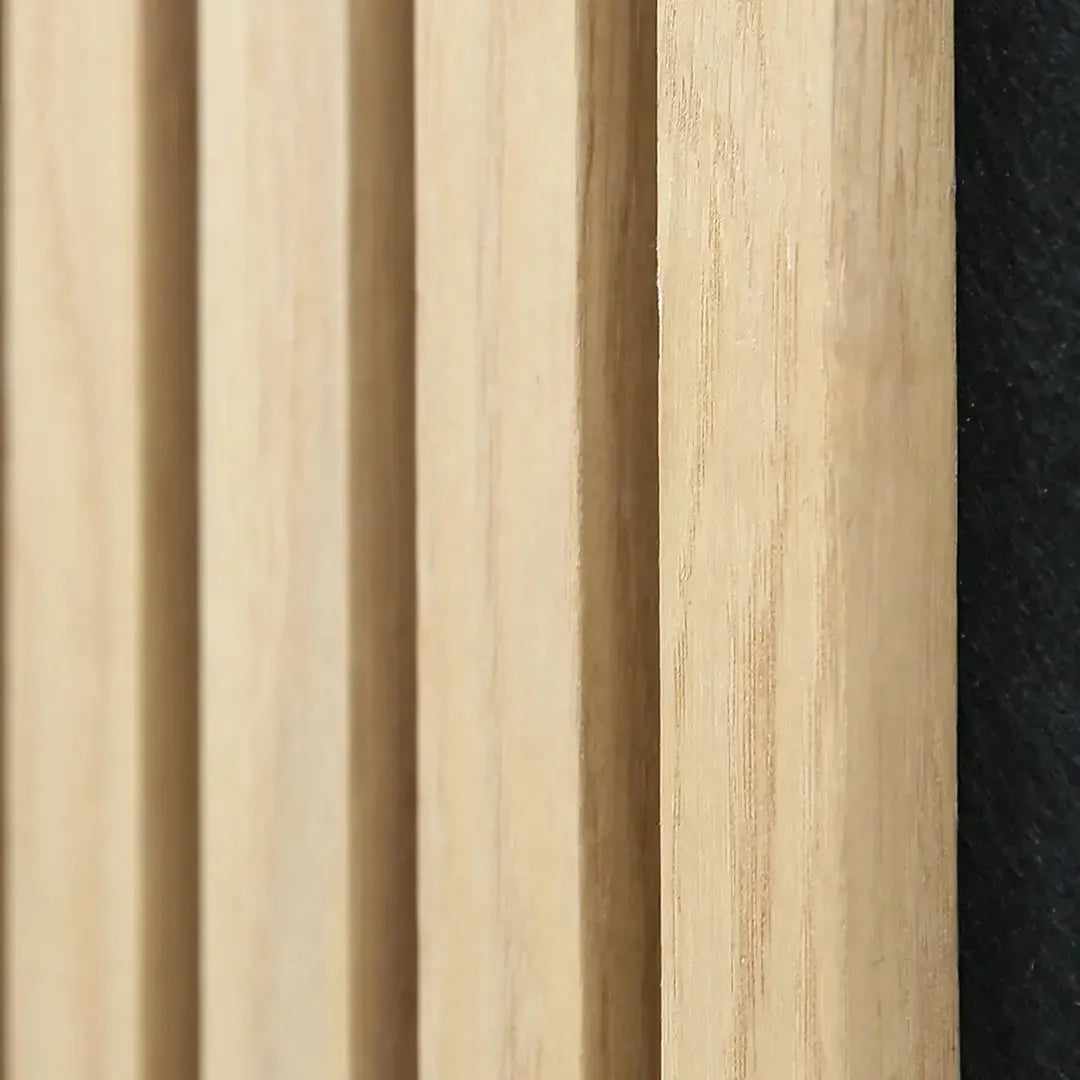
- Natural oak with felt for shops that want acoustic performance without a heavy dark wall
- Hexagon panels instead of straight slats when the wall needs a graphic, geometric statement rather than a linear one
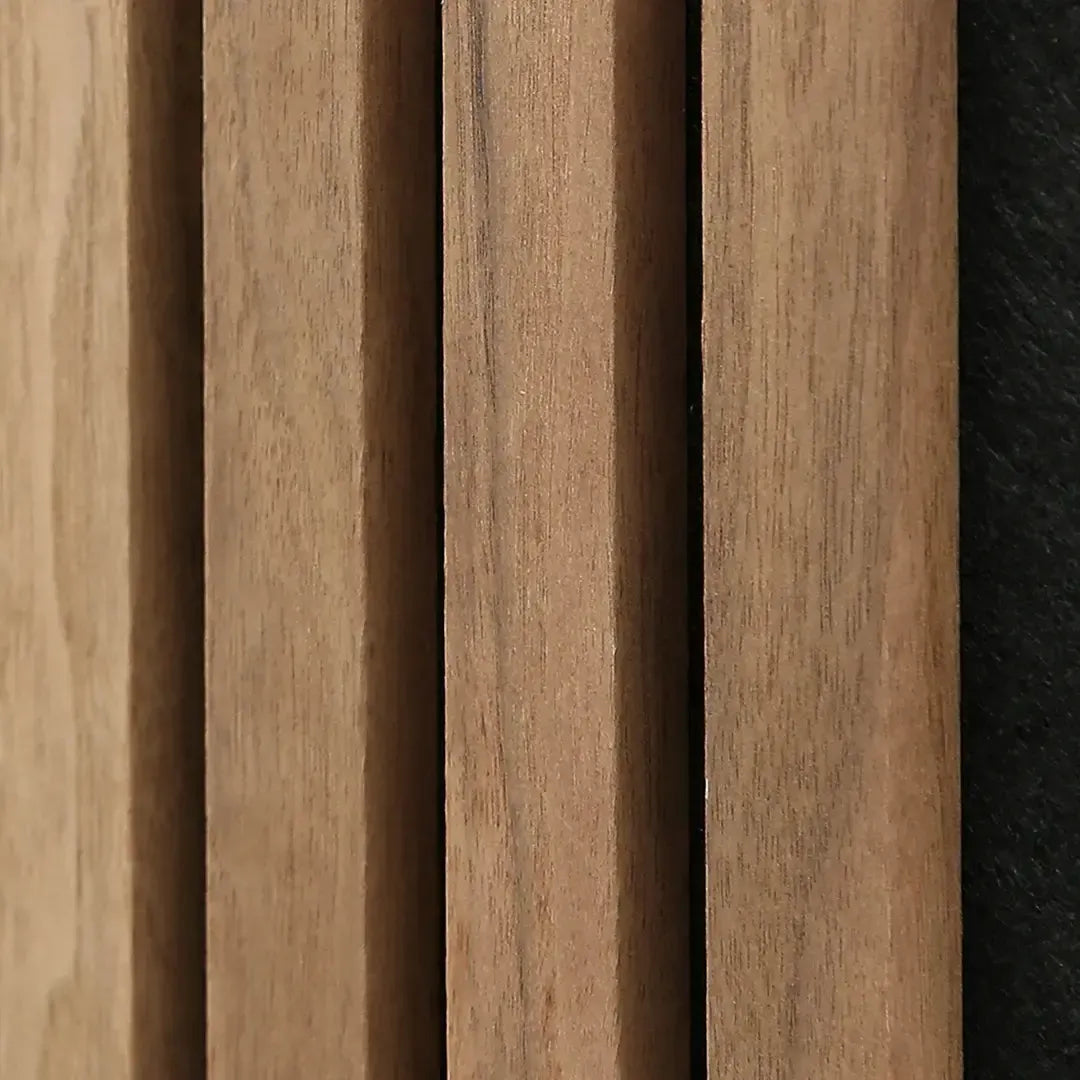
Black oak acoustic slat wall panels suit this use case because the dark tone hides scuffs from board racks better than pale finishes.
Map coverage to your highest-traffic display walls
Don't panel every wall in the shop. Panel the walls doing the most acoustic and visual work.
- The wall directly behind the register, since that's where staff need to hear customers clearly
- Any wall facing the front window, since glass reflects sound straight back into the room
- Feature walls behind board or deck displays, where the panel also functions as a merchandising backdrop
- Walls near a demo ramp or try-before-you-buy area, where noise is loudest and most constant
- Skip low-traffic storage or fitting-room walls; the acoustic return there is minimal
Decide on acoustic backing: felt or none
This is the single biggest performance decision in the whole project. Felt-backed hexagon panels in Akuwood Panel's lineup carry an NRC (Noise Reduction Coefficient) of 0.75, meaning they absorb roughly three-quarters of the sound energy that hits them.
- Felt-backed panels for any wall within 15 feet of the register or a demo area
- Non-felt solid veneer panels for purely decorative walls where sound isn't the concern
- Mixed approach: felt-backed hexagon panels on the loud walls, plain slat panels on the display walls
- Budget the felt option first if you can only panel one wall in 2026 — acoustic gain matters more than square footage
Plan panel placement around fixtures and racks
Skate shop walls carry hardware most residential installs never deal with: grid rack anchors, display hooks, deck-mounting brackets. Plan the panel layout around those points before a single panel goes up.
- Mark every existing anchor point on the wall before measuring panel runs
- Leave a service gap behind panels wherever a rack needs re-anchoring later
- Use end pieces to finish exposed panel edges next to doorways and fixture breaks
- Route any low-voltage wiring for security tags or spotlights before the panels close the wall
Order samples before committing to a full wall
A 32-inch hexagon box photographs differently under shop lighting than it does on a screen. Order samples and hold them against the actual wall under the store's real light fixtures before ordering full coverage — LED retail lighting shifts wood tone more than most buyers expect.
Install panels without disrupting retail hours
Most slat and hexagon panel systems are designed for straightforward mechanical fastening, which means a fit-out crew can usually complete a feature wall after closing and have it ready by the next open.
- Schedule install for a low-traffic closing shift, not a weekend
- Stage panels and fasteners in the stockroom the day before, not the day of
- Tape off the work zone rather than closing the whole shop floor
- Do a final sweep for adhesive residue on the floor before reopening


Comparing panel options for skate shop walls
| Option | Best for | Key limitation |
|---|---|---|
| Hexagon acoustic panel, felt-backed | Loud walls near register or demo area | Geometric pattern needs a full wall to read well, not a small patch |
| Slat wall panel, black or smoked oak | Board and deck display feature walls | Darkest finishes have fewer felt-backed options |
| Fluted wall panel | Curved counters and column-heavy layouts | Less sound absorption than felt-backed hexagon |
| 3D wood tile, industrial pine or walnut | Small accent zones, counter surrounds | Not designed for large-scale acoustic coverage |
Fluted wall panel in walnut works where a shop wants texture around a curved counter or column, though it won't replace felt-backed hexagon panels for pure noise control.
Common mistakes skate shops make with wall panels
- Paneling the whole shop instead of the loud walls. Coverage without a plan wastes budget on walls that were never the problem.
- Skipping felt backing to save money, then redoing the wall a year later. The acoustic gain is the entire point for a register or demo-area wall.
- Ignoring existing rack anchors. Panels installed without mapping fixtures first end up drilled through or removed within months.
- Choosing a pale finish that shows scuffs immediately. Black oak and smoked oak hide contact marks from boards and racks far better than natural oak.
- Skipping samples under store lighting. Retail LED lighting shifts wood tone enough that online photos and in-store reality don't match.
Best slat wall panels for retail store wall displays covers the merchandising side of this decision in more depth if the display-wall function matters as much as the acoustic fix.
FAQ
What's the best wood slat panel finish for a skate shop?
Black oak and smoked oak slat panels suit skate shop interiors best in 2026 because they hide scuffing from board racks and match the industrial retail look most shops go for. Natural oak works better for surf and lifestyle-adjacent stores.
Do wood slat panels actually reduce echo in a retail store?
Felt-backed hexagon acoustic panels from Akuwood Panel carry a published NRC of 0.75, meaning they absorb around three-quarters of the sound energy hitting the wall. On a concrete-floor retail space that is a meaningful reduction.
Is a hexagon panel or a slat panel better for a skate shop wall?
Hexagon panels with felt backing suit loud, high-traffic walls near a register or demo ramp. Slat panels in black or smoked oak suit feature walls behind board and deck displays where visual merchandising matters more than raw absorption.
How much wall coverage does a skate shop actually need?
Most shops only need to panel the register wall, any wall facing the front window, and one or two feature display walls. Paneling the entire shop floor drives up cost and install time without proportional acoustic gain.
Can wood slat panels be installed without closing the shop?
Yes. Most slat and hexagon panel systems fasten mechanically, so a crew can stage materials during the day and complete a feature wall install after closing for a reopening the next morning.
Should I order samples before buying panels for a retail fit-out?
Yes, always. Retail LED lighting shifts wood tone more than screen photos show, so holding a physical sample against the actual wall under store lighting prevents a costly reorder.
Do slat panels hold up against board racks and display hardware?
Darker finishes like black oak and smoked oak hide scuffs and contact marks from racks better than pale natural oak. Mapping existing anchor points before install prevents damage to the panel surface later.
One last thing
The felt-backed hexagon panel's published NRC of 0.75 is the number to lead with when an owner asks whether panels will actually help. Most retail acoustic complaints aren't about total silence — they're about a register conversation getting lost in floor noise, and a 0.75 absorption rating on the two or three walls that matter solves that specific problem in 2026 without paneling the whole store.
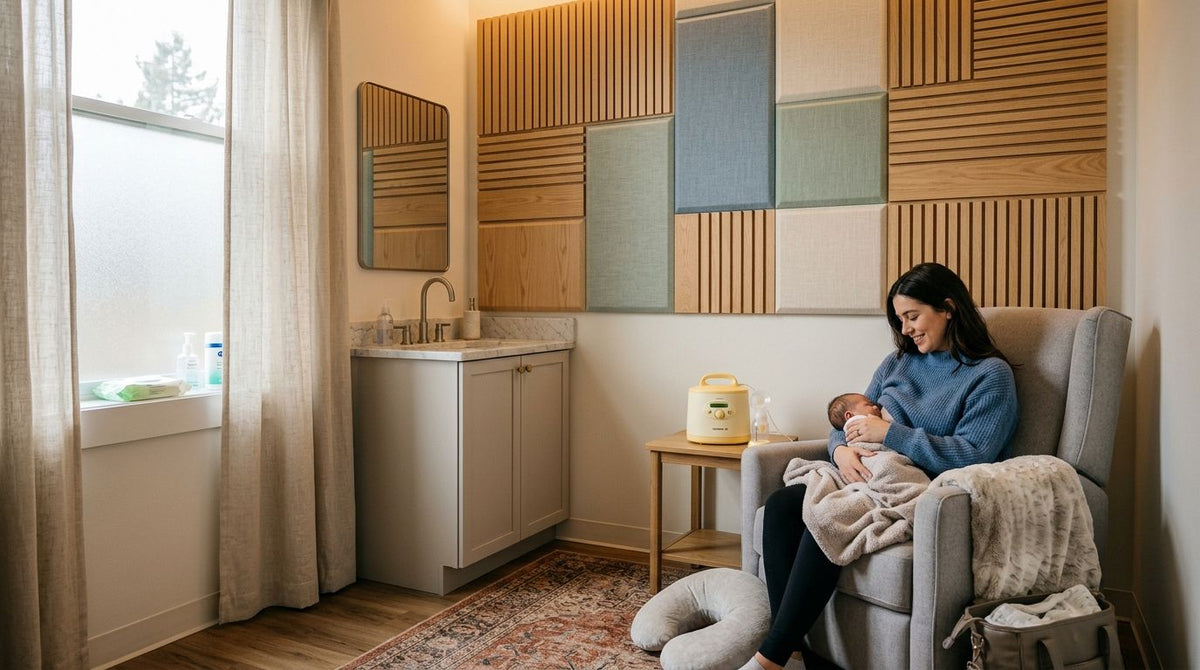

 Better performance and aesthetic appeal
 In Stock