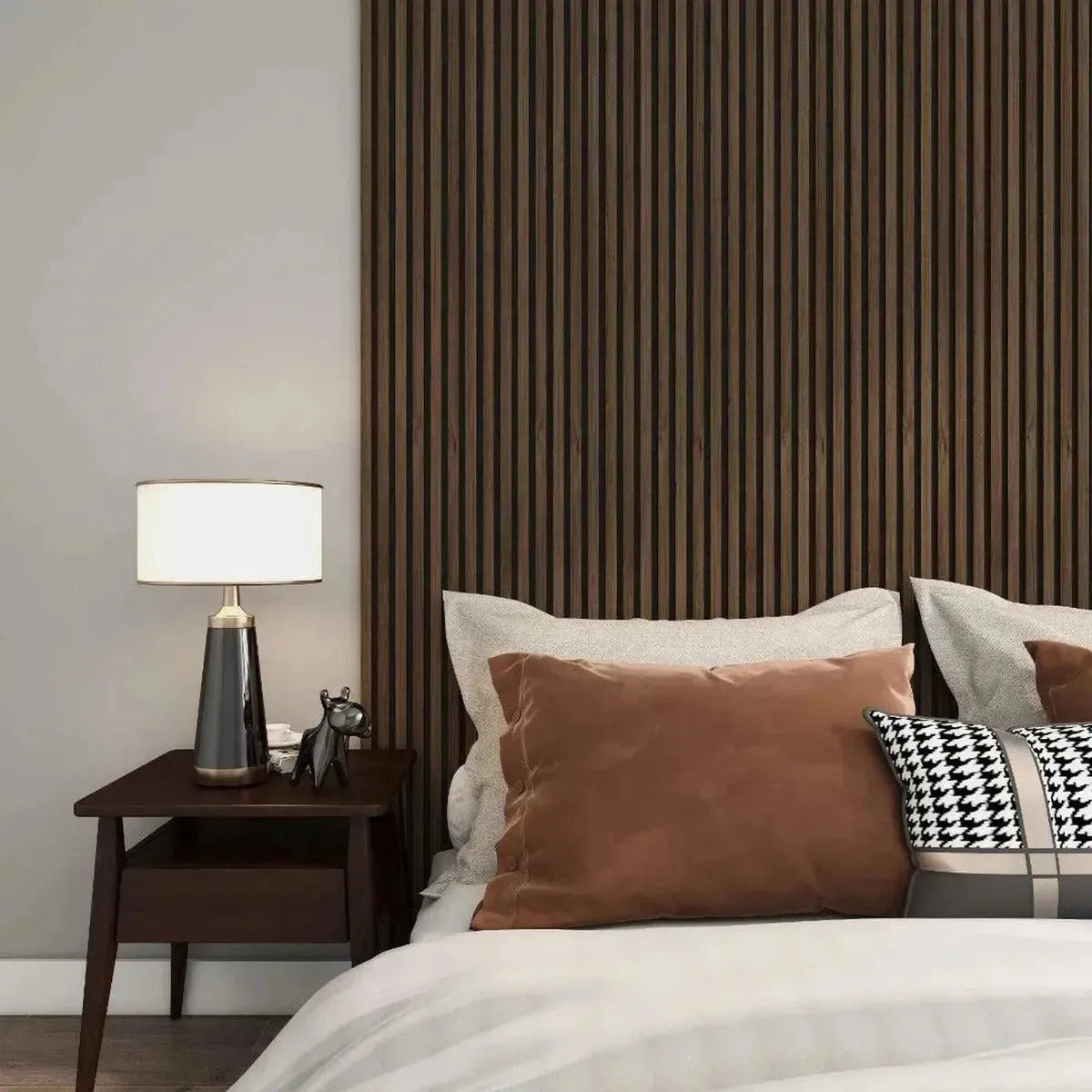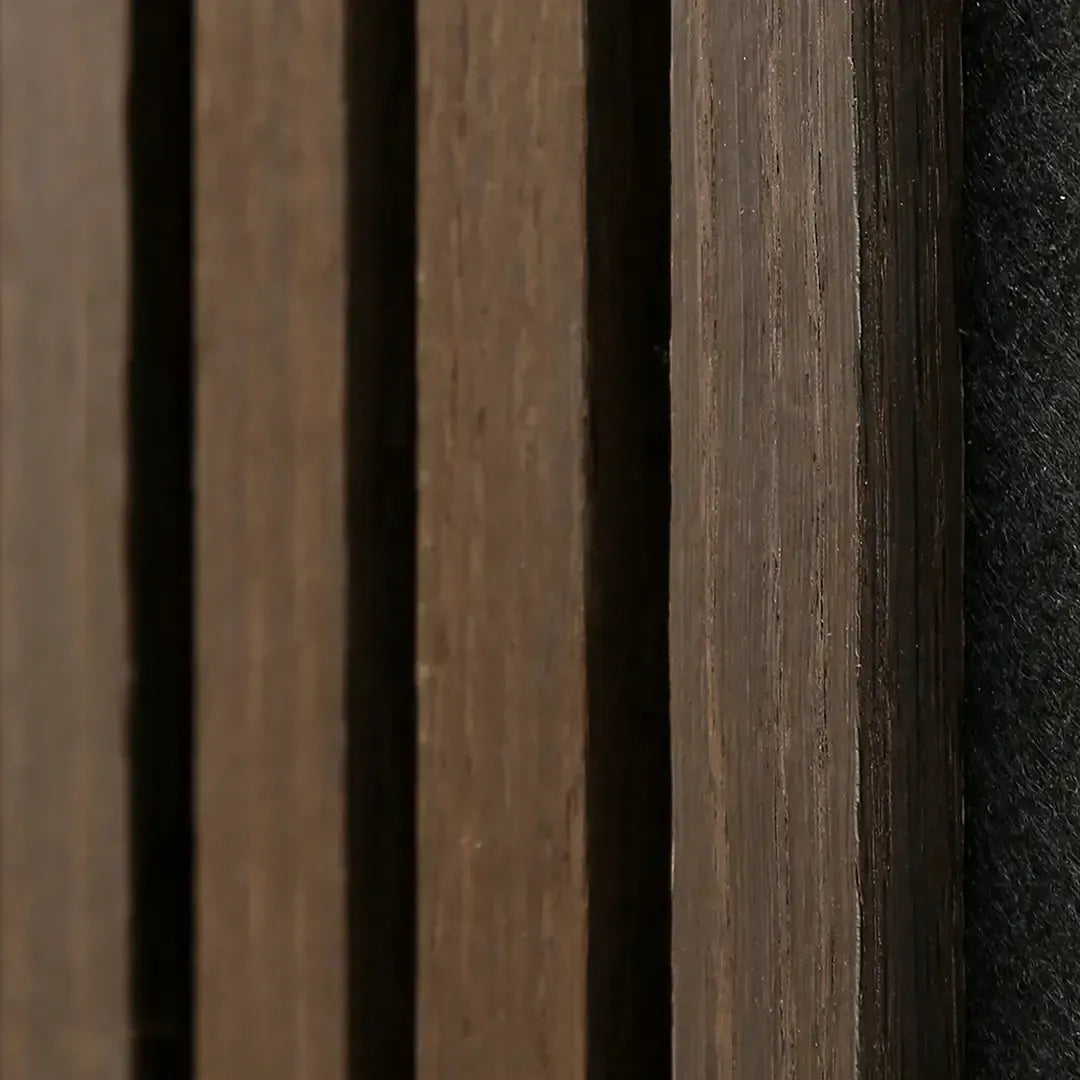
Wood panels for driving school classroom walls fix two problems that plague converted strip-mall units: the echo that makes hazard-perception audio unintelligible from the back row, and the bare drywall look that makes parents question whether they're handing their teenager to a serious business. Real wood veneer slat panels absorb sound and read as a finished commercial interior in one install.
- Wood panels for driving school classroom walls stop flutter echo from hard floors and cinderblock better than foam tiles.
- Hexagon acoustic panels carry an NRC rating of 0.75, enough for a 200-400 sq ft leased classroom.
- Akuwood Panel slat wall panels use a 3-sided real wood veneer, not printed laminate, so they hold up under daily classroom traffic.
- Test with a small tile box before committing to a full room in 2026 - the cheapest way to check finish and acoustic feel.
- Fire-rating and lease terms decide install method more than aesthetics do for most driving schools.
Why acoustic wood panels matter for driving school classrooms
A driving school classroom isn't a lecture hall with a sound engineer. It's usually a leased retail unit with a drop ceiling, a projector, and a dozen plastic chairs. Hazard-perception videos and instructor narration both depend on the room absorbing sound instead of bouncing it off drywall and linoleum.
Students sit through hours of state-mandated classroom time before they ever touch a car. If the room sounds like a hallway and looks like an empty office, retention and trust both take a hit. The same noise-control problem shows up in general classroom settings, and the fix is the same: absorb the reflections at the source, not just at the ceiling.
A driving school also has a narrower budget window than a university lecture hall, and often more than one location to treat. That changes the order of operations in 2026: cheap fixes first, then a phased panel plan, not a one-shot renovation.
Measure your classroom's echo hot spots
Before buying anything, find out where sound actually bounces. Most driving school units have two or three surfaces doing all the damage.
- Walk the room clapping once per wall and note where the clap rings longest
- Check the wall directly behind the projector screen, since it reflects straight back at students
- Flag any shared wall with a waiting area or front desk, because voices carry both ways
- Note ceiling height; drop ceilings under 9 feet trap more mid-range frequency than open plenum spaces
- Mark hard-floor zones (vinyl, tile) separately from any carpeted area
Try free acoustic fixes before you buy anything
Start with what's already in the budget. Panels solve what furniture can't, but furniture solves some of it for nothing.
- Move bookshelves or storage cabinets against the worst-reflecting wall
- Add a rug or interlocking mat under student seating if the floor is bare
- Hang heavy curtains over any window that faces the instructor's side
- Rearrange chairs so nobody sits with their back to a hard reflective wall
- Close gaps under doors that let sound leak into the waiting area
If the room still rings after this, you're past the point where furniture alone fixes it. That's the signal to plan wall treatment.
Calculate how much panel coverage you actually need
Most driving school classrooms don't need every wall covered. They need the two or three surfaces doing the reflecting.
- Measure the square footage of each flagged wall from step one
- Target 25-40% coverage on the worst wall before touching secondary walls
- Add coverage behind the instructor's podium first, where voice clarity matters most
- Order a small test run before committing to a full room; a tile-format slat panel box covers a sample section for exactly this purpose
- Round up, not down. Running short mid-install on a leased wall is worse than a small leftover box
Verdict: for a typical 250-300 sq ft driving school classroom, treating the wall behind the screen and one side wall covers most of the echo problem without paneling the whole room.
Choose a slat finish that fits a professional classroom look
Driving schools sell trust before they sell driving hours, and the classroom is often the only space a parent sees. Finish choice matters more here than in a warehouse or garage.
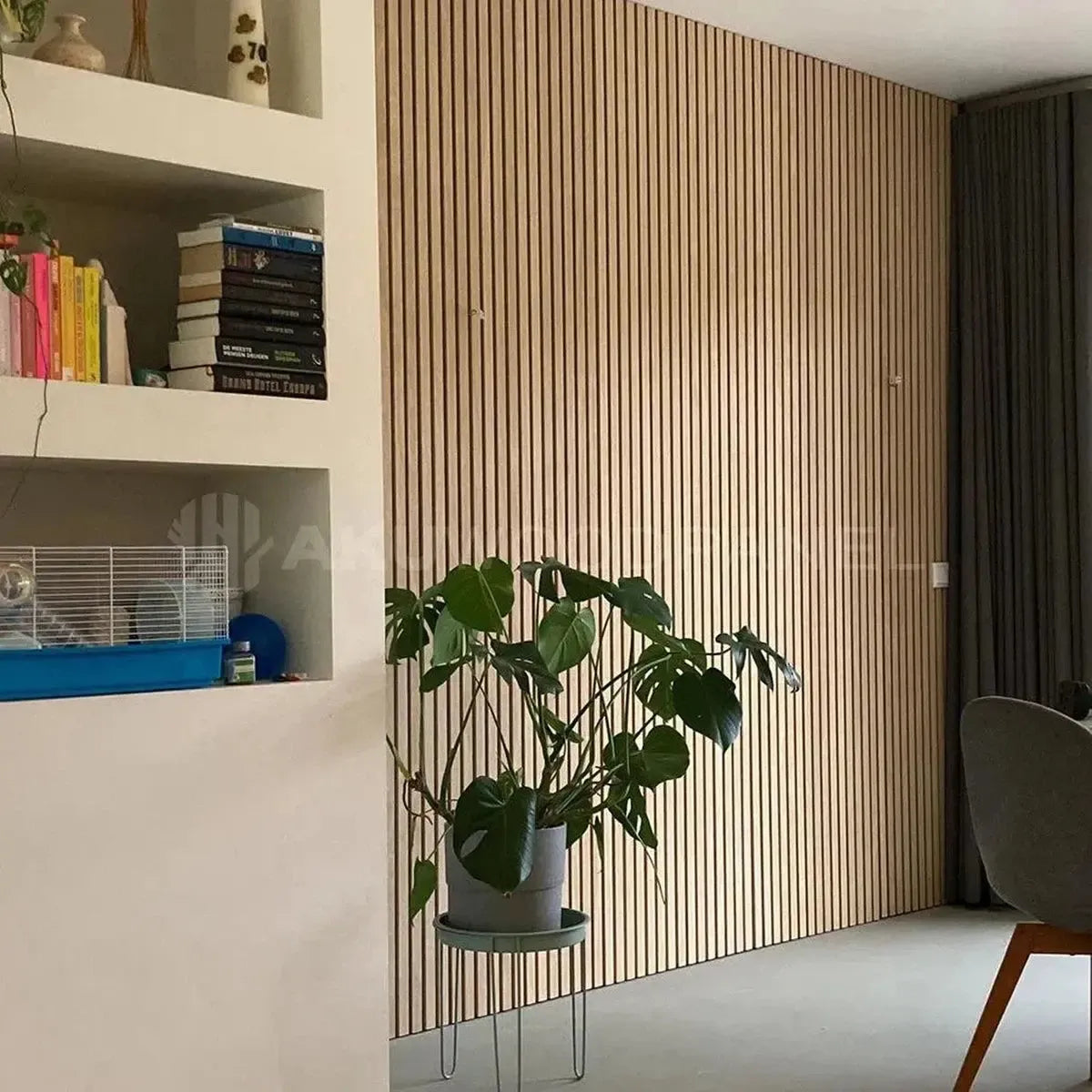
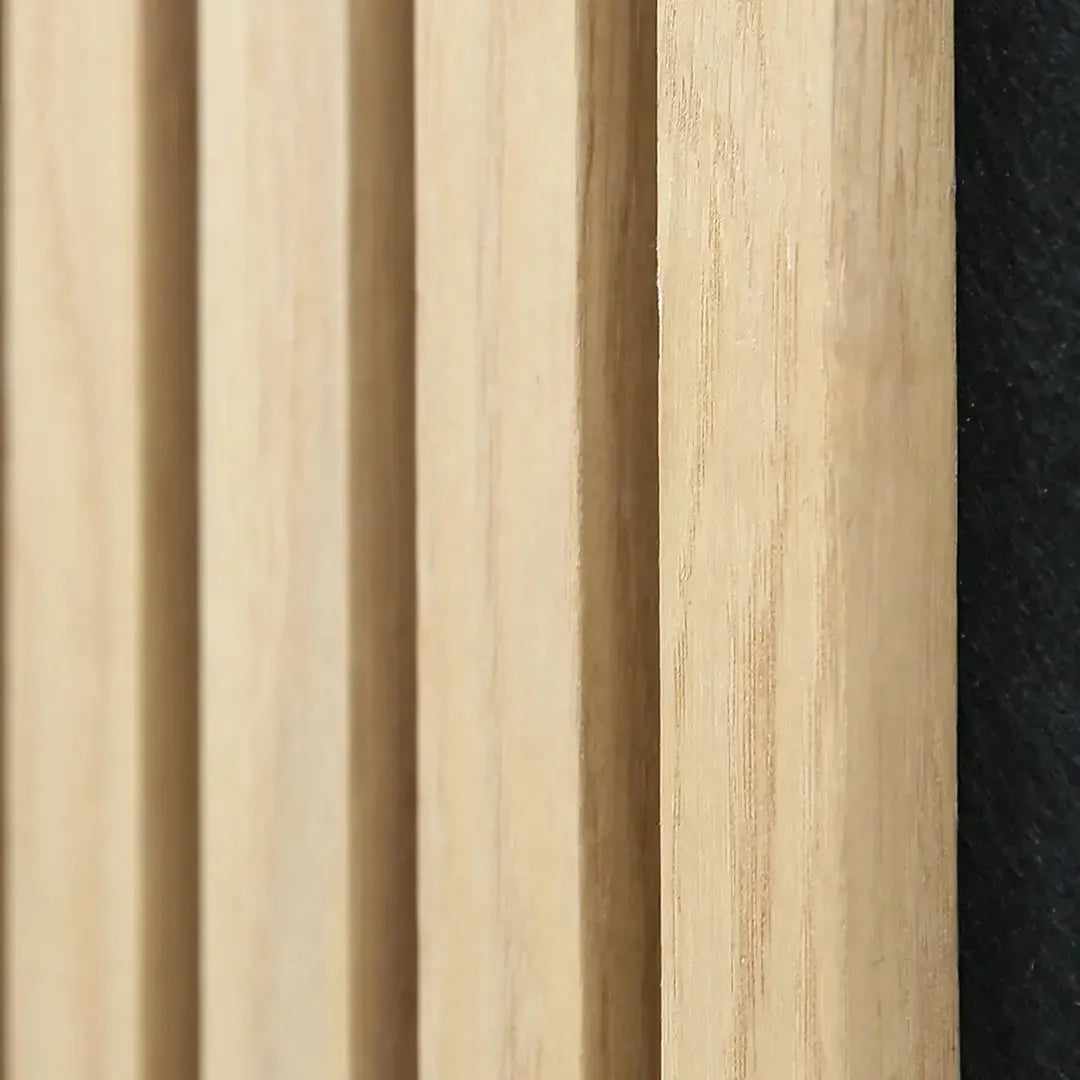
- Natural oak reads bright and approachable, good for schools serving teens and their parents
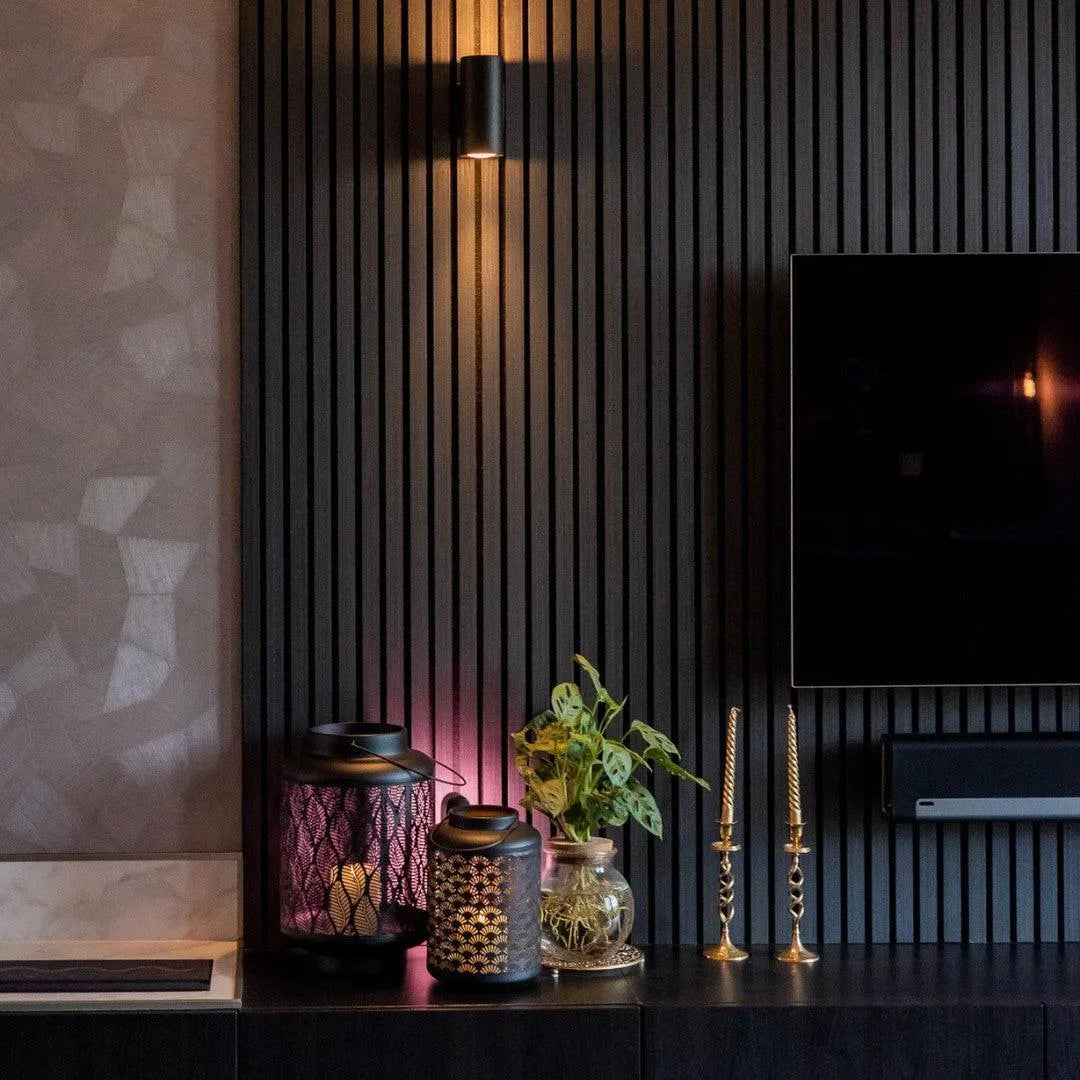
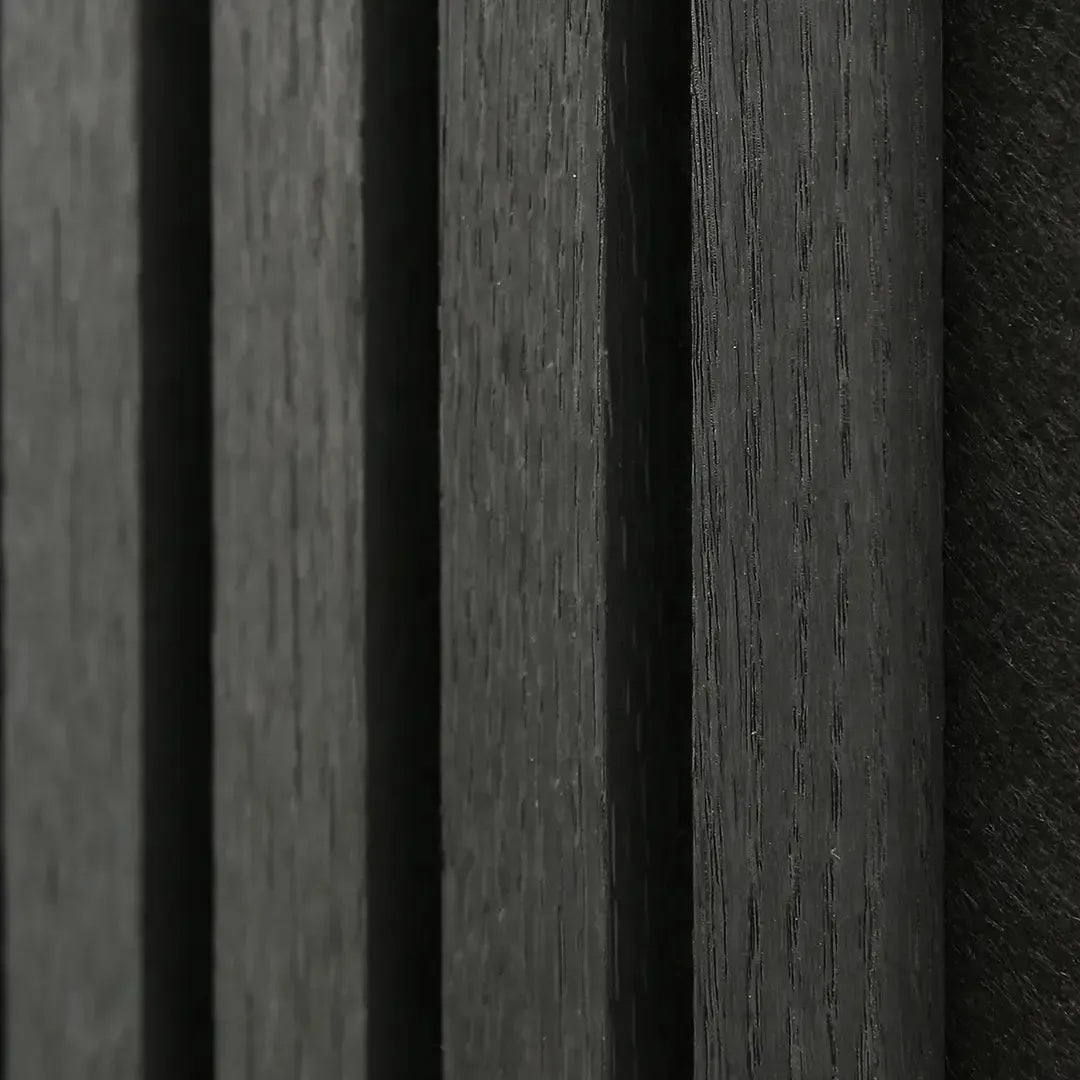
- Black oak or smoked oak reads more corporate, useful for schools that also run commercial fleet training
- Match the finish to whatever's already in the waiting area so the space feels planned, not patched
- Avoid printed laminate finishes in high-traffic classrooms; they scuff and show wear faster than real veneer
The Akuwood Panel Acoustic Slat Wall Panel in Natural Oak uses a 3-sided real wood veneer rather than a printed surface, which matters in a room that gets touched, bumped, and cleaned daily. The Black Oak version of the same panel gives the darker, more corporate look without changing the acoustic backing.
Install without violating your lease terms
Most driving schools rent rather than own their classroom space, and that changes what installation is allowed to mean.
- Check your lease for restrictions on wall modifications before ordering anything
- Ask whether the landlord requires drywall-safe or screw-free mounting
- Photograph the wall before install so you have a record of pre-existing condition
- Confirm whether local commercial occupancy code requires fire-rated wall coverings for classroom use
- Budget time for install outside class hours, because a leased unit still needs to run classes on schedule
Budget the project across multiple classroom locations
A single-location driving school can treat one room and be done. A multi-location school needs a rollout plan, not a one-time purchase.
- Price the pilot room first, then use that number to project the full 2026 rollout
- Standardize on one finish across locations so branding stays consistent
- Phase installs by lease renewal date so you're not paying twice for the same wall
- Order end pieces and trim alongside the main panels; mismatched edges are the most common finishing mistake


Comparing panel options for driving school classrooms
| Option | Best for | Key limitation |
|---|---|---|
| Real wood slat panel (Akuwood Panel) | The wall behind the instructor or screen | Needs measuring before ordering full coverage |
| Hexagon acoustic panel | Spot-treating one reflective wall | Covers a smaller area per box than slat panels |
| Tile-format slat box | Testing finish and sound before a full room | Not enough coverage on its own for a full classroom |
| Foam acoustic tiles (generic) | Tightest budgets, temporary spaces | Looks unfinished to visiting parents, degrades faster |
| Fabric-wrapped fiberglass panels (generic) | Buildings with strict fire codes | Doesn't read as a finished retail interior like wood veneer |
Verdict: for a driving school classroom that doubles as the first impression a parent gets, real wood slat panels beat foam or fabric on both acoustics and how the room photographs for marketing.
“If you can hear the echo of your own voice from the back row, your students can't hear the instructor either.”
Common mistakes driving schools make with classroom acoustics
- Treating only the front wall. Sound reflects off the side and back walls too, so the room still sounds muddy after paneling the screen wall alone.
- Skipping the lease check. Installing screw-mounted panels in a rented unit without landlord sign-off is the most avoidable delay in a 2026 fit-out.
- Buying foam because it's cheaper upfront. Foam tiles yellow and crush under classroom traffic, and a leased space still needs to look presentable at renewal.
- Ignoring the floor. Vinyl and tile bounce as much sound as bare drywall; panels alone won't fix a room that also needs a rug.
- Ordering panels without end pieces or trim. Exposed panel edges are the most common finishing complaint after a rushed install.
FAQ
What's the best wood panel for a driving school classroom?
A real wood veneer acoustic slat panel is the best choice for a driving school classroom in 2026 because it absorbs echo and looks finished to visiting parents. Foam tiles cost less but degrade faster and don't match the professional look most driving schools want.
How much panel coverage does a small driving school classroom need?
Most 250-300 sq ft classrooms only need 25-40% wall coverage, focused on the wall behind the instructor or screen. Full-room coverage is rarely necessary unless the room also serves as a waiting area.
Can acoustic wood panels be installed in a leased commercial unit?
Yes, but check the lease first, since some landlords require screw-free mounting or restrict wall modifications. Confirm local commercial occupancy fire rules before ordering, because classroom use can be stricter than open retail floor.
Is real wood veneer better than foam acoustic panels for classrooms?
Real wood veneer holds up better under daily classroom traffic and reads as a finished interior, while foam tiles crush and discolor over time. Foam is cheaper upfront but costs more in replacement across a multi-year lease.
What NRC rating do I need for a driving school classroom?
An NRC around 0.75, like the Akuwood Panel hexagon acoustic panel line, noticeably reduces echo in a typical leased classroom. Rooms with hard floors and drop ceilings benefit most from this range.
Do driving schools need fire-rated wall panels?
It depends on local commercial occupancy code for classroom use, which can differ from general retail. Check with your local building department before ordering panels for a multi-location rollout.
How long does a classroom panel install take?
A single-wall install in a small classroom typically takes a matter of hours outside class time. Timing depends on the mounting method and whether trim and end pieces need cutting to fit.
One last thing
The cheapest mistake to avoid in 2026 isn't picking the wrong finish. It's paneling the whole room when the acoustic problem was really one reflective wall behind the screen. Measure first, order a small tile test box, and expand only if the echo persists.


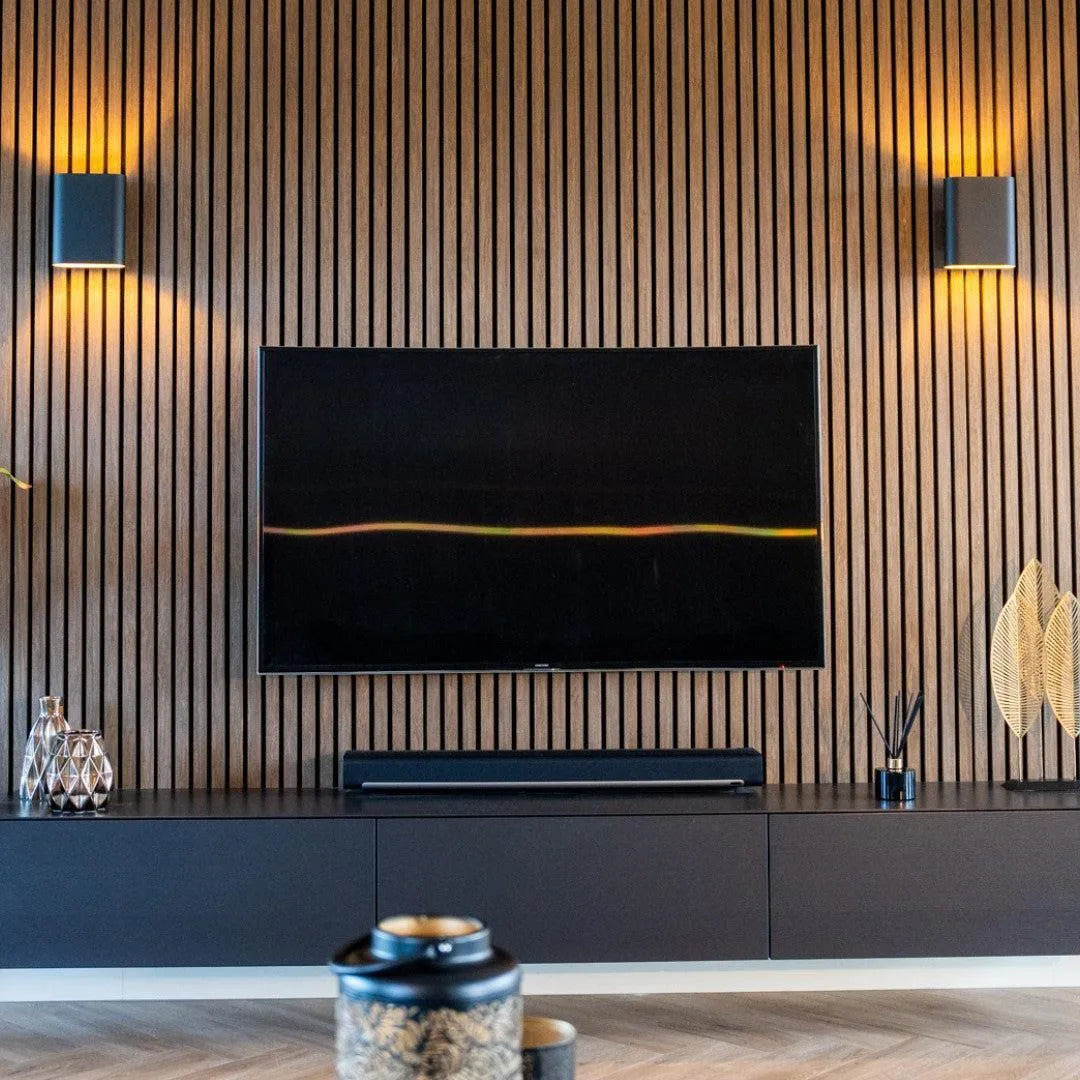

 Better performance and aesthetic appeal
 In Stock