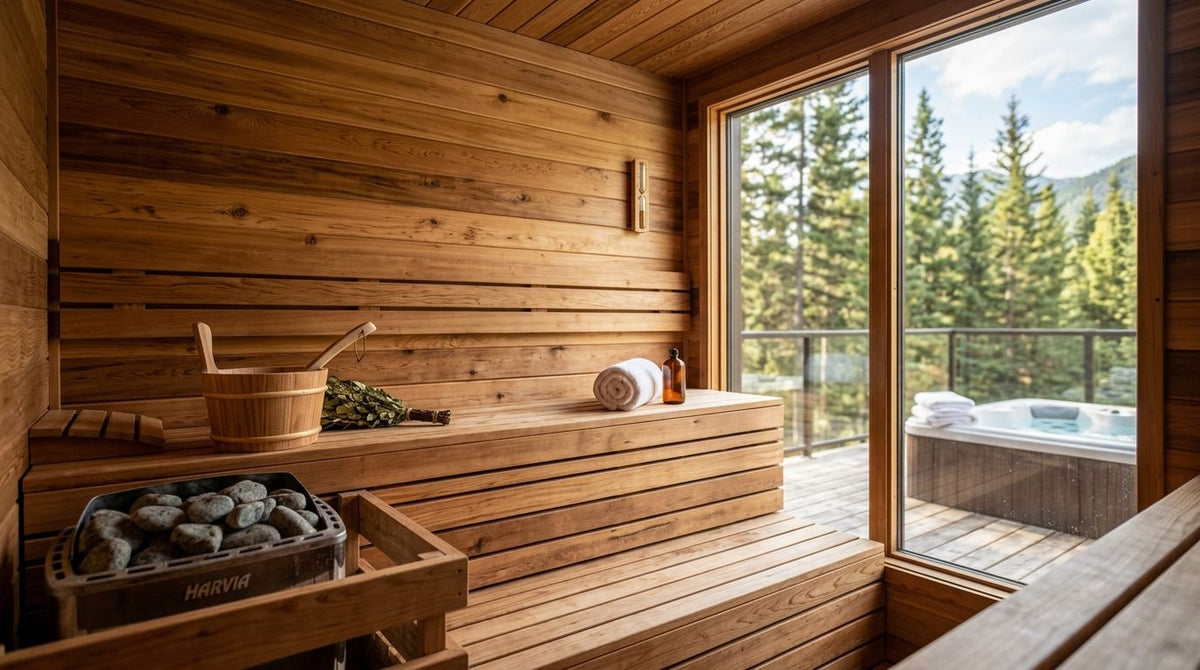
Cedar wood panels for outdoor sauna and spa interiors are the wall and bench material used inside the hot room itself, chosen because cedar resists warping under repeated 165-195°F heat cycles and holds its shape through constant humidity swings. That single job — surviving direct heat and steam without off-gassing or cracking — is what separates sauna wall material from every other interior wood panel on the market. The rest of the spa building (lounge, reception, changing rooms, exterior shell) doesn't face that heat load, and it needs a completely different material strategy.
- Western Red Cedar remains the 2026 standard for outdoor sauna hot rooms; veneer acoustic panels belong outside that room, not inside it.
- Hexagon and slat panels rated NRC 0.75 suit spa lounges and reception walls, not benches exposed to 190°F heat.
- AKU Woodpanel's exterior wall panel system carries a 25-year weather-resistance rating for the shell around a sauna building.
- Waterproof seam detailing matters more than species choice once panels sit outside the hot room.
Why cedar wood panels for sauna projects matter for outdoor builds
An outdoor sauna sits fully exposed to rain, freeze-thaw cycles, and direct sun on the exterior, while the interior hot room runs at temperatures no interior-grade veneer product is built to handle. Get the material wrong in either zone and you're looking at cracked veneer, mold behind the wall, or a shell that fades and warps within a season. The sauna room wall cladding guide breaks down where wood-slat cladding fits around a sauna build without crossing into the hot room itself — that distinction is the whole game for anyone speccing panels for outdoor sauna and spa interiors in 2026.
Spa buildings attached to an outdoor sauna add a third variable: acoustic comfort in the lounge, reception, and changing areas. Echo off tile and glass is common in wet-room adjacent spaces, and that's a wall-panel problem separate from heat resistance entirely.
Step 1: Confirm what's actually inside the hot room
Before choosing any panel, map which walls sit inside the heated sauna cabin and which sit outside it. This single decision determines every material choice downstream.
- Walls and benches directly inside the heated cabin: cedar or an approved heat-rated substitute only
- Anteroom or changing area walls: no direct heat exposure, open to decorative and acoustic options
- Exterior shell facing weather: needs UV and moisture resistance, not heat resistance
- Lounge, reception, or corridor walls: acoustic comfort matters more than either heat or weather
Step 2: Pick the right species for the hot room itself
Western Red Cedar is the long-standing default because its low resin content keeps it from sap-bleeding under heat and its natural oils resist rot in humid conditions. Thermally modified woods are the common substitute where cedar sourcing is tight.
- Western Red Cedar: low resin, stays cool to the touch, classic sauna aroma
- Thermally modified Aspen or Poplar: heat-treated to reduce moisture retention, budget-friendlier in some regions
- Hemlock: a lower-cost option still commonly specified for interior sauna paneling
- Avoid resinous softwoods like standard pine for bench surfaces — resin softens and can burn skin on contact
Verdict: cedar or a thermally modified substitute is a Buy for anything inside the heated cabin in 2026 — nothing else in this category belongs there.
Step 3: Treat the rooms outside the hot room as a design opportunity
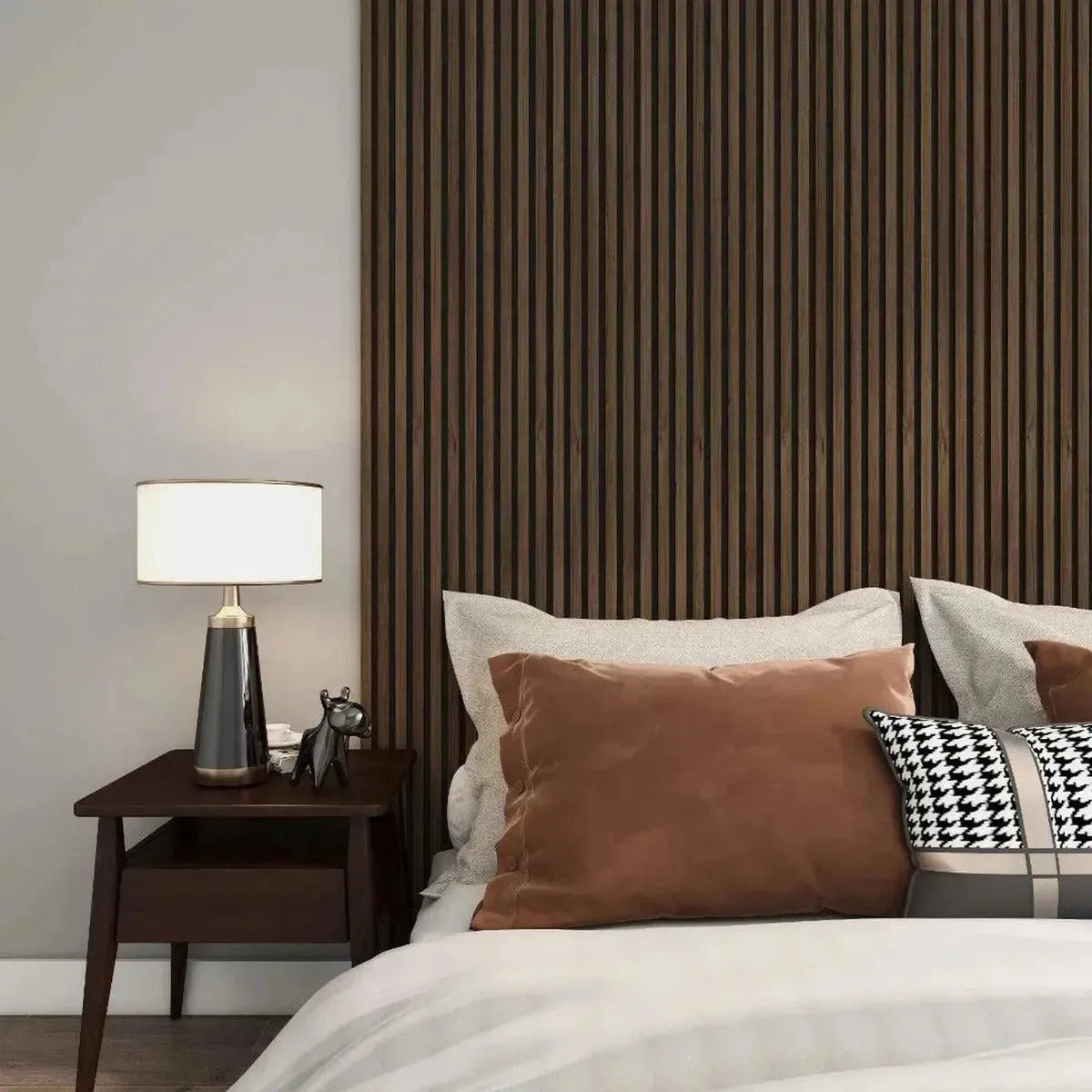
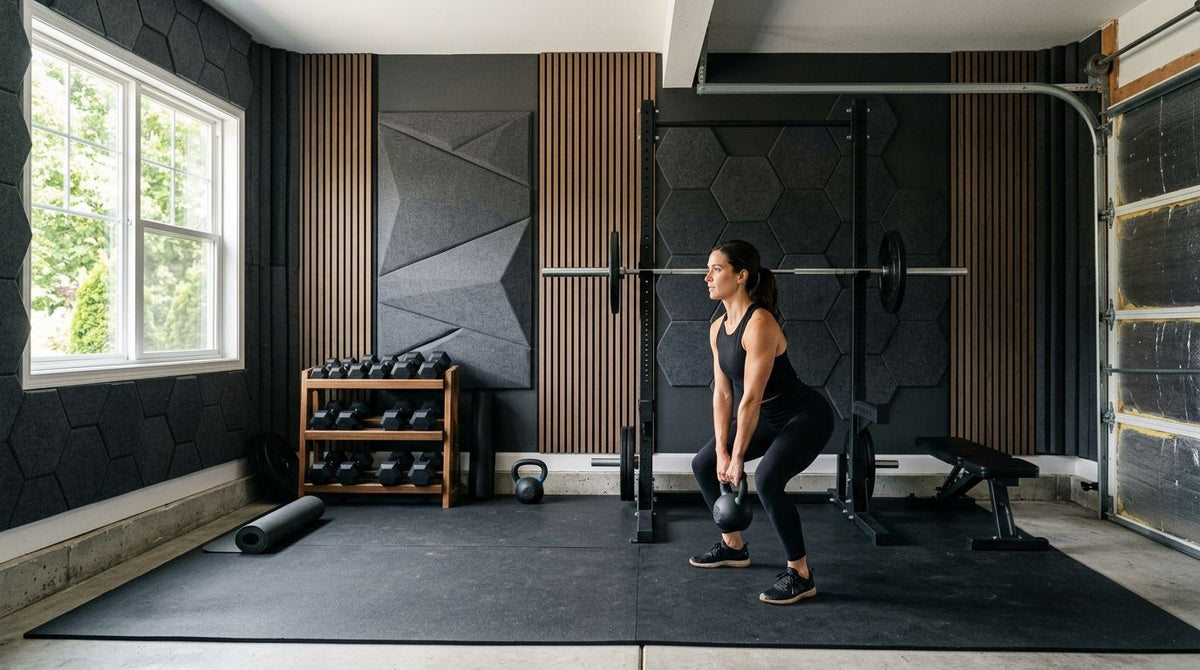
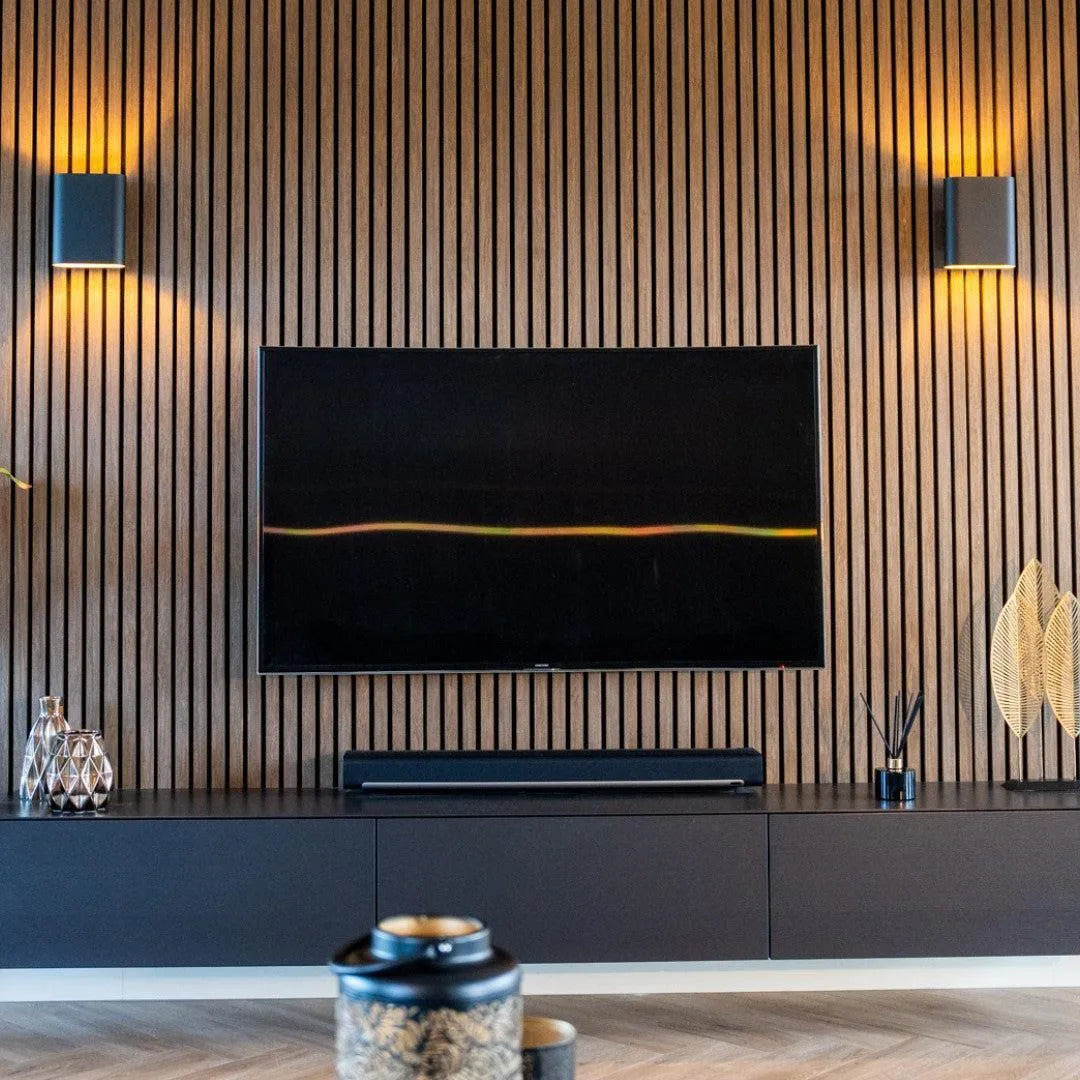
Once you're past the sauna door, the material rules change completely. This is where AKU Woodpanel's acoustic slat and hexagon panels do real work — in the changing room, the lounge, or a spa reception wall that needs to look premium and quiet down echo at the same time.
- Acoustic slat wall panels for changing room and corridor walls
- Hexagon acoustic panels for a decorative feature wall in a reception or lounge area
- Felt-backed panel options where sound absorption matters more than pure decoration
- 3-sided wood veneer finishes to match a warm, spa-like tone against the cedar hot room next door
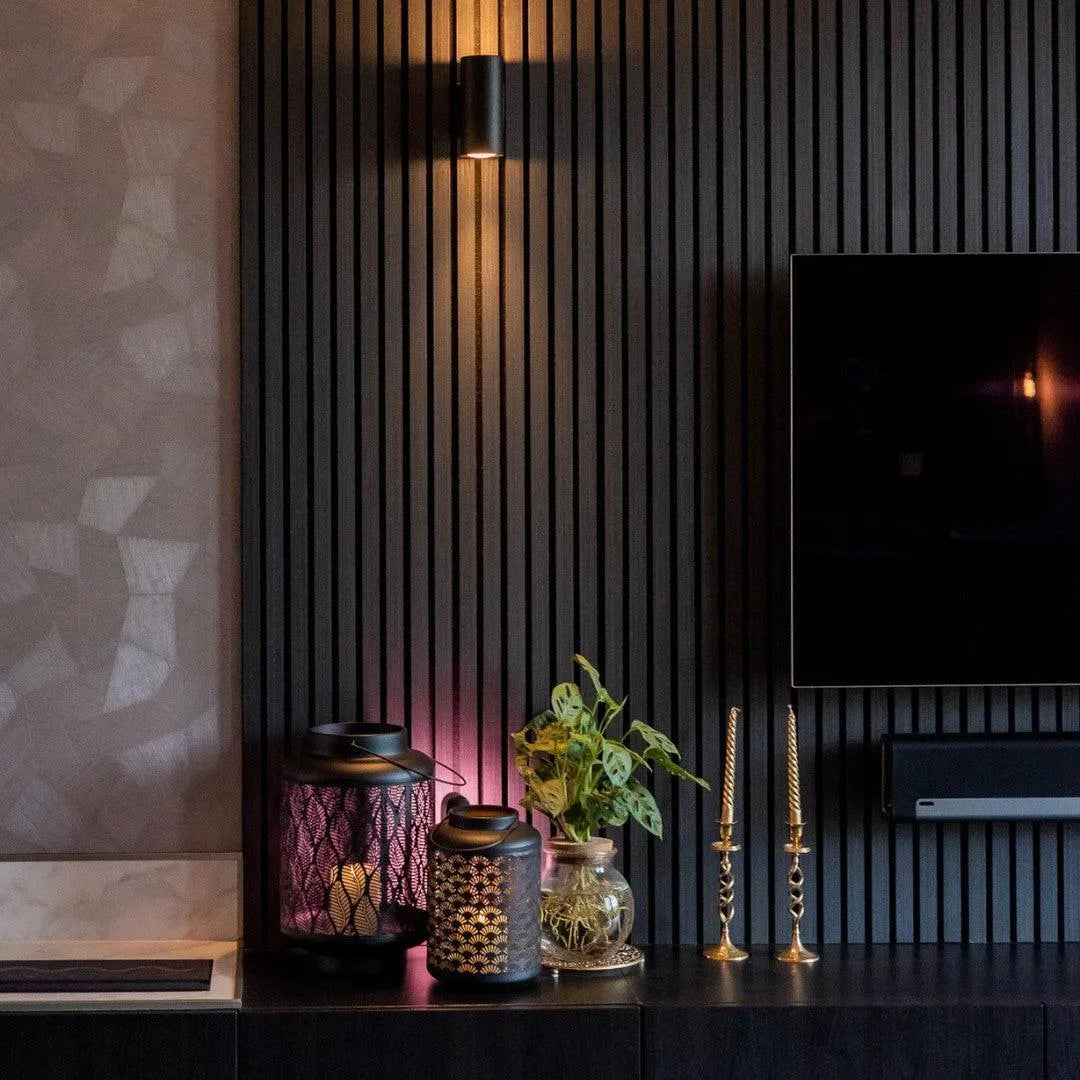
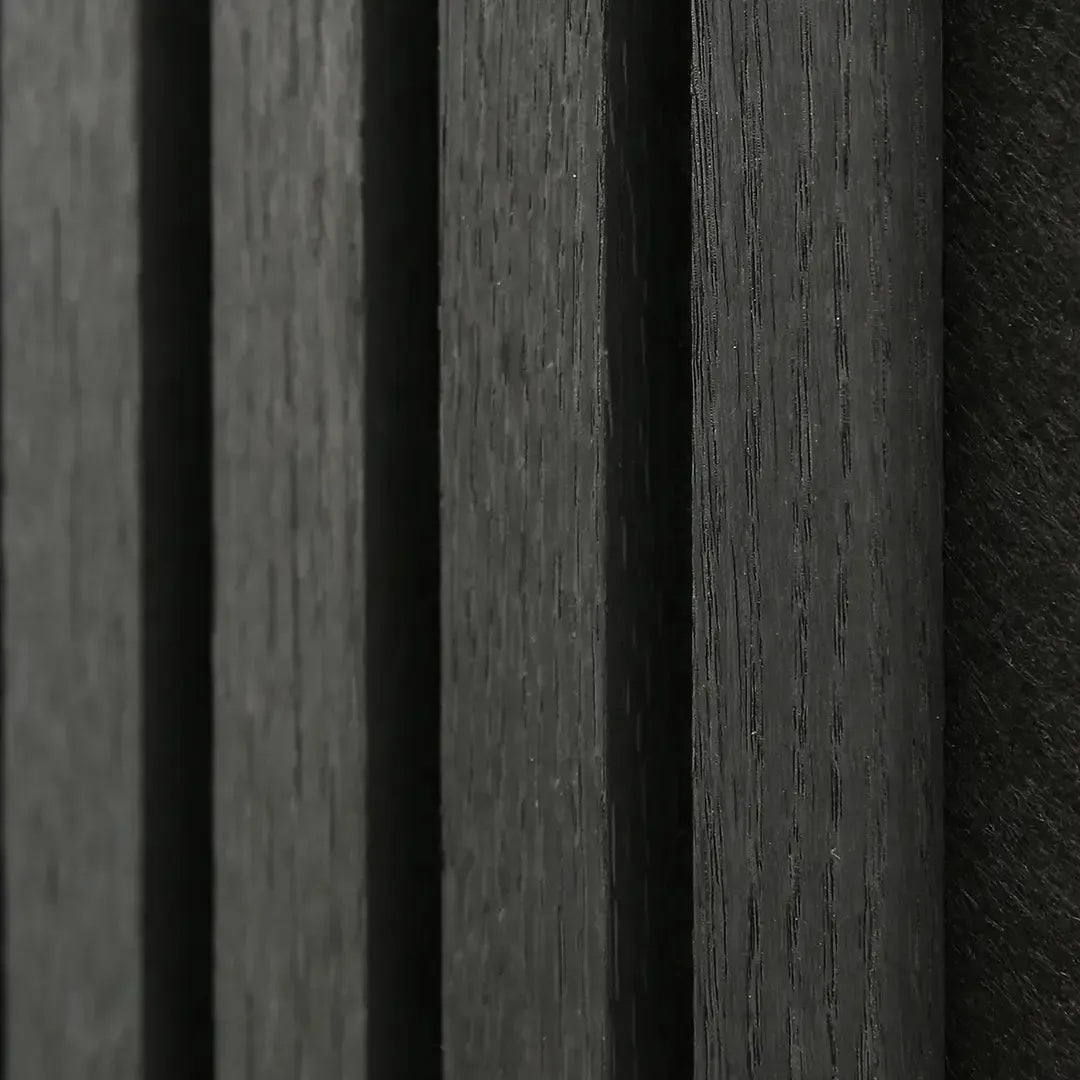
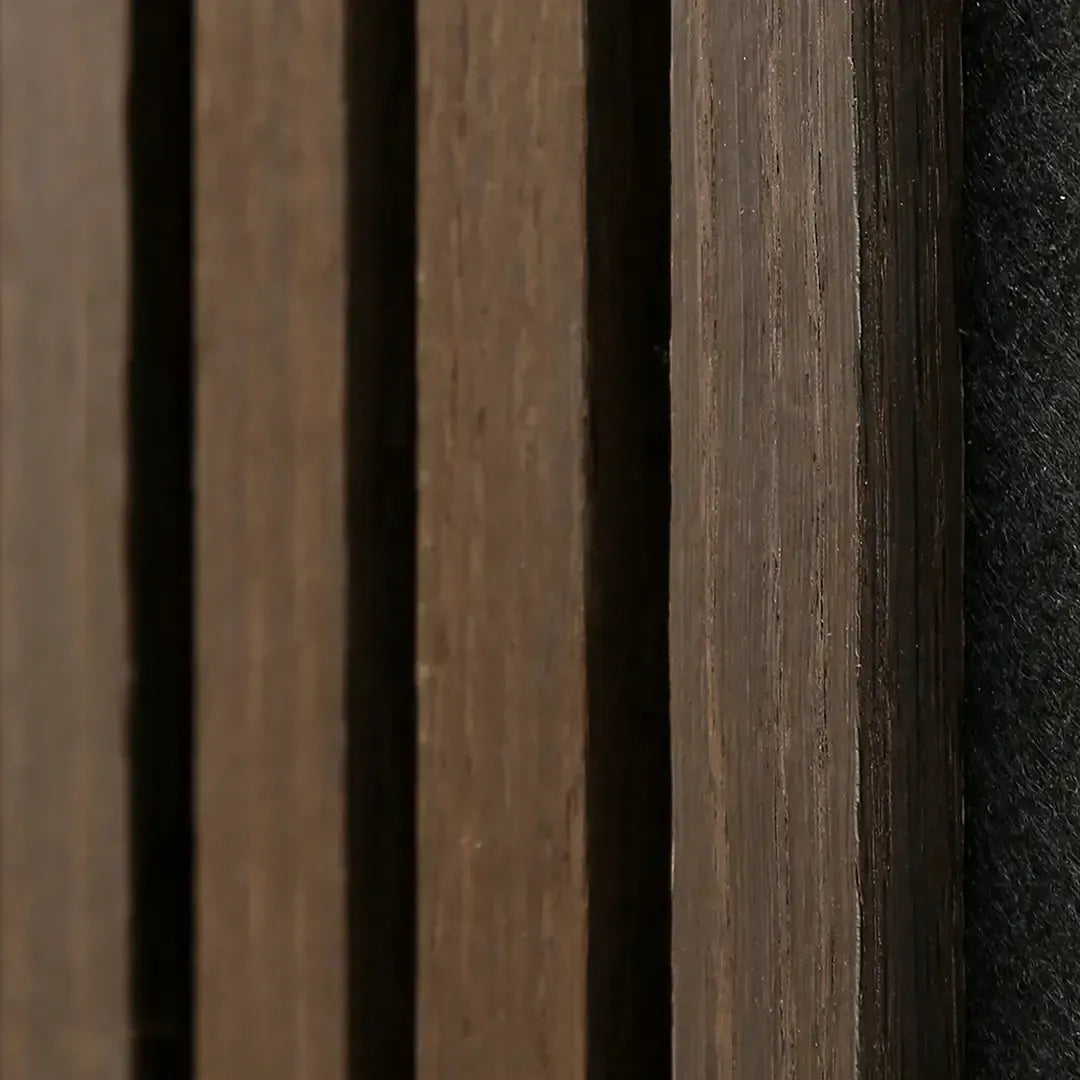
The Acoustic Slat Wall Panel in Smoked Oak with Gray Felt works well for a moody lounge wall directly outside a sauna entrance, pairing a darker tone against the lighter cedar interior beyond the door.
Step 4: Weatherproof the exterior shell separately from the interior
Outdoor spa buildings take direct rain and UV exposure on the exterior siding, which is a different job than anything happening on the interior walls.
- Confirm the exterior panel line is rated for UV and weather exposure before installing on any street-facing wall
- Use matching corner and finishing trim from the same panel line to avoid open seams at edges
- Check the manufacturer's stated maintenance-free rating before skipping annual inspection
- Plan drainage at the base of the panel run so standing water doesn't sit against the bottom edge
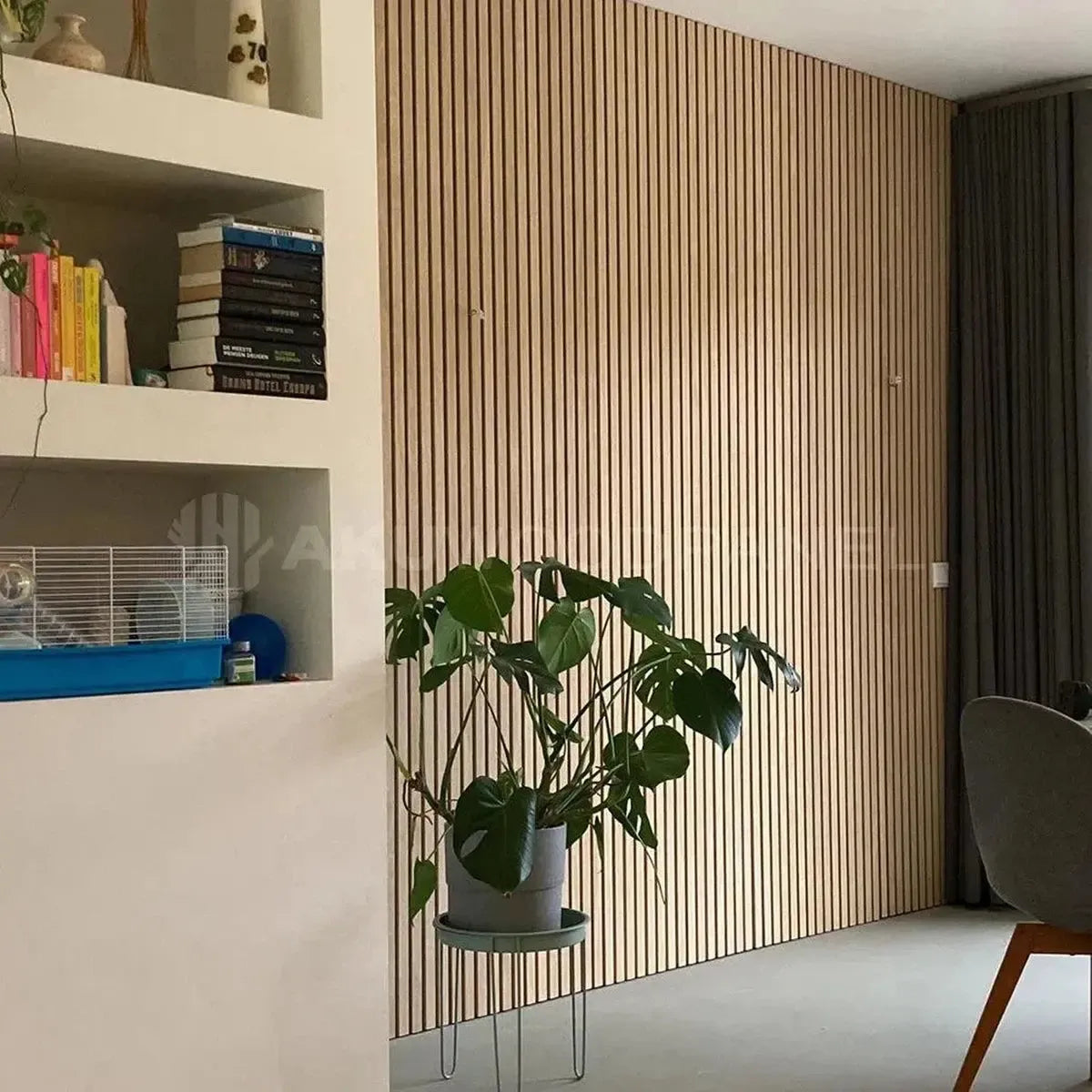
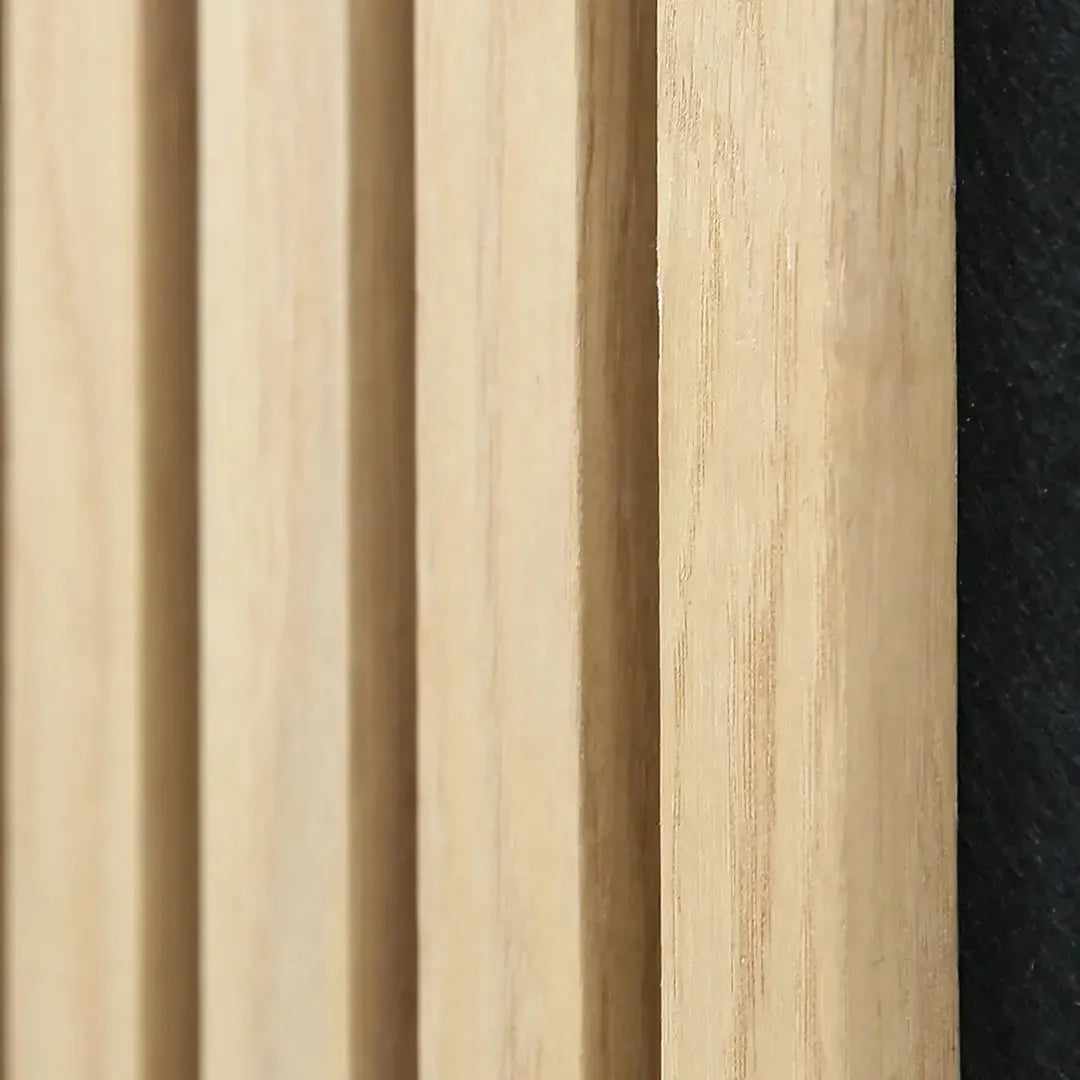
The Oak Exterior Wall Panel belongs to a cladding system rated for 25 years of maintenance-free, UV- and weather-resistant use, based on the manufacturer's stated specs for that panel line's trim components — a reasonable fit for the outer shell around a sauna or spa outbuilding, never for the hot room interior.
Step 5: Control moisture at every seam, not just the surface
Water finds gaps before it finds flat surfaces. Seam detailing around windows, doors, and panel joints determines whether an exterior installation holds up through a wet climate.
- Install a vapor barrier behind exterior panels in any climate with regular freeze-thaw cycles
- Seal panel end cuts before installation, not after
- Use manufacturer-matched end pieces rather than field-cut substitutes at exposed edges
- Re-check caulking at trim joints annually in coastal or high-rainfall regions
Detailed seam and waterproofing steps for outdoor installs are covered in the guide to waterproofing wood slat panels for outdoor use — worth reading before ordering a full run of exterior panels for a sauna build.
Step 6: Layer in acoustics for the lounge and wet-room-adjacent zones
Tile, glass, and concrete in spa wet rooms bounce sound aggressively. A slat or hexagon acoustic panel wall next to that zone cuts reverberation without changing the room's temperature exposure at all.
- Hexagon acoustic panels rated NRC 0.75 for feature walls near a wet room
- Slat panels on corridor walls connecting the sauna to the main spa building
- Gray felt-backed finishes where sound dampening matters more than pure decoration
- Keep acoustic panels at least a full wall away from direct steam or splash zones
Step 7: Match finishes across the whole property, not room by room
A sauna-to-spa layout looks disjointed fast when each zone was specced separately. Pick one or two wood tones and repeat them across hot-room cedar, lounge veneer, and exterior cladding.
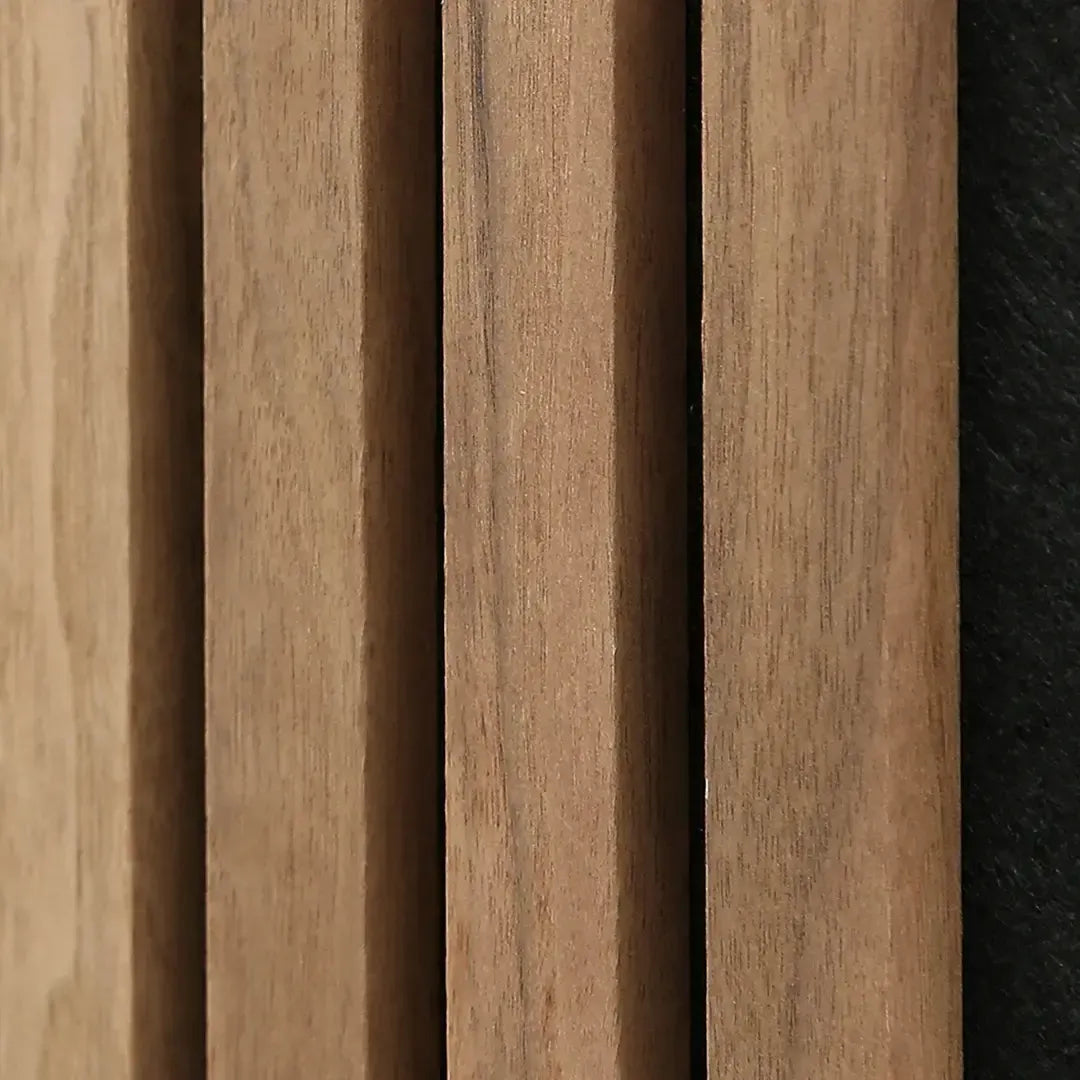
- Pair a warm cedar interior with an oak or walnut veneer tone in adjoining rooms
- Keep exterior cladding in a complementary tone to the interior lounge finish
- Use black oak or smoked oak sparingly as an accent rather than the whole shell
- Confirm trim color matches the panel line exactly — mismatched trim reads as a repair patch


Comparing wood options for outdoor sauna and spa builds
| Option | Best for | Key limitation | Verdict |
|---|---|---|---|
| Western Red Cedar | Hot room walls and benches | Costs more than softwood; needs periodic re-oiling outdoors | Buy for the hot room |
| Thermally modified Aspen/Poplar | Hot room walls in humid climates | Limited grain variety; regional sourcing varies | Buy as cedar substitute |
| AKU Woodpanel acoustic oak/walnut veneer panels | Spa lounge, reception, changing room walls | Not rated for direct hot-room heat or standing water | Buy for adjacent rooms |
| AKU Woodpanel exterior wall panels (oak, birch, black) | Outdoor shell cladding around the sauna building | Needs a vapor barrier behind the run in wet climates | Buy for the exterior shell |
Common mistakes with cedar wood panels for sauna and spa projects
- Installing veneer acoustic panels inside the hot room. Heat and steam break down the adhesive bond on 3-sided veneer over time — that construction is built for dry interior rooms, not a 190°F cabin.
- Skipping the vapor barrier behind exterior cladding. Trapped moisture behind an exterior panel run causes rot from the inside out long before the face shows any damage.
- Mixing too many wood tones across zones. A cedar hot room, an oak lounge, and a black oak accent wall can work together, but four or five competing tones read as unplanned.
- Choosing exterior trim from a different product line than the main panel. Mismatched trim profiles leave visible gaps at corners and edges within the first year.
- Ignoring drainage at the base of exterior panel runs. Standing water at the bottom edge is the single most common cause of early exterior panel failure in wet climates.
FAQ
What's the best wood for an outdoor sauna interior?
Western Red Cedar is the standard choice for outdoor sauna hot room interiors in 2026 because its low resin content keeps it from sap-bleeding under heat. Thermally modified Aspen or Poplar is the common budget substitute in regions where cedar sourcing runs expensive.
Is cedar better than pine for sauna walls?
Yes, cedar's lower resin content means it will not soften and bleed sap onto skin at bench height the way standard pine can under sustained heat. Pine is generally not recommended for direct-contact sauna bench surfaces.
Can you use acoustic wood veneer panels inside a sauna?
No, acoustic veneer panels are built for dry interior rooms and are not rated for the sustained 165-195°F heat and steam exposure inside a hot room. They work well in adjoining lounge, reception, or changing room walls instead.
How much heat can wood wall panels handle before they warp?
Standard interior veneer panels are designed for typical room temperatures, not sustained sauna-cabin heat, and repeated exposure at hot-room temperatures can loosen veneer adhesive over time. Heat-rated species like cedar or thermally modified wood are built specifically to avoid that failure.
What wood works best for a spa lounge or changing room next to a sauna?
Acoustic slat or hexagon wood veneer panels in oak or walnut tones work well in lounge and changing room walls, since those spaces need acoustic comfort rather than heat resistance. Gray felt-backed versions add extra sound dampening near wet-room-adjacent zones.
Do exterior wall panels need a vapor barrier behind a sauna building?
Yes, in any climate with regular freeze-thaw or high rainfall, a vapor barrier behind exterior panels prevents trapped moisture from causing rot behind the cladding. Skipping this step is one of the most common causes of early exterior panel failure.
How long do exterior wood panels last outdoors?
AKU Woodpanel's exterior wall panel system is rated for 25 years of maintenance-free use with UV and weather resistance, based on the manufacturer's stated specs for that panel line. Actual lifespan still depends on proper seam sealing and drainage at installation.
Is thermally modified wood better than cedar for saunas?
Thermally modified wood is a solid substitute where cedar costs run high, offering similar heat stability through a heat-treatment process that reduces moisture retention. Cedar still holds the edge on aroma and long-standing track record inside hot rooms.
One last thing
The detail most sauna builders miss in 2026: the acoustic comfort problem does not start at the sauna door, it starts in the tiled wet room right next to it. A hexagon or slat panel rated NRC 0.75 on the lounge wall cuts the echo bouncing off tile and glass far more than most people expect from a decorative wall treatment — it does double duty as design and noise control, and it costs nothing extra to plan for from the start.


 Better performance and aesthetic appeal
 In Stock