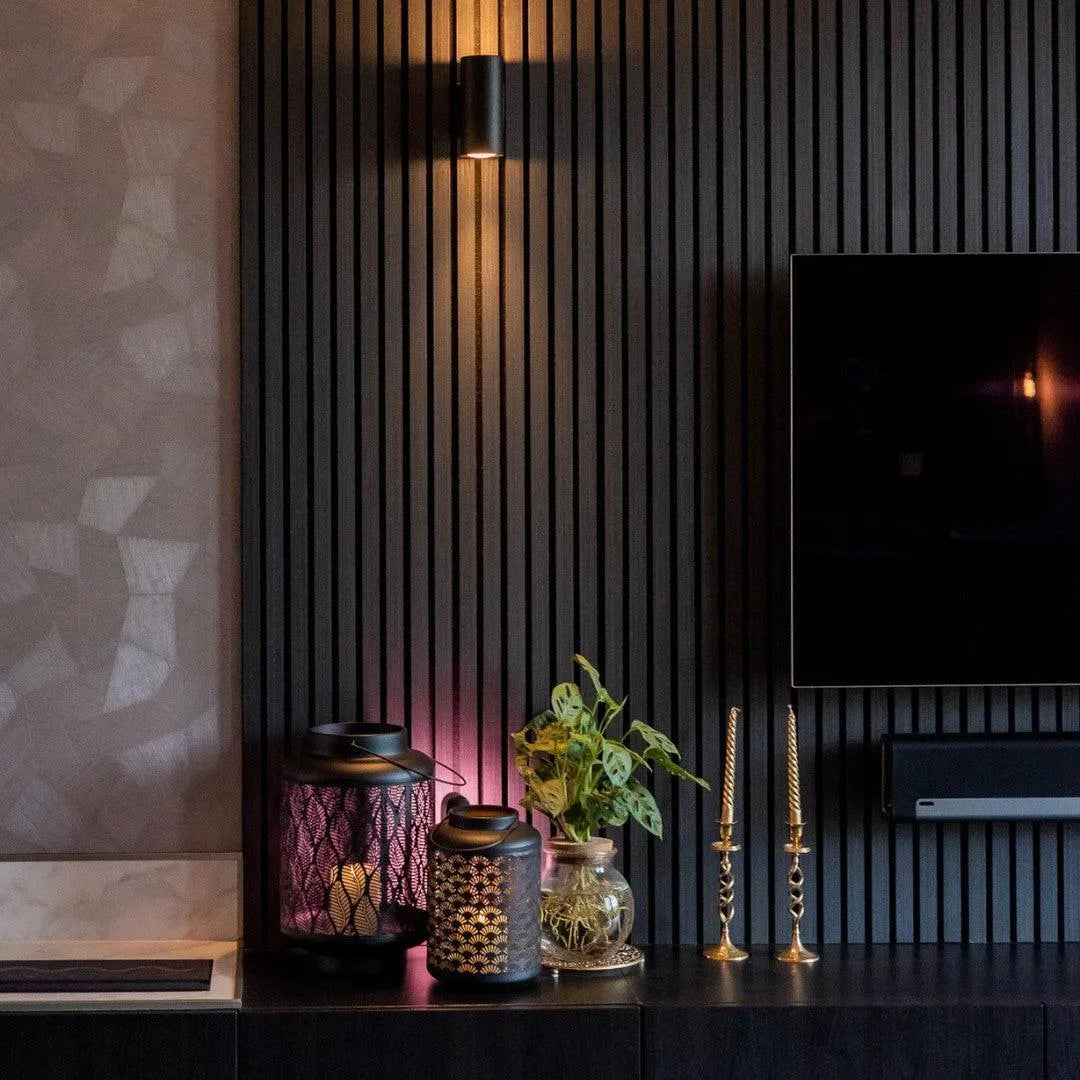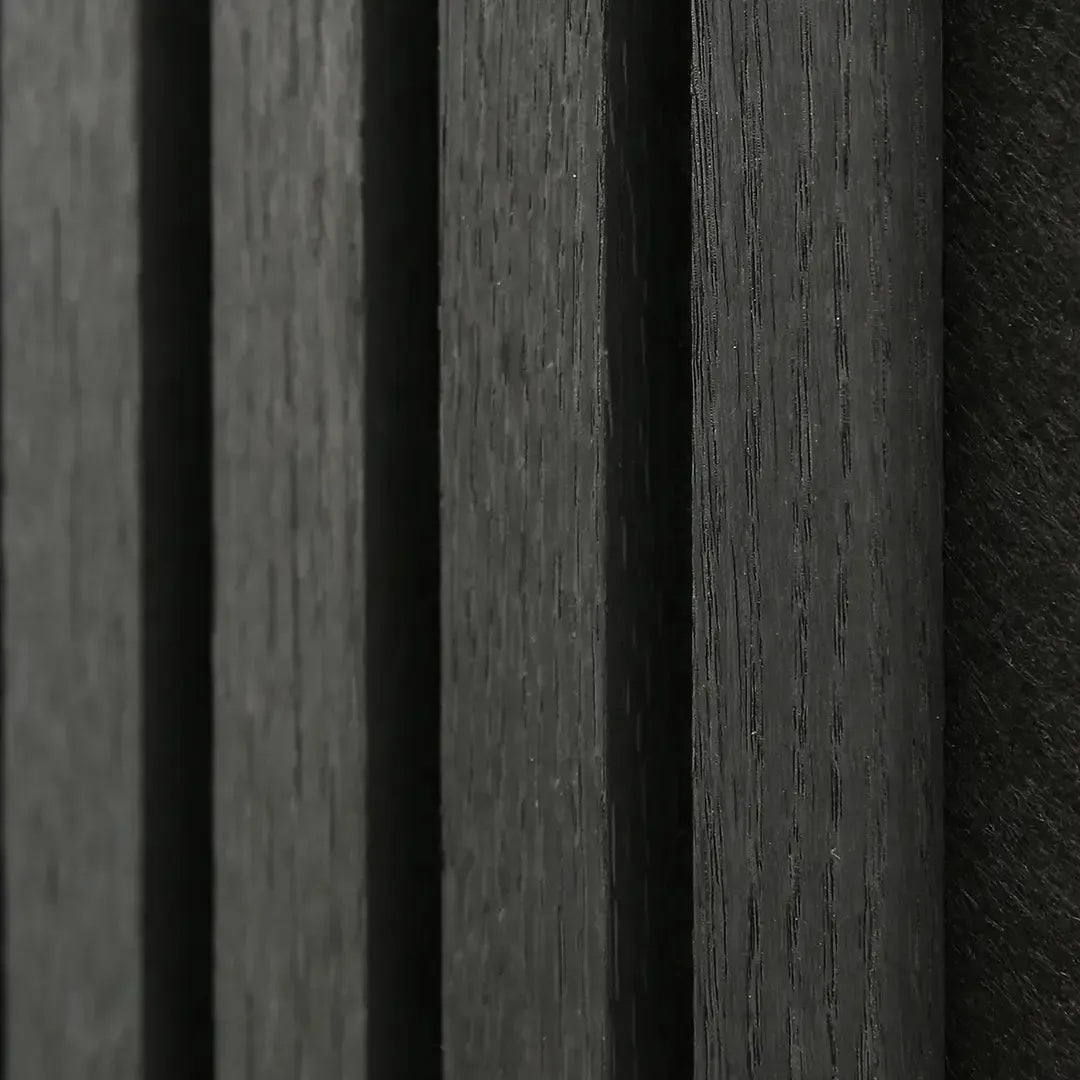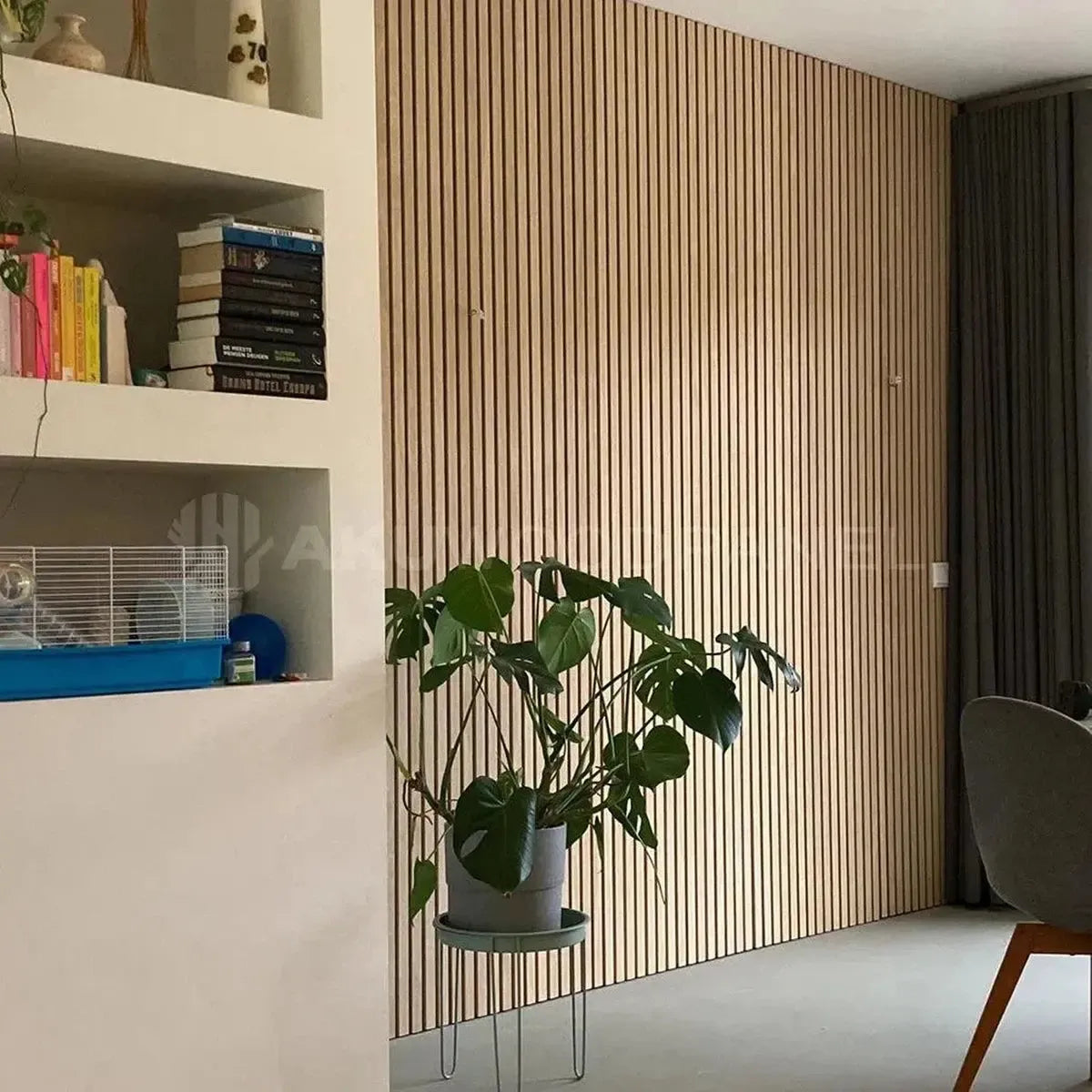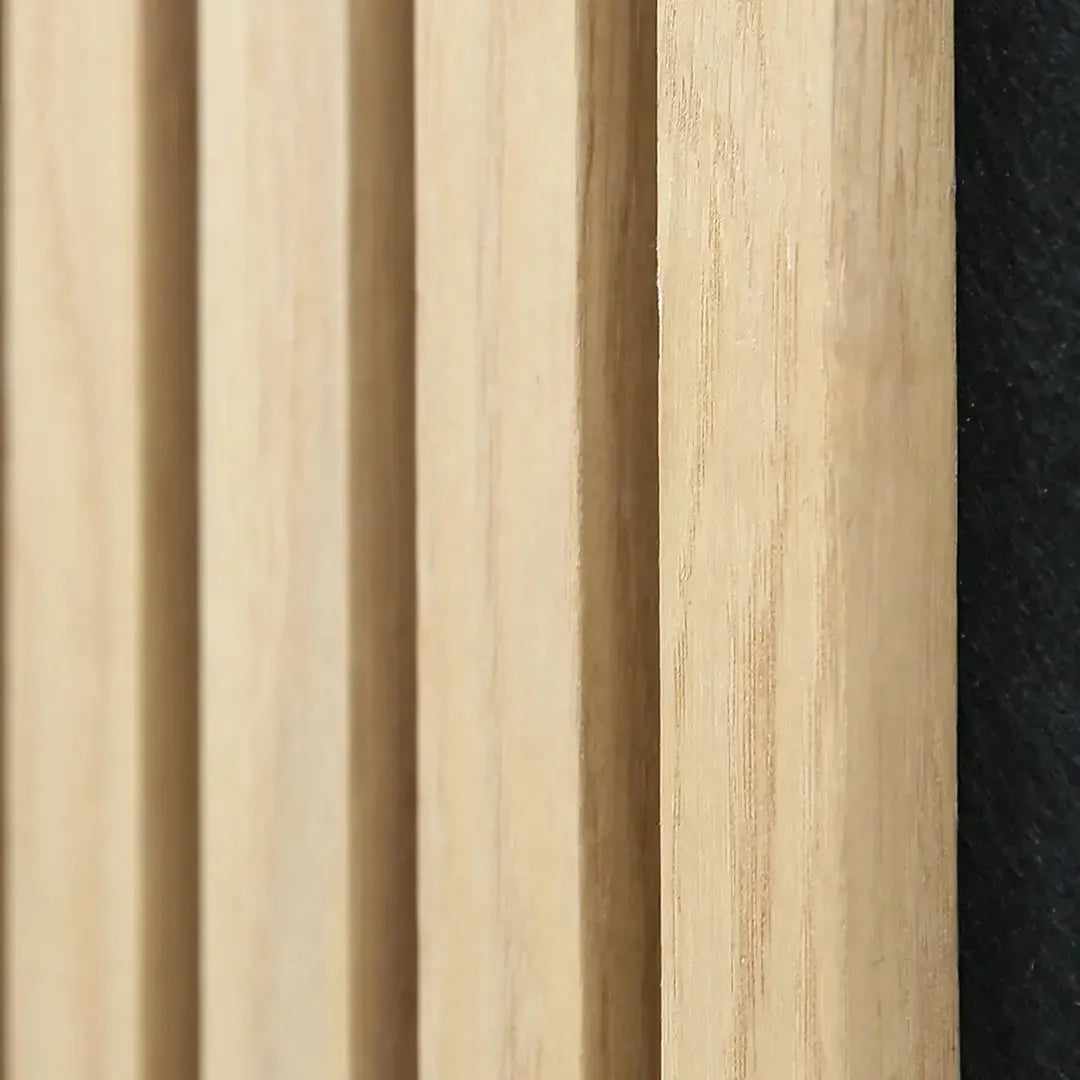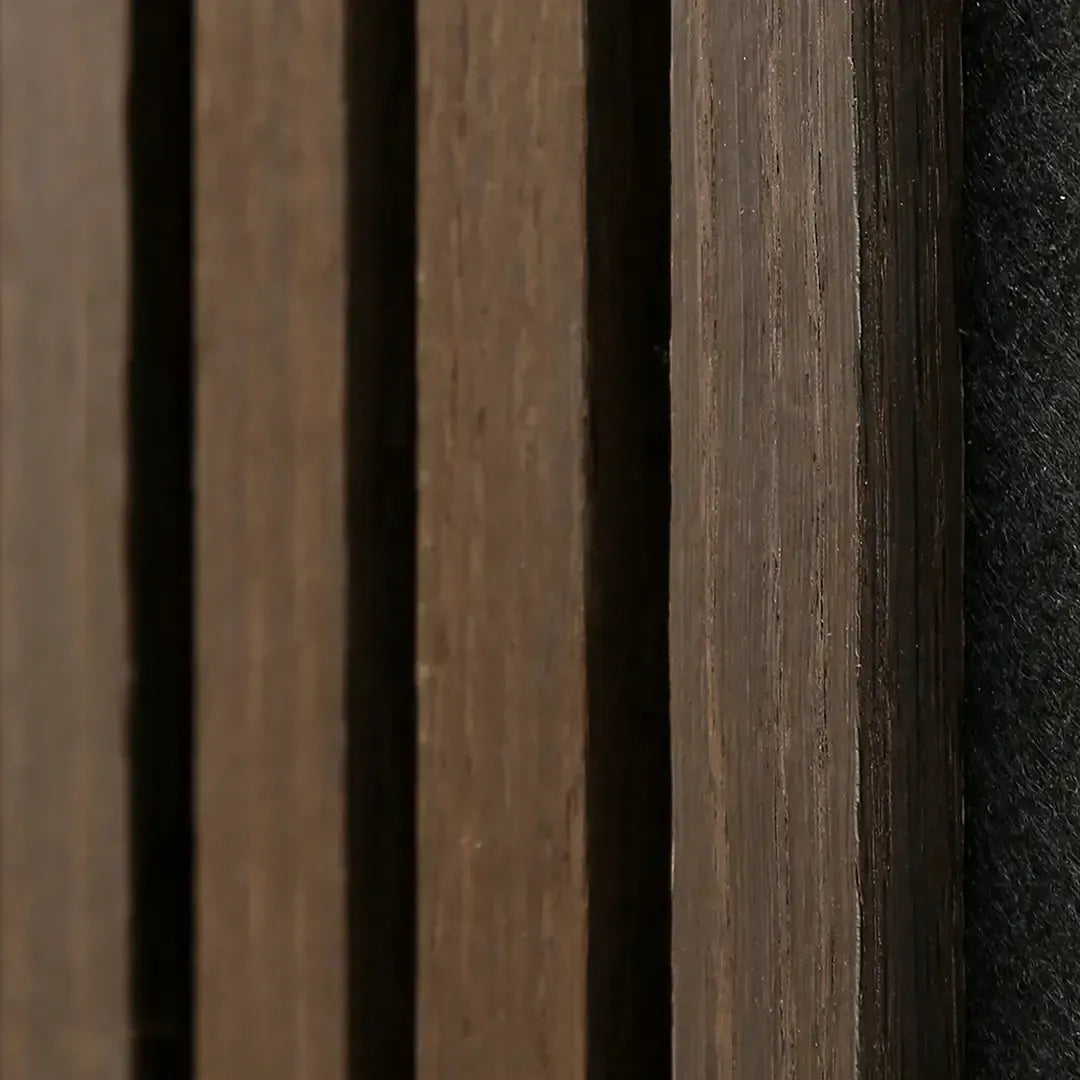
Wood slat panels for cruise ship cabin interiors bring a real wood veneer face to guest cabins while meeting the acoustic and fire-safety demands of a vessel that can't add structural weight. Refit teams choose them to cut cabin-to-cabin noise transfer and replace dated laminate finishes without the weight penalty of solid lumber paneling.
- Wood slat panels for cruise ship cabin interiors work best as felt-backed acoustic slat wall panels, not solid wood slabs.
- AKU Woodpanel's felt-backed hexagon panels carry an NRC of 0.75, useful against engine and corridor noise in tight cabins.
- Fire compliance comes before finish selection: confirm SOLAS and IMO fire ratings with your supplier before ordering.
- Order a full sample box before a fleet-wide 2026 rollout, since cabin lighting changes how a veneer reads on board.
Why wood slat panels matter for cruise ship cabins
Cruise cabins are built lightweight by design. Steel and aluminum partition walls keep the vessel's overall weight down, and thin partitions carry noise from the corridor, the cabin next door, and the engine deck below far more readily than a hotel room's masonry walls would. Refit teams turn to acoustic slat wall panels because they add sound absorption without adding structural mass, and because a wood veneer face reads as a hospitality upgrade rather than a maintenance patch.
Any material specified for a passenger cabin also has to clear the vessel's fire-safety requirements under SOLAS and the IMO's fire test procedures for interior finishes — a constraint land-side hotel renovations simply don't carry. That single fact changes the order of operations for a cabin refit in 2026: fire clearance first, then acoustic performance, then aesthetics.
Wood slat panels for cruise ship cabin interiors work best when the panel does two jobs at once — absorbing sound and passing fire review — rather than one panel for looks and a separate acoustic underlay behind it.
Confirm fire-safety compliance before you specify anything
Skip this step and the design gets locked in, then a fire officer flags the veneer or backing during dry-dock and the whole cabin spec restarts.
- Ask the supplier for written confirmation the panel core and veneer meet passenger-vessel fire-test standards, not just "commercial-grade" language.
- Route the spec through the vessel's classification society or naval architect before ordering, not after.
- Check whether the panel needs a fire-retardant treatment applied on top, similar to what's covered in fire-retardant slat wall panels for commercial projects, or whether it ships pre-treated.
- Keep the compliance paperwork with the cabin drawings — refit inspections ask for it deck by deck, not just once for the whole order.
Size the panel format to the cabin, not the showroom wall
Cabin walls run narrower and shorter than a sample wall. Measure the actual bulkhead run before ordering, including window returns and closet jambs.
- Standard slat wall panel runs suit straight bulkhead sections without interruptions.
- Hexagon acoustic panels suit headboard walls or accent strips where a full-length slat run would look busy in a small footprint.
- Plan panel width around berths, light switches, and cabin service panels so cuts land in low-visibility spots.
- Order end pieces or trim to finish exposed edges — cruise cabins have almost no wall depth to hide a raw cut behind furniture.
Prioritize acoustic performance, not just the veneer look
A panel that looks like wood but does nothing for sound is a cosmetic fix on a noise problem that will resurface within one sailing season.
- Felt-backed panels carry a documented NRC rating. AKU Woodpanel's felt-backed hexagon panels rate 0.75, useful for a wall that also has to absorb, not just decorate.
- Solid slat panels without a felt backing cut visual noise but do little for sound absorption — fine for a lobby wall, thin for a cabin bulkhead.
- Combine a felt-backed panel on the noisiest bulkhead (usually shared with a corridor or an adjoining cabin) with a plain veneer panel on quieter walls to control material cost.
- Ask what sits behind the panel face. An air gap or mineral wool backer adds more absorption than the panel alone.
Choose real wood veneer over laminate for cabin upgrades
Real wood veneer holds up to repeated cabin turnover cleaning better than a printed laminate film, which tends to show wear at contact points after several refit cycles.
- Laminate costs less to source but reads flatter under the warm accent lighting cruise lines use to make small cabins feel larger.
- Veneer grain variation gives each cabin a slightly different look — some brands want that variation, others want every cabin identical, so decide by the deck before ordering.
- Weigh moisture exposure near the cabin bathroom wall; veneer finish quality matters more in that zone than anywhere else in the cabin.
- Get design sign-off on one veneer batch before production runs, since wood grain shifts between production lots.
Order samples before committing to a fleet-wide rollout
Cabin lighting is dimmer and warmer than a showroom, so a veneer that looks bright on a lit display wall can look muddy under a bedside sconce.
- A full sample box lets the design team check grain match against existing cabin millwork before signing off across an entire deck.
- Test the sample against the cabin's real humidity range for at least a week — condensation near the bathroom wall changes how a finish performs over time.
- Loop in the vessel's fire officer on the sample review alongside the interior designer, so compliance and aesthetics get approved in the same pass.
- Photograph the sample under the cabin's actual light fixtures, not daylight, before finalizing the veneer choice for 2026 production.
Plan installation around the dry-dock window, not the design timeline
Dry-dock refit windows run days, not weeks. Panel systems that clip into a track install faster than fully adhered systems and matter more than the design brief once the yard clock starts.
- Pre-cut panels to cabin dimensions onshore; cutting to fit inside a live cabin during a refit eats hours the yard doesn't have.
- Stage panels by deck and cabin number before the crew boards — reordering a missing run mid-refit can stall the whole schedule.
- Confirm the adhesive or clip system cures or locks at the vessel's typical dry-dock temperature and humidity, not a factory spec sheet number.
- Sequence acoustic panel walls before decorative trim so the fire and acoustic sign-off happens before cosmetic finishing starts.
Budget per cabin, not per square foot of ship
Estimating from total deck area undercounts what a cabin refit actually needs, because cabins waste more material to trim than open rooms do.
- Multiply the actual panel run per cabin (bulkhead length times height) rather than estimating from total deck square footage.
- Add end pieces, corner trim, and clip or adhesive hardware to the cabin unit cost, not just the panel face count.
- Compare the felt-backed acoustic option against the plain veneer option per cabin before deciding — the acoustic upgrade can mean skipping a separate acoustic underlay altogether.
- Get a quote scoped to the full fleet rollout, not a single-cabin sample, since bulk cruise contracts run on different unit economics than a one-off order.


Comparing panel options for cruise cabin walls
| Option | Best for | Key limitation | Verdict |
|---|---|---|---|
| Acoustic slat wall panel (felt-backed) | Cabin bulkheads shared with corridors or adjoining cabins | Costs more per panel than plain veneer | Buy |
| Hexagon acoustic panel | Headboard walls, accent strips, small-footprint upgrades | Not suited to long straight bulkhead runs | Buy |
| 3D wood wall panel | Decorative accents in suites or premium cabins | Adds texture, not acoustic absorption | Consider |
| Laminate/faux wood panel | Budget-constrained refits on tight timelines | Doesn't hold up to repeated cabin turnover cleaning | Skip for premium cabins |
Common mistakes cruise refit teams make with wood slat panels
- Specifying the panel before the fire test paperwork. Design gets locked in, then the fire officer flags the veneer or backing and the whole cabin spec restarts mid-refit.
- Measuring from ship drawings instead of the actual cabin. As-built cabins drift from original drawings after years in service; a panel run cut to spec drawings can come up short.
- Skipping the acoustic backer to save cost. A veneer face alone looks the part but does little to cut corridor or engine noise, and the complaint resurfaces after the refit closes out.
- Ordering one veneer batch for the brochure render and a different batch for production. Wood veneer varies by lot; a render shot with one board doesn't match a full-deck order months later.
- Underestimating trim needs. Cabins have almost no wall depth to hide a raw panel edge, and ordering trim as an afterthought means a second shipment mid-refit.
FAQ
What's the best wood panel for cruise ship cabin walls?
A felt-backed acoustic slat or hexagon panel is the best fit for cruise ship cabin walls in 2026, since it combines a real wood veneer face with sound absorption on bulkheads shared with corridors or adjoining cabins.
Do wood slat panels meet cruise ship fire codes?
Compliance depends on the specific panel core and treatment, not the material category, so any wood slat panel needs written confirmation it passes SOLAS and IMO fire test procedures before it gets specified for a cabin.
Are wood slat panels heavier than laminate wall panels?
Engineered wood veneer panels used for cabin interiors are built to stay lightweight relative to solid lumber, which is the reason refit teams choose them over solid wood cladding on a weight-sensitive vessel.
How much sound do acoustic wood panels block in a cabin?
Felt-backed acoustic panels like AKU Woodpanel's hexagon line carry an NRC of 0.75, meaning they absorb roughly three-quarters of the sound energy that hits the panel face rather than reflecting it back into the room.
Can wood slat panels handle cabin bathroom humidity?
Veneer finish quality matters most near a cabin bathroom wall, so that zone deserves the closer look during sample testing rather than an assumption that any veneer panel performs the same in high humidity.
How long does it take to install wood panels during a dry-dock refit?
Installation speed depends on the panel system, not a fixed timeline; clip-in track systems install faster than fully adhered panels, which matters most inside a dry-dock window measured in days.
Is real wood veneer worth it over faux wood for cruise cabins?
Real wood veneer holds up to repeated cabin turnover cleaning better than printed laminate, which tends to show wear at contact points after several refit cycles, making veneer the stronger choice for premium cabins.
How do I order samples before a fleet-wide cabin rollout?
Order a full sample box and test it against the cabin's actual lighting and humidity for at least a week before committing to a deck-wide or fleet-wide panel order.
One last thing
The detail refit teams miss most often: hexagon acoustic panels ship four to a box at 32 inches per panel, not as single units. Order boxes, not loose panels, or a cabin run comes up one hexagon short and the reorder wait lands mid dry-dock — the worst possible moment to be missing a wall section on a fixed refit timeline.


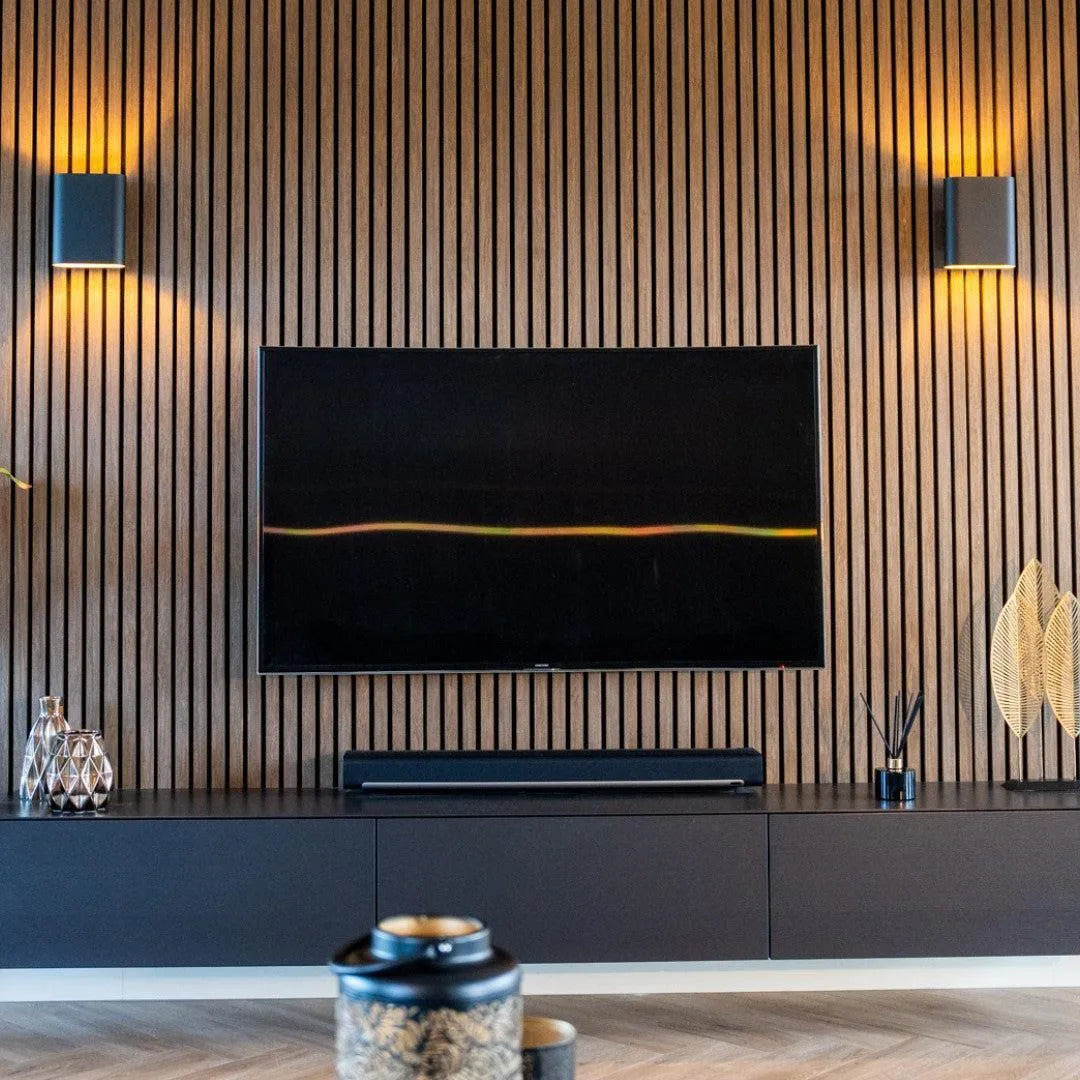
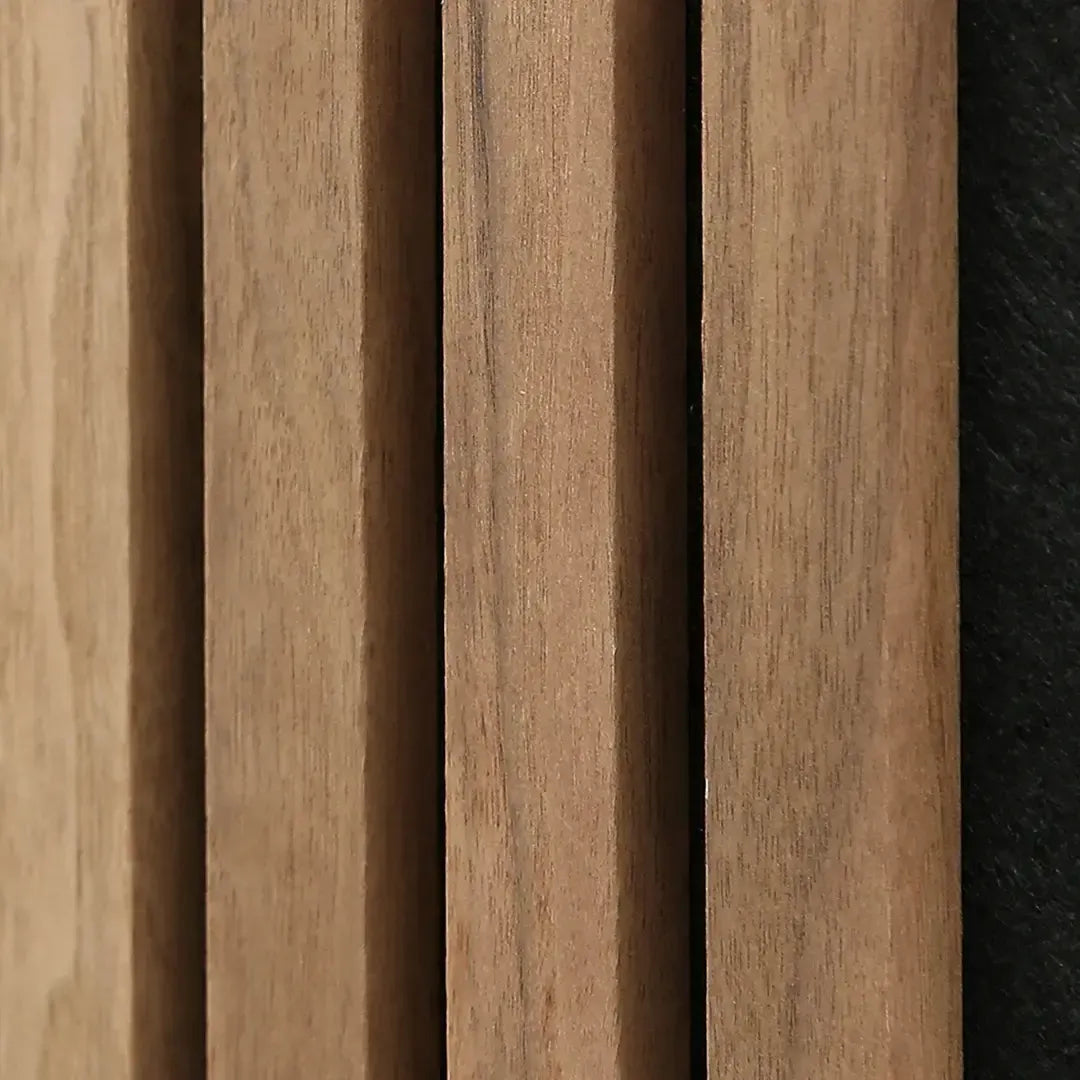
 Better performance and aesthetic appeal
 In Stock