Laser tag arena acoustic panels are wood-veneer or felt-backed wall treatments installed on maze walls, staging bays, and briefing rooms to cut the reverberation from blaster sound effects, running footsteps, and player shouting. The goal is simple: keep game announcements intelligible and keep players coming back for repeat sessions. A laser tag maze isn't a living room — it's a dark, high-contact space where sound has to travel through corners and past hard plywood, and that changes what "good" acoustic treatment looks like.
- Acoustic panels for laser tag arena mazes work best mounted at player-contact height, not just at the ceiling.
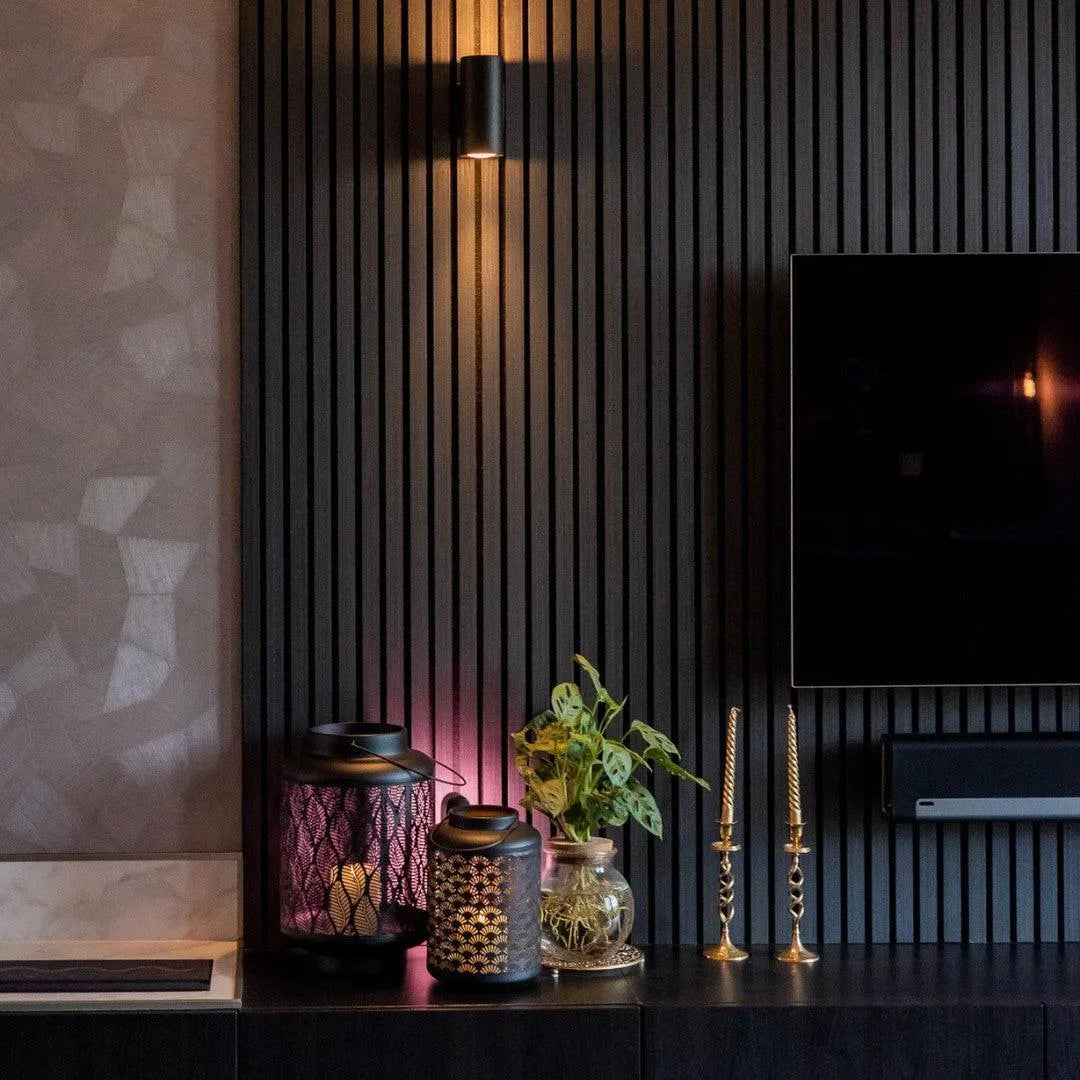
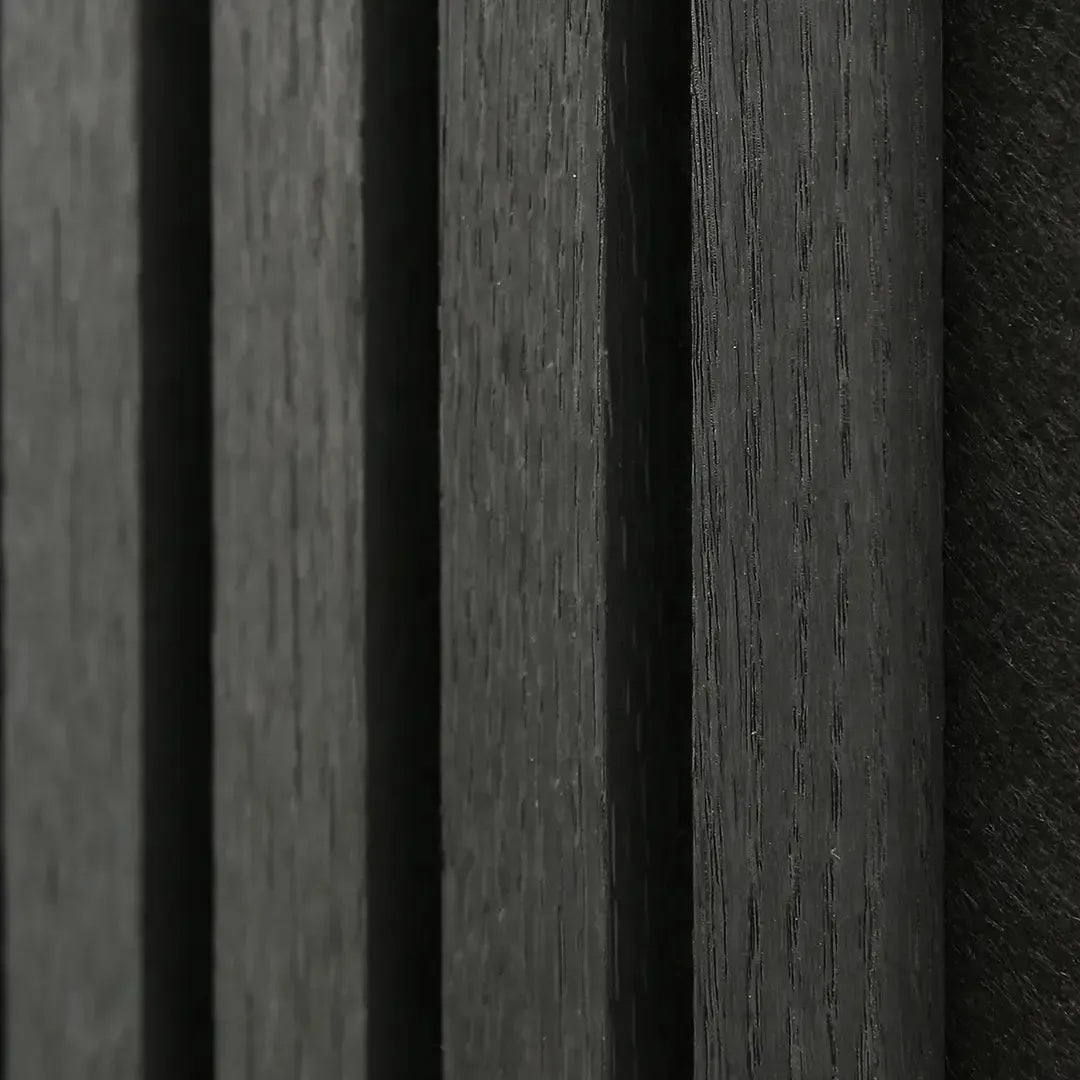
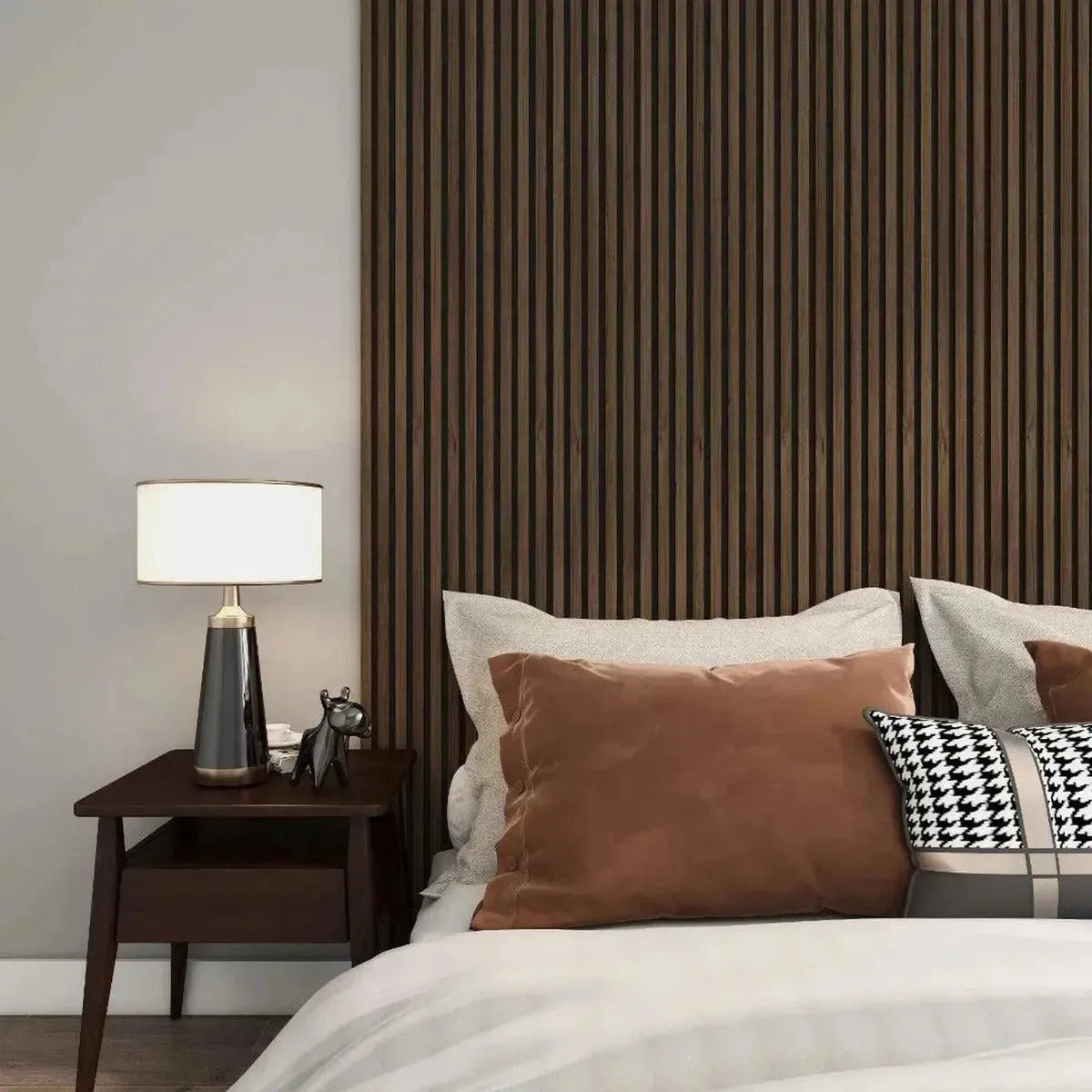
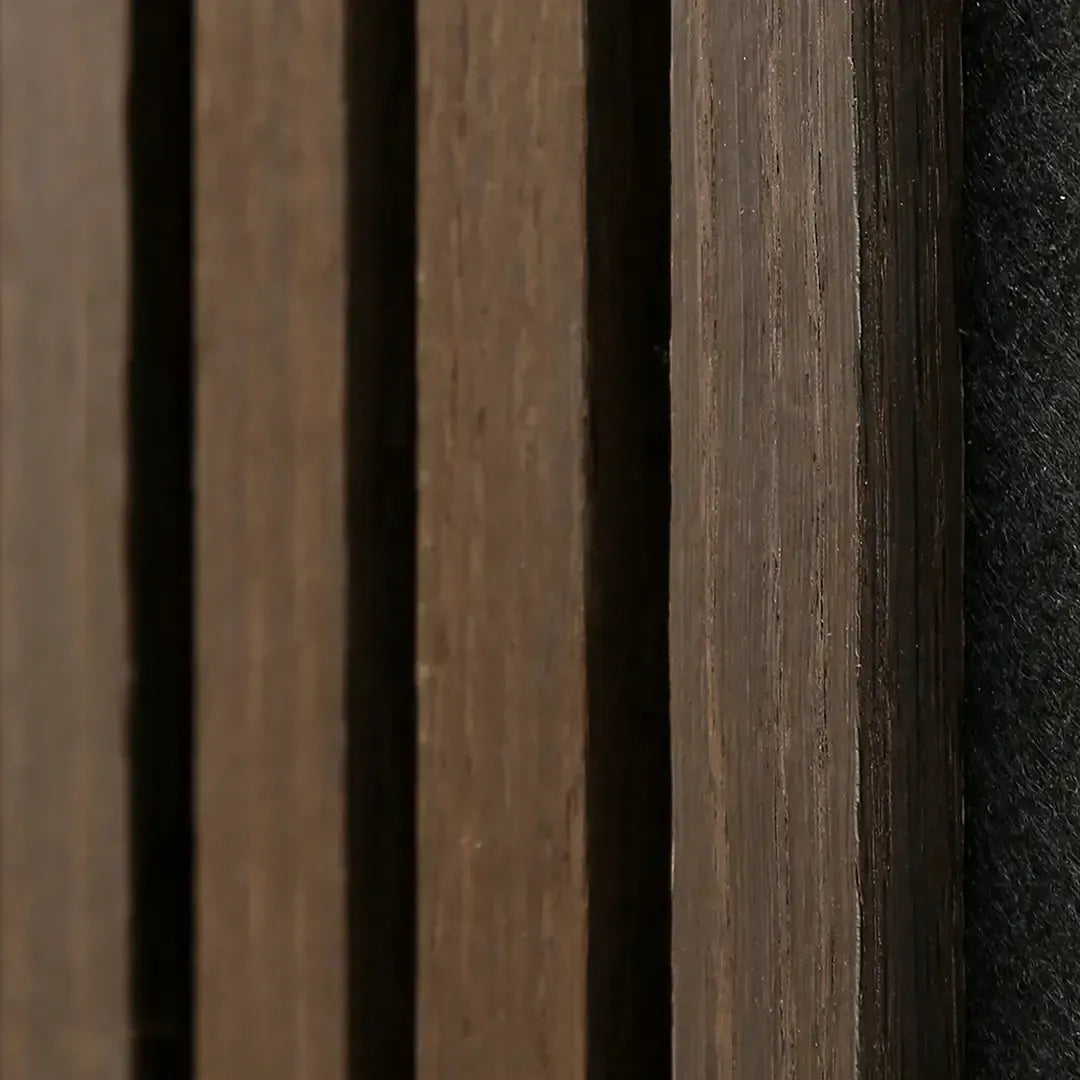
- AKU Woodpanel's black oak acoustic slat panels combine a felt-backed core with real wood veneer so they survive players running into walls.
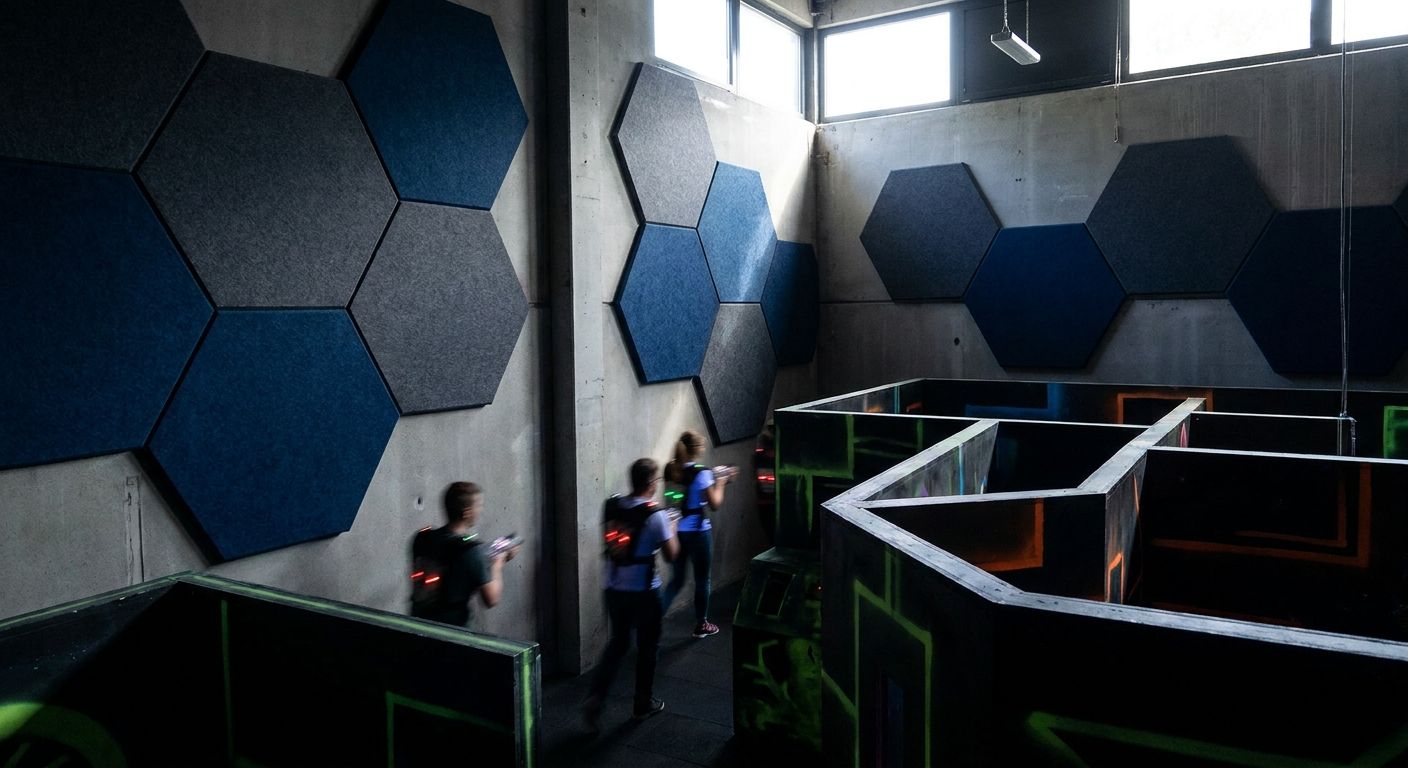
- Hexagon felt-backed panels carry an NRC of 0.75, enough to control echo in open briefing rooms and staging bays.
- Bare plywood and MDF maze walls reflect almost all blaster sound back into the room, which is why untreated arenas feel loud and disorienting in 2026 builds.
Why acoustic panels matter for laser tag arenas
A laser tag maze is built from hard, reflective surfaces — plywood dividers, MDF barricades, sometimes corrugated steel — and those surfaces bounce sound multiple times before it decays. Combine that with dim or blacklight lighting that hides visual cues, and players end up navigating by ear as much as by eye. Uncontrolled echo doesn't just sound bad; it makes blaster cues and staff announcements hard to parse mid-game.
The walls also take physical abuse. Kids and adults run into barricades constantly during a session, so whatever goes on those walls has to absorb sound and survive contact. That's a different job than the acoustic panels used in a quiet home office or a boardroom, and it's why generic foam sheets often fail fast in this setting.
1. Walk the maze and mark the echo hot spots
Before buying anything, find out where the sound problem actually lives. Most arenas have two or three zones doing most of the damage.
- Stand in each bay with the blaster sound effects running and note where the audio smears into an unintelligible wash.
- Test with house lights at normal operating level — perceived echo changes once players can't see the wall causing it.
- Flag chokepoints where multiple players collide sonically: spawn corners, ramp landings, narrow corridors.
- Walk the briefing room separately from the maze; staff announcements need more clarity than in-game blaster noise.
- Note which walls already show scuffs or dents from running players — those need durable treatment, not soft foam.
2. Choose panel material built for low light and high contact
Start with the cheapest option and understand why it fails before spending more.
- Glue-on acoustic foam wedges cut echo cheaply but tear and discolor under blacklight within a season of daily play.
- Fabric-wrapped fiberglass panels absorb well acoustically but show dirt and scuff marks fast in a high-touch venue.
- Painted drywall or bare MDF does nothing for reverberation and adds another hard reflective surface to the room.
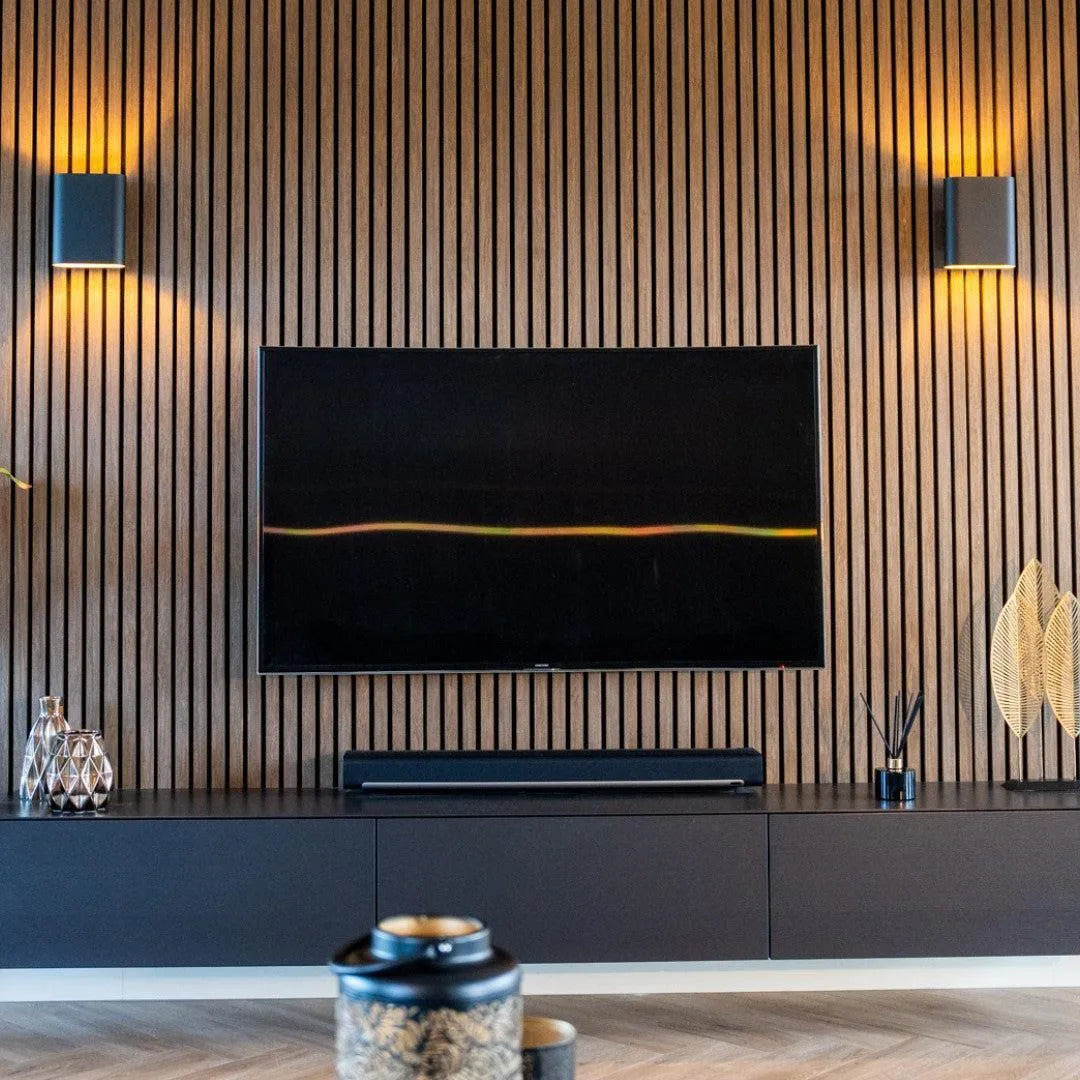
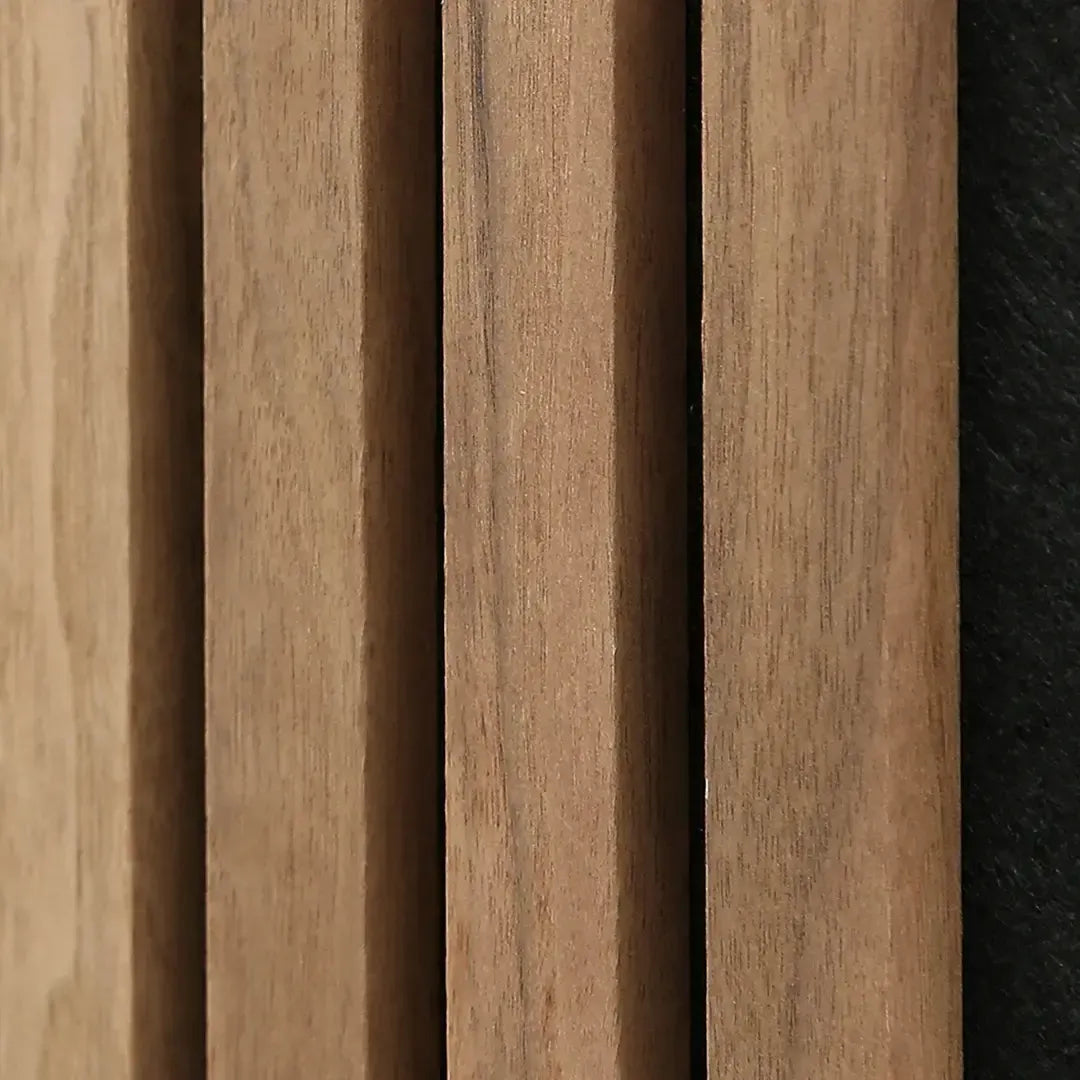
- AKU Woodpanel's black oak acoustic slat panels pair a felt-backed core with a real wood veneer face, so the surface takes contact from running players without shredding the way foam does.
- Hexagon felt-backed panels carry an NRC of 0.75, which puts them in the same acoustic performance range as commercial-grade foam, but with a finish that holds up under repeated wipe-downs.
“If staff have to shout over the echo to be heard at the briefing desk, the room needs panels, not a louder speaker.”
3. Map wall zones by contact risk, not just square footage
Treating every wall identically wastes budget. Split the maze into contact zones and quiet zones before you order panels.
- Mark corners and ramp landings as high-impact — these get the most durable finish available.
- Mark straight corridor runs as moderate-impact — players brush these walls but rarely collide with them directly.
- Mark the briefing room and lobby as low-impact but high-clarity — acoustic performance matters more than surface toughness here.
- Skip treating storage or staff-only areas unless they double as a quiet zone for radio communication.
4. Install panels at player-contact height first, ceiling later
Ceiling treatment looks impressive in a walkthrough video, but it's not where the echo problem starts in most laser tag arenas.
- Start installation at the height range where players' bodies and blasters actually strike the wall, roughly waist to shoulder level.
- Extend upward only after the contact zone is fully covered — reverberation control improves fastest at ear and blaster level first.
- Leave ceiling treatment for a second phase if budget is limited; it's the lower-priority fix in an active maze.
- Avoid mounting panels only above head height purely to protect them from contact — that defeats the acoustic purpose.
5. Layer panels with existing barricades and props
Most arenas already have foam barricades, black curtains, and set-dressing props. Acoustic wall panels should work with those, not compete against them.
- Treat exposed plywood behind or beside barricades first; that's usually the largest untreated reflective surface.
- Keep panel finishes dark or matte so they don't create odd reflections under blacklight or fog effects.
- Coordinate panel placement with prop mounting points so nothing gets drilled through twice.
- Use end pieces or trim where panels meet curved maze walls, rather than cutting full panels down awkwardly.
6. Maintain panels for daily high-turnover play
A laser tag arena runs sessions back-to-back most operating days, so maintenance has to be fast, not elaborate.
- Wipe panels down with a dry or slightly damp cloth between sessions; avoid soaking the wood veneer face.
- Check felt backing periodically for tears near player-contact zones and swap individual tiles rather than whole sections.
- Inspect mounting points monthly in high-traffic bays — repeated contact loosens hardware faster than in a residential install.
- Keep a few spare tiles on hand in the arena's dominant finish so a damaged panel gets replaced same-day.
7. Phase the rollout bay by bay
Few operators can close a working arena for a full acoustic retrofit. Phase it instead.
- Treat the worst echo bay first, using the hot-spot walk from step one to rank priority.
- Budget by bay, not by total square footage — this keeps each phase affordable and lets you adjust the plan after seeing real results.
- Schedule installs during off-hours or slow days rather than closing the venue entirely.
- Reassess acoustics after each phase; the next-worst bay sometimes changes once the loudest one is treated.


Comparison: wall treatment options for laser tag arenas
| Option | Best for | Key limitation | Verdict |
|---|---|---|---|
| AKU Woodpanel acoustic slat panels (wood veneer + felt) | High-contact maze walls players run into daily | Slower install than pre-cut foam sheets | Buy for permanent contact zones |
| AKU Woodpanel hexagon panels, NRC 0.75 | Briefing rooms and staging areas needing visual pop plus absorption | Hexagon shape leaves tighter gaps than straight slats during layout | Buy for lobby and briefing walls |
| Glue-on acoustic foam wedges | Temporary or pop-up laser tag setups | Tears and discolors under blacklight, no wood finish | Hold for temporary installs only |
| Bare plywood or MDF with paint | Budget builds with no acoustic line item | Reflects nearly all sound back into the maze | Skip |
See how nearby esports and gaming arena walls handle a similar mix of low light and heavy foot traffic — the wall-treatment logic carries over almost directly.
Common mistakes laser tag arena operators make
- Painting over acoustic panels to match a theme — paint seals the surface and kills the absorption the panel was bought for.
- Mounting panels at ceiling height only, leaving the actual impact zone from waist to shoulder bare where players collide with walls.
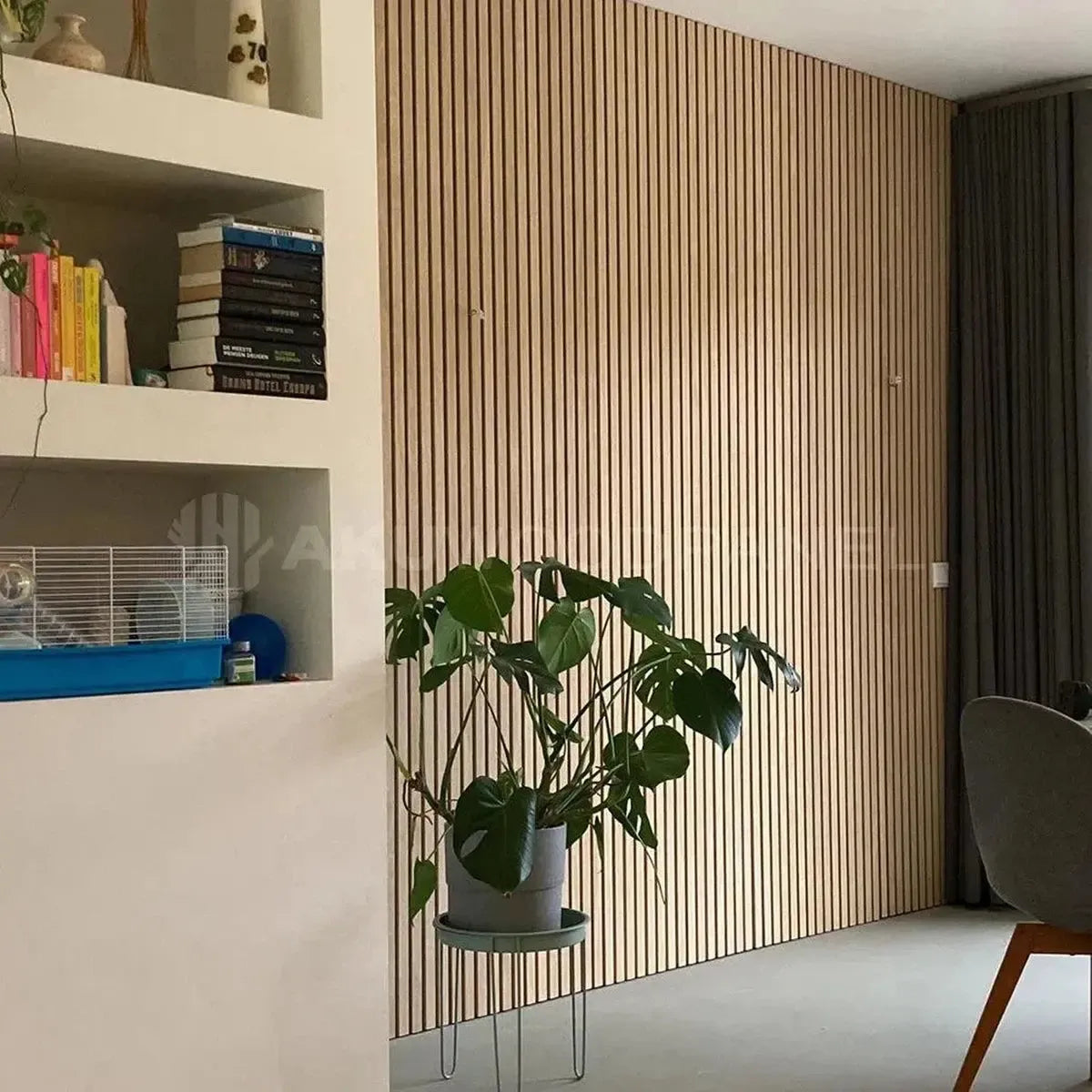
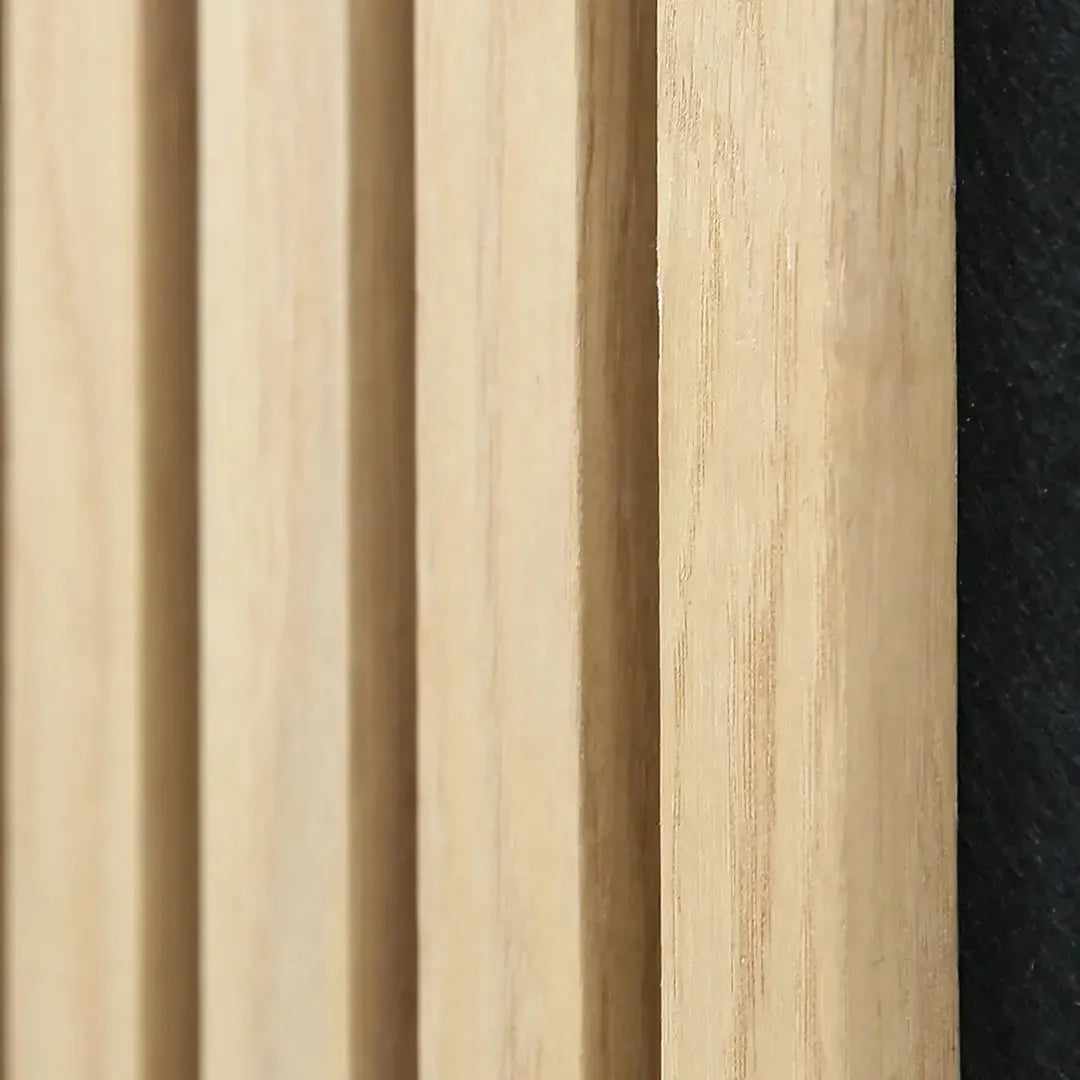
- Choosing light-colored panels that glow oddly under blacklight instead of a black or smoked oak finish built for dim mazes.
- Treating every wall evenly instead of concentrating budget on chokepoints and spawn corners where sound density is highest.
- Skipping the briefing room because it's "not gameplay space" — that's exactly where staff need to be heard clearest before a session starts.
FAQ
What's the best acoustic panel for a laser tag arena?
Wood veneer slat panels with a felt backing work best on maze walls because they absorb sound and survive players running into them. Foam wedges absorb similarly well but tear fast under daily contact.
How much sound absorption does a laser tag maze need?
There's no single number that fits every arena, but panels rated around NRC 0.7 to 0.8, like hexagon felt-backed panels at NRC 0.75, meaningfully cut reverberation in open bays and briefing rooms.
Can acoustic wood panels handle players running into walls?
Yes, if the panel has a solid veneer face over a felt-backed core. Foam-only panels tear and lose shape under repeated contact, while wood-faced panels hold their surface.
Do acoustic panels work in a blacklight or low-light laser tag room?
Dark finishes like black oak or smoked oak work well because they don't create odd glare under blacklight. Light-colored panels can look inconsistent once the house lights drop.
Is foam or wood panel better for a laser tag arena?
Foam is cheaper upfront but degrades fastest in a high-contact, low-light room. Wood veneer acoustic panels cost more to install but hold their finish and absorption longer under daily play.
How do you install acoustic panels in a laser tag maze without closing the venue?
Phase the install bay by bay, starting with the worst echo zone identified in a walkthrough, and schedule work during off-hours or slow days rather than shutting the whole arena down.
What NRC rating is good for a laser tag briefing room?
An NRC around 0.75, the rating on felt-backed hexagon panels, is enough to keep staff announcements intelligible in an open briefing or staging area.
How do you clean acoustic wood panels in a high-traffic arena?
Wipe the veneer face with a dry or slightly damp cloth between sessions and avoid soaking it. Check felt backing near contact zones periodically and swap individual damaged tiles instead of full sections.
One last thing
The detail most arena owners miss in 2026 planning: the briefing room and the maze itself need different panels, not the same one everywhere. A hexagon panel rated NRC 0.75 is the right call for an open staging area where clarity matters most, while a felt-backed slat panel earns its place on the maze walls players actually run into. Buying one finish for the whole building usually means overpaying for durability in the lobby or underpaying for it in the maze.
 Better performance and aesthetic appeal
 In Stock