Indoor go-kart tracks and racing simulator lounges turn concrete, steel, and glass into an echo chamber the second engines rev or subwoofers kick in. The right acoustic panels for a go-kart lounge cut that reflected noise while giving the space a garage-meets-lounge look racers actually want to hang out in after a heat.
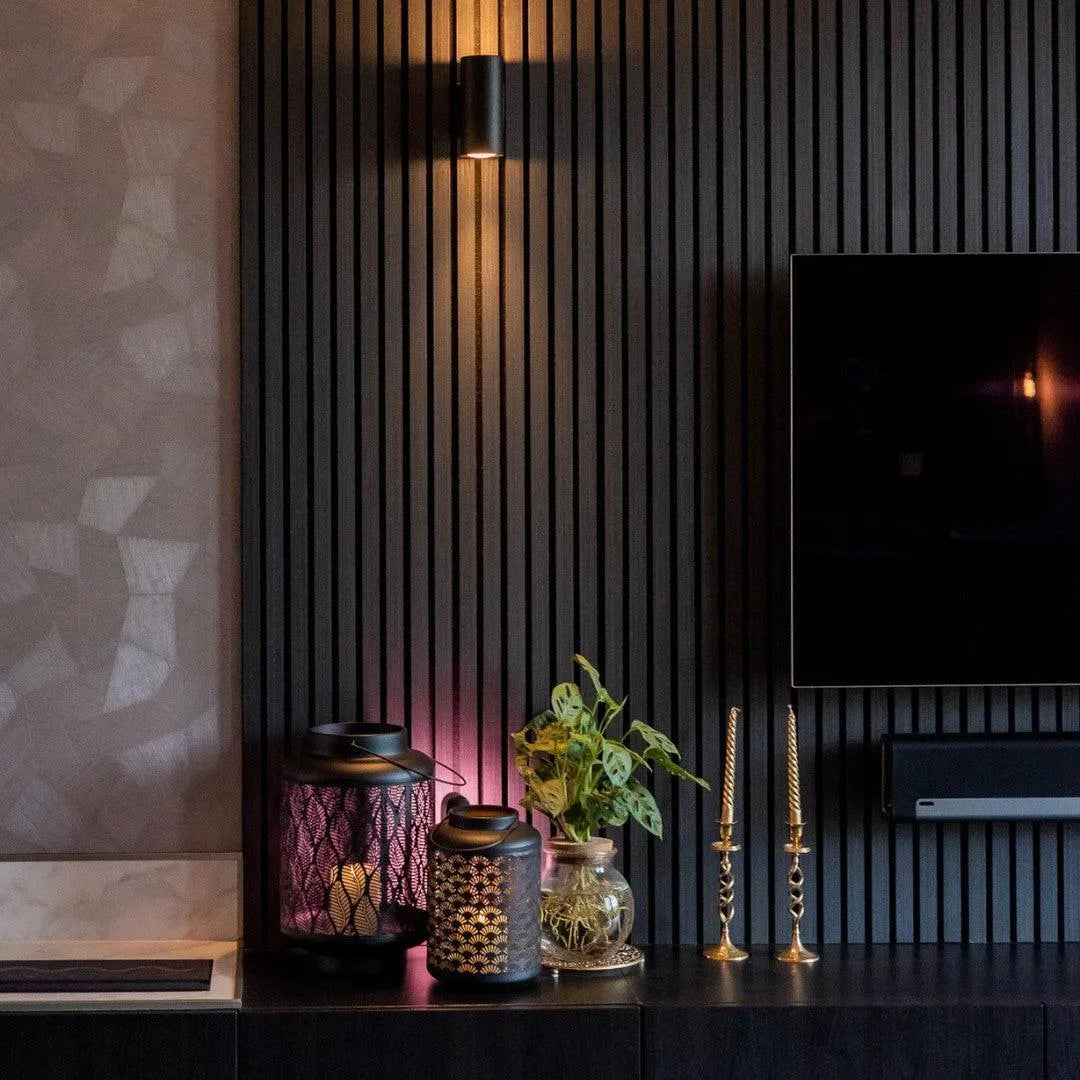
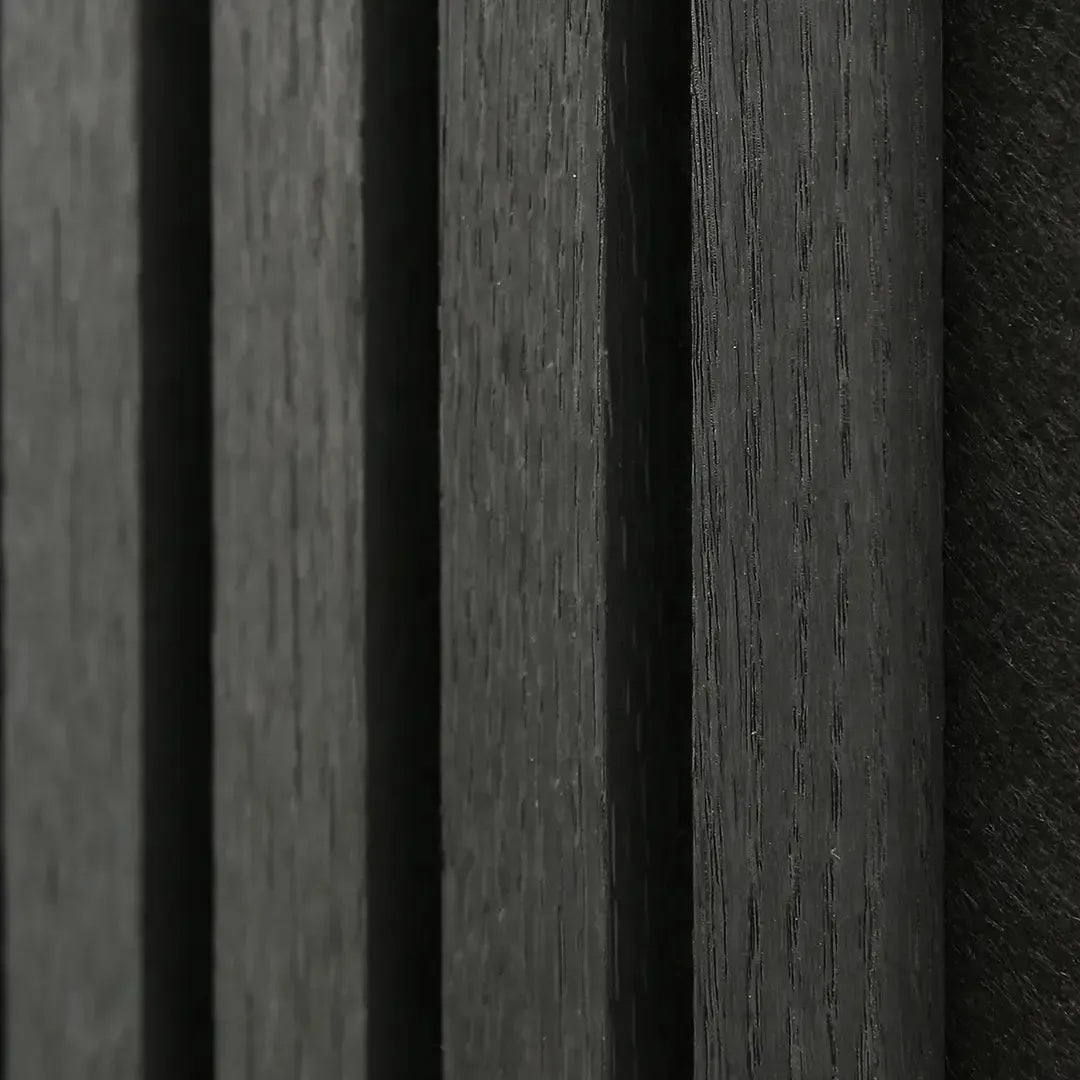
- Acoustic Slat Wall Panel Black Oak absorbs mid-range engine drone at the pit wall — Buy for control rooms and lounge seating.
- Felt-backed panels like Smoked Oak with Gray Felt add absorption over plain veneer for $169.95 a box — Buy for sim racing bays.
- Hexagon Acoustic Panel Walnut with Gray Felt carries a 0.75 NRC rating for feature walls — Consider, not for scuff-heavy zones.
- Foam-core acoustic tiles fail public assembly fire checks more often than solid wood veneer panels — Skip near the track floor.
Why this matters
Karting bays and sim racing rooms fight two noise sources at once: mechanical drone from electric or gas karts, and low-frequency rumble from subwoofers built into racing rigs. Bare concrete and drywall reflect almost all of that energy back into the room, which is why a control desk or lounge seating area feels louder than the decibel meter suggests.
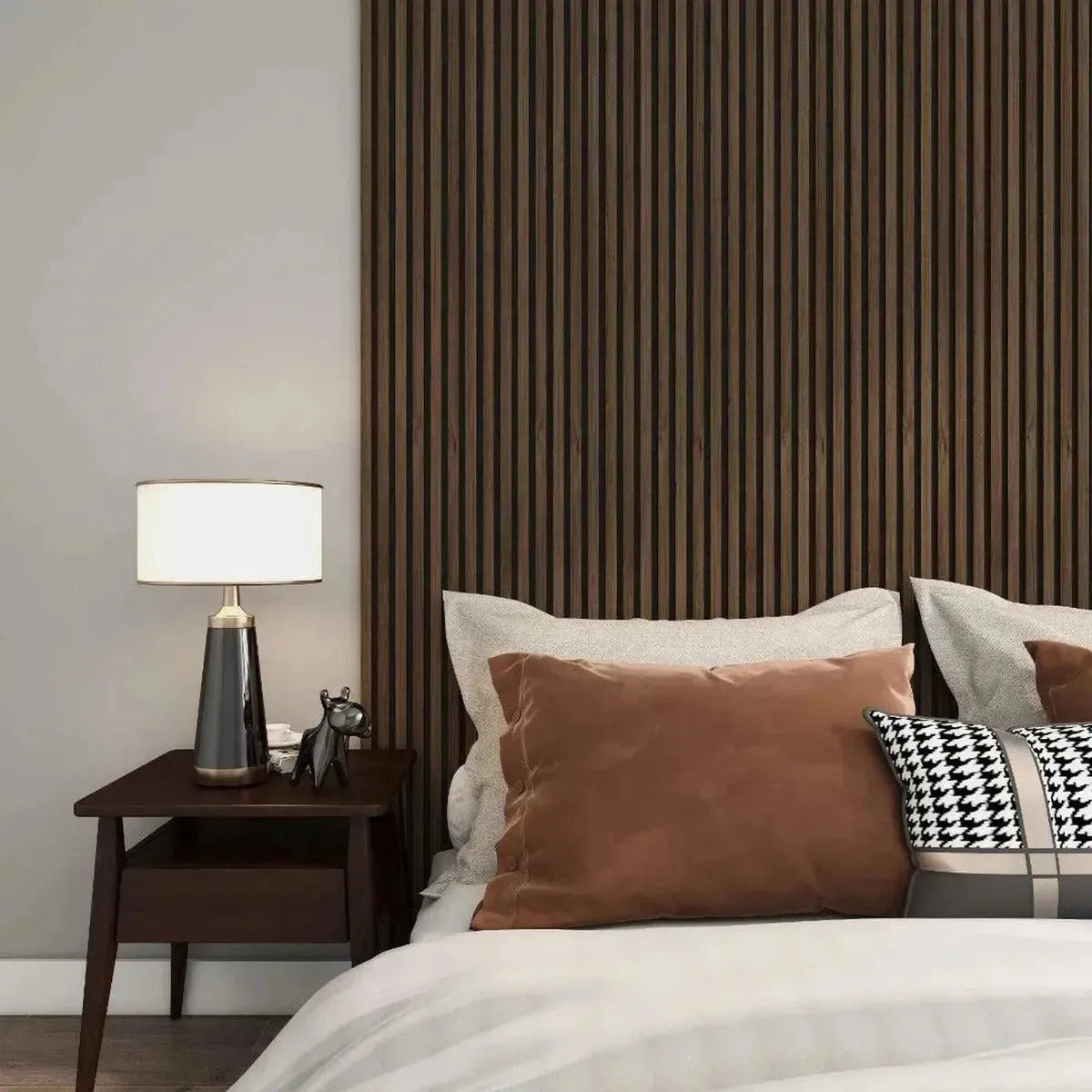
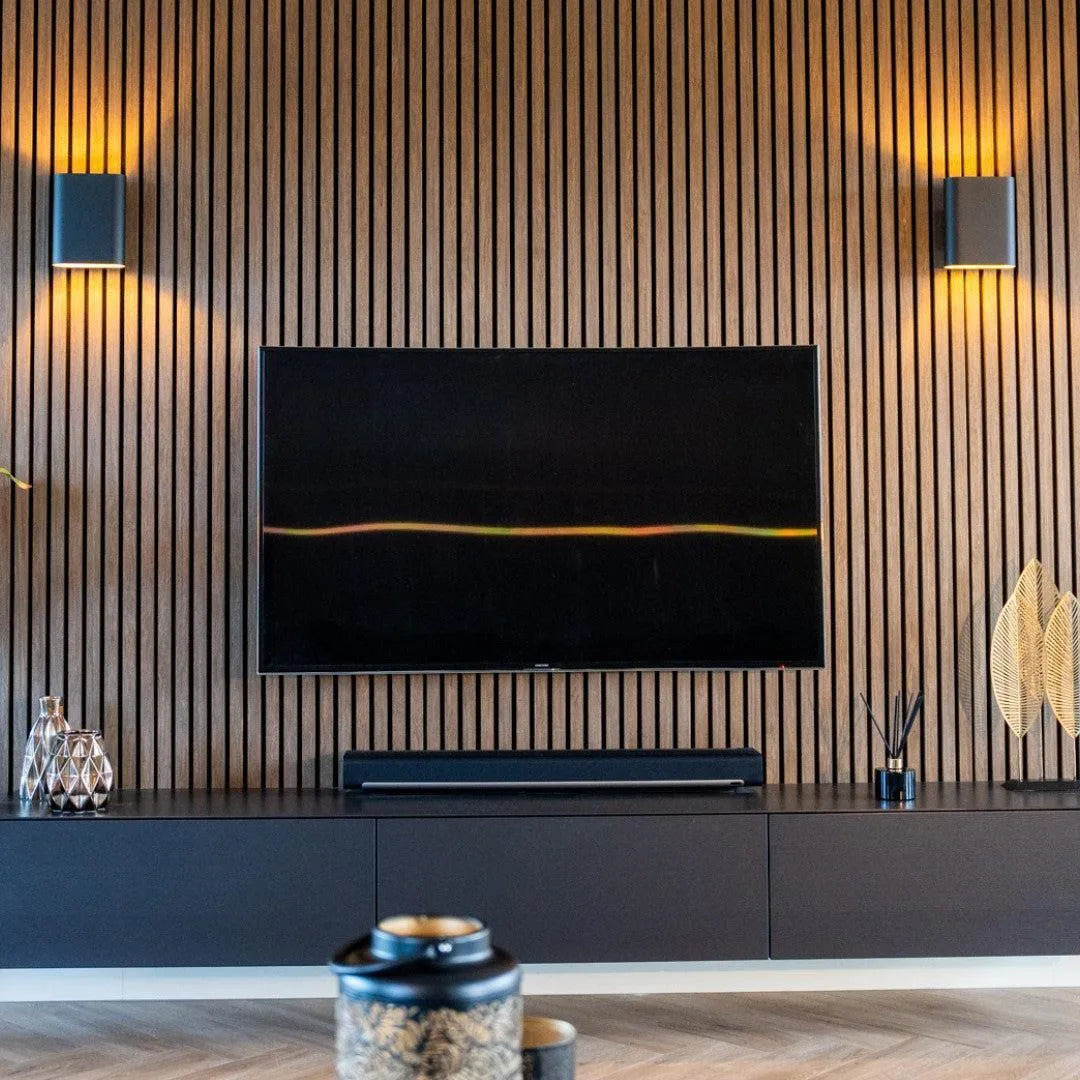
AKU Woodpanel's Acoustic Slat Wall Panel Black Oak is built for exactly this problem — a 3-sided wood veneer slat over an acoustic backer that absorbs mid-range drone instead of bouncing it. Cover the wall behind the timing screens or the pit-side lounge seating and conversations stop competing with the track.
Who this is for
This guide is for indoor go-kart track operators, racing simulator lounge owners, and e-motorsport venue managers who need to knock down echo without turning the space into a padded cell. If your control room staff shout over engine drone, or your sim lounge sounds like a parking garage between sessions, the criteria below apply directly to your walls.
What to look for in acoustic panels for a go-kart lounge
Absorption rating that matches engine and bass frequencies
NRC (Noise Reduction Coefficient) tells you how much sound energy a panel absorbs versus reflects. AKU Woodpanel's felt-backed hexagon line carries a 0.75 NRC rating, which handles mid-range electric-kart drone and lounge chatter better than bare veneer. Gas kart venues with heavier low-end rumble still need bass trapping in corners — no flat wood panel alone kills sub-100Hz engine noise.
Impact resistance near the track and pit wall
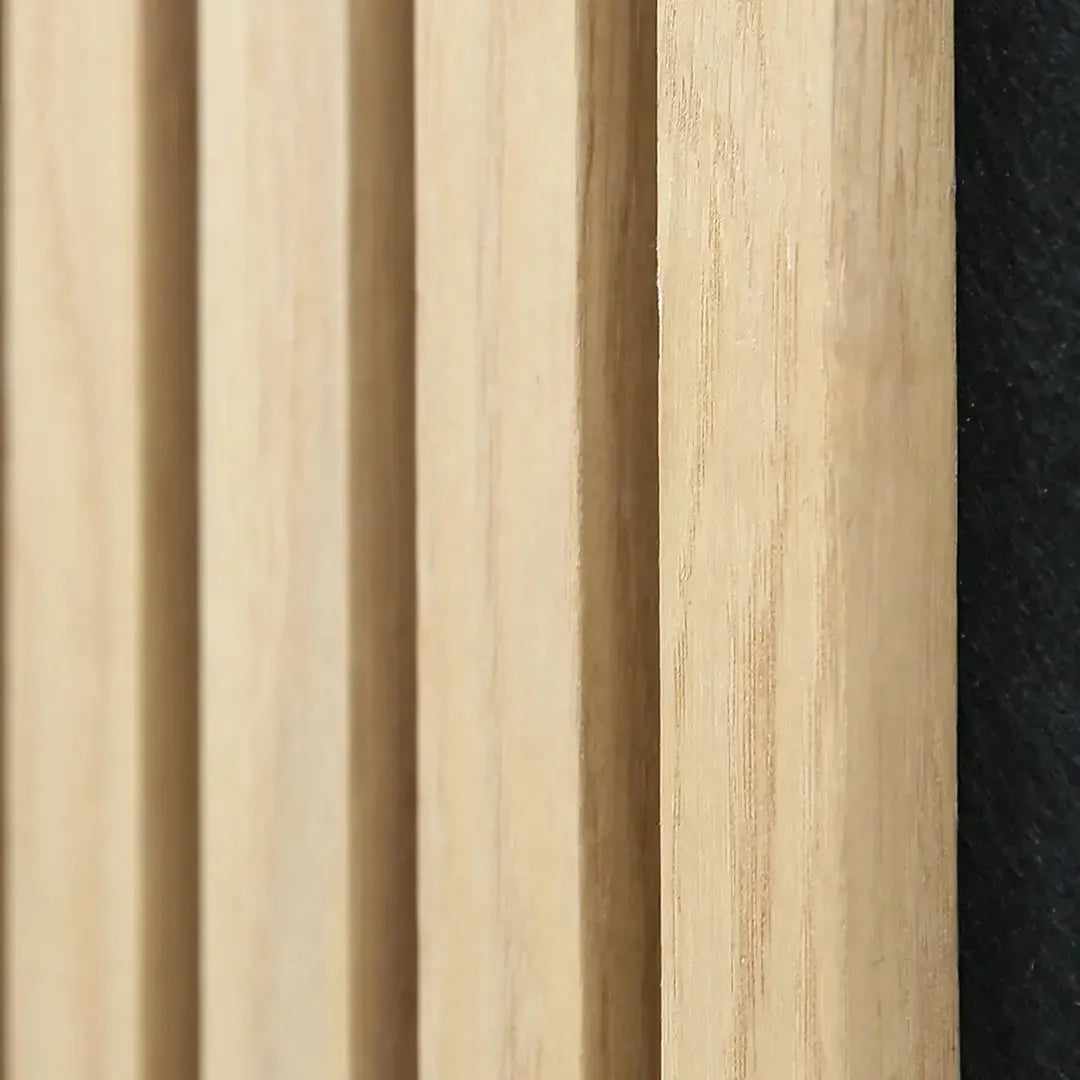
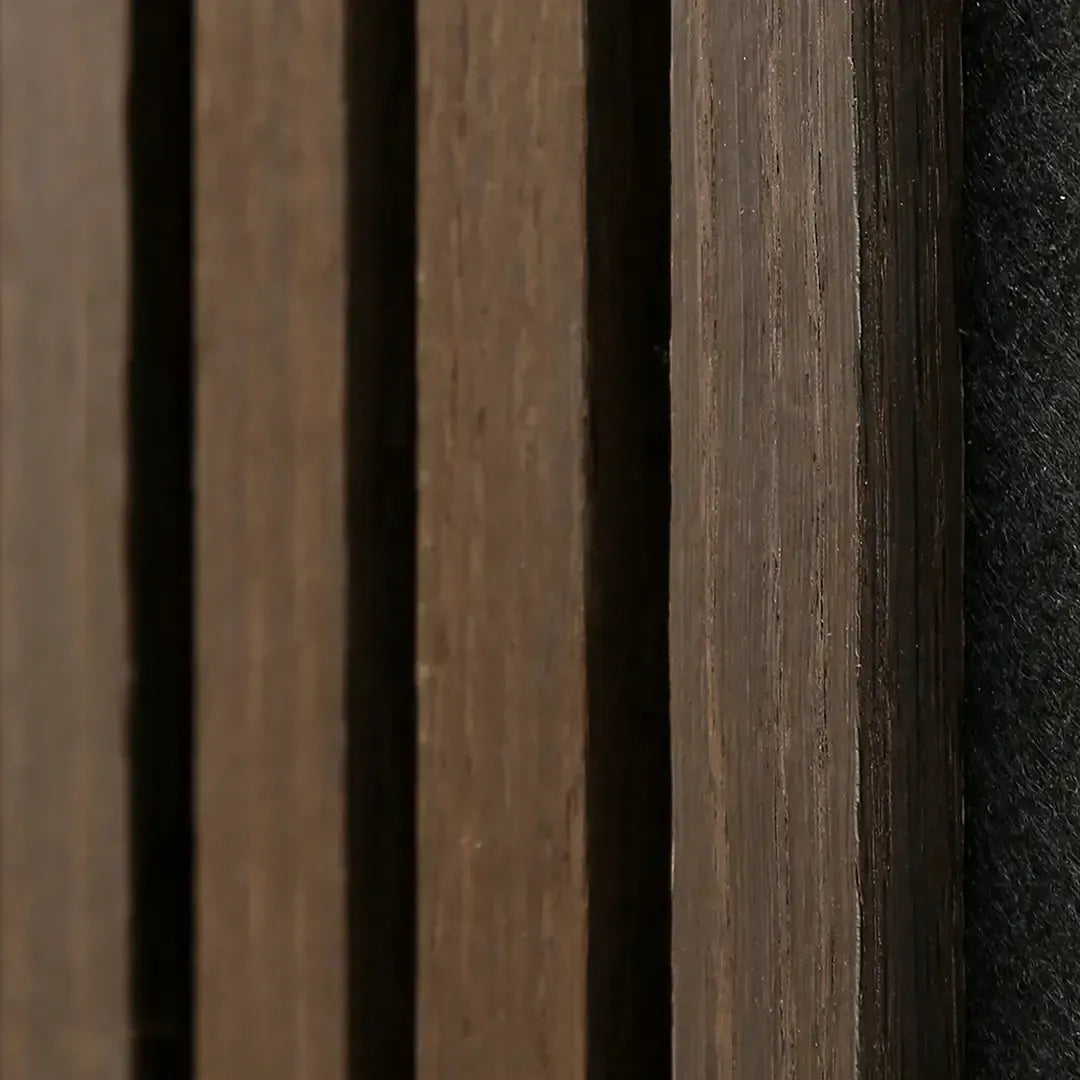
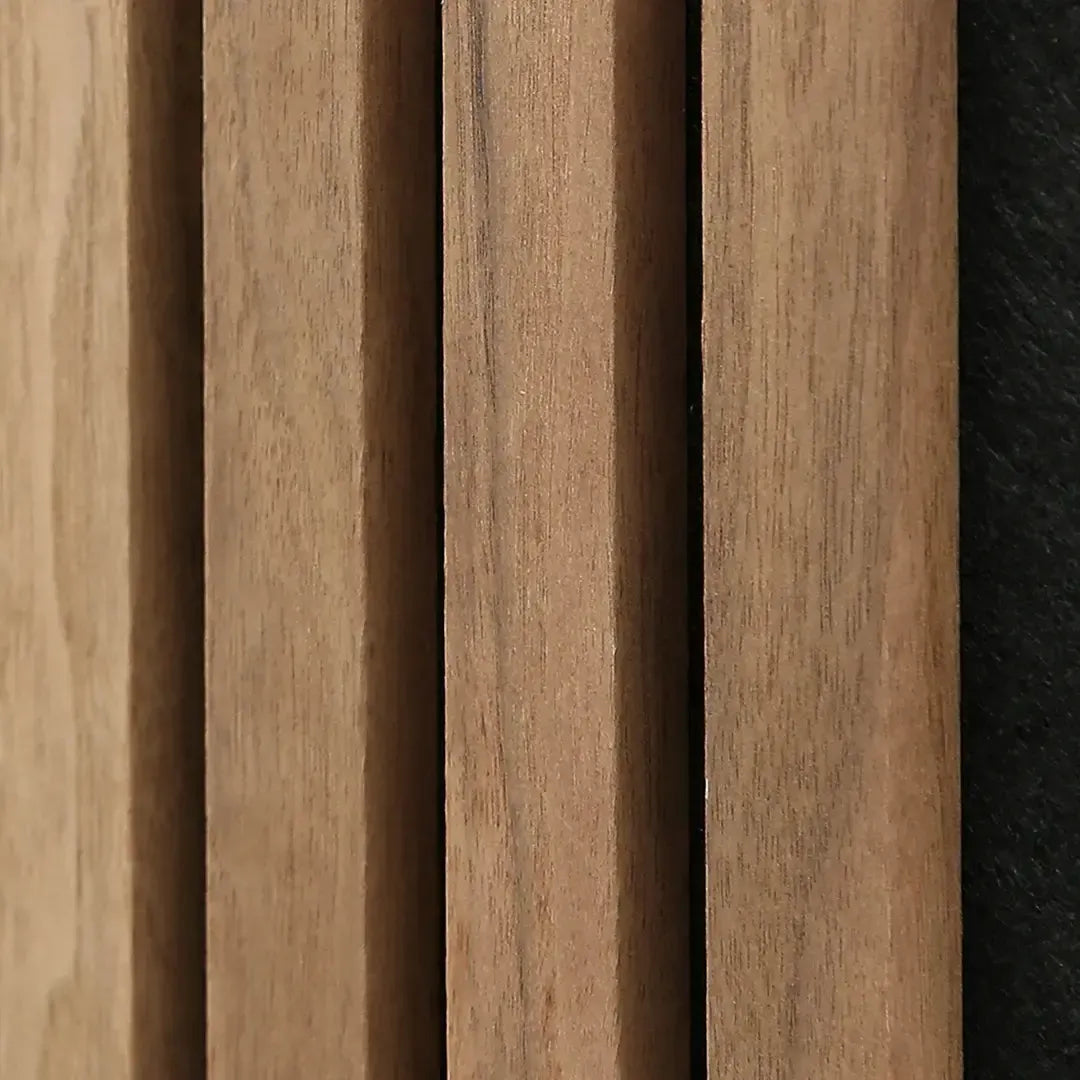
Karts brush walls, helmets get dropped on ledges, and rolling toolboxes clip corners. Real wood veneer over an acoustic core shrugs off scuffs that painted MDF or vinyl-wrapped foam show within a season. This matters most in the 3-6 foot zone along any wall a kart can physically reach.
Fire rating for public assembly occupancy
Indoor go-kart venues carry public assembly occupancy classifications under most 2026 building codes, and wall finishes get checked during inspection. Confirm the fire rating on any panel before it goes near the track floor — foam-core acoustic tiles fail this check more often than solid wood veneer over a rated substrate.
Cleaning tolerance for rubber dust and exhaust residue
Tire dust, brake residue, and light exhaust haze settle on every horizontal surface and a good part of the walls in a karting facility. Panels need a wipeable, sealed veneer finish — fabric-wrapped acoustic panels trap residue in the weave and start smelling within months.
Install speed that doesn't cost you a weekend of bookings
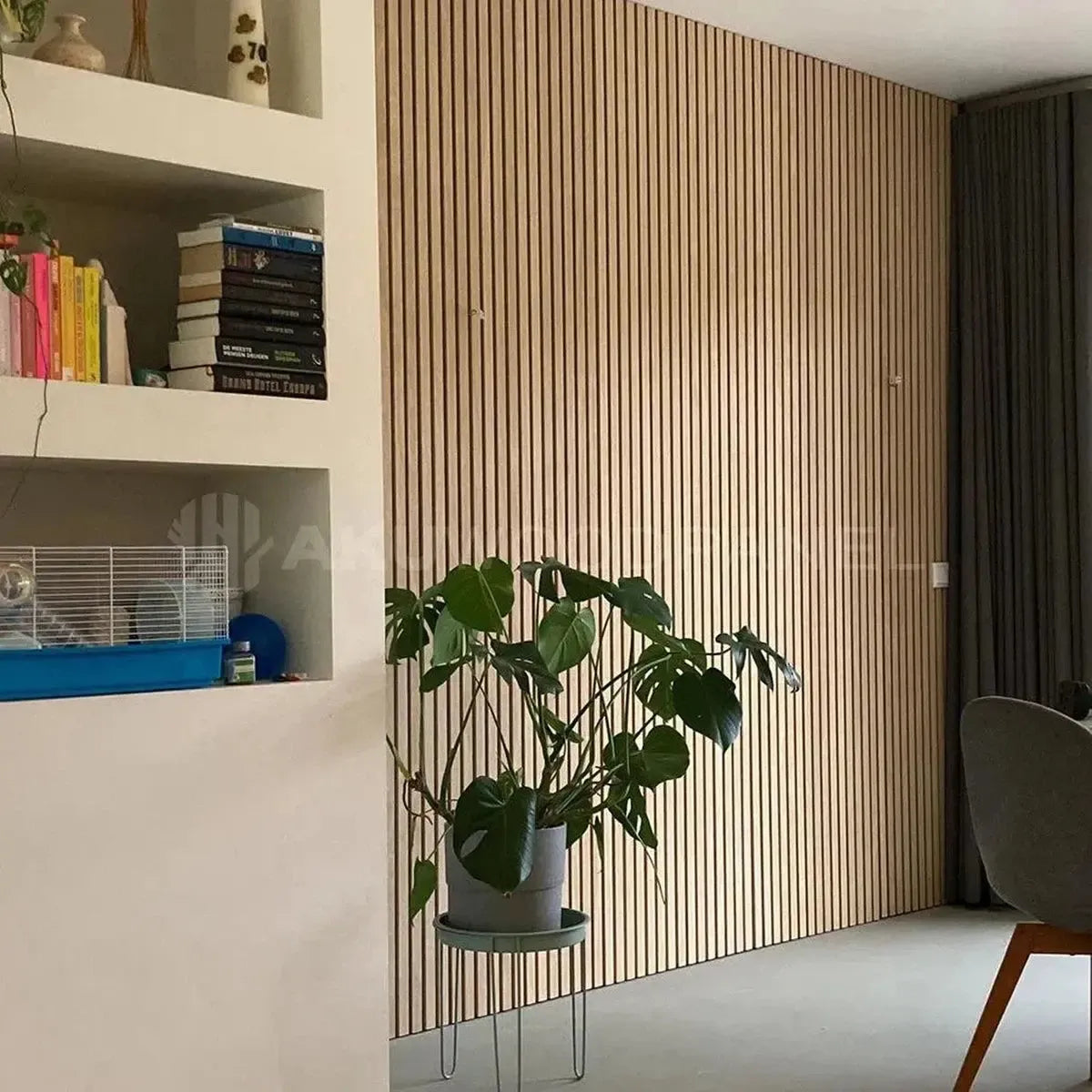
Slat and hexagon panels that click onto a track system go up in a day per wall section, which matters when every closed day is lost booking revenue. Panels that need wet adhesive and 48-hour cure times cost a weekend you can't get back.
Top picks for a go-kart lounge or sim racing room
The pit-wall workhorse. The Acoustic Slat Wall Panel Black Oak covered above earns its spot on the walls closest to the track — the veneer takes scuffs from kart traffic without chipping, and the acoustic backer knocks down mid-range drone right at the pit wall. At $177.95 per box in 2026, it's priced for a full control-room wall, not just an accent. Buy for any wall within a kart's reach.
The felt upgrade. Acoustic Slat Wall Panel Smoked Oak with Gray Felt trades a sliver of scuff resistance for noticeably higher sound absorption — the felt backer catches frequencies the plain veneer reflects. At $169.95 per box it undercuts the standard slat line while adding absorption, which makes it the pick for sim racing bays where subwoofer rumble needs taming, not just engine drone. Buy for sim rig rooms and control desks.
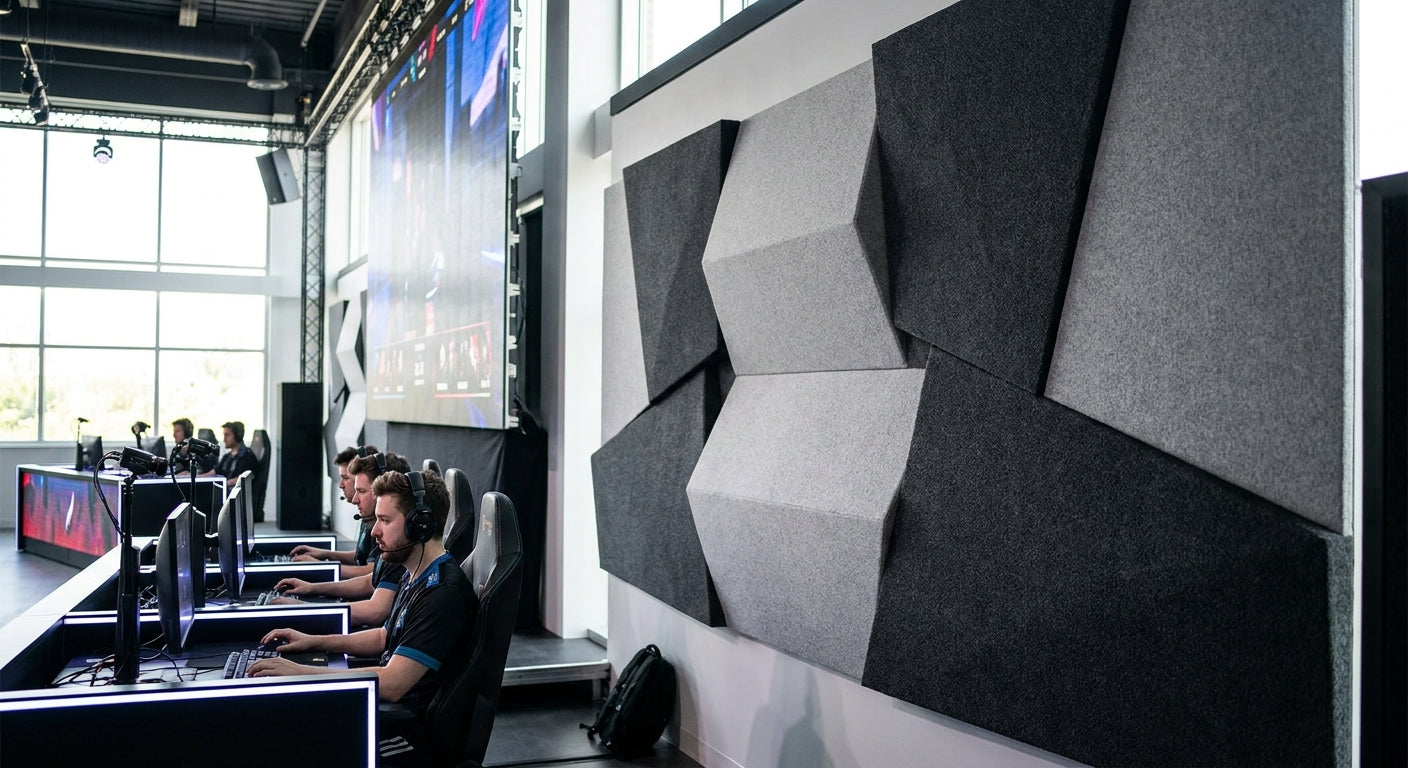
The lounge feature wall. Hexagon Acoustic Panel Walnut with Gray Felt reads as design, not acoustic treatment, which is why it belongs on the lounge side rather than the pit wall. It carries the same 0.75 NRC rating as the felt slat line, ships four 32-inch panels per box at $165.95, and covers a feature wall behind seating without looking like a sound booth. Consider for lounge and waiting areas; skip it as your only treatment on walls that need scuff resistance — honeycomb edges wear faster than flat slats.
What to avoid
- Foam-core acoustic tiles. They fail public assembly fire checks more often than solid wood veneer, and the foam yellows and peels within a season of exhaust exposure.
- Fabric-wrapped fiberglass panels. The weave traps rubber dust and exhaust odor and is nearly impossible to wipe clean.
- Painted MDF slat imitations. They mimic the veneer look but warp under the humidity swings a crowded lounge produces on race nights.
Verdict comparison
| Product | Absorption | Price (2026) | Best wall | Verdict |
|---|---|---|---|---|
| Acoustic Slat Wall Panel Black Oak | Veneer over acoustic backer | $177.95/box | Pit wall, control room | Buy |
| Acoustic Slat Wall Panel Smoked Oak with Gray Felt | Felt-backed, higher absorption | $169.95/box | Sim rig bays | Buy |
| Hexagon Acoustic Panel Walnut with Gray Felt | 0.75 NRC | $165.95/box (4 panels) | Lounge feature wall | Consider |
| Foam-core acoustic tile | Foam only, fire-code risk | Varies | Not recommended | Skip |


FAQ
What's the best acoustic panel for an indoor go-kart lounge?
The Acoustic Slat Wall Panel Black Oak is the strongest all-around pick for pit walls and control rooms in 2026 because it pairs scuff-resistant veneer with an acoustic backer. Lounge seating areas do better with felt-backed slats or hexagon panels for a softer, more decorative feel.
Do acoustic wood panels actually reduce kart engine noise?
Yes, panels with an acoustic backer absorb mid-range engine drone instead of reflecting it, which is the noise band most kart engines and lounge chatter fall into. They don't eliminate sub-100Hz rumble from gas engines or subwoofers — that needs bass trapping in corners.
Is felt-backed or plain veneer better for a sim racing room?
Felt-backed panels absorb more sound per square foot than plain veneer, making them the better choice for sim rig bays where subwoofer rumble builds up. Plain veneer slats still work fine on walls that see more physical contact and less bass.
How much do acoustic panels cost for a go-kart lounge in 2026?
Acoustic panels for a go-kart lounge run $148.95 to $182.95 per box in 2026, depending on the finish and whether the panel is felt-backed. A full control-room wall typically needs multiple boxes, so price out coverage before ordering.
Can acoustic panels handle rubber dust and exhaust residue?
Sealed wood veneer panels wipe clean of rubber dust and light exhaust haze, unlike fabric-wrapped acoustic panels that trap residue in the weave. Wipeable finish should be a non-negotiable spec for any karting facility wall.
Are foam acoustic panels safe for public karting venues?
Foam-core acoustic tiles fail public assembly fire-code checks more often than solid wood veneer over a rated substrate. Confirm the fire rating on any panel before installing it near the track floor.
How many panels do I need for a control room wall?
Coverage depends on wall dimensions and panel box size, which varies by product line. Measure the wall and check the box coverage specs before ordering to avoid a mid-install shortage.
Do hexagon panels absorb as much sound as slat panels?
Felt-backed hexagon panels carry the same 0.75 NRC rating as felt-backed slat panels, so absorption is comparable. The difference is mostly aesthetic and impact resistance — slats hold up better on walls that take physical contact.
One last thing
Bass rumble from sim rig subwoofers sits mostly below 100Hz, a range no flat wood panel — slat or hexagon — actually absorbs well. If the room still booms after the walls go up, add corner bass traps before you assume the panels failed; they were never the tool for that frequency range in the first place.
 Better performance and aesthetic appeal
 In Stock