Teak has been the default answer for boat wall paneling for decades, but in 2026 the real question isn't whether teak looks good on a boat — it's whether you need actual teak for the wall you're paneling, or whether a real wood veneer panel gets you the same warmth for a fraction of the cost and upkeep.
- Teak wood wall panels for boats cost more upfront than veneer alternatives but hold up better against direct water spray.
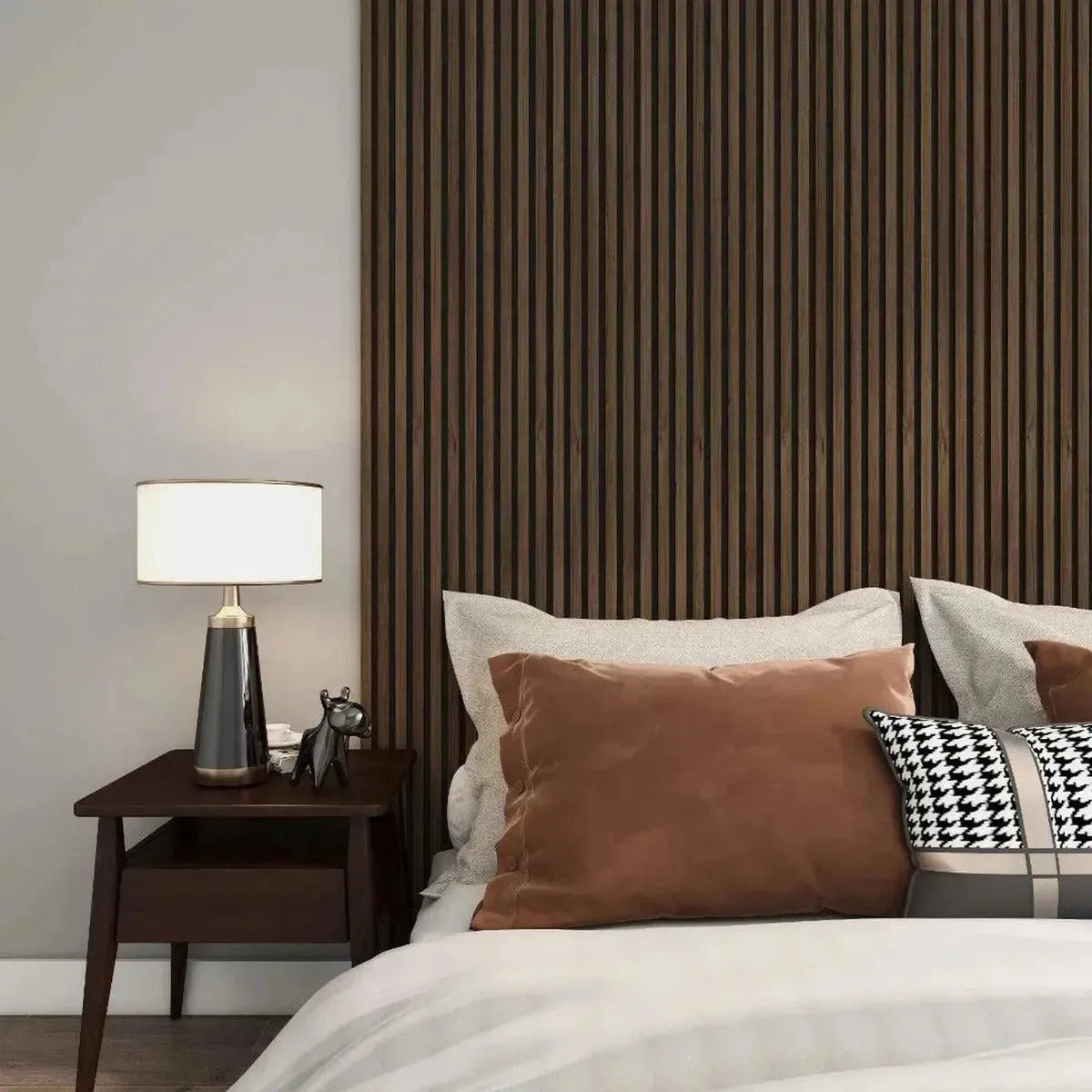
- Akuwood's Fluted Wall Panel Natural Oak ($233.95) suits dry cabin walls and marina clubhouses, not wet decks.
- Solid teak stays the right call for exterior trim and toe rails; oak veneer wins on price for interior salons.
- Marine-grade teak needs annual oiling; indoor wood veneer panels need occasional dusting only.
Why this matters
Boat owners and marina operators keep searching for teak wood wall panels for boats because teak solved a real problem: it resists rot and doesn't swell much when it gets wet. That's why it's on decks, toe rails, and companionway steps.
But most of the actual wall space on a boat — cabin walls, salon interiors, the inside of a marina clubhouse — never touches saltwater or direct sun. Paying teak prices for that square footage is a budget decision, not a durability requirement. The boat club and marina interior walls case is a good example: shore-side spaces get the wood-grain look without the marine-grade price tag.
How we ranked
This list separates true teak products — solid teak, teak-faced plywood, teak veneer — from real wood veneer alternatives suited to dry, covered interior walls. Ranking criteria: water exposure tolerance, maintenance burden, price per square foot, and fit for the actual wall being paneled (hull-adjacent and wet vs. dry cabin and shore-side). Entries are ordered by where they win, not by a single overall score, because a boat interior almost always needs more than one material.
The ranked list
1. Solid teak marine panels — the traditional choice
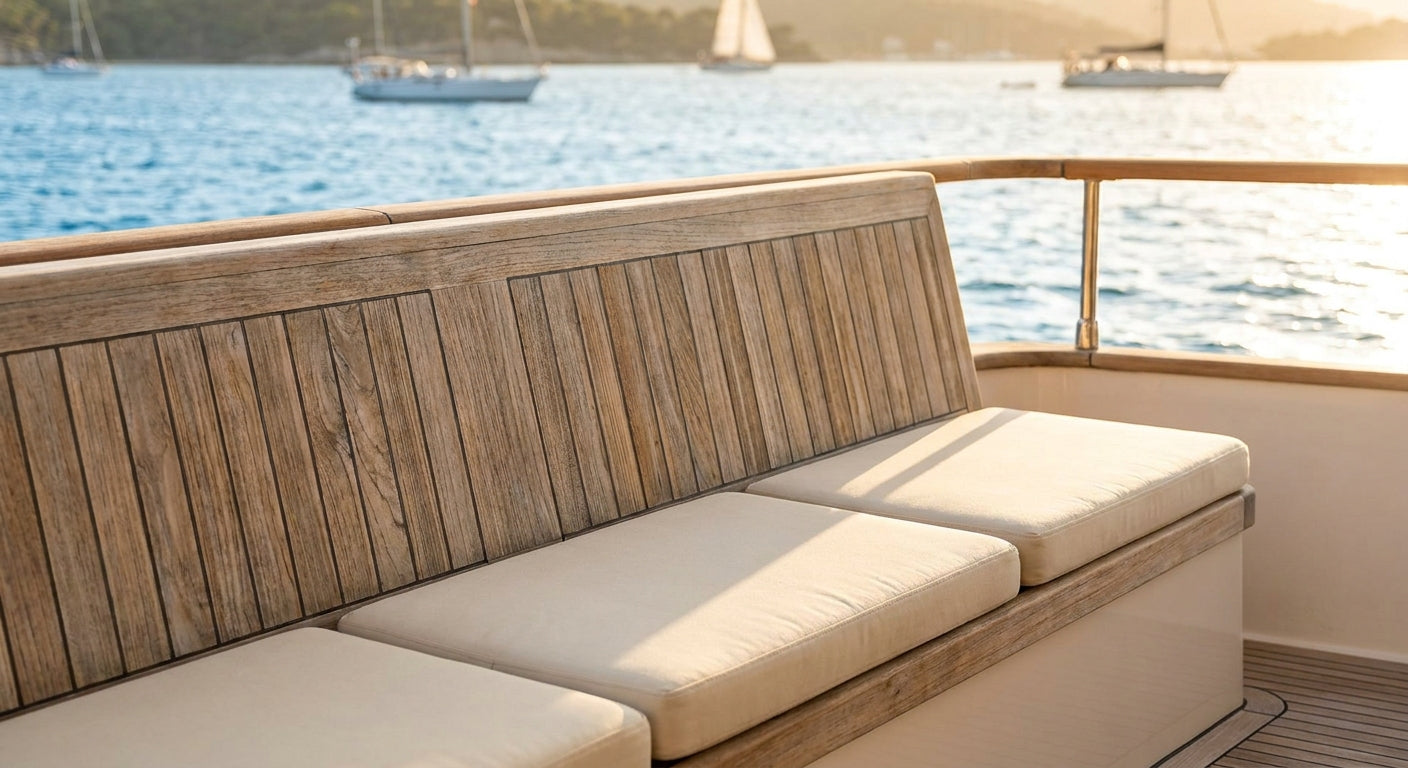
Solid teak is milled from Tectona grandis, the same species used for decking, and it carries natural oils that resist rot without added sealant. Teak lumber prices climbed again heading into 2026 as certified, sustainably-harvested supply tightened. It's the material boatbuilders reach for on companionway trim, handrails, and anywhere spray or standing water is a daily reality. Buy for exterior trim and wet-adjacent surfaces; Skip it for full cabin wall coverage unless budget is no object.
2. Teak-faced marine plywood — the mid-tier compromise
This is real teak veneer bonded to marine-grade plywood, giving you the look and some of the water tolerance of solid teak at a lower material cost. It's common in galley counters and lower cabin trim where moisture exposure is moderate but not constant. Consider it for galley and head trim where budget matters but real teak grain still needs to show.
3. Teak veneer panels — thin face, real wood
Teak veneer panels use a thin teak layer over an engineered core, cutting weight and cost compared to solid teak while keeping the actual wood grain. They handle occasional humidity fine but aren't built for direct water contact. Consider for interior bulkheads that see moisture swings but not spray.
4. Composite faux-teak cladding — the imitation
PVC and composite panels printed with a teak-style grain show up in budget marine fit-outs because they're cheap and genuinely waterproof. The tradeoff is obvious up close: no real wood texture, no grain variation, and a plastic look under cabin lighting. Skip this if a wood-grain look actually matters to you or your guests.
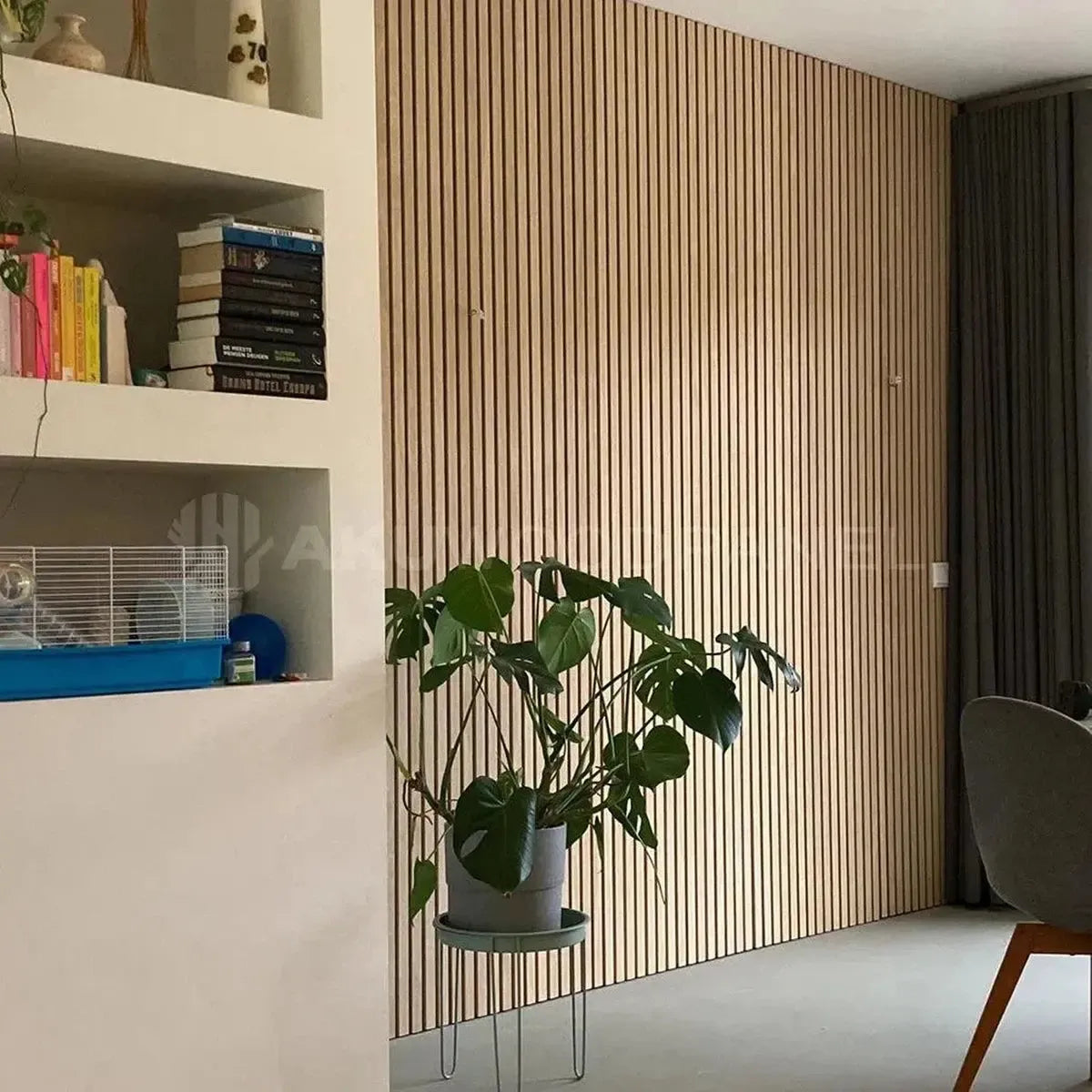
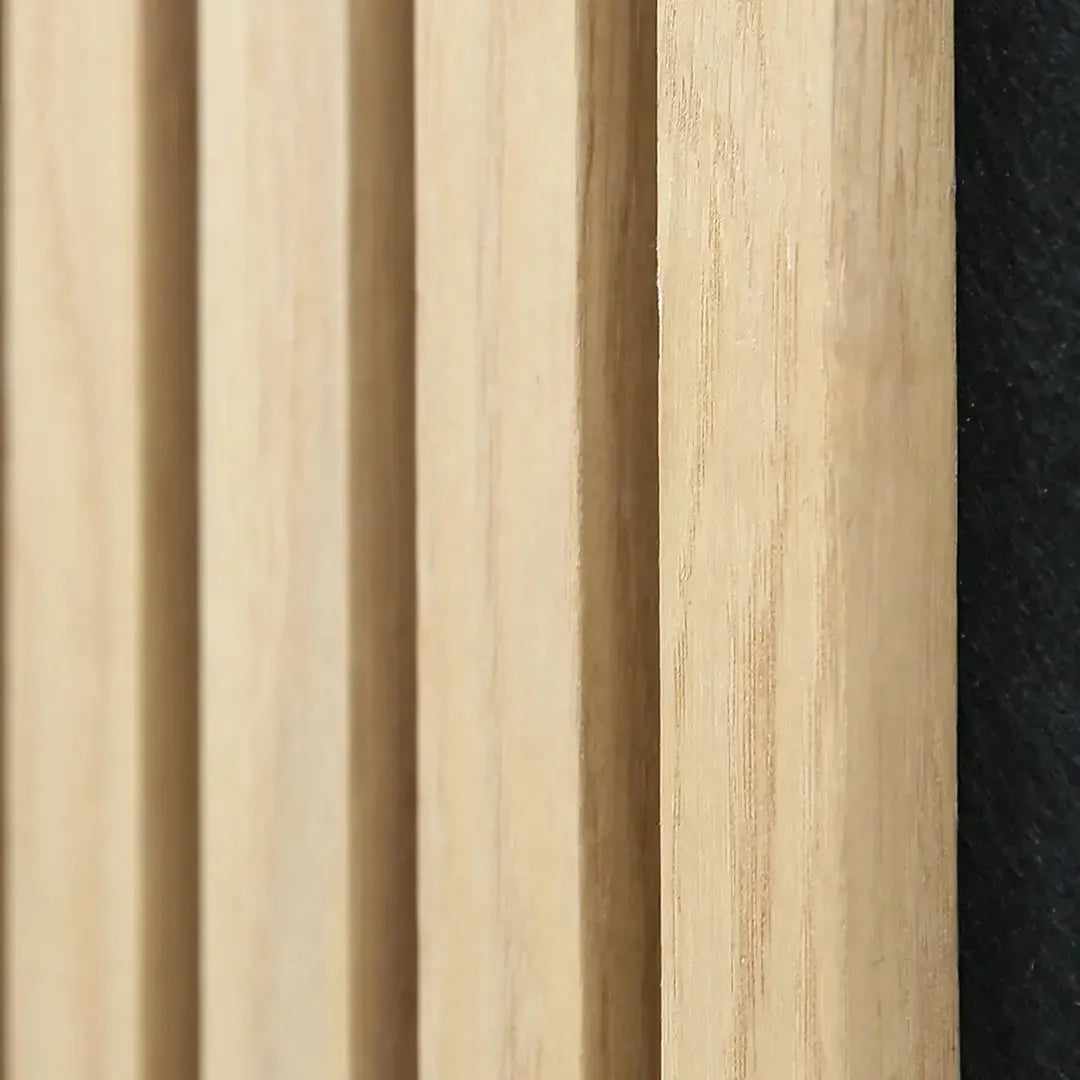
5. Akuwood Fluted Wall Panel Natural Oak — the interior wildcard
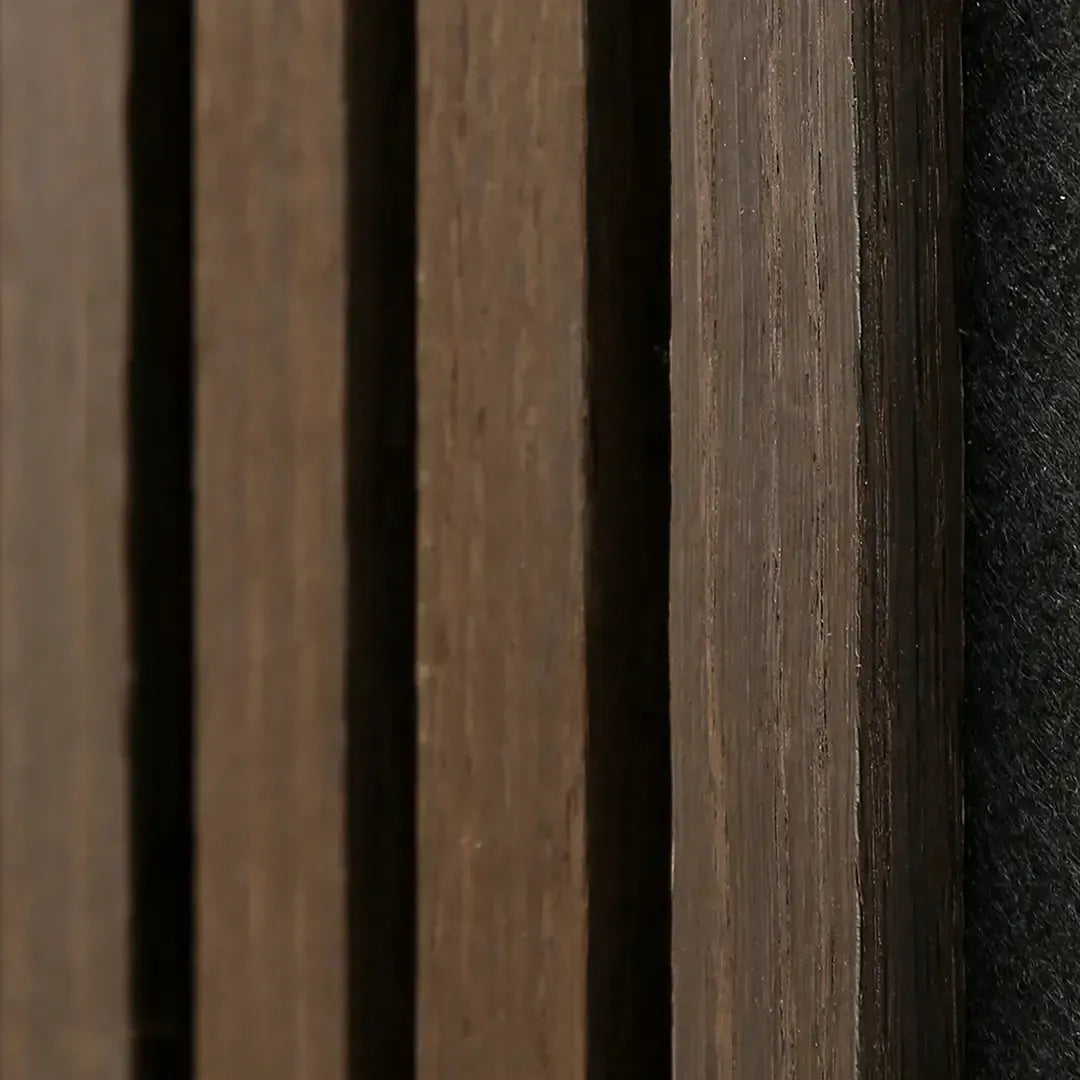
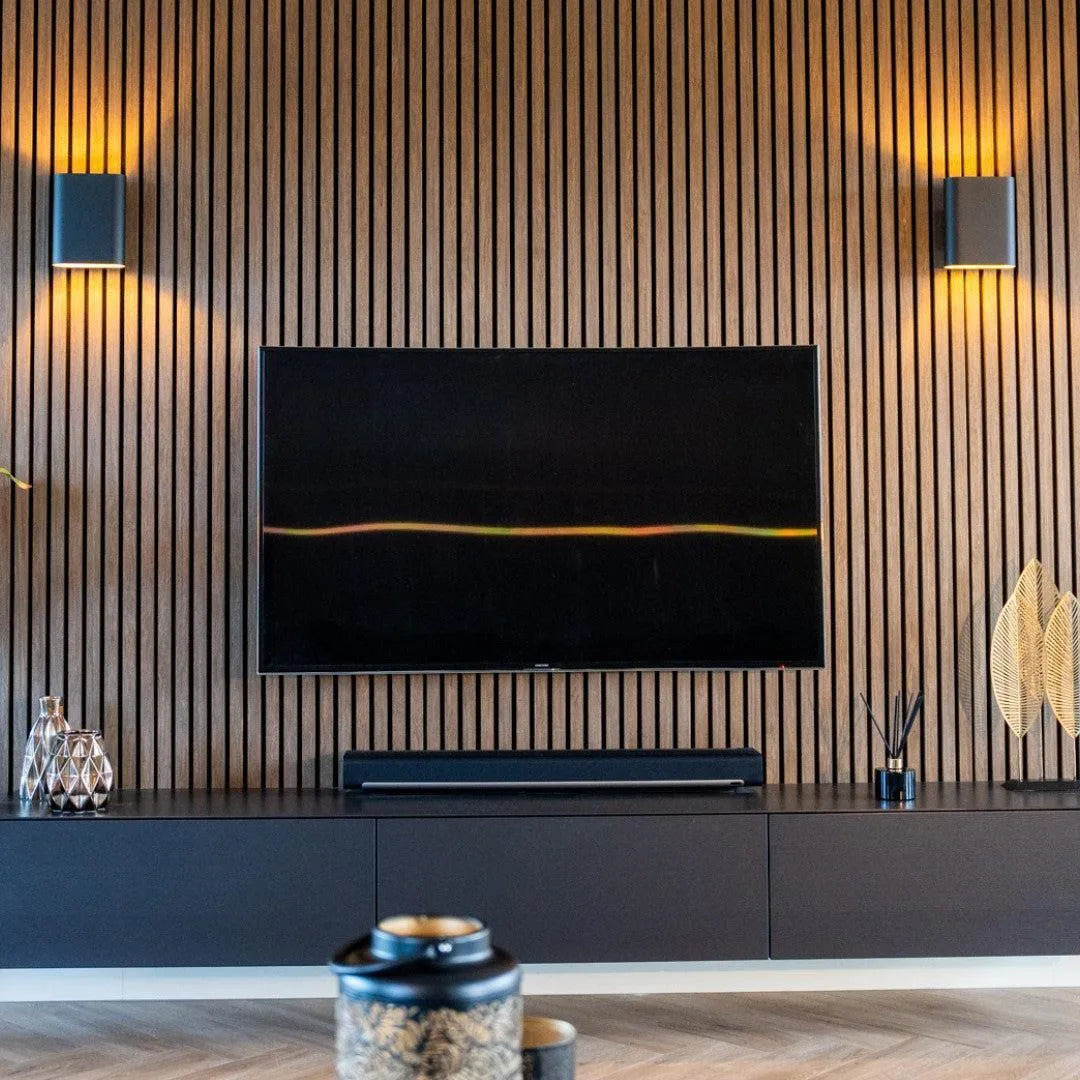
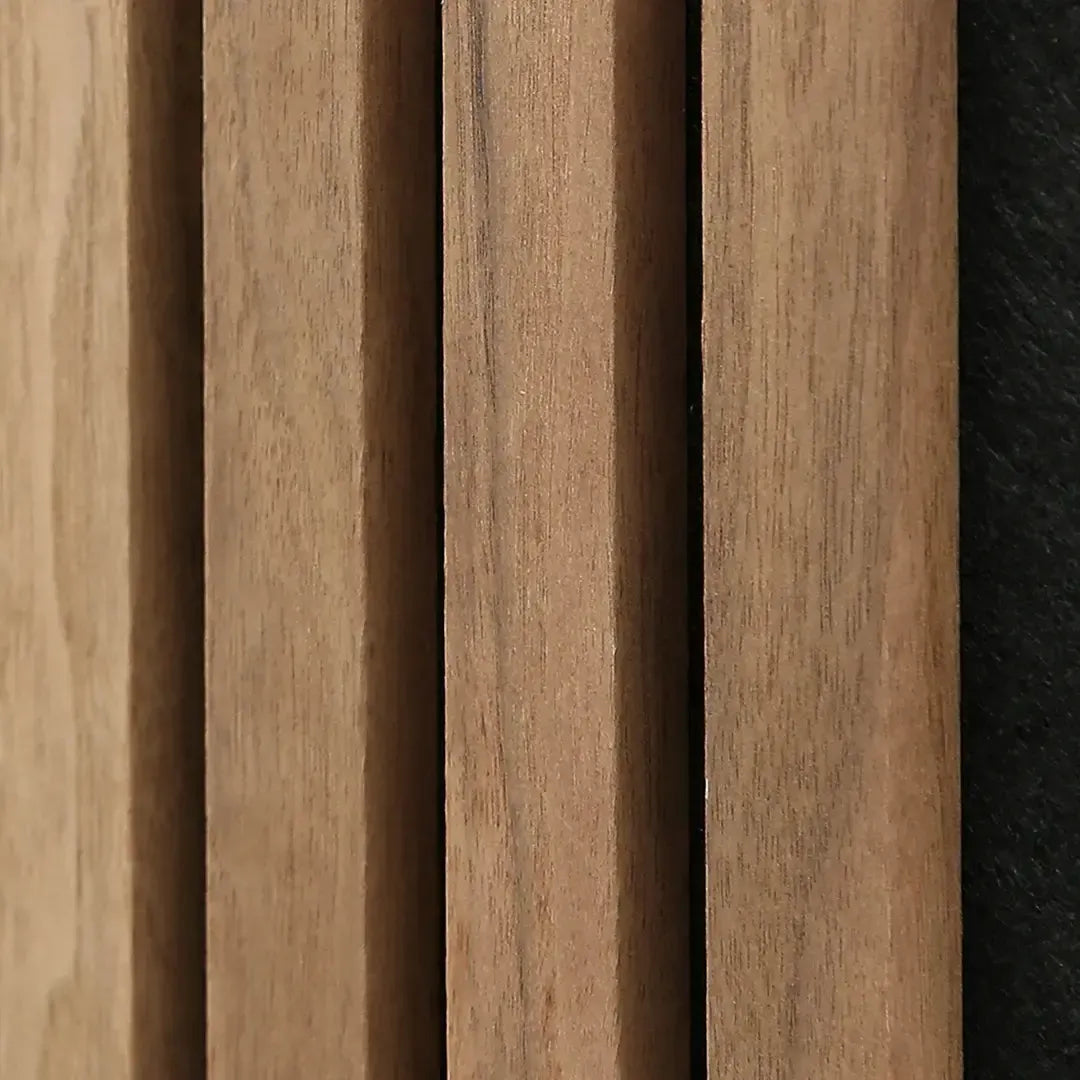
This is a real wood veneer panel over a flexible MDF backing, priced at $233.95, built for dry interior walls rather than wet decks or hulls. On a boat, that means salon walls, cabin feature walls, or below-deck lounges that stay dry between cleanings. It is not rated for saltwater spray or bilge exposure — treat it as a shore-adjacent or fully enclosed cabin product. Buy for dry cabin walls and salons where you want real wood grain without teak pricing.
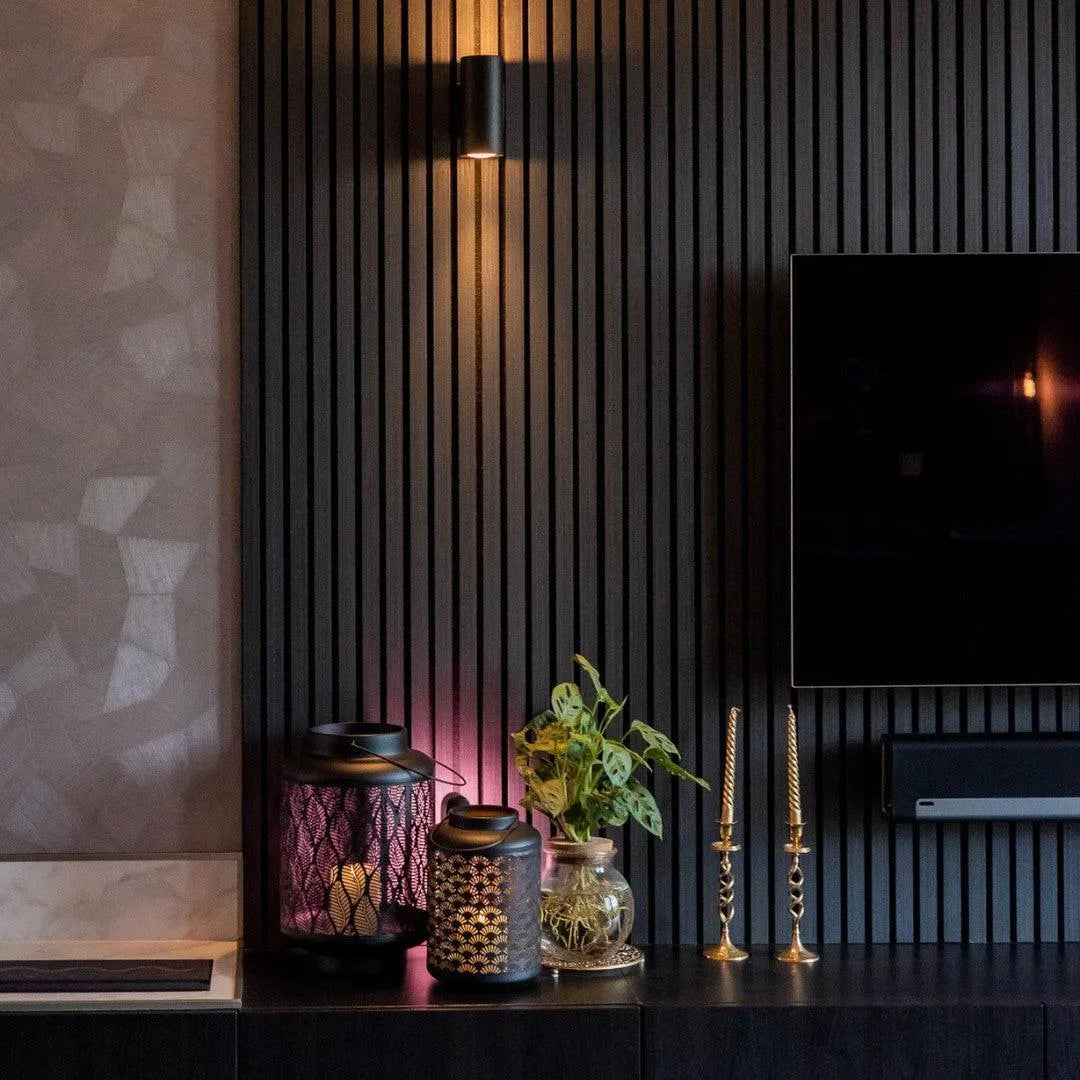
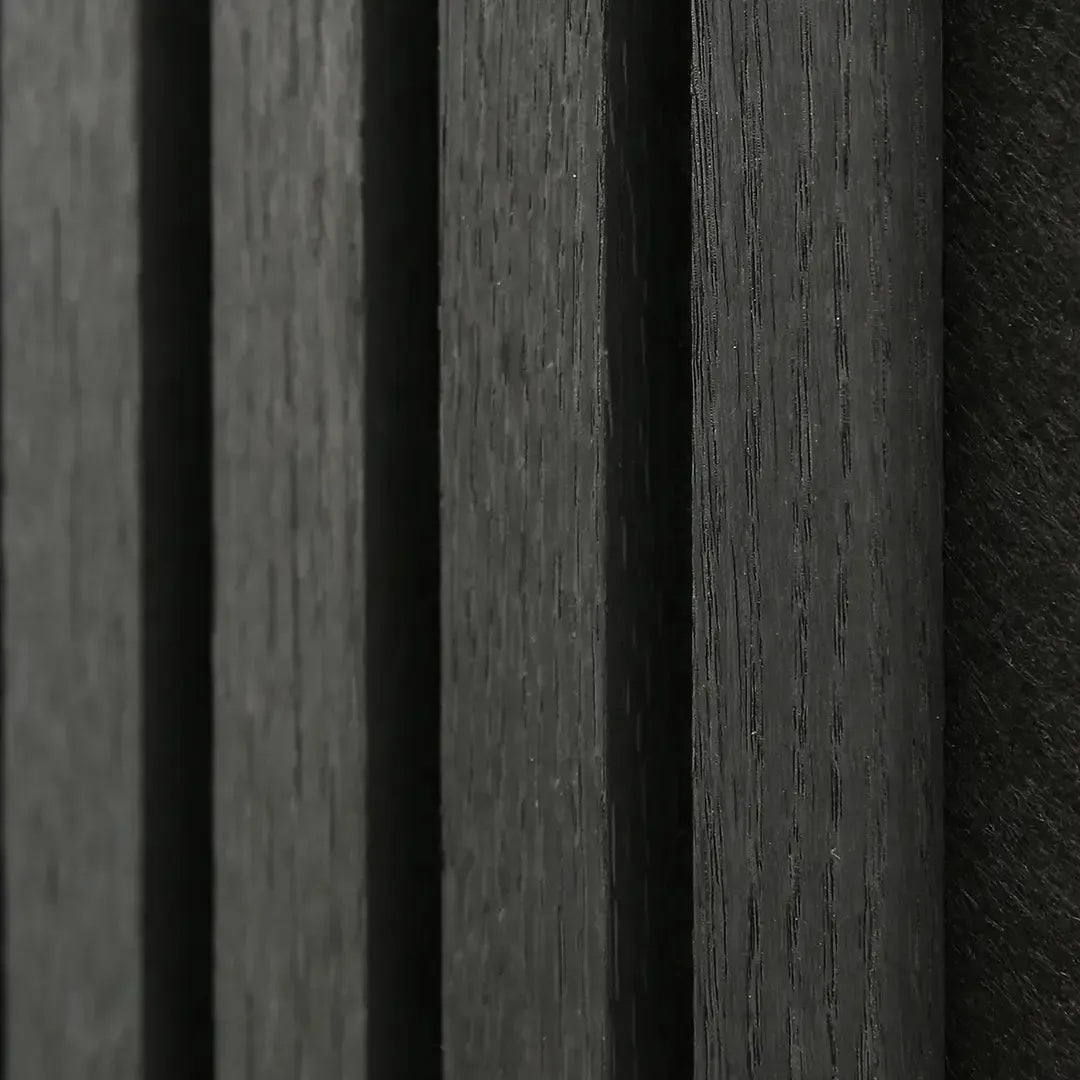
6. Akuwood Fluted Wall Panel Rustic Oak — the marina clubhouse pick
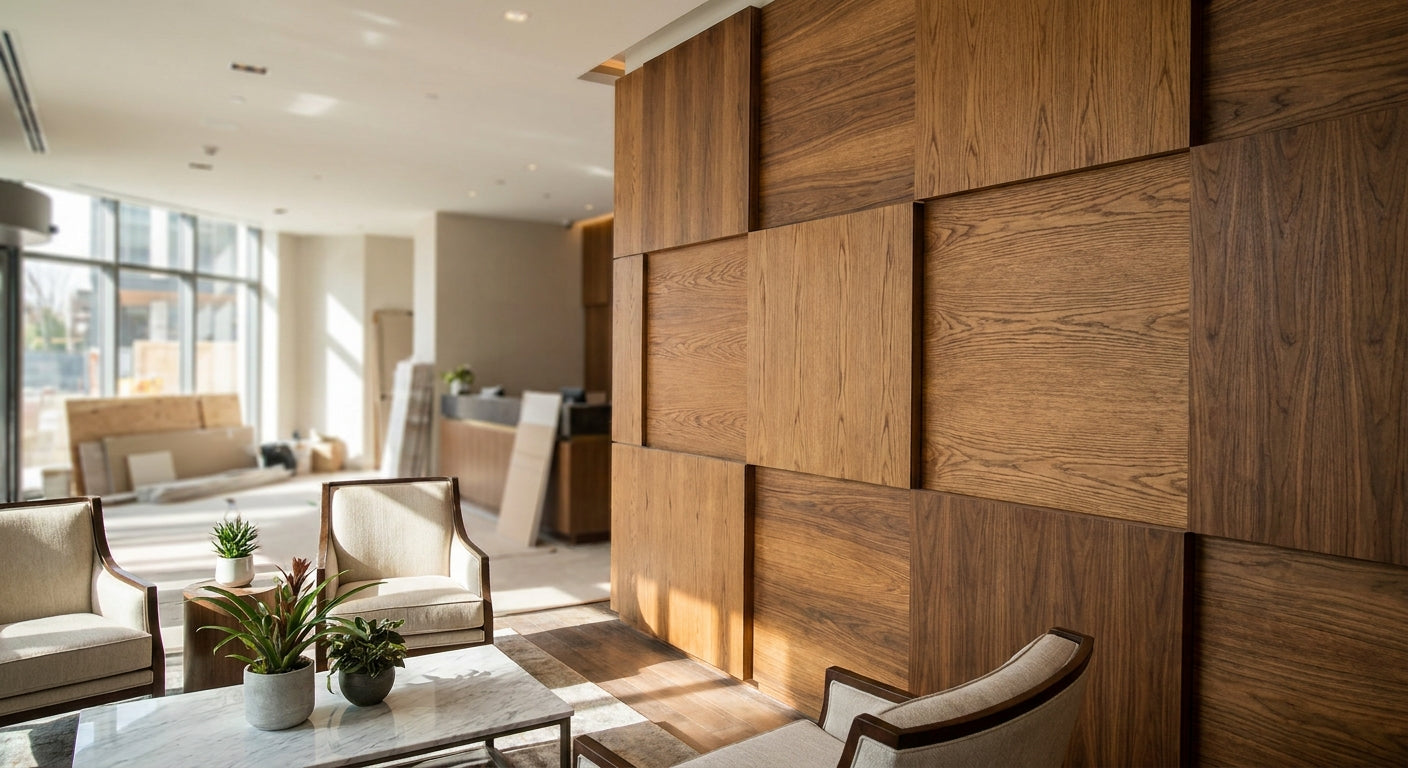
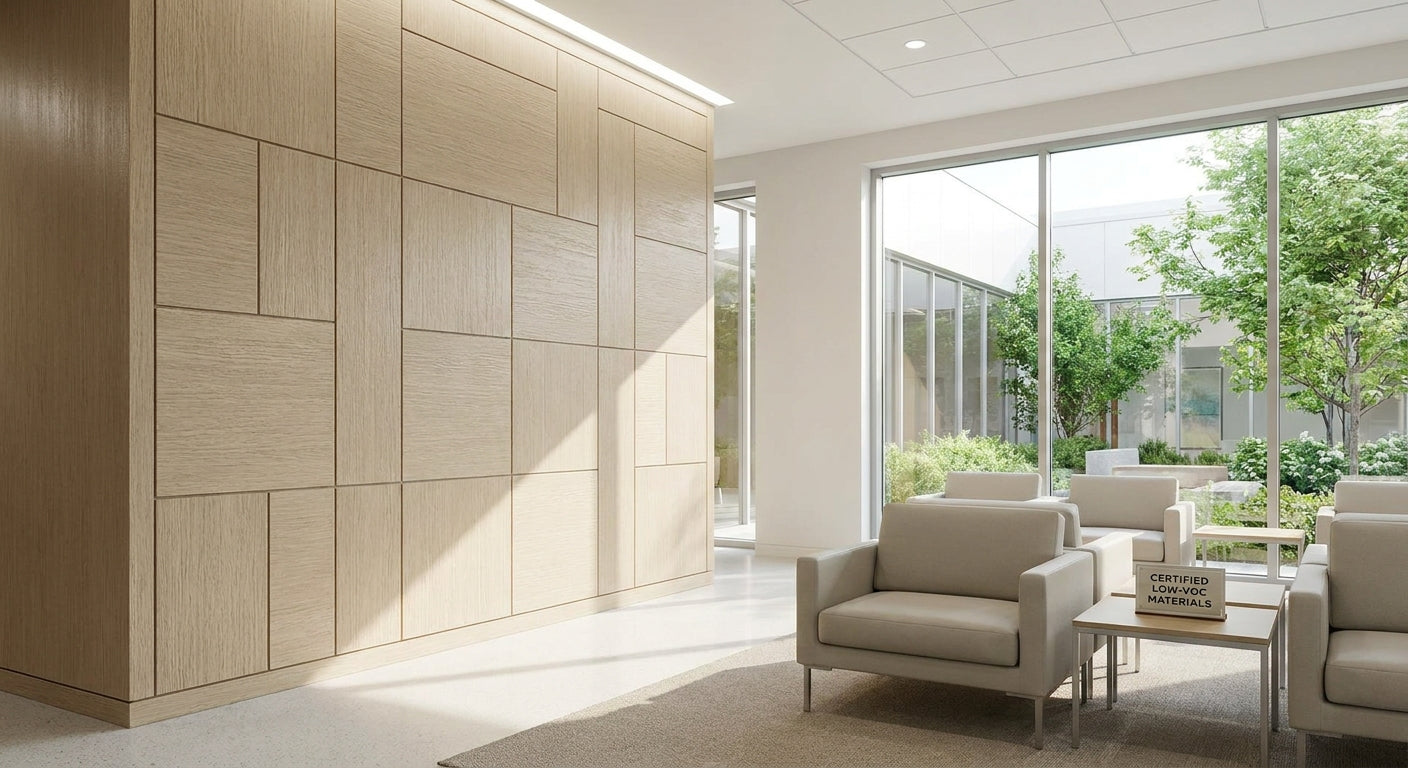
Same flexible MDF-backed veneer construction as the natural oak version, at the same $233.95, but with a deeper rustic oak grain that reads warmer under low light. It fits marina clubhouses, harbor offices, and boat club lounges better than it fits an actual cabin, since those spaces get foot traffic and daylight rather than spray. Buy for shore-side boat club and marina interior walls.
7. Akuwood Exterior Wall Panel Birch — for covered dockside structures
For boathouse fronts, covered slip walls, or a marina building's exterior face — not the boat itself — an exterior-rated wood-look panel extends the same aesthetic outdoors under a roofline. This is a covered-structure product, not a hull or open-deck material, and it should be treated that way. Consider for boathouse and covered dock cladding, not for anything exposed to direct rain or spray.
“Teak belongs on the deck test the wall sees, not the cabin wall behind it — veneer panels do the visual job at a fraction of the price.”


Comparison table
| Material | Best for | Water tolerance | Maintenance | Verdict |
|---|---|---|---|---|
| Solid teak | Deck trim, handrails | High | Annual oiling | Buy for exterior |
| Teak-faced marine plywood | Galley, head trim | Moderate | Periodic sealing | Consider |
| Teak veneer panel | Interior bulkheads | Low-moderate | Low | Consider |
| Composite faux-teak | Budget wet areas | High | Minimal | Skip on looks |
| Akuwood Fluted Natural Oak | Dry cabin walls, salons | Not rated for spray | Dusting only | Buy for interiors |
| Akuwood Fluted Rustic Oak | Marina clubhouse walls | Not rated for spray | Dusting only | Buy shore-side |
| Akuwood Exterior Birch | Covered boathouse facades | Rain-covered only | Low | Consider for boathouses |
Where to buy
- Source solid and veneer teak through marine chandlers or boatbuilding suppliers who can confirm FSC or equivalent sourcing — teak sourcing has tightened heading into 2026, and cheap listings are a red flag.
- Order a sample before committing to a full run of any wood veneer panel; a $2.50 sample tells you more about grain and finish under your actual cabin lighting than a product photo does.
- Confirm in writing whether a panel is rated for wet or exterior use before installing it anywhere near a hull, bilge, or open deck — indoor veneer panels and exterior-rated cladding are not interchangeable.
FAQ
What's the best wood for boat interior walls?
Solid teak remains the standard for wet or exterior-adjacent surfaces like decks and trim, but dry cabin walls and salons can use real wood veneer panels like oak fluted panels for a similar look at a lower cost.
Is teak necessary for boat cabin walls?
No. Teak's rot resistance matters for surfaces exposed to spray or standing water, not for enclosed cabin walls that stay dry between cleanings.
How much does teak wall paneling cost in 2026?
Teak lumber and teak-faced plywood cost significantly more per square foot than engineered veneer alternatives, and prices have trended upward into 2026 as certified supply has tightened.
Can you use regular wood veneer panels on a boat?
Yes, for dry interior walls like salons, cabin feature walls, or marina clubhouse interiors. They are not a substitute for marine-grade materials on decks, hulls, or anywhere exposed to direct water.
Do wood wall panels work in humid marine environments?
Real wood veneer panels tolerate ambient humidity fine in enclosed, ventilated cabins, but they are not built for direct spray, standing water, or bilge exposure.
What's the difference between teak veneer and solid teak?
Teak veneer is a thin layer of real teak bonded to an engineered core, cutting weight and cost, while solid teak is milled entirely from teak lumber and handles direct water exposure better.
How do you maintain teak wall panels on a boat?
Solid teak needs periodic oiling or sealing to maintain its water resistance, typically on an annual cycle depending on exposure, while indoor veneer panels need only regular dusting.
Are decorative wood veneer panels rated for marine or wet use?
No. Products like Akuwood's fluted and slat veneer panels are built for dry interior applications and are not rated for direct saltwater spray or exterior deck exposure.
One last thing
Most boatbuilders in 2026 aren't paneling entire cabins in solid teak anymore — they reserve it for high-touch trim like companionway steps and handrails, then panel the surrounding cabin walls in veneer or laminate to cut weight and cost. If your project is a full interior refit rather than a deck repair, that split — real teak where water actually hits, wood veneer everywhere else — is worth pricing out before you order a single board.

 Better performance and aesthetic appeal
 In Stock