Salt air chews through vinyl siding and stains raw wood in a single season, so coastal homeowners need cladding that survives humidity, UV, and salt spray without turning into a repaint project every spring. This guide ranks the composite cladding panels coastal home builders and renovators are actually specifying for 2026 projects, based on how each finish handles moisture exposure, color retention, and low-maintenance upkeep near the shoreline.
TL;DR
For composite cladding panels coastal home projects in 2026, the Exterior Wall Panel Stone Gray from Akuwoodpanel is the top pick for full sun-and-salt exposure, thanks to its neutral tone that resists visible fading better than darker finishes. The Exterior Wall Panel Black wins on contemporary facades but needs a shaded or partially covered elevation to avoid heat buildup. The Exterior Wall Panel Oak is the warm-tone alternative for buyers who want a wood look without raw timber's swelling and cupping near humid air. All three are Buy picks for coastal use; anything without UV-stable pigment or a sealed composite core is a Skip.
Why this matters
Homes within a mile or two of open water deal with salt-laden humidity that regularly climbs past 80% in summer months, and that moisture is what breaks down cheaper siding first — not the wind. Raw wood cladding cups and checks in that environment inside a few seasons. Vinyl chalks and warps. Composite panels with an engineered core and a sealed finish are built specifically to resist that cycle, which is why the category has grown into its own buying decision separate from standard exterior wall panels. Akuwoodpanel's Exterior Wall Panel Stone Gray line was designed around that exact problem: a finish that holds its tone under UV and salt exposure instead of chalking within a year or two.
Getting this choice wrong on a coastal build means repainting or replacing cladding well before the rest of the house needs attention. Getting it right means one install that holds up through hurricane season, salt fog, and the freeze-thaw cycles some coastal regions still get in winter.
How we ranked
Each panel here is evaluated against three coastal-specific factors: documented resistance to salt-air fading, moisture behavior in high-humidity conditions, and real-world maintenance load reported by homeowners in shoreline climates. Panels that rely on paint alone for UV protection, rather than a pigmented composite finish, rank lower because repainting frequency near saltwater is 2-3x higher than inland homes. The list favors panels with proven coastal installs through 2026 rather than untested new finishes, and every pick includes a plain verdict so you're not left guessing.
The ranked list
1. Exterior Wall Panel Stone Gray — the safe pick
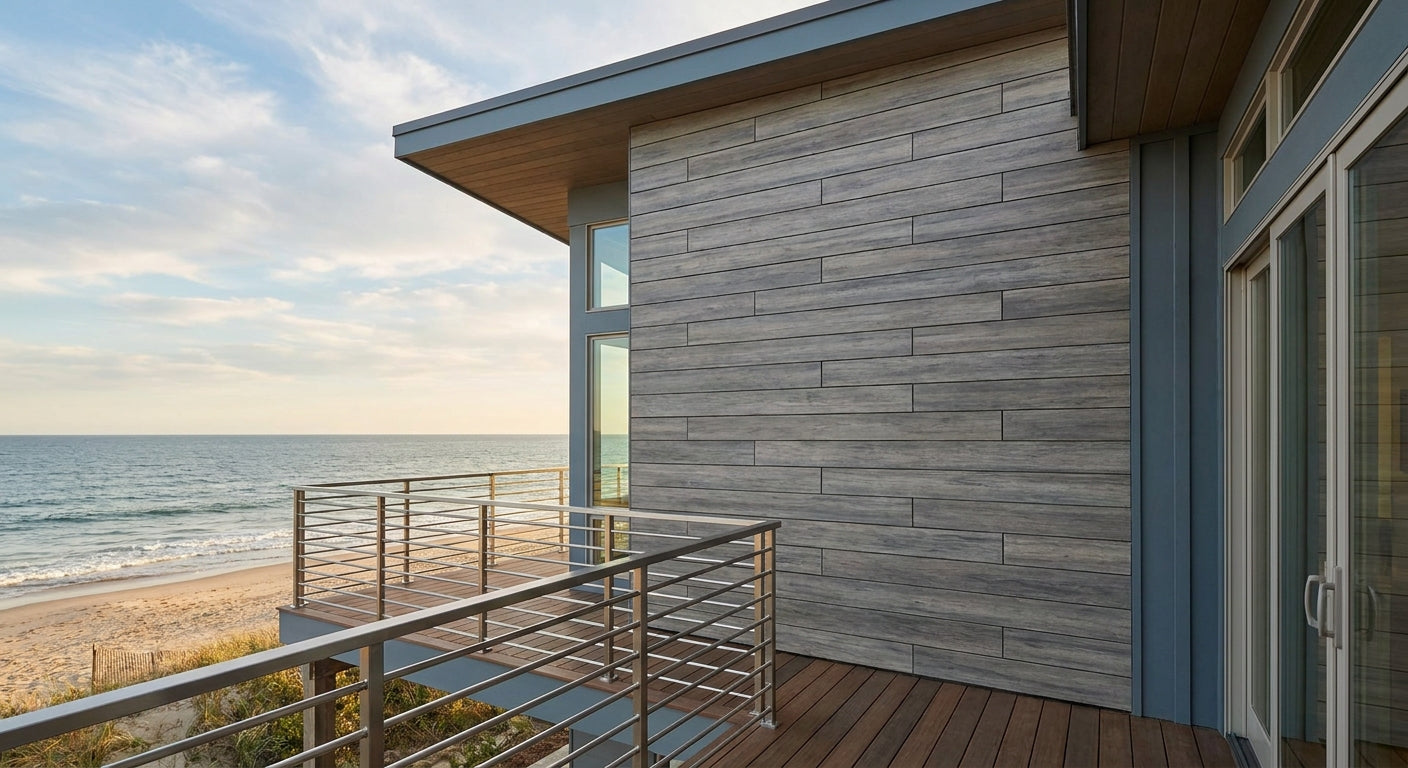
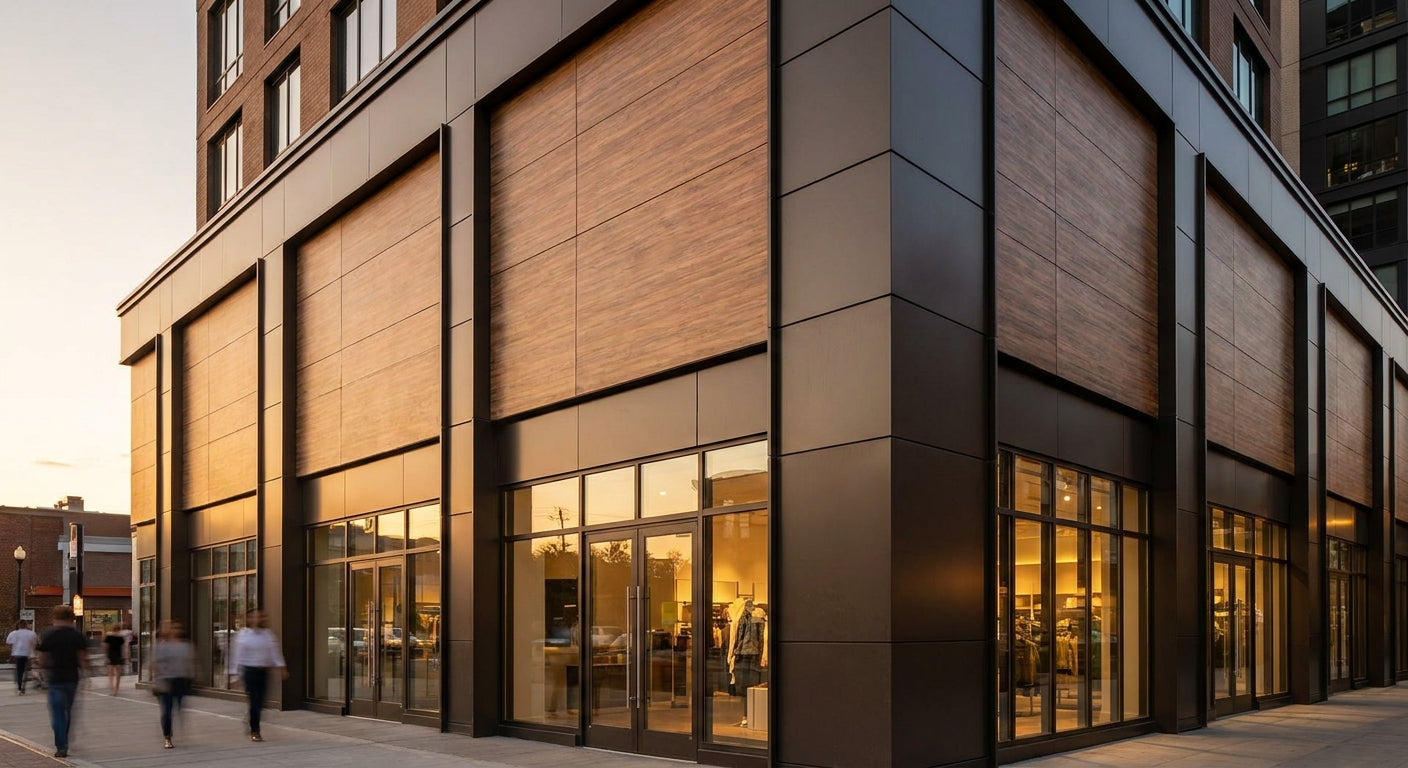
This is the panel installers reach for when a client wants a modern coastal look without babysitting the finish. The neutral gray tone is engineered to resist the visible chalking that darker or warmer composite colors show first under direct salt-air sun exposure. Homeowners on exposed lots — full sun, minimal tree cover, direct sightline to water — get the longest color life out of this shade because it was formulated for high-UV conditions.
It pairs well with black window trim and standing-seam metal roofs, a combination that's become the default look for new coastal builds in 2026. Verdict: Buy for any home with unobstructed sun exposure and a modern facade goal.
2. Exterior Wall Panel Black — the wildcard
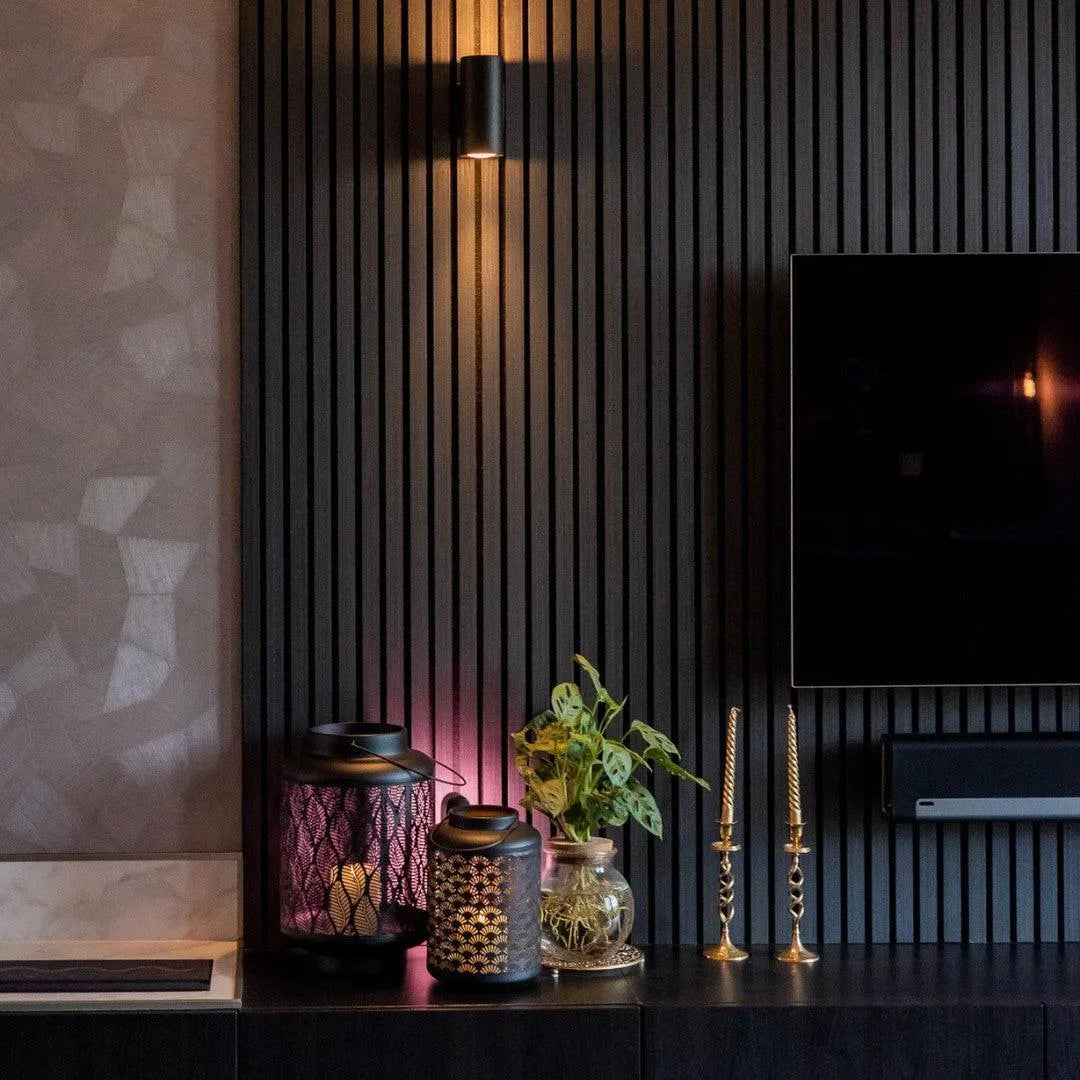
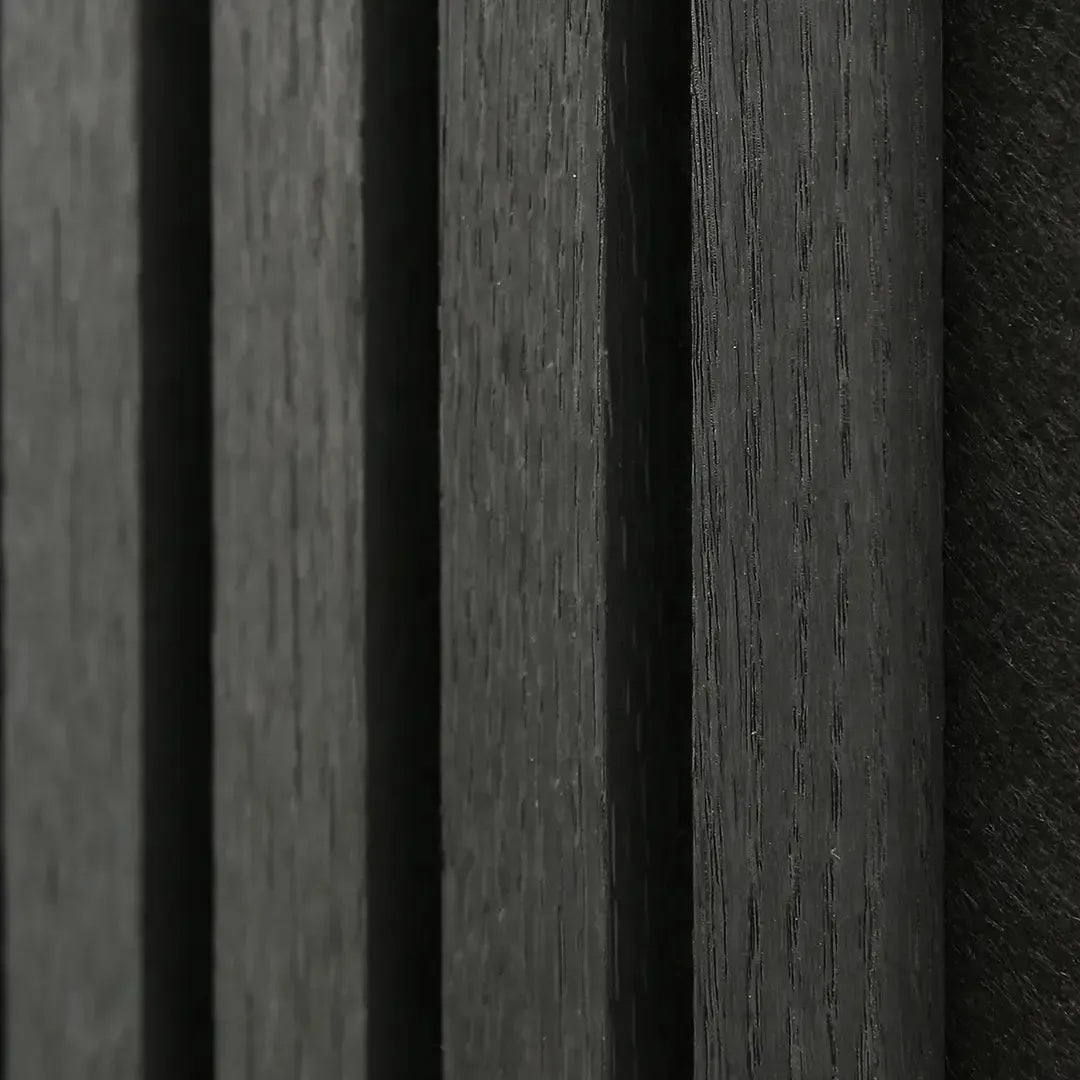
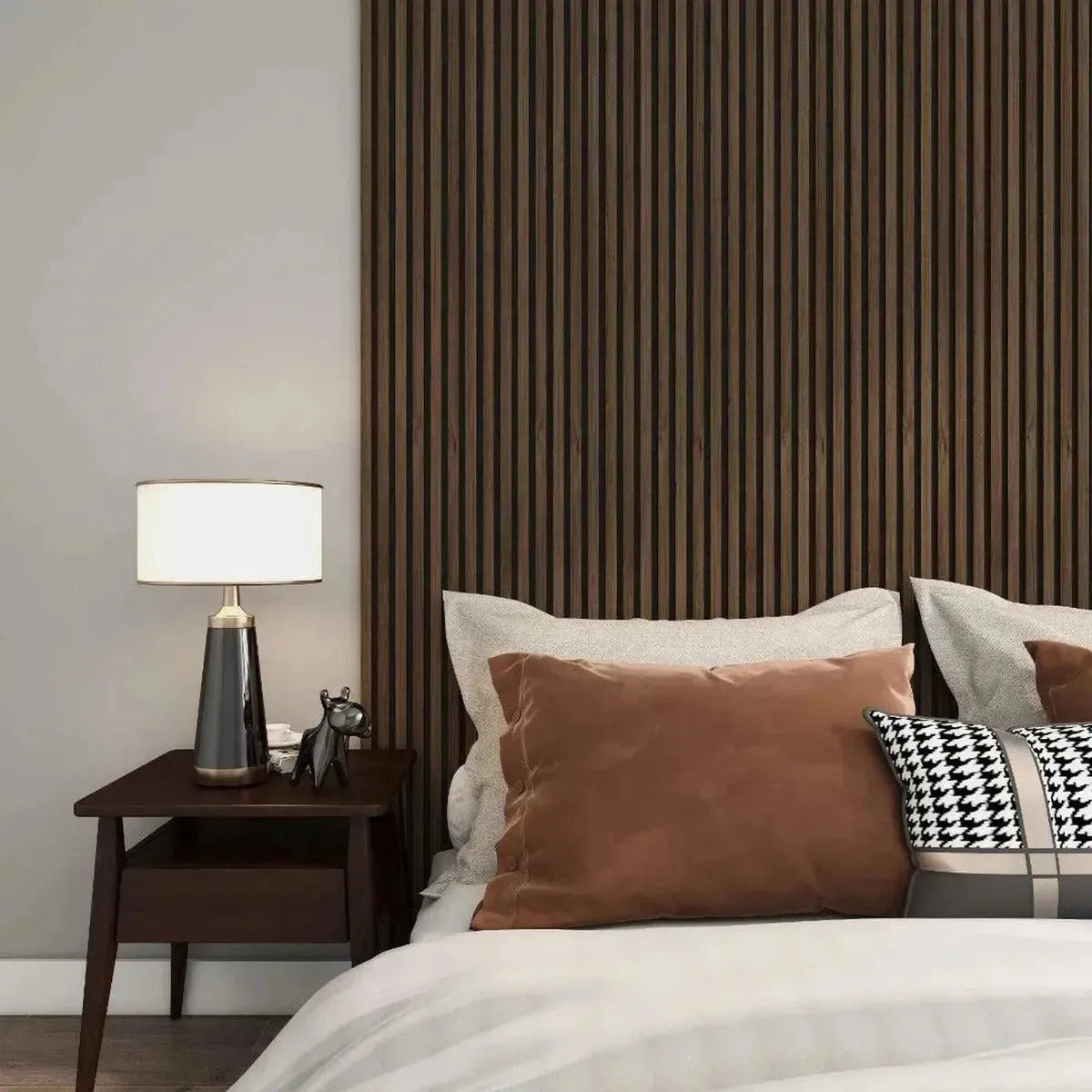
Black cladding on a coastal home is a design statement, and it works, but only with the right orientation. Dark composite surfaces absorb more heat under direct sun, which can accelerate expansion-contraction cycling in panels mounted on south- or west-facing walls with no shade. On a covered porch elevation, a north-facing wall, or a home with mature tree cover, that heat concern mostly disappears.
The payoff is a facade that reads as high-end and doesn't show salt residue as visibly as lighter finishes — salt film shows up as white haze on dark surfaces less than most people expect, and rinses off easily. Verdict: Buy for shaded or covered elevations, Consider for full-sun walls where you'll want to check panel behavior after the first summer. Exterior Wall Panel Black
3. Exterior Wall Panel Oak — the warm-tone alternative
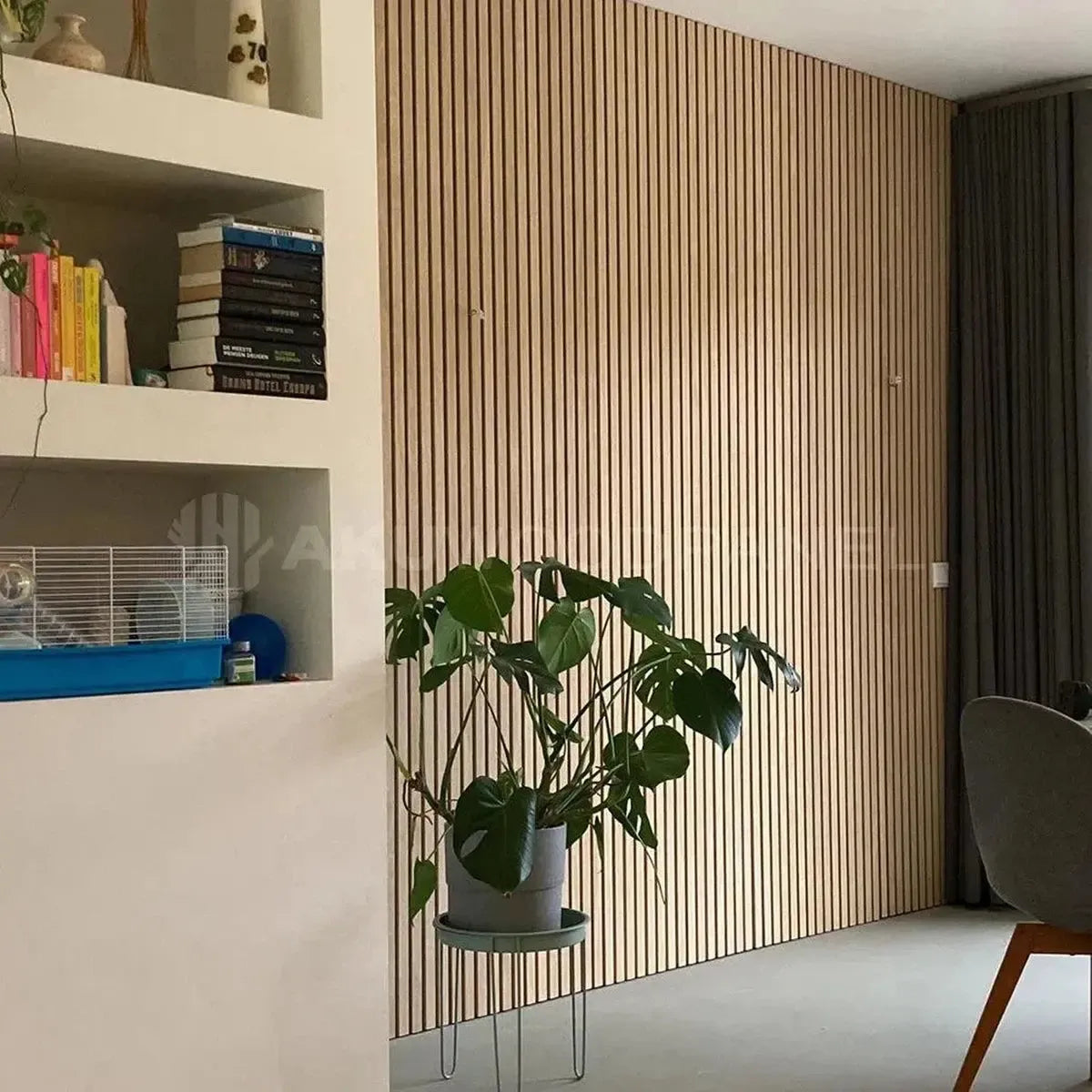
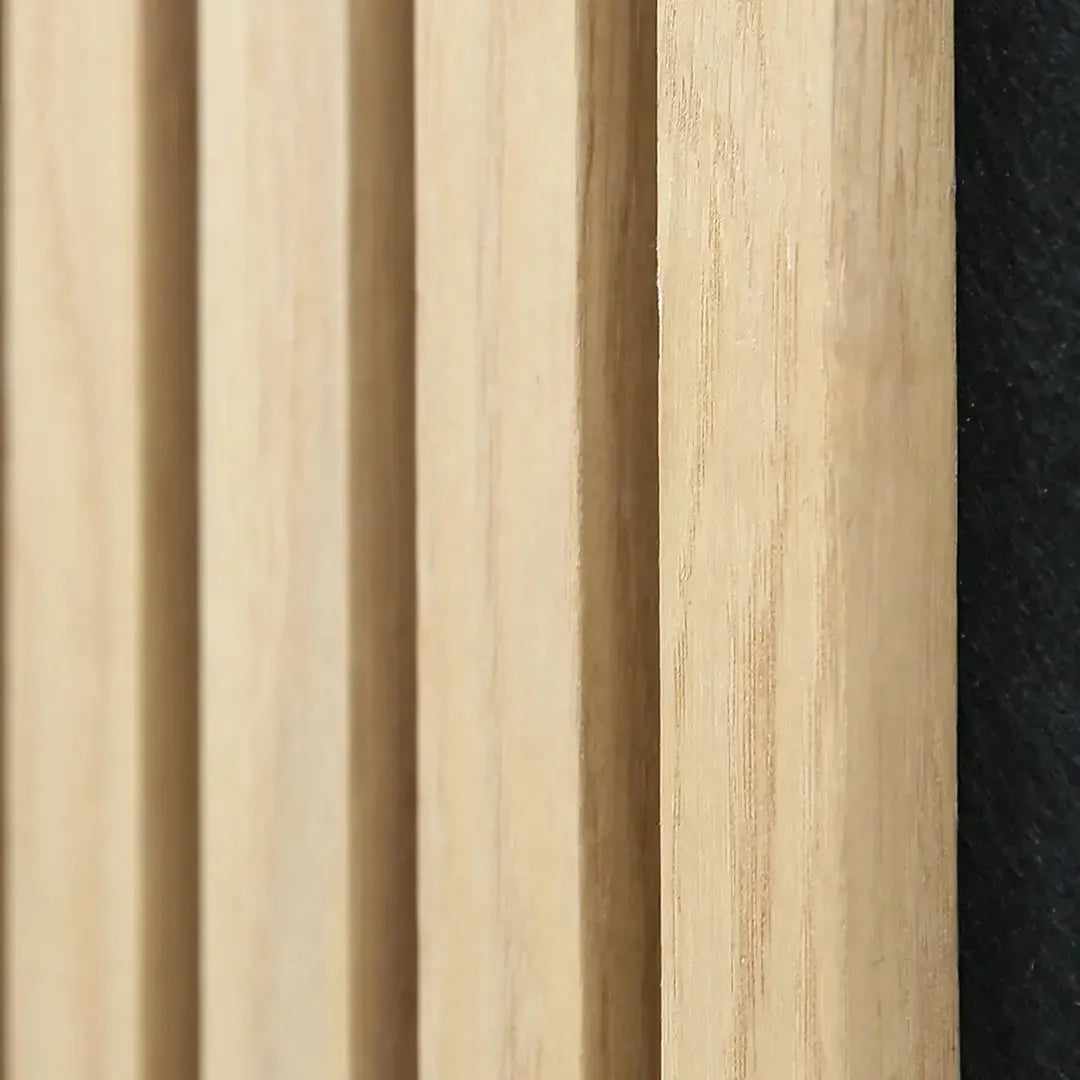
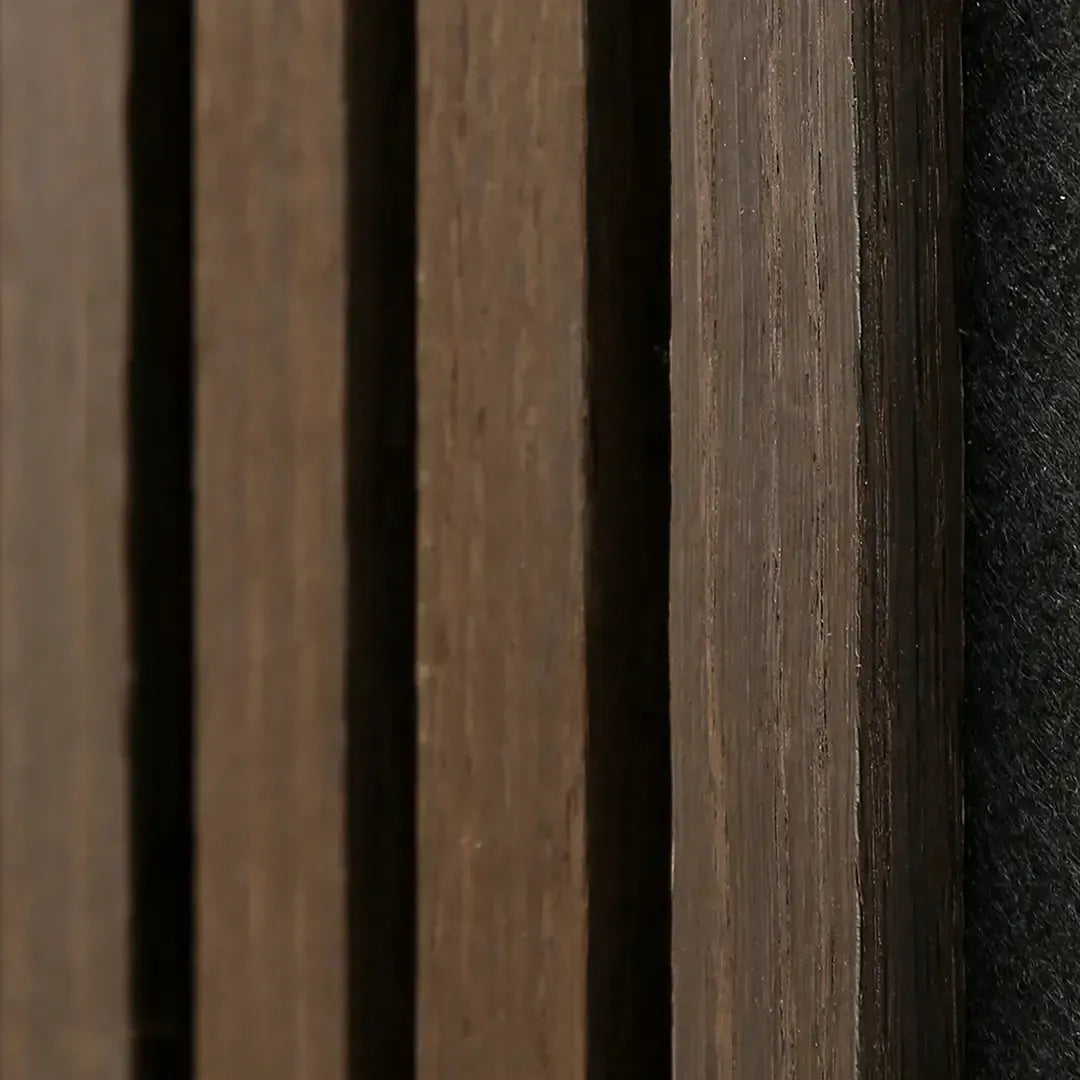
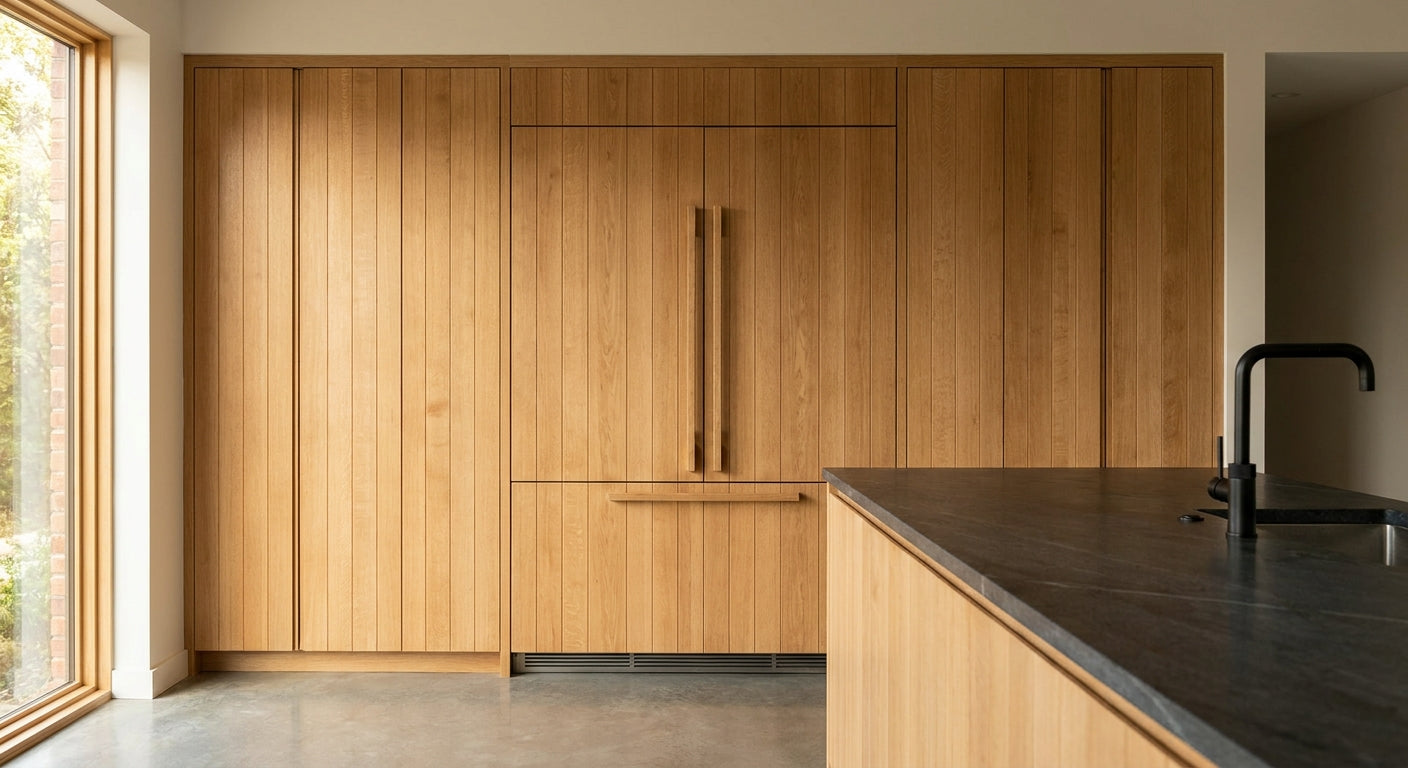
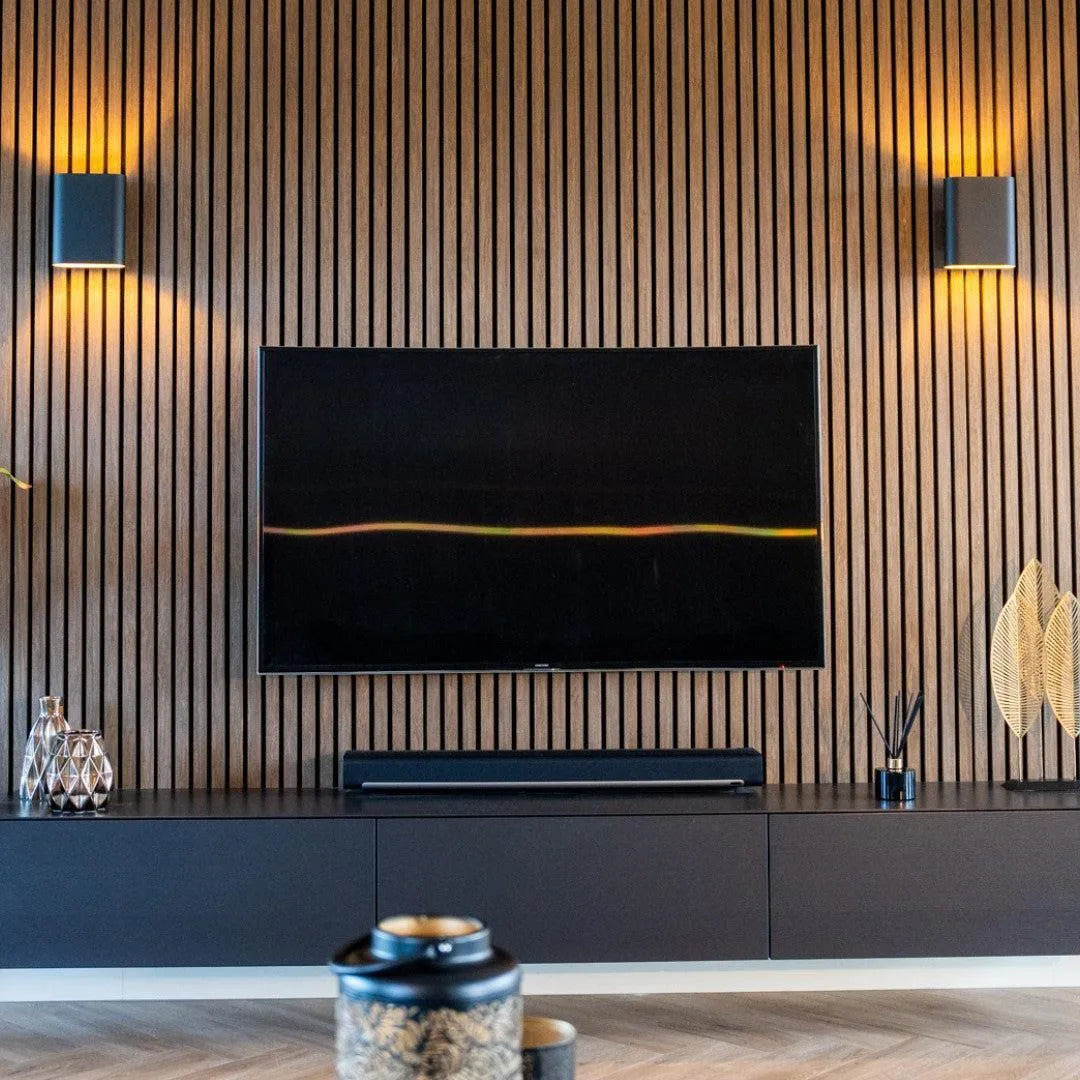
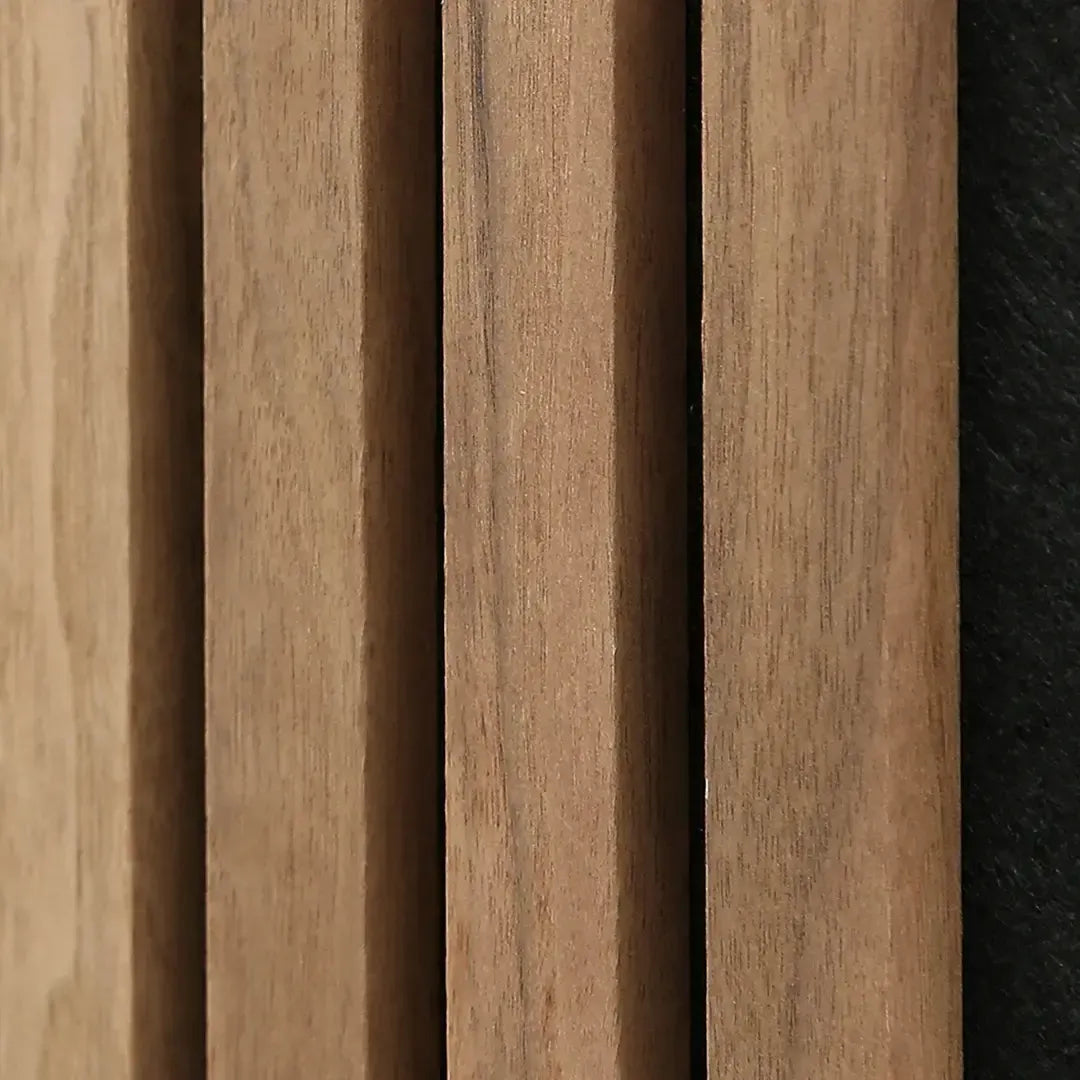
Buyers who want the look of natural wood siding without the maintenance calendar land here. The oak-toned composite gives you visible grain texture and a warm palette that reads as approachable rather than stark, which matters for beach cottages and rental properties trying to keep a coastal-cottage aesthetic. Unlike raw cedar or pine, it isn't swelling and cupping every time humidity spikes.
It's the pick for homeowners renovating an older coastal property who want continuity with a wood-look interior, since Akuwoodpanel's oak finishes carry across both interior and exterior lines. Verdict: Buy for anyone prioritizing a natural look over a strictly modern one. Exterior Wall Panel Oak
4. Exterior Wall Panel Birch — the budget-conscious option
Birch-finish composite panels give a lighter, softer wood tone than oak at a comparable install complexity, and they show up often on secondary structures — pool houses, sheds, garden walls — where the full facade budget doesn't apply. It's not the first choice for a primary elevation getting direct salt spray, since lighter finishes on secondary structures see less scrutiny if minor tonal shift happens over a few seasons. Verdict: Consider for secondary structures and accent sections; Skip it as the sole cladding on a fully exposed primary facade if you want maximum fade resistance.
5. Generic unbranded composite cladding
Big-box composite panels without a documented UV-stable pigment system are common on coastal listings, and they're the most frequent source of the fading complaint homeowners bring to contractors. Without a sealed, pigmented composite core built for salt exposure, these panels behave more like painted wood — they need recoating on a schedule, not a one-time install. Verdict: Skip for any home within direct salt-spray range of the coast.
Comparison table
| Panel | Best For | Sun/Shade Requirement | Maintenance Load | Verdict |
|---|---|---|---|---|
| Exterior Wall Panel Stone Gray | Modern full-sun facades | Any exposure | Low | Buy |
| Exterior Wall Panel Black | Shaded or covered walls | Partial shade preferred | Low-Medium | Buy / Consider |
| Exterior Wall Panel Oak | Natural wood-look coastal homes | Any exposure | Low | Buy |
| Exterior Wall Panel Birch | Secondary structures, accents | Any exposure | Low-Medium | Consider |
| Generic unbranded composite | Not recommended near saltwater | N/A | High | Skip |
Where to buy
- Buy directly from the manufacturer when the product page documents the composite finish and coastal-appropriate UV rating — Akuwoodpanel lists its exterior panel line with the finish details you need to confirm before ordering.
- Avoid marketplace listings that don't specify whether the color is a pigmented composite or a painted surface layer; that distinction is the difference between a 2026 install still looking good in 2031 and one that needs repainting by 2028.
- Order a sample panel before committing to full coverage on a large coastal elevation. Seeing the finish under your actual light and salt conditions for a few weeks beats trusting a product photo.
FAQ
What's the best composite cladding for a coastal home? For most full-sun coastal facades, the Exterior Wall Panel Stone Gray is the strongest choice because its neutral pigment resists visible fading better than darker composite finishes under direct salt-air sun exposure.
Is composite cladding better than wood for coastal homes? Yes, for coastal exposure specifically — composite panels with a sealed finish don't cup, swell, or check the way raw wood does when humidity regularly tops 80% near the shoreline.
How much does composite cladding cost compared to vinyl? Pricing varies by finish and coverage area, so check current pricing on the specific panel page before budgeting a full facade.
Does black composite cladding fade faster near the ocean? Dark finishes can show heat-related wear on unshaded, full-sun walls faster than lighter tones, which is why black composite panels perform best on shaded or partially covered elevations.
Can composite cladding go directly over an existing wall? Most composite panel systems are designed for a proper mounting substrate rather than direct adhesion to an existing finish, so confirm mounting requirements before installing over old siding.
How often does coastal composite cladding need maintenance? A properly finished composite panel needs periodic rinsing to clear salt residue, not repainting — that's the core maintenance difference versus painted wood siding.
What color composite cladding hides salt residue best? Stone gray and other mid-tone neutrals tend to hide salt film better than pure black or very light white finishes, which show residue more visibly between rinses.
Is composite cladding rated for hurricane-prone coastal areas? Check the specific panel's rating documentation for wind and impact resistance in your region before finalizing a coastal build in a hurricane-prone zone.
One last thing
The fading complaint homeowners bring up most in 2026 isn't about the cladding itself — it's about installers skipping proper ventilation gaps behind the panel, which traps moisture against the wall assembly regardless of how good the composite finish is. Before you sign off on any coastal install, confirm the wet-climate installation guidance is being followed — the panel choice matters less than the gap behind it.
 Better performance and aesthetic appeal
 In Stock