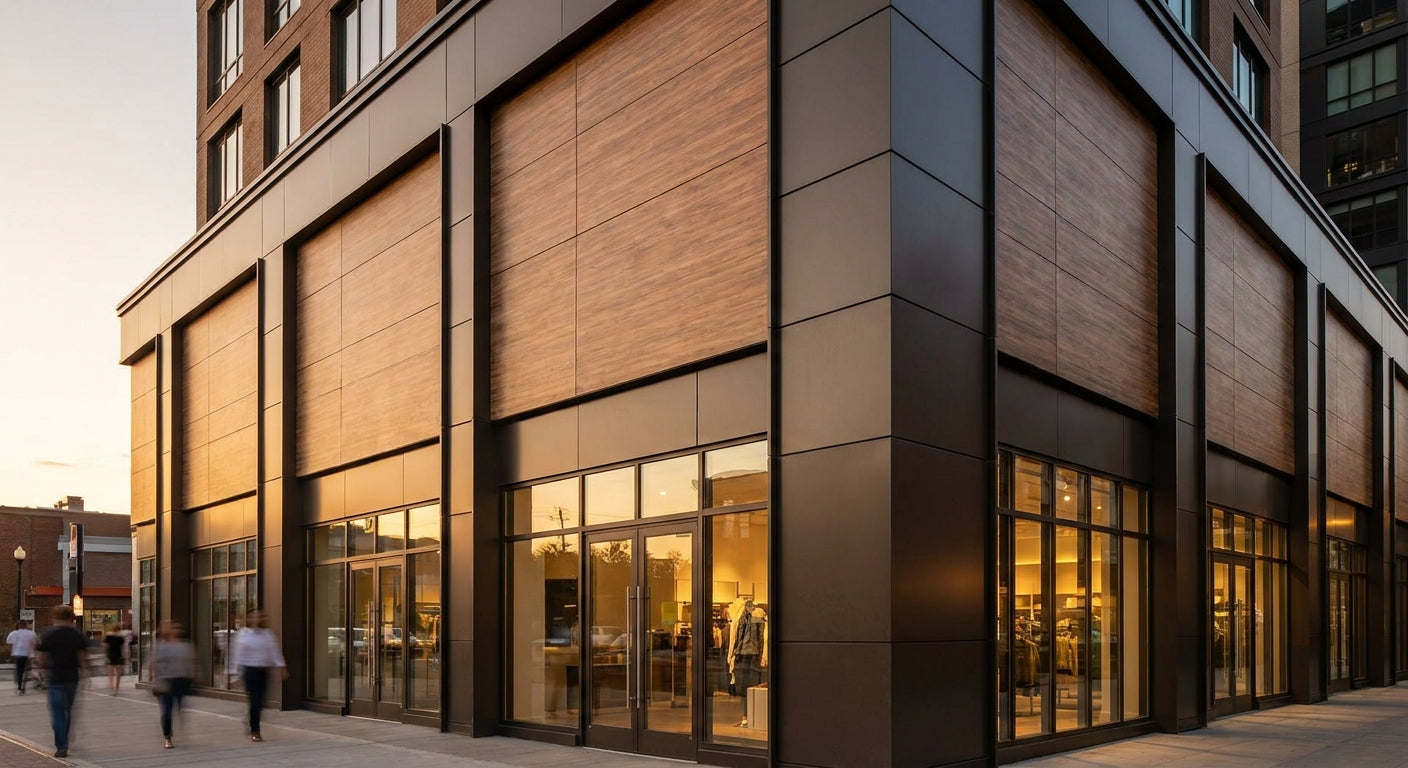
Storefront facades take more abuse than almost any other surface on a commercial building — sun, rain, foot traffic, delivery trucks backing up too close — and the wrong panel choice shows it within a season. This guide breaks down what actually holds up on retail building fronts in 2026 and which exterior facade panels are worth specifying.
TL;DR
For commercial retail facades, prioritize panels rated for UV and moisture exposure with a documented fire classification, not just "weatherproof" marketing language. Among exterior facade panels for commercial retail projects, Aku Wood Panel's exterior wall panel line in oak and black finishes is a Buy for storefronts needing real wood veneer texture without interior-grade panels failing outdoors. Stone gray works as a Consider for developers matching concrete or masonry storefronts. Skip anything marketed as "decorative wood panel" with no exterior rating — that's an interior product wearing a storefront's job.
Why This Matters
A retail facade is a sales tool before it's a wall. Shoppers decide whether to walk in within seconds of seeing the storefront, and a warped, faded, or water-stained panel undercuts that decision before a customer reads a single sign. Commercial landlords and retail brands replacing facades in 2026 are also dealing with tighter fire code enforcement on multi-tenant strip centers and mixed-use ground floors, which changes what's actually specifiable versus what just looks good in a rendering.
The panel category itself has gotten more competitive — composite cladding, fiber cement, metal, and real-wood-veneer exterior panels are all pitched at retail fit-outs now. The differences that matter for a commercial front aren't cosmetic. They're fire rating, fastening system, and how the panel behaves after 18 months of sun exposure.
Who This Is For
This is for retail store owners, commercial general contractors, and facade specifiers handling ground-floor storefronts, strip mall fronts, and mixed-use retail exteriors — anyone deciding between cladding systems for a building front that needs to survive weather exposure while still doing the visual work of attracting foot traffic.
What to Look For in Exterior Facade Panels for Commercial Retail
Weather and UV resistance
Retail fronts often face south or west exposure with zero overhang protection, and UV breakdown shows up as fading and micro-cracking long before structural failure does. A panel rated for direct UV exposure holds color consistency across a storefront run better than one rated only for "outdoor use" in general terms. Ask for the specific UV and moisture test basis, not just the word "exterior" on a spec sheet.
Fire classification for commercial code
Commercial retail buildings, especially multi-tenant strip centers, get inspected against stricter fire codes than single-family exteriors. A panel without a documented fire rating can hold up a certificate of occupancy or fail a fire marshal walkthrough after installation — an expensive mistake to catch late. Confirm the fire classification in writing before the panel goes on the truck.
Panel thickness and impact resistance
Storefronts take contact damage: shopping carts, delivery dollies, the occasional car bumper. Thicker panel profiles resist dents and edge chipping better than thin decorative sheets built for indoor accent walls. This matters most at corners and the lower three feet of the facade, where most impact happens.
Installation and ventilation system
Exterior wood-look panels need an airgap or rainscreen mounting system behind them to prevent moisture trapping against the substrate. A panel installed flush against sheathing without a vented cavity traps condensation and accelerates rot regardless of how good the panel finish is. The mounting hardware — screws, corner trim, finishing trim — matters as much as the panel face.
Color and finish consistency across a large run
A single storefront might need 200-400 square feet of continuous panel, and finish batch variation becomes obvious at that scale in a way it never does on a small interior accent wall. Ask about finish consistency across production runs before committing to a full facade order, not after the panels arrive mismatched.
Maintenance requirements
Retail landlords rarely budget for facade maintenance beyond an annual pressure wash. Panels that need re-sealing, re-staining, or specialty cleaners every year become a line-item headache for property managers. Low-maintenance finishes save real operating cost over a 5-10 year hold.
Top Picks for Commercial Retail Facades
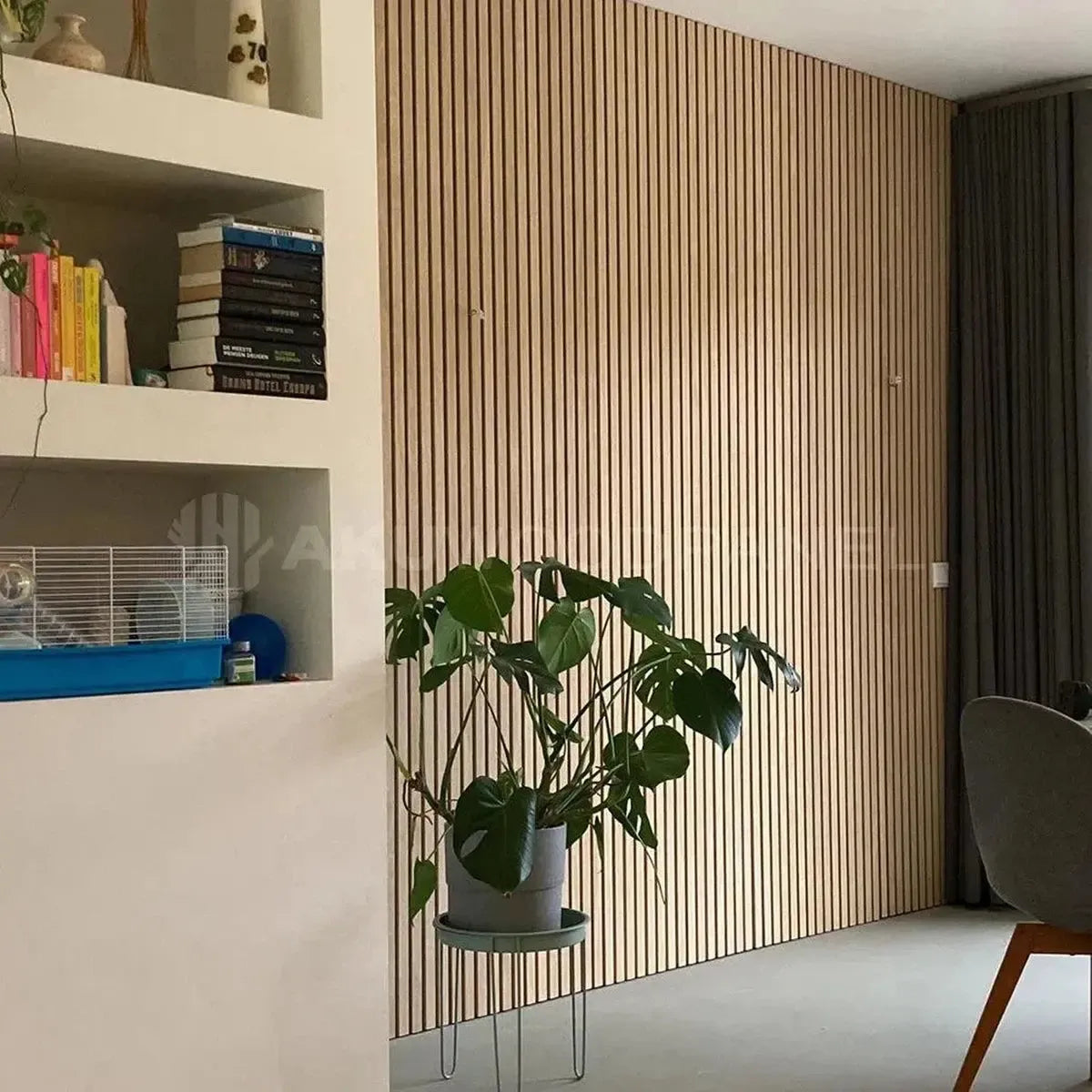
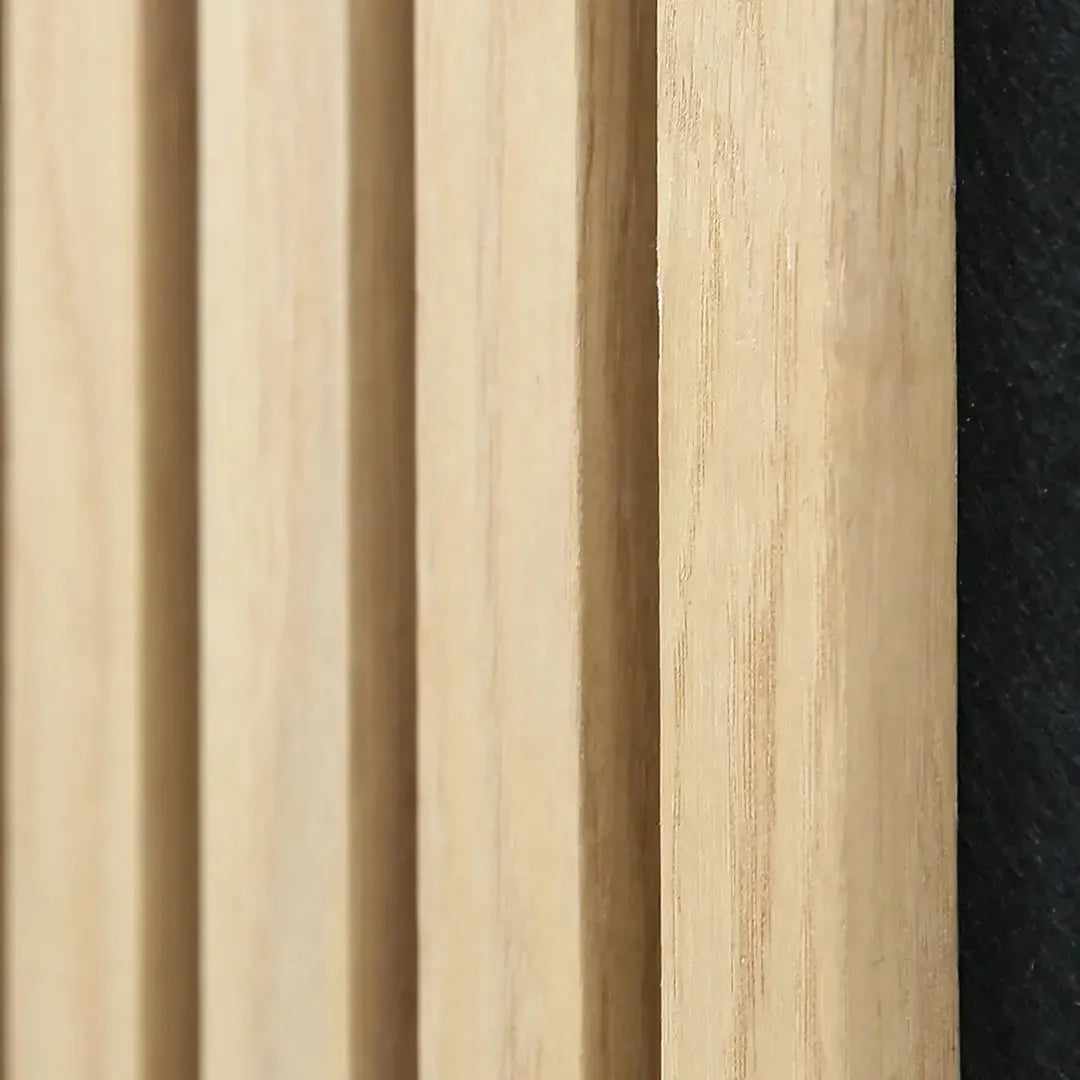
Exterior Wall Panel – Oak — the classic pick. Oak-finish wood-look exterior panels read as warm and premium against glass storefronts and work well for boutique retail, cafes, and salon fronts that want texture without going stark. Verdict: Buy for storefronts targeting a warm, natural-material first impression.
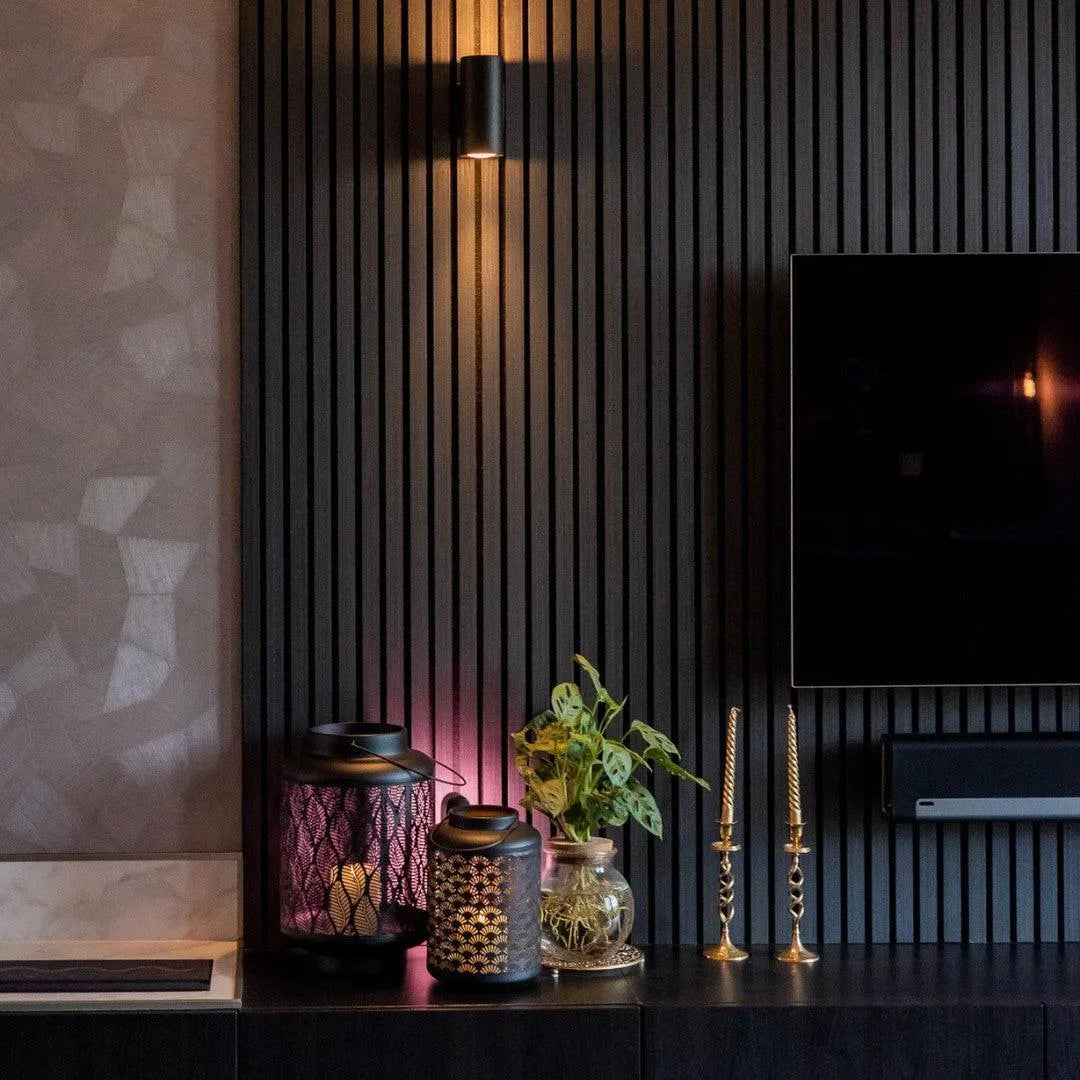
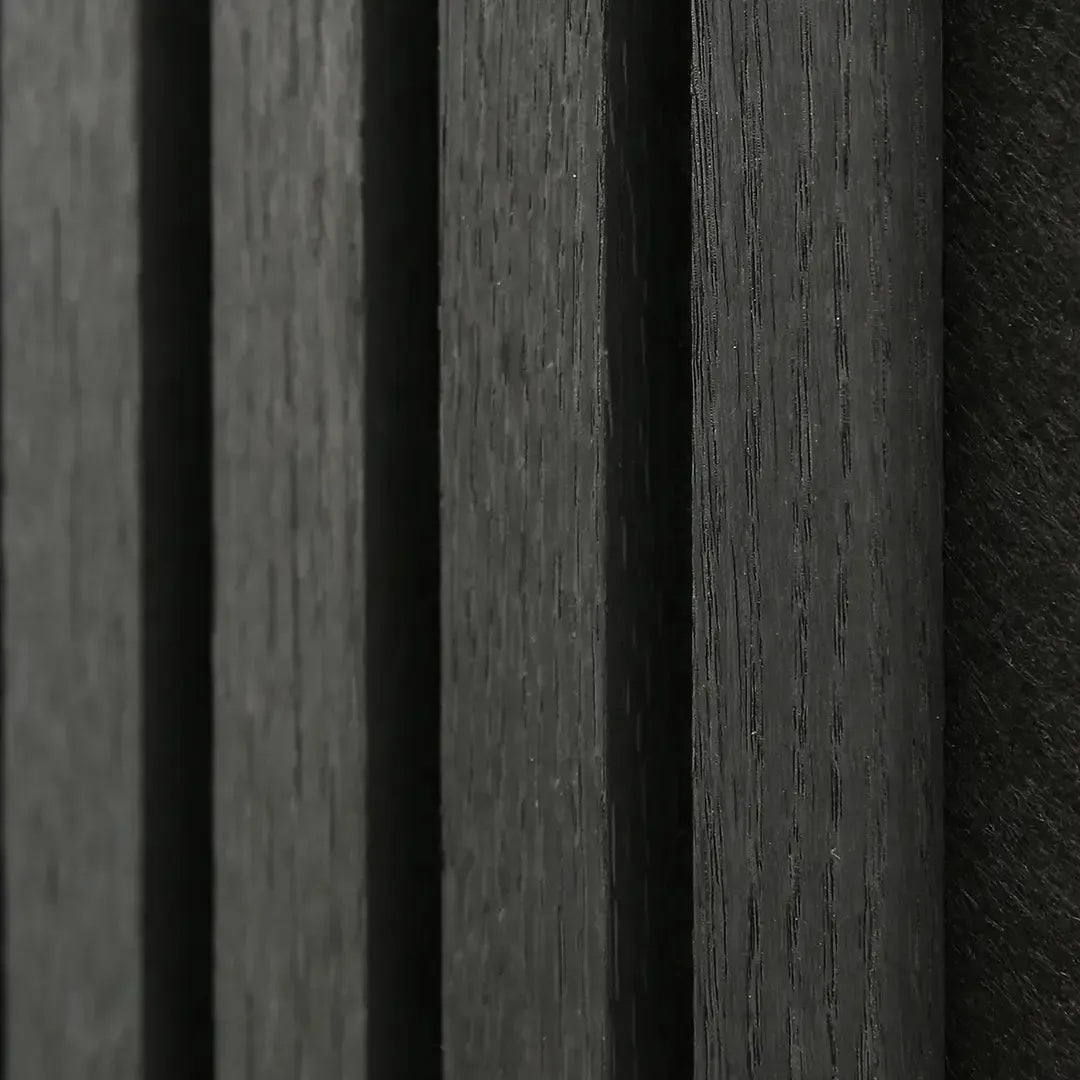
Exterior Wall Panel – Black — the bold pick. Black exterior facade panels create high contrast against signage and glazing, a look that's shown up repeatedly on 2026 retail renovation projects going for a modern, gallery-like storefront. Verdict: Buy for brands wanting the facade itself to do visual work, not just frame the sign.
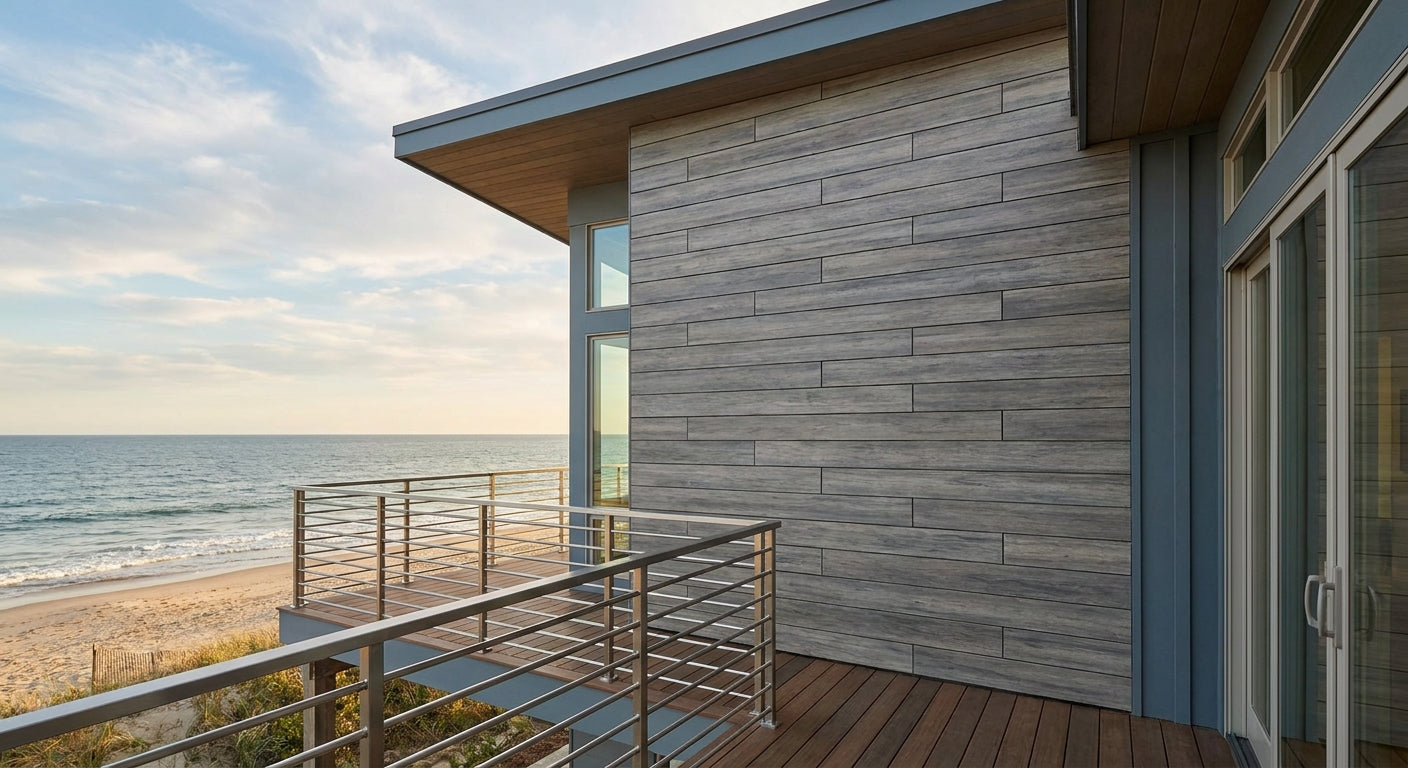
Exterior Wall Panel – Stone Gray — the safe neutral pick. Stone gray reads as closer to concrete or stucco than to raw wood, which makes it the easier sell to landlords and HOAs wary of a "too rustic" storefront look. Verdict: Consider if the property or center has an existing neutral material palette to match.
Exterior Wall Panel – Birch — the lighter budget-conscious pick. Birch gives a lighter wood tone at a gentler visual weight than oak, suited to smaller storefront footprints where a darker panel would feel heavy. Verdict: Consider for compact retail fronts under roughly 150 square feet of facade.
What to Avoid
- Interior-only wood veneer panels marketed loosely as "outdoor-friendly." If the product line doesn't explicitly list exterior-rated moisture and UV performance, it's built for a living room, not a storefront in direct sun.
- Thin composite panels with no airgap installation guidance. If the install instructions don't mention a ventilated cavity or rainscreen mounting, moisture will get trapped against the wall assembly.
- Panels with no written fire classification. "Fire resistant" without a cited rating is a marketing phrase, not a code-compliance answer — commercial retail inspectors will ask for the number, not the phrase. Related reading: fire-retardant slat panels for commercial projects covers how this applies to interior commercial fit-outs too.
Verdict Comparison
| Panel | UV/Weather Rating | Visual Weight | Best Fit | Verdict |
|---|---|---|---|---|
| Exterior Wall Panel – Oak | Exterior-rated | Medium-warm | Boutique retail, cafes | Buy |
| Exterior Wall Panel – Black | Exterior-rated | Bold/high-contrast | Modern retail, flagship fronts | Buy |
| Exterior Wall Panel – Stone Gray | Exterior-rated | Neutral | Multi-tenant centers, HOA-restricted sites | Consider |
| Exterior Wall Panel – Birch | Exterior-rated | Light | Small-footprint storefronts | Consider |
For a broader look at how facade material choices shift across commercial building types, see facade panels for modern commercial building exteriors.
Frequently Asked Questions
What's the best exterior facade panel for a commercial retail storefront? Oak and black exterior wall panels rated for outdoor UV and moisture exposure are the strongest picks for retail storefronts in 2026, since they hold color and texture through direct sun exposure better than interior-grade wood veneer panels.
Is wood-look exterior cladding better than fiber cement for retail fronts? Wood-look exterior panels give more warmth and texture at eye level than fiber cement, which reads flatter but can be lower-maintenance in high-rain climates; the right call depends on climate exposure and whether the storefront is going for a warm or industrial look.
Do commercial retail facade panels need a fire rating? Yes — multi-tenant retail buildings and strip centers are inspected against commercial fire code, and a panel without a documented fire classification can delay occupancy approval even if it looks identical to a rated product.
How much facade coverage does a typical retail storefront need? Coverage varies by storefront width and height, but small retail fronts commonly run 100-400 square feet of facade material; measure the full elevation including any recessed entry before ordering.
Can exterior wood panels be installed over an existing stucco or block wall? Exterior wall panels typically mount to furring strips or a rainscreen system over the existing substrate rather than direct adhesive application, which preserves the ventilation gap the panel needs to perform long-term.
How often do commercial exterior wood-look panels need maintenance? Low-maintenance exterior finishes generally need only an annual rinse or light wash rather than yearly re-sealing, which is a meaningful savings for property managers budgeting facade upkeep across 2026 and beyond.
What's the difference between exterior wall panels and interior slat wall panels? Exterior wall panels carry UV, moisture, and often fire-rating specifications that interior slat wall panels don't need, since interior panels are never exposed to direct weather.
Does panel color affect facade performance, not just looks? Darker exterior finishes like black absorb more heat and can show UV fade faster in extreme sun exposure than lighter tones like stone gray or birch, which is worth factoring in for south- and west-facing storefronts.
One Last Thing
The detail most facade projects miss isn't the panel — it's the corner and edge trim. A commercial storefront run without matched finishing trim at outside corners is where water intrusion and visible seams start first, well before the panel face itself shows any wear, so budget for trim and fastening hardware as part of the panel order, not as an afterthought line item.
 Better performance and aesthetic appeal
 In Stock