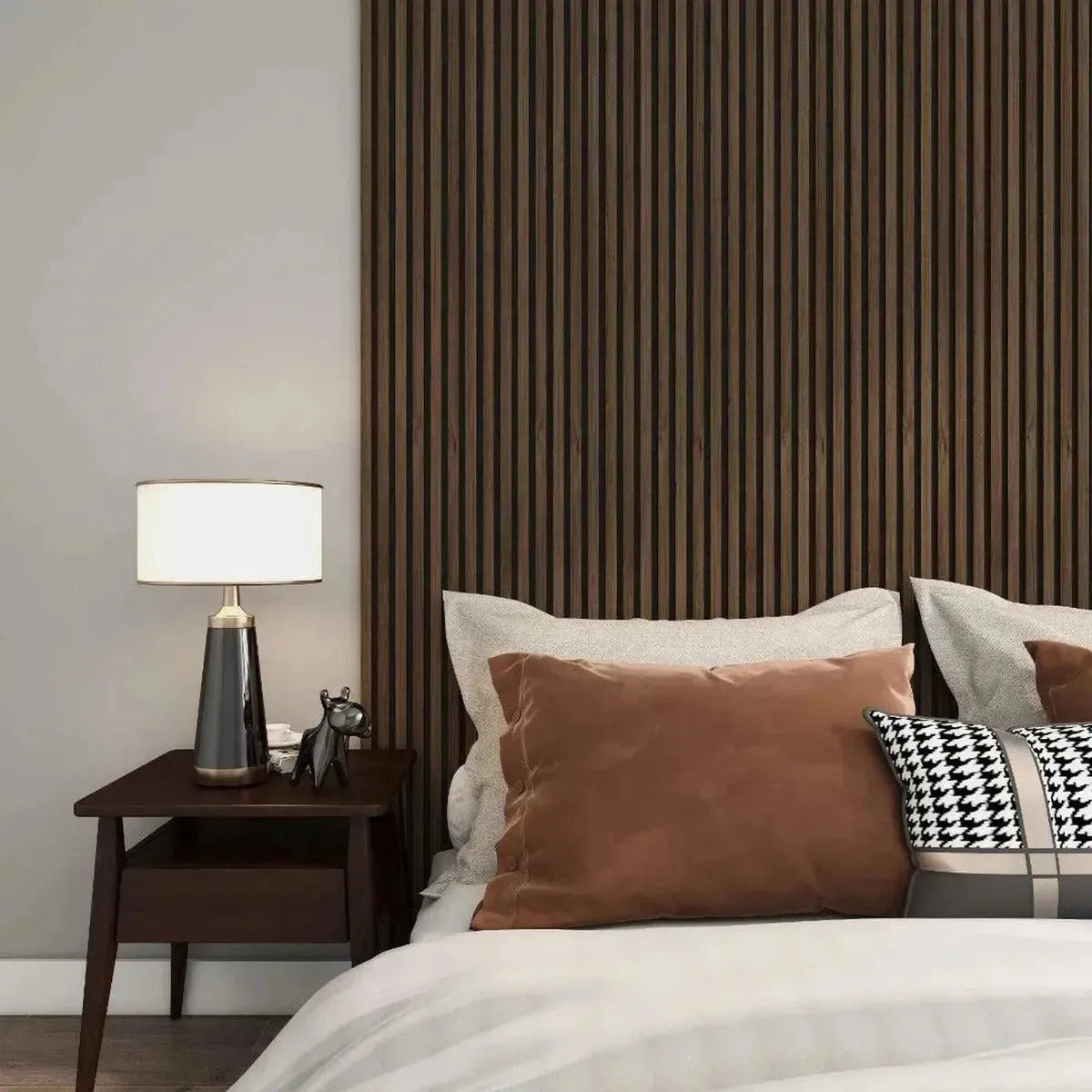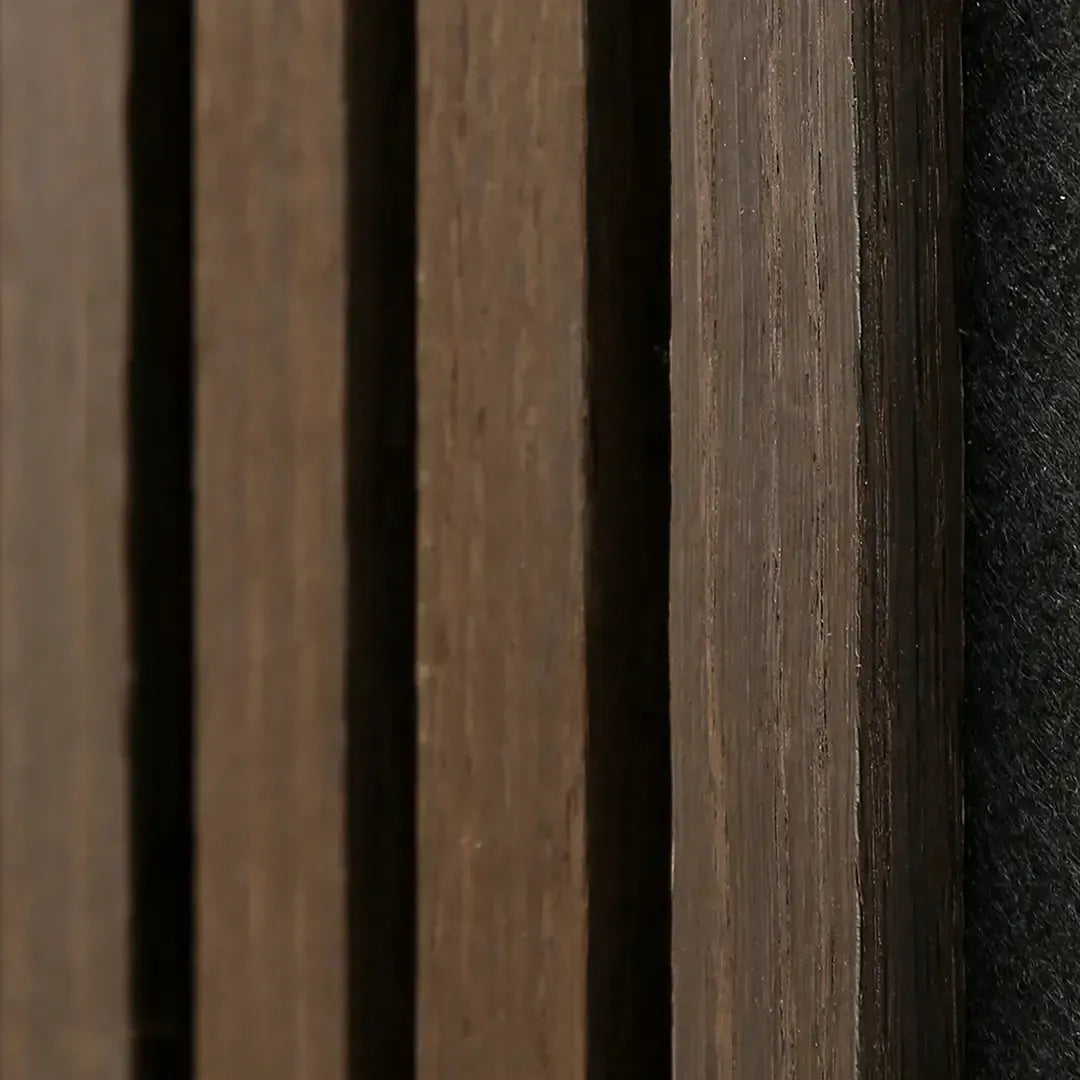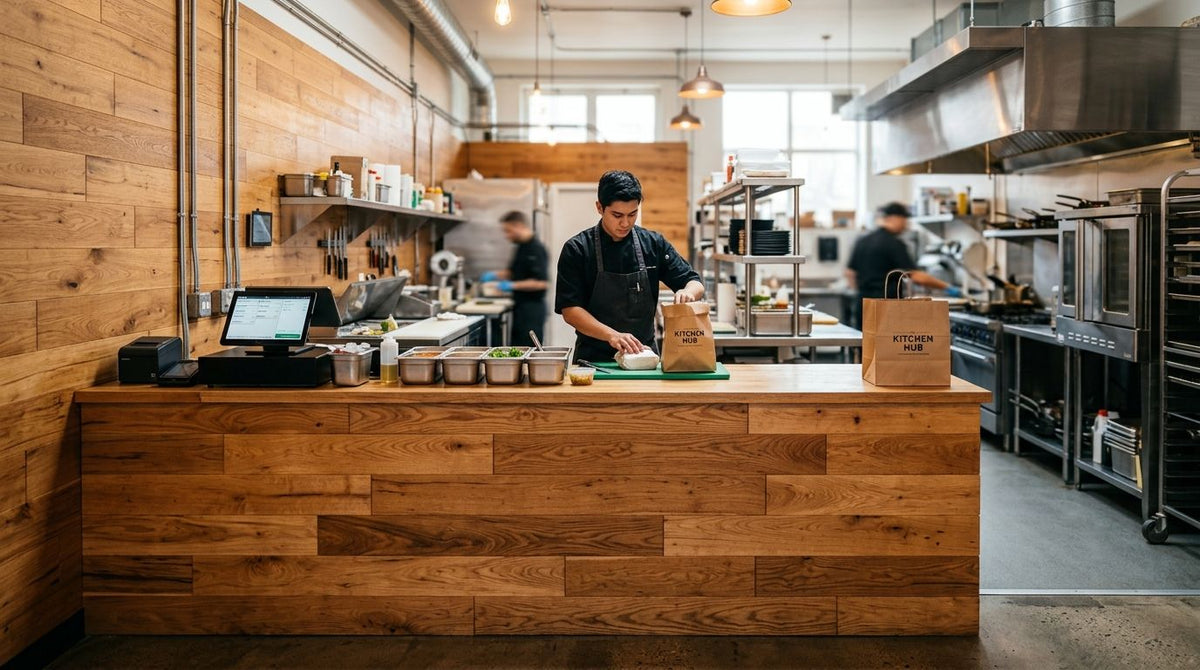
Ghost kitchen and cloud kitchen operators need wood wall panels that cut noise between production lines without slowing down health inspections or delivery throughput. Multiple brands sharing one shell, order-calling shouted over exhaust hoods, and a packaging counter running six phones at once make acoustic treatment a different problem than a dine-in restaurant ever has to solve.
- Wood panels for ghost kitchen interiors cut echo in packing, pickup, and expediting zones, never on food-contact prep walls.
- Felt-backed acoustic wood panels from Akustiq USA carry a 0.75 NRC rating for sound absorption as of 2026 spec sheets.
- Fire-retardant slat panels clear commercial kitchen inspections faster than untested foam or fabric wraps.
- Hexagon acoustic panels suit tight ghost kitchen footprints better than full slat runs when wall space splits between brands.
- Put panels on the wall behind the order-calling station, not on the cook line itself.
Why acoustic wood panels matter for ghost kitchens
A ghost kitchen packs more stainless steel, more hood exhaust, and more simultaneous orders into a smaller footprint than a traditional restaurant kitchen. Sound bounces off steel prep tables, tile, and bare drywall with nowhere to go, and that reverberation makes it harder for staff to hear order tickets called out over the packing line.
Unlike a sit-down restaurant, a ghost kitchen has no dining room absorbing noise with tablecloths, upholstered chairs, and carpet. Every wall is hard-surfaced by design because hard surfaces are easy to hose down and pass inspection. That's exactly why the walls that aren't in the splash zone — office corners, packaging counters, pickup vestibules, break rooms — end up carrying all the reverberation for the whole facility. Wood wall panels solve that without adding a single soft surface near food.
The Akustiq USA panel catalog covers acoustic slat panels, hexagon panels, and fire-retardant commercial options built for exactly this kind of mixed-use commercial fit-out.
Map your noise sources before you buy panels
Walk the facility during a peak order window, not during a quiet afternoon. Noise in a ghost kitchen isn't uniform — it clusters.
- Note where staff raise their voices to be heard over hood exhaust
- Flag the wall behind the expediting or order-calling station first
- Check whether multiple brand lines share one packing counter
- Identify hard parallel surfaces (steel-to-tile, steel-to-drywall) that bounce sound directly back
- Separate food-contact walls from office, corridor, and pickup walls before you spec anything
Choose a panel finish that survives grease and steam
Not every finish belongs in a commercial kitchen environment, even outside the direct cook line. Ambient grease and steam still travel through packing and office zones over a full shift.
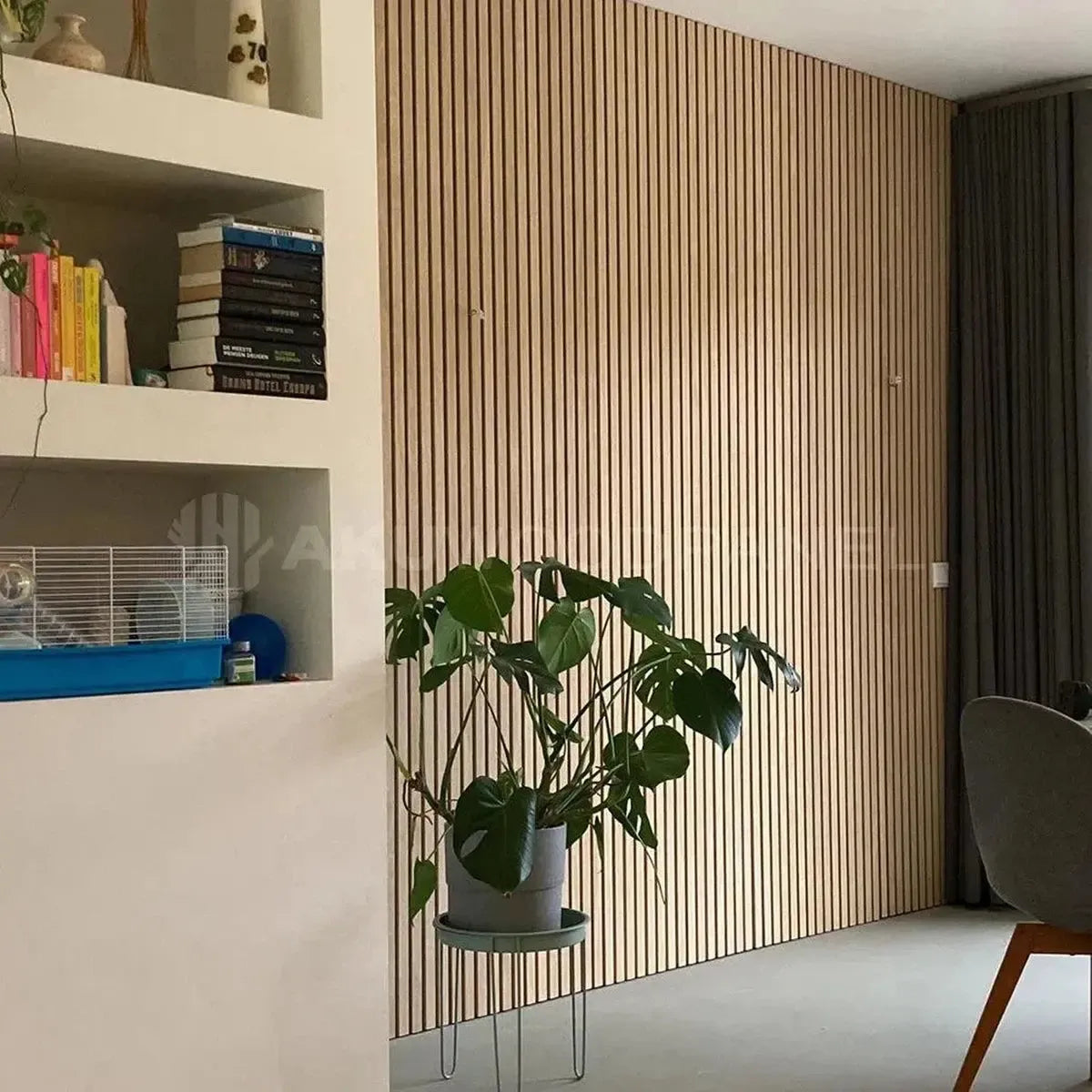
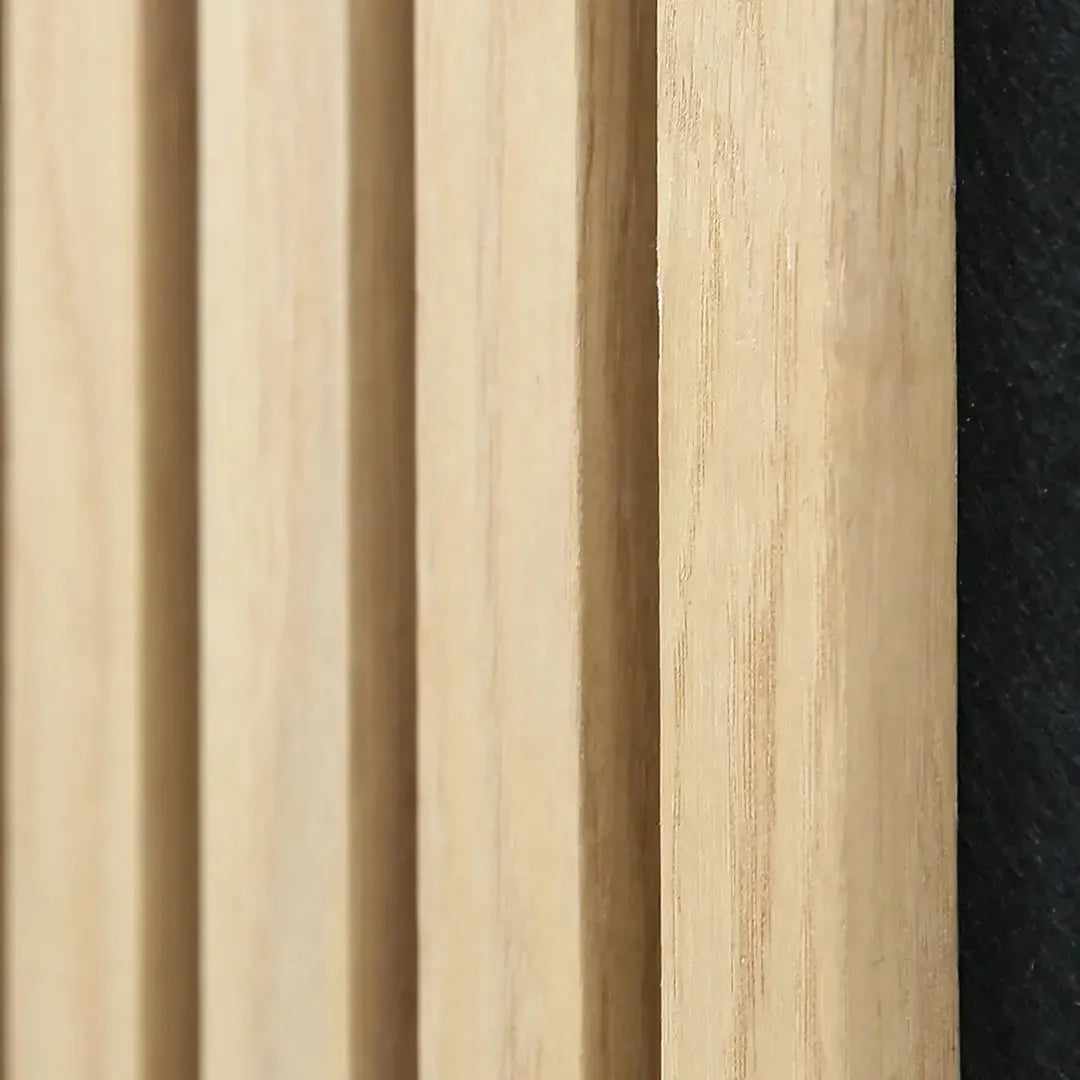
- Real wood veneer panels wipe clean without swelling the way laminate can
- Darker finishes like smoked oak or black oak hide grease film longer between cleanings than pale finishes
- Felt-backed panels add absorption but shouldn't sit within splash distance of a fryer or flat-top
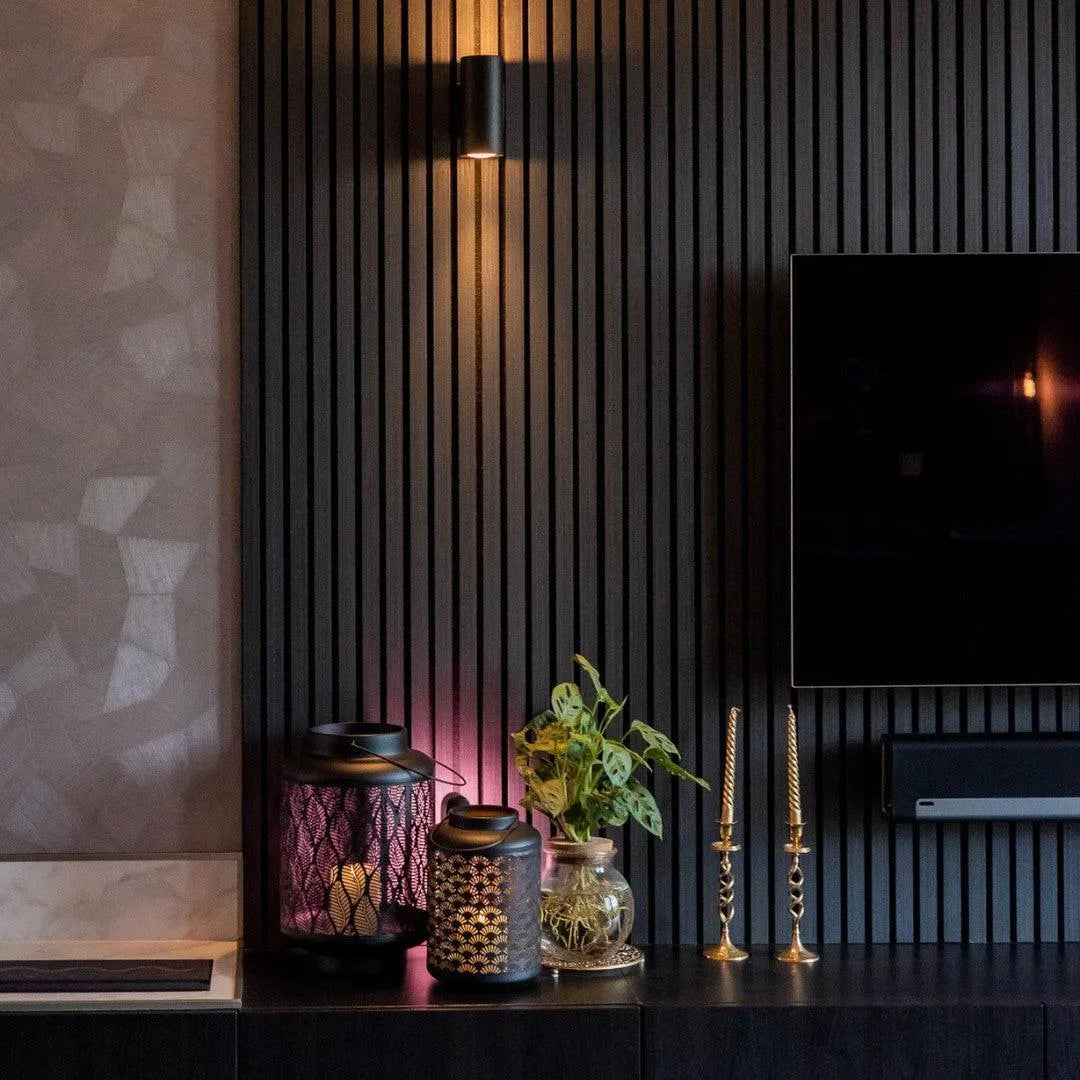
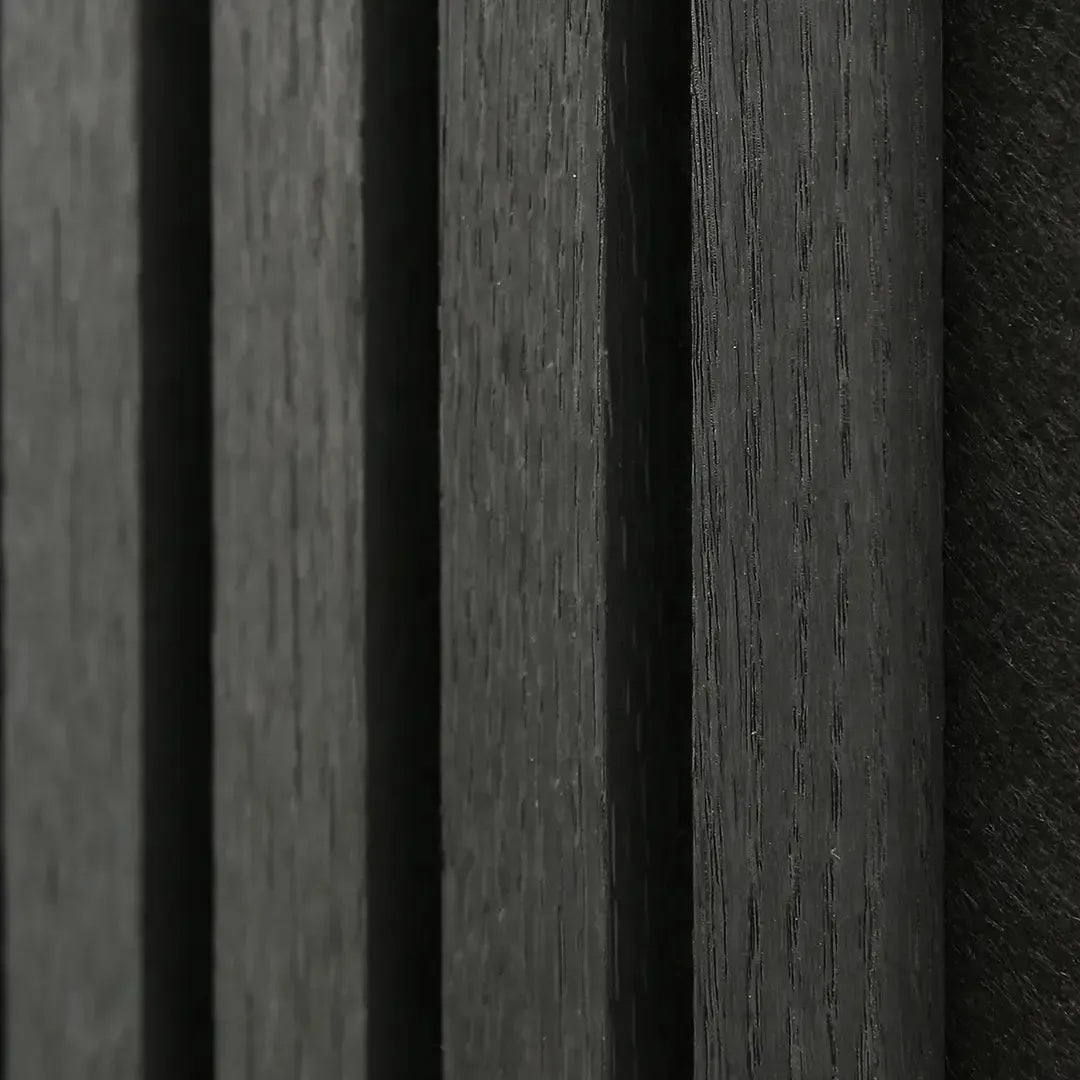
- A smoked oak slat panel with gray felt backing works well on office and corridor walls where steam is ambient, not direct
- DIY foam tiles are the cheaper first option, but they discolor and sag faster in humid commercial kitchens than a 3-sided wood veneer panel does
Meet fire code before you install anything
Commercial kitchen build-outs answer to fire marshal review before they answer to aesthetics. This is the step operators skip and regret.
- Confirm your local commercial kitchen code's flame-spread rating requirement before ordering panels
- Ask your supplier for fire-rated documentation in writing, not a verbal assurance
- Fire-retardant slat wall panels exist specifically for commercial fit-outs and clear inspection faster than generic foam
- Route panel and adhesive selection through your GC or fire inspector before the walls go up, not after
The fire-retardant slat wall panels built for commercial projects are the faster path here — they skip the back-and-forth of proving a non-rated product to an inspector mid-build.
Treat the line-calling zone first, not the whole room
Ghost kitchens run tight budgets. Full-room acoustic treatment is rarely the first dollar well spent.
- Start with the wall directly behind or facing the expediting station
- Add the packaging counter wall second, since that's where phones and printers add their own noise
- Leave prep-line walls untouched — health code wants those nonporous and hose-cleanable, not paneled
- Extend to office and break room walls only after the operational zones are covered
Budget panel install against your build-out timeline
Acoustic treatment competes with equipment, permits, and staffing for the same limited capital in a ghost kitchen launch. Sequencing matters more than the sticker total.
- Get panel measurements locked before drywall and electrical rough-in finish, not after
- Order end pieces and trim in the same batch as the main panels to avoid a second freight charge
- Phase multi-brand facilities wall by wall if the full footprint can't be paneled at once
- Confirm lead times against your target open date, since panels are one of the easier line items to delay if ordered late
A full breakdown of sequencing and cost lives in budgeting acoustic treatment for a restaurant reno, which applies directly to a ghost kitchen build-out even without a dining room.
Protect panels from cleaning chemicals and pressure washing
Commercial kitchens run harsher cleaning protocols than any residential space. Panels placed even adjacent to wash-down zones need a plan.
- Keep panels at least a few feet clear of any direct hose-down or pressure-wash station
- Use a damp cloth and mild cleaner on wood veneer, never a degreaser meant for stainless steel
- Seal panel edges near any doorway that sees cart traffic to prevent chip damage
- Check with your supplier whether the finish needs periodic resealing in high-humidity kitchens
Build a delivery-photo backdrop wall if brands need it
A ghost kitchen has no dining room, but it often needs a clean wall for packaging photos, brand audits, or delivery platform content shoots.
- Pick one finish per brand if the facility runs multiple virtual concepts
- A hexagon acoustic panel layout reads as a distinct backdrop without needing a full slat wall
- Keep the backdrop wall away from any food-contact or wash-down zone
- Light the wall evenly before locking in a finish, since dark finishes photograph differently under kitchen LEDs than they do in a showroom


Comparison: panel options for ghost kitchen walls
| Option | Best for | Key limitation |
|---|---|---|
| Acoustic slat wall panel (felt-backed) | Office, corridor, and expediting-station walls | Not rated for direct wash-down zones |
| Hexagon acoustic panel | Split footprints across multiple virtual brands | Smaller coverage per box than full slat runs |
| Fire-retardant commercial slat panel | Any wall needing fire marshal sign-off | Fewer finish choices than standard veneer lines |
| Foam acoustic tile (generic) | Very tight budgets, temporary pop-up kitchens | Degrades faster under kitchen humidity and grease |
Verdict: a felt-backed slat panel on the expediting-station wall, paired with a fire-retardant panel wherever the fire marshal requires it, covers most ghost kitchen acoustic needs without touching a single food-contact surface.
Common mistakes ghost kitchen operators make
- Installing panels directly on prep-line walls. Health code wants those surfaces nonporous and hose-cleanable — panels belong in office, packaging, or pickup zones instead.
- Skipping the fire-rating check until inspection day. A commercial kitchen build-out in 2026 still gets flagged for unrated wall coverings more often than any other finish item.
- Treating the whole shared kitchen as one acoustic zone. The expediting and packing station carries most of the noise complaint; treat that wall first.
- Choosing finish by catalog photo instead of kitchen lighting. Dark finishes read differently under commercial LED hoods than in a product photo.
- Under-ordering for multi-brand facilities. A shell running three virtual concepts often needs separate wall zones per brand, not one shared finish.
FAQ
What wood panels work best for ghost kitchen interiors?
Felt-backed acoustic slat panels and hexagon acoustic panels work best on office, corridor, and packaging walls in a ghost kitchen. They should not go on food-contact prep-line walls, which health code requires to stay nonporous and cleanable.
Are wood wall panels safe near commercial kitchen equipment?
Wood panels belong away from direct wash-down or cook-line splash zones. Placed on office, break room, or pickup vestibule walls a few feet clear of equipment, they hold up fine under normal kitchen humidity in 2026 fit-outs.
Do ghost kitchens need fire-rated wall panels?
Most commercial kitchen build-outs require a documented flame-spread rating before a fire marshal signs off. Fire-retardant slat wall panels built for commercial projects clear that review faster than untested foam or fabric alternatives.
How much sound do acoustic wood panels actually absorb?
Felt-backed acoustic panels in the Akustiq USA line carry an NRC rating of 0.75, meaning they absorb roughly three-quarters of the sound energy that hits them. That's a meaningful cut in reverberation for a hard-surfaced packing or expediting zone.
Is a hexagon panel or a slat panel better for a small ghost kitchen?
Hexagon acoustic panels suit tight, split footprints where wall space is divided between multiple virtual brands. Slat panels cover larger continuous runs faster when one brand controls the full wall.
How do you clean acoustic wood wall panels in a food-service setting?
Wipe wood veneer panels with a damp cloth and mild cleaner rather than a degreaser meant for stainless steel. Keep them clear of pressure-wash or direct hose-down stations to protect the finish.
Can wood panels double as a delivery-photo backdrop wall?
Yes. A clean panel wall near the packaging counter gives ghost kitchens a consistent backdrop for platform photos without needing a dining room. Pick one finish per virtual brand if the facility runs several concepts.
One last thing
Most ghost kitchen acoustic problems trace back to one wall: the one behind whoever calls out orders during a rush. Treat that single wall with a felt-backed panel before spending a dollar on the rest of the room, and the loudest complaint on the floor usually disappears without a full acoustic retrofit.


 Better performance and aesthetic appeal
 In Stock