Budgeting acoustic treatment for a restaurant renovation in 2026 means pricing panels by the box, calculating linear wall footage, and building a labor line into the estimate before you ever call a contractor.
- Budget acoustic treatment for a restaurant renovation by pricing panels per box, not per square foot guess.
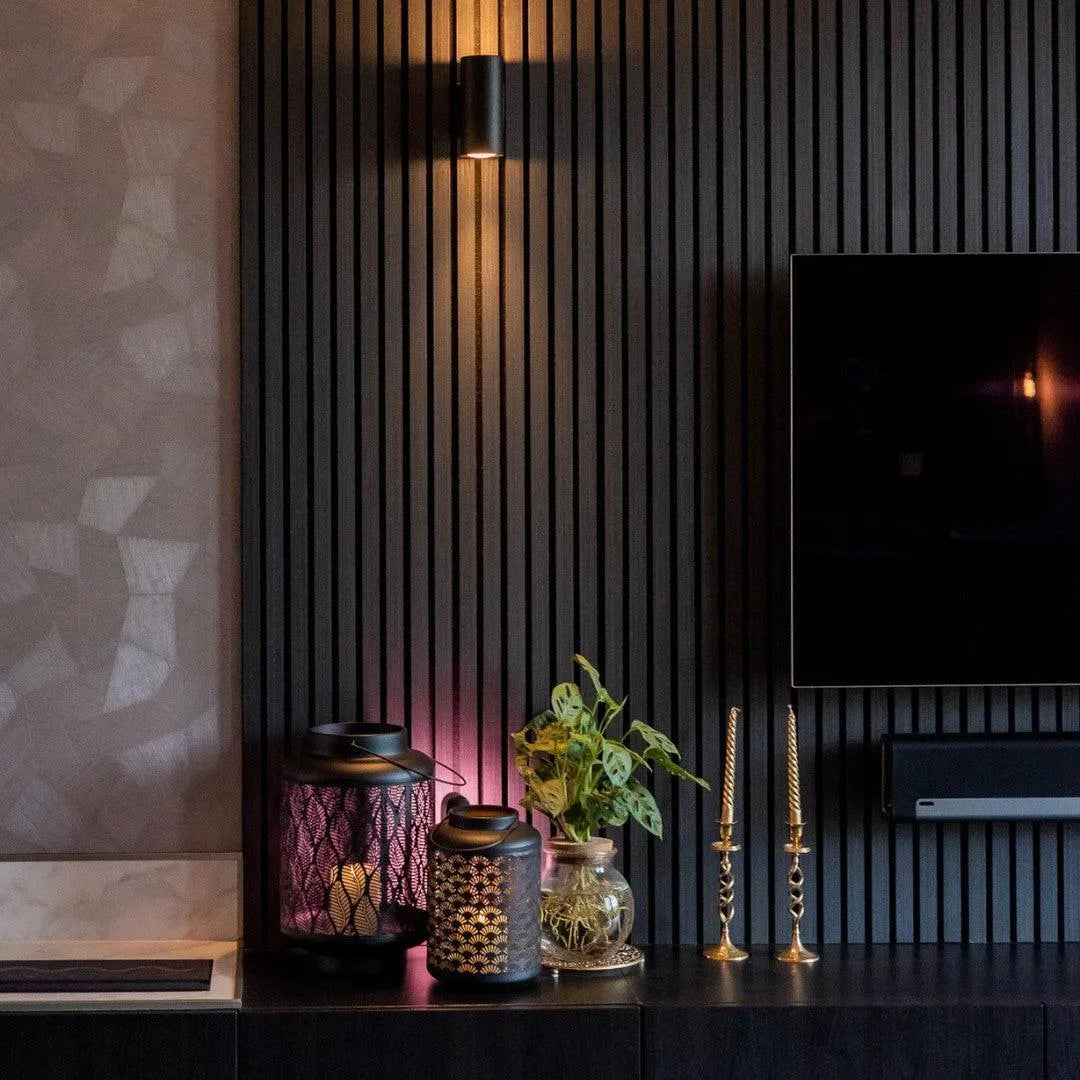
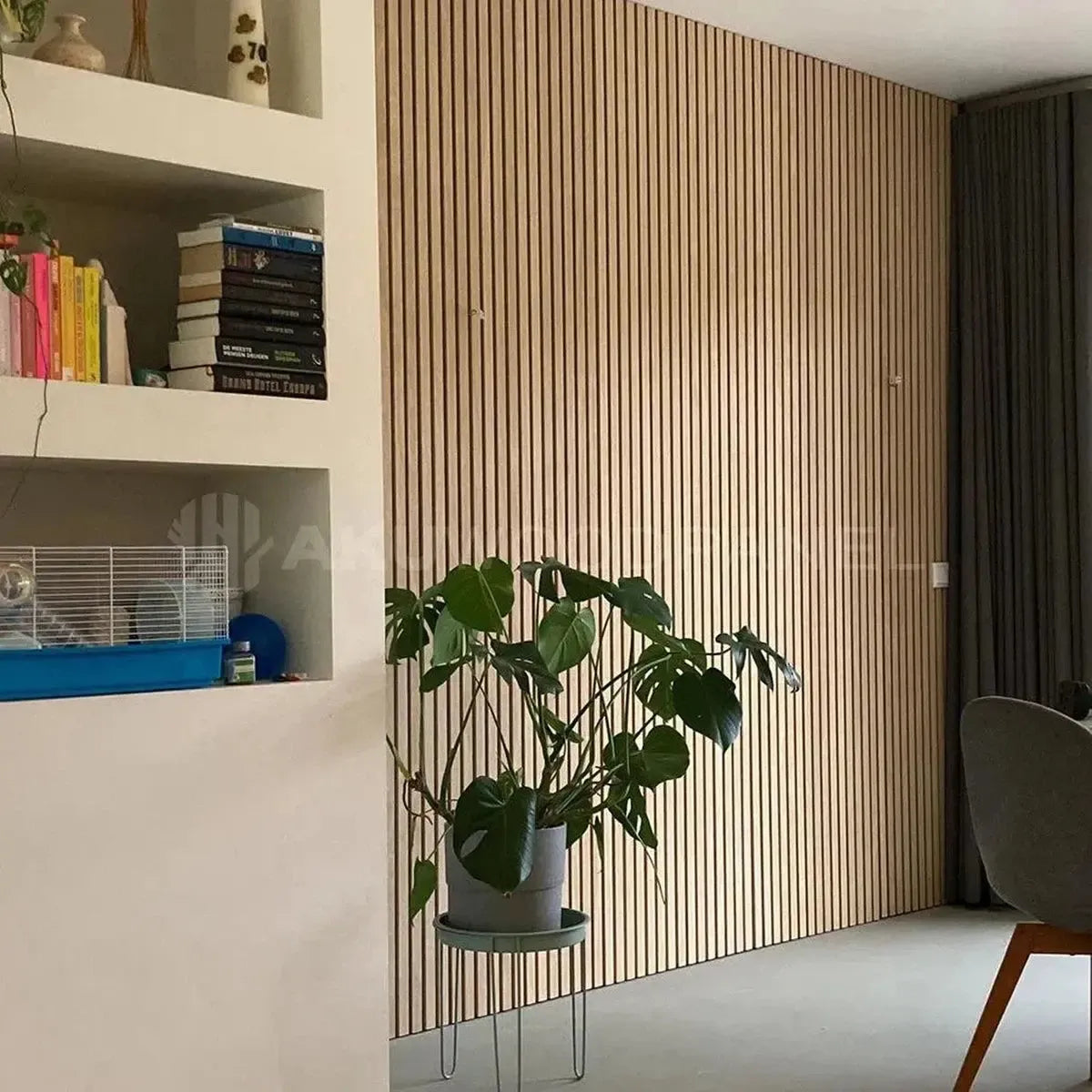
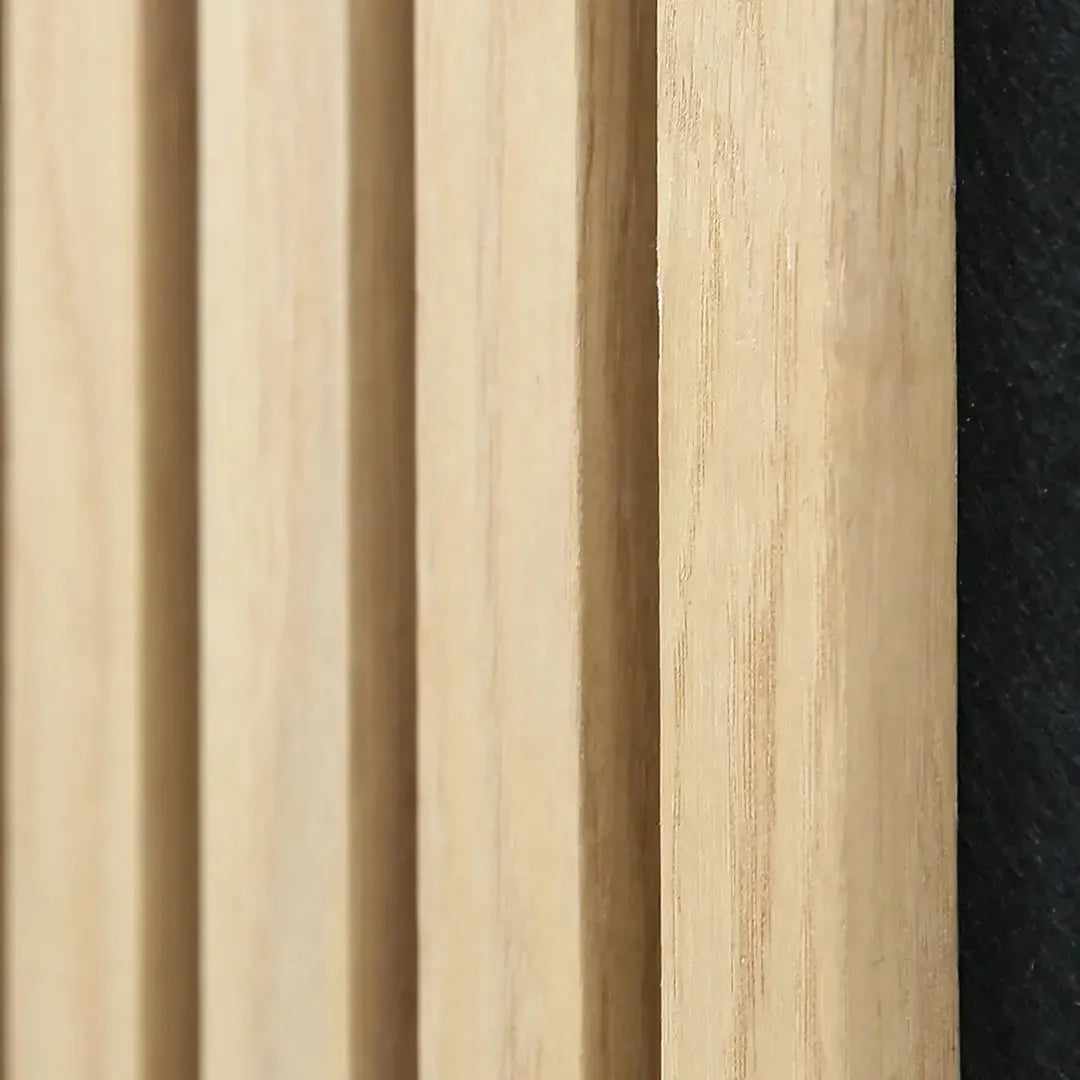
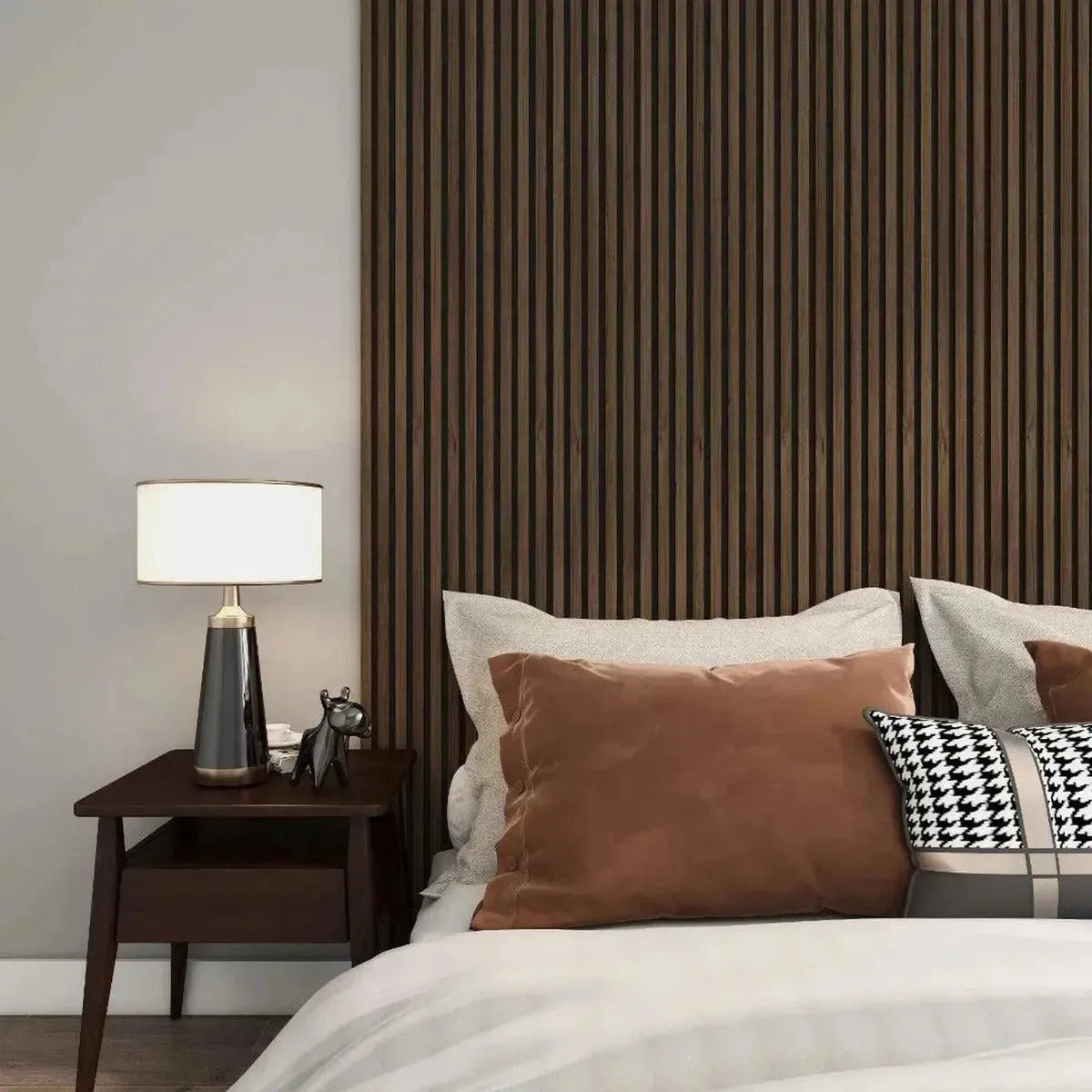
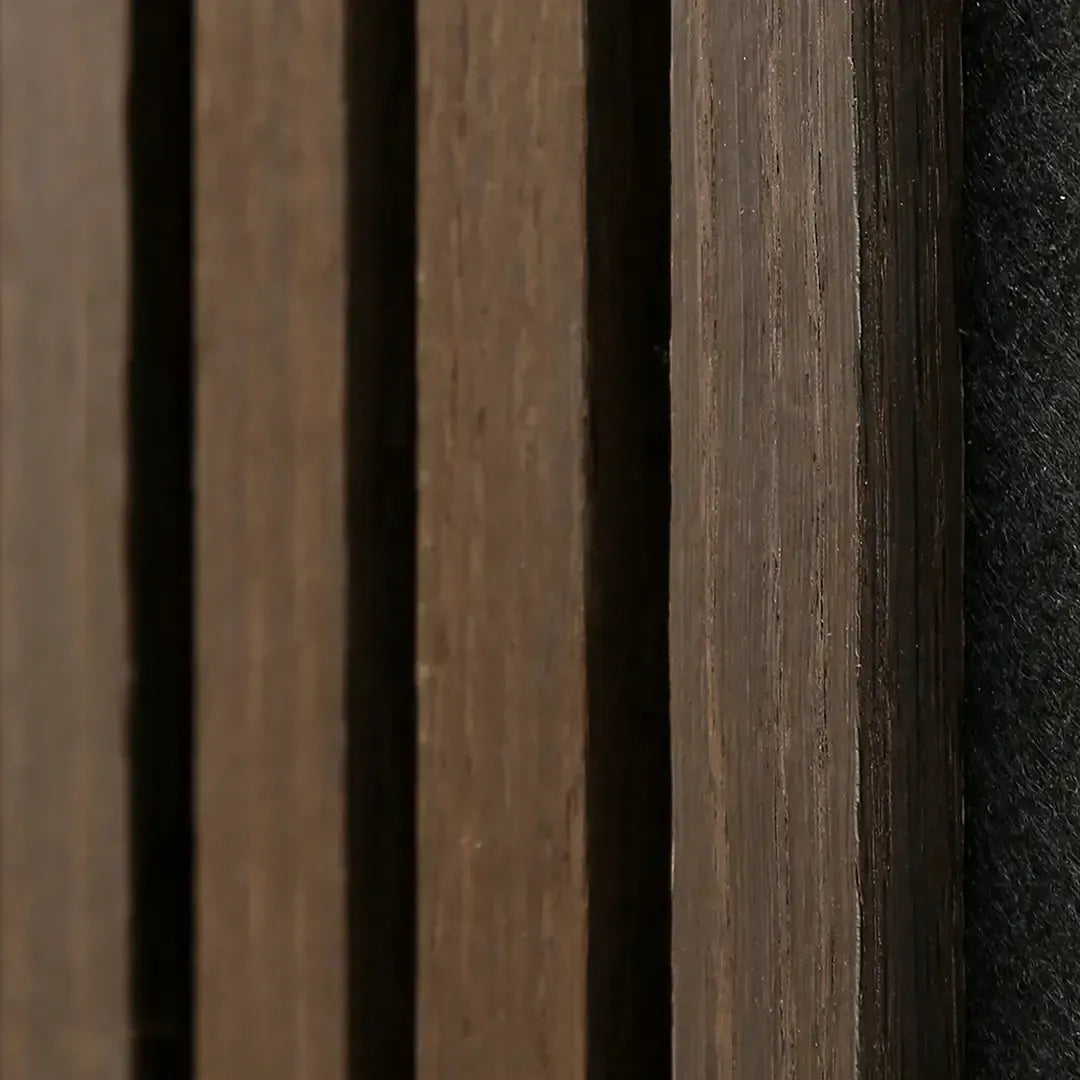
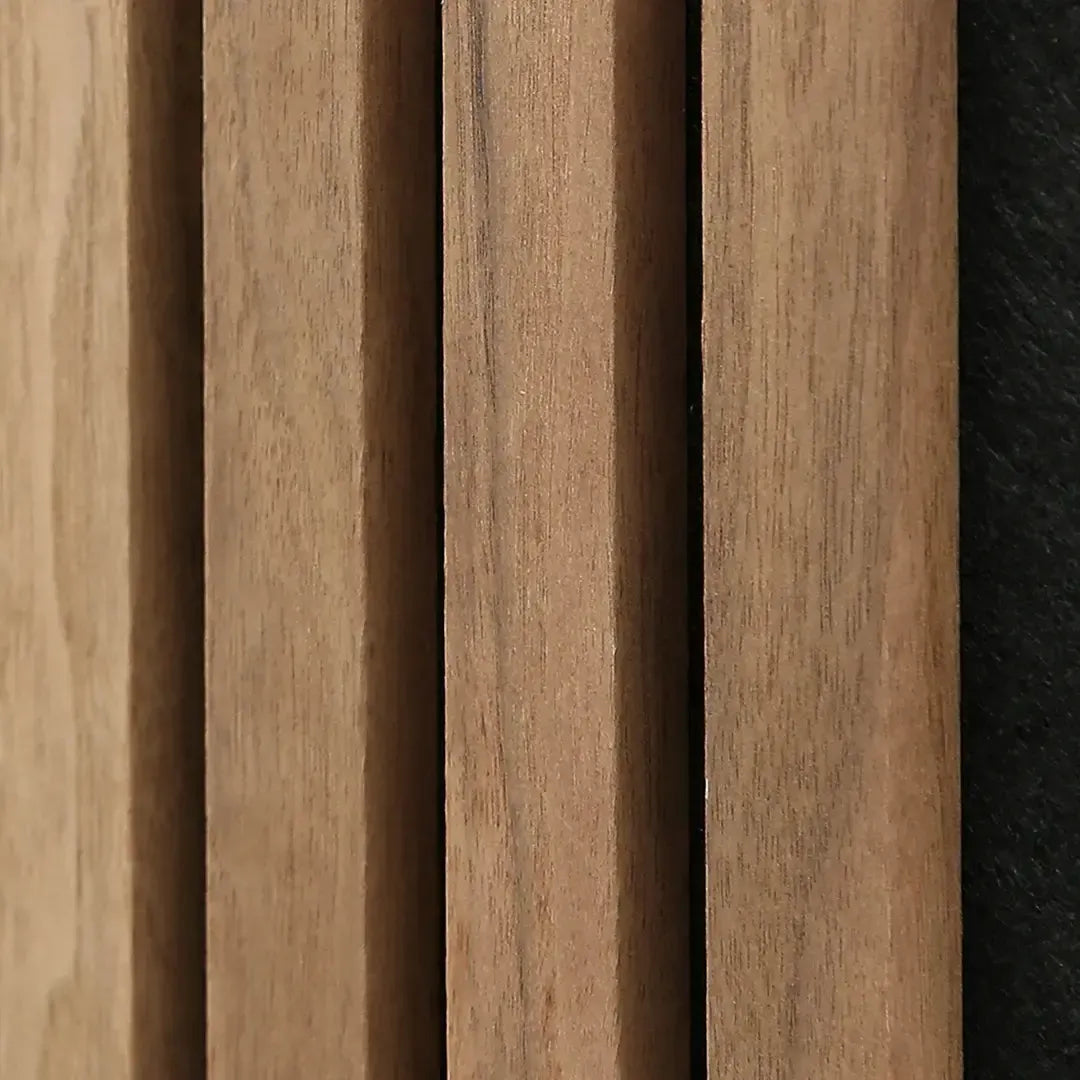
- AKU Woodpanel's Acoustic Slat Wall Panel Natural Oak runs $169.95 a box and carries a 0.75 NRC rating - Buy for dining room walls.
- Add a 15-20% contingency line before quoting a full dining room; material costs alone underestimate real spend.
- Bulk pricing on wood wall panels changes the math for multi-location restaurant groups - request it before finalizing a budget.
- Phase the spend by treating the loudest wall first if the full room budget doesn't clear in year one.
Why this matters
A loud dining room kills repeat business faster than a mediocre menu. Guests who can't hear the person across the table don't come back, and servers who have to shout orders burn out. The fix is not guesswork foam tiles from a big-box store - it's a budgeted, wall-by-wall acoustic treatment plan that matches material cost to the actual noise problem, something covered step by step in reducing echo in a restaurant dining room.
The mistake most owners make in 2026 is budgeting acoustic treatment the way they'd budget paint: dollars per square foot. Panels sell by the box, labor bills by the hour, and echo doesn't care about your square footage - it cares about hard, reflective surface area. Get those three variables wrong and the number you hand your GC is fiction.
What you'll need
- A tape measure or laser measure for wall linear footage
- A rough sketch of the dining room noting hard surfaces (tile, glass, exposed ceiling)
- Panel pricing from a supplier - slat, hexagon, or fluted wood panels typically run $126.95 to $182.95 per box in 2026
- A labor quote or DIY install time estimate
- A contingency percentage (10-20% is standard for reno budgets)
- A phasing plan if the full room doesn't fit the year-one budget
The steps
1. Walk the dining room and flag echo zones
Stand in the center of the room and clap once. Listen for the slap-back - the delayed echo bouncing off hard walls, tile floors, or a bare ceiling. Mark those walls on your sketch; that's where panel dollars go first. Skipping this step is the single most common mistake: owners panel the wrong wall (usually the entry, because it's visible) instead of the wall actually causing the noise, which is often behind the open kitchen line or the bar back.
2. Set a target NRC rating for the space
NRC (Noise Reduction Coefficient) measures how much sound a material absorbs, from 0 to 1. A rating of 0.75 - the spec on AKU Woodpanel's hexagon acoustic panels - absorbs 75% of sound hitting the surface instead of bouncing it back into the room. For a 40-60 seat dining room with hard flooring, target coverage on at least one full wall or the equivalent square footage split across two walls. Underestimating here means guests still can't hear each other after the install, and you've spent the budget without solving the problem.
3. Get a linear footage count of walls you'll actually treat
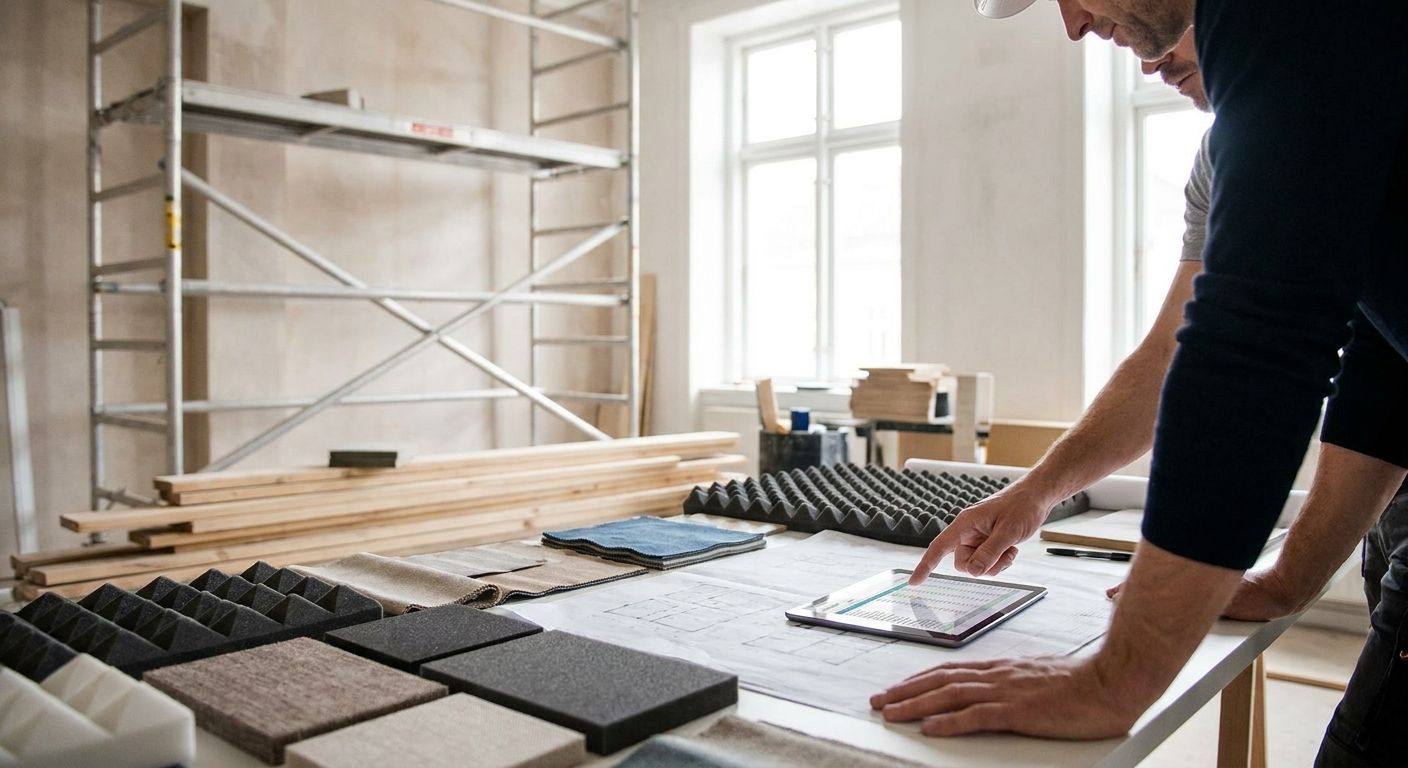
Measure only the walls flagged in step one, not the whole room. This is where budgets balloon - owners price out every wall in the dining room when the echo problem is really two walls near the kitchen pass. A precise linear footage count, cross-checked against a coverage calculator like the one in calculating acoustic panel coverage for a room, keeps the box count - and the invoice - honest.
4. Price out material in boxes, not square feet
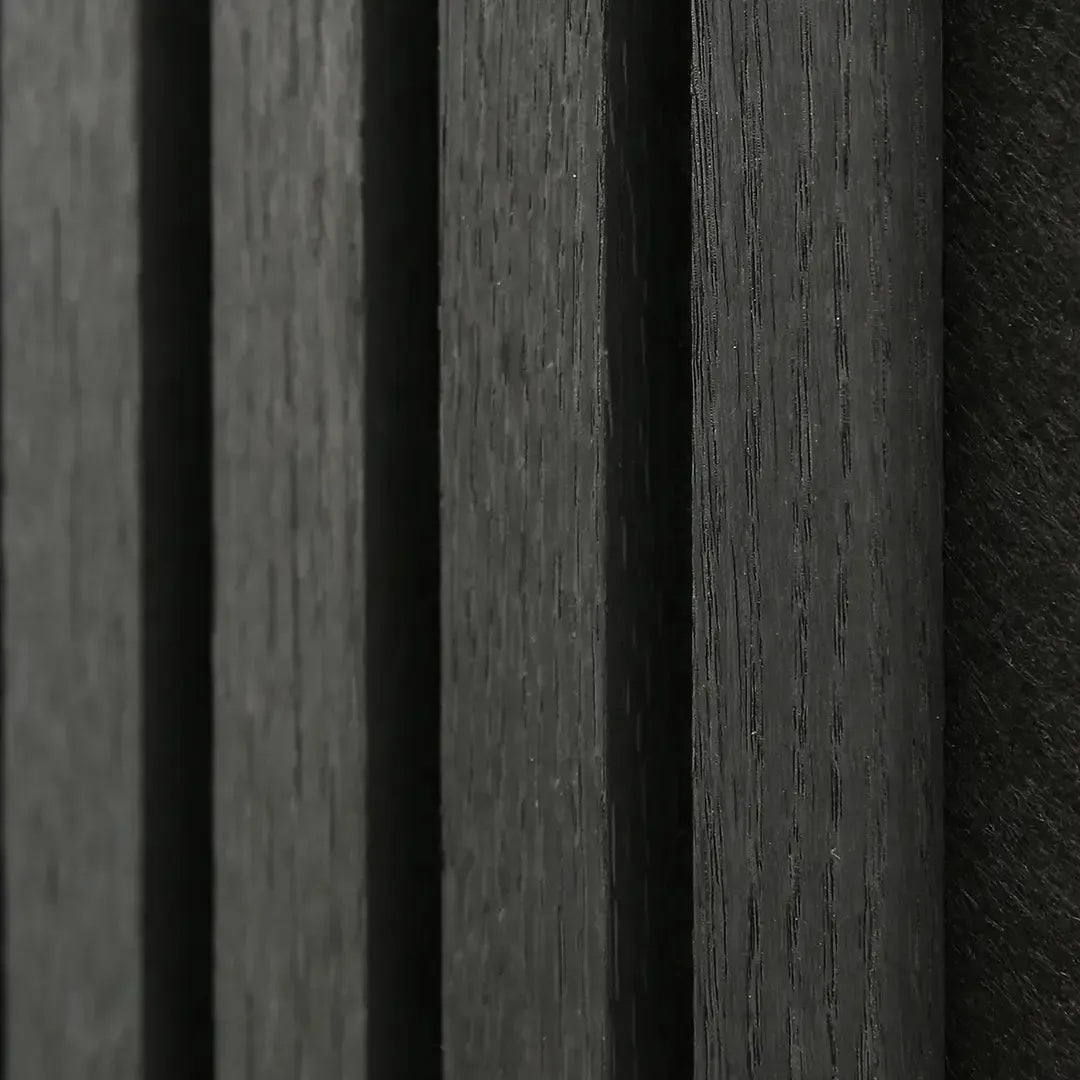
Panels ship by the box, and box price varies by finish. A box of Acoustic Slat Wall Panel Natural Oak runs $169.95, walnut runs $182.95, and the smaller tile-format box starts at $126.95. Multiply box count by box price to get your material line - this is the number that should anchor the rest of your budget, not a rough per-square-foot estimate pulled from a general contractor's gut check.
5. Add labor and installation cost line
Labor for wood acoustic panels varies by whether the wall is drywall, brick, or concrete, and by whether the crew is doing a straightforward slat install or working around outlets, banquette seating, or a curved wall. Get a written labor quote separate from material cost so you can see where the money actually goes if the bid comes in high.


6. Build in a contingency percentage
Hold back 10-20% of the total budget for surprises: an outlet you didn't account for, a wall that turns out to be uneven plaster instead of drywall, or a finish that reads differently in restaurant lighting than it did on screen. A reno without a contingency line isn't a budget, it's a wish.
7. Decide DIY vs contractor and check bulk pricing
A single-wall install in a small café is a realistic DIY project for a handy owner-operator. A multi-wall dining room or a multi-location restaurant group should request bulk pricing for contractors before finalizing numbers - per-box pricing on volume orders changes the total materials line more than most owners expect.
8. Phase the spend if the full room doesn't fit
If the number that comes back after steps 1-7 exceeds what you can spend this year, treat the loudest wall first and phase the rest into next year's budget. A partial install on the correct wall solves more of the actual echo problem than a cheap, room-wide install using thinner material.
Troubleshooting
- Contractor quote came in over budget - break the job into phases and re-quote the highest-echo wall alone before committing to the full room.
- Panel finish looks different under restaurant lighting than online - order a sample before committing to a full box order; lighting shifts wood tone more than screens show.
- Echo persists after a partial install - recalculate coverage against the room's actual hard-surface square footage; a half-treated wall often isn't enough NRC to notice a difference.
- Budget didn't account for outlets or trim work - add end pieces and finishing trim to the material line before the crew arrives, not after.
- Health inspector or fire marshal flags wall material - confirm fire-retardant panel options before ordering for a commercial kitchen-adjacent wall.
Tools and resources
- Tape measure or laser distance tool for linear wall footage
- A written labor quote separate from material cost
- Panel pricing sheet across finishes ($126.95 to $182.95 per box in 2026)
- A coverage calculator to confirm box count before ordering
- A phasing spreadsheet if the reno spans more than one budget cycle
| Budget line | What it covers | 2026 starting point |
|---|---|---|
| Material | Panels by the box | $126.95 - $182.95/box |
| Labor | Install per wall | Get a written quote |
| Contingency | Buffer for surprises | 10-20% of total |
| Phasing | Spread across budget cycles | Loudest wall first |
What to do next
Once the line-item budget is set, work through the full-room math in budgeting for a full-room wood panel renovation before placing a final order - it walks through scaling this same approach past a single wall.
FAQ
How much does it cost to budget acoustic treatment for a restaurant renovation in 2026?
Material alone runs $126.95 to $182.95 per box depending on finish, with labor and a 10-20% contingency added on top. A single-wall dining room treatment typically needs several boxes, so get a linear footage count before pricing the full job.
What NRC rating do restaurant acoustic panels need?
A 0.75 NRC rating, the spec on AKU Woodpanel's hexagon acoustic panels, absorbs 75% of sound hitting the surface. That's a solid target for a dining room with hard flooring and an open kitchen.
Is DIY installation cheaper than hiring a contractor for restaurant acoustic panels?
DIY saves the labor line but only makes sense for a single wall in a small space. Multi-wall dining rooms and restaurant groups with several locations should request bulk pricing before comparing DIY savings against a contractor bid.
Should I panel the whole dining room or just one wall?
Treat the loudest wall first, identified by walking the room and listening for echo bounce. A correctly targeted single wall often solves more of the noise problem than a thin, room-wide install spread across the budget.
How do I know if my restaurant has an acoustic problem or a layout problem?
Clap once in the center of the room and listen for slap-back echo off hard surfaces. If the sound bounces back sharply, it's an acoustic problem panels can fix; if guests just can't hear over kitchen noise at close range, it may be a layout issue instead.
What's the difference between slat panels and hexagon panels for restaurant walls?
Both carry the same 0.75 NRC rating in AKU Woodpanel's line, so the choice comes down to design and coverage shape. Slat panels suit long straight walls; hexagon panels work well on feature walls or partial coverage near a bar.
Should I get bulk pricing for a multi-location restaurant renovation?
Yes - bulk pricing on wood wall panels changes the per-box cost meaningfully for orders across multiple locations. Request it before finalizing a per-restaurant budget, since it moves the total materials line more than most owners expect.
One last thing
The box price you see on a spec sheet is never the full budget - the labor line and the 10-20% contingency usually add more to the total than owners expect going into their first acoustic reno quote in 2026. Price the wall you actually need treated, not the room you can see from the entrance, and the budget holds.



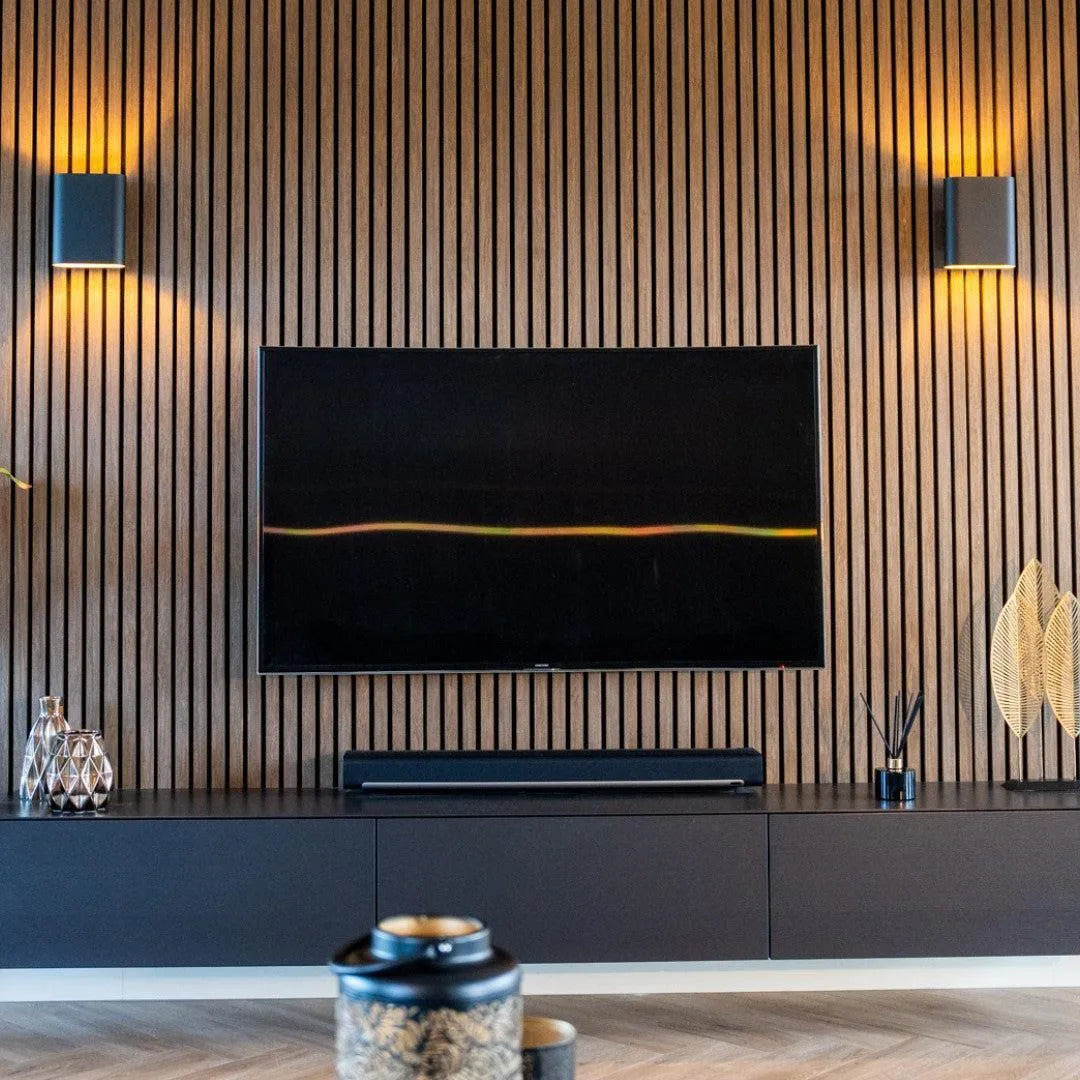
 Better performance and aesthetic appeal
 In Stock