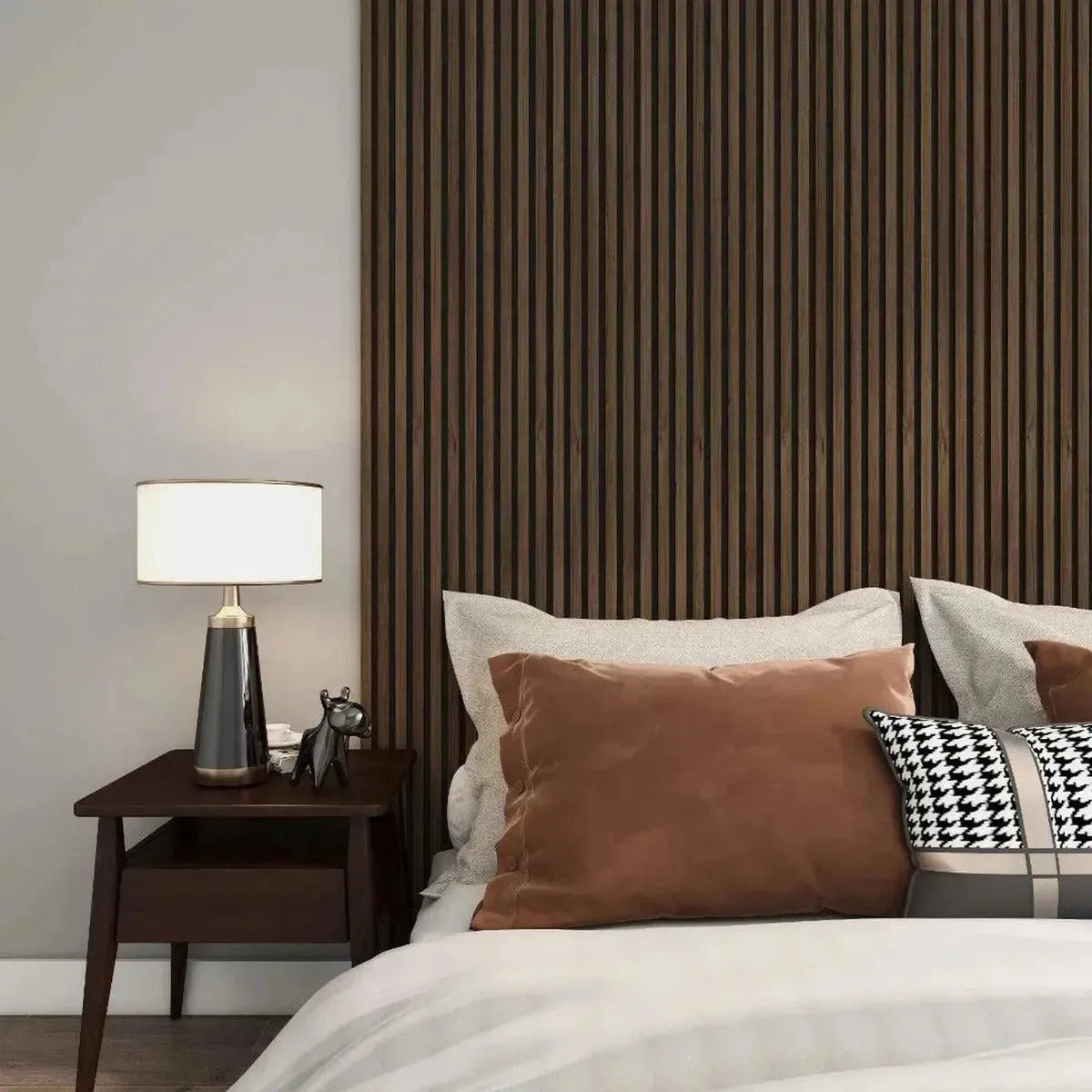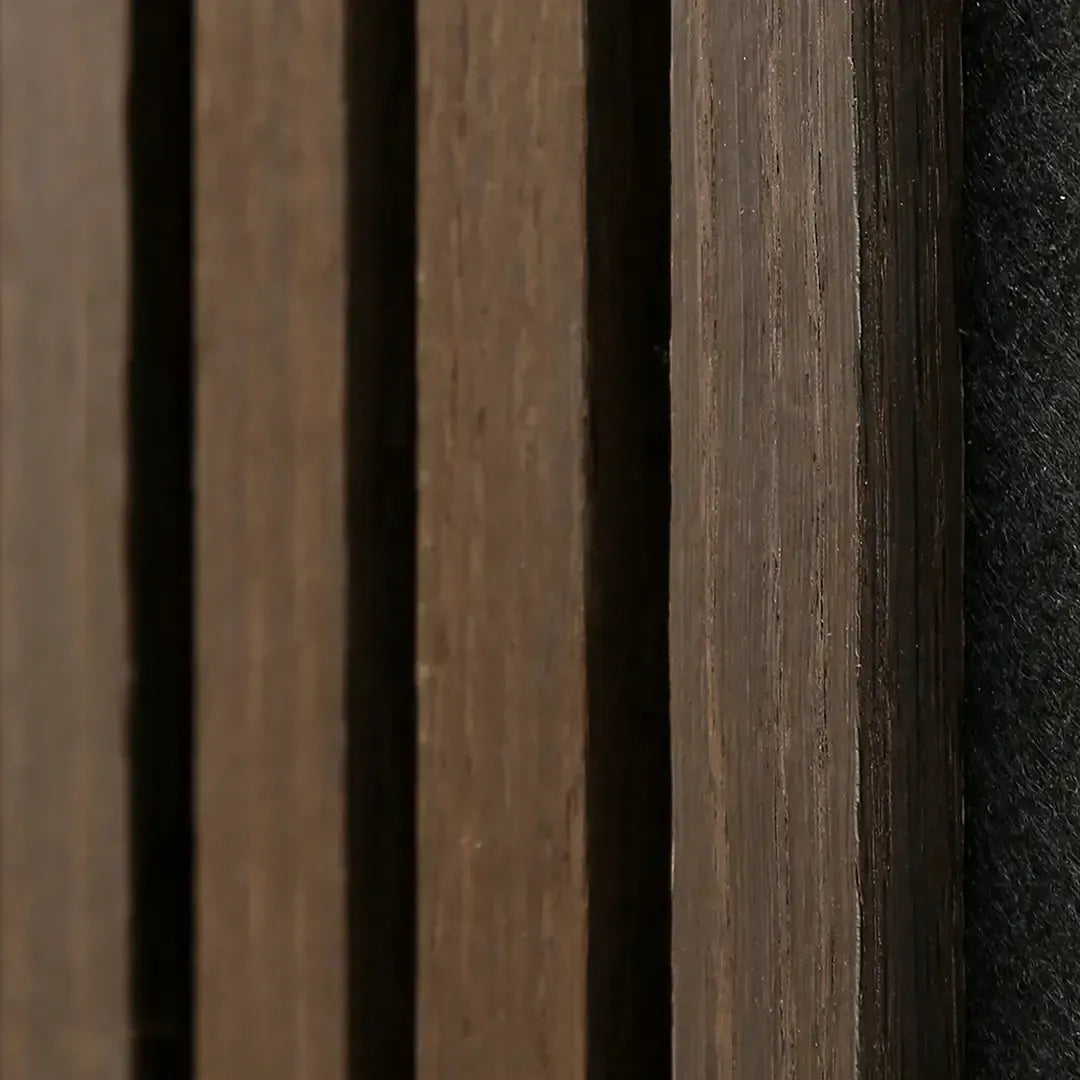
Budgeting for a full room wood panel renovation means adding up material, trim, adhesive or fasteners, and labor before you order a single box — not after. This guide breaks the math into line items so you know the real number before you commit.
- A realistic budget for wood panel renovation covers panels, trim, fasteners and labor as four separate line items.
- Akuwood Panel hexagon panels run $165.95 per box of 4 — get exact box count from a coverage calculation, not a guess.
- Order a $10 full sample box before locking any budget for wood panel renovation on a full room.
- End caps and screws add $30-$45 per accessory bag and are the most commonly forgotten line item in 2026 budgets.
Why this matters
Most renovation budgets blow up on the accessories, not the panels. Homeowners price out the wall covering, forget trim, end caps, adhesive, and the extra 10-15% waste buffer, then get surprised at checkout.
A full room wood panel job has more moving pieces than a single accent wall — you're covering more square footage, you likely need corners and outlets addressed, and labor time scales with complexity, not just size. Getting the budget for wood panel renovation right upfront means no mid-project scramble for a second panel order that may ship in a slightly different batch and read as a color mismatch on the wall.
What you'll need
- Room dimensions in square feet (wall area, not floor area)
- A panel style decision — slat, fluted, hexagon, or 3D wood tile
- A sample box to confirm color and texture before bulk ordering
- Trim pieces: end pieces, corner trim, or finishing trim depending on wall breaks
- Fasteners: construction adhesive, screws, or both depending on wall substrate
- A tape measure, level, stud finder, and a fine-tooth saw or jigsaw
- 10-15% overage built into the material line, not the labor line
The steps
1. Measure every wall face, not just the room perimeter
Get the exact square footage of the walls you're covering, including any sections that wrap corners or run behind fixtures. This number drives every other line item in the budget.
Most people measure the room's floor footprint and assume the wall area matches — it rarely does once you subtract windows, doors, and outlets, then add height. Underestimating this by even 15% means a second panel order mid-project, and dye-lot variation between orders is a real risk with natural wood veneer. Common mistake: forgetting ceiling height variance in older homes, which throws off per-wall calculations by a foot or more.
If the math feels tedious, the wall panel coverage calculation guide walks through the exact formula, including how to handle waste percentage for cut panels around corners and outlets.
2. Order a sample box before pricing the full room
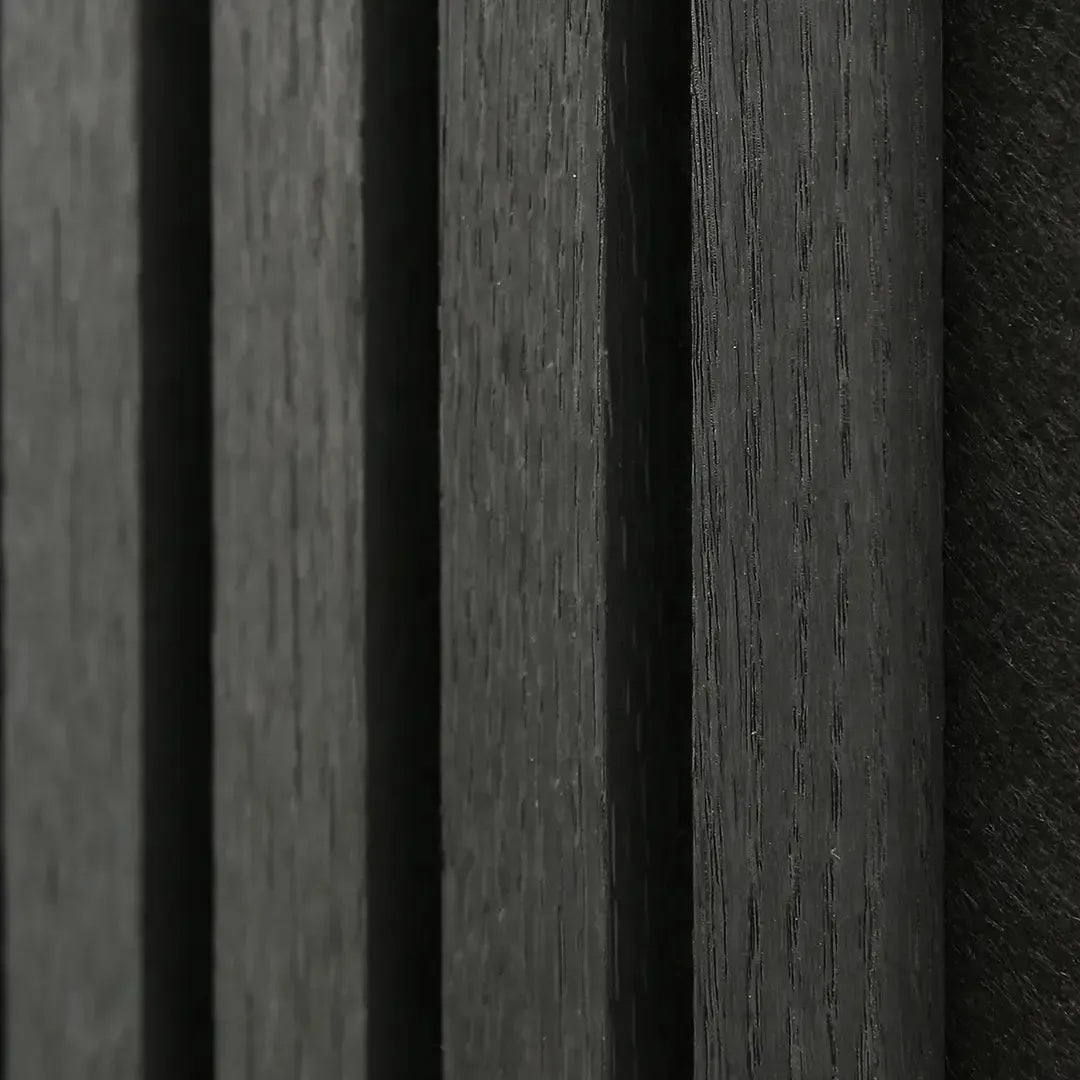
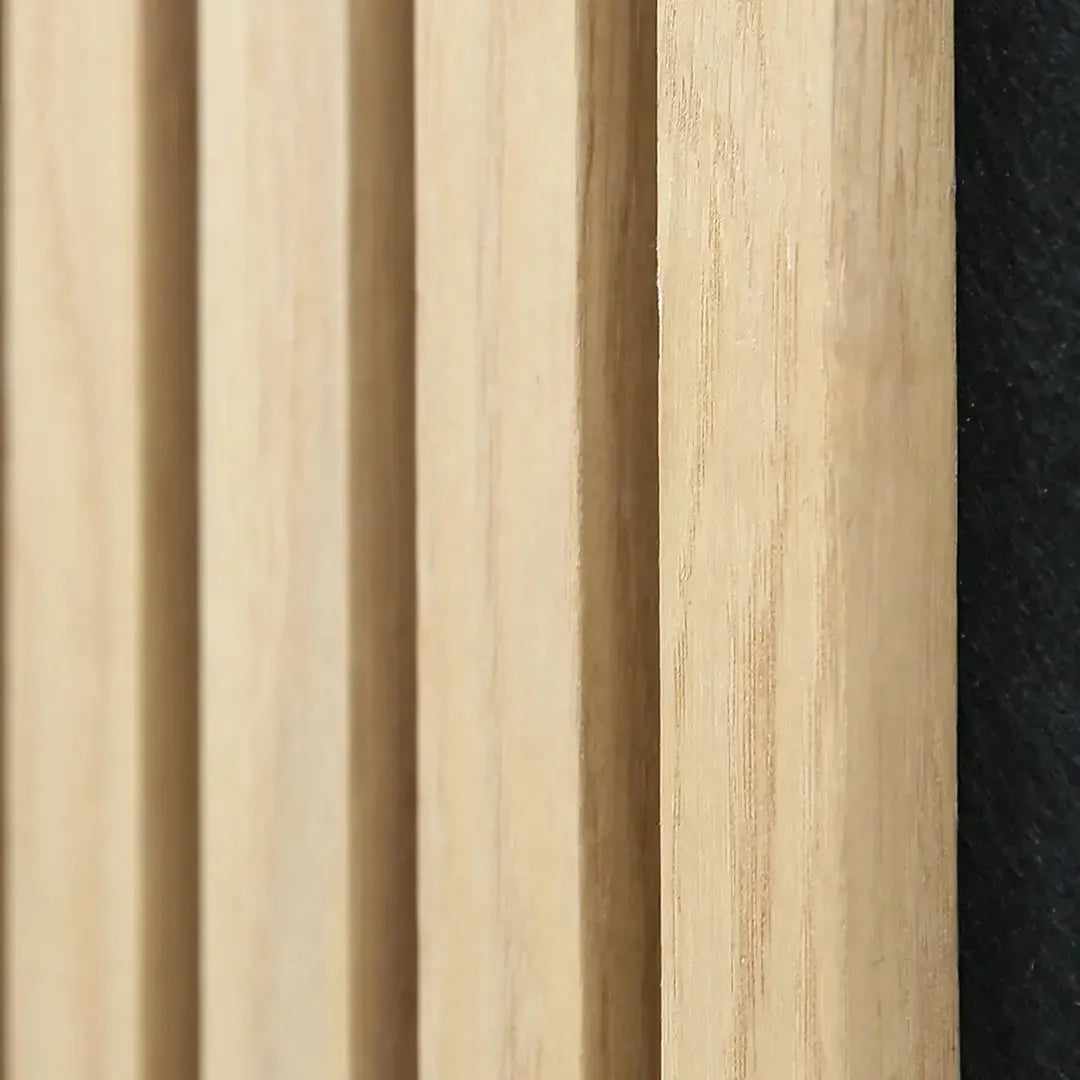
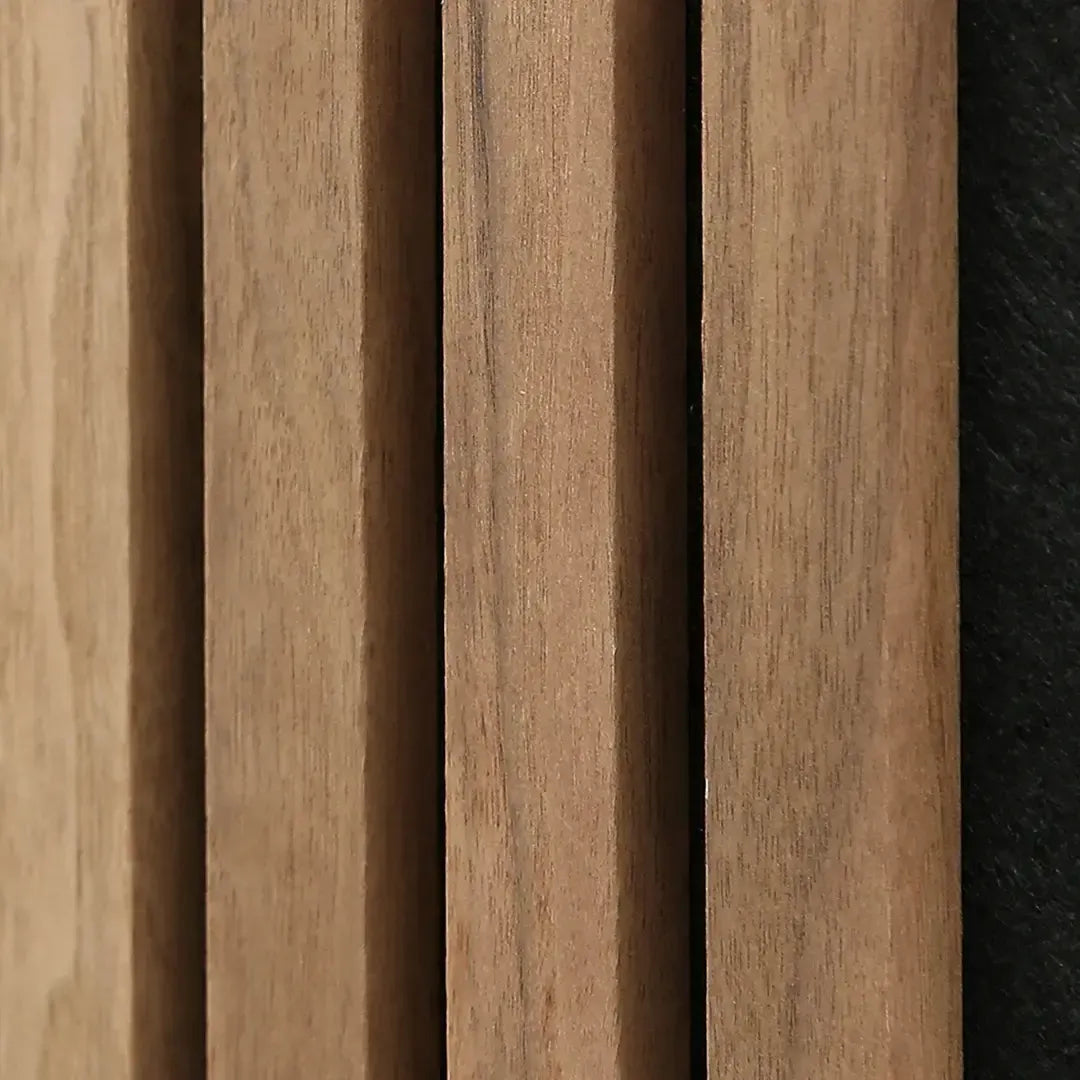
A full sample box of slat wall panels costs $10 and ships in Natural, Smoked Oak, and Walnut so you can see grain and color against your actual wall lighting. This is the cheapest insurance in the entire budget.
Skipping this step and ordering a full room's worth of panels sight-unseen is the single most expensive mistake in a wood panel renovation for 2026 — a color that reads warm online can look cool under LED lighting, and there's no return path for cut or installed panels.
3. Price the panel style against your acoustic and design goals
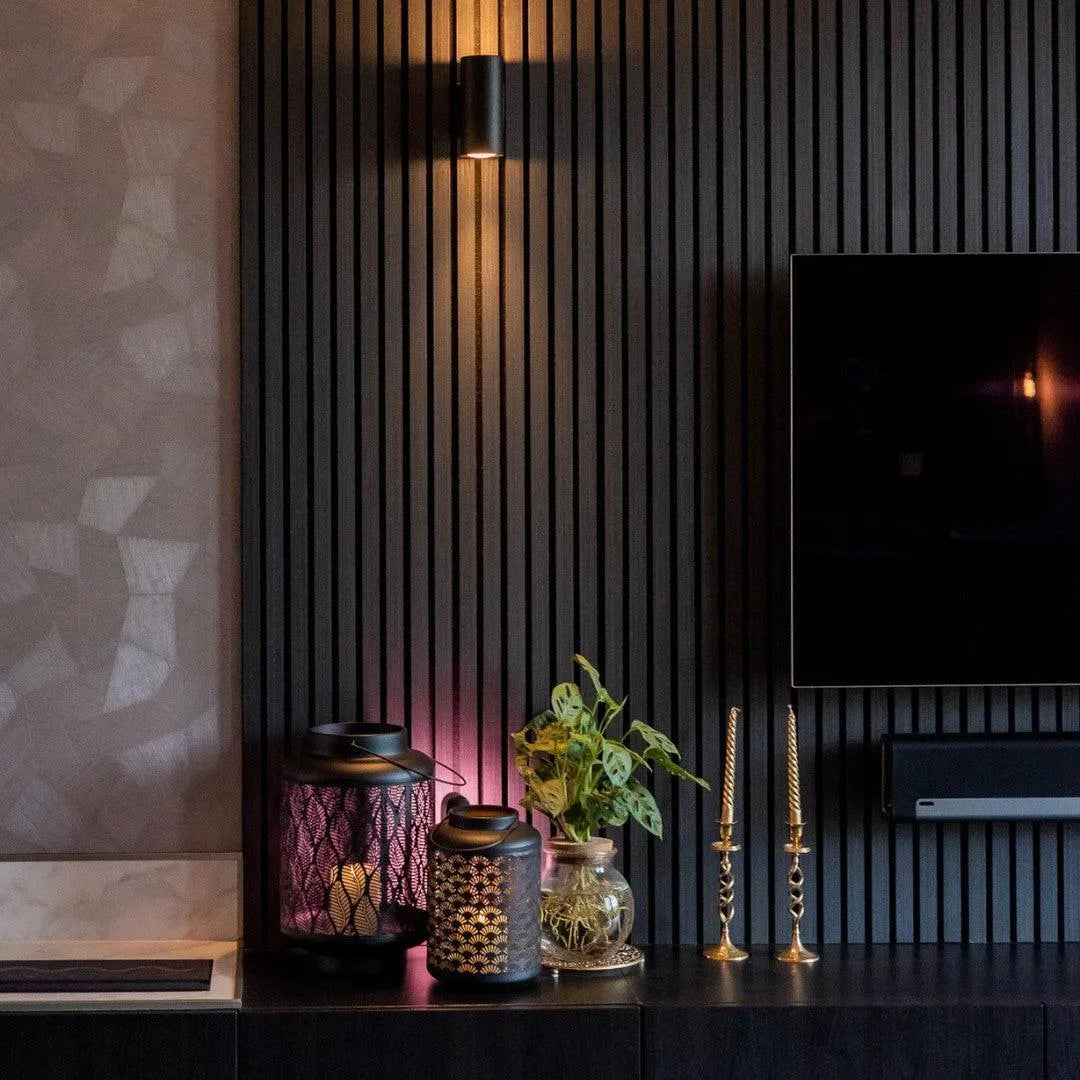
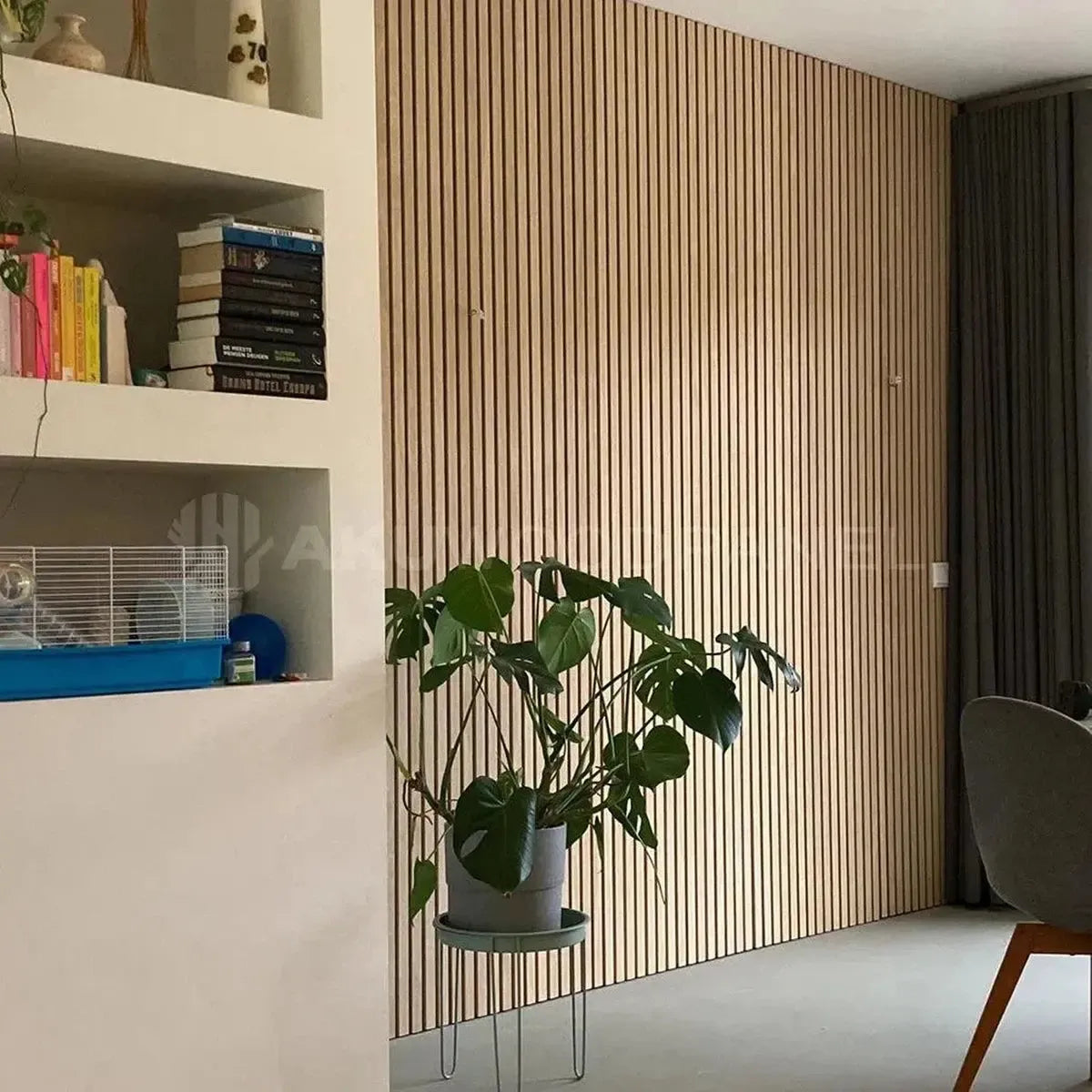
Slat panels, fluted panels, hexagon panels, and 3D wood tiles all price differently per square foot, and the right pick depends on whether you need sound absorption or pure visual impact. A natural oak acoustic slat wall panel with a felt backing addresses both echo and aesthetics in one product; a plain fluted panel is decorative only.
Hexagon acoustic panels run $165.95 per box of 4 panels at 32 inches, carrying an NRC value of 0.75 for sound absorption — a relevant spec if the room has hardwood floors and bare walls amplifying every conversation. Fluted wall panels in natural oak run $233.95 and lean purely visual with a flexible MDF backing for slight wall irregularities.


4. Add trim and end pieces as their own line item
End caps and finishing trim are not optional extras — every exposed panel edge needs one or the installation looks unfinished. A 10-pack of rubber end caps runs $42.95, and most full rooms need at least two to three packs depending on wall breaks, window returns, and outlet cutouts.
Budgets that skip this line item run 8-10% short by the time trim gets added at checkout. Common mistake: pricing panels alone and treating trim as an afterthought once the wall is already half-installed.
5. Budget fasteners and adhesive separately from panels
A box of 100 screws for exterior-style installs runs $34.95, and interior slat panel installs typically use construction adhesive plus a handful of finish screws for stability. This line item is small in dollar terms but easy to forget entirely, and running out mid-install means a delayed project waiting on a hardware store run.
Build in one extra fastener package beyond your calculated need — hardware is cheap relative to a stalled install.
6. Price labor or your own time honestly
If you're hiring installation, get a quote based on the actual square footage and panel style — fluted and hexagon patterns take longer per square foot than straight slat runs because of the cut angles involved. If you're installing yourself, budget the weekend differently than a single wall: a full room in 2026 typically takes two full days for a first-time DIYer versus a few hours for one accent wall.
Underestimating labor time is the second-biggest budget miss after skipping trim — rushed cuts around outlets and corners are the most common source of wasted panels.
7. Build in a 10-15% material overage buffer
Every wood panel job loses material to cuts, corners, and the occasional mismeasure. Ordering exactly the calculated square footage with zero buffer means a second order the moment one panel splits during a cut, and a second order risks a slightly different dye lot on natural wood veneer.
Add the overage to the panel line item specifically, not the general contingency — it needs to ship with the original order to match the batch.
Troubleshooting
- Total came in higher than expected after adding trim — this is normal; trim and fasteners typically add 12-18% on top of the panel subtotal, so price them before you set a final number, not after.
- Panels arrived and the color looks different from the sample — check the sample under the same lighting condition as the wall itself; overhead LED vs. daylight can shift how oak or walnut veneer reads.
- Ran short on panels mid-install — this is why the 10-15% overage buffer exists; order it upfront rather than reordering mid-project.
- Trim doesn't match the panel edge cleanly — confirm the end cap or corner trim color matches the specific panel finish, not just "oak" generically, since finishes vary between natural, smoked, and gray-toned oak.
- Labor quote came in above the material budget — get a second quote broken out by square footage and pattern complexity; fluted and hexagon patterns cost more per hour than straight slat runs.
- Budget doesn't account for wall prep — uneven drywall or old wallpaper may need patching or removal before panels go up, and that's a separate line item from the panel budget itself.
Tools and resources
- Tape measure, level, stud finder
- Fine-tooth saw or jigsaw for panel cuts
- Construction adhesive or screws depending on substrate
- Natural oak acoustic slat wall panel for the main wall coverage
- A sample box ordered before the full budget is finalized
What to do next
Once the numbers are set, the actual layout decisions — panel direction, seam placement, outlet handling — matter as much as the budget itself. The full room wood panel installation planning guide covers layout sequencing so the budget you just built doesn't get thrown off by a planning mistake during install.
FAQ
How much does a full room wood panel renovation cost in 2026?
Costs depend on wall square footage, panel style, and whether you hire installation. Hexagon acoustic panels run $165.95 per box of 4, fluted panels run $233.95 per unit, and trim adds $30-$45 per accessory pack on top.
What's the biggest budget mistake in a wood panel renovation?
Skipping trim, end caps, and the material overage buffer is the most common miss. These add 12-18% on top of the panel subtotal and catch most first-time budgets off guard.
Should I order a sample before budgeting a full room?
Yes — a full sample box costs $10 and lets you confirm color under your actual wall lighting before committing to a full room order. It's the cheapest line item in the entire budget.
Is acoustic slat panel more expensive than fluted panel?
Pricing varies by finish and box size rather than by acoustic vs. non-acoustic construction alone. Compare per-panel or per-box pricing directly against your measured square footage.
How much overage should I add to a wood panel budget?
Build in 10-15% extra material to cover cuts around corners, outlets, and the occasional mismeasure. Ordering this upfront avoids a second order that may not match the original dye lot.
Do I need to budget separately for trim and end caps?
Yes — trim is not included in panel pricing and every exposed edge needs a finishing piece. A 10-pack of end caps runs around $42.95 and most full rooms need two to three packs.
How long does a full room wood panel install take?
A first-time DIYer typically needs two full days for a full room versus a few hours for a single accent wall in 2026. Fluted and hexagon patterns take longer per square foot than straight slat runs.
One last thing
The line item that blows most 2026 budgets isn't the panels — it's ordering the exact calculated square footage with zero overage, then losing a panel to a bad cut around an outlet and waiting on a reorder that may not match the original batch. Add the 10-15% buffer to the panel order itself, not a separate contingency line, and that single decision prevents the most common mid-project budget surprise.
 Better performance and aesthetic appeal
 In Stock